by Rob Simmons | Feb 10, 2021 | Delivery, Freight Forwarding, Shipping Logistics, Transportation
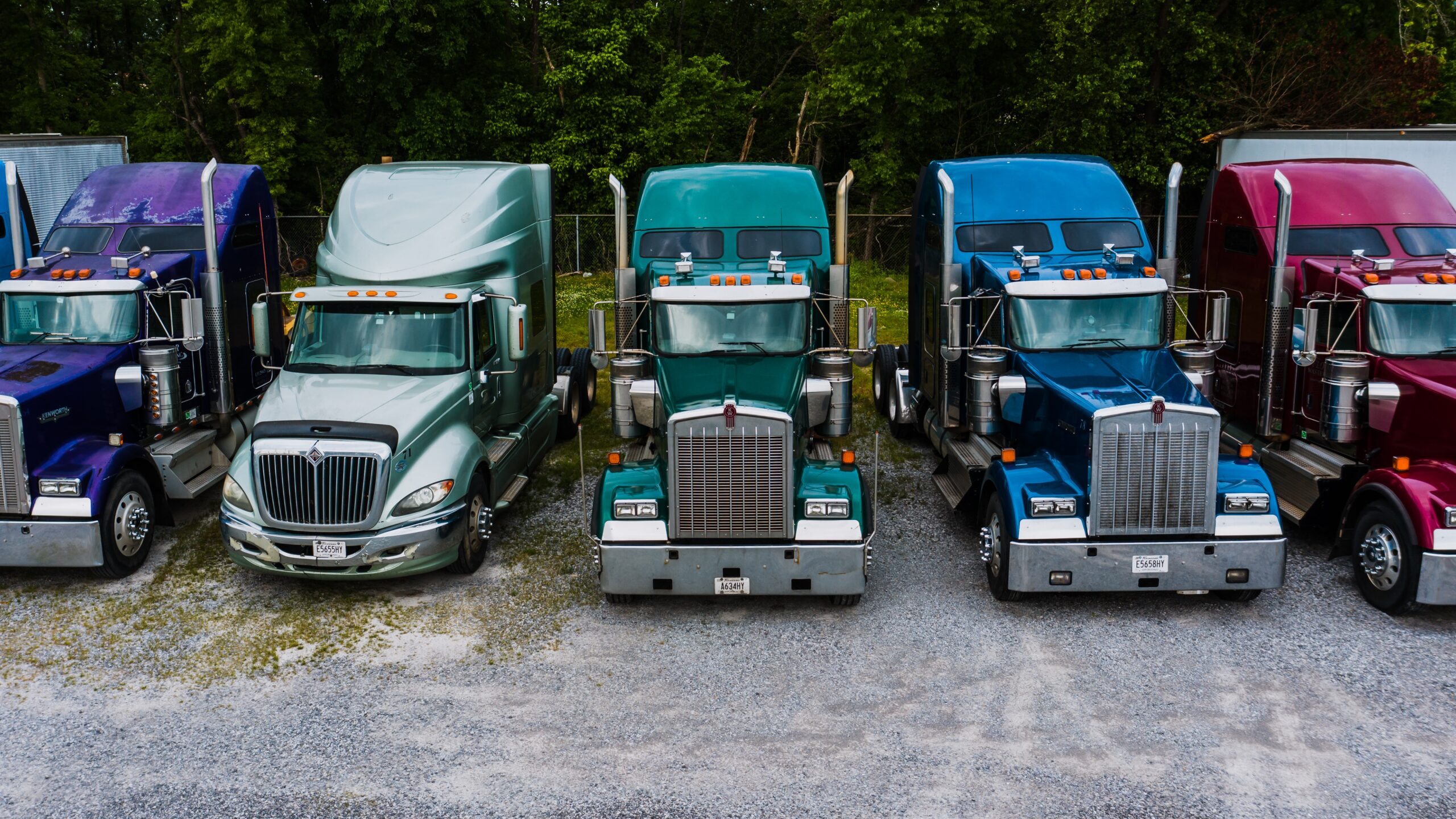
Have you ever heard the story on the news that goods from a truck were stolen or had it happen to one of your acquaintances? Compared to freight that is carried by air and ocean, trucks may have the highest risk of potential theft. This is because, with the other two methods of conveyances, freight tends to be less accessible to the public and more protected. The goods that are robbed have a wide range in variety, but food and household goods tend to be common commodities. Although this crime tends to happen around the world it is a more common occurrence in Mexico and Brazil.
How does this happen?
A truck driver may stop various times on their way to the warehouse and the trip can last a few days. When the driver parks at a gas stop and leave the vehicle to go into the rest stop, they can sometimes make the mistake of leaving the truck running. Thieves see this as an opportunity to not only take the truck, but also the goods. Even before the journey even starts, the robbers have the route of the truck mapped out from the pickup location to the warehouse. This can mean that when the truck arrives at the destined warehouse, the robbers that have been following the truck on its trip are also at the warehouse. They then just take the cargo and drive off.
Other common methods of truck cargo theft include:
- Counterfeit pickups – When freight reaches a port or a container terminal, the truck driver arrives to pick it up. A robber faking as a truck driver can go to those facilities and provide fake paperwork to gain access to the cargo.
- Digital Theft – Computer hackers may get into a company’s computer system and steal valuable information such as drop-off and pick-up locations. This can also help them do counterfeit pickups because the hackers may use the company’s system to print out the fake documents to show the pickup facility.
- Driver Participation – This is when the individual driving the truck gives a portion or all of the cargo to a burglary operation. This is usually done for compensation, which is typically money.
What can you do?
First off, it is important to know that truck cargo theft may be common, and anyone is susceptible to it. The individuals involved in the supply chain must implement preventive measures in case such a scenario occurs. This could mean a safety camera installed on the trucks, GPS cargo tracking, or alarms. Trucks are an important means of conveyance for goods and it is important that the goods are safeguarded throughout the voyage. If you have any questions about our trucking services or need a quote call us at 305-821-8995, we provide constant updates on your cargo.
by Rob Simmons | Feb 5, 2021 | Delivery, Freight Forwarding, Import and Export Experts, Technology, Transportation
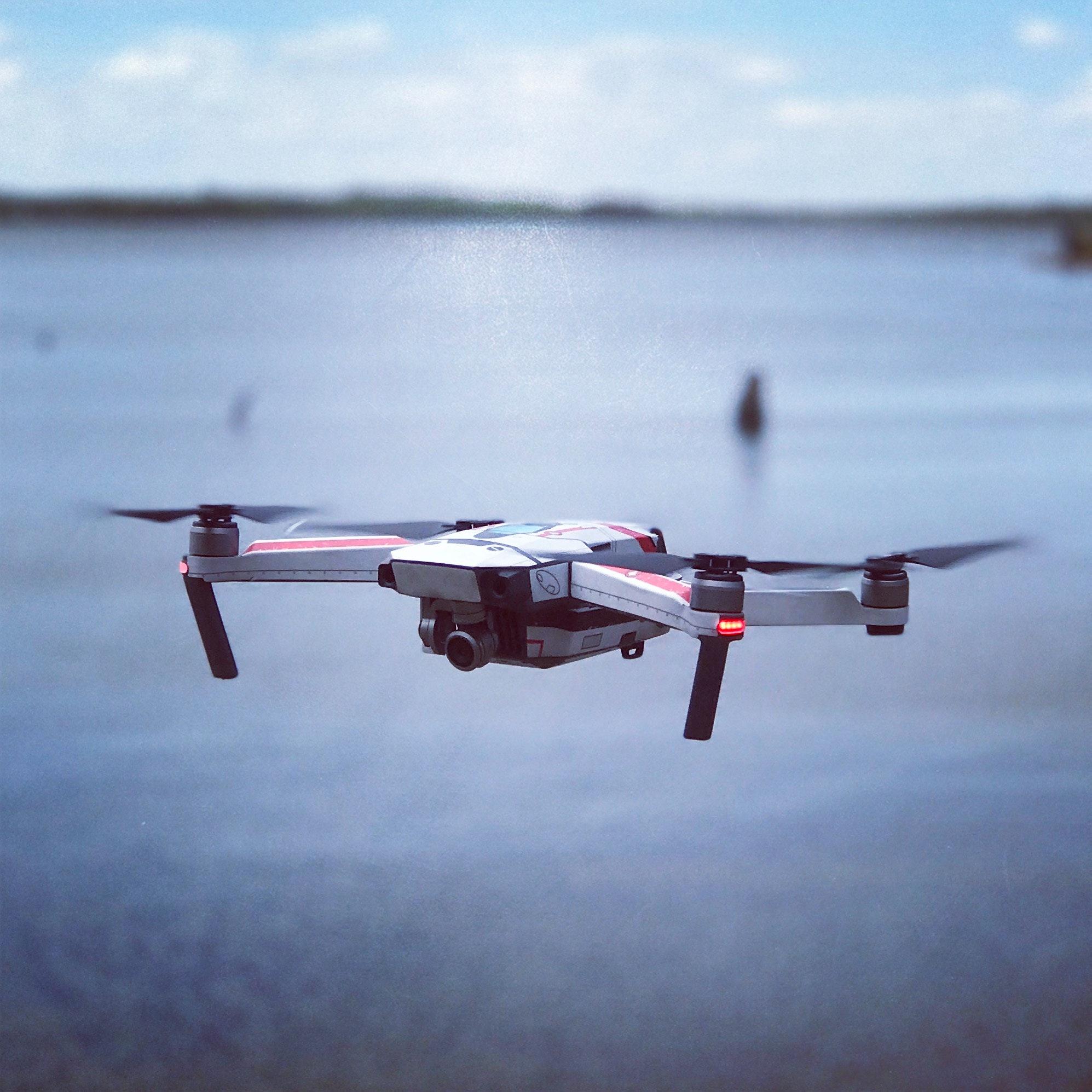
Recently, Coca-Cola partnered with DroneUP to deliver their coffee-flavored soda by drone to customers of Coffee County, Georgia. In the past, drones have been discussed as an alternate method of conveyance for lightweight packages that are delivered on the same day. Amazon is a company that brought more awareness to this type of transport with Prime Air. Also, with how popular e-commerce has gotten over the past decade, other companies have followed the trend. With the potential of freight being moved by drones becoming more common, what could be some pros and cons with drone delivery?
Benefits of Drone Delivery
One of the main benefits of using drones is the swiftness of the delivery. Clients can expect their packages in less than a day or in Amazon’s case, in 30 minutes. Shipping costs may also be reduced for last-mile deliveries. Unlike more common methods of conveyance, drones have the advantage of going into distinct places such as rural areas. There is a particular number of locations that cannot be delivered by road. Also, most road vehicles emit carbon dioxide into the air which makes drones more environmentally friendly.
Issues with Drone Delivery
Despite the benefits associated with drone delivery, there have been several complications associated with this method of conveyance such as regulatory regulations. For instance, the Federal Aviation Administration may not give certain companies the approval for the usage of drones as a delivery method. Also, customers may worry that damages to the packages may occur in unfavorable weather conditions or even burglary.
Another issue is that with everyday tasks becoming more automated, drone delivery may replace various jobs. Likewise, drones can also lead to jobs being created. Employees may have to be hired to build and program the drones. Another concern is that the privacy and security of the customer can be affected. Technology such as cameras and GPS will have to be put in place to mitigate any goods being stolen and to guarantee customer protection. Stringent regulations may also be needed to ensure security.
What’s Next
The emergence of drones opened possibilities for new technological advancements in freight forwarding. Currently, drones are only used for small packages that tend to not weigh a large amount and for short distances. What lies ahead could possibly be larger drones that carry heavier freight for greater distances. UPS also plans on collaborating with Verizon to test out the usage of 5G for delivering packages. This partnership may lead to innovations in other aspects of the supply chain for delivering goods to the customer efficiently.
by Rob Simmons | Dec 23, 2020 | Customs Broker, Customs Clearance, Delivery, Freight Forwarding, Shipping Logistics, Transportation
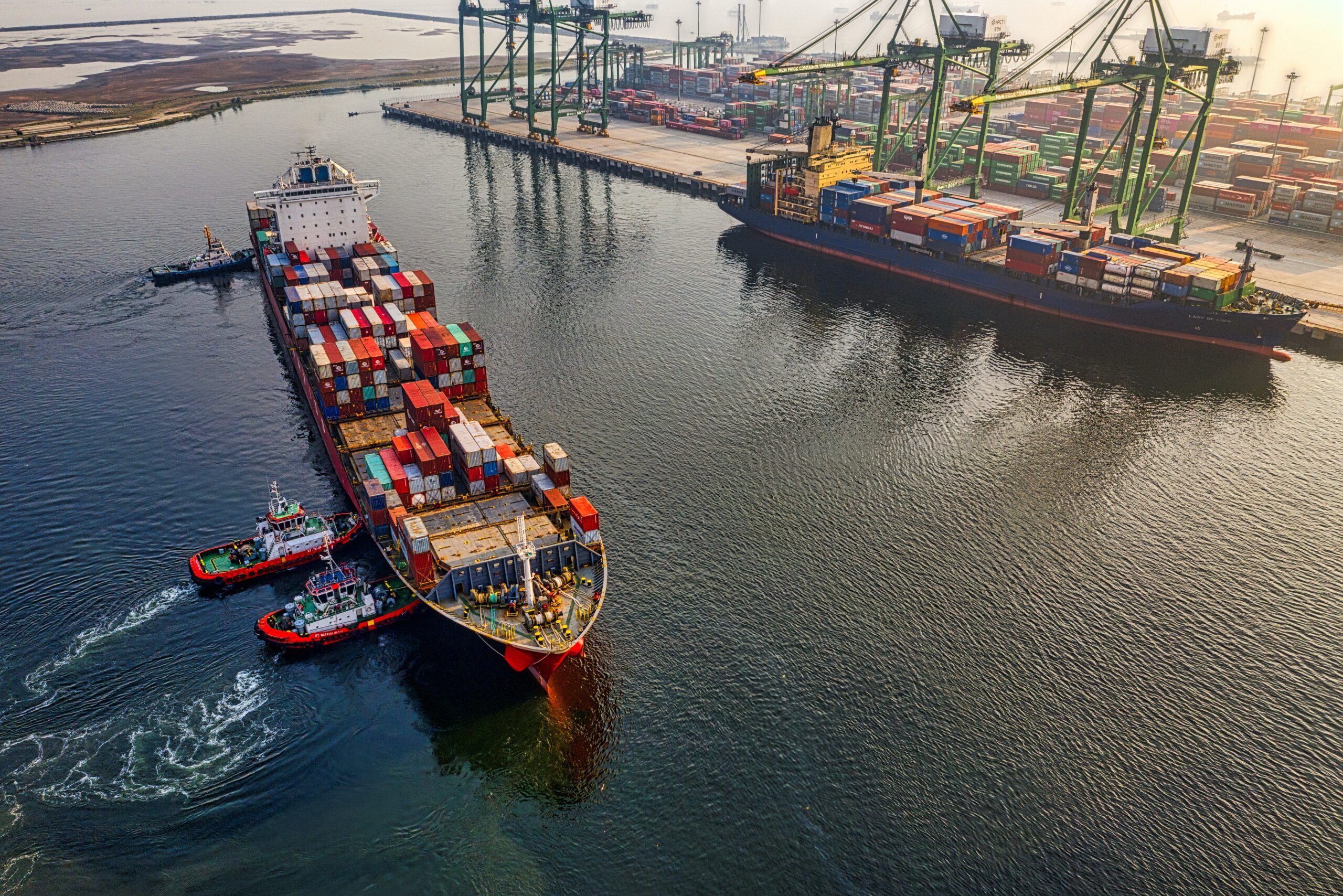
When a person usually thinks of direct shipping, they usually picture a fast and convenient method of getting goods to their required destinations. It is seen as a favorable option to order something online and having it mailed directly to your house in a few days. Also, with the Covid-19 pandemic still bring present it also appears to be the safer option than going to the store to purchase your product. With that said, there may be several disadvantages when dealing with direct-to-customer shipping.
Logistics
The supply chain process of getting goods to their required locations may not always go as perfectly as planned and different factors may impact the logistical journey. If the delivery of the product is not up to par or takes too long, the company delivering the product can be seen negatively in the eyes of the customer. Customs brokers help simplify the process by being the middleman between the company and the customer. They also help make sure that the shippers follow the FDA regulations.
Customs Clearance
The costs that are accrued during the freight forwarding process can affect both seller and the person buying the product. If the seller is a small-sized company and not that big, the shipping costs can be higher than shipping from a company like Amazon. The customs clearance charges may also have an impact on the costs. If you have any questions about customs clearance or need help with the logistics of getting your product to the required destination feel free to contact us at 305-821-8995. We are here for your freight forwarding needs.
Insurance
The common perception is that direct shipping is quick and convenient, but the opposite can happen as well. When a product is forwarded to its respective locations directly, damages to the cargo can sometimes occur. Cargo insurance is a common method to protect against these kinds of damages. There may be a cost incurred but it is small compared to the cost of cargo loss due to damages.

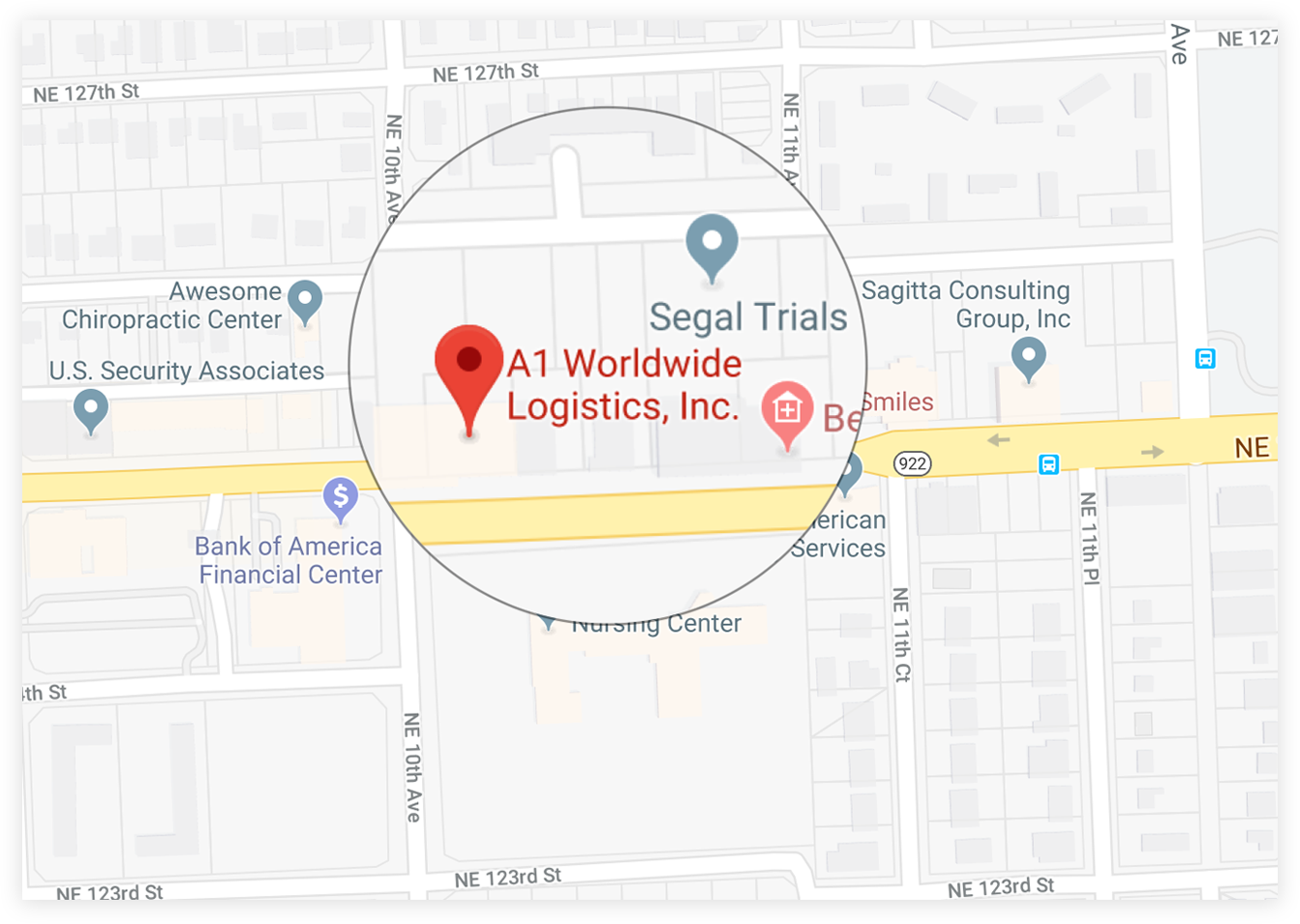
 1035 NE 125th St Suite #320, North Miami, FL 33161.
 a1worldwidelogistics.com
 (305) 821-8995
 Hours: 8AM - 5PM