Importing Pets Into the U.S.
Share Article in Social Media
Compared to bringing material goods, importing pets into the U.S. has its characteristics and challenges. While getting pets into the U.S. may be easier than other countries, there are essential regulations shippers should follow. Failure to comply and prepare correctly can lead to customs holding your pets and monetary loss. Customs may even send your pet back to the country of exportation. The reason that the importation of animals is stringent is to protect both the pets and people. For example, a dog with rabies can be potentially fatal to humans. This article will briefly introduce the requirements for importing pets into the U.S. and what to expect.
What is Required Before Importing Pets Into The U.S.
When deciding to import pets into the U.S., the first step is to research the exporting country’s requirements. For example, countries like Vietnam, Brazil, and Nigeria require screwworm inspection before importing dogs. Agencies like the CDC, USDA, and APHIS are in charge of setting the policies for pet importation. It is also essential to understand the specific pet has prerequisites, which can vary based on the animal. For example, birds weighing over 100 grams must have a microchip, leg band, or tattoo to qualify for home quarantine. Specific birds like chickens and ducks also are not considered pets and are poultry, meaning they must meet different requirements.
Types of Documentation Required
Although the paperwork for a pet import depends on the animal, there are common documents that a shipper may require. Examples of some of the paperwork include:
- Rabies Vaccination – When bringing a dog into the U.S., high-risk countries like Brazil, Thailand, and Russia require certificate proof of rabies vaccination. Countries not high risk do not need vaccine proof, but the pet should be healthy and disease-free. Cats do not require rabies vaccine proof for import; however, certain U.S. states require it before entry.
- Import Permit – Certain states require an import permit for nonnative, non-domestic, or endangered wildlife species entering the U.S. Dogs from high-risk countries must also have import permits.
- Health Certificate – A Health Certificate is a document that certifies that your pet is healthy and disease-free. Airlines require a health certificate around 7 to 10 days before travel. Most airlines deny entry into the U.S. if the pet does not have one.
Contact a customs broker for a detailed explanation of the importation documents. After the shipper obtains and completes the necessary paperwork, they may contact a carrier to begin importing. While an importer can use many airlines for bringing pets into the U.S., they must be aware of container requirements.
How to Begin
While researching the requirements should be done before importing a pet, it may not guarantee a successful importation. Situations like incorrect paperwork disrupting the shipping process can still occur. This can be especially true when importing less common pets like reptiles and amphibians. The best way to prepare is by contacting a customs broker to handle the process. A broker ensures that all the documentation is correct, and that the shipper follows regulations. Contact A1 Worldwide Logistics at 305-821-8995 to speak to a customs broker about starting your importation journey. We also provide domestic transport to move your pets to the final destination once they arrive in the U.S.




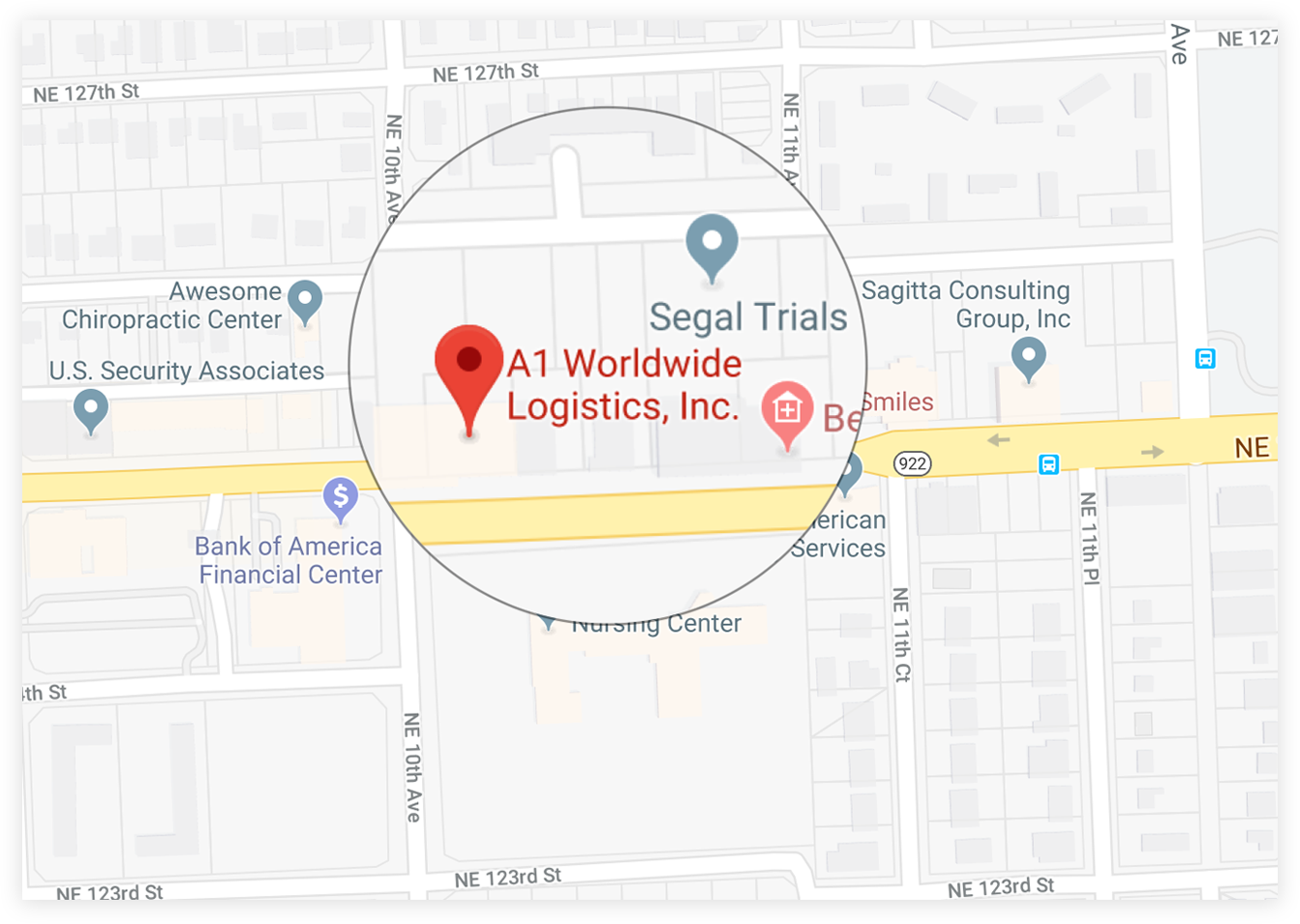
 1035 NE 125th St Suite #320, North Miami, FL 33161.
 a1worldwidelogistics.com
 (305) 821-8995
 Hours: 8AM - 5PM