Sustainability In Warehousing
Share Article in Social Media
The logistics industry has seen growing sustainability in warehousing operations in recent years. As the e-commerce business grows, so does the number of warehouses across the U.S. As a result, warehousing activities now contribute to nearly 11% of greenhouse gas emissions in the logistics sector. On a larger scale, it also contributes to massive energy consumption, waste, and transportation emissions in the global supply chain. Warehouse sustainability is the process of decreasing the environmental impact that warehouses have while optimizing operating efficiency. Various trends in warehousing have allowed an increase in greener and more efficient practices. Technology and different strategies have further expanded the push towards sustainability.
The Importance of Sustainability In Warehousing
Sustainability has grown significantly in warehousing for various reasons. One of the primary reasons is to reduce the carbon footprint in the logistics industry. With the U.S. setting a goal to have net-zero emissions by 2050, this is a vital step in the process. Another reason is to create an efficient and more resilient supply chain. Sustainability can have other benefits than a greener future, like reducing energy costs. Better reuse and recycling strategies can reduce expenditures by up to 20%. It can also improve brand awareness by giving a clean image to its customers.
How Is Sustainability Being Adapted in Warehousing?
Some of the most common ways that sustainability is growing in warehousing include:
Recycling and Waste Reduction – Waste management has been a focal point in warehouse sustainability due to the amount of excess they produce. Warehouses manage waste by recycling, reusing resources, and reducing packing waste. Businesses have also optimized their packaging for eco-friendliness by using eco-friendly package materials and reducing the volume of packing material.
Energy Efficiency – Since warehouses are common consumers of energy in the logistics industry Energy-efficient strategies have gotten increasingly popular. Renewable energy sources like solar panels are growing in warehousing to generate clean energy on-site. Smart thermostats and energy-efficient HVAC systems are other strategies for energy efficiency. LED lighting and solar panels can also help save costs.
Technology – A trend that has been growing recently is the usage of advanced technologies like automation in warehousing. Artificial intelligence is being used by warehouses to improve workflows and operations. Sustainability comes from technology that monitors and optimizes energy use or that can reduce waste.
Transportation – Sustainable practices can also come from freight transportation to and from the warehouse. Efficient route planning can lessen the time on the road, decreasing the amount of CO2 the carrier releases into the atmosphere. Using alternative fuels like compressed natural gas and renewable energy is another green practice in warehousing. Another way has been an increase in the use of EVs (Electric Vehicles).
A1 Worldwide Logistics
When importing into the U.S., a shipper must pay specific taxes before releasing their cargo from customs. If the importer does not need their goods immediately, they can keep them in a customs-bonded warehouse. Customs-bonded warehouses allow the storage of imports for up to five years without paying duties and taxes. The goods can undergo manipulation and manufacturing operations during the storage period. This is beneficial if an importer has a product that they do not plan on selling immediately. Contact A1 Worldwide Logistics at 305-440-5156 or info@a1wwl.com to learn about our bonded warehousing solutions for your shipment.




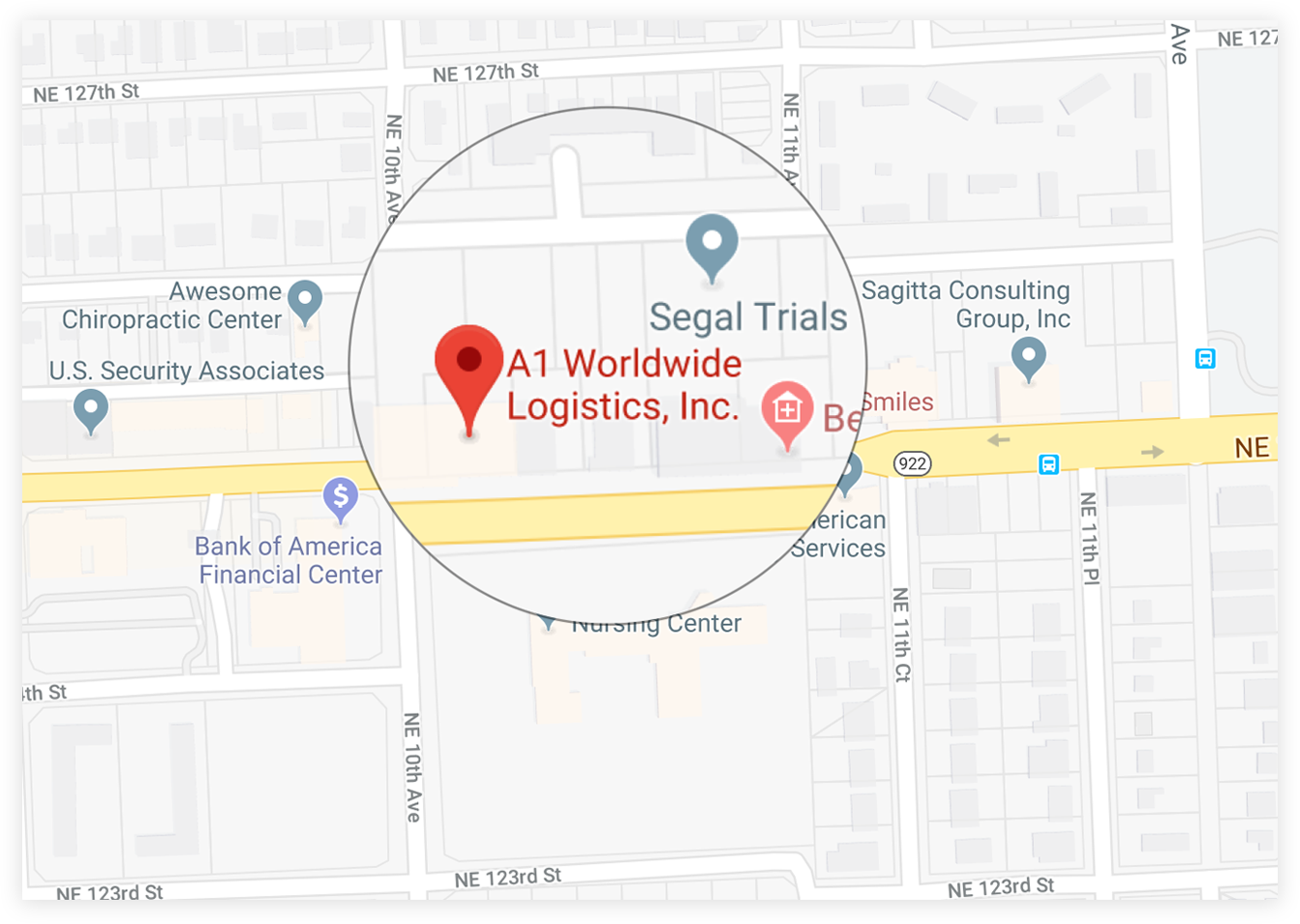
 1035 NE 125th St Suite #320, North Miami, FL 33161.
 a1worldwidelogistics.com
 (305) 821-8995
 Hours: 8AM - 5PM