by A1 WorldWide Logistics | Jun 25, 2025 | Economic trends, Shipping Logistics, Supply Chain
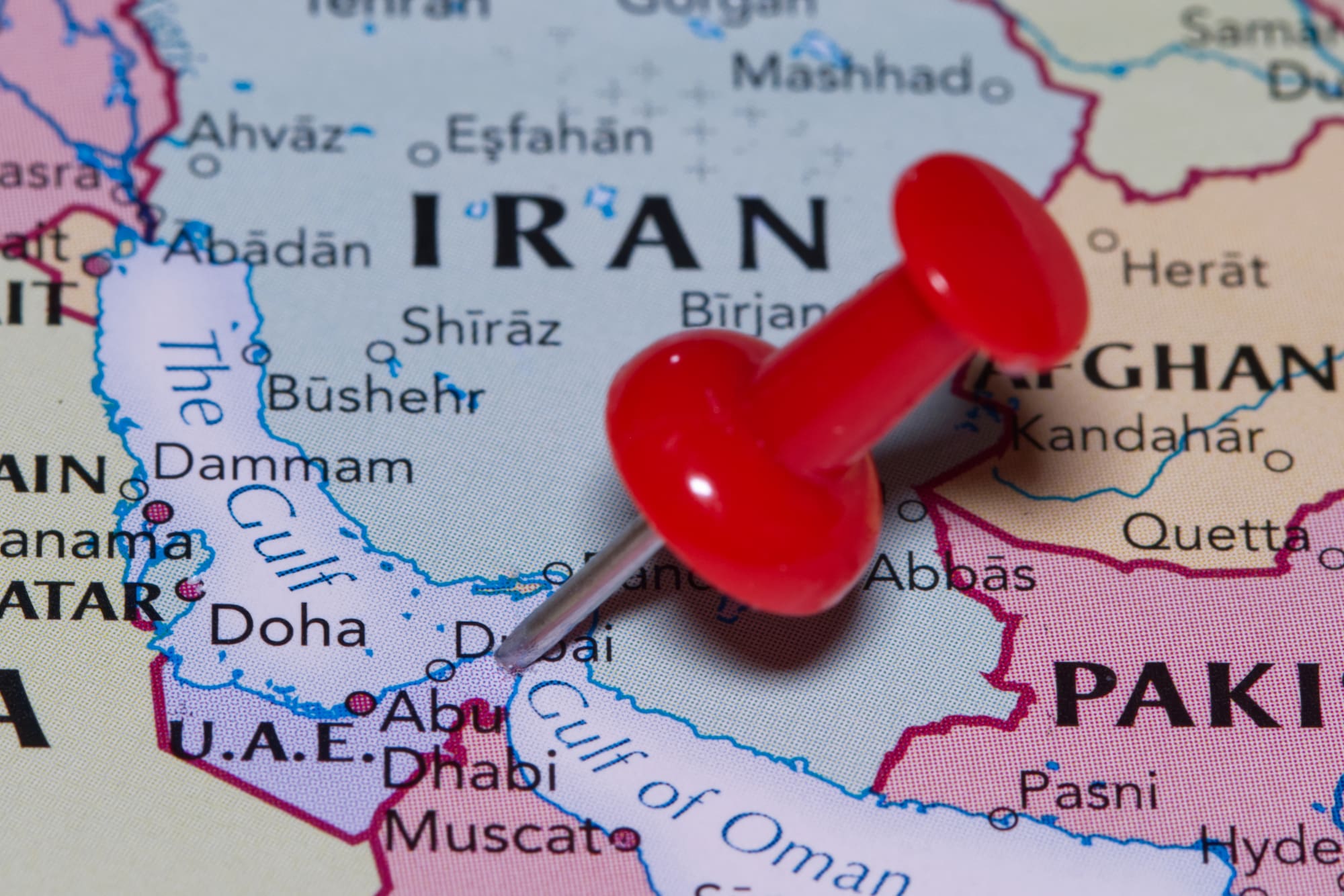
As tensions continue in the Israel-Iran conflict, there have been talks that Iran may close the Strait of Hormuz. The Strait of Hormuz is a key waterway for the shipping of oil and gas. Nearly 20% of the world’s liquefied Natural gas and a quarter of the world’s oil pass through yearly. Shippers from numerous countries use it as a shortcut for oil importing and exporting. On June 22, the Iranian Parliament voted to close the Strait due to US airstrikes. Despite the vote, the Strait remains open, with Iran’s Supreme National Security Council to make the final decision. As the waterway is a central trade lane in international shipping, its closure could have significant global consequences.
Why Iran May Close The Strait of Hormuz, And What Can This Mean For Shipping?
Israel and Iran have been in tension and have been in conflict for decades following the 1979 Iranian revolution. The conflict escalated into a war on June 13 when Israel launched a surprise attack on Iranian nuclear facilities. As the war persisted, the Iranian Parliament voted to close the Strait of Hormuz in response to military strikes from Israel and the US. This is a common counterattack that Iran does when the US imposes sanctions limiting Iran’s oil exports. Despite threats, maritime experts believe that closing the passage is unlikely due to the impact it will have on Iran. Closure would harm relations with various trading partners, including China, which receives the majority of Iran’s oil.
Due to the large amount of oil that passes through annually, the closure of the passage would hurt global trade. The price of a barrel of oil would immediately skyrocket from its current level of around $75 to nearly $120. Higher prices could impact the cost of shipping internationally, which may be passed on to customers. With the waterway being a shortcut for shippers, closure could result in a rerouting through the Cape of Good Hope. This would add weeks to deliveries and further increase the costs. The added time may also lead to supply shortages for industries that depend on the Strait for gas and oil.
What Is The Global Response?
A closure of the Strait of Hormuz would have an immediate response from Iran’s largest trade partners. There could be an immediate military reaction from the US. US Secretary of State Marco Rubio noted, “It’s economic suicide for them if they do it. And we retain options to deal with that.” Economies from countries such as China, India, and the European Union (EU) would also experience strong ripple effects. China’s Foreign Ministry spokesperson, Guo Jiakin, described China’s request for other countries to step up de-escalation efforts. Other trading partners expressed concern that closure would not be suitable for all parties involved, including Iran.
While the current conflict can seem daunting, it should not stop you from transporting your cargo globally. The shipper should, however, take the proper steps to protect their cargo. An ideal way to prepare is to speak with a freight forwarder. Forwarders serve as intermediaries between the shipper and the carrier, coordinating cargo movement on behalf of the shipper. They achieve this by offering numerous solutions, including providing paperwork, finding international and domestic carriers, warehousing, negotiating rates, and more. Forwarders also negotiate the best course of action to take for protecting your shipment during situations like conflict. Reach A1 Worldwide Logistics at info@a1wwl.com or 305-425-9752 to speak with our forwarders about shipping anywhere internationally.

by A1 WorldWide Logistics | May 29, 2025 | Economic trends, Importing, Tariffs
A ruling by the US Court of International Trade (CIT) has resulted in the Federal court blocking Trump’s tariffs. Termed “Liberation Day”, the president signed an executive order on April 2 introducing a 10% tax for most trading partners. On May 28, a three-judge panel from the CIT determined that Trump’s tariffs were unlawful. In particular, the court noted that the administration had exceeded its authority under the International Emergency Economic Powers Act (IEEPA). The court ruling was also against the higher tariffs Trump proposed for imports from Canada, China, and Mexico. With the tariffs potentially having a significant impact on trade, the blocking is a landmark decision for international shipping.
Why Is the US Federal Court Blocking Trump’s Tariffs?
The blocking of Trump’s tariffs comes after various businesses and states filed lawsuits against the levies. Some of the states included Delaware, Illinois, Maine, Oregon, Arizona, Colorado, New Mexico, New York, and Vermont. The argument was that Trump’s enforcement overstepped presidential powers, and CIT eventually sided with the plaintiffs, blocking the tariffs. The court released a statement stating, “The Worldwide and Retaliatory Tariff Orders exceed any authority granted to the President by IEEPA to regulate importation by using tariffs.” CIT further noted that the president’s reasons for imposing taxes do not represent “unusual and extraordinary threats.” The IEEPA is a US law that grants the President authority to regulate economic transactions when declaring a national emergency.
President Trump’s goal behind enforcing reciprocal tariffs is to address trade imbalances with the US’s trading partners. Trump has argued that trading partners, like China and the European Union, have imposed significantly higher tariffs on US imports. The levies are a tool to pressure countries into making better trade deals and reducing trading barriers. There is also a goal to bring manufacturing back to the US to create jobs and stimulate the economy. While it could boost domestic shipping and production, analysts believe it may harm the economy by creating inflation. There was also a fear that countries would impose their retaliatory tariffs.
What Was The Response To The Decision?
Immediately after the court blocked the tariffs, the Trump administration announced plans to appeal the ruling. The next step could be a potential escalation of the case to the Supreme Court. While there hasn’t been a direct response from Trump, administration officials strongly opposed the appeal. Stephen Miller, White House Deputy Chief of Staff, released a statement stating, “The judicial coup is out of control.” White House spokesperson Kush Desai said, “It is not for unelected judges to decide how to properly address a national emergency.” The ruling could soon disrupt US ports due to the uncertainty for importers that were navigating the active tariffs.
Despite the tariffs being on pause, A shipper should be aware of what to expect when transporting cargo. Lacking a proper understanding when starting can lead to delays, financial loss, and cargo loss. Shippers must stay informed about news that could impact their shipments. Another way to prepare when importing into the US is by contacting a Licensed Customs Broker. Customs brokers are individuals or firms that assist importers in meeting federal requirements for customs clearance. They accomplish this by offering services such as providing documentation, calculating tariffs, classifying cargo, ensuring compliance, and more. Contact A1 Worldwide Logistics at info@a1wwl.com to speak with a broker about the success of your shipment.
by A1 WorldWide Logistics | May 23, 2025 | 3PL, Economic trends, Importing
As tariffs continue to impact the international shipping industry, it is essential to know how to import during tariff hikes. Over the last few months, President Trump has imposed, announced, and paused numerous tariffs for imports into the U.S. Some goods affected include automobiles, aluminum, and oil, along with country-specific tariffs for Canada, Mexico, and China. Trump also imposed a 10% baseline tariff on April 2 for all countries importing goods to the U.S. Due to the volume of goods that come into the U.S., the tariffs have already impacted countless supply chains. This article will explain what to expect and give ideal steps to prepare when importing during tariff hikes.
Why Is It Important To Know How To Import During Tariff Hikes?
Knowing how to import during higher tariffs is crucial because of the consequences of not being prepared. The most significant impact of tariff hikes is that overall costs could skyrocket for different parts of a supply chain. In addition to importation, this can also include domestic shipping to move the goods to the final destination. As a result, a shipper’s profit margin can significantly decrease. If the shipper has customers, the higher costs will fall on them, which could strain relationships. Understanding how to import is also necessary to make an informed decision regarding your shipment.
How Should You Prepare?
Before deciding to import, a shipper must know the importation process for bringing goods to the U.S. Not knowing can lead to extra costs and tariff hikes. This can include understanding the rules and regulations for your imported cargo. A shipper must also understand the documents that they may require for importation. Some examples are the bill of lading, packing list, certificate of origin, arrival notice, commercial invoice, etc. The importer must correctly fill out the paperwork to avoid the cargo staying at customs and extra charges. With Trump implementing various tariffs, it is increasingly vital to classify goods correctly under the HTS (Harmonized Tariff Schedule).
The HTS is a system for classifying goods that use codes to determine the correct tariffs. Shippers have found other ways to prepare for tariff hikes, such as importing from different countries. An example is importing from Vietnam or Thailand instead of China, which has higher tariffs. Many supply chains are even reshoring production back to the U.S. to avoid the tariff hikes. There could be other issues with reshoring, including the costs associated with moving manufacturing. Shippers must also stay updated with news regarding the changing tariffs by checking news reports or online articles.
A1 Worldwide Logistics
When importing during tariff hikes, it is increasingly essential that you take the proper steps to protect your shipment. Failure to prepare can result in monetary loss and even loss of cargo. It can be especially adverse if the importer has customers expecting the goods. Another way to prepare is by contacting a 3PL (Third-Party Logistics) provider like A1 Worldwide Logistics. 3PLs provide various supply chain logistics services, including international and domestic shipping, customs clearance, warehousing, and more. They also educate shippers on the best course of action to take to avoid disruptions like tariffs. Reach A1 Worldwide Logistics at info@a1wwl.com or 305-425-9752 to learn about our solutions for ensuring your shipment’s success.
by A1 WorldWide Logistics | May 13, 2025 | Economic trends, Importing, Supply Chain
The U.S. and China will slash tariffs imposed on each other after both countries reached an agreement on May 12. In a joint statement, the two countries announced a pause on most tariffs released since February. Details of the agreement effective May 14 include:
- The U.S lowering tariffs on Chinese imports from 145% to 30%.
- China reducing tariffs on U.S. imports from 125% to 10%.
- A 90-day period for the reductions to take place.
- Specific U.S. tariffs, including those relating to anti-fentanyl, remain.
China will also pause or terminate non-tariff measures previously imposed on the U.S. The tariff reduction is temporary, and negotiations will continue for 90 days. With both countries being the largest exporters and importers globally, the agreement will significantly impact international shipping.
How Did The Agreement Come To Be?
Over the last few months, a trade war between the U.S. and China escalated as the Trump administration entered office. The escalations started with a 10% tariff that the Trump Administration imposed on all Chinese imports in early February. Trump cited fentanyl and unfair trade practices as reasons. China retaliated by imposing a 10% tariff on oil, large-engine vehicles, agricultural machinery, and a 15% tariff on coal. After several back-and-forth announcements of levies, U.S. tariffs reached 145% on Chinese imports, while China’s reached 125% on U.S. imports. Due to the volume of cargo both countries ship and import, higher tariffs would have impacted supply chains globally.
The higher tariffs would have negatively impacted the U.S. and China, as they are the biggest trading partners. In the joint statement, both countries identified “the importance of a sustainable, long-term, and mutually beneficial economic and trade relationship.” The U.S.’s new 30% rate comes from the 20% duty Trump imposed on China’s inaction on fentanyl importation and the 10% across-the-board tariff. While tensions have de-escalated since the agreement, this is a temporary measure. The two countries will continue talks and establish a mechanism for working towards a permanent resolution.
What Can Shippers Expect With The U.S and China Reaching An Agreement?
The announcement that both sides had reached an agreement led to a positive response in the international shipping industry. Higher tariffs may have raised costs for different supply chain parts, including the shipper, carrier, and receiver of the cargo. If the importer is a company bringing in products, the costs would have fallen on the customer. Domestic shipping, like port drayage services, could also benefit from increased imports from the agreement. Despite the positive response, analysts note that tariffs are still higher than when Trump took office. With the trump administration also placing tariffs on other countries, prices could still rise for U.S. consumer goods.
With both countries reaching a trade deal, shippers may be more comfortable transporting cargo. Despite this, there are many things that shippers should be aware of when starting. Regardless. It can be ideal to speak to a freight forwarder when beginning. A freight forwarder is a person or company that acts as a middleman between the shipper and the carrier. Along with coordinating freight movement on behalf of the shipper, they provide numerous services for their supply chains. Some solutions include customs clearance, international and domestic transportation, warehousing consulting, and more. Contact A1 Worldwide Logistics at info@a1wwl.com or 305-440-5156 to speak to a forwarder regarding shipping your cargo internationally.
by A1 WorldWide Logistics | May 8, 2025 | Economic trends, Importing, Supply Chain
U.S. and China talks are starting after weeks of tariff escalation between the two Countries. Chinese and U.S. Representatives will meet in Switzerland from May 9 to May 12. Treasury Secretary Scott Bessent and U.S. Trade Representative Jamieson Greer are meeting to explore a potential reduction of tariffs. The decrease could include potentially setting rates between 40% and 60%, and tax exceptions for critical sectors. A trade war resulted in tariff threats reaching over 100% for both countries and could have significant consequences. Scott Bessent stated, “The current tariff war isn’t sustainable, especially on the Chinese side.” The meeting with Chinese and U.S. officials will focus on de-escalation rather than deciding on a trade deal.
How Did The Trade War Escalate?
In the last few months, Trump has released, paused, and increased tariffs on imports into the U.S. While the Trump administration put levies on most U.S. importers, they hit China the hardest. China responded by announcing its levies on U.S. imports, and a back-and-forth led to a trade war. Despite the tariffs’ negative impact on both countries, Chinese officials said the government will not back down. The meeting will de-escalate tensions before tariffs from two of the world’s biggest traders negatively impact international shipping. Trade experts believe that negotiations between the countries could take months.
President Trump has imposed tariffs on the most prominent importers into the U.S. for various reasons, including reducing trade imbalances. He believes the tariffs will “level the field” between the U.S. and other trading partners like China, Canada, and Mexico. A goal is to encourage domestic manufacturing by raising import costs. This could stimulate the economy by creating jobs from bringing businesses back to the U.S. Economists believe it will have an opposite effect, increasing costs and leading to a potential recession. Trump is also enforcing tariffs to stop immigration and the inflow of drugs. China is responsible for the majority of fentanyl that comes into the U.S.
What Can Shippers Expect With U.S. And China Talks Starting?
Along with being one of the largest shippers globally, China is also the top trading partner of the U.S. Talks could potentially lessen the impact that tariffs will have on shippers transporting goods internally. Although the talks may lower import tariffs, the costs to bring cargo to the U.S. could significantly rise. The cost increase could be felt in different parts of an importer’s supply chain and fall on their customers. Shippers may begin looking at moving production to nearby countries like Japan and Taiwan to avoid the price increase. Trucking services like drayage could also be more costly as container rates rise.
When shipping cargo internationally, the shipper must know anything that can disrupt their shipment. Shippers can do this by being current with any news affecting their cargo and planning beforehand. They can also be ready by speaking to a freight forwarder. Forwarders are intermediaries between the shipper and the carrier that coordinate the movement of goods internationally. They offer solutions like document preparation, freight transport using various conveyances, customs clearance, warehousing, etc. A1 Worldwide Logistics has forwarders that ensure your supply chain’s success regardless of the situation. Speak to our forwarders at info@a1wwl.com or 305-440-5156 regarding finding the best action to protect your shipment.

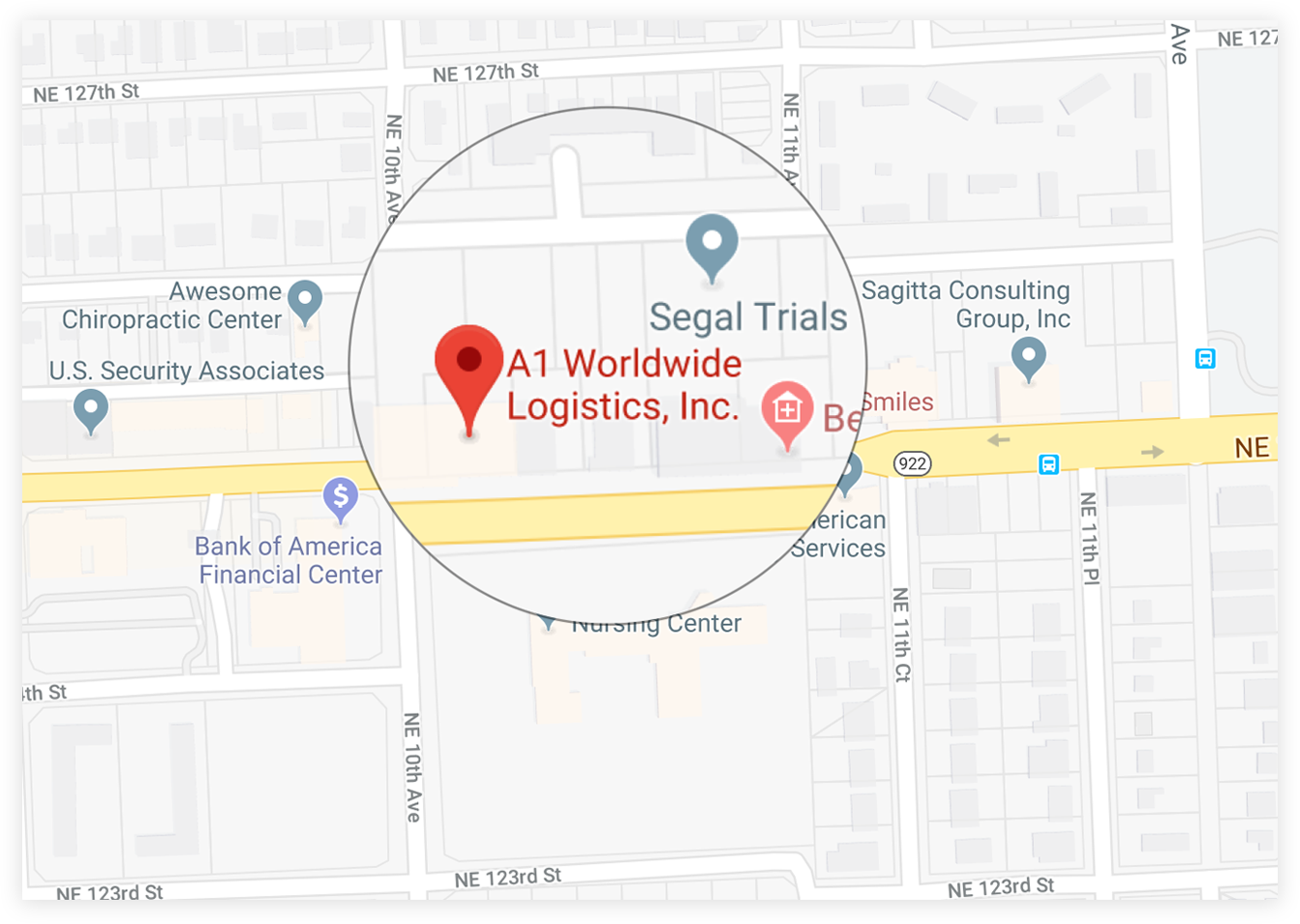
 1035 NE 125th St Suite #320, North Miami, FL 33161.
 a1worldwidelogistics.com
 (305) 821-8995
 Hours: 8AM - 5PM