
by A1 WorldWide Logistics | Oct 10, 2024 | Customs Broker, Importing, Supply Chain
Recent noncompliance has the CBP enforcing cargo descriptions more strictly. The CBP (U.S. Customs Borders and Protection) is an agency in charge of facilitating lawful international trade in the U.S. One of its responsibilities is managing the flow of goods coming in and out of U.S. borders. Recently, the CBP has become more stringent in how shippers describe the merchandise they are importing. On April 1st, CBP announced implementing cargo messages for vague, noncompliant cargo descriptions for entry filings.
In particular, the CBP notes in the message, “Carriers and other parties electing to file electronic cargo information data to CBP are required to provide a precise description of the cargo.” More recently, the CBP released a list of acceptable and unacceptable import cargo descriptions. The list is on the CBP webpage and will continue to expand as they add more descriptions.
Why is the CHB Enforcing Cargo Descriptions?
The CBP has become stricter on cargo descriptions to ensure precision when describing the cargo. This helps identify the cargo’s physical characteristics like shape, size, and packaging. Proper descriptions ensure compliance with CBP regulations and create a smoother customs clearance process. It also helps find the freight’s correct HTS (harmonized Tariff Schedule) code. The HTS code is a 10-digit number that identifies and classifies goods that importers bring into the U.S. Customs use it to determine the duties and fees associated with the import. Correct descriptions also prevent illegal goods from entering the U.S.
Consequences Of Not Having The Correct Cargo Description
Due to the CBP’s strict nature of monitoring imports and exports, incorrect cargo descriptions have various consequences. Unacceptable or “vague” cargo descriptions can result in the CBP rejecting the submission and pausing shipment movement. If customs hold the shipment, it can result in delays in the supply chain. Delays may look unfavorable for importers that have customers expecting a product. Other consequences include fines, cargo seizures, and, in some cases, criminal penalties.
Unacceptable VS Unacceptable Descriptions
Some of the examples of acceptable vs unacceptable descriptions that the CBP mentions in the list include:
- Just brand names themselves are unacceptable. An example of an acceptable description is “Bubbles Brand” Laundry detergent.
- The word “Appliances” by itself is unacceptable. Describing the appliances like stoves, ovens, or coffee machines is acceptable.
- “Auto Parts” is an unacceptable description. The importer must describe the actual part, such as Automotive Brakes or Automotive Windshield Wipers.
- “Electronic Goods” is an unacceptable description. The importer must specify the goods, for example, Computers, Telephones, Televisions, Video Game Consoles, etc.
- The word “Metal” by itself is an unacceptable description. The importer must describe the metal more specifically. For example, Plates (of metal), Pipes (of metal), Sheets (of metal), and Expanded metal are acceptable descriptions.
To see the complete list, visit the webpage here: https://www.cbp.gov/trade/basic-import-export/e-commerce/examples-unacceptable-vs-acceptable-cargo-descriptions.
While the list explains how to describe imports, specific descriptions may confuse shippers. Contact a customs broker for a clear idea of what to expect when bringing goods into the U.S. Brokers handle the importation process for the shipper while educating them along the way. They offer solutions like preparing documentation, processing payments, and ensuring importers comply with regulations. For assistance clearing your goods through customs, please contact our customs brokers at 305-425-9513 or info@a1wwl.com.
by A1 WorldWide Logistics | Aug 29, 2024 | Freight, Shipping Logistics, Technology
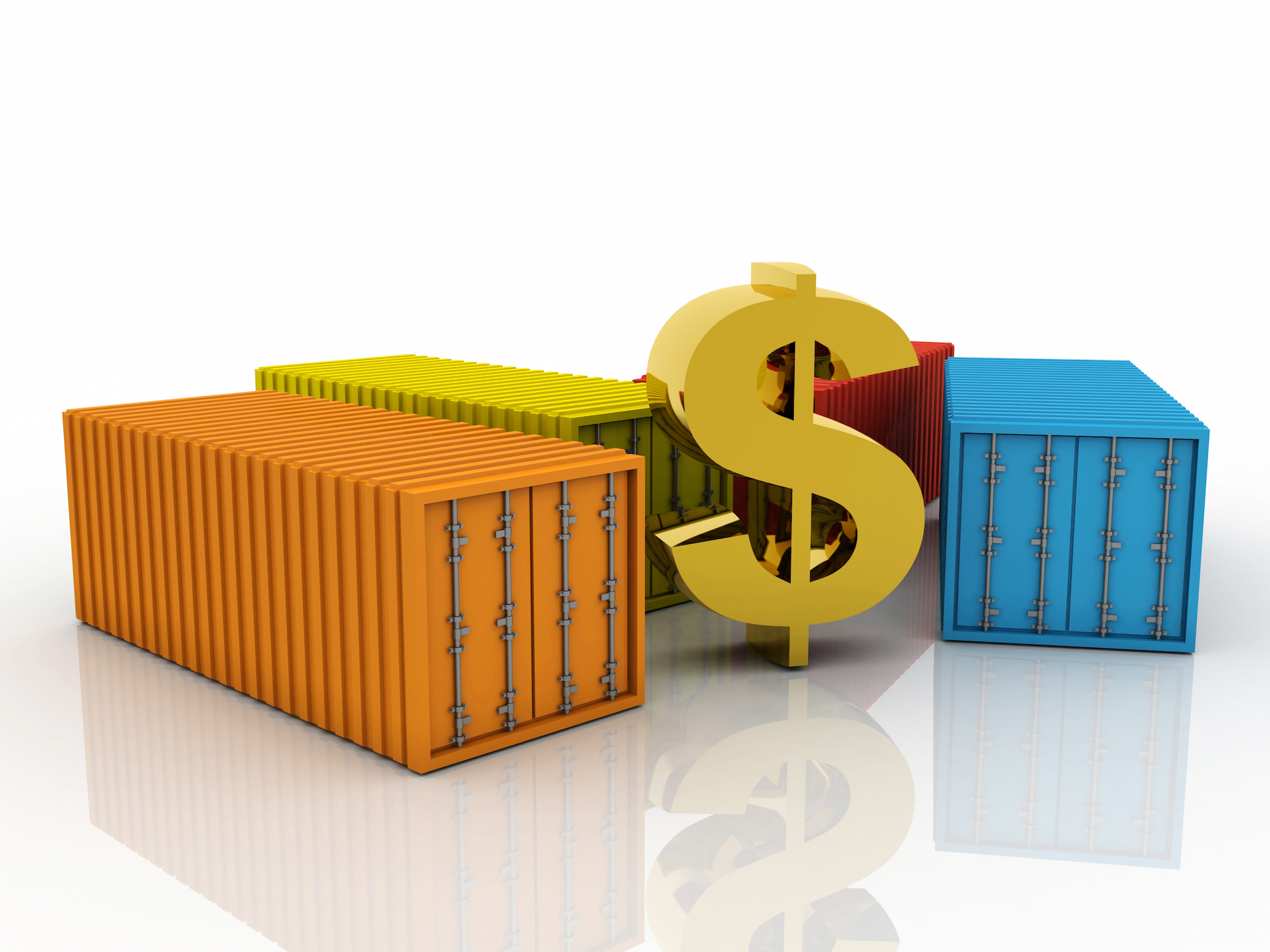
Understanding the actual cost of freight is a vital consideration when shipping internationally. The actual cost is the total amount the shipper pays to ship goods from one location to another. CBP describes it as the amount that goes to the international carrier, freight forwarder, insurance company, and other service providers. Failure to find the correct total can impact the supply chain in numerous ways. For example, underpaying an import that must go through customs can result in a cargo hold at customs. This article will describe what goes into determining the cost and the documents shippers can use as evidence.
What Determines The Actual Cost of Freight?
Due to the numerous factors involved with shipping cargo internationally, many components can determine freight costs. These include outside considerations along with the shipment itself. The type of goods that a carrier is moving is a primary basis for the shipment. For example, freight can be fragile, hazardous, or perishable and require special handling, which may lead to higher pricing. Valuable goods like jewelry are expensive to ship due to their high monetary value. Weight and volume are other determinants of freight costs. Heavier shipments typically cost more than lighter ones. Oversized cargo, like large machinery, may also have higher costs due to the handling.
Along with the freight that the shipper is moving, outside factors like the method of conveyance can determine the costs. Despite the benefits of transportation by air or sea, airfreight tends to be more expensive. The distance of cargo transport also influences costs, with longer distances costing more. Other determinates include fuel costs and additional services like handling, domestic shipping, and tracking. Shipments can also have insurance, which goes to the total freight cost. When goods enter the designated port, they must pay other charges like duties or taxes before customs releases them.
Where To Find The Actual Freight Cost?
Some of the documents that the shipper can use to find evidence of actual freight costs include:
Commercial Invoice – A commercial invoice is a document that acts as a transaction record between the exporter (seller) and importer (buyer). Customs officials use it to assess import duties and taxes; it is also evidence of sale for the shipper.
Bill of Lading – The bill of lading is a legal document between the shipper and carrier that describes what the shipper is shipping. It acts as a receipt for the cargo and provides vital information such as freight charges.
Proof of Payment – This document confirms a transaction between two parties. Examples include checks, bank statements, and letters of credit.
Freight Contracts and Agreements – These agreements between shippers and carriers outline the agreed-upon terms and conditions. They establish the parties’ responsibilities and can provide evidence of the actual cost.
It is essential to note that customs officials have the discretion to accept a document as evidence.
Although the documents described in the article can help find the actual freight cost, they may still confuse shippers. Due to the different fees involved in shipping internationally, inexperienced shippers can have difficulty determining the price. A way to find the total cost is by using the help of a freight forwarder. Forwarders are third-party companies that act as the middlemen between the shipper and the carrier transporting the goods. They determine the total transport cost, provide the paperwork, coordinate the cargo movement, and provide other solutions. Contact A1 Worldwide Logistics at 305-425-9752 or info@a1wwl.com to speak to a forwarder regarding the success of your shipment.
by A1 WorldWide Logistics | Jul 11, 2024 | 3PL, Supply Chain, Transportation
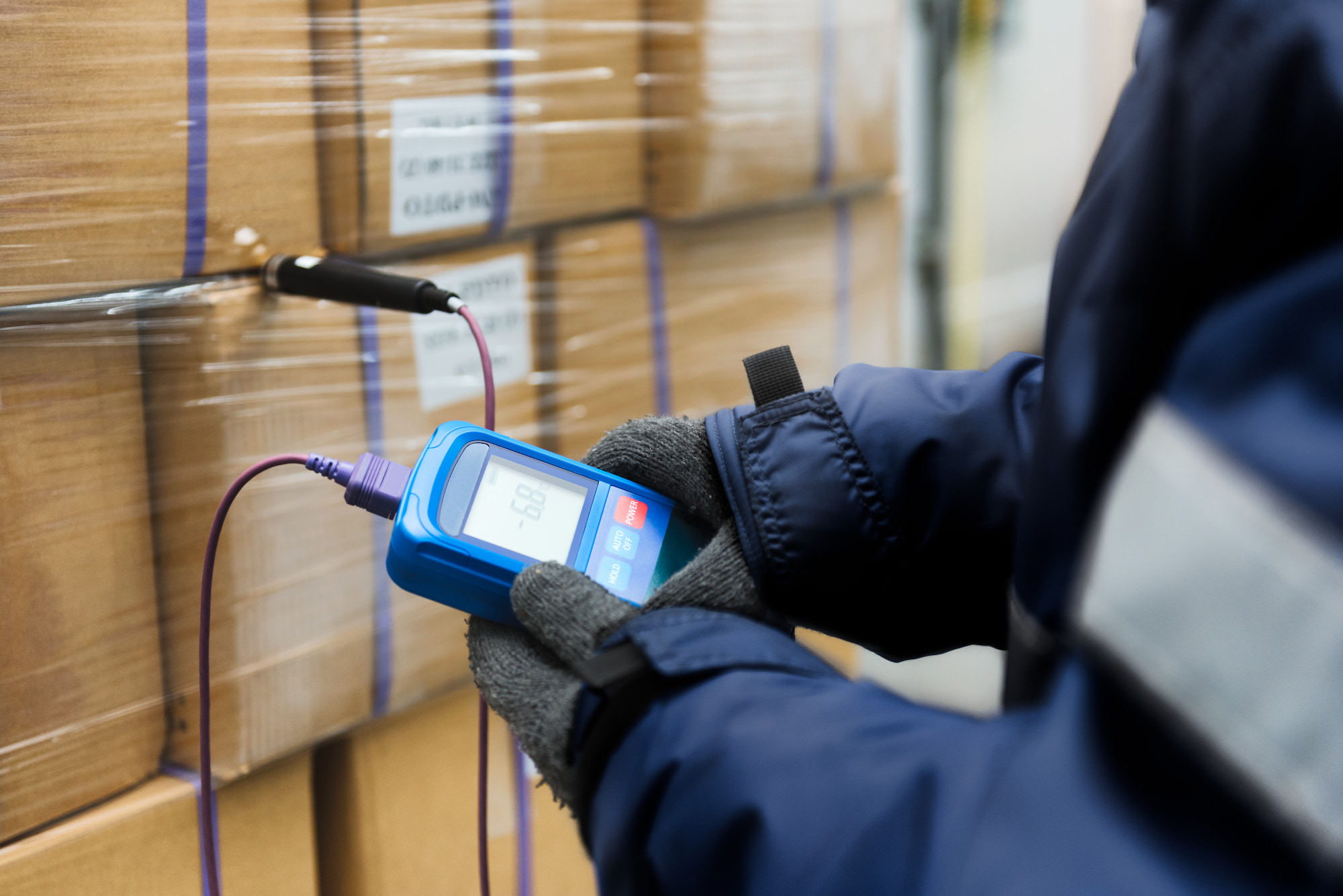
An essential consideration a shipper should make when moving temperature-sensitive cargo is understanding cold chain shipping logistics. A cold chain is a supply chain for transporting freight that has to remain under a specific temperature to prevent damage. These goods include perishable foods, beverages, pharmaceuticals, flowers, chemicals, cosmetics, etc. The process has the parts of a regular supply chain, like transportation and warehousing, but the temperature must remain constant. Cold chains have existed for hundreds of years, but technological advancements helped streamline the potential for more capabilities. While this article will focus on moving shipments internationally, the cold chain can also include domestic cargo transport.
What Are The Main Challenges To Cold Chain Shipping Logistics?
There can be various challenges and things that shippers should be aware of when starting a cold chain. This is due to the numerous components involved in the process. A common challenge is that the cargo has to remain at the same temperature throughout the journey. Even a tiny decimal point fluctuation in temperature can result in spoilage. Fluctuations can be the result of human error or equipment failure. Another challenge is that there are multiple standards and regulations that shippers have to adhere to in a cold chain. Regulators like the Federal Drug and Food Administration (FDA), the Department of Transportation (DOT), the International Air Transport Association, and U.S. Customs set the requirements.
Some regularity requirements include packaging, product stability, temperature transportation, and more. A lack of proper documentation is another issue that the shipper should be aware of. Depending on the type of shipment, the shipper must document data like storage temperature and conditions to prevent errors. Documents also include the paperwork needed for import and export. Failure to provide the correct papers can lead to delays in the shipping process due to holdups at customs. Delays are unfavorable for cold chains, with technologies like dry ice being temperature-sensitive.
What Is The Cold Chain Supply Chain Process?
The cold chain process starts long before the cargo leaves the location of origin. Before exportation, the cargo may be stored in a warehouse facility at the correct temperature to prevent spoilage. The same rule applies to the packaging, which should maintain the quality and prevent contamination before going on the carrier. Refrigerants can include dry ice, gel packs, EPS (expanded polystyrene) panels, and more. Shippers can use various methods of conveyance, like ships, airplanes, and trucks, to move the shipment. However, the transportation method has temperature-controlled systems. Examples include reefers (refrigerated containers) that keep the goods at the correct coldness during the journey.
When the cargo enters the destination port, the paperwork must be correct to prevent holdups. Once customs releases the shipment, a carrier delivers it to a warehouse or another location at the appropriate temperature. Despite the multiple components involved with transporting cold cargo, there can be numerous benefits for businesses and individual shippers. You can ensure the success of your cold chain by starting with the help of a 3PL (Third-party logistics) provider. 3PLs handle various parts of a supply chain, such as transporting, warehousing, and brokering, on behalf of the shipper. Contact A1 Worldwide Logistics at 305-821-8995 or info@a1wwl.com to speak to a 3PL provider regarding your cargo shipment.
by A1 WorldWide Logistics | May 30, 2024 | Shipping Logistics, Supply Chain, Transportation
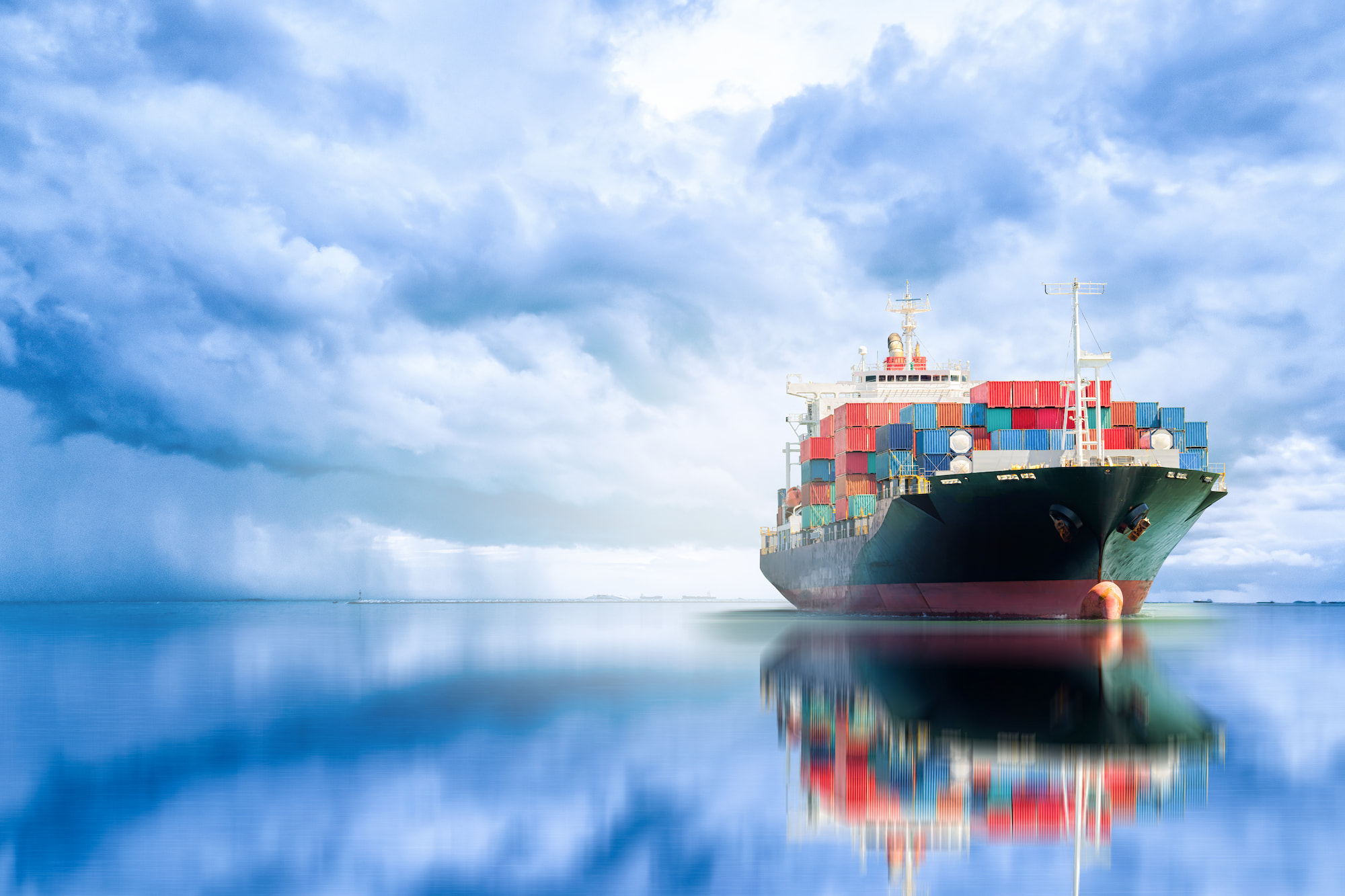
A vital consideration a shipper must make when transporting goods internationally is reducing ocean freight costs. Shipping by sea is the most common way cargo moves globally, accounting for over 90% of international trade. Despite its popularity, there can be numerous expenses that may confuse even the experienced shipper. While certain fees are unavoidable, there are specific ways that shippers can reduce the overall price of transporting by sea. Whether you are shipping as an individual or from a company, this can benefit your supply chain. Saving costs is especially important with recent market conditions and the rise in container rates. This article will explain the best ways to lower expenses.
How Do Carriers Calculate Shipping Costs?
Ocean carriers that move freight internationally have different ways of calculating costs. It is crucial to note that cargo has base rates that depend on the shipment type. Other volumes include the weight, volume, distance, origin, and more. The mode of transport is also a crucial consideration. For example, containerships transport sea freight in different ways, including FCL (full container load), LCL (less than container Load), and RoRo (roll-on/roll-off). There are also additional fees like fuel and special handling surcharges. When importing into a country, there are also port terminal handling charges and customs duties a shipper should know. Shipments can also have optional insurance costs for cargo damage or loss.
What Are The Most Effective Ways of Reducing Ocean Freight Costs?
While there are numerous ways to save on ocean freight costs, the most popular ways that shippers use include the following:
- Consolidating Shipments – Consolidation is a method of shipping where a shipper combines multiple orders into one shipment. The shippers share the transportation cost by fitting various shipments into one container. This can reduce costs, and consolidation can speed up the delivery and customs clearance process.
- Negotiate With Multiple Carriers – Since countless carriers move cargo internationally, each has its shipping rates. A shipper can negotiate these rates and get the best quote amongst the transporters. Having solid relationships with steamship lines is critical in negotiating prices. Using online freight marketplaces to compare quotes is also ideal for finding cost-effective options.
- Optimize Shipping Routes – A carrier’s route to transport freight directly impacts the cost. Shorter, more direct lanes are less costly than more extended ones. Avoiding routes with high congestion is also helpful, as it can increase costs and lead to other issues.
- Pay Attention To Cargo Packaging – A way to optimize costs that shippers tend to overlook is to optimize packaging. Not packing cargo optimally can add extra volume and space, raising costs.
- Ship Off Peak Season – Peak season is when shipping demand is high. This season usually starts in mid-August, goes to the end of October, and sometimes extends to November. An effect is that the cost of shipping internationally tends to rise. Deciding to ship before that period can help in saving costs.
Using The Help of a Freight Forwarder
Finding the best cost to transport your goods can be crucial for individual and business shippers. Another way to reduce ocean freight costs is to use the assistance of a freight forwarder to ship internationally. Forwarders are connected to a network of carriers and can negotiate the best rate to move your shipment. Contact A1 Worldwide Logistics at 305-821-8995 to discuss your cargo’s movement with our forwarders.
by A1 WorldWide Logistics | Sep 14, 2023 | Customs Broker, Customs Clearance, Shipping Logistics
A message that your shipment is stuck at customs is the last response that a shipper wants to receive. This is especially true for cargo that is time-sensitive freight, like perishable or products for selling. The U.S. Customs and Border Protection (CBP) is responsible for safeguarding the country against importing dangerous goods. Its primary purpose is to facilitate lawful international trade and prevent terrorists and their weapons from entering the U.S. CBP has to carefully check cargo when entering the country and may sometimes put the shipment on hold. While there are many reasons why customs detains your goods, there are ways to prevent this from happening.
Reasons Your Shipment Is Stuck At Customs
As previously mentioned, CHB has to prevent the importation of goods that the U.S. prohibits from entry. Because of this, a common reason why goods may be stuck at customs is because they are illegal. Examples include absinthe (Alcohol), bush meat, dangerous toys, dog/cat fur, etc. Customs can hold other items like firearms due to restrictions the U.S. places on them. Importers of guns and ammunition require a Federal firearm license (FFL) before shipping into the U.S. Another reason customs may hold your freight is incorrect valuation. The customs value is the total monetary amount of the shipment brought to a country.
Customs is in charge of valuing the goods the importer brings to the U.S. from other countries. If the cargo the shipper imports does not have the correct value, customs will hold it for clarification. This can include revaluing of the taxes based on their pricing. Another common cause of customs holding your freight is an incorrect HTS Code. The Harmonized Tariff Schedule (HTS) is a system used to determine the duty rates for U.S. imports. Every item has a specific code to classify it, and an incorrect number can mess up the paperwork.
What Are Examples of Commercial Documents
Another reason customs might hold up your goods is missing or incorrect paperwork. Some of the documents a shipper requires when importing to the U.S. include:
- Bill of Lading
- Arrival Notice
- Commercial Invoice
- Certificate of Origin
- Packing List
The documents listed are some of the few a shipper requires for importation; however, the cargo determines the additional forms. For example, a vehicle may have different documentation than construction materials. It is essential that there are no errors in the paperwork, and the shipper fills everything out correctly.
Speak To a Customs Broker
While this article explains why customs may hold your cargo, other reasons exist. The amount of regulations for entry can confuse beginners and even regular shippers. The best way to prevent your goods from getting stuck at customs is by having a customs broker handle the clearance process. Customs brokers guide shippers through the importation process and ensure that the importer meets all requirements. They also submit all of the paperwork on behalf of the shipper. Contact A1 Worldwide Logistics at 305-821-8995 to speak to our experienced broker. We also provide other logistics solutions, like drayage services, to move your goods to the final destination when they arrive.

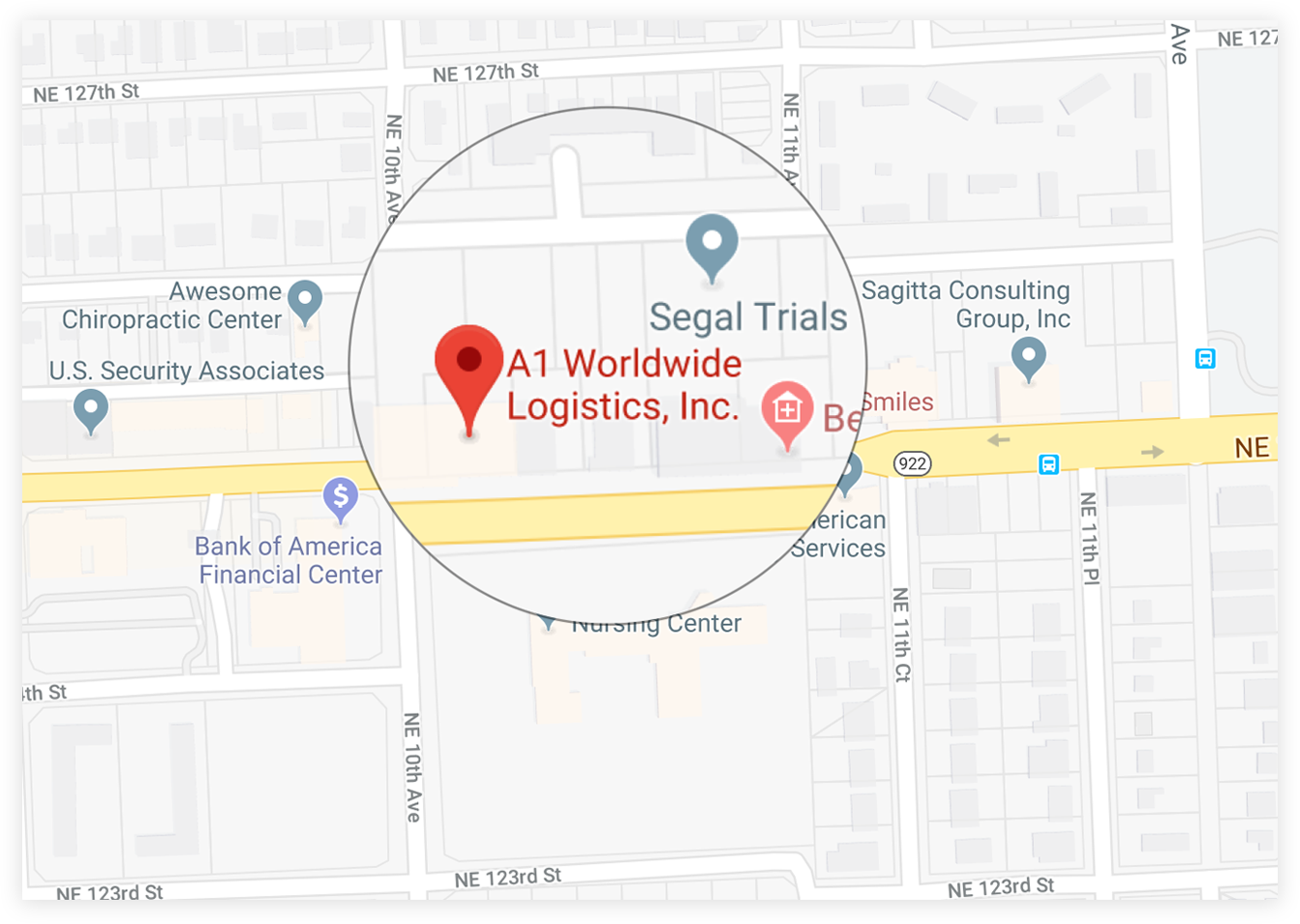
 1035 NE 125th St Suite #320, North Miami, FL 33161.
 a1worldwidelogistics.com
 (305) 821-8995
 Hours: 8AM - 5PM