by A1 WorldWide Logistics | Feb 4, 2026 | Customs Broker, Customs Broker Miami, Customs Clearance, Shipping Logistics
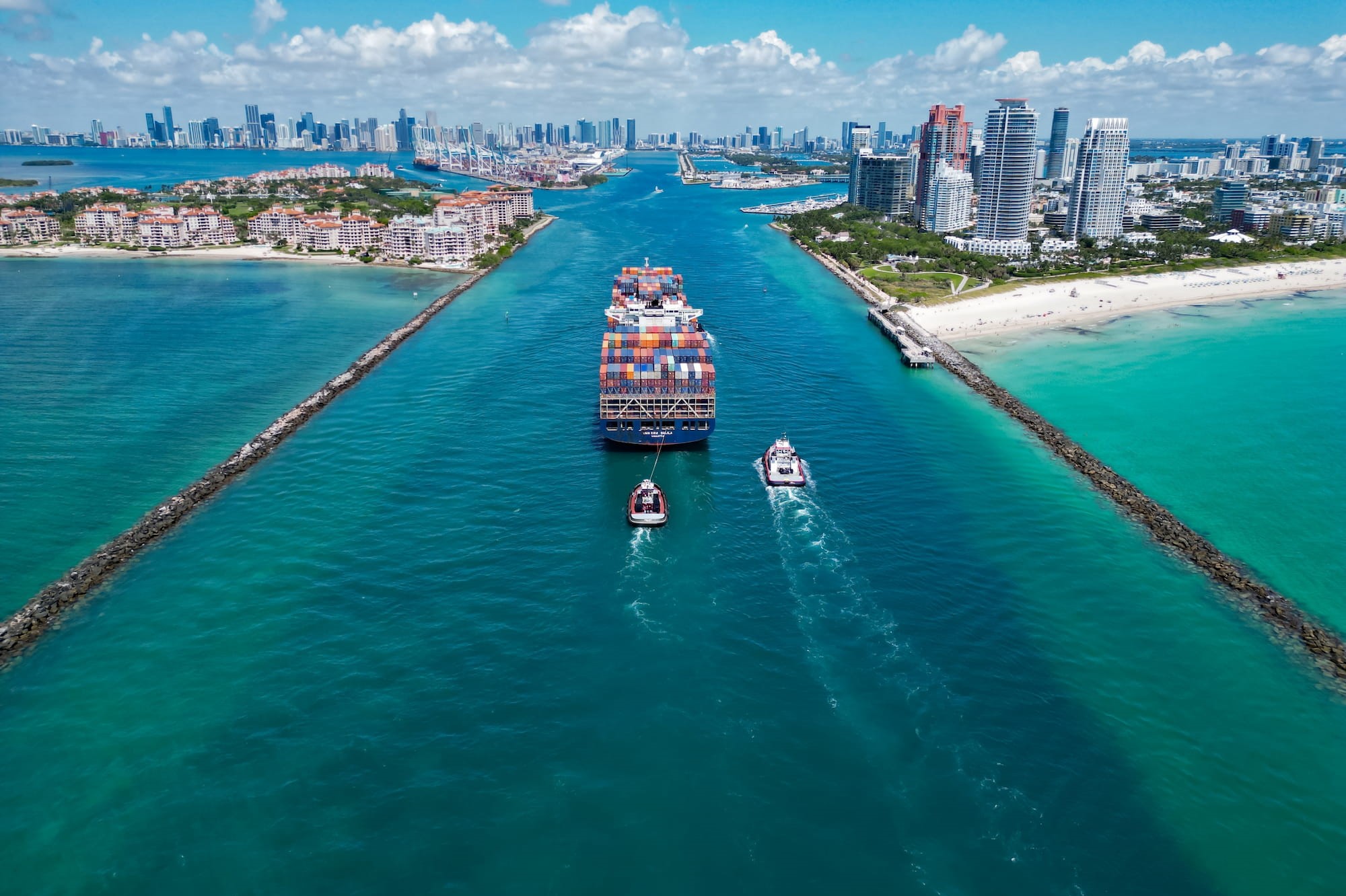
Debido a la complejidad de importar mercancías a Estados Unidos, hay numerosos beneficios al trabajar con un agente de aduanas en Miami. Un agente de aduanas es un profesional con licencia que coordina la liberación de mercancías por parte de la aduana al ingresar a un país. En Estados Unidos, los agentes se aseguran del cumplimiento de las normativas de la CBP (Customs and Border Protection). Esto lo hacen gestionando la documentación, calculando aranceles, presentando declaraciones aduaneras y más, en nombre del importador. Miami es una ubicación estratégica para las importaciones a EE. UU. y su localización la convierten en un centro clave para los agentes de aduanas.
Beneficios de trabajar con un agente de aduanas en Miami
Utilizar agentes de aduanas en Miami es ideal, dada la importancia de la ciudad en el comercio internacional. Un alto volumen de importaciones llega a Miami cada año debido a su cercanía a América Latina y el Caribe. Gracias a la gran cantidad de mercancía que ingresa por el Puerto de Miami y el Aeropuerto Internacional de Miami, los agentes de la zona cuentan con amplia experiencia en el despacho de una amplia variedad de cargas.
Los agentes de aduanas en Miami también aportan valor a los importadores al ayudarles a gestionar riesgos y controlar costos. Conocen los cambios en las políticas comerciales, los aranceles y los acuerdos de libre comercio, y pueden ayudar a evitar sanciones. Tanto las empresas que importan al sur de Florida como aquellas que utilizan Miami como punto de transbordo pueden beneficiarse de sus servicios.
A1 Worldwide Logistics
Al importar a Estados Unidos, los transportistas pueden enfrentarse a diversas regulaciones que resultan confusas. El incumplimiento de estas normas puede provocar retrasos e interrupciones, generando posibles pérdidas financieras. A1 Worldwide Logistics entiende estos desafíos y cuenta con agentes de aduanas que pueden ayudar a los importadores a navegar por el proceso logístico. Comunícate con A1 Worldwide Logistics en info@a1wwl.com info@a1wwl.com o al 305-425-9456 para hablar con uno de nuestros agentes experimentados sobre el despacho aduanero de tu mercancía.
by A1 WorldWide Logistics | Feb 20, 2023 | Customs Broker Miami, Freight Forwarding
While being known for beautiful beaches and warm weather, Florida is also known as a gateway to international markets. Florida’s location is not only ideal for trade with South America and the Caribbean but for Asia as well. The Panama Canal is situated at a distance that shortcuts the time that global shipments reach Florida. In 2016 the Neopanamax locks opened, meaning that larger ships and vessels from distant locations like Asia could pass through. China, being the world’s biggest exporting country, has also benefited from Florida’s location. An estimated $55.5 billion in cargo was shipped out of the state in 2021.
The freight forwarding industry in Florida has thrived due to the many conveyance methods available for moving shipments. Florida boasts 19 commercial airports, 21 foreign trade zones, 15 seaports, and various railroads located throughout the state. In 2019, Florida moved 912 million tons of freight valued at over $1.1 trillion in its freight system. The state’s positioning benefits freight forwarders and shippers by allowing solutions to streamline supply chains. Florida’s growing population has increased the volume of cargo moved in and out every year.
The Port of Miami and Miami International Airport
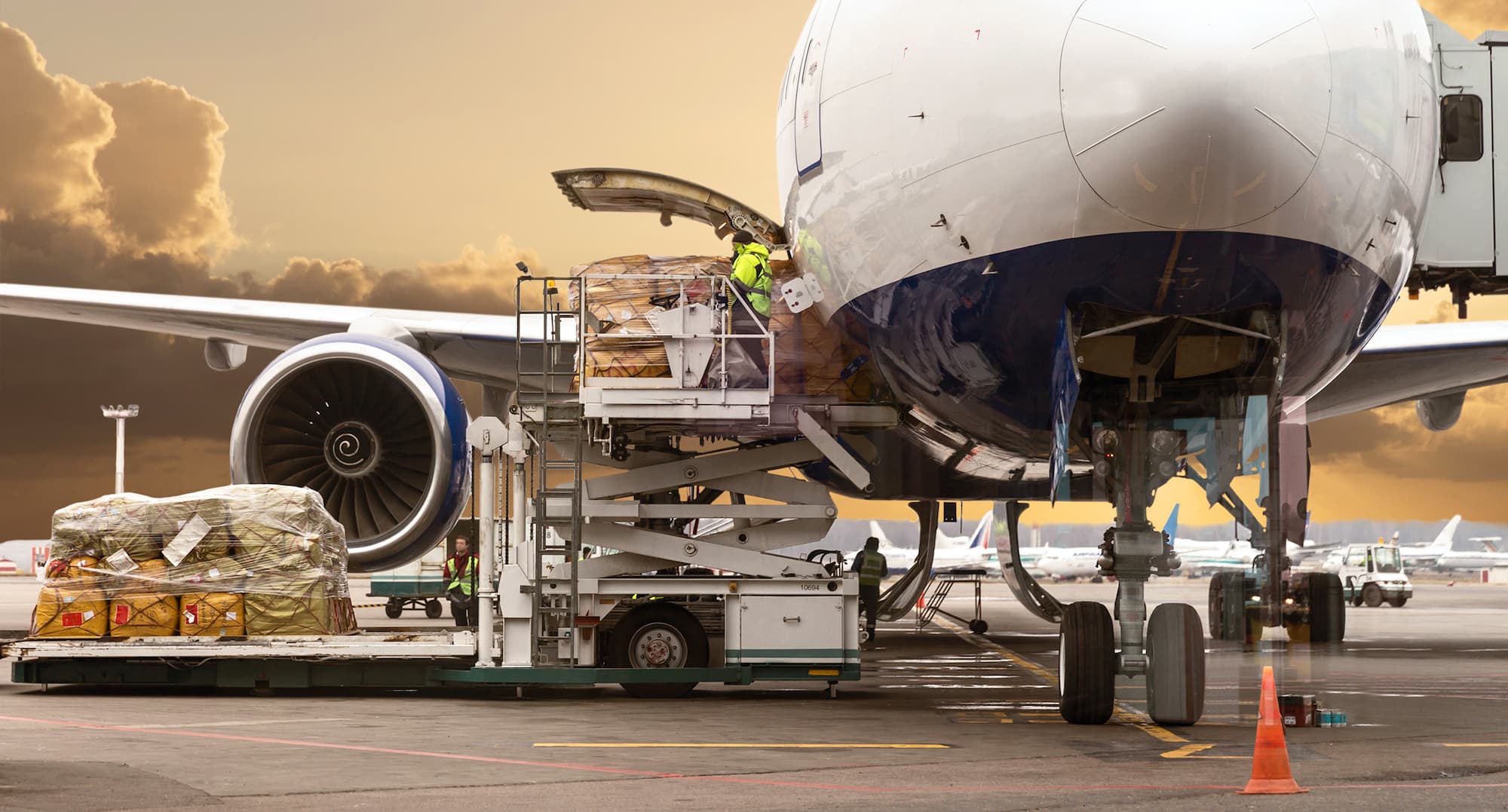
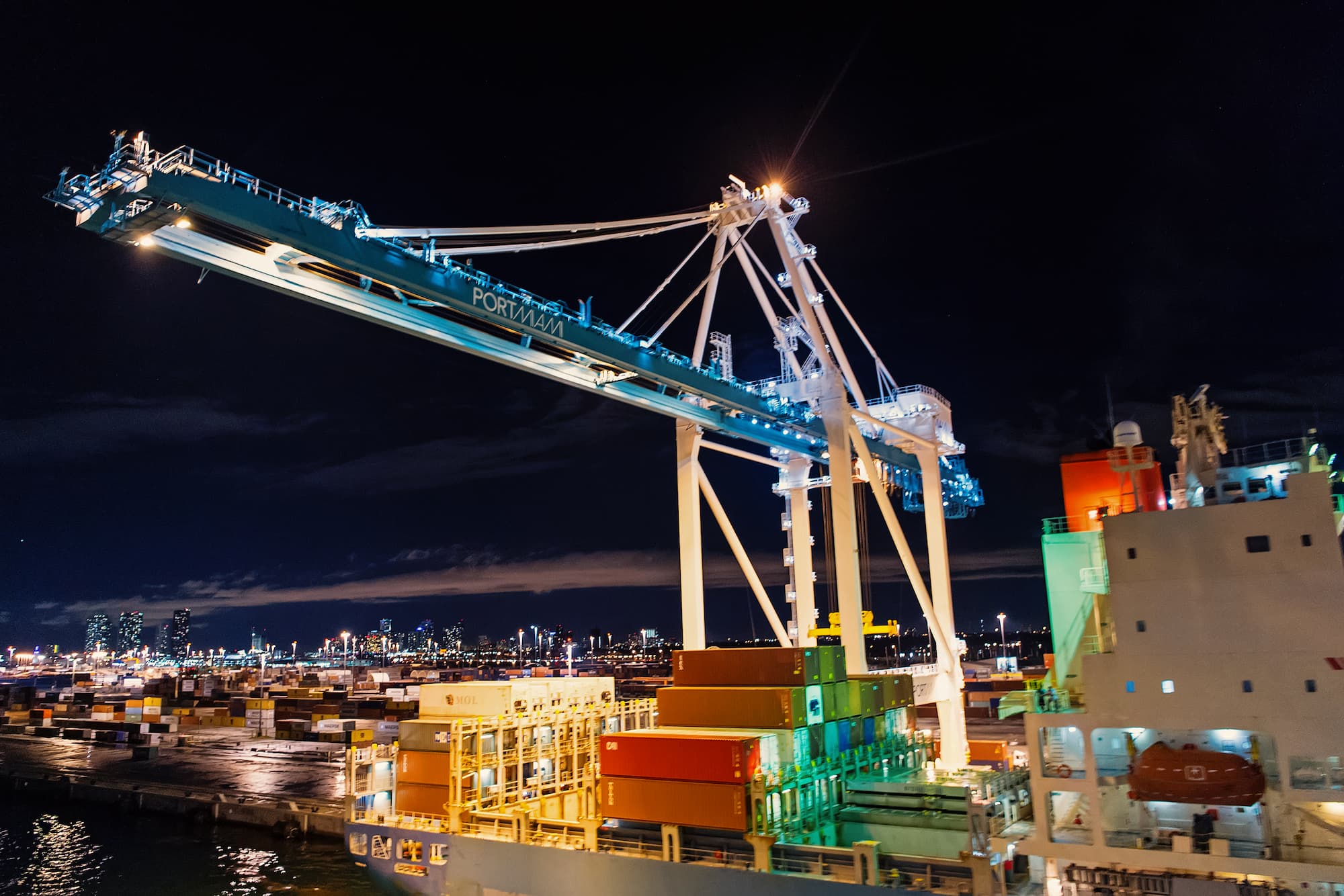
Miami is one of the most significant cities in Florida for shipping freight by air and sea. Two powerhouses contributing to Miami’s freight forwarding success are the Port of Miami and the Miami International Airport. With a TEU capacity of 1,220,000, the Port of Miami is one of the ten largest ports in the U.S. For reference, a TEU (twenty-foot equivalent) is a unit of measurement for the cargo capacity of a twenty-foot container. The Port of Miami is also the only southern-eastern port that allows post-Neopanamax vessels to pass through. The most common types of freight exported include citrus fruit juices, grapefruit, dairy products, and cognac brandy.
Miami moving imports and exports
The Miami International Airport is one of the busiest airports in the U.S. in terms of cargo movement. In 2021 the airport moved over 11 billion pounds of cargo. Nearly 70% of all perishable airfreight entering the U.S. comes through the Miami International Airport. This includes over 90% of flower imports. Once passed through the airport, the goods are transported throughout the U.S. Items such as computers, cellphones, and aircraft components are standard exports out of the facility. The high volume of cargo results from the port’s location, making it a perfect gateway to Latin America and the rest of the world.
Shipping internationally can be beneficial for the growth of a business. However, the actual process may be complex, especially for first-time shippers. Each country has its own rules and guidelines; not understanding the regulations can result in the loss of your shipment. It is highly beneficial to contact a freight forwarder to coordinate the movement of your cargo. If you are looking for a Freight Forwarder in Florida, contact A1 Worldwide Logistics at 305-821-8995 or info@a1wwl.com. We also have customs clearance services to clear your goods when they arrive in the U.S.
ASSISTANCE ALSO IN SPANISH!

by A1 WorldWide Logistics | Jun 6, 2022 | Customs Broker, Customs Broker Miami, Customs Clearance, Import and Export Experts
The importation of goods is complex and has shown the modern-day importance of customs brokers. International imports have gone up significantly, with various factors contributing to this, like the growth of e-commerce and globalization. A significant number of importations means that more protection against the movement of illegal and dangerous goods is essential. Customs brokers ensure that importers follow the government guidelines.
Imagine a person or company that wants to begin selling a product internationally. This person may well benefit from a customs broker. For example, what if the seller is in China and gets their first customer in the United States? Since international trade has many regulations and costs, bringing the product to the U.S. may seem intimidating to the seller. The customs broker will help simplify the process.
Customs brokers may also help avoid penalties for importing goods. Let’s say that you are importing an item into the U.S. for the first time. You receive a message from customs saying that your import was classified incorrectly and that you will be fined. Being a first-time shipper, you may not be familiar with how to classify a good and make a mistake. You may also not receive the item you imported. Contacting a customs broker would have saved you money and time since brokers understand how to classify imports.
Another common daily case is the importation of pets. A first-time importer recently fell in love with a dog and wanted her to be imported into Miami. At first, the importation process was tedious, with a tremendous amount of paperwork. Bringing the dog through U.S. customs was stressful until they hired a customs broker. Now, the dog is in a loving home in Miami.
What are Customs Brokers
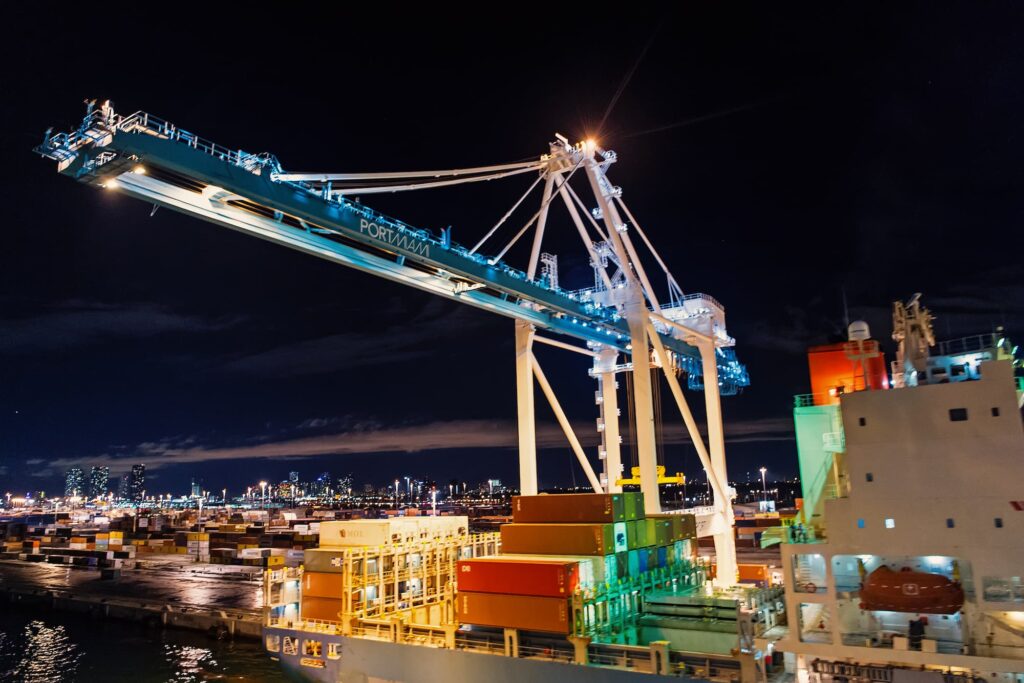
When freight enters a country, it goes through customs clearance before reaching its final destination. This process is handled by a customs broker. A customs broker is a company or individual that clears goods entering a country for a shipper. They act as the middleman between the importer and the country that they are importing to. A customs broker’s duties are to make sure that the importers comply with the country’s regulations that they are importing into. Customs brokers also ensure that your imported goods are under the correct harmonized code, which are part of a system that customs authorities use to assign taxes to imported goods. In few words, customs brokers act as guides for the entire customs clearance process.
Why do We Need a Customs Broker?
 Most first-time importers are not familiar with the customs clearance process. If specific regulations regarding imports are not followed, it causes the importer trouble, and delays the entire supply chain. For example, in the United States, certain toys that are considered dangerous may be banned from importation. If you try to import an illegal toy, customs may fine you over $1000. Certain imports may also require a permit before entry.
Another example is soil, which is prohibited from entering the U.S unless the importer has a certified permit. There can be many CBP (Customs and Border Protection) regulations that an importer has to follow and memorize. To save time and speed up the import process, they can hire a customs broker. A customs broker also lets the shipper understand the taxes of importing. They may pay the importer’s duties to customs and then send the bill to the importer. This helps the shipper avert unnecessary expenses since customs brokers know the duties and taxes involved in your import.
Are You Looking for a Customs Broker?
Bringing goods into the United States can seem intimidating and stressful to importers. This can be whether you are bringing imports into the U.S. for the first time or a company that plans on continuously importing. One of the most prominent locations where shippers get goods into the U.S is Miami, Florida. Ranking in the top 10 ports in terms of volume of imports, Port Miami brought in 1,066,738 TEU (Twenty foot Equivalent Unit) in 2020. A1 Worldwide Logistics is a Miami based logistics company whose team is prepared to guide you through the customs clearance process. Our customs brokers help you clear dry cargo, perishable items, food products, automobiles, and much more through customs. Contact us at 305-821-8995 to clear your merchandise and start the importation process.

by Rob Simmons | Oct 7, 2021 | Air Freight, Supply Chain
A recent trend that many companies have been concentrating on is the effect of air freight carrier emissions on eco-friendly supply chains. The global shipping company, FedEx announced in 2011 that they planned on cutting carbon dioxide emissions by 30% compared to an amount in 2005. Because of the increasing demand for e-commerce in the last few years, emissions were reduced by 27% instead of 30%. The demand made it that FedEx was forced to keep their older carbon dioxide-emitting aircraft in service.
Shippers who aspire to make their supply chains more sustainable may be faced with a dilemma from shipping their goods by air. While aircraft are a convenient way to move freight globally, they tend to be the hardest to reduce in terms of carbon dioxide emissions. This is because they produce a large amount of energy and require large amounts of gasoline compared to other means of transport such as trucks. Also, it may be decades before large, freight caring air carriers could be converted into fully electric.
Air Carriers are Important in Supply Chains
The past few decades have seen a growing reliance on air carriers to transport goods globally. Recently, the coronavirus pandemic put an even greater spotlight on the necessity of moving freight by air. Many goods such as vaccines and other essential equipment were needed to be transported with urgency. Even before the pandemic, shipping by air was a convenient transportation method for supply chains because of how rapidly the freight was moved. There has been the question asked if shippers planning to make their supply chains more environmentally friendly will stop using aircraft as a means of transport. However, this may not be the case because of how significant air freight carriers are in too many supply chains.
The Future of Air Freight Carriers
Although the reliance on air carriers to move freight may not end anytime soon, the aircraft may evolve to be more eco-friendly. Although it may be a long time before large aircraft become completely electric, smaller electric aircraft are already being created. DHL Express recently revealed that they ordered 12 small-sized aircraft to deliver freight. They are planned to deliver in small-scale distances across the U.S. It could be possible that electric airplane batteries may evolve similarly to how quickly our phone batteries evolved. Airplane batteries may soon be developed to power larger air crafts.
Companies are also finding alternative methods to reduce the carbon footprint of their supply chains. One of the ways is by sourcing the goods with more proximity to the client. This may mean a closer country or even the same country. The result can be reducing the carbon dioxide emissions in a supply chain by a certain amount and on a large scale, that amount may be immense.
Another solution that shippers are moving towards is using more sustainable aviation fuels. Sustainable aviation fuels or SAF’s are more eco-friendly alternatives to fossil fuels such as fuel from waste products, cooking oil, and plant oils. This type of fuel can reduce carbon dioxide emissions by over 75%. The issue is that there may not be enough of this type of fuel available for use. Because of this, the price for carriers to use SAFs is expensive compared to regular fossil fuels.
A1 Worldwide Logistics
Plan on having goods shipped internationally and need help with the process for doing so, feel free to reach out to us at A1 Worldwide Logistics. We provide various services that are tailored to your supply chain goals. Not only do we assist with your supply chains, but we also provide transparency in every part of your supply chain. This way you can have confidence in knowing that your goods will reach their final destination efficiently. Contact us at 305-821-8995 to find out about the many services we offer for your supply chain needs.
by Rob Simmons | Sep 8, 2021 | Customs Clearance, Freight Forwarding, Import and Export Experts, Shipping Logistics, Transportation
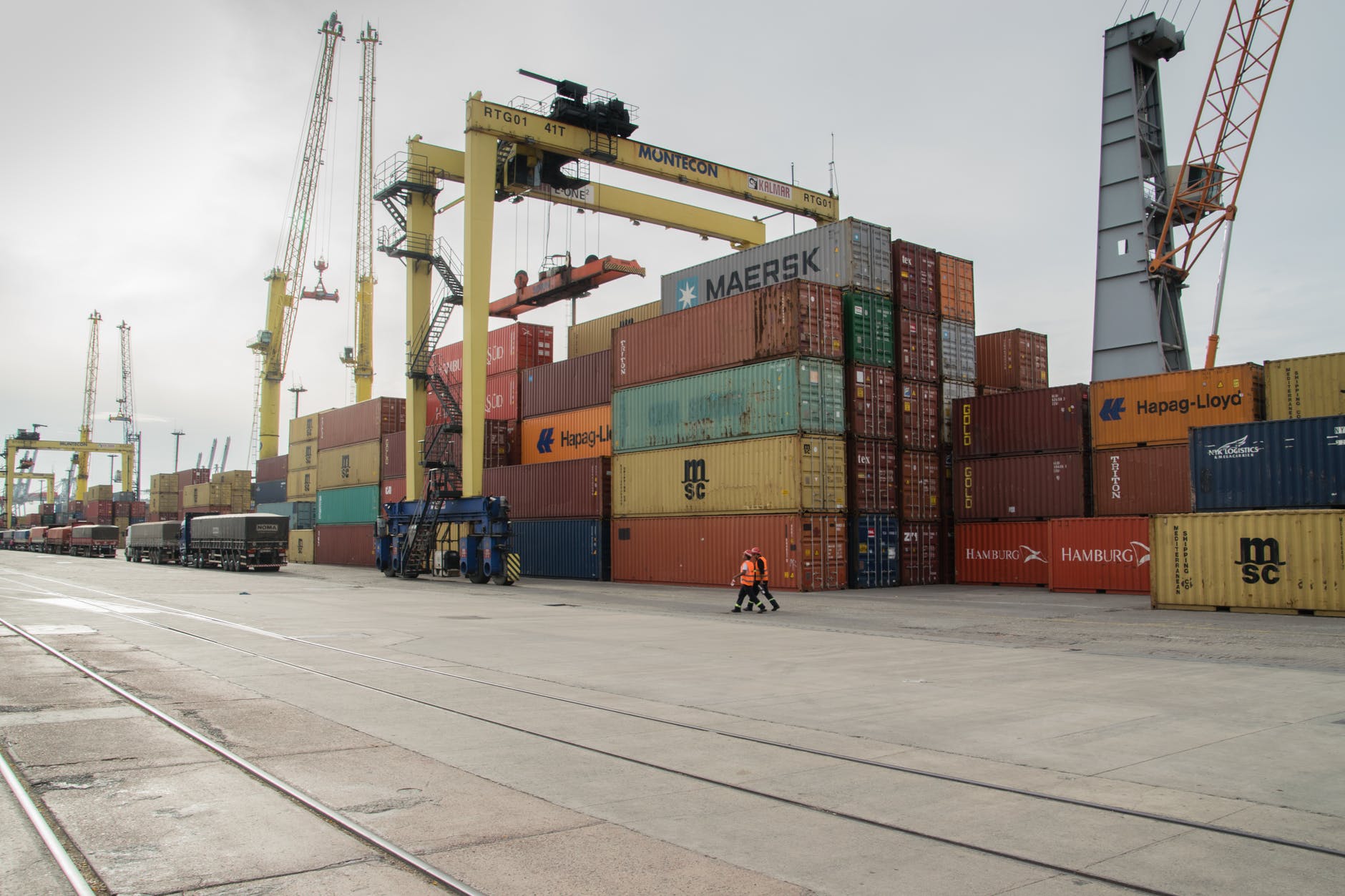
The current international freight shipping market is seeing a sizeable distribution of spot prices. When shipping containers, a spot price is a cost for moving freight shipments to a certain destination. Earlier this year there was a report that spot prices were high compared to last year, but they still are growing in the present moment. With spot rates growing for certain freight shippers, other shippers are finding a decrease in spot rates, and this can create an unbalanced spread.
The reason that the spread is so wide may be attributed to the current market. Situations such as port congestion and a scarcity of containers created a high demand in the market. The demand in trucking and warehousing has also risen compared to the capacity. Plus, with the holiday season quickly approaching, the demand may increase. This has led to a high push for shippers to get space on a freight vessel, rising the spot rates.
Why are Some of the larger Customers Getting the Leverage?
The trend in the spot rates may be more favorable for larger shippers than mom-and-pop shippers. The larger or more attractive shippers tend to pay fewer spot rates than smaller importers. This is because compared to a smaller shipper, larger freight shippers may offer more benefits for the carrier. Larger freight volumes from big shippers can be attractive to the carriers. Larger shippers may also provide the carrier with lengthy contracts and tend to have an already established relation to the carrier.
Xeneta, a shipping index and a benchmark for comparing ocean freight rates recently did an analysis of the market rates for the China-Los Angeles ports. They reported the short-term market rates had a high and low difference of around $1200 a few months ago. At the same time last year, the China-Los Angeles ports had a high and low difference of only $150. If this trend continues, there is a fear that smaller shippers may not be able to compete in the freight shipping market.
The Dependance on Location
One of the main contributors to the spot prices is where the freight leaves from and the final destination of the shipment. The trans-Pacific is the region in the Pacific Ocean where several countries cross over to do trade. Because of the vast number of countries doing trade in the trans-Pacific market, different countries may have their own market. This also can mean that they have their own spot prices.
For example, shipping from China may be cheaper than shipping from Japan. This is because China has some of the largest container ports in the world and may be able to move more freight in a certain time period. This high volume of freight that is able to be moved can lead to higher profits for carriers.
The destination of the freight being moved may also affect the spot price. The port of Los Angeles has experienced an immense amount of congestion in the past year. Even at the present moment, there are freight container vessels waiting to be unloaded. If a shopper plans on moving their freight through this port, short-term rates may be high due to waiting times. Now compare the situation to the Port of Hueneme a few miles away. With less congestion and traffic, the shipping rates per container may be less.
A1 Worldwide Logistics
Knowledge of the international freight shipping market is important when you plan on moving freight. Particularly in the current market, it is critical that you are getting a fair and understandable quote for your shipments. Contact us at 305-821-8995 or at info@a1wwl.com to get a quote on your shipment. Our freight forwarders look for the best quote prices for moving your shipments domestically and globally.


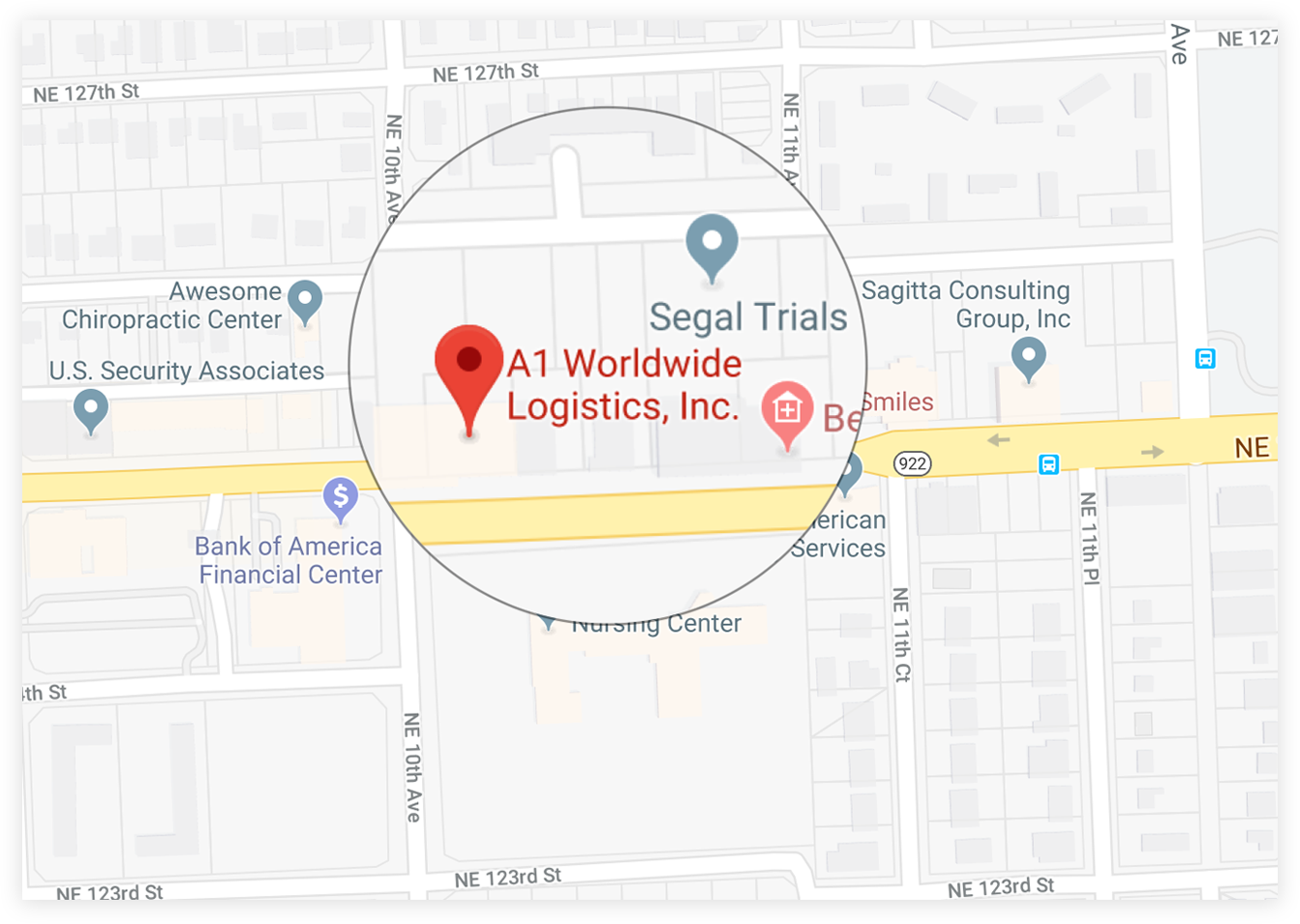
 1035 NE 125th St Suite #320, North Miami, FL 33161.
 a1worldwidelogistics.com
 (305) 821-8995
 Hours: 8AM - 5PM