by Jontrey Aimes | Apr 4, 2024 | Importing, Shipping Logistics, Transportation
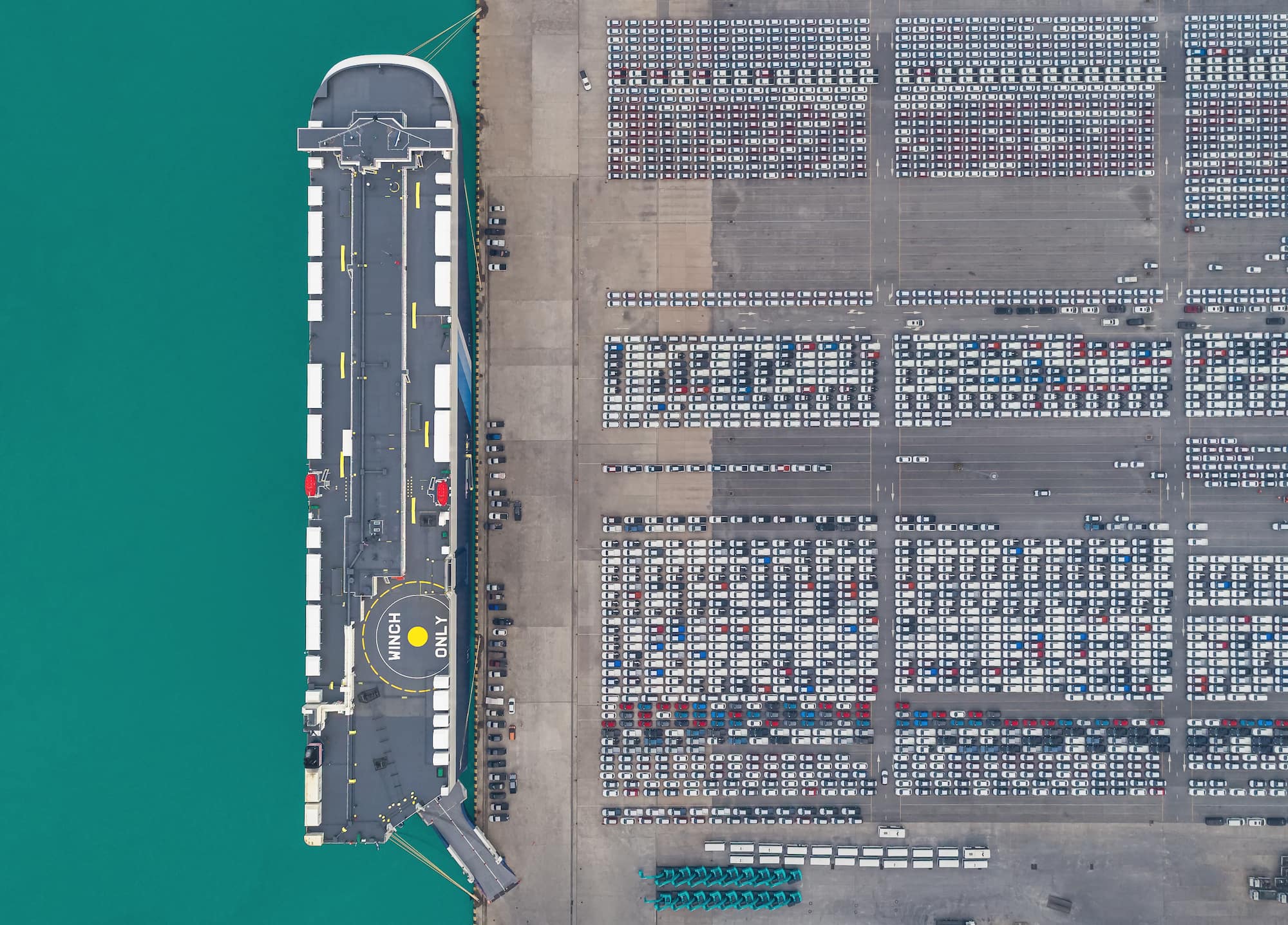
Although importing cars from Japan can bring numerous benefits for importers, it can be challenging initially. Importers must follow many laws and regulations, and failure to do so can result in monetary loss. In particular cases, it may also result in shipment loss. Despite this, shippers consider Japan one of the biggest importers of cars internationally. In 2023, the Japan Automobile Manufacturers Association (JAMA) reported nearly 4.42 million vehicle exports from the country. In the same year, Japan brought over 1.2 million into the U.S. This article will introduce how to start the importation process.
What To Know Before Importing Cars From Japan?
Understanding the regulations for bringing Japanese cars into the U.S. is essential. For example, almost all 1997 or newer Japanese Domestic Market (JDM) cars are illegal to import into the U.S. JDMS are vehicles designed for the Japanese market. These types of cars are prohibited because they do not meet U.S. emission control and safety standards. There are ways to bypass these laws legally. It is also crucial that the importer prepares the car before shipping it. The U.S. Department of Agriculture requires that the undercarriage be sprayed and cleaned thoroughly before entering the country. The reason is that the undercarriage may contain foreign soil, which can contain dangerous pests.
Before importing cars from Japan, shippers should understand the costs involved. The shipping price usually starts around $1895; however, this number can increase based on the make and model. Other considerations include your shipping destination, transportation method, and departure port. Foreign-made automobiles are also subjected to 2.5% dutiable entry charges, whether new or used. All commercial imports into the U.S. require customs bonds valued at $2500 or more, including duty-free items. Importers should also know fees like storage, cleaning, and vendor costs.
What Is The Process For Importation?
When shippers are ready to import, they arrange transportation by contacting individual carriers or freight forwarders. Forwarders coordinate the movement of your shipment by finding ideal rates from a network of carriers. A standard method is by RoRo, a vessel that rolls cars on and off. The timeframe to transport a vehicle from Japan is roughly 4 to 6 miles, depending on various factors. Before the import reaches the U.S., the shipper must send the appropriate paperwork to the CBP. Some of the standard documents required for importation into the U.S. include:
- Bill of Lading
- Packing List
- Commercial Invoice
- Customs Bond
- ISF Filing
Other documents specific to vehicles include the EPA Form 3520-1 and the NHTSA Form HS-7. Since paperwork tends to be one of the most challenging parts of the process, shippers usually hire a customs broker. Customs brokers coordinate with CBP and provide documentation, payments, and other transactions on your behalf. Once customs releases the vehicle, the importer can use a freight broker’s assistance to transport it to the final destination.
While importing cars from Japan may seem attractive for companies and individual importers, things can still go wrong when starting. For example, not filing an ISF or filing it late can result in a $5000 fine per violation. There are also situations like congestion and cargo damage that are out of your control. Having assistance from a forwarder or broker is the best way to ensure the success of your shipment. Contact A1 Worldwide Logistics at info@a1wwl.com or 305-821-8995 to speak to our freight forwarders and customs brokers when beginning.
by A1 WorldWide Logistics | Dec 21, 2023 | Order Fulfillment, Shipping Logistics, Supply Chain, Warehousing
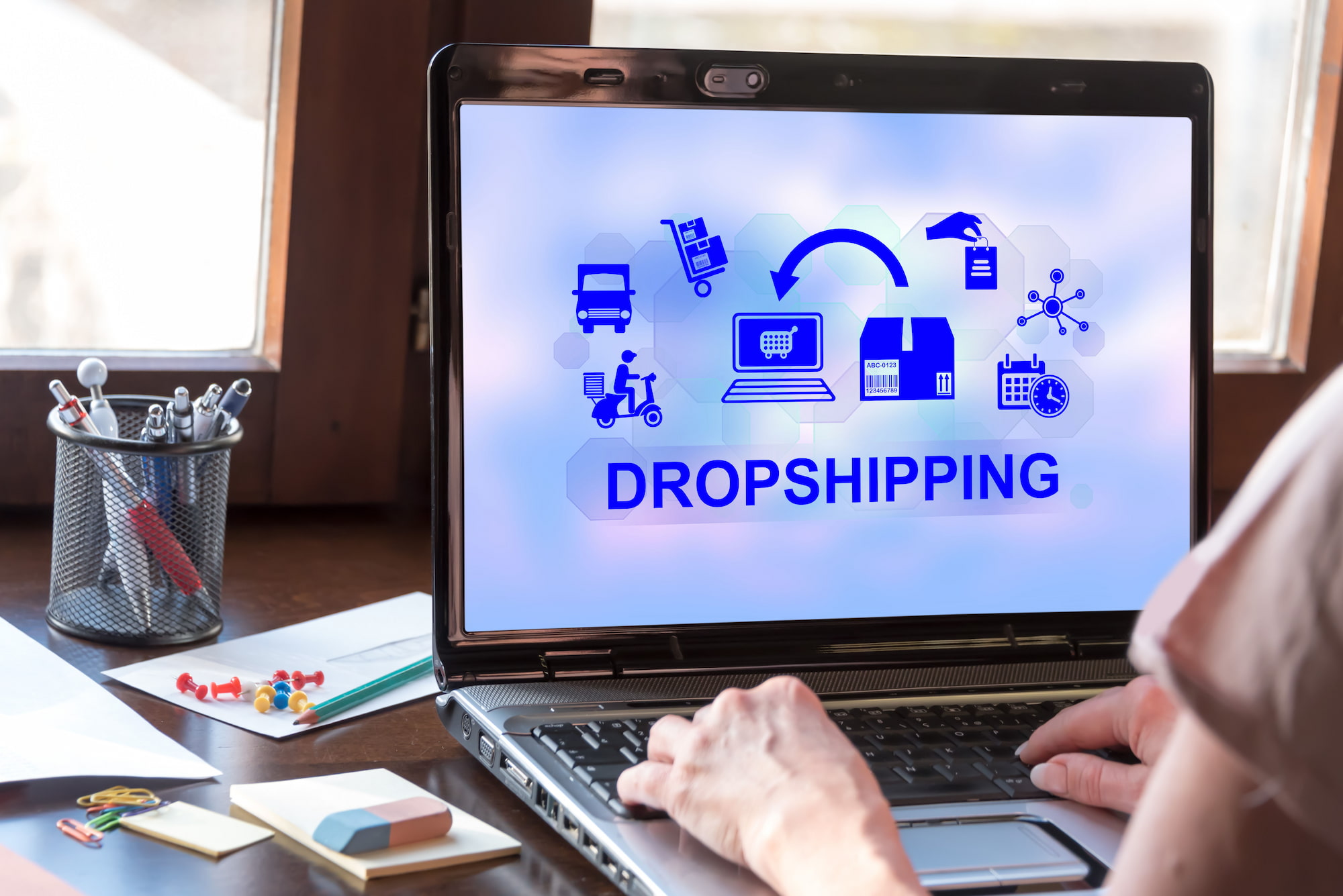
In a world of growing e-commerce, knowing what is dropshipping fulfillment can work wonders for your business. The process began in the late 1920s but became less prominent due to the great depression. Dropshipping then saw a resurgence in the 1950’s due to mail-order catalogues. These publications contained a list of a company’s products that customers could order from and ship directly to them. It wasn’t until the 1990s that the internet boom led to international popularity in dropshipping fulfillment. Buyers transitioned to e-commerce from traditional brick-and-mortar stores. As customers started to purchase goods online, sellers began seeing the advantages of using dropshipping for their company.
What is Dropshipping Fulfillment, and What is the Process?
Dropshipping fulfillment is a business model where retailers can sell their products without keeping inventory. The seller has a 3PL (third-party logistics) provider that handles the process of order fulfillment for them. 3PLs maintain the inventory for the seller and may have warehouses for storing and moving the goods to the customer. While dropshipping has been around for longer than the 1990s, e-commerce has changed how sellers view this business strategy. Businesses had an increase in customers from other countries and grew their supply chains internationally.
The overall process of dropshipping fulfillment starts after a seller creates an online store. Once a customer orders a product, the store sends a message to the dropshipping supplier. The supplier is the 3PL warehouse storing the product and will prepare the goods for shipping. Once ready, the supplier will ship the product directly to the customer. During the journey, the seller may provide tracking information so the customer can track the shipment.
Benefits and Challenges of Dropshipping Fulfillment
The reason why dropshipping has grown in recent years is due to the benefits it has on a supply chain. A significant advantage is the low startup cost that a seller can have when using dropshipping fulfillment. Retailers or individuals usually have to pay a lot of upfront investments and have capital for inventory-storing warehouses. If the seller uses dropshipping for an online store, there are no location limitations, and the supplier can ship internationally. The seller can offer a variety of products due to the fulfillment capabilities of a warehouse. Scalability also becomes easier since suppliers can accommodate increasing orders.
While dropshipping has many benefits, there can also be challenges when using this business model. A common drawback is that inventory issues are more likely to happen when sourcing from a warehouse. Tracking which items are in and out of stock becomes more challenging. Supplier errors may also occur, for which the customers will hold the seller responsible. An example is if the products get damaged during the journey to the final destination. It is crucial to choose a trustworthy supplier when starting dropshipping fulfillment.
A1 Worldwide Logistics
Talk to a 3PL provider like A1 Worldwide Logistics to learn more about dropship fulfillment. Along with fulfilling your orders for your customers, we have a customs-bonded warehouse to house your products. A bonded warehouse is a facility where importers can store freight for up to 5 years without payment of duties. This allows the importer to save money and look for customers before they have to pay taxes for the shipment. Contact A1 Worldwide Logistics at 305-821-8995 to learn about our many solutions for your supply chain. Along with warehousing, we transport your goods to and from our facility to the final destination.
by A1 WorldWide Logistics | Nov 22, 2023 | grain exports, Shipping Logistics, Transportation
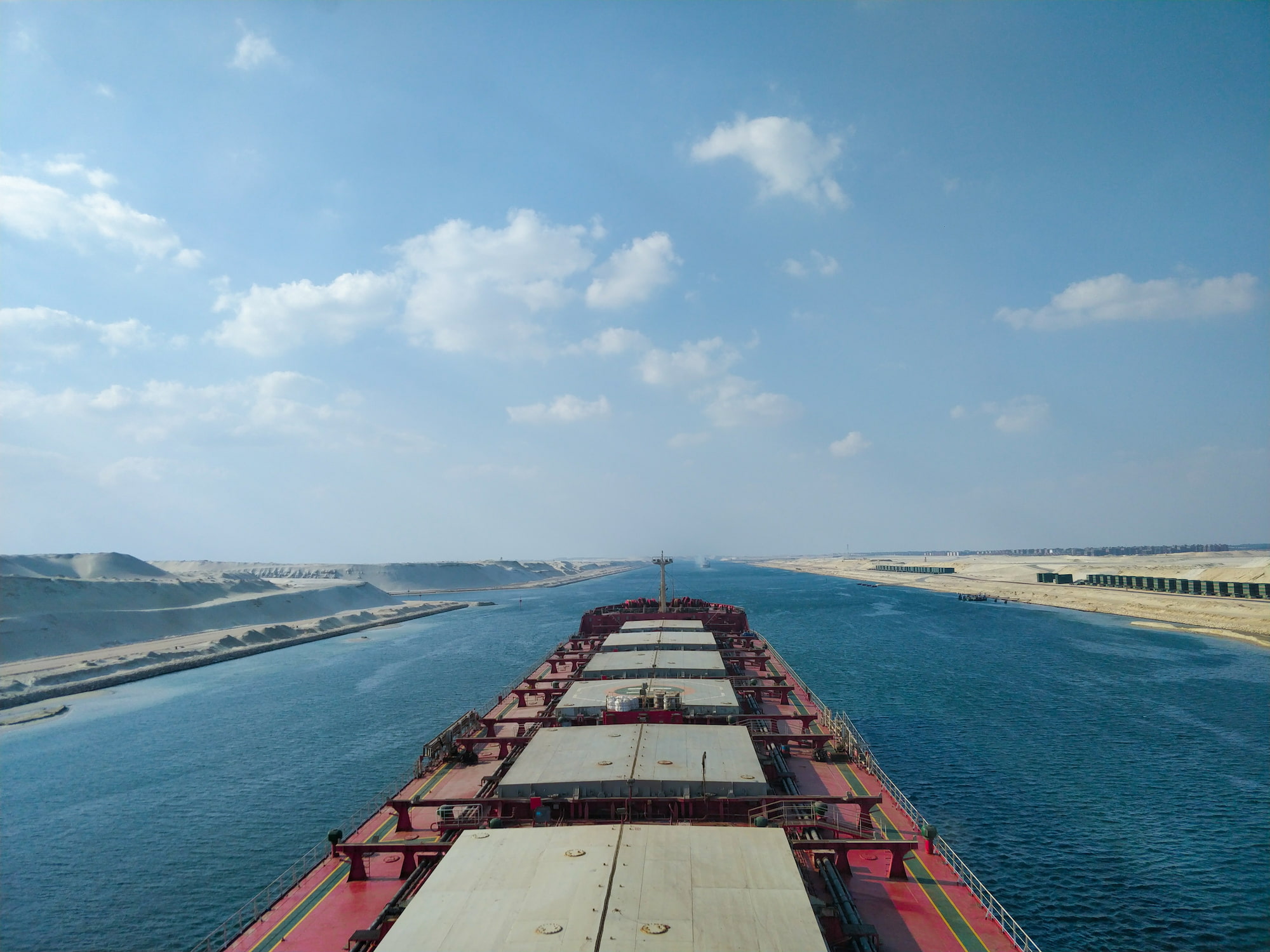
A current drought in the Panama Canal is leading to the Suez Canal gaining U.S. exports of farm products. Bulkers carrying agricultural goods like grains are rerouting their journey to Asian countries due to the crisis. At first, larger container vessels felt the effect of lowering water levels, which dry bulk carriers now feel. USDA data shows approximately 67% of year-to-date soybean, corn, and wheat exports are moving through the Atlantic Ocean. It is essential to note that the Suez Canal is a longer route and can be more expensive. The freight takes nearly ten extra days to reach China compared to using the Panama Canal.
What Is Happening In the Panama Canal
In the summer of this year, the Panama Canal Authority (ACP) set restrictions on ships entering the canal. The draft limit went to 44.5ft (13.65m) from the standard of 50ft (15.24m). A draft limit is the distance between the waterline and the lowest boat point. A lower limit means that carriers have to carry less cargo to be able to enter the Panama Canal. ACP cut the draft further to 43.5ft (13.26m) in the same month. The average number of daily transits through the canal also went down to 32 in August. The usual number of vessels passing through the canal is 36 to 38 ships.
The restrictions are due to the current drought the Panama Canal faces. Rainfall levels have been reaching record-low levels in the region, and the canal uses rainwater to move ships through. Water scarcity further rose due to the El Nino weather phenomenon. Along with having to decrease the amount of cargo that they ship, limits are extending carrier shipping times, causing delays. This is due to the backlog of ships waiting to enter the canal from lowering daily transits. Restrictions are pushing carriers to look for alternative routes to move their freight, such as the Suez Canal.
How Can The Suez Canal Gaining U.S. Exports Impact Shipping?
The Panama Canal and Suez Canal are the two most critical artificial passageways for international shipping. These waterways are shortcuts for shippers moving freight. While agricultural exporters tend to use the Panama Canal to reach Asia, delays force many to switch to the Suez Canal. Since the Suez Canal is the longer route, the increase in traffic is causing freight rates to rise. This is because farmers have fewer dry bulk vessels to load their exports into. As the Suez Canal gains importance for agricultural shipments, a concern remains nearby: the conflict in Gaza. One of the fears is that the war will close the canal during high traffic.
Shutting down the Suez Canal can result in agricultural exporters taking an even longer route to Asia. Rerouting to the Cape of Good Hope may create longer shipping times and further increase rates. While certain situations may be impossible to avoid, they should not stop shippers from transporting their goods. Exporters and importers must, however, take greater precautions to prevent misfortune. Contact A1 Worldwide Logistics at 305-821-8995 to speak to a freight forwarder regarding shipping internationally. Along with importing and importing to and from the U.S., we offer numerous other solutions for your transporting needs.
by A1 WorldWide Logistics | Sep 27, 2023 | Freight, Supply Chain, Warehousing
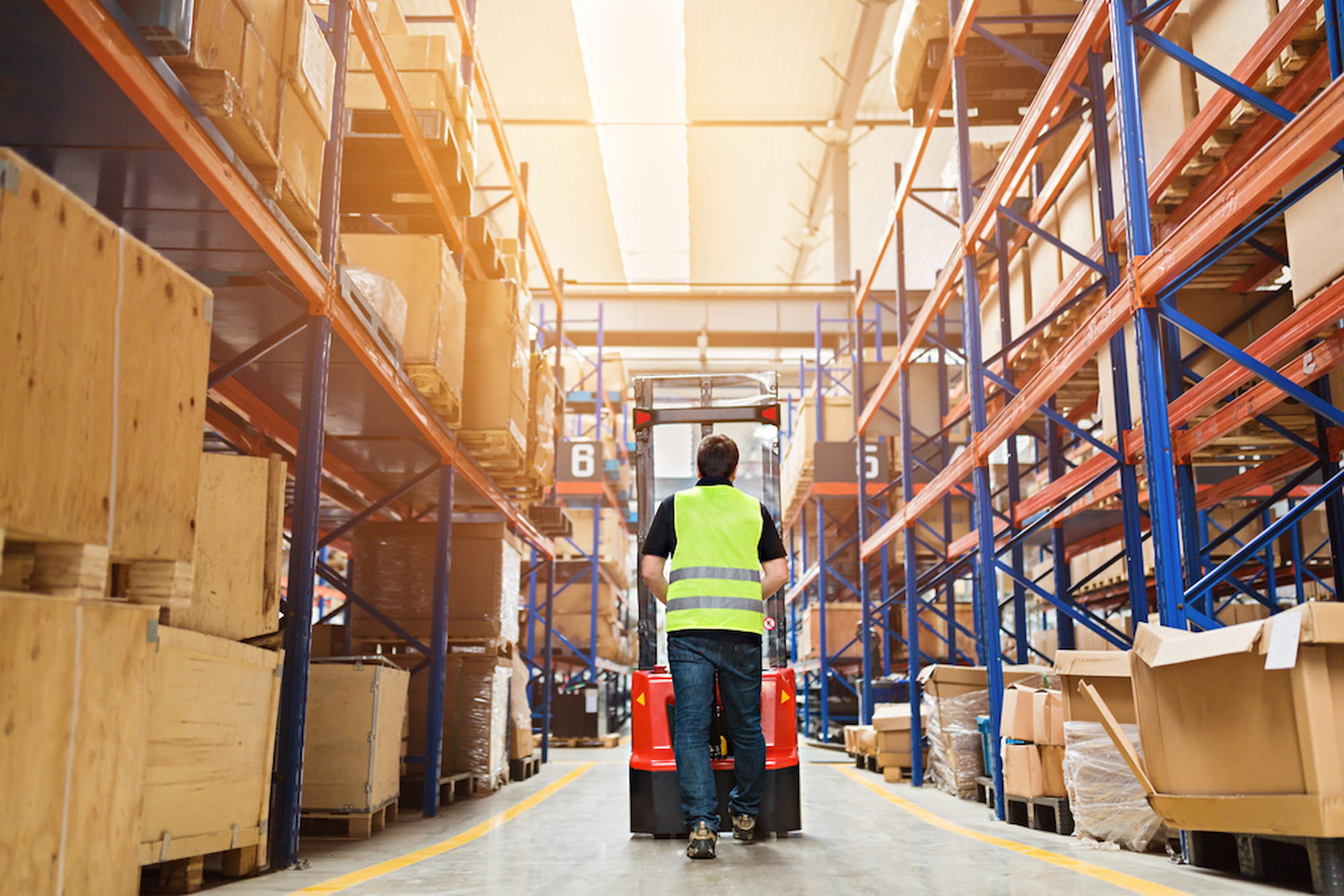
Over the last few years, the shipping industry has seen a trend of on-demand warehousing growing. The coronavirus pandemic led to a surge in this type of warehousing for retailers. On-demand is a type of warehousing in which services are readily available to the customer when needed. They provide flexibility and swiftness to supply chains and do not require long-term commitment. In 2022, an on-demand logistics company reported that its customers grew by roughly 128% in 2020 compared to 2019. The company even built facilities across North America to accommodate the freight.
What Led to On-Demand Warehousing Growing
In early 2020, when the pandemic began in the U.S., many speedy fulfillment companies like Amazon temporarily limited operations. The main products that came into the fulfillment centers were essential freight needing to move out urgently. This resulted in the inability of a substantial number of sellers to use the warehousing services to move their goods to their customers. Many sellers immediately searched for other substitutes to store and move their goods out quickly. This led to the growth of on-demand warehousing providers. The recent surge in e-commerce also created a need for on-demand warehouses.
On-Demand Warehousing VS Traditional 3PL
3PL or third-party logistics is the use of a separate third party to provide services. This can include the shipping of freight and warehousing for a business. Despite the boom in on-demand warehousing, some believe that traditional 3PL warehousing is the better solution. Traditional 3PLs offer a range of services for long-term relationships. Conventional warehousing companies have more excellent knowledge and experience because of their long-term relationships.
One of the main differences between on-demand warehousing and the traditional 3PL model is their method of offering warehouse space. With traditional 3PL, warehousing tends to be in one or a few centralized locations. They may have more direct, longer-lasting relationships with their clients. On-demand warehousing where the 3PL is the middleman between a business looking for a warehouse and the actual facility. While less direct than traditional 3PL, this is ideal for short-term fulfillment. Even with the differences, these warehousing solutions are equally crucial for extensive supply chains.
A1 Worldwide Logistics
Logistics is the organizing and executing of a complex task or operation. This can involve several different components that work together to produce a result. When moving freight internationally, warehousing is a typical part of the supply chain and logistics aspect. Once cargo enters the U.S., taxes and duties must be paid before the freight reaches the importer. If the importer does not plan on receiving their shipment or paying duties at a specific time, they can keep their imports in a customs-bonded warehouse.
A customs-bonded warehouse is a facility where a shipper can keep imports without paying taxes and duties for up to 5 years. A1 Worldwide Logistics provides a custom bonded facility to store your cargo before you are required to pay taxes or duties. This is ideal if you plan to save money and find customers for your goods. Contact us at 305-821-8995 to learn more about our various supply chain solutions. Along with warehousing, we provide freight forwarding, customs clearance, trucking, and more.
by A1 WorldWide Logistics | Sep 14, 2023 | Customs Broker, Customs Clearance, Shipping Logistics
A message that your shipment is stuck at customs is the last response that a shipper wants to receive. This is especially true for cargo that is time-sensitive freight, like perishable or products for selling. The U.S. Customs and Border Protection (CBP) is responsible for safeguarding the country against importing dangerous goods. Its primary purpose is to facilitate lawful international trade and prevent terrorists and their weapons from entering the U.S. CBP has to carefully check cargo when entering the country and may sometimes put the shipment on hold. While there are many reasons why customs detains your goods, there are ways to prevent this from happening.
Reasons Your Shipment Is Stuck At Customs
As previously mentioned, CHB has to prevent the importation of goods that the U.S. prohibits from entry. Because of this, a common reason why goods may be stuck at customs is because they are illegal. Examples include absinthe (Alcohol), bush meat, dangerous toys, dog/cat fur, etc. Customs can hold other items like firearms due to restrictions the U.S. places on them. Importers of guns and ammunition require a Federal firearm license (FFL) before shipping into the U.S. Another reason customs may hold your freight is incorrect valuation. The customs value is the total monetary amount of the shipment brought to a country.
Customs is in charge of valuing the goods the importer brings to the U.S. from other countries. If the cargo the shipper imports does not have the correct value, customs will hold it for clarification. This can include revaluing of the taxes based on their pricing. Another common cause of customs holding your freight is an incorrect HTS Code. The Harmonized Tariff Schedule (HTS) is a system used to determine the duty rates for U.S. imports. Every item has a specific code to classify it, and an incorrect number can mess up the paperwork.
What Are Examples of Commercial Documents
Another reason customs might hold up your goods is missing or incorrect paperwork. Some of the documents a shipper requires when importing to the U.S. include:
- Bill of Lading
- Arrival Notice
- Commercial Invoice
- Certificate of Origin
- Packing List
The documents listed are some of the few a shipper requires for importation; however, the cargo determines the additional forms. For example, a vehicle may have different documentation than construction materials. It is essential that there are no errors in the paperwork, and the shipper fills everything out correctly.
Speak To a Customs Broker
While this article explains why customs may hold your cargo, other reasons exist. The amount of regulations for entry can confuse beginners and even regular shippers. The best way to prevent your goods from getting stuck at customs is by having a customs broker handle the clearance process. Customs brokers guide shippers through the importation process and ensure that the importer meets all requirements. They also submit all of the paperwork on behalf of the shipper. Contact A1 Worldwide Logistics at 305-821-8995 to speak to our experienced broker. We also provide other logistics solutions, like drayage services, to move your goods to the final destination when they arrive.

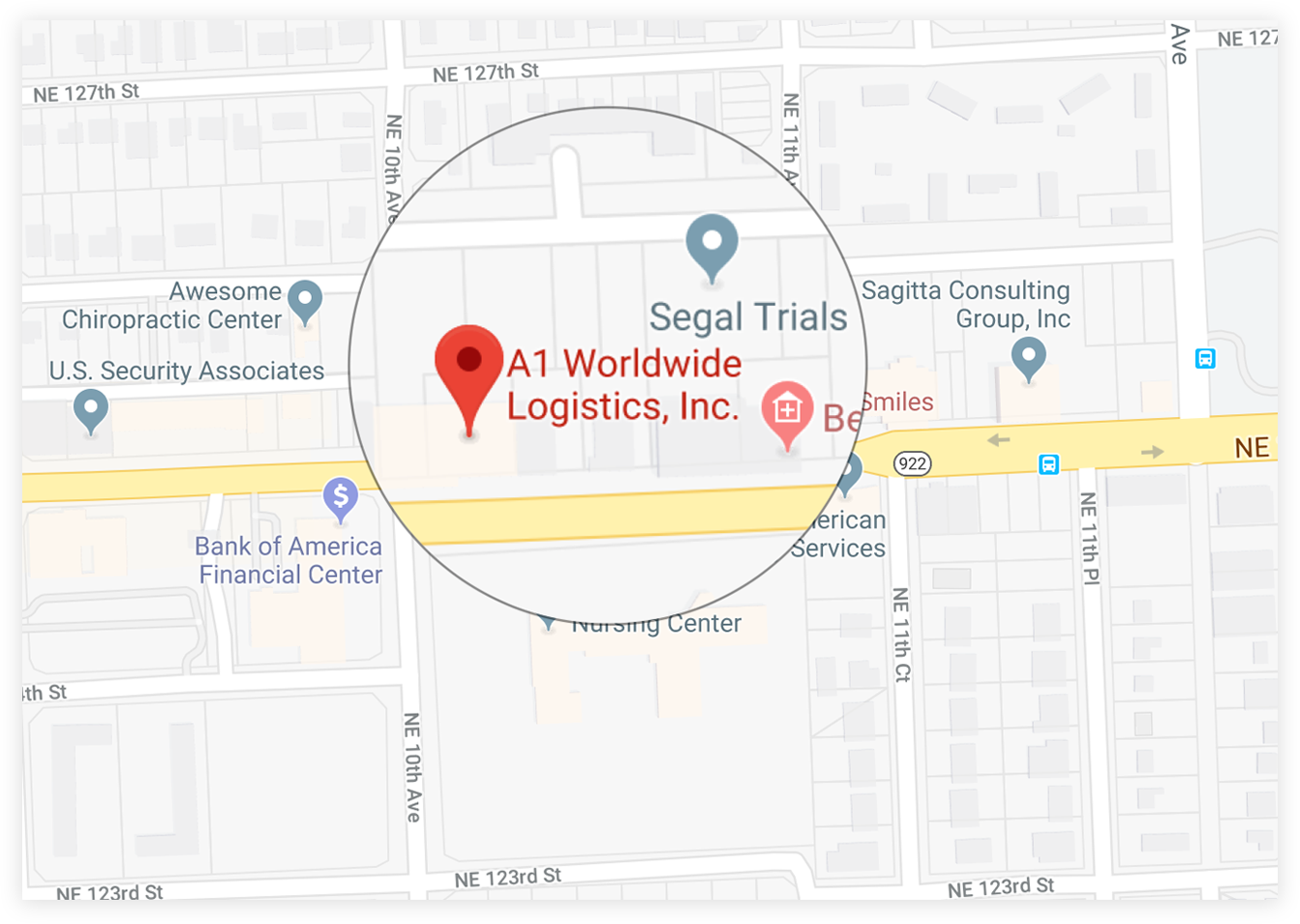
 1035 NE 125th St Suite #320, North Miami, FL 33161.
 a1worldwidelogistics.com
 (305) 821-8995
 Hours: 8AM - 5PM