
by Rob Simmons | Feb 18, 2021 | Customs Broker, Freight Forwarding, Shipping Logistics, Supply Chain, Transportation
When discussing the aspects of the supply chain, the final mile commonly tends to appear in the conversation. What may be talked about less but is equally as important is the first mile. This can be described as the goods being moved from the producer or wholesaler to the courier. The courier is the carrier or the method of conveyance that transports the freight to the designated location. There are different components of the first mile to be mindful of when transferring goods in a supply chain.
Importance of the first mile
The first mile is usually known as the initial 120 days and sets the tone for the rest of the supply chain. Without proper attention to issues in the first mile, the issues may have a snowball effect and become larger problems for the rest of the supply chain. Before the goods even leave the original facility, the sellers should make sure that there are enough materials in the facility to create the necessary amount of goods to be sent to the customers.
Challenges in the first mile
Like other parts of the supply chain, there can be obstacles to be aware of. When cargo is transported out of the facility of origin, the packaging that is used must be strong enough to withstand long distances. This helps prevent the chances of your customers receiving damaged goods.
If your cargo is being transferred internationally, the correct paperwork needs to be sent to the customs of another country, usually done by a customs broker. Not sending the correct paperwork initially can lead to the freight being detained in customs for a certain period of time drawing out the later parts of the supply chain. That may look unfavorable to the customers of your company and lead to potential monetary loss.
How to have a strong first mile
One of the most crucial aspects of the first mile is having strong communication between all of the parts. This could include having a digital transmitting of all the required documentation to have quicker contact and to spot any issues in real-time. Planning ahead can also help lessen problems such as traffic and congestion. Having the correct labeling with all the required information on the packages being delivered to the courier can help lower delays as well.
It is important that the first mile is valued as much as the last mile and every other part of the supply chain. If you need assistance with any part of your supply chain including the first mile, contact us at 305-821-8995.

by Rob Simmons | Feb 12, 2021 | Shipping Logistics, Supply Chain, Technology
As many aspects of the world’s supply chains are increasingly becoming more digitalized, the chances that your company’s supply chain is at risk of cyberattacks may also be rising. Criminals understand that most businesses operate by computer and see it as an ideal place to strike. Ignoring these types of attacks may potentially be a threat to the confidentiality of your company and cost thousands to millions in profit. The cost that it will take to get your business running back to normal may also be immense.
How does it happen?
When planning a cyberattack, hackers tend to look for points of easy entry. This could be a phishing scam which is a mass email sent to employees or seeable passwords that give entrance to a company’s system. The entry into a company’s system may not only be directly but indirectly from a third-party source. For example, if your company is in constant communication with a supplier company, a hacker can get classified info by secretly monitoring conversations between the two and intercepting private info. Another example where this could happen is if a customs broker is in contact with a client online that needs assistance with freight forwarding. Unknowingly, Information about the freight may be accessible to a discreet hacker. A person that works for a business may also leak private information from their database for their own self-interest. Other methods of cyber threats include:
- Ransomware – This kind of malware blocks access to your computer until a fee or “ransom” is paid.
- SQL Attack – A hacker adds a dangerous SLQ code to a database to control and take private company information.
- Trojan Horse – This is a type of malware that conceals itself as a regular file but when downloaded, can take financial info.
Lowering the risks of cyber attacks
Employees must have a good understanding of how cyberattacks happen and have knowledge of what they can do to prevent these risks. Third-party suppliers to a company should be educated on the risk of cybercrime as well. It is also important for companies to make sure that their suppliers are secure by holding them up to a standard to comply with. Security processes should be updated frequently. This is because cyberattacks methods such as viruses and ransomware are constantly changing. System passwords may also have to be changed regularly and be intricate to prevent password attacks.
For the scenario that a cyberattack does occur, a contingency plan can be put in place which details the course of action being taken and who to contact. Some companies even create cyber-crisis jobs to protect against risk. All parts of a supply chain are holistically intertwined to achieve a particular goal and the right steps should be put in place to avert any hindrance to that goal such as cyberattacks.
by Rob Simmons | Feb 10, 2021 | Delivery, Freight Forwarding, Shipping Logistics, Transportation
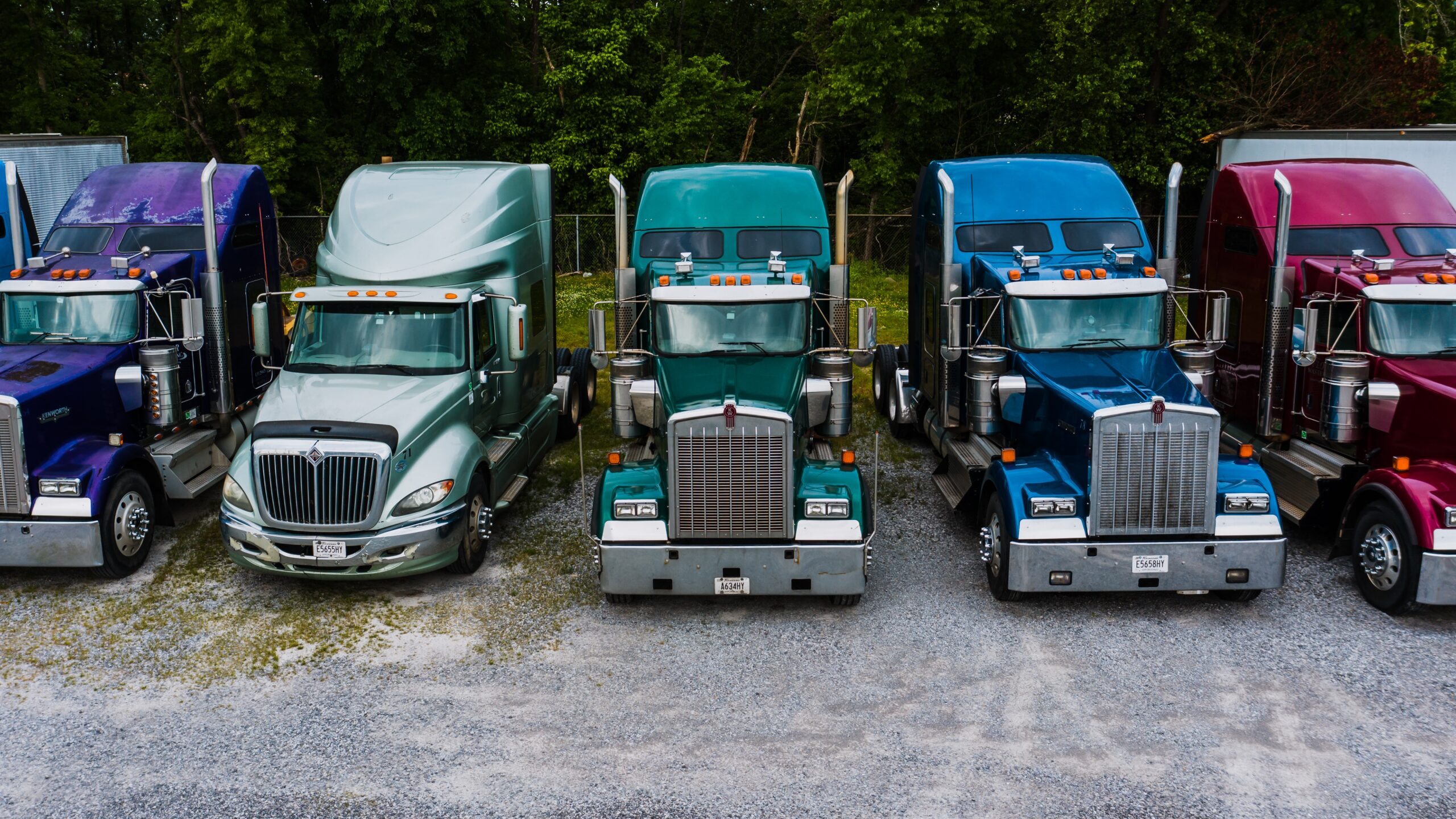
Have you ever heard the story on the news that goods from a truck were stolen or had it happen to one of your acquaintances? Compared to freight that is carried by air and ocean, trucks may have the highest risk of potential theft. This is because, with the other two methods of conveyances, freight tends to be less accessible to the public and more protected. The goods that are robbed have a wide range in variety, but food and household goods tend to be common commodities. Although this crime tends to happen around the world it is a more common occurrence in Mexico and Brazil.
How does this happen?
A truck driver may stop various times on their way to the warehouse and the trip can last a few days. When the driver parks at a gas stop and leave the vehicle to go into the rest stop, they can sometimes make the mistake of leaving the truck running. Thieves see this as an opportunity to not only take the truck, but also the goods. Even before the journey even starts, the robbers have the route of the truck mapped out from the pickup location to the warehouse. This can mean that when the truck arrives at the destined warehouse, the robbers that have been following the truck on its trip are also at the warehouse. They then just take the cargo and drive off.
Other common methods of truck cargo theft include:
- Counterfeit pickups – When freight reaches a port or a container terminal, the truck driver arrives to pick it up. A robber faking as a truck driver can go to those facilities and provide fake paperwork to gain access to the cargo.
- Digital Theft – Computer hackers may get into a company’s computer system and steal valuable information such as drop-off and pick-up locations. This can also help them do counterfeit pickups because the hackers may use the company’s system to print out the fake documents to show the pickup facility.
- Driver Participation – This is when the individual driving the truck gives a portion or all of the cargo to a burglary operation. This is usually done for compensation, which is typically money.
What can you do?
First off, it is important to know that truck cargo theft may be common, and anyone is susceptible to it. The individuals involved in the supply chain must implement preventive measures in case such a scenario occurs. This could mean a safety camera installed on the trucks, GPS cargo tracking, or alarms. Trucks are an important means of conveyance for goods and it is important that the goods are safeguarded throughout the voyage. If you have any questions about our trucking services or need a quote call us at 305-821-8995, we provide constant updates on your cargo.
by Rob Simmons | Feb 5, 2021 | Delivery, Freight Forwarding, Import and Export Experts, Technology, Transportation
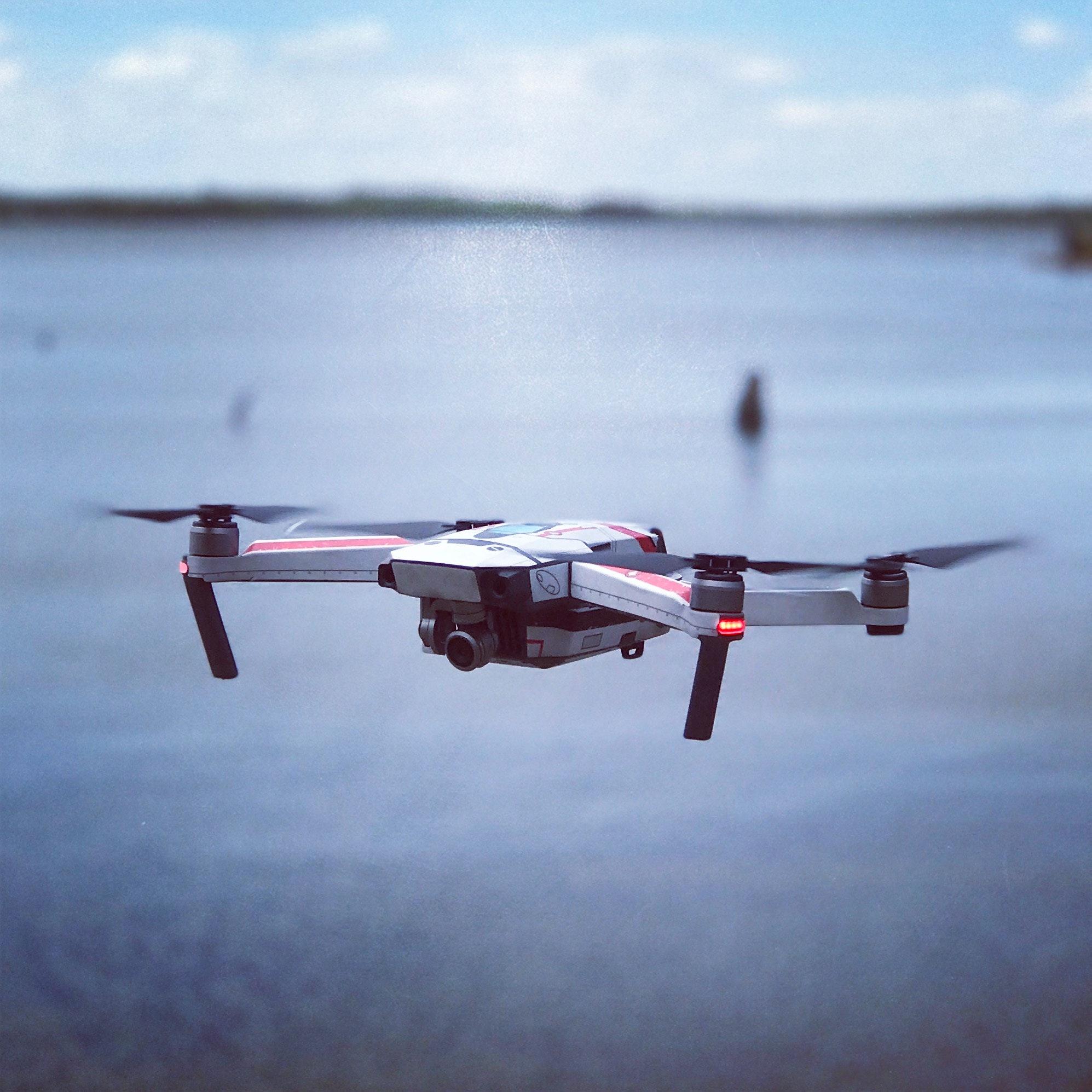
Recently, Coca-Cola partnered with DroneUP to deliver their coffee-flavored soda by drone to customers of Coffee County, Georgia. In the past, drones have been discussed as an alternate method of conveyance for lightweight packages that are delivered on the same day. Amazon is a company that brought more awareness to this type of transport with Prime Air. Also, with how popular e-commerce has gotten over the past decade, other companies have followed the trend. With the potential of freight being moved by drones becoming more common, what could be some pros and cons with drone delivery?
Benefits of Drone Delivery
One of the main benefits of using drones is the swiftness of the delivery. Clients can expect their packages in less than a day or in Amazon’s case, in 30 minutes. Shipping costs may also be reduced for last-mile deliveries. Unlike more common methods of conveyance, drones have the advantage of going into distinct places such as rural areas. There is a particular number of locations that cannot be delivered by road. Also, most road vehicles emit carbon dioxide into the air which makes drones more environmentally friendly.
Issues with Drone Delivery
Despite the benefits associated with drone delivery, there have been several complications associated with this method of conveyance such as regulatory regulations. For instance, the Federal Aviation Administration may not give certain companies the approval for the usage of drones as a delivery method. Also, customers may worry that damages to the packages may occur in unfavorable weather conditions or even burglary.
Another issue is that with everyday tasks becoming more automated, drone delivery may replace various jobs. Likewise, drones can also lead to jobs being created. Employees may have to be hired to build and program the drones. Another concern is that the privacy and security of the customer can be affected. Technology such as cameras and GPS will have to be put in place to mitigate any goods being stolen and to guarantee customer protection. Stringent regulations may also be needed to ensure security.
What’s Next
The emergence of drones opened possibilities for new technological advancements in freight forwarding. Currently, drones are only used for small packages that tend to not weigh a large amount and for short distances. What lies ahead could possibly be larger drones that carry heavier freight for greater distances. UPS also plans on collaborating with Verizon to test out the usage of 5G for delivering packages. This partnership may lead to innovations in other aspects of the supply chain for delivering goods to the customer efficiently.

by Rob Simmons | Jan 29, 2021 | Customs Broker, Customs Broker Miami, Customs Clearance, Freight Forwarding, Shipping Logistics
Known for being one of the leaders in e-commerce, Amazon may be seen by many as a convenient way of buying goods that are delivered in a timely manner. Recently it has been announced that Amazon has bought 11 Boeing 767-300 aircraft. The plan is for these aircraft to be converted to freight carriers which will not only increase the airfreight capacity but also shorten the time of delivery. This will also help Amazon honor its motto of one-day delivery more smoothly.
Amazon Air
In 2015 Amazon launched Amazon Prime Air but shortened its name to Amazon Air in 2017 to distinguish itself from Amazon’s drone delivery. Since its start in air operations, Amazon would lease planes from different companies but in 2020 it bought its first planes from WestJet. The difference between Amazon Air and their previous method of using air as a conveyance for freight is that there is no dependence on 3rd party logistics for delivering cargo. This meant that Amazon had more direct control over its supply chain.
Why the Sudden Purchase?
In the year 2020, the travel business experienced a hit due to the coronavirus pandemic. Restrictions on flight and people not traveling for safety reasons led to losses of funds for airlines. Various airlines reacted to this by removing several aircraft from their services. At the same time, online shopping increased substantially because of the pandemic. Knowing this, Amazon took advantage of the situation and purchased the aircraft to turn them into freight carriers.
Amazon air currently has a fleet of 66 air crafts but with the purchase of the Boeing 767-300’s plus a previous announcement last June that Amazon plans on leasing 12 aircraft from the Air Transport Services Group (ATSG), the total amount of carriers may exceed 80 by the end of this year. The idea is that by 2027, they want the total fleet to grow to 200. Amazon’s land delivery system is not as large scale compared to UPS or FedEx. Despite this, Amazon Air’s network of planes and hubs may one day develop to resemble the land delivery system of those companies.
What Does the Future Hold?
With Amazon continuously growing, this air carrier purchase is a small component of their plan for expanding operations. Amazon Air currently transports cargo to dozens of airports in the U.S. with its main hub located in Cincinnati/ Northern Kentucky International Airport. However, in November of 2020 Amazon Air opened an international hub in Leipzig/Halle Airport in Germany. which is the first of its kind. Amazon plans on opening several different air hubs in the future, widening its reach to deliver fright in a more accelerated time than before. If you have freight that needs to be transported internationally and needs help with the logistics, give us a call at 305-821-8995 or email us at info@a1wwl.com.

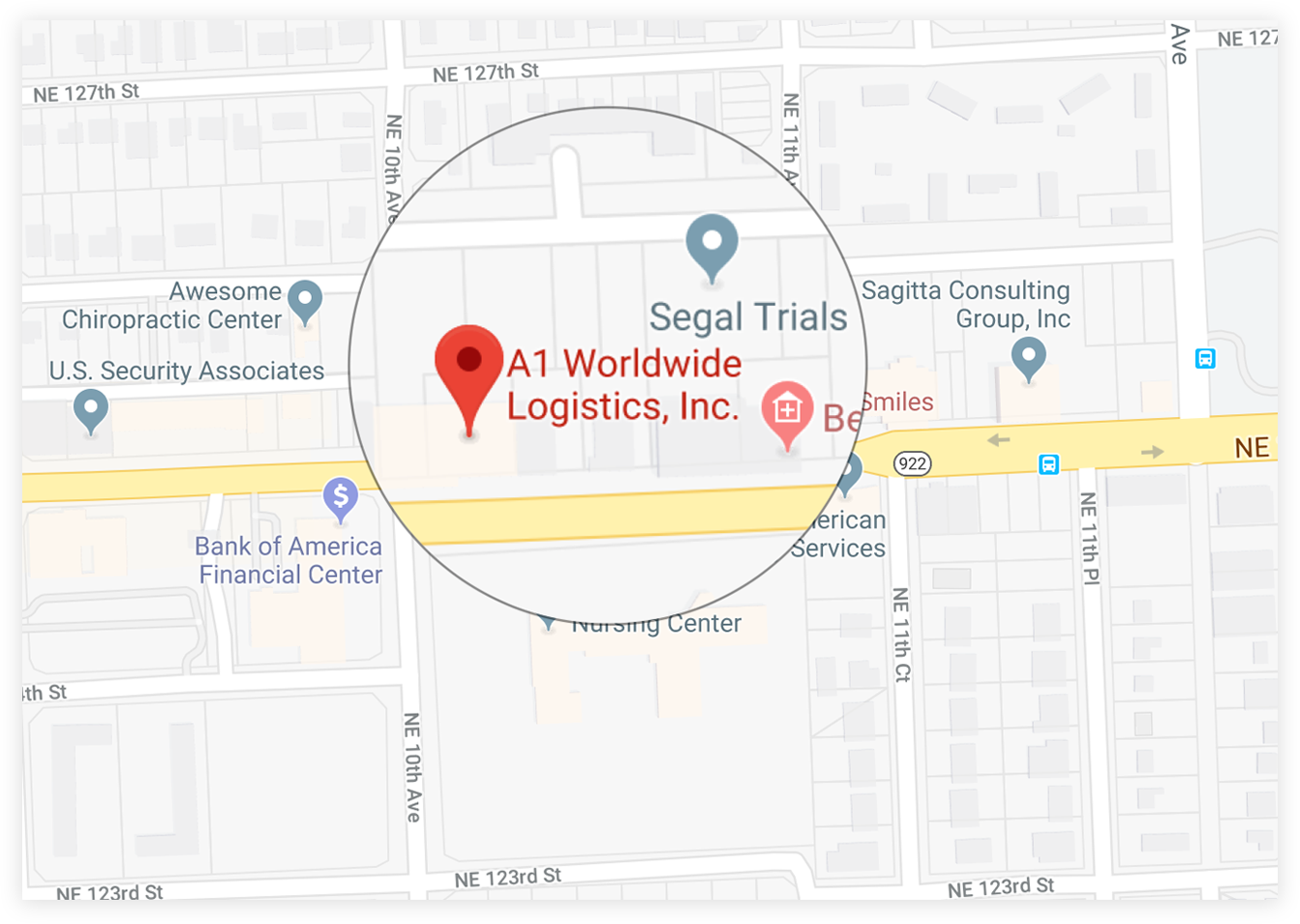
 1035 NE 125th St Suite #320, North Miami, FL 33161.
 a1worldwidelogistics.com
 (305) 821-8995
 Hours: 8AM - 5PM