by A1 WorldWide Logistics | Aug 25, 2025 | Freight Forwarding, Importing, Shipping Logistics, Supply Chain
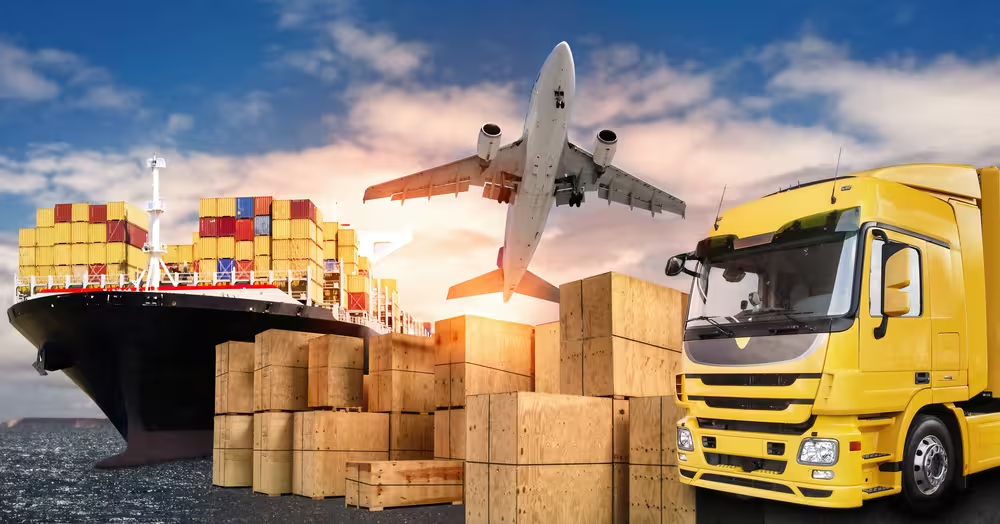
Cuando se habla de comercio internacional, es común escuchar los términos “importadora” y “agente de carga“. Sin embargo, aunque ambos participan en el proceso de mover mercancía desde un país a otro, sus funciones son completamente distintas.
Una importadora es la empresa que compra productos en el exterior con el objetivo de venderlos localmente, asumiendo la propiedad de la mercancía y los riesgos comerciales. En cambio, un agente de carga (o freight forwarder) es el especialista en logística internacional que se encarga de coordinar y gestionar el transporte de esas mercancías, actuando como intermediario entre el importador y los distintos actores del proceso logístico.
Funciones y responsabilidades: Importadora vs. Agente de carga
En primer lugar, una importadora es propietaria del producto, asume los costos de compra, movimiento de la carga, aranceles, impuestos, y su finalidad es comercializar los productos. Mientras tanto, el agente de carga no es dueño de la mercancía, sino que organiza su transporte y logística a nombre del cliente —que puede ser una importadora, distribuidor o empresa.
Además, el importador negocia con proveedores extranjeros, gestiona los pagos internacionales y debe cumplir con las regulaciones aduaneras para poder vender los productos. Por su parte, el agente de carga reserva espacios con navieras o aerolíneas, coordina la liberación aduanal (si cuenta con agentes de aduanas), recolecta la documentación y hace seguimiento al envío.
Imagine que una empresa quiere importar 500 bicicletas desde China. Esta empresa es la importadora: negocia con el proveedor chino, realiza el pago internacional y se hace responsable de nacionalizar el producto. Pero para que las bicicletas lleguen desde el puerto en Shanghái hasta su bodega, necesita un agente de carga que coordine el transporte marítimo, gestione la liberación aduanal, y haga el traslado final hasta su destino.
¿Estás buscando un agente de carga confiable en Estados Unidos?
Si estás buscando un agente de carga en Estados Unidos que ofrezca un servicio completo de puerta a puerta, A1 Worldwide Logistics será tu mejor aliado. Contamos con una red global y la experiencia necesaria para ofrecer soluciones logísticas eficientes y personalizadas.
Te acompañamos en todo el proceso y gestionamos cada detalle para que tu carga llegue segura y a tiempo.
En EE. UU., también brindamos transporte terrestre puerta a puerta.
Escríbenos por Whatsapp, al correo info@a1wwl.com o llama al 305-425-9456 para recibir tu cotización gratuita.
by A1 WorldWide Logistics | Aug 14, 2025 | Economic trends, Importing, Tariffs
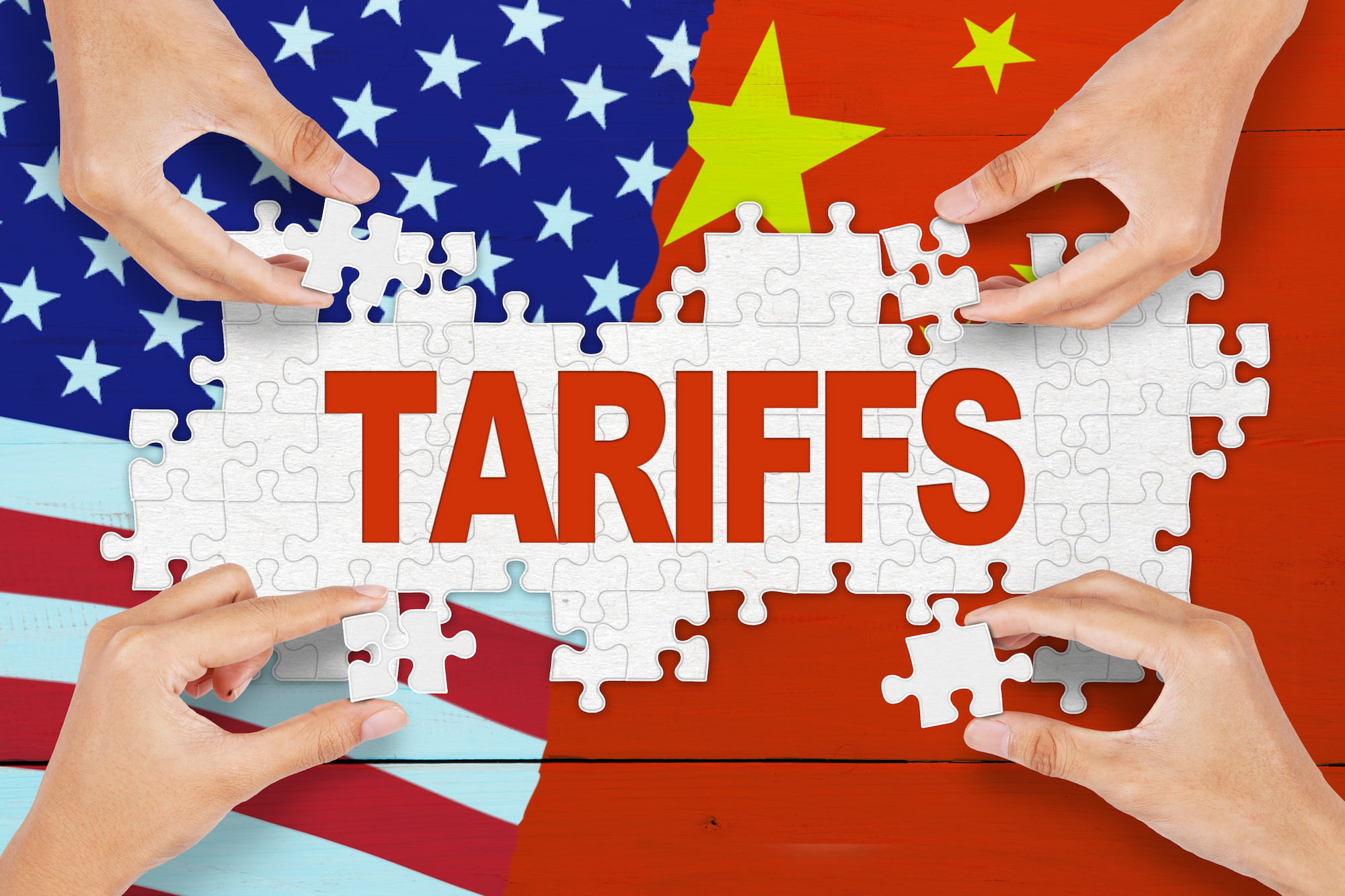
An executive order signed by President Trump on August 11 has the US extending China’s tariff pause. Originally set to start this week, the higher tariffs for imports from each country will begin on November 10. The US will keep its levies on Chinese goods at 30% while China will keep its 10%. Both countries have been in a trade war since 2018, during Trump’s first presidency. The trade war escalated significantly over the last few months during his second presidency after Trump imposed more tariffs. After several back-and-forth levies, the total amount for Chinese imports reached 145% while China reached 125% on US imports. This article will explain the goal behind the extension and how it could impact your shipment.
Why Did the US Extend the Deadline?
Extending the deadline is to act as a breather, giving both countries a temporary ceasefire. On May 12, both countries entered a similar agreement to pause tariffs that would reach triple digits. The current extension provides more time to negotiate on key trade issues and get a final resolution. China’s Customs Tariff Commission of the State Council noted, “The move serves the interests of both sides in achieving their respective development goals and will contribute to the development and stability of the world economy.” China has also agreed to lessen certain restrictions on importing rare earth metals into the US.
President Trump has imposed tariffs on China for various reasons, including addressing unfair trading practices and trade imbalances. The US has a significantly large trade deficit with China and imports much more than it exports. Taxes can be a way to pressure China to buy more US products and a bargaining tool for negotiating leverage. China is also the most popular illegal importer of fentanyl into the US. Another goal is to encourage domestic manufacturing by raising import costs. This could stimulate the economy by creating jobs and bringing businesses back to the US. Economists believe it may have a reverse effect, increasing costs and leading to a potential recession.
What Could the US Extending China’s Tariff Pause Mean For Your Shipment?
China is the US’s top trading partner and one of the largest exporters globally. Due to its size, a tariff of over 100% would have significantly raised the cost of importing into the US. The higher fees would have impacted different parts of numerous supply chains, including domestic shipping. The current 30% tax on Chinese imports could still increase expenses for shippers. Importers could soon look towards nearby, less expensive countries to import from, like Vietnam and Taiwan. Although the pause is a temporary cooldown, it is not a resolution as both countries push towards a lasting framework.
While the tariff deadline will pause, the countries are still in a trade war that could potentially escalate. Although shippers should not stop cargo movement, they must be ready to navigate any disruptions affecting their shipments. An ideal way to get started is by speaking to a freight forwarder. Forwarders act as intermediaries between the shipper and the goods’ final destination. They do this by finding rates, providing paperwork, coordinating the cargo movement, and providing other solutions. Forwarders also offer consultation services to navigate situations like tariffs and ensure a successful transport. Reach A1 Worldwide Logistics at 305-425-9513 or info@a1wwl.com to speak to a forwarder regarding your shipment’s success.
by A1 WorldWide Logistics | Jul 3, 2025 | Economic trends, Importing, Shipping Logistics
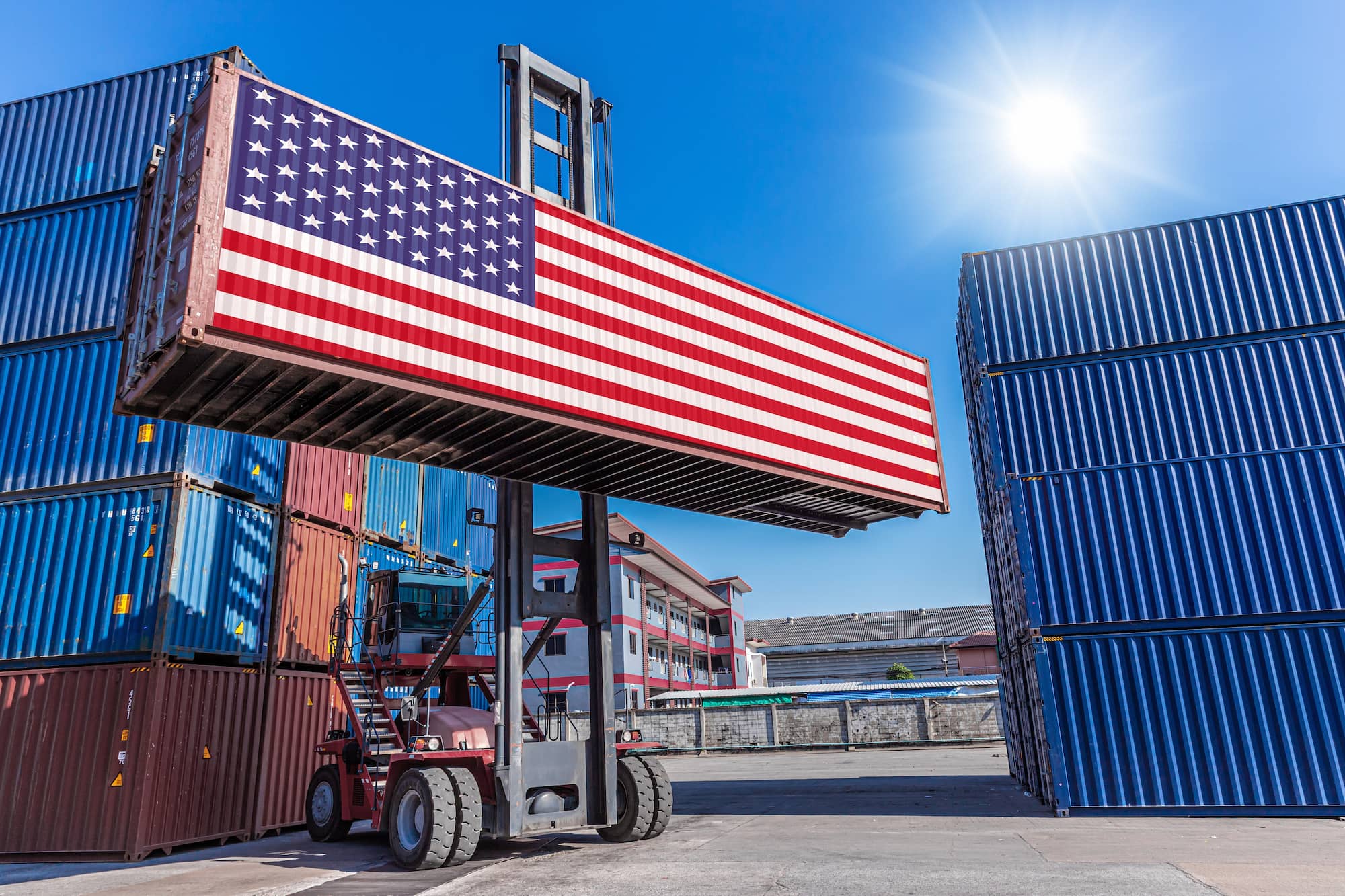
Importers and retailers predict that US imports could soon surge over the next few weeks. Following a 90-day break in the tariff war between the US and China, retailers expect to resume importing. Data from the NRF’s (National Retail Federation) Global Port Tracker recently showed that retailers have been frontloading imports. Along with the temporary reduction on Chinese goods, other scenarios, such as a hold on reciprocal tariffs, have also contributed. Due to the high volume of exports from China, a surge could substantially impact the international shipping industry. This article will explain the reason behind the predicted surge, which could impact importing cargo to the US.
Why Are Retailers Forecasting That US Imports Could Surge Soon?
The potential surge in US imports comes from a slashing of tariffs that would have reached over 100%. In particular, the US lowered taxes on Chinese imports from 145% to 30%, and China reduced tariffs on US imports from 125% to 10%. The reason behind the high levies was due to a trade war between the two countries. When the Trump administration entered office, it began imposing taxes on Chinese goods, citing unfair trade practices. Another goal was to stop the flow of fentanyl into the US. China responded by imposing its taxes, and after several back-and-forth levies, the tariffs rose over 100% for both countries.
The high tariffs resulted in retailers halting and reducing orders. Once President Trump announced an agreement to pause the levies, retailers were motivated to import their paused shipments. With reciprocal tariffs beginning on July 9, shippers have also been importing to avoid the taxes. The surge has also been driven by the peak season for back-to-school shipping and an earlier peak for winter holidays. Despite the potential surge in imports, many believe imports could slow down in the long term. Booking data notes that US imports decreased approximately 22% year-over-year, with Asian lanes falling nearly 44%. The drop in volume could be a response to the reciprocal tariffs.
What Could An Import Surge Mean For The Shipping Industry?
China is the world’s largest shipper and the US’s most significant trading partner. Despite the advantages that an import surge can have for retailers, like avoiding shortages, it can adversely impact international shipping. For example, a higher volume of imports could increase the likelihood of port congestion. Congestion could lead to container backlogs and longer wait times, which increases the chances of demurrage/detention charges. To combat this, importers could begin shipping as soon as possible or switch to land or air conveyance methods. Imports into the US could benefit domestic shipping since there would be a greater need for drayage services.
While lower tariffs can benefit shipping, shippers still must be prepared when moving goods internationally. This can mean looking at news that may impact your shipment and planning beforehand. Failure to prepare can result in delays and financial losses. When importing or exporting from the US, an ideal way to prepare is to contact a freight forwarder. Forwarders are persons or individuals who coordinate freight movement on behalf of the shipper. They achieve this by offering various solutions, including documentation, customs clearance, cargo transport, warehousing, and more. Reach A1 Worldwide Logistics at info@a1wwl.com or 305-425-9752 to speak to a freight forwarder regarding shipping internationally.

by A1 WorldWide Logistics | Jun 25, 2025 | Economic trends, Shipping Logistics, Supply Chain
As tensions continue in the Israel-Iran conflict, there have been talks that Iran may close the Strait of Hormuz. The Strait of Hormuz is a key waterway for the shipping of oil and gas. Nearly 20% of the world’s liquefied Natural gas and a quarter of the world’s oil pass through yearly. Shippers from numerous countries use it as a shortcut for oil importing and exporting. On June 22, the Iranian Parliament voted to close the Strait due to US airstrikes. Despite the vote, the Strait remains open, with Iran’s Supreme National Security Council to make the final decision. As the waterway is a central trade lane in international shipping, its closure could have significant global consequences.
Why Iran May Close The Strait of Hormuz, And What Can This Mean For Shipping?
Israel and Iran have been in tension and have been in conflict for decades following the 1979 Iranian revolution. The conflict escalated into a war on June 13 when Israel launched a surprise attack on Iranian nuclear facilities. As the war persisted, the Iranian Parliament voted to close the Strait of Hormuz in response to military strikes from Israel and the US. This is a common counterattack that Iran does when the US imposes sanctions limiting Iran’s oil exports. Despite threats, maritime experts believe that closing the passage is unlikely due to the impact it will have on Iran. Closure would harm relations with various trading partners, including China, which receives the majority of Iran’s oil.
Due to the large amount of oil that passes through annually, the closure of the passage would hurt global trade. The price of a barrel of oil would immediately skyrocket from its current level of around $75 to nearly $120. Higher prices could impact the cost of shipping internationally, which may be passed on to customers. With the waterway being a shortcut for shippers, closure could result in a rerouting through the Cape of Good Hope. This would add weeks to deliveries and further increase the costs. The added time may also lead to supply shortages for industries that depend on the Strait for gas and oil.
What Is The Global Response?
A closure of the Strait of Hormuz would have an immediate response from Iran’s largest trade partners. There could be an immediate military reaction from the US. US Secretary of State Marco Rubio noted, “It’s economic suicide for them if they do it. And we retain options to deal with that.” Economies from countries such as China, India, and the European Union (EU) would also experience strong ripple effects. China’s Foreign Ministry spokesperson, Guo Jiakin, described China’s request for other countries to step up de-escalation efforts. Other trading partners expressed concern that closure would not be suitable for all parties involved, including Iran.
While the current conflict can seem daunting, it should not stop you from transporting your cargo globally. The shipper should, however, take the proper steps to protect their cargo. An ideal way to prepare is to speak with a freight forwarder. Forwarders serve as intermediaries between the shipper and the carrier, coordinating cargo movement on behalf of the shipper. They achieve this by offering numerous solutions, including providing paperwork, finding international and domestic carriers, warehousing, negotiating rates, and more. Forwarders also negotiate the best course of action to take for protecting your shipment during situations like conflict. Reach A1 Worldwide Logistics at info@a1wwl.com or 305-425-9752 to speak with our forwarders about shipping anywhere internationally.
by A1 WorldWide Logistics | May 13, 2025 | Economic trends, Importing, Supply Chain
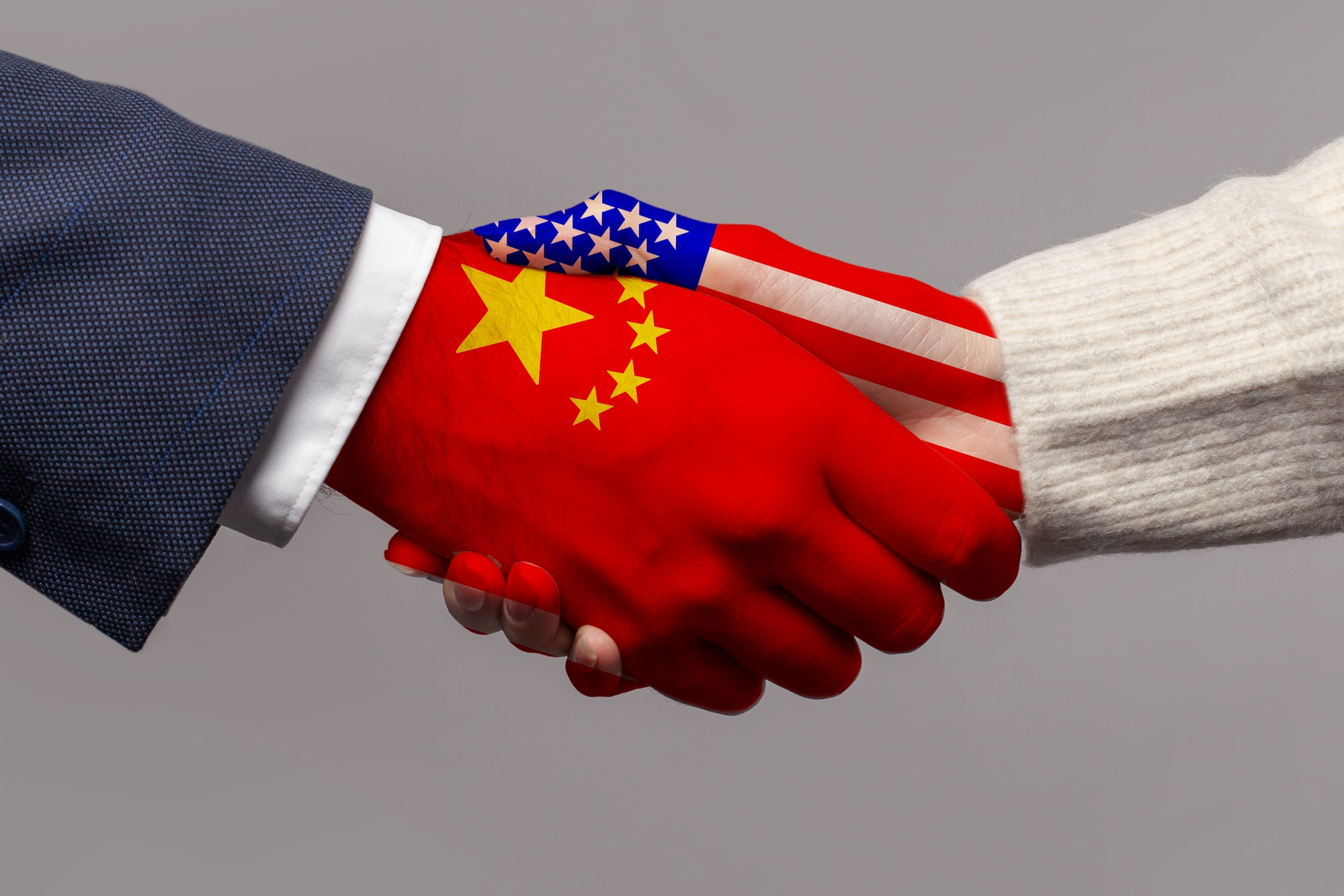
The U.S. and China will slash tariffs imposed on each other after both countries reached an agreement on May 12. In a joint statement, the two countries announced a pause on most tariffs released since February. Details of the agreement effective May 14 include:
- The U.S lowering tariffs on Chinese imports from 145% to 30%.
- China reducing tariffs on U.S. imports from 125% to 10%.
- A 90-day period for the reductions to take place.
- Specific U.S. tariffs, including those relating to anti-fentanyl, remain.
China will also pause or terminate non-tariff measures previously imposed on the U.S. The tariff reduction is temporary, and negotiations will continue for 90 days. With both countries being the largest exporters and importers globally, the agreement will significantly impact international shipping.
How Did The Agreement Come To Be?
Over the last few months, a trade war between the U.S. and China escalated as the Trump administration entered office. The escalations started with a 10% tariff that the Trump Administration imposed on all Chinese imports in early February. Trump cited fentanyl and unfair trade practices as reasons. China retaliated by imposing a 10% tariff on oil, large-engine vehicles, agricultural machinery, and a 15% tariff on coal. After several back-and-forth announcements of levies, U.S. tariffs reached 145% on Chinese imports, while China’s reached 125% on U.S. imports. Due to the volume of cargo both countries ship and import, higher tariffs would have impacted supply chains globally.
The higher tariffs would have negatively impacted the U.S. and China, as they are the biggest trading partners. In the joint statement, both countries identified “the importance of a sustainable, long-term, and mutually beneficial economic and trade relationship.” The U.S.’s new 30% rate comes from the 20% duty Trump imposed on China’s inaction on fentanyl importation and the 10% across-the-board tariff. While tensions have de-escalated since the agreement, this is a temporary measure. The two countries will continue talks and establish a mechanism for working towards a permanent resolution.
What Can Shippers Expect With The U.S and China Reaching An Agreement?
The announcement that both sides had reached an agreement led to a positive response in the international shipping industry. Higher tariffs may have raised costs for different supply chain parts, including the shipper, carrier, and receiver of the cargo. If the importer is a company bringing in products, the costs would have fallen on the customer. Domestic shipping, like port drayage services, could also benefit from increased imports from the agreement. Despite the positive response, analysts note that tariffs are still higher than when Trump took office. With the trump administration also placing tariffs on other countries, prices could still rise for U.S. consumer goods.
With both countries reaching a trade deal, shippers may be more comfortable transporting cargo. Despite this, there are many things that shippers should be aware of when starting. Regardless. It can be ideal to speak to a freight forwarder when beginning. A freight forwarder is a person or company that acts as a middleman between the shipper and the carrier. Along with coordinating freight movement on behalf of the shipper, they provide numerous services for their supply chains. Some solutions include customs clearance, international and domestic transportation, warehousing consulting, and more. Contact A1 Worldwide Logistics at info@a1wwl.com or 305-440-5156 to speak to a forwarder regarding shipping your cargo internationally.

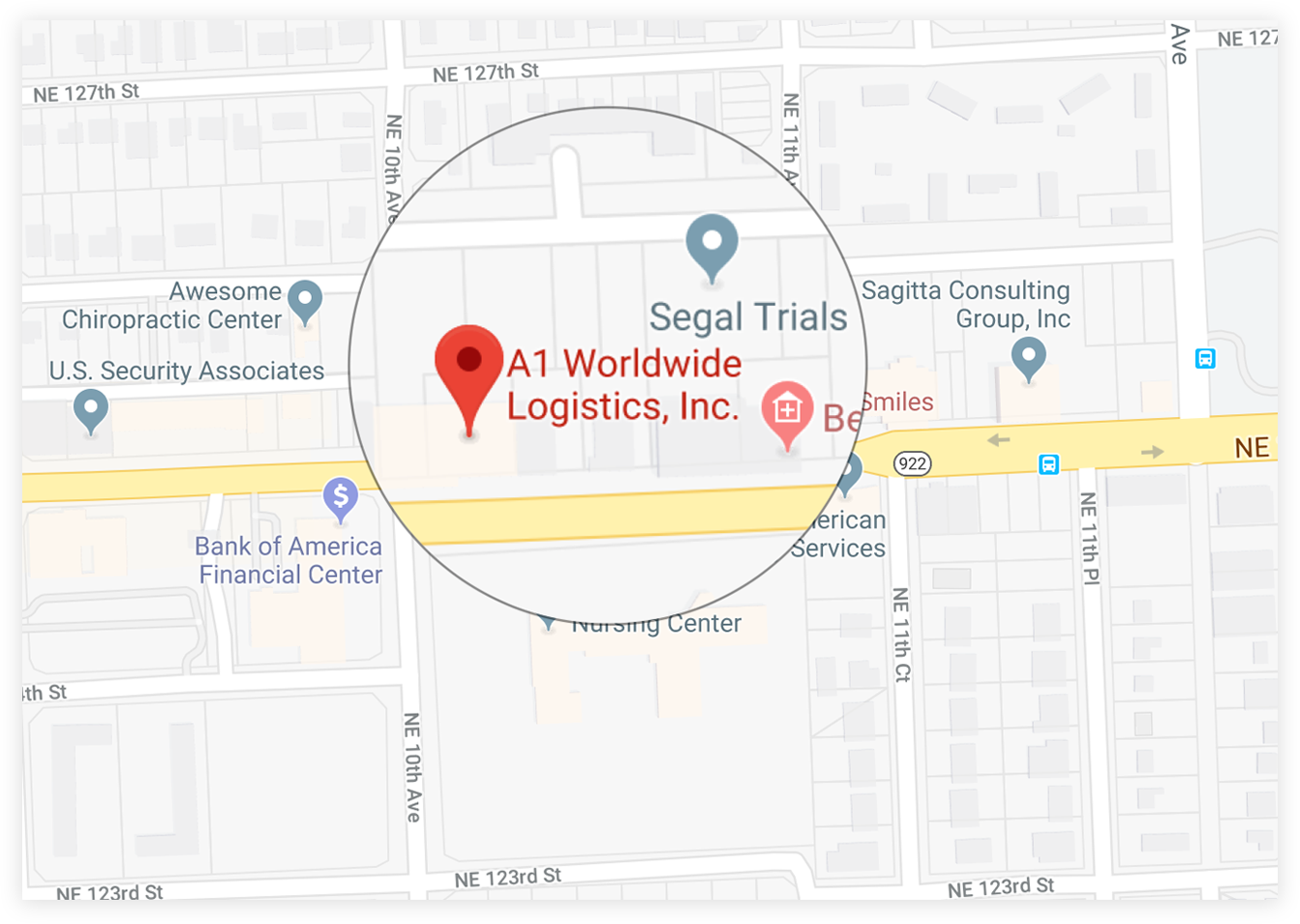
 1035 NE 125th St Suite #320, North Miami, FL 33161.
 a1worldwidelogistics.com
 (305) 821-8995
 Hours: 8AM - 5PM