by A1 WorldWide Logistics | Jan 18, 2024 | grain exports, Shipping Logistics, Transportation
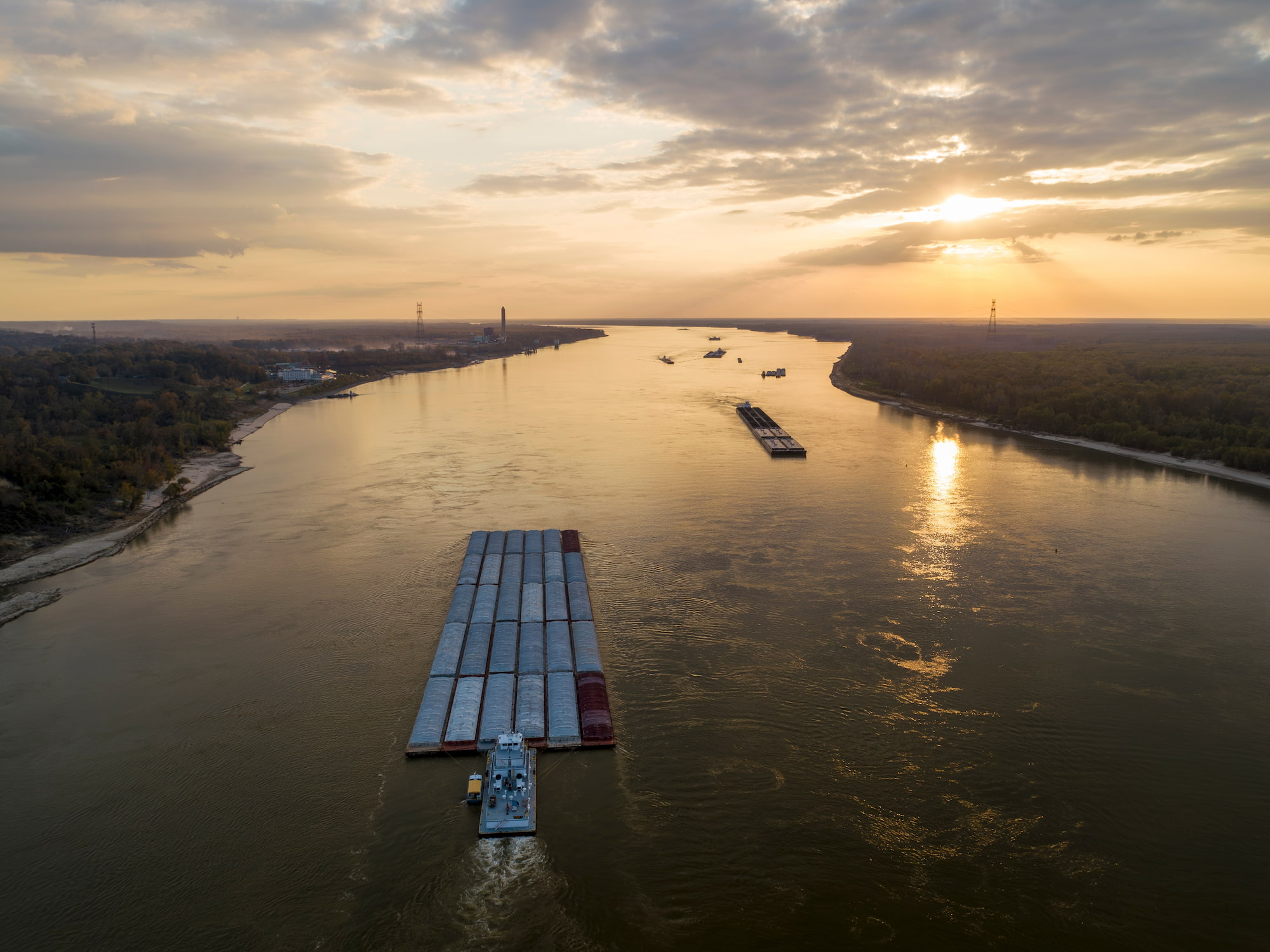
Shipping in the Mississippi River is vital to the U.S. economy, bringing in over $405 billion annually. Flowing from Minnesota to the Gulf of Mexico, the Mississippi River is the 2nd largest river in the U.S. For over 200 years, shippers have used this waterway to move various cargo, including agricultural goods and petroleum products. While containerships can pass through up to a point, the primary transport method is by barges. Barges are inland waterway vessels that are flat-bottomed and do not have engines but move with the assistance of tugboats. The barges carry the containers across since most of the river is too shallow for containerships.
The Importance of Cargo Shipping In The Mississippi River
Since shipping began in the Mississippi River, it has been essential for domestic and international cargo movement. Today, nearly 175 tons of freight move through yearly, which is still growing. 92% of U.S. agricultural exports and 78% of feed grains and soy pass through the river. Other exports include oil, steel, wood, coffee, paper, chemicals etc. Due to the traffic, 41 ports and harbors are in the river and on connecting waterways. A few thousand barges transport the goods to the various ports. Despite its importance, the Mississippi River has had challenges adjusting to the growing traffic because of issues like a lack of infrastructure.
Low Water Levels Are Still A Concern
Another challenge the Mississippi River faces is record-low water levels. Over the last few years, a drought has decreased water levels in the river to a point of concern. Above-normal heat conditions have also added to the decline. An effect was that river barges could not float, meaning that limited cargo could move across. Despite the increase in dredging efforts in 2023, barges were still moving at two-thirds of the standard capacity. Since most U.S. grain shipments go through the waterway, exports may soon be at risk. Along with shipping, lower levels impact drinking water, which the river provides to nearly 20 million people.
New Container Terminal
Despite the current drought, companies plan to grow the Mississippi River’s capabilities. Plaquemines Port announced on January 12 that it completed a deal to build a new container terminal in Plaquemine, Louisiana. The location will be 50 miles from the river’s entrance and be able to serve 22,000 TEU Megamax-24 ships. Nearby, the Port of New Orleans has also started developing a new container terminal on the Mississippi River. This terminal will handle over 180,000 containers in the first year and approximately 1.2 million containers in the 25th year. Along with increasing the traffic going in and out of the river, the ports will expand opportunities for international shipping.
As international shipping continues to grow, the possibilities can be attractive to new shippers; however, beginning may not be as easy. Whether you are an individual or a company, having the assistance of a freight forwarder is ideal when starting. They coordinate the shipping process on behalf of the shipper and educate them throughout the journey. Contact A1 Worldwide Logistics at 305-821-8995 to begin moving your shipment domestically and internationally. Along with movement by sea, we provide other methods of conveyance like air and land to ship your goods.

by A1 WorldWide Logistics | Nov 30, 2023 | Air Freight, Import and Export Experts, Shipping Logistics
Despite the advantages of shipping perishables by air, shippers may not fully understand the process. Knowing the procedure can help you save time and money by avoiding mistakes. In international transport, perishables are any shipment that can damage or spoil after a specific time. The carrier must deliver the goods quickly to maintain quality and effectiveness. Examples of perishables include foods like fruits, vegetables, meats, and dairy products. Pharmaceuticals, cosmetics, and plants also fall into the category. Each good can have its specific requirement when transporting. For example, certain products may have a longer or shorter shelf life than others.
What Is The Process?
Before transporting perishables internationally, a shipper must understand the regulations for shipping. The regulations vary not only by cargo type but also by country that the perishable is shipping to. Each country has its laws for importation, and failure to comply can result in freight loss. For example, it is illegal for a shipper to import unpasteurized cheese into the U.S. due to health risks. Since a country may have extensive regulations, shippers usually hire customs brokers to import for them. Another crucial consideration that a shipper should be aware of is the type of packaging used to ship.
Unlike nonperishable cargo, perishables risk spoiling after a specific time, which can increase based on the temperature. Packaging must be capable of keeping the goods at the appropriate temperatures during the journey. The packaging should also have the correct labeling to show that it is perishable. Once the shipper is ready to export, they can start by looking for a carrier to ship the freight. Since time is significant, the most ideal method of conveyance is by air. When looking for an air carrier, hiring a freight forwarder can help streamline the process. Not only does a forwarder coordinate the shipment, but they also find the best rates on behalf of the exporter.
What Are The Documents Needed for Shipping?
The most important consideration when shipping internationally by air is the documentation. While the paperwork may vary based on the shipment, some of the general documents include:
- Commercial Invoice – A document the exporter issues to get the cargo through customs and helps customs authorities determine duties.
- Airway Bill – This is an air cargo version of a Bill of Lading the carrier issues as a receipt for the goods.
- Packing List – The packing list contains crucial information about the cargo, like the weight, dimensions, descriptions, and contents.
- Certificate of Origin – A certificate of origin declares the country that manufactures the cargo.
Perishable cargo may require extra documentation like a phytosanitary certificate, which verifies agricultural products are pest and disease-free. The documents must be correct to prevent lag in shipping. With perishables, time is urgent, and delays can ruin the entire shipment.
How Can You Begin Shipping Perishables By Air?
While shipping perishables may seem complex to inexperienced exporters, having assistance is an ideal way to begin. Talking to a freight forwarder and customs broker can help streamline the transport process and ensure the shipment’s success. Contact A1 Worldwide Logistics at 305-821-8995 to begin shipping your perishables internationally or domestically. Along with air, we provide other methods of conveyance, like land and sea, to ensure the movement of your shipment.
by A1 WorldWide Logistics | Oct 12, 2023 | Customs Clearance, Freight Forwarding, Shipping Logistics
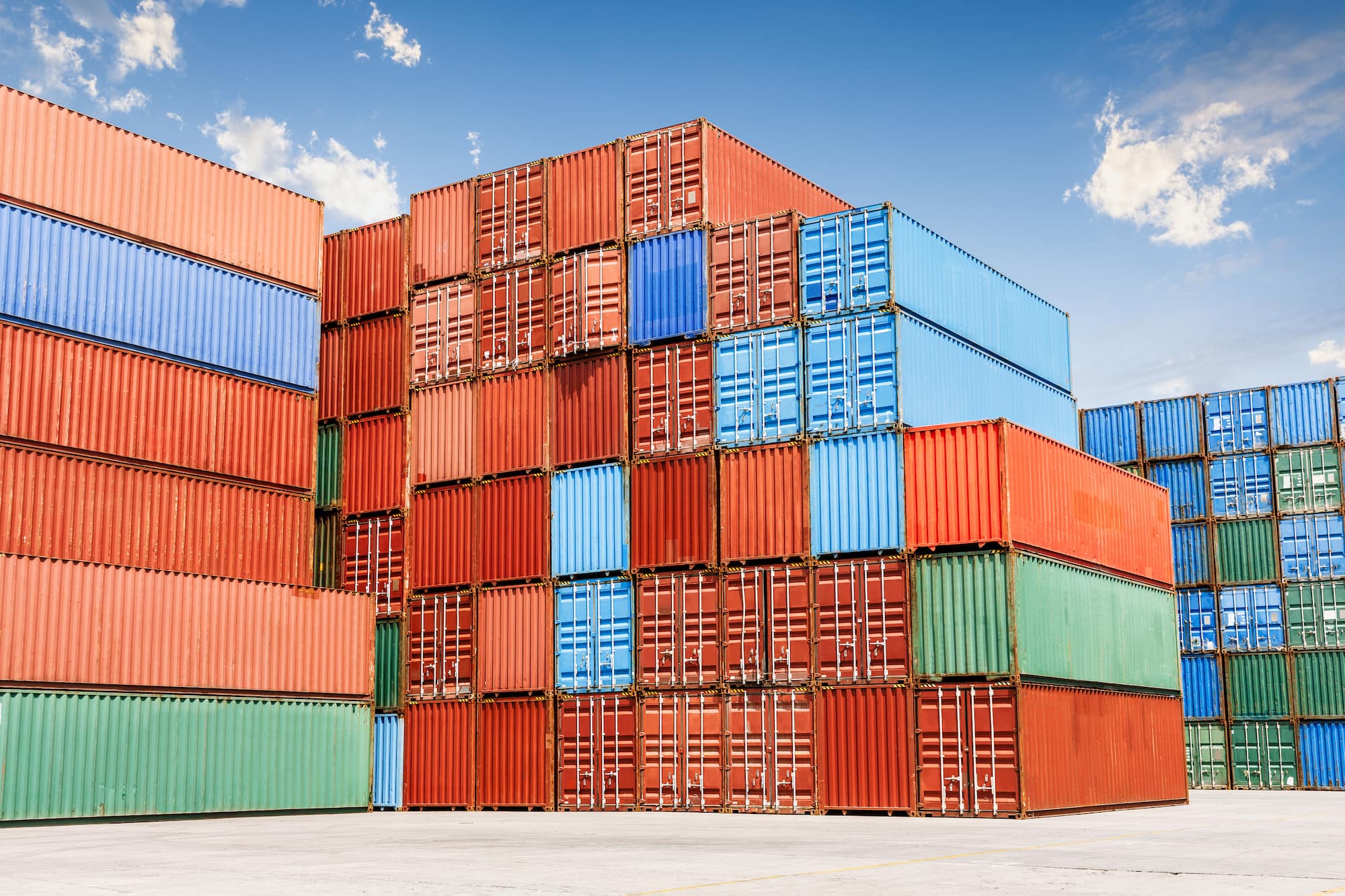
While the term demurrage may seem unfamiliar to new shippers, knowing how to avoid demurrage charges is essential when shipping. Demurrage is a fee that port officials place on cargo that overstays its time at a terminal. Also known as the last free date (LFD), this period is the final day that goods have free storage time. LFD can depend on various factors, such as a vessel’s arrival time at a port. Demurrage differs from detention charges when the importer exceeds the time for using the container outside the port terminal. This article will explain the causes of demurrage costs and how shippers can avoid these fees when moving goods internationally.
What are the Causes of Demurrage
Several situations can lead to cargo getting stuck at a port. One of the most common reasons this happens is because of documentation issues. If the paperwork is incorrect or missing, the shipment must stay on hold and may collect demurrage charges. An example is a Bill of Lading (BOL) with incorrect cargo or address data. The documents must also reach the receiver on time, meaning the shipper must gather the paperwork in advance. If an original BOL is lost, a shipper must take several recovery steps, which can take several days.
Another scenario that can lead to demurrage charges is a delay due to cargo inspection. Once the shipment reaches the port of import, customs checks it before clearance. If customs notices an incorrect HS code, they will place the goods on hold. A Harmonized System (HS) code is a number that customs use to classify cargo for tariff payments. Other occurrences unrelated to the shipper, such as labor strikes and bad weather, can also cause goods to remain at ports. Importers must also pay late invoice payments to prevent more costs from racking up. While several scenarios can lead to demurrage, the shipper can avoid and avert most.
How To Avoid Demurrage Charges
Although avoiding demurrage charges from situations like a labor strike is impossible, shippers can still prevent it from happening. Knowing the dos and don’ts of importing goods into the U.S. is essential. The importer should do the paperwork correctly, entirely, and on time. Before shipping, you should know the free days in your shipment contract and plan accordingly. Understanding the customs clearance process and what can go wrong is also essential. The regulations for importing can vary based on the port and the type of goods brought in. Drayage to a less costly off-port storage is ideal if your facility is not ready to receive the cargo.
Hiring a Freight Forwarder
The amount of information in this article may be confusing for first-time shippers. One of the most efficient ways to avoid demurrage charges is by having the help of a freight forwarder. A freight forwarder is an intermediary between the shipper and the final destination. They specialize in arranging cargo movement on behalf of the shipper and handle the logistics of your shipment. Along with educating you on preventing demurrage, they coordinate with the ports to ensure it doesn’t happen. Contact A1 Worldwide Logistics at 305-821-8995 to speak to one of our forwarders regarding starting your transport journey. We also have customs brokers to clear your shipment once it enters the U.S.
by A1 WorldWide Logistics | Oct 5, 2023 | Freight Forwarding, Shipping Logistics, Supply Chain
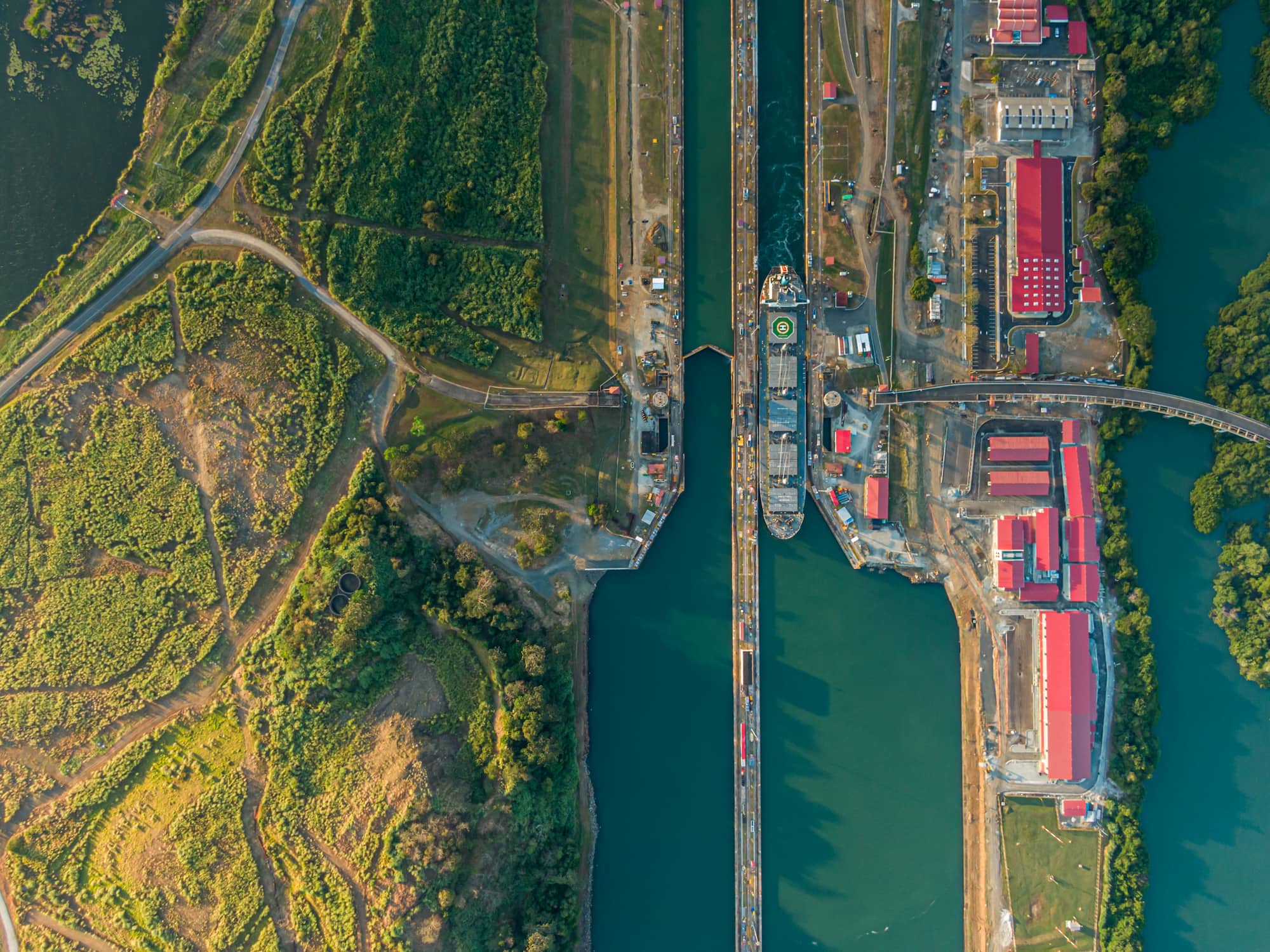
A persistent drought is leading to the Panama Canal transits lowering even further. In June of this year, the Panama Canal Authority (ACP) set various restrictions on carriers passing through the canal. The limitations are due to a drought that the waterway is currently facing. The Panama Canal relies on rainwater to move vessels across; however, the region has been experiencing a lack of rainfall. An ocean warming event known as El Nino further causes water scarcity, leading to an emergency. With the Panama Canal being one of the most important trade routes in international shipping, limitations have a considerable impact.
A few months ago, the ACP put limits on the drafts and the daily transits of vessels passing through. A draft limit is the distance from the lowest point of the boat and the waterline. On June 5th, the ACP cut the limit to 44.5ft (13.65m) from 50ft (15.24). It then went down to 43.5ft (13.26) on June 25th. The ACP also reduced the daily transits or the number of boats that pass through the canal. Usually, that number averages from 36 to 38, but it went to 31 from 32 in August. The newer Neopanamax locks will handle nine ships daily, while the older locks will have 22 pass through.
What Can This Mean For Shipping?
The decrease in the daily transits and the other limitations can negatively impact international shipping. With the Panama Canal being able to cut trade routes by miles, the most significant shippers rely on it. Around 13,000 to 15,000 vessels pass through the passageway yearly, meaning restrictions affect many supply chains. For example, loaders will put fewer containers on a ship to drop the weight when a draft limit lowers. An effect is that a shipper may move fewer containers internationally, which is unfavorable for business shipping to customers. Reducing the number of ships allowed to pass through daily can result in delays.
Will The Panama Canal Transits Lowering Delay My Shipment?
As previously mentioned, the number of vessels passing through the Panama Canal a day is 31. A decrease in daily transits causes a bottleneck where ships must wait outside longer than usual before entering. In August, the backlog peaked at over 160 boats waiting for entry. While that number is lower, it is still over 100 and may rise in the coming months. The main concern for many shippers is that their shipments will experience delays. The ACP notes that wait times for southbound transit rose from 5.56 to 8.85 days in August. Northbound transits went from 6.55 to 9.44 days.
While the restrictions may lead to delays in shipping, this should not stop you from exporting internationally. However, shippers must take steps beforehand to protect their supply chains. An example can be finding alternative routes to transport your cargo. The best way to prevent delays is to talk to a freight forwarder regarding your shipment. A freight forwarder is in charge of arranging the transportation of goods on behalf of the importer and exporter. Contact A1 Worldwide Logistics at 305-821-8995 to speak to our forwarder and ensure the safe movement of your cargo.
by A1 WorldWide Logistics | Sep 21, 2023 | Freight Forwarding, Shipping Logistics, Supply Chain
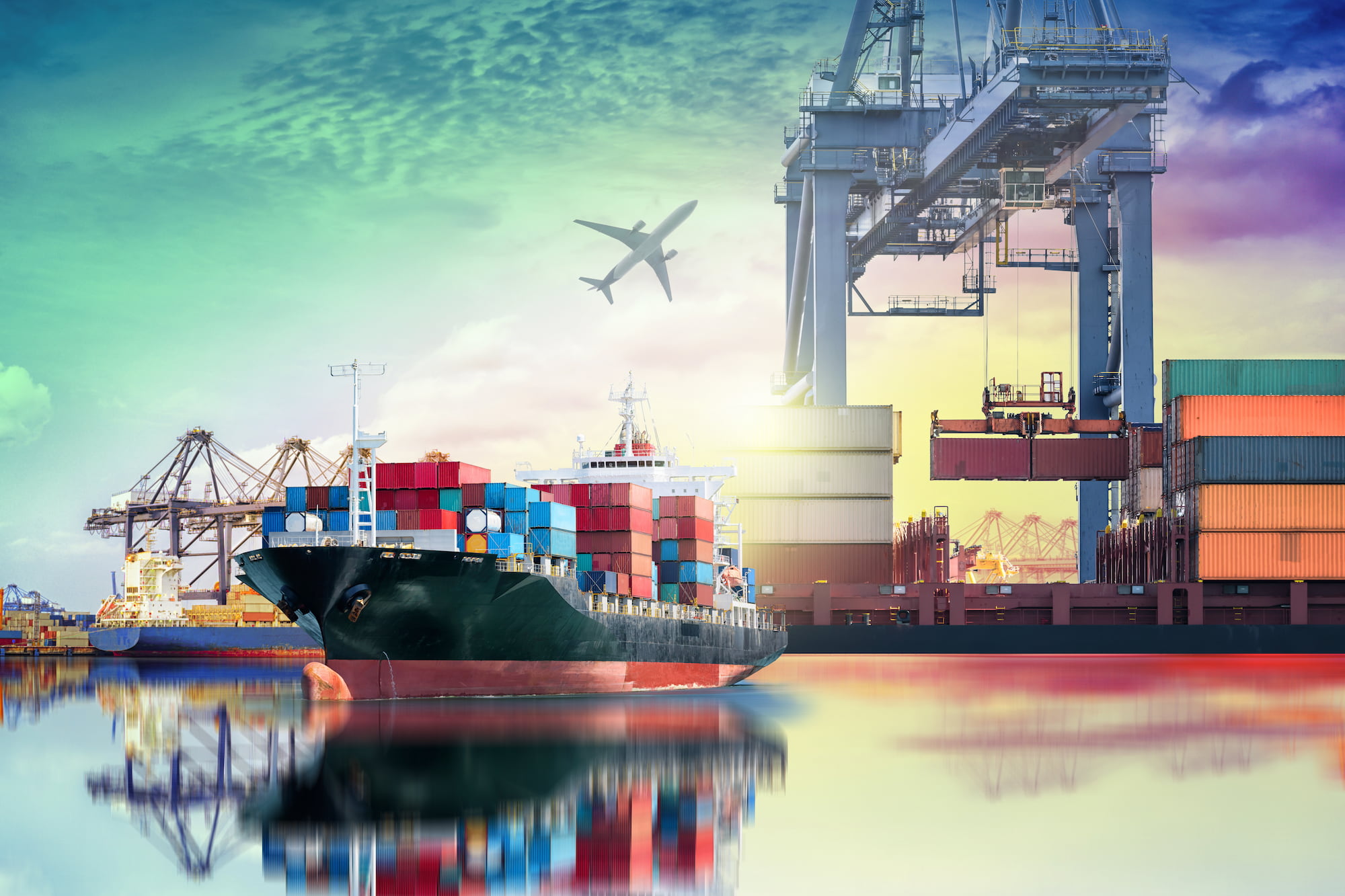
A question that shippers ask themselves when moving goods internationally is whether they should start shipping by air or ocean. Beginning shippers with limited experience tend to be unfamiliar with the two methods of transport. It is essential that importers and exporters fully understand these methods of conveyance and know how they compare and contrast. Failure to understand their differences can result in monetary loss and supply chain disruptions. There are many factors like contents, weight, size, content, and supply chain goals to consider when choosing. This article will introduce shipping freight by air and ocean and explain the differences when choosing between the two.
Moving Cargo By Air
Air shipping is when an air carrier transports freight internationally. The aircraft may be commercial or chartered, with the sole purpose of shipping. This method of conveyance was the last to grow compared to sea shipping but is equally essential for shippers. The most significant benefit is the fast transit times, ideal for time-sensitive cargo. Examples of goods that tend to move by are perishables, high-value commodities, and pharmaceuticals that carriers must deliver quickly. Retail companies with global customers also benefit from air shipping due to the demand for speed. Another benefit is the high level of reliability that air freight offers.
A significant number of supply chain disruptions are due to congestion and traffic. Since freight volumes tend to be smaller at airports, congestion is less common. There also tend to be multiple flights to a city daily, meaning A shipment can be moved to another plane when an issue arises. Airports also tend to have strict regulations for cargo, leading to higher security than other transportation methods. An effect of the benefits is that shipping costs for air transport are usually more expensive than other conveyances.
Moving Cargo by Ocean
Ocean or maritime shipping is the process of moving cargo internationally by sea. A vessel like a containership transports the freight to a seaport. One of the greatest advantages is the significant amount of cargo that carriers can move by ocean. With nearly 80% of the world’s shipments transported by sea, it is an integral part of international trade. Individuals and companies transporting large amounts of goods benefit from this conveyance method. Ships also allow the movement of many types of cargo since a container can fit many items. A shipment larger than containers, like construction equipment, can still go on a vessel.
Compared to other transportation methods, containerships also allow for transporting heavier goods. For example, ships can offer roll-on/roll-off services to bring cars onboard. Another advantage of sea shipping is that it is usually more cost-effective than other conveyances. The freight that benefits the most are bulk goods like raw materials and non-perishable products. Businesses that ship large volumes of cargo also benefit. Since the load is moving by ocean, the transit times may be longer than other ways of transport.
Should I Begin Shipping by Air or Ocean?
While both methods can be equally valuable to a supply chain, specific shipments benefit from one. When choosing to ship by air or ocean, you should have the end goal in mind. For example, ocean shipping is ideal if you plan on moving large amounts of cargo. If your goal is to move goods quickly, shipping by air can be the best solution. To begin your international shipping journey, contact A1 Worldwide Logistics at 305-821-8995. We have freight forwarders to help you find the ideal transport method for your shipment.

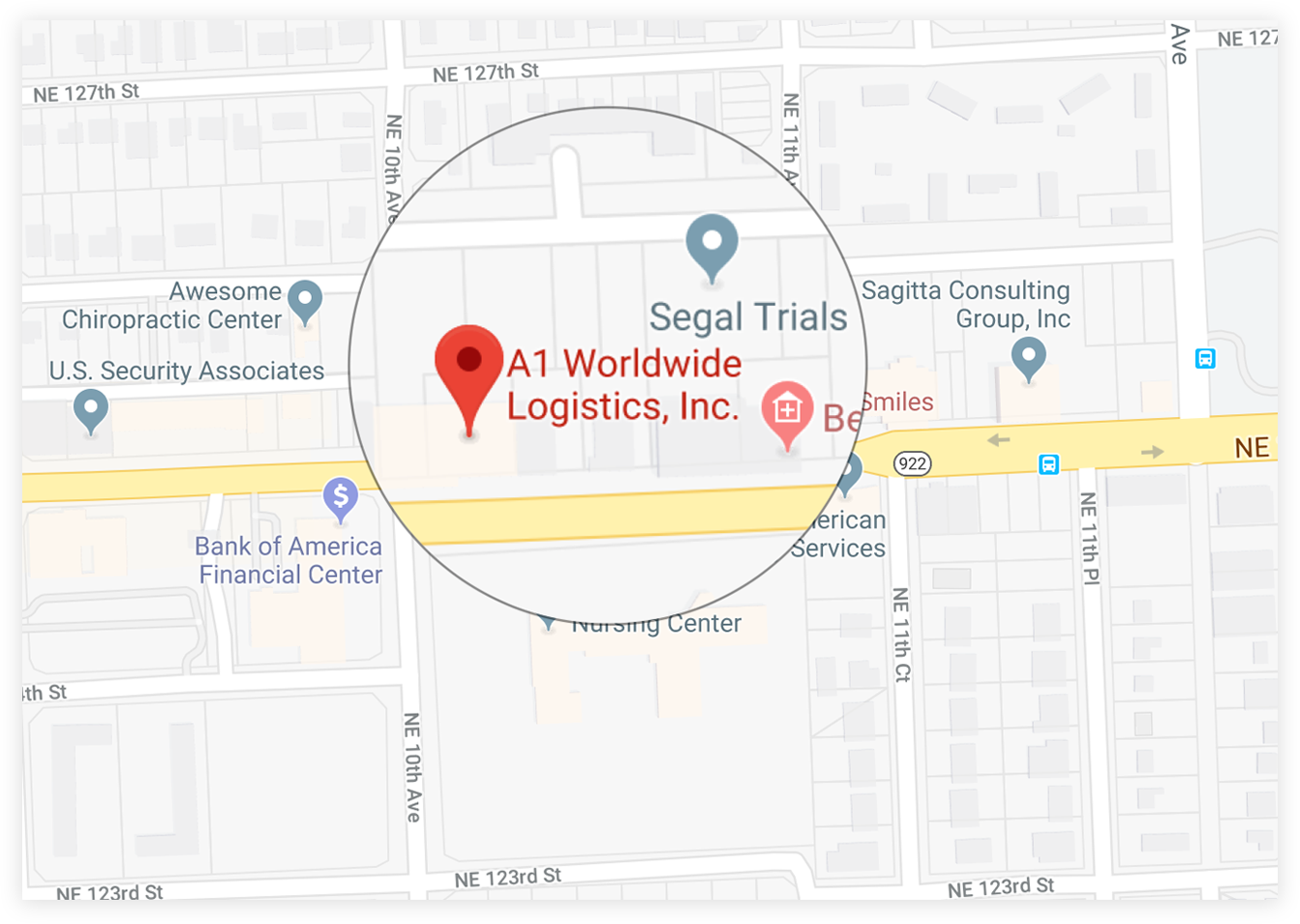
 1035 NE 125th St Suite #320, North Miami, FL 33161.
 a1worldwidelogistics.com
 (305) 821-8995
 Hours: 8AM - 5PM