by A1 WorldWide Logistics | Jan 23, 2026 | Freight, Freight Forwarding, Shipping Logistics
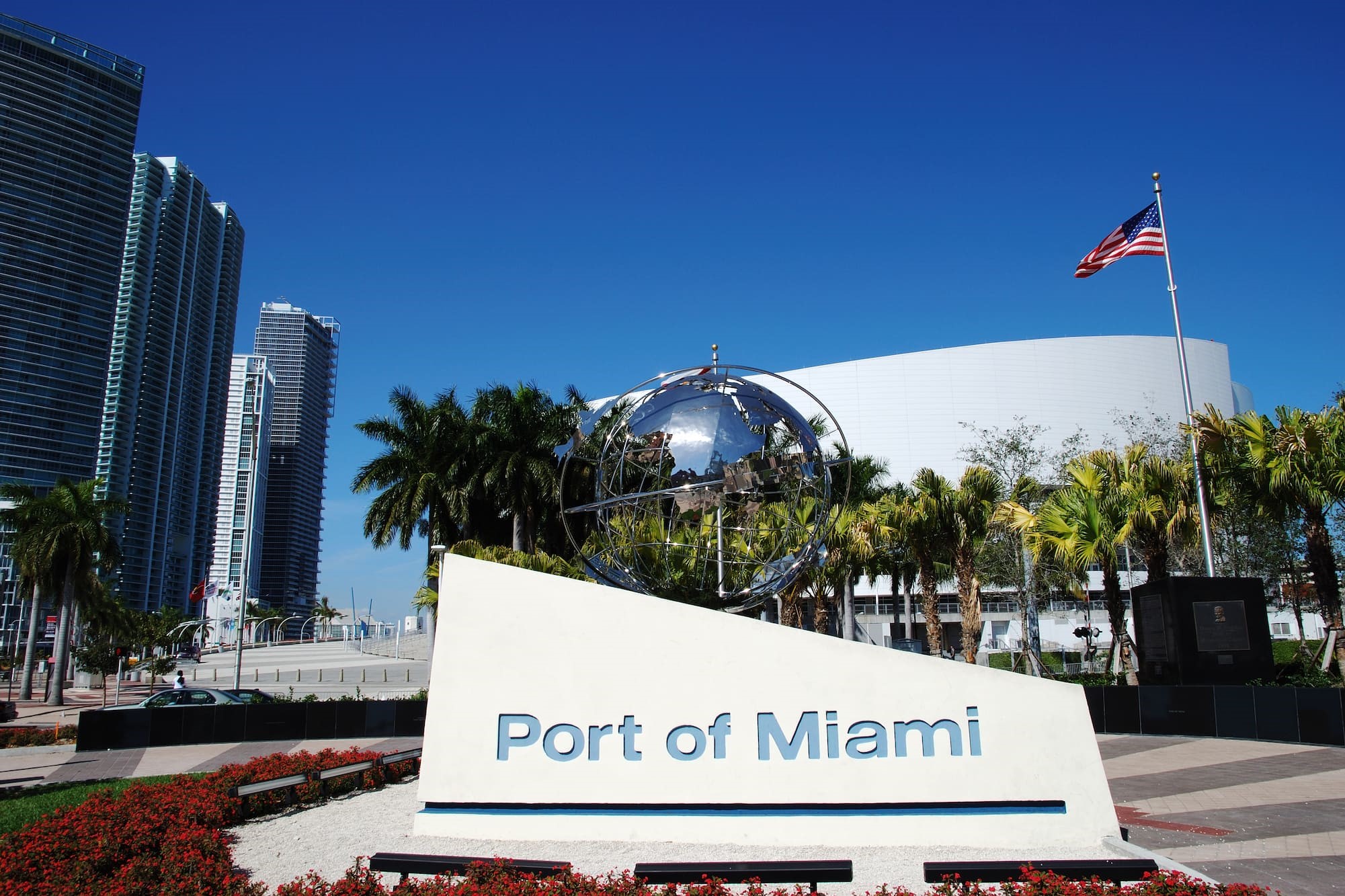
Whether importing into or out of the US, freight forwarding in Miami can be an ideal solution for your shipment. A freight forwarder is a service provider that acts as an intermediary between shippers and carriers. Although they don’t operate the vessel, they handle the shipper’s logistics for transporting the cargo. This can include:
- Assisting with documentation
- Finding carriers to ship domestically and internationally
- Coordinating the customs clearance process
- Providing warehousing services
Forwarders also offer consulting services, guiding shippers through regulations and providing solutions for international shipping.
Why Can Using Freight Forwarding In Miami Be An Excellent Opportunity
As a gateway to the Caribbean and Latin America, Miami is a significant hub for freight forwarding. The Port of Miami is one of the top 10 busiest ports in the US, handling more than 1.1 million TEUs (Twenty-Foot Equivalent Units) annually. Miami is an ideal hub for global shipping due to its proximity to key trade lanes. Its strong logistics infrastructure and multilingual workforce also make it a perfect location for shipping. Both companies and individual shippers benefit from Miami’s location.
A1 Worldwide Logistics
A1 Worldwide Logistics knows the importance of freight forwarding in Miami and is prepared to handle your shipment. We have experts who are committed to going the extra mile to deliver your goods to their final destination. A1 offers services such as customs clearance, domestic shipping, warehousing, and more to ensure a successful shipment. Please speak to our forwarders at info@a1wwl.com or 305-425-9752 to begin moving goods into and out of the US.
by A1 WorldWide Logistics | Oct 24, 2024 | Shipping Logistics, Supply Chain, Transportation
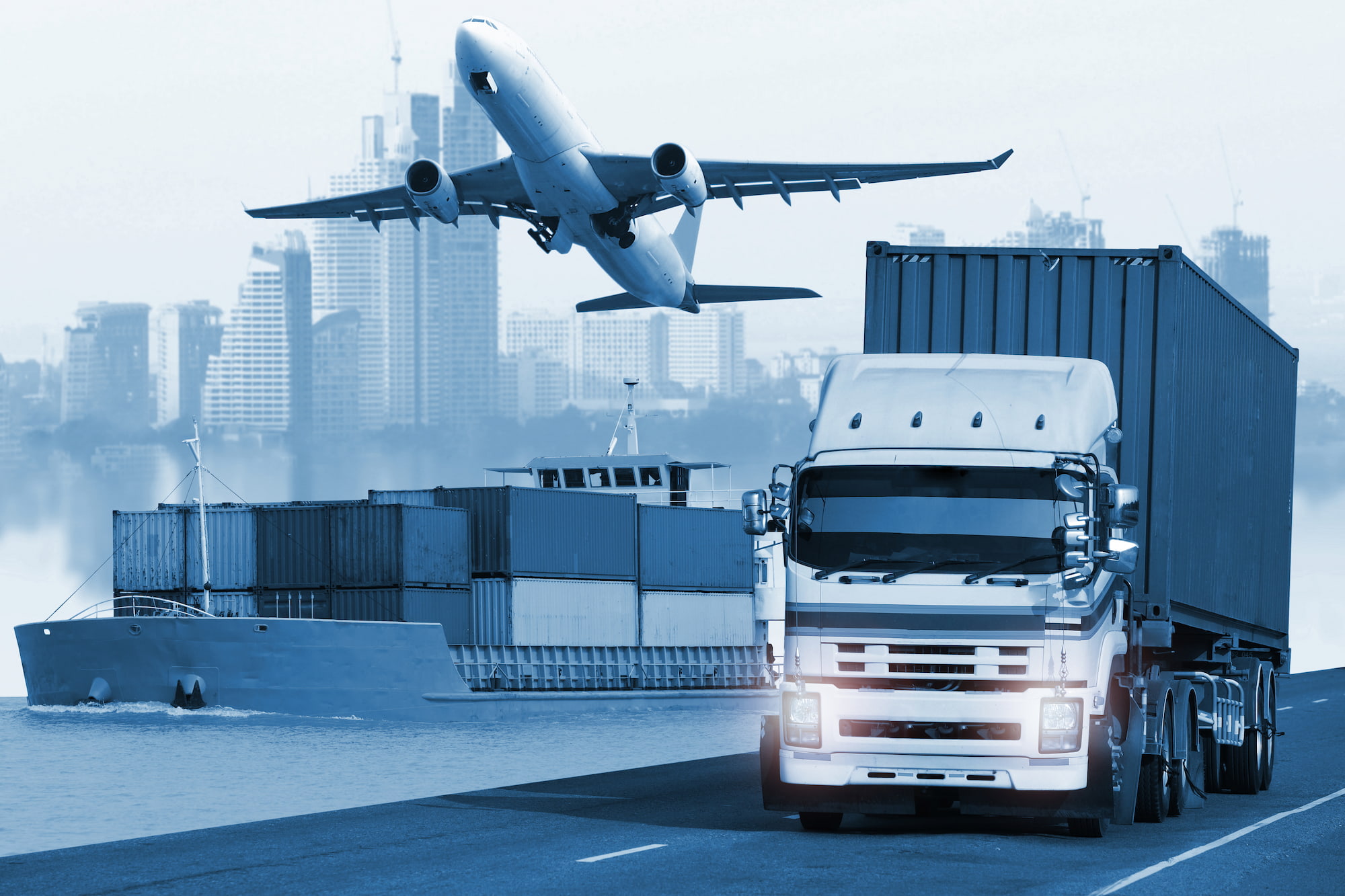
When shipping cargo internationally, it can be very beneficial to understand what is multimodal transport. Multimodal transport uses various modes of transportation to move cargo from the origin to the final destination. For example, this can include a shipment moving by vessel to a country before a truck transports it domestically. The conveyance can consist of air, ocean, road, and rail; however, a shipper uses a single contract and house bill. A single Multimodal Transport Operator (MTO) manages the entire journey despite the multiple transportation methods that the transporter can involve. This article will explain the benefits of multimodal transport and how it differs from intermodal transport.
Why Is It Essential To Know What Is Multimodal Transport?
Because of the components involved in moving goods internationally, understanding multimodal transport can benefit the shipper in numerous ways. A significant advantage is the increased flexibility in the overall supply chain. International shipping tends to be volatile with changing circumstances like demand and disruptions influencing cargo movement. Having different modes of transportation allows for adaptability when situations arise. For example, if a shipment becomes time-sensitive, a shipper can quickly switch to a transportation mode like air. Adaptability from various conveyance methods is also effective for timely deliveries since shippers can avoid situations like congestion. This is increasingly essential for businesses that must ship products to their customers.
Another benefit of multimodal transport is that it can decrease the overall costs of the transportation process. Since the shipper uses one contract with multiple methods of transport, the price tends to be less than using various agreements. The MTO can find the least costly solution for the shipper. Reducing the cost of shipping goods internationally becomes beneficial when moving large volumes of shipments constantly. It can simplify the logistics process for companies with complex supply chains that require managing multiple supply chains. Since a single MTO handles the entire process, the responsibility for damages and delays goes to the handler.
How Does Multimodal Differ From Intermodal Transport?
While multimodal and intermodal transport uses multiple conveyance methods, they differ in various ways. Due to the differences, freight forwarders play a different role based on the type of shipping. Intermodal transportation is the movement of goods to their final destination using various modes of transport with multiple contracts. For example, a truck, vessel, and rail carrier have their own contractors and issue separate Bill of Ladings. Due to the differences, these two transportation methods can have separate advantages based on the shipper’s needs. Intermodal transport lets the shipper choose carriers that fit their expenses and goals. Although multimodal transport may lessen choice freedom, it alleviates responsibility and may simplify scheduling.
A1 Worldwide Logistics
Since multimodal transport uses multiple modes of transport to ship, a key aspect is freight forwarding. Forwarders coordinate the movement of goods for the shipper by contracting one or more carriers. They act as intermediaries between shippers and carriers, ensuring the cargo reaches its final destination. A1 Worldwide Logistics has forwarders that can provide multimodal transport services for moving shipments internationally and domestically. For assistance with transporting cargo internationally, reach A1 Worldwide Logistics at info@a1wwl.com or 305-425-9752. We have solutions like freight forwarding, customs clearance, warehousing, and more to ensure the success of your supply chain.
by A1 WorldWide Logistics | Sep 19, 2024 | East Coast Protests, Shipping Logistics, Supply Chain
As a potential ILA protest approaches on October 1st, a recent impact is the strike lowering spot rates. The International Longshore Association (ILA) Is planning to halt operations next month when their six-year contract terminates on September 30th. Along with higher wages and pensions, the ILA is protesting for better labor conditions and opposing port automation. Ongoing talks between the ILA and the United States Maritime Association (USMX) stopped weeks ago without a contract resolution. A strike could affect international and domestic shipping in various ways, including pausing cargo movement and causing congestion. A potential port stoppage has already impacted shipping with a significant decline in East Coast spot rates.
How Is A potential Strike Lowering Container Rates?
Spot rates for containers going towards East Coast ports have declined due to the potential ILA strike. The Drewry’s World Container Index (WCI) noted a 21% decrease in rates from Shanghai to New York. During the week of September 9-13, the WCI decreased 13% to $4168 per 40ft container. The recent decline is resulting in shippers rerouting to West Coast ports to avoid the strike. As a result, demand for shipping to East Coast ports is decreasing, resulting in lower rates. While this has been the third consecutive week of decline, it is 282% higher than the pre-covid average. The Drewry index expects rates to fall faller in the next few weeks.
Containers going to West Coast ports had the opposite effect, with a one percent increase for 40ft containers. Along with increasing and decreasing rates, rerouting can have other effects, such as congestion due to higher volumes. The Los Angeles and Long Beach Ports are already the busiest in the U.S. regarding volume. An increase in traffic could lead to delays in supply chains for importers and exporters to the U.S. Another way shippers mitigate the impact of a potential strike is by shipping earlier than usual. Some even look for other conveyance methods like air and land to avoid delays.
The White House Will Not Block Potential Strike.
On September 17th, the National Retailers Federation (NRF) sent a letter to the Biden administration regarding stopping the potential strike. The message says, “A strike at this point in time would have a devastating impact on the economy, especially as inflation is on the downward trend.” NRF is a group of 177 trade associates that rely on East and Gulf Coast ports for importing and exporting. Despite the letter from the NRF, the White House replied that it was not intervening in the protest. U.S. presidents may invoke the Taft-Hartley If necessary. This act forces dockworkers back to work for an 80-day cooling-off period if the disputes potentially threaten national security.
Despite not being involved, a White House representative said, “We encourage all parties to remain at the bargaining table and negotiate in good faith.” While lower rates may be attractive to shippers, it is due to a potential protest that can affect international shipping. A way to protect your goods is by using the help of a freight forwarder. A forwarder is the middleman who coordinates cargo movement on behalf of the shipper. They find solutions for navigating situations like port closures. Contact A1 Worldwide Logistics at info@a1wwl.com to speak to a forwarding regarding transporting your shipment internationally.
by A1 WorldWide Logistics | Apr 18, 2024 | 3PL, Import and Export Experts, Supply Chain
One of the most important considerations an individual or company can make is choosing a good 3PL. A 3PL (Third-Party Logistics) company is a service provider that handles numerous parts of a business’s supply chain. Some services include cargo transport, freight forwarding warehousing, customs clearance, distribution, etc. Starting in the 1980s, the Motor Carrier Act grew the 3PL industry to unprecedented levels. The act deregulated trucking and grew the number of carriers from 20,000 to the 1.2 million it is today. Other supply chain parts began to expand along with freight movement, leading to the expansion of 3PLs. This article will explain what to look for when deciding on a 3PL.
When Are 3PLs Used
Companies in an extensive number of industries like retail, manufacturing, medical, restaurant, and more rely on 3PLs. The majority of Fortune 500 companies use these types of services. The primary reason why businesses utilize 3PL providers is due to the value they offer. Along with more giant corporations, more minor to mid-sized entities use 3PLs because it allows for growth and expansion. Another typical business that uses 3PL services is e-commerce. The surge of the internet over the last few decades has allowed online shopping to become popular. Many of the solutions that 3PLs provide are particularly beneficial for web-based sellers that don’t have physical fulfillment centers.
What Qualities Should You Be Aware Of Choosing A Good 3PL
While partnering with a 3PL can be a game changer for your business, choosing the right company is essential. Some of the primary qualities you should look for when deciding on a 3PL provider include:
- Customer Service – Finding a 3PL provider with a direct focus on the customer is critical for a company’s success. Indicators of good customer service can include responsiveness and communication ability. 3PLs must promptly identify issues for their clients and resolve them in a timely manner.
- Capability – A good 3PL company should offer numerous logistics solutions for a client’s supply chain. These include international and domestic shipping, fulfillment, storage, customs clearance, etc.
- Scalability – The primary reason smaller-sized companies use 3PLs is because of the room for scalability. 3PLs allow businesses to meet increasing demand without paying for equipment and extra labor. When deciding on a logistics company, it is crucial to determine how much inventory a 3PL provider can handle.
- Security – The level of protection a 3PL provider has when handling cargo can make or break your supply chain. Workers and partners must have the appropriate training and compliance certifications, such as FDA, DEA, and HAZMAT. For 3PLs that outsource trucks, the carrier company must have a satisfactory DOT rating. This rating indicates accident history, driver qualifications, and financial responsibility.
- Reputation – One of the most significant indicators of an exceptional 3PL company is its reputation in the industry. Over time, a 3PL builds a reputation with happy customers, carriers, employees, etc. New businesses with little experience can look at a 3PL’s standing in the industry to find the right one.
A1 Worldwide Logistics
Finding a 3PL provider can have countless benefits for your company or shipment and help scale your business. Reach A1 Worldwide Logistics at 305-821-8995 to learn about our numerous solutions for simplifying your logistics process. We provide various services like customs brokering and warehouse services to ensure the success of your supply chain.

by A1 WorldWide Logistics | Dec 28, 2023 | Customs Broker, Customs Clearance, Importing, Shipping Logistics
In international shipping, not using a licensed CHB can adversely impact the shipper and customs brokerage. A licensed Customs Broker (CHB) is an individual or company that has acquired licensing from the U.S. Customs and Borders Protection (CBP). The licensing allows the individual or company to act as an intermediary between the importer and customs authorities. CHBs coordinate with customs to release the goods that a shipper imports into the U.S. Some of the tasks of a licensed CHB can include:
- Ensuring the clearing of goods from customs by ensuring that the imports comply with the laws and regulations of customs
- Preparing and Submitting the required paperwork for customs clearance to customs on behalf of the importer
- Acting as the middleman between the importer and customs authorities and assisting with any issues arising during the clearance process
- Determining the proper classification and valuation of the cargo for tax and customs purposes.
When importers decide to use a Customs Broker, the CHB they choose must run operations legally. For example, all customs businesses that a brokerage does must have the supervision of a licensed CHB. Customs business is any transaction with customs authorities regarding the entry of a shipment into a country. An example is data entry filings, in which the CBP prohibits filing from foreign service centers.
The Ramifications of Not Using a Licensed CHB
Customs Brokers who do not do all customs business under the supervision of a licensed CHB can risk potential repercussions. The consequences can range from monetary fines to termination of the brokerage. It can be helpful for the shipper to ask the broker where they do their work and entry filings. Along with the legal consequences of not doing customs business in the U.S., this can also impact the importer. If the CHB gets in trouble for using an outside source, customs can hold and seize the shipment. This can lead to monetary loss for the shipper and look unfavorable if the importer is a business with customers.
Looking For A Licensed Broker?
Due to the extensive regulations that the importers must follow, customs clearance can be a complex process for shippers. Not only must the documentation be correct, but shippers must also follow the laws and regulations for importation. It is essential to note that each country can have its individual regulations for customs. Failure to adhere to the guidelines can result in delays and extra charges. An ideal way to begin importing into the U.S. is by using a customs broker to coordinate the clearance process.
Although importing into the U.S. without a customs broker is possible, most successful importers utilize their assistance. Both new and experienced shippers use brokers due to the value that they offer. They ensure the successful clearing of cargo from customs and guide and educate you through the process. They also allow the company to focus on other aspects of their business while the broker handles the shipping. Contact A1 Worldwide Logistics at 305-821-8995 to speak to a licensed customs broker regarding bringing your shipment into the U.S. We also provide freight forwarding and trucking services for exporting your goods anywhere internationally.

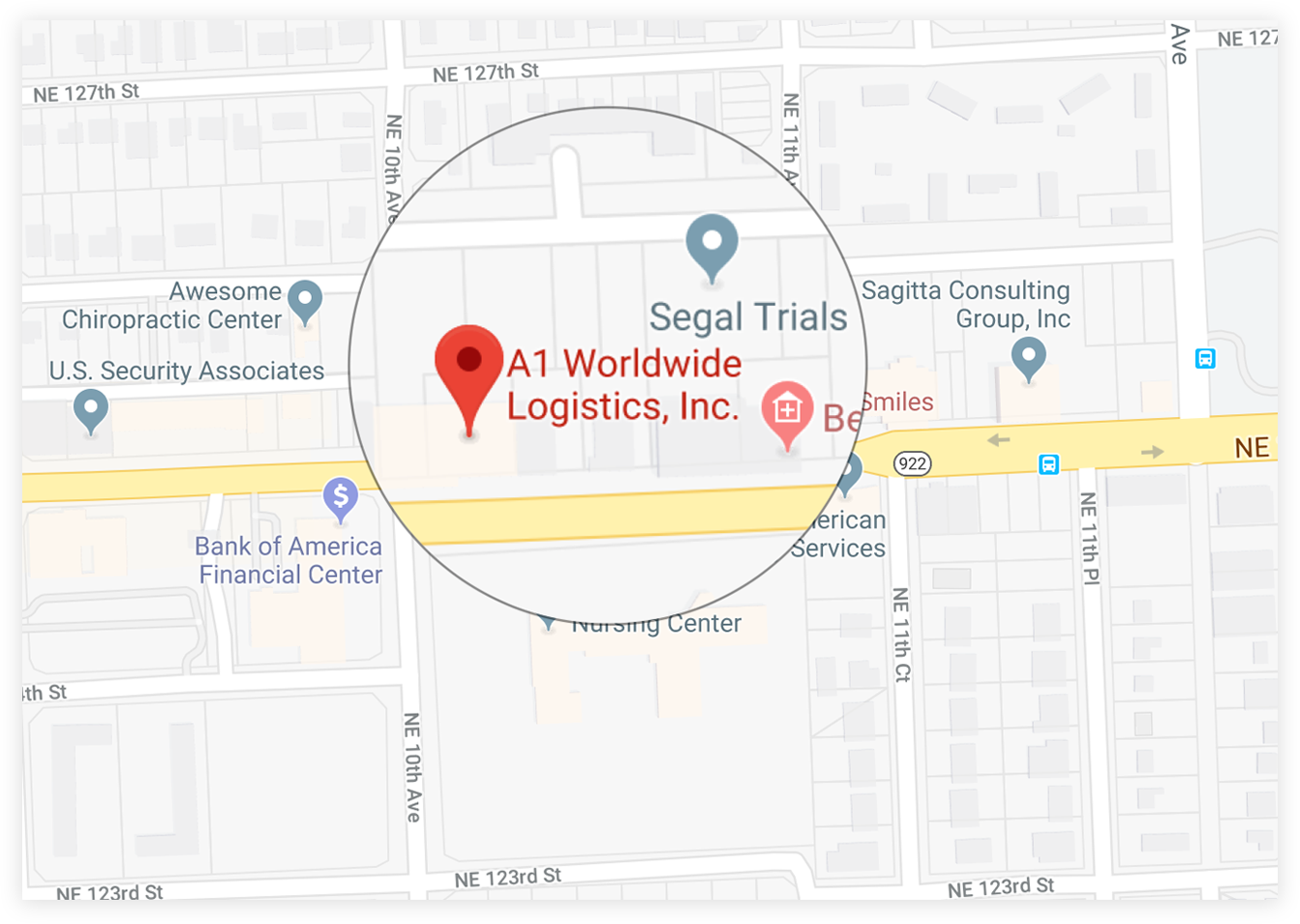
 1035 NE 125th St Suite #320, North Miami, FL 33161.
 a1worldwidelogistics.com
 (305) 821-8995
 Hours: 8AM - 5PM