by A1 WorldWide Logistics | Dec 18, 2025 | Customs Clearance, Importing, Shipping Logistics
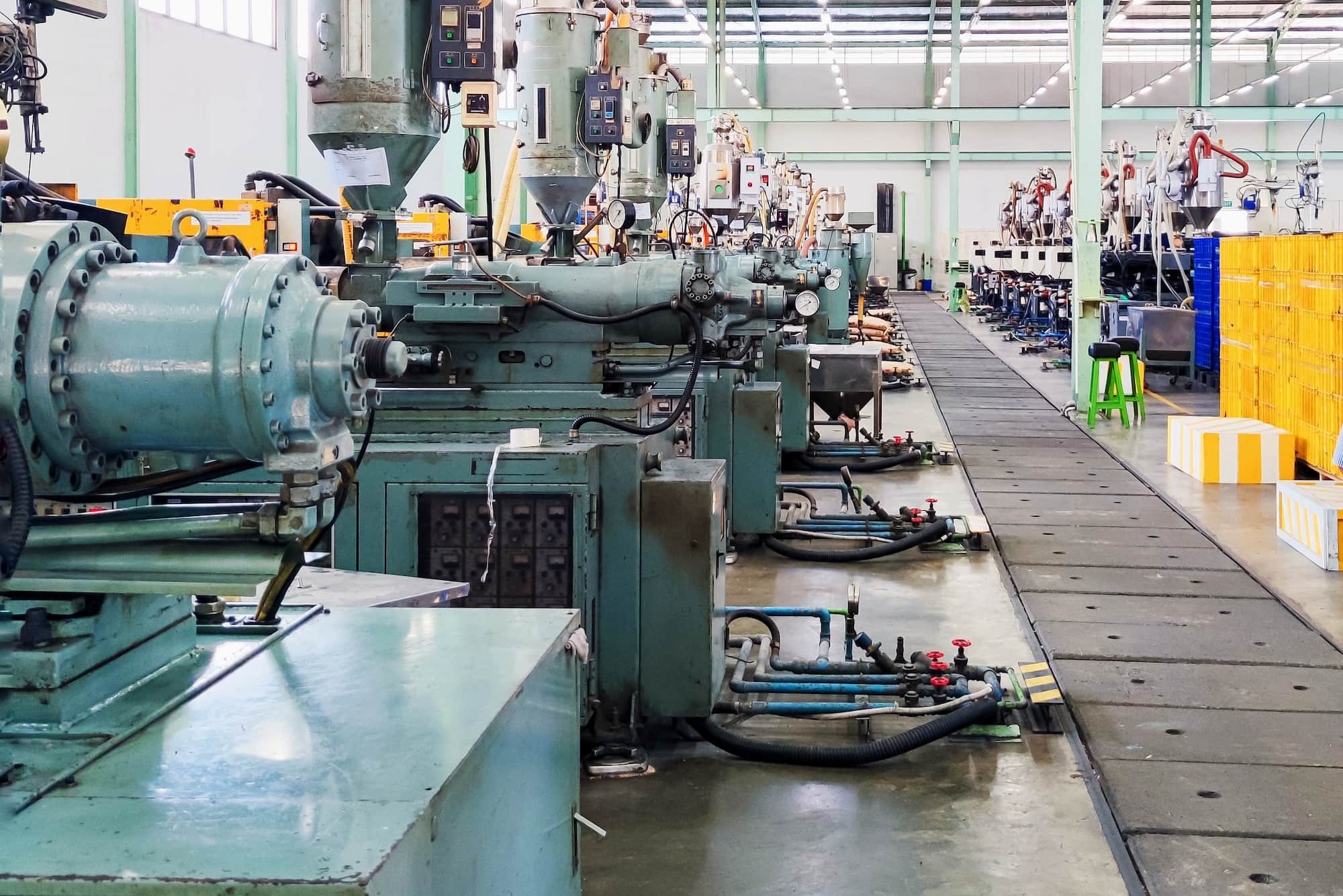
Despite its use across industries, there are several aspects shippers should understand when importing machinery into the US. CBP defines machinery as mechanical equipment that performs a specific function, including equipment used in commercial, industrial, and agricultural operations. Machines also have moving parts to produce, process, or transport goods. Examples include construction equipment, robotics, and electric generators. Cargo such as raw materials, hand tools, and individual spare parts is not classified as machinery by CBP. Due to the number of items that shippers can classify as machines, importing these goods may sometimes be challenging. This article explains the importation process for machines like heavy equipment and what to expect when starting.
What Should You Know Before Importing Machinery Into The US
When deciding whether to import, it is essential to understand the type of machinery you are bringing in. Laws and regulations for importing can vary by machine type. For example, food and medical devices may be subject to additional rules from the FDA (Food and Drug Administration). Used equipment may also be subject to additional requirements, such as EPA emissions compliance and USDA cleaning requirements. It is vital that the shipper properly cleans used machines and declares them as used. The importer should also ensure the correct HTS code is used, with most machines falling under HES chapters 84 (Mechanical Machinery) and 85 (Electrical Machinery).
The HTS (Harmonized Tariff Schedule) is the classification schedule the US uses to impose duties on imports. Contacting a customs broker can be an ideal way to ensure that you have the correct classification. You should also be aware of additional taxes that you may have to pay. Some include Section 301 tariffs, which are common for China-origin machinery, and Section 232 tariffs on steel and aluminum content. Another essential consideration before importing machines is ensuring you have the correct paperwork. Examples of required documentation include:
- Bill of Lading
- Commercial Invoice
- Packing List
- Arrival Notice
- DOT or EPA forms for specific machinery
The importer should also submit an ISF (Importer Security Filing) at least 24 hours before loading an ocean shipment for a vessel bound for the US.
What Is The Process?
When you are ready to import the cargo, it is essential to have the appropriate mode of transport. This can include the ocean, the air, or the land. The mode of transport may affect how long it takes for the shipment to reach the US. For example, air shipping typically takes 5-10 days, while sea shipping takes 20-45 days. You should also determine how you will ship the machine, for example, crated, containerized, ro-ro, etc. When the cargo arrives in the US, CBP will inspect it to verify compliance before releasing it. Providing incorrect documentation can lead to financial penalties and customs seizing the cargo. Once the cargo clears customs, you can contact a freight broker to arrange delivery to the final destination.
While this article explains the process for importing machinery into the US, disruptions can still occur. In turn, this may lead to delays, financial losses, and cargo losses. An ideal way to ensure a successful import is by coordinating with a customs brokerage like A1 Worldwide Logistics. Brokers are licensed individuals or corporations that arrange customs clearance for imports on behalf of the importer. In the US, they ensure compliance with CBP (Customs and Border Protection) regulations. Brokers achieve this by offering solutions like calculating duties, providing documentation, filing entries, and more. Speak to our brokers at info@a1wwl.com or 305-425-9456 to begin importing machinery and other cargo into the US.
by A1 WorldWide Logistics | May 23, 2025 | 3PL, Economic trends, Importing
As tariffs continue to impact the international shipping industry, it is essential to know how to import during tariff hikes. Over the last few months, President Trump has imposed, announced, and paused numerous tariffs for imports into the U.S. Some goods affected include automobiles, aluminum, and oil, along with country-specific tariffs for Canada, Mexico, and China. Trump also imposed a 10% baseline tariff on April 2 for all countries importing goods to the U.S. Due to the volume of goods that come into the U.S., the tariffs have already impacted countless supply chains. This article will explain what to expect and give ideal steps to prepare when importing during tariff hikes.
Why Is It Important To Know How To Import During Tariff Hikes?
Knowing how to import during higher tariffs is crucial because of the consequences of not being prepared. The most significant impact of tariff hikes is that overall costs could skyrocket for different parts of a supply chain. In addition to importation, this can also include domestic shipping to move the goods to the final destination. As a result, a shipper’s profit margin can significantly decrease. If the shipper has customers, the higher costs will fall on them, which could strain relationships. Understanding how to import is also necessary to make an informed decision regarding your shipment.
How Should You Prepare?
Before deciding to import, a shipper must know the importation process for bringing goods to the U.S. Not knowing can lead to extra costs and tariff hikes. This can include understanding the rules and regulations for your imported cargo. A shipper must also understand the documents that they may require for importation. Some examples are the bill of lading, packing list, certificate of origin, arrival notice, commercial invoice, etc. The importer must correctly fill out the paperwork to avoid the cargo staying at customs and extra charges. With Trump implementing various tariffs, it is increasingly vital to classify goods correctly under the HTS (Harmonized Tariff Schedule).
The HTS is a system for classifying goods that use codes to determine the correct tariffs. Shippers have found other ways to prepare for tariff hikes, such as importing from different countries. An example is importing from Vietnam or Thailand instead of China, which has higher tariffs. Many supply chains are even reshoring production back to the U.S. to avoid the tariff hikes. There could be other issues with reshoring, including the costs associated with moving manufacturing. Shippers must also stay updated with news regarding the changing tariffs by checking news reports or online articles.
A1 Worldwide Logistics
When importing during tariff hikes, it is increasingly essential that you take the proper steps to protect your shipment. Failure to prepare can result in monetary loss and even loss of cargo. It can be especially adverse if the importer has customers expecting the goods. Another way to prepare is by contacting a 3PL (Third-Party Logistics) provider like A1 Worldwide Logistics. 3PLs provide various supply chain logistics services, including international and domestic shipping, customs clearance, warehousing, and more. They also educate shippers on the best course of action to take to avoid disruptions like tariffs. Reach A1 Worldwide Logistics at info@a1wwl.com or 305-425-9752 to learn about our solutions for ensuring your shipment’s success.

by A1 WorldWide Logistics | Feb 13, 2025 | Customs Clearance, Importing, Shipping Logistics
Due to its popularity, importing chocolate into the U.S. can be an excellent opportunity for shippers. Especially during holidays like Valentine’s Day, Easter, and Halloween, chocolate imports usually increase due to the demand. While beneficial, the process can be complex for importers due to the steps involved. Failure to import correctly can result in delays, monetary loss, and cargo loss. Disruptions can especially be harmful if the shipper has customers expecting chocolate products. This article will explain the process for importing chocolate and what to expect when starting.
What To Know Before Importing Chocolate Into The U.S.
Before bringing chocolate into the U.S., a shipper must understand the rules and regulations for importation. Chocolate is regulated by the U.S. Food and Drug Administration (FDA) and must follow its requirements. The FDA separates the requirements by chocolate types, including bittersweet chocolate, buttermilk chocolate, chocolate liquor, milk chocolate, white chocolate, mixed dairy product chocolate, skim milk chocolate, and sweet chocolate. Each type has its formulation that shippers must follow, and failure to do so may result in customs holding the goods. The FDA requires that the importer files a Prior Notice before the shipment arrives in the U.S. A Prior Notice includes vital information like shipper, importer, manufacturer information, product details, carrier and arrival information, and more.
The deadline for filing a Prior Notice depends on the method of conveyance. Importers by air have a deadline of four hours before arrival, while importers by sea have eight hours before arrival. It is also essential to understand that chocolate imports have duties and taxes based on the type. A shipper can determine the tariff amount by finding the HTS (harmonized Tariff Schedule) code related to the cargo. When packaging, the labeling should contain the ingredients, nutritional facts, and allergen warnings, like if the chocolate contains peanuts.
The Journey Begins
Once ready to ship the chocolate internationally, shippers can use various conveyance methods, like air, sea, or land. Air can be ideal for speed, while sea is beneficial if you are shipping a large volume. The importer must keep the chocolate at a specific temperature during the journey to prevent melting or spoilage. Before the cargo enters the U.S., shippers must provide the necessary paperwork to the CBP (Customs and Border Protection). Some of the documentation required for customs clearance includes:
- Bill of Lading or Airway Bill
- Commercial Invoice
- Packing List
- Arrival Notice
Importations into the U.S. by sea must also have the importer submit an ISF (Import Security Filing). ISFs detail the content of the cargo, who is importing it, the seller/buyer address, and more. Failure to provide the appropriate documentation can lead to financial penalties and customs seizing the cargo. Once customs releases the shipment, you can contact a freight broker with carriers to move it to the final destination.
When bringing chocolate into the U.S., the shipper must be ready for anything that could affect the shipment. An ideal way to avoid disruptions when importing is by using the help of a customs broker. Brokers are licensed individuals or companies that coordinate the clearance of shipments through customs. They do this by providing paperwork, filing customs entries, paying duties, and more. Brokers also communicate with their clients through customs clearance, educating them. Contact A1 Worldwide Logistics at 305-435-9456 or info@a1wwl.com to begin importing chocolate to the U.S. Along with brokers, we also have freight forwarders, domestic transport, warehousing, and more services for ensuring your shipment’s success.
by A1 WorldWide Logistics | Sep 14, 2023 | Customs Broker, Customs Clearance, Shipping Logistics
A message that your shipment is stuck at customs is the last response that a shipper wants to receive. This is especially true for cargo that is time-sensitive freight, like perishable or products for selling. The U.S. Customs and Border Protection (CBP) is responsible for safeguarding the country against importing dangerous goods. Its primary purpose is to facilitate lawful international trade and prevent terrorists and their weapons from entering the U.S. CBP has to carefully check cargo when entering the country and may sometimes put the shipment on hold. While there are many reasons why customs detains your goods, there are ways to prevent this from happening.
Reasons Your Shipment Is Stuck At Customs
As previously mentioned, CHB has to prevent the importation of goods that the U.S. prohibits from entry. Because of this, a common reason why goods may be stuck at customs is because they are illegal. Examples include absinthe (Alcohol), bush meat, dangerous toys, dog/cat fur, etc. Customs can hold other items like firearms due to restrictions the U.S. places on them. Importers of guns and ammunition require a Federal firearm license (FFL) before shipping into the U.S. Another reason customs may hold your freight is incorrect valuation. The customs value is the total monetary amount of the shipment brought to a country.
Customs is in charge of valuing the goods the importer brings to the U.S. from other countries. If the cargo the shipper imports does not have the correct value, customs will hold it for clarification. This can include revaluing of the taxes based on their pricing. Another common cause of customs holding your freight is an incorrect HTS Code. The Harmonized Tariff Schedule (HTS) is a system used to determine the duty rates for U.S. imports. Every item has a specific code to classify it, and an incorrect number can mess up the paperwork.
What Are Examples of Commercial Documents
Another reason customs might hold up your goods is missing or incorrect paperwork. Some of the documents a shipper requires when importing to the U.S. include:
- Bill of Lading
- Arrival Notice
- Commercial Invoice
- Certificate of Origin
- Packing List
The documents listed are some of the few a shipper requires for importation; however, the cargo determines the additional forms. For example, a vehicle may have different documentation than construction materials. It is essential that there are no errors in the paperwork, and the shipper fills everything out correctly.
Speak To a Customs Broker
While this article explains why customs may hold your cargo, other reasons exist. The amount of regulations for entry can confuse beginners and even regular shippers. The best way to prevent your goods from getting stuck at customs is by having a customs broker handle the clearance process. Customs brokers guide shippers through the importation process and ensure that the importer meets all requirements. They also submit all of the paperwork on behalf of the shipper. Contact A1 Worldwide Logistics at 305-821-8995 to speak to our experienced broker. We also provide other logistics solutions, like drayage services, to move your goods to the final destination when they arrive.

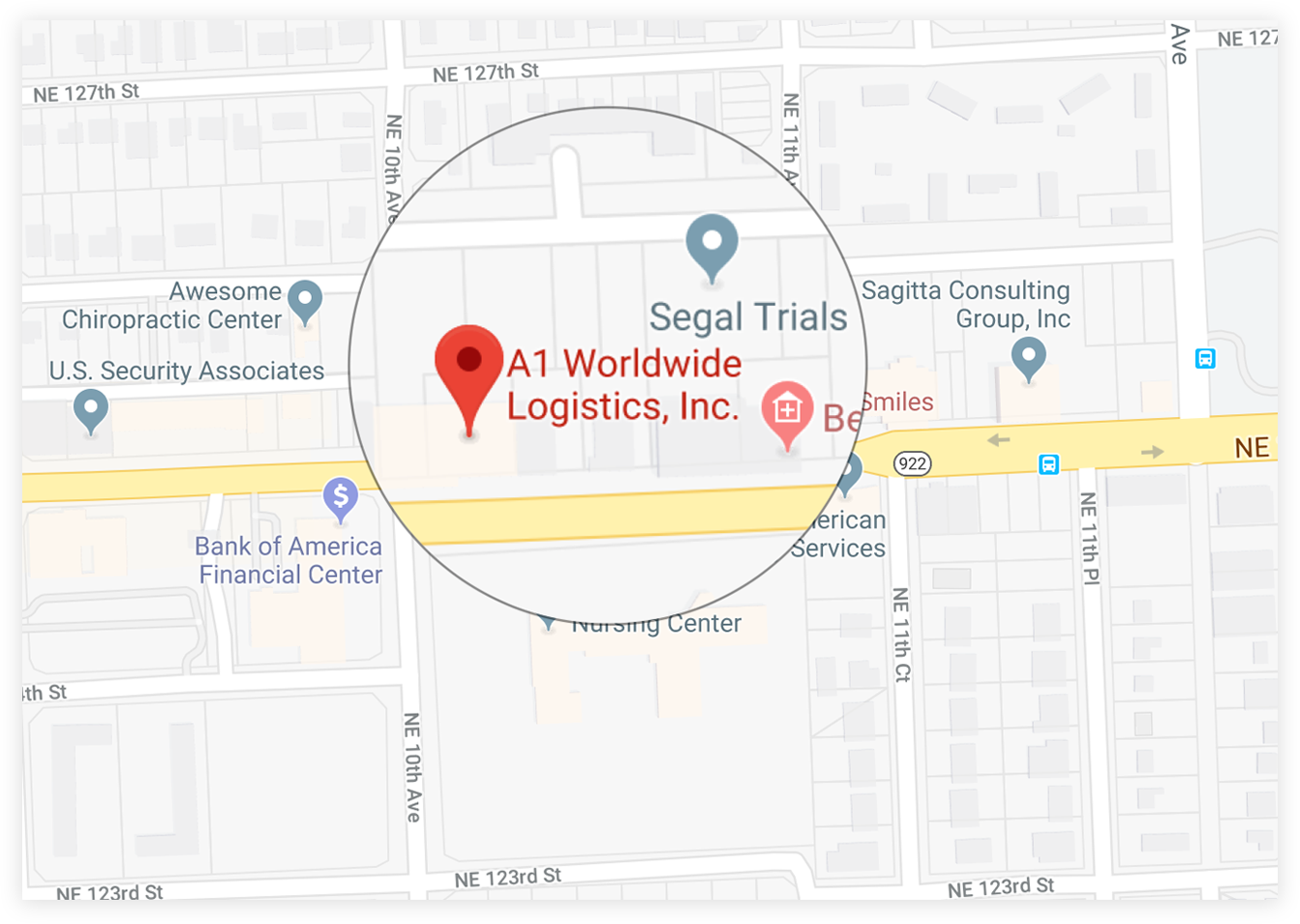
 1035 NE 125th St Suite #320, North Miami, FL 33161.
 a1worldwidelogistics.com
 (305) 821-8995
 Hours: 8AM - 5PM