by A1 WorldWide Logistics | Feb 26, 2026 | Economic trends, Importing, Tariffs
The international shipping industry could still feel the effects of levies, with President Trump imposing Section 122 tariffs. On February 20, the Supreme Court ruled against Trump’s tariffs imposed under the International Emergency Powers Act (IEEPA). Following the ruling, the president announced levies under Section 122 of the Trade Act of 1974. Section 122 allows for the temporary levies of up to 15% for a period of 150 days. Trump originally announced he would raise tariffs to 15%; however, they began at 10% on February 24. This article explains Trump’s goal in imposing Section 122 tariffs and what they could mean for the shipping industry.
Why Is Trump Imposing Section 122 Tariffs?
Along with the issuing of Section 122 tariffs as a response to the Supreme Court’s decision, President Trump’s goal is to address trade imbalances. Imposing a 10% tariff is Trump’s way of “level the field” to reduce trade deficits. The Trump Administration argued that rising imports and growing trade gaps justify the levies to boost the economy. Another reason for the Section 122 tariffs is to be used as temporary leverage in trade talks. Similar to the IEEPA levies, Trump is pressuring trading partners to revisit trading terms and create more favorable US deals. The tariffs are part of an economic strategy to bring manufacturing back to the US and boost the economy.
What Can The Shipping Industry Expect With Levies Continuing?
With levies continuing, shippers may expect certain US imports to remain more expensive. Certain levies, including a Section 232 tariff on imports such as steel, aluminum, and vehicles, also remain in effect. With the court ruling that IEEPA tariffs are unlawful, importers could be entitled to refunds. However, the Supreme Court has yet to provide any guidelines. It is essential to understand that specific goods imported during the transition window will be exempt from the 10% surcharge. More specifically, the exemption applies to goods loaded on a vessel or in transit before 12:01 on February 24. Goods that entered the US for consumption before February 28 will also be exempt from Section 122 tariffs.
With tariffs for importing still in place, shippers should take precautions when importing into the US. Failure to take precautions can result in delays, financial losses, and cargo loss. Disruptions can be especially unfavorable if the importer is a business with customers. In addition to staying current with tariffs and regulations, speaking with a 3PL (third-party logistics) provider is ideal before starting. 3PL’s are service providers that assist with various aspects of the supply chain. These can include customs clearance, freight forwarding, domestic shipping, warehousing, and more. 3PLs also provide consultation services to navigate issues such as tariffs. Contact A1 Worldwide Logistics at info@a1wwl.com or 305-425-9456 to begin moving your cargo to the final destination.
by A1 WorldWide Logistics | Feb 5, 2026 | Economic trends, Importing, Tariffs
The US and India reach a trade deal following a call between President Trump and Indian Prime Minister Narendra Modi. On Monday, February 2, Trump announced that he will lower tariffs on imports from India to 18%. Originally, he imposed levies ranging from 25% to 50%. Trump’s announcement comes a few days after India signed a trade deal with the EU (European Union). The deal will also have India purchasing $500 billion in US products, including energy, technology, agriculture, and other products. Given the volume of goods the two countries ship to each other, the deal may be significant for international shipping.
Why Did Trump Impose And Cut The Tariffs On India?
Trump’s original reason for imposing a 25% tariff on India was due to its purchase of oil from Russia. Before that, Trump also imposed Section 232 duties on steel and aluminum and IEEPA reciprocal tariffs, raising taxes to 50%. On February 2, Trump reduced the reciprocal tariffs to 18% and fully removed the levies on Russian oil. A primary reason is to strengthen bilateral cooperation between the two countries and increase India’s investment in US products. Narendra Modi noted that the deal will lead to “immense opportunities for mutually beneficial cooperation.” Trump has also indicated a potential future agreement under which India increases its reliance on US crude oil rather than on rivals such as Russia and Iran.
How Will The Shipping Industry Be Impacted As The US And India Reach A Trade Deal?
Given the volume of goods traded between the two countries, the new deal will significantly benefit international shipping. India is a major importer of metals and pharmaceuticals from the US, and lower tariffs can increase imports. Less trade friction will give India better access to US markets and vice versa. An increase in imports will also benefit domestic shipping, including drayage for transporting cargo to and from ports. The US has reached similar trade deals with countries in the EU (European Union) and South Korea. A hope is that the US will continue negotiating trade deals with other countries, leading to lower tariffs.
Despite lower taxes potentially reducing import costs from India, shippers should still exercise caution when starting. Failure to be prepared can cause disruptions, including customs delays, resulting in financial losses. Disruptions can be especially detrimental if the importer is a business with customers who expect their products. Shippers can prepare by contacting a 3PL (third-party logistics) provider before starting. A 3PL is a company that handles various supply chain functions for a client. These may include customs clearance, freight forwarding, domestic shipping, warehousing, and more. Contact A1 Worldwide Logistics at info@a1wwl.com or 305-425-9456 to learn about our 3PL solutions for your shipment’s success.
by A1 WorldWide Logistics | Nov 19, 2025 | Economic trends, Importing, Tariffs
An executive order signed by President Trump on Friday, November 14, has the US cutting Tariffs on 200+ Items. More specifically, the levies that Trump placed on over 200 classifications and eleven categories of agricultural products are now exempt. Some of these food products include beef, coffee, avocados, cashew nuts, tomatoes, and more. On April 5, 2025, Trump began enforcing a 10% baseline tax on all imports into the US. He imposed them under the IEEPA (International Emergency Economic Powers Act (IEEPA) declaring it a national emergency. The recent order will remove specific agricultural goods from the reciprocal tariffs. This article explains the purpose of the exemption and what it will mean for international shipping.
Why is the US Exempting Tariffs On Agricultural Products?
President Trump’s main reason for the tariff rollback is the administration’s progress on numerous trade deals. Since imposing tariffs, the US has reached “framework” deals with agricultural-producing countries such as Guatemala, Brazil, Thailand, and Vietnam. Trump’s original goal in imposing levies was to reduce trade imbalances and address unfair trade practices. An online fact sheet by the Trump Administration noted, “President Trump’s tariff policies have delivered significant and lasting wins for the American people through fair, tough, and strategic trade negotiations, strengthening the US economy and national security while breaking down unfair trade barriers that have harmed American workers for decades.” The new exemptions will begin on November 13 for goods entering the US for consumption, with importers eligible for refunds.
Another reason for the rollback was a response to rising product costs. The tariffs raised the price of imports into the US, which was passed through the supply chain to customers. Trump also imposed tariffs to bring manufacturing back to the US and boost the economy. It had the opposite effect, causing slight inflation and having an opposite effect of increasing manufacturers’ costs. In the last few months, businesses have also pressured the Trump administration, noting that tariffs were hurting supply chains. Critics of the administration believe the rollback is intended to address public discontent before the 2026 midterm elections.
What Can Shippers Expect With The US Cutting Tariffs on 200+ Items?
The most significant impact of tariff cuts would be a decrease in import costs into the US. In turn, this could lead to an increase in imports of agricultural goods from countries previously affected by the levies. Businesses that ship large quantities of goods, such as beef and coffee, will benefit from lower expenses. Domestic shipping will also be affected by the exemption, since trucks typically transport imports to their final destinations. While the rollback may create flexibility, it is not a complete abandonment of tariffs. The Supreme Court will make the final decision on its legality, possibly by mid-2026.
With the amount of tariffs exempted by the executive order, it may be more attractive to import agricultural products. Shippers still should be aware of what to expect when bringing goods into the US. Not understanding the customs clearance process can result in delays and monetary loss. An ideal way to begin is to reach out to a customs broker. Brokers are individuals or corporations that facilitate cargo movement across international borders, calculating duties, handling documentation, and more. In the US, brokers ensure compliance with the CBP (Customs and Border Protection). Contact A1 Worldwide Logistics at info@a1wwl.com or 305-425-9456 to speak with a broker about clearing your goods through customs.
by A1 WorldWide Logistics | Oct 23, 2025 | Economic trends, Importing, Tariffs
While less talked about than large corporations importing into the US, shippers have seen the IEEPA tariffs impact small importers. Smaller and mid-sized importers like mom-and-pop stores have suffered significantly from President Trump’s IEEPA taxes. Earlier this year, Trump used the IEEPA (International Emergency Economic Powers Act) to impose reciprocal levies for most US importers. After an appeals court ruled the levies Illegal, the Supreme Court agreed to hear the case on an expedited schedule. With the case going to the Supreme Court next month, smaller importers have a high level of uncertainty. This article will explain the potential impact on smaller importers and how to protect their cargo during this time.
How Are The IEEPA Tariffs Impacting Small Importers?
The impact of Trump’s IEEPA tariffs on small to mid-sized importers may depend on the Supreme Court’s final ruling. Shippers could be eligible for a refund if the court decides the tariffs are illegal. However, many would not qualify for a refund because they:
- Didn’t file a protest within 180 days of liquidation.
- Had no visibility into when CBP finalized entry liquidation.
- Lacked legal counsel or customs guidance.
A primary argument from the appeals court is that the president is unlawfully using the IEEPA to impose tariffs. The belief is that although Trump can allow tariffs during an emergency, he cannot impose them without definite congressional approval.
The Supreme Court’s ruling could decide whether smaller importers are eligible for refunds and whether they can survive. If the court rules in Trump’s favor, the cost of importing could continue to rise. The presidential powers may also expand, meaning that Trump may be able to impose more tariffs, further raising costs. For a smaller importer, a 25% tax increase can tighten margins and increase fees to the point of disruption. Unlike smaller shippers, larger multinational corporations tend to have enough capital reserve to absorb fluctuating tariffs. Countries affected by the tariffs could respond by imposing retaliatory levies, which can further impact the shipper.
What Steps Can The Smaller Importers Take To Protect Their Cargo?
Due to the impact of the IEEPA tariffs on smaller importers, the shipper must prepare beforehand. Shippers should plan for worst-case scenarios regardless of the final ruling to navigate the uncertainty. If the tariffs are invalidated, they should work with a broker to file a protest on time to get refunded. If Trump’s tariffs stay, the smaller-sized shipper may have to adjust pricing or diversify sourcing. This could include shipping from a country less impacted by Trump’s taxes or, if possible, bringing manufacturing back to the US and shipping the cargo domestically. Importing in bulk can also assist in lessening importation costs.
Situations like tariffs can disrupt the supply chain process when importing into the US. While they should not stop cargo flow, shippers should take precautions to prevent disruptions. An ideal way to start is by contacting a customs broker. Brokers are licensed individuals or corporations who arrange the customs clearance process on behalf of the importer. They do this by ensuring that the shipment follows the laws and regulations of the country of import. In the US, they ensure compliance with the Customs and Border Protection (CBP). Brokers also provide other services like documentation, calculating duties, filing ISFs, etc. Contact A1 Worldwide Logistics at info@a1wwl.com or 305-425-9456 to speak to our brokers and discuss a successful importation with our broker.
by A1 WorldWide Logistics | Oct 2, 2025 | Economic trends, Importing, Shipping Logistics
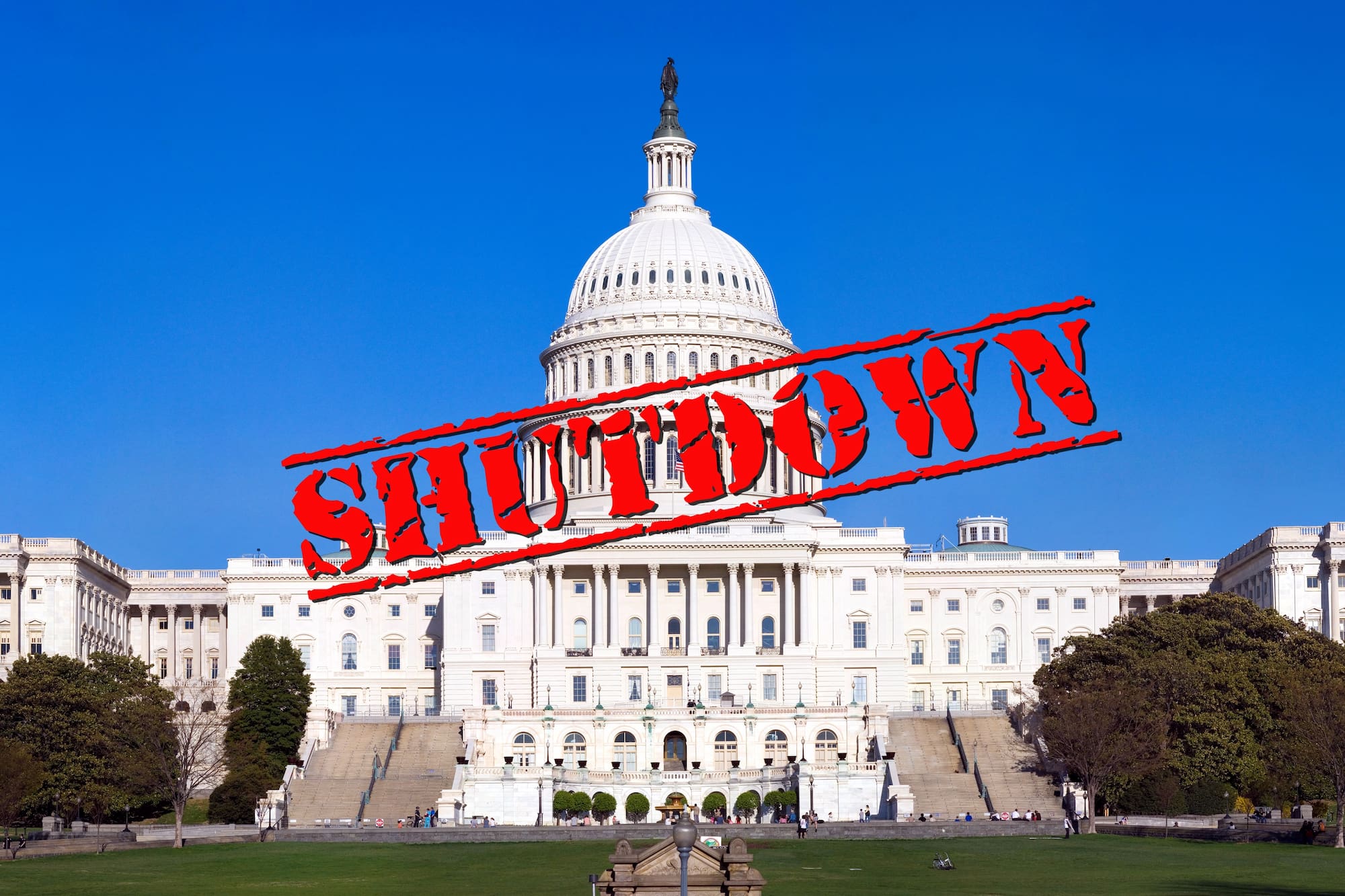
Shippers that bring goods into and out of the US could soon feel the effect as the government shutdown begins. On October 1, Congress disagreed on an operations funding bill, leading to the US government shutting down. When this happens, it can cause widespread disruptions for Americans and the economy in numerous ways. Along with impacting different sectors, a shutdown would directly impact international and domestic shipping. For example, it will affect the CBP (Customs and Border Protection), part of the Department of Homeland Security. This article will explain the impact of a government shutdown on cargo movement and how to protect your shipment.
What Can International Shipping Expect as the Government Shutdown Begins?
One of the most significant effects of a government shutdown on international shipping is increased delays. When this happens, the government will furlough or send home up to 750,000 federal workers without pay. While CBP officials are “essential,” ports will remain open; however the shutdown could furlough other workers, resulting in delays. An example is the FDA (Food and Drug Administration) workers, who may have to inspect certain imports before customs release. Many FDA workers are not essential, meaning the government could temporary discharge them, and fewer staff may lengthen customs clearance. During the last government shutdown in December 2018, delays rose by nearly 20% in the port of Los Angeles.
Delays can have further implications for supply chains, particularly for importers of perishables and pharmaceutical products with limited life spans. In addition to damaged goods, delays could cause higher costs in other parts of the supply chain. An example is drayage, the movement of goods over short distances, like from a seaport to another location. Nonessential functions may also pause for agencies like the Department of Commerce and the US International Trade Administration. This could further interrupt the shipping process by pausing permits and export licenses for shippers. A prolonged shutdown could further hurt trade and push foreign partners to look for countries other than the US to import from.
How Can Shippers Prepare?
Despite the government shutdown already starting, shippers can still protect their shipments during this time. The shipper must be current with any regulations that can impact cargo movement. Reading news articles or speaking to experts on importing and exporting are ideal ways to do this. Although ports run during this time, importers should prepare for longer transit times than usual. Importing through seaports with less traffic or using alternative methods of conveyance, like air or land, can quicken the process. shippers must file paperwork correctly since mistakes can lead to holdups in customs. If customs clearance is delayed, storing the goods in a bonded warehouse can prevent immediate duties.
When shipping cargo internationally, various situations, such as a government shutdown, can impact the process. While alarming, it should not stop the importation of cargo into the US. However, the shipper must take the proper steps to avoid disruption. Along with being informed and planning, an importer can prepare by contacting a customs broker. Brokers are licensed individuals or corporations who arrange the customs clearance process on behalf of the importer. They do this by providing various solutions like ensuring regulatory compliance, providing paperwork, calculating duties, and more. Contact A1 Worldwide Logistics at info@a1wwl.com or 305-425-9456 to speak to our brokers regarding transporting your cargo.

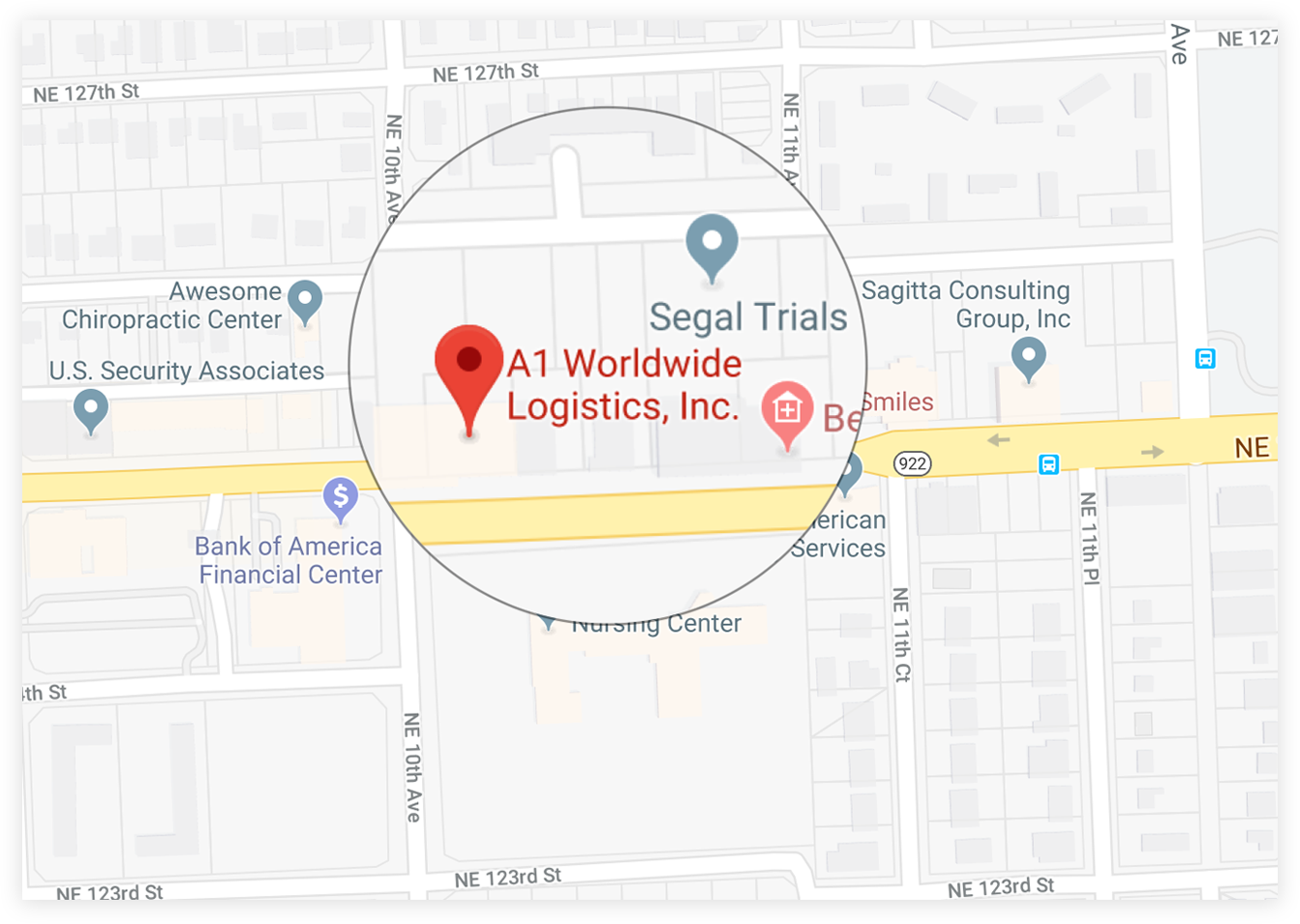
 1035 NE 125th St Suite #320, North Miami, FL 33161.
 a1worldwidelogistics.com
 (305) 821-8995
 Hours: 8AM - 5PM