by A1 WorldWide Logistics | Jun 13, 2023 | Freight Forwarding, Import and Export Experts, Shipping Logistics, Supply Chain
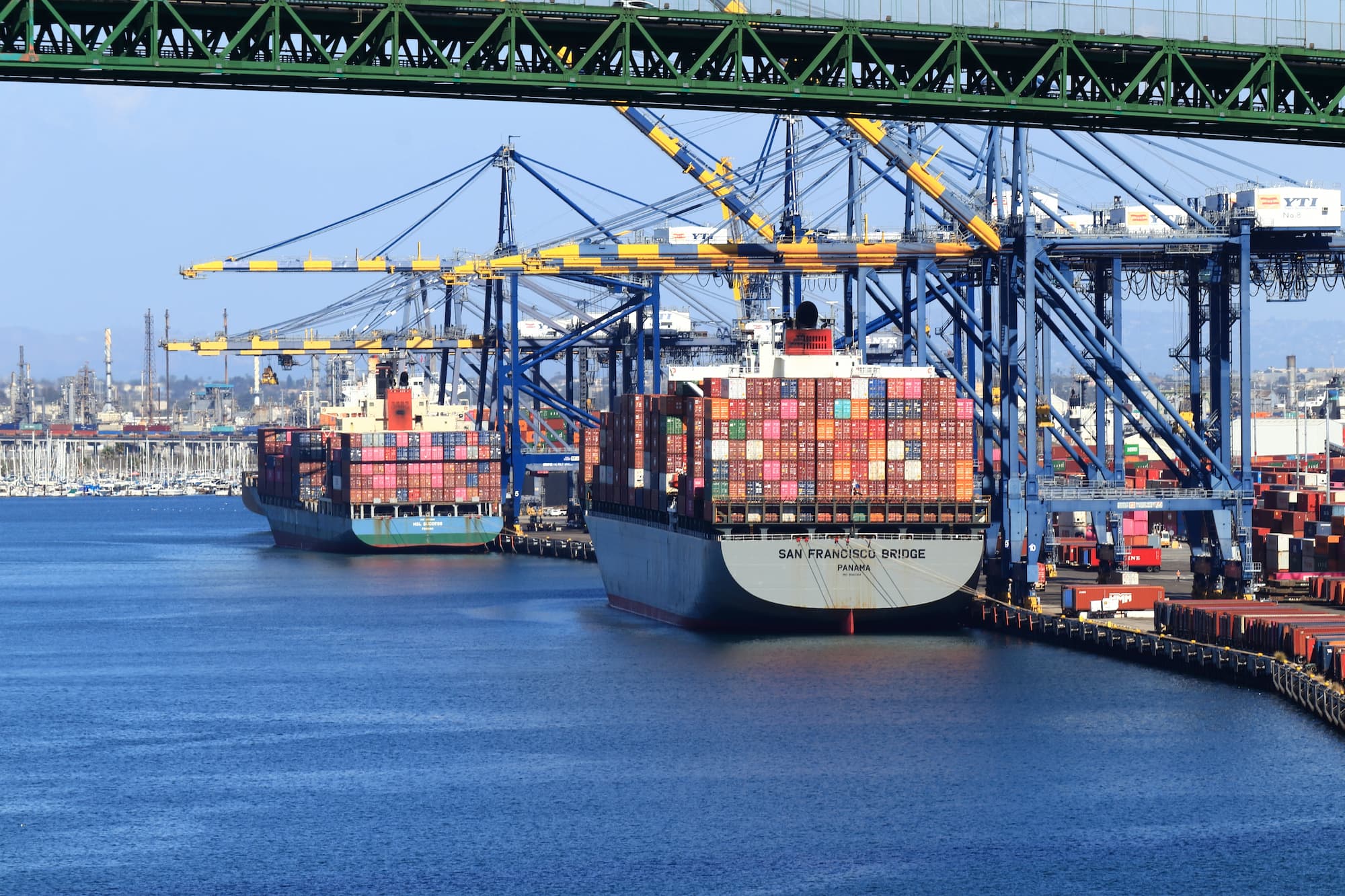
On Friday, June 2nd, terminals throughout various West Coast ports were shut down due to labor shortages. Workers in the ILWU (International Longshore and Warehouse Union) left their jobs due to failed contract negotiations. Over the past year, the ILWU and PMA (Pacific Maritime Association) have been in talks regarding contractual agreements like wages. Despite the progress made in the negotiations, a resolution has yet to be made. More than 20,000 workers from the ILWU have been working in numerous West Coast ports since July 2022. Terminals in Los Angeles, Long Beach Oakland, Seattle, Tacoma, and Hueneme ports have all reported disruptions from the walkouts.
The Latest Developments
The disruptions continued in the Port of Seattle with the shutdown of the entire seaport on June 10th. On June 9th, the second and third shifts experienced massive slowdowns as ILWU officials led operations to a pause. The Port Authority responded by sending the workers home; insufficient workers led to closure the next day. This port is one of the biggest movers of grain and produce in the U.S. Shipments from U.S. exporters are currently idle at the docks, with the ILWU declining to dispatch terminal workers. The ILWU made a contradictory statement: that the Port of Seattle and other ports are operating.
Union workers noted that they are not getting an adequate pay increase for the work they are putting in. Especially compared to the revenue the U.S. shipping industry made during the coronavirus pandemic. The ILWU said in a statement that they are negotiating for a contract that is “fair and equitable”. Business groups recently sent a letter to the Biden administration to appoint a mediator to address the current protests. Nearly 12% of the U.S.’s GDP (Gross Domestic Product) comes from West Coast ports. With the Port of Seattle being one of the biggest harbors in the U.S., International Shipping may soon feel the impact.
The Impact on Global Supply Chains
The Port of Seattle is a top U.S. agricultural exporter and, with the Port of Tacoma, makes up the NWSA. NWSA (Northwest Seaport Alliance) is North America’s 4th largest container gateway and 2nd largest refrigerated container gateway. With its extensive size, many supply chains are affected by a port shutdown. Add the disruptions of the other West Coast ports to the mix, and many cargo movers may soon be impacted. The supply chain congestions and bottlenecks felt during the coronavirus pandemic may return. Shippers have also moved their shipments to the East Coast and Gulf Ports to mitigate the slowdown.
As the pressures on the Port of Seattle and other West Coast ports persist, billions of cargo remain stagnant. With the peak and holiday season quickly approaching, the industry may feel the current disruptions sooner. Despite this, the movement of shipments is necessary for the success of an incredible number of supply chains. However, a shipper must be current with any occurrence in the freight movement industry. Contact A1 Worldwide Logistics at 305-821-8995 to help meet your supply chain goals. Whether it’s importing, exporting, warehousing, etc., we help you navigate the complex world of shipping.
Tambien hablamos español
Llame ya
305-425-9456

by A1 WorldWide Logistics | Mar 24, 2023 | Freight Forwarding, Shipping Logistics, Supply Chain
In international trade, freight forwarders are the intermediaries that handle the logistics of getting your goods to the final destination. Forwarders coordinate with carriers and warehouses to find the best routes for cargo transportation. When choosing a forwarder, the customer should be mindful of how much effort the forwarder is willing to put into having a solid and long-lasting relationship. When examining how much the forwarding agent values their bonds with customers, there are specific indicators to look for. Some of the qualities are the following:
Having Open Communication
One of the most significant parts of a relationship is the ability to communicate when needed. Regardless of the conveyance method of the shipment, the customer should be updated on the location when needed. Diligent freight forwarders have close contact with their customers and constantly provide updates on shipments. A1 Worldwide logistics ensures our clients have instant contact with us during shipping. We achieve this by having open lines of communication such as phone calls, emails, and our website.
Being Dependable
Customers must rely on their forwarder to keep any promises they guarantee. Dependability is a direct reflection of how a business runs and how it cares about its customers. It’s different for a company to say they provide the highest quality customer service and deliver on that promise. This is especially true in international shipping, where supply chain logistics constantly change.
Having Experience
Experience can indicate that a forwarder values customer relationships. This is because of the longevity involved in gaining experience. Forwarders with many clients have expertise from countless years of working with customers. A side effect is that the freight forwarder also learns the importance of customer relationships from working with many clients.
Dealing with Uncertainty
In forwarding, getting your goods to their endpoint may sometimes go differently than planned. Sometimes unpredictable events occur in the supply chain that interrupts the journey. For example, there could be an issue with manufacturing or warehouse placement. Shipping delays can also happen during the trip. A forwarder must be prepared for any circumstance and be able to explain the situation to the customer.
Taking the Extra Step
This means that the forwarder goes above and beyond to calibrate and communicate with the client during the cargo’s journey. It shows how the freight forwarder values the customer and their commitment to keeping the relationship. The extra step can also mean coordinating with the carrier for the client. This can entail that certain adjustments must be made to make the shipping process as effective as possible.
Keeping the Relationship
A forwarder’s key to keeping its clients is consistency and competence. The client must trust that they can depend on their freight forwarder to transport an item internationally. This trust comes from previous experiences where the forwarder demonstrated proficiency at their job. If you want a committed forwarder to building a long-lasting relationship, contact A1 Worldwide Logistics at 305-821-8995. A1WWL aims to provide the best customer service by being accountable and transparent in everything we do. We also assist with customs brokerage to ensure your shipment complies with government regulations when entering a country.
by A1 WorldWide Logistics | Apr 28, 2022 | Agricultural imports, Import and Export Experts, Shipping Logistics, Supply Chain
Before importing agricultural products into the United States, you need to be aware of many regulations. Guidelines to import can be extensive; this article will give you a basic understanding of what to expect. Agricultural goods are products derived from animals or crops used for human consumption and sustainability. Some examples include fruits, vegetables, livestock, raw materials, fuel, etc. This article will describe the general process for importing. However, call A1 Worldwide Logistics at 305-821-8995 for a comprehensive explanation.
FDA Requirements for Importing Agricultural Goods
The Food and Drug Administration (FDA) ensures that food and medicine coming into the U.S. meet safety requirements. To begin importing into the U.S., you must register your facility with the FDA. Your “facility” is where the agricultural good was manufactured and packaged before being imported. Failure to register with the FDA may result in civil penalties such as detention holds and fines for your product. After registering, the FDA will assign you an agent to inspect and ensure that your products meet safety requirements. It is also necessary to have all the required permits for importing your goods. Find a customs broker to learn more about the permits and documents needed.
The importer has to send prior notice documents no more than 15 days before the goods arrive at the U.S. Information such as registration number, country of origin, product code, and more should be on the prior notice documents. The FDA also requires that your fruits and vegetables are appropriately labeled before entering the U.S. The types of label formats permissible by the FDA depend on the packaging and type of product. Once the goods arrive at a port of entry, a customs agent will inspect them before being released. The inspection prevents potential threats such as diseases, pests, and other threats from entering the U.S.
USDA Requirements for Importing Agricultural Goods
-

-
Watermelon cargo
-

-
Plantain being processed for import
-
-
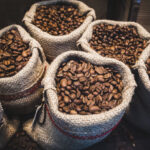
Coffee beans in bags. Fresh coffee beans
The U.S. Department of Agriculture (USDA) enforces its regulations for importing agricultural goods as well. The USDA has different rules and services depending on the agricultural cargo imported. For example, the USDA has the Food Safety and Inspection Service (FSIS) for poultry, meat, and egg products. The FSIS makes sure that meat and egg products are safe for import into the U.S. The guidelines depend on the type of import; however, the eligibility depends on the country. The country has to be certified by the FSIS to allow importation into the U.S.
Countries that are certified have a certain number of goods eligible for importation which the FSIS determines using three categories. The three categories are Process Category, Product Category, and Product Group. Goods that are qualified for importation also have labeling and permit requirements based on the product. Similar to FSIS, the USDA also has the National Plant Protection Organization (NPPO), regulating plant importation. The NPPO ensures that the fruits and vegetables imported into the U.S. have the correct permit and certificate.
Once the agricultural goods reach the U.S., the Customs and Border Protection will ensure that you have the correct paperwork filled out. Finally, the imported goods will be moved to an import establishment for inspection before being released. If you need a customs broker to assist with the paperwork, contact A1 Worldwide Logistics at 305-821-8995. Our experts will guide you through the importation process and answer any questions.

 1035 NE 125th St Suite #320, North Miami, FL 33161.
 a1worldwidelogistics.com
 (305) 821-8995
 Hours: 8AM - 5PM