How to Ship Goods Internationally: A Guide for Businesses

How to Ship Goods Internationally: A Guide for Businesses

Shipping goods internationally can mean very different things depending on what you are moving. Sending a box overseas with a parcel carrier is one process. Moving pallets, machinery, a full container, or commercial inventory between countries involves freight...

How to Choose a Freight Forwarder

How to Choose a Freight Forwarder

Choosing a freight forwarder should involve more than comparing freight rates. The company you choose may be responsible for coordinating carrier bookings, shipping documents, international transportation, customs clearance, and final delivery. When everything goes...

How to Choose the Right Customs Broker

How to Choose the Right Customs Broker

Choosing a customs broker is an important decision for any business or individual importing goods into the United States. Your broker can help prepare your customs entry, classify your goods, calculate duties, manage documentation, and communicate with U.S. Customs...

Panama Canal Fees Continue To Rise

Panama Canal Fees Continue To Rise

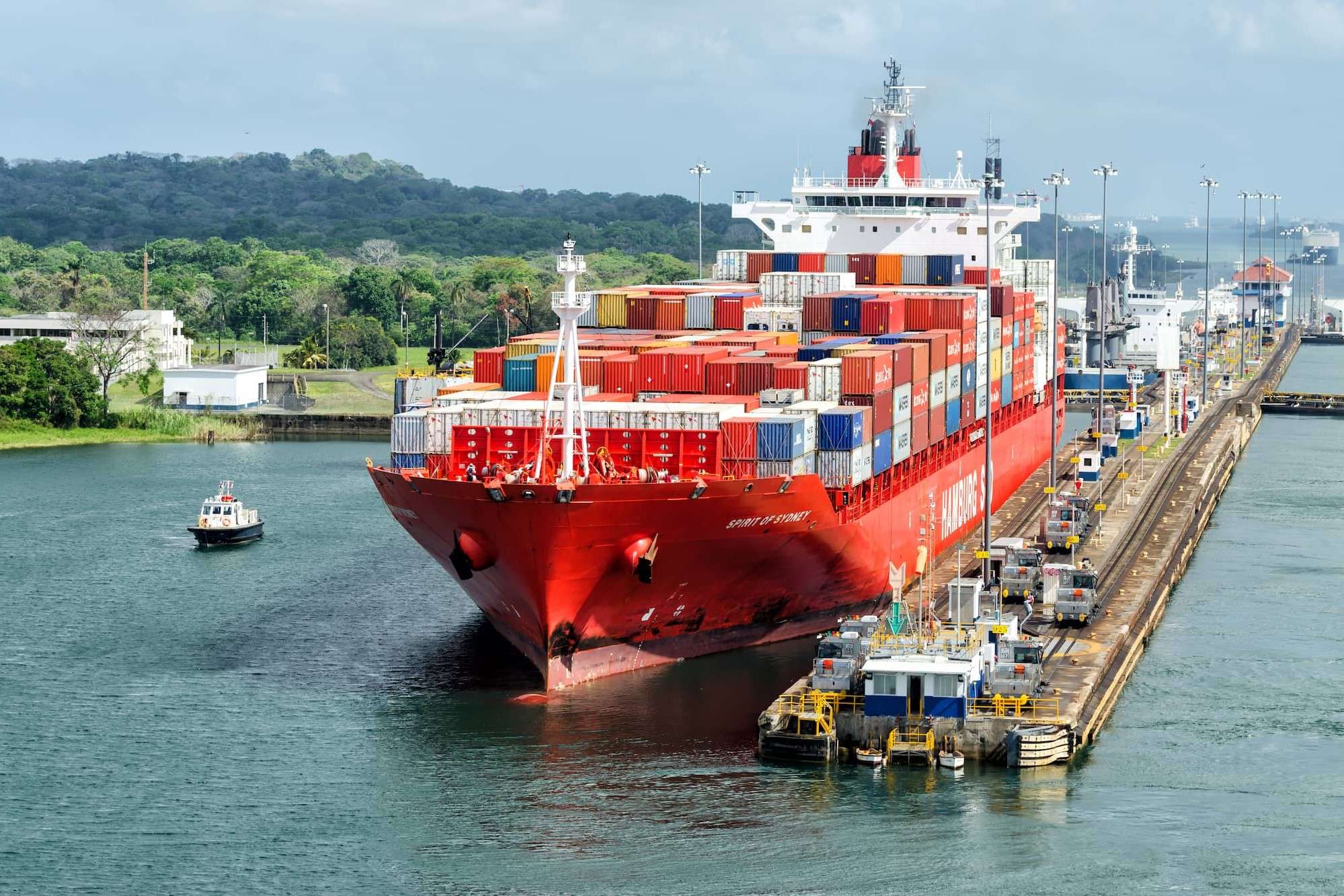
Shippers may soon face higher costs as the Panama Canal fees continue to rise. Over the last few months, various scenarios have driven transit fees higher. Major carrier companies have begun raising their Panama Canal Surcharge from $100 per TEU to $130 and nearly...

West Coast Ports Disruptions Persist

Share This Article


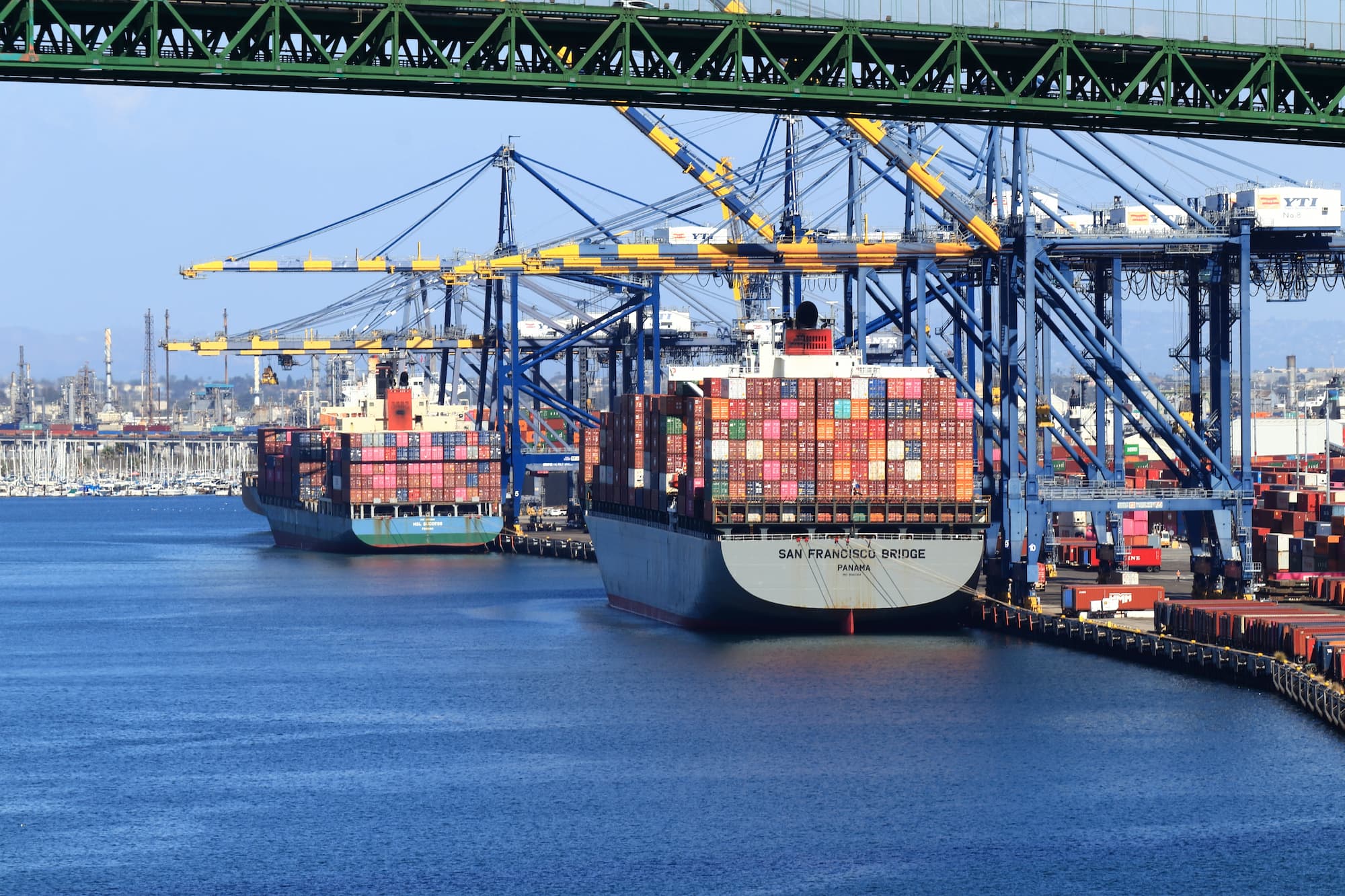
On Friday, June 2nd, terminals throughout various West Coast ports were shut down due to labor shortages. Workers in the ILWU (International Longshore and Warehouse Union) left their jobs due to failed contract negotiations. Over the past year, the ILWU and PMA (Pacific Maritime Association) have been in talks regarding contractual agreements like wages. Despite the progress made in the negotiations, a resolution has yet to be made. More than 20,000 workers from the ILWU have been working in numerous West Coast ports since July 2022. Terminals in Los Angeles, Long Beach Oakland, Seattle, Tacoma, and Hueneme ports have all reported disruptions from the walkouts.

The Latest Developments

The disruptions continued in the Port of Seattle with the shutdown of the entire seaport on June 10th. On June 9th, the second and third shifts experienced massive slowdowns as ILWU officials led operations to a pause. The Port Authority responded by sending the workers home; insufficient workers led to closure the next day. This port is one of the biggest movers of grain and produce in the U.S. Shipments from U.S. exporters are currently idle at the docks, with the ILWU declining to dispatch terminal workers. The ILWU made a contradictory statement: that the Port of Seattle and other ports are operating.

Union workers noted that they are not getting an adequate pay increase for the work they are putting in. Especially compared to the revenue the U.S. shipping industry made during the coronavirus pandemic. The ILWU said in a statement that they are negotiating for a contract that is “fair and equitable”. Business groups recently sent a letter to the Biden administration to appoint a mediator to address the current protests. Nearly 12% of the U.S.’s GDP (Gross Domestic Product) comes from West Coast ports. With the Port of Seattle being one of the biggest harbors in the U.S., International Shipping may soon feel the impact.

The Impact on Global Supply Chains

The Port of Seattle is a top U.S. agricultural exporter and, with the Port of Tacoma, makes up the NWSA. NWSA (Northwest Seaport Alliance) is North America’s 4th largest container gateway and 2nd largest refrigerated container gateway. With its extensive size, many supply chains are affected by a port shutdown. Add the disruptions of the other West Coast ports to the mix, and many cargo movers may soon be impacted. The supply chain congestions and bottlenecks felt during the coronavirus pandemic may return. Shippers have also moved their shipments to the East Coast and Gulf Ports to mitigate the slowdown.

As the pressures on the Port of Seattle and other West Coast ports persist, billions of cargo remain stagnant. With the peak and holiday season quickly approaching, the industry may feel the current disruptions sooner. Despite this, the movement of shipments is necessary for the success of an incredible number of supply chains. However, a shipper must be current with any occurrence in the freight movement industry. Contact A1 Worldwide Logistics at 305-821-8995 to help meet your supply chain goals. Whether it’s importing, exporting, warehousing, etc., we help you navigate the complex world of shipping.


Tambien hablamos español
Llame ya
305-425-9456



A1 Worldwide Logistics, Inc.

📍1035 NE 125th St #320, North Miami, FL 33161, USA

🌍 a1worldwidelogistics.com

📞 305-821-8995

🕒 Hours: 8AM – 5PM

Send your request

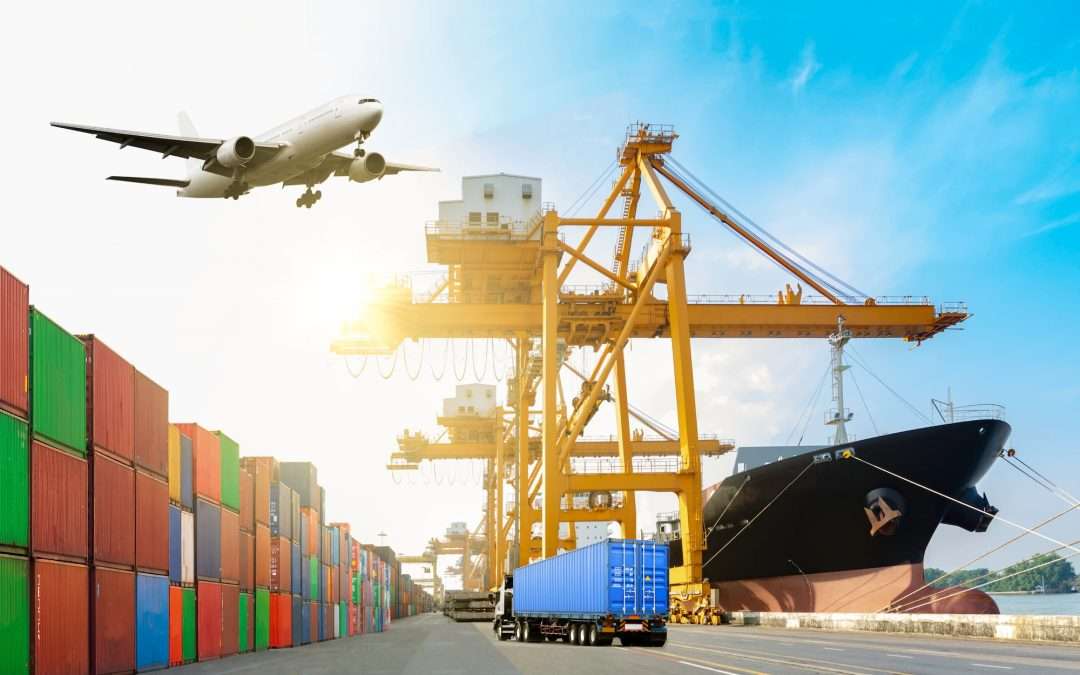
This is a guide on how to ship goods internationally.

How to Ship Goods Internationally: A Guide for Businesses

Commercial international shipping can involve freight transportation, carrier bookings, complex documentation, customs requirements, and much more. 🚢✈️ Understanding these steps can help you avoid delays, unexpected costs, and compliance issues.

There are many qualities to look for when choosing a freight forwarder, this will be a guide for making a decision.

How to Choose a Freight Forwarder

Choosing a freight forwarder should involve more than simply comparing rates. The right company can help coordinate bookings, manage documents, arrange international transport, assist with clearance, and move your cargo toward its final destination.

How to Choose the right Customs Broker

How to Choose the Right Customs Broker

Choosing the right customs broker can make a major difference when importing goods into the U.S. From classifying and calculating duties to managing documentation and communicating with CBP, a knowledgeable broker can prevent costly surprises.

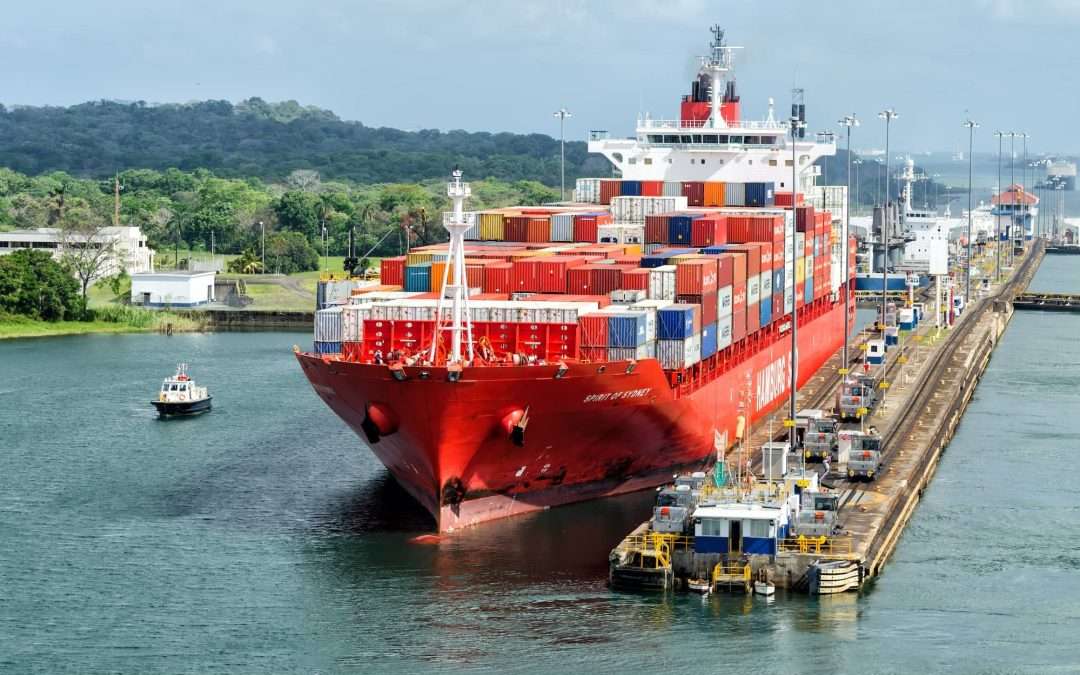
What can shippers expect as as the fees to cross the Panama Canal continue to rise.

Panama Canal Fees Continue To Rise

Panama Canal costs are rising—and shippers may soon feel the impact. Higher transit fees, carrier surcharges climbing from $100 to nearly $150, and auction prices exceeding $2 million for a single crossing are putting pressure on shipping costs.

President Trump is continuing to impose tariffs on various nations.

Trump Continuing To Impose Tariffs

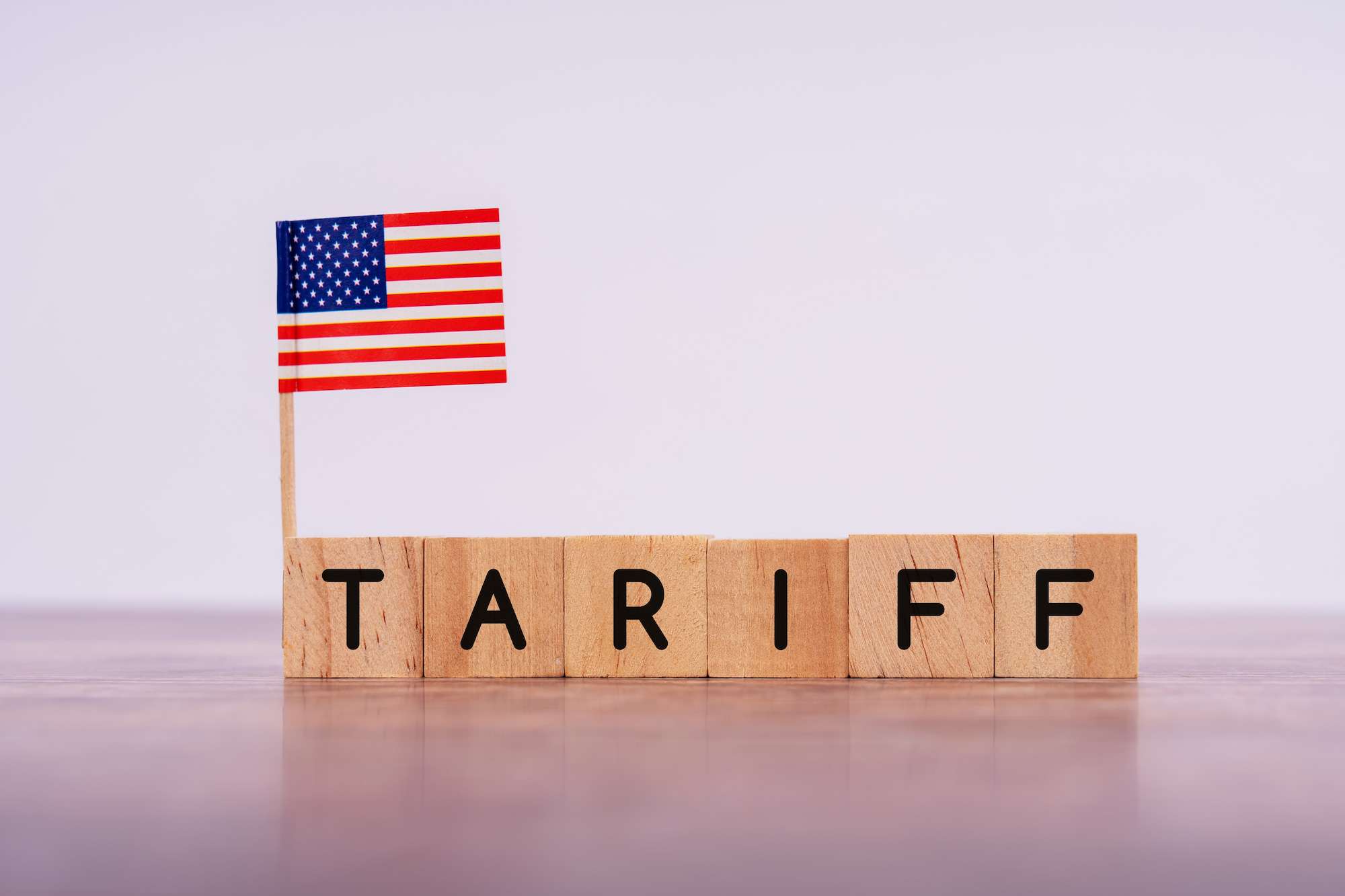
Global trade is facing another wave of tariff changes. The Trump Administration has announced new 25% tariffs on numerous imports from Brazil and 50% tariffs on certain Canadian imports.