
by A1 WorldWide Logistics | May 2, 2024 | 3PL, Delivery, Shipping Logistics
An important consideration when shipping cargo internationally is understanding what are outsourcing logistics. Outsourcing is when a company or shipper uses an external provider to provide services typically done in-house. Although outsourcing can happen in the same country, it commonly occurs in outside countries. These services can include manufacturing, operations, shipping, and other tasks. While certain businesses delegate specific functions to external sources, others transfer the majority of processes. With e-commerce and globalization growing rapidly, the need for outsourcing has also risen. This article will explain the benefits and challenges of this logistics model and focus on international shipping.
What Are Outsourcing Logistics And Why Do Shippers Outsource?
While there are numerous reasons that a shipper outsources, a common purpose is to cut costs. For example, a company that makes and ships a large quantity of goods typically has many expenses. Workers in other countries can cut production costs, allowing the company to make more goods. When shipping the finished products internationally, outsourcing the process also has monetary advantages. Expenses from owning and maintaining a carrier pile up over time as shipments grow. Likewise, in domestic transport, using an outside trucking company is cheaper than maintaining a fleet of trucks. Another benefit of outsourcing is the potential for expandability and scalability.
One of a company’s main goals is expansion, and outsourcing is one of the best ways to achieve this. As the volume of shipments increases, the ability to meet the demand becomes more challenging. Using a separate logistics company that can meet customer requirements allows quick scalability. Utilizing a third-party fulfillment center with storage and last-mile delivery enables a company to scale. Along with scalability, flexibility becomes possible when a business can quickly downsize or upsize operations based on market conditions. There are also many regulations that shippers have to follow when bringing in goods from other countries. Outsourcing importation to customs brokers is ideal for simplifying the customs clearance process.
What Can Be Some Disadvantages Of Outsourcing?
While outsourcing has various advantages, this logistics model can also have challenges. A typical issue is the decrease in communication that can arise from many parties involved in a shipment. For example, using a carrier company to move your cargo means that the shipper has to contact the carrier when issues arise. Poor quality carriers can be challenging to reach, which can be a problem in an emergency. Outsourcing can also cause other issues, such as a loss of control. Part of a supply chain goes to another party; if a mistake happens, it goes directly to the shipper. In extreme cases, the third party can commit cargo theft or any other offense.
Despite the challenges, numerous businesses outsource due to the value it has. A shipper must ensure that they find qualified carriers to move their cargo. Shippers can do this with the help of a 3PL (third-party logistics) provider. 3PLs match the sender of a shipment to an ideal carrier that can complete the transport. They also provide other services like warehousing, order fulfillment, reverse logistics, etc. To begin outsourcing, contact A1 Worldwide Logistics at 305-821-8995 to speak to our 3PL exports regarding starting. Along with a focus on transparency and reliability, we have numerous solutions for your supply chain.
by A1 WorldWide Logistics | Apr 11, 2024 | Economic trends, Importing, Supply Chain
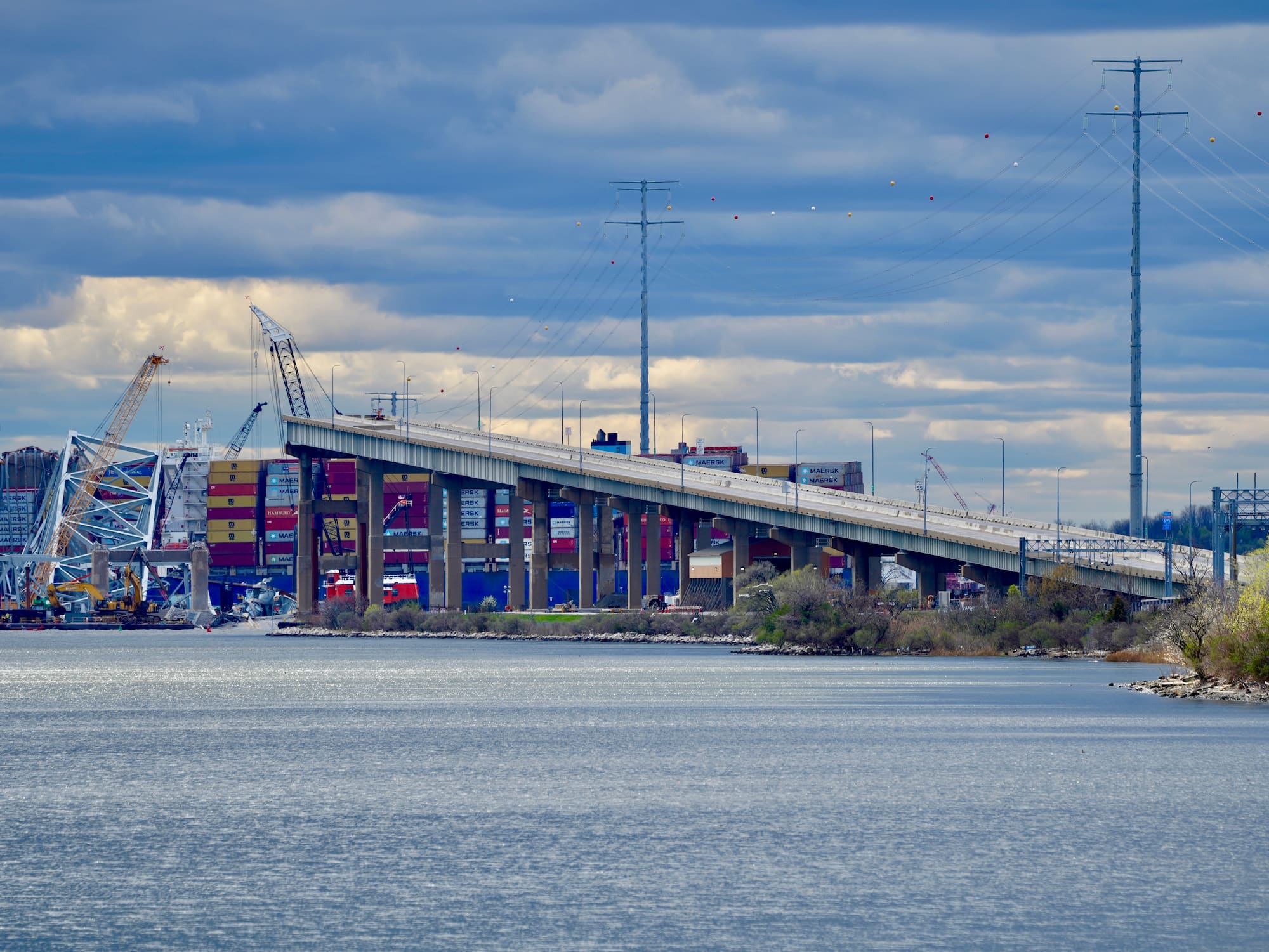
Over a week after the Baltimore Key Bridge collapse, federal regulators have been fearing incoming container fee disputes. On March 26th, a containership struck the Francis Scott Key Bridge, causing it to fall into the Patapsco River. The passageway is one of the main connectors to the Port of Baltimore, a significant hub for automobile shipments. Port operations have halted due to the incident, causing containerships to reroute. As carriers gradually cancel routes, the FMC expects conflict over increasing container costs. The FMC (Federal Maritime Commission) is a regulatory agency that oversees the U.S. international ocean transport system. One of its duties is to resolve shipping issues related to maritime cargo transport.
Why Does The FMC Fear Incoming Container Fee Disputes?
The FMC is expecting a surge in container disputes due to the rerouting of shipments to other ports. Shippers that rely on the Port of Baltimore will soon have to pay extra to have their imports enter through different ports. Canceling inland transport by large ocean carrier companies will also add to the disputes. Increasing costs can also come from ships carrying containers rerouting to ports with limited chassis. With Inadequate chassis, shippers may start to see issues with container pickups and returns, increasing the chances of extra charges. For example, demurrage and detention fees happen when containers remain in or out of the port after a specific time.
Is More Transparency Needed In International Shipping
Different players of the international shipping industry have recently pushed towards greater information sharing. The Baltimore bridge collapse was an event that recently increased those talks. Along with the collapse of the bridge, the Panama Canal drought and Red Sea attacks have disrupted supply chains. In 2021, the FMC created the Maritime Transportation Data Initiative (MTDI) to produce more fluid data transparency and sharing. MTDI will necessitate carriers to have scheduling information available at all container ports. Many still believe that there needs to be more data-sharing initiatives for carriers and shippers. The FMC will continue to take in recommendations from the public and collect data with the goal of creating visibility.
What Can You Do To Avoid Disruptions
As the Baltimore bridge collapse continues to impact international and domestic shipping, so may the disruptions. Along with the potential extra costs from routing cancelations, rerouting can also lead to time loss for shippers. Furthermore, other parts of supply chains may become disrupted by the incident. For example, the closure of the Port of Baltimore means that trucking to and from the port is severely affected. The region could soon see a slowdown in shipping and an increase in transportation rates. Along with rerouting shipments to different East Coast ports, importers and exporters should be up-to-date with the current news.
Another way that shippers can avoid disruptions is by using the help of a freight forwarder. Forwarders coordinate cargo movement on behalf of the shipper and guide you through the process. They can be essential during scenarios like a bridge collapse or port shutdown. Being prepared to overcome any situation that may arise is critical to the movement of your shipment. Call A1 Worldwide Logistics at 305-821-8995 to speak to a professional about importing or exporting to and from the U.S. We understand the importance of transparency when assisting your supply chain.
by Jontrey Aimes | Apr 4, 2024 | Importing, Shipping Logistics, Transportation
Although importing cars from Japan can bring numerous benefits for importers, it can be challenging initially. Importers must follow many laws and regulations, and failure to do so can result in monetary loss. In particular cases, it may also result in shipment loss. Despite this, shippers consider Japan one of the biggest importers of cars internationally. In 2023, the Japan Automobile Manufacturers Association (JAMA) reported nearly 4.42 million vehicle exports from the country. In the same year, Japan brought over 1.2 million into the U.S. This article will introduce how to start the importation process.
What To Know Before Importing Cars From Japan?
Understanding the regulations for bringing Japanese cars into the U.S. is essential. For example, almost all 1997 or newer Japanese Domestic Market (JDM) cars are illegal to import into the U.S. JDMS are vehicles designed for the Japanese market. These types of cars are prohibited because they do not meet U.S. emission control and safety standards. There are ways to bypass these laws legally. It is also crucial that the importer prepares the car before shipping it. The U.S. Department of Agriculture requires that the undercarriage be sprayed and cleaned thoroughly before entering the country. The reason is that the undercarriage may contain foreign soil, which can contain dangerous pests.
Before importing cars from Japan, shippers should understand the costs involved. The shipping price usually starts around $1895; however, this number can increase based on the make and model. Other considerations include your shipping destination, transportation method, and departure port. Foreign-made automobiles are also subjected to 2.5% dutiable entry charges, whether new or used. All commercial imports into the U.S. require customs bonds valued at $2500 or more, including duty-free items. Importers should also know fees like storage, cleaning, and vendor costs.
What Is The Process For Importation?
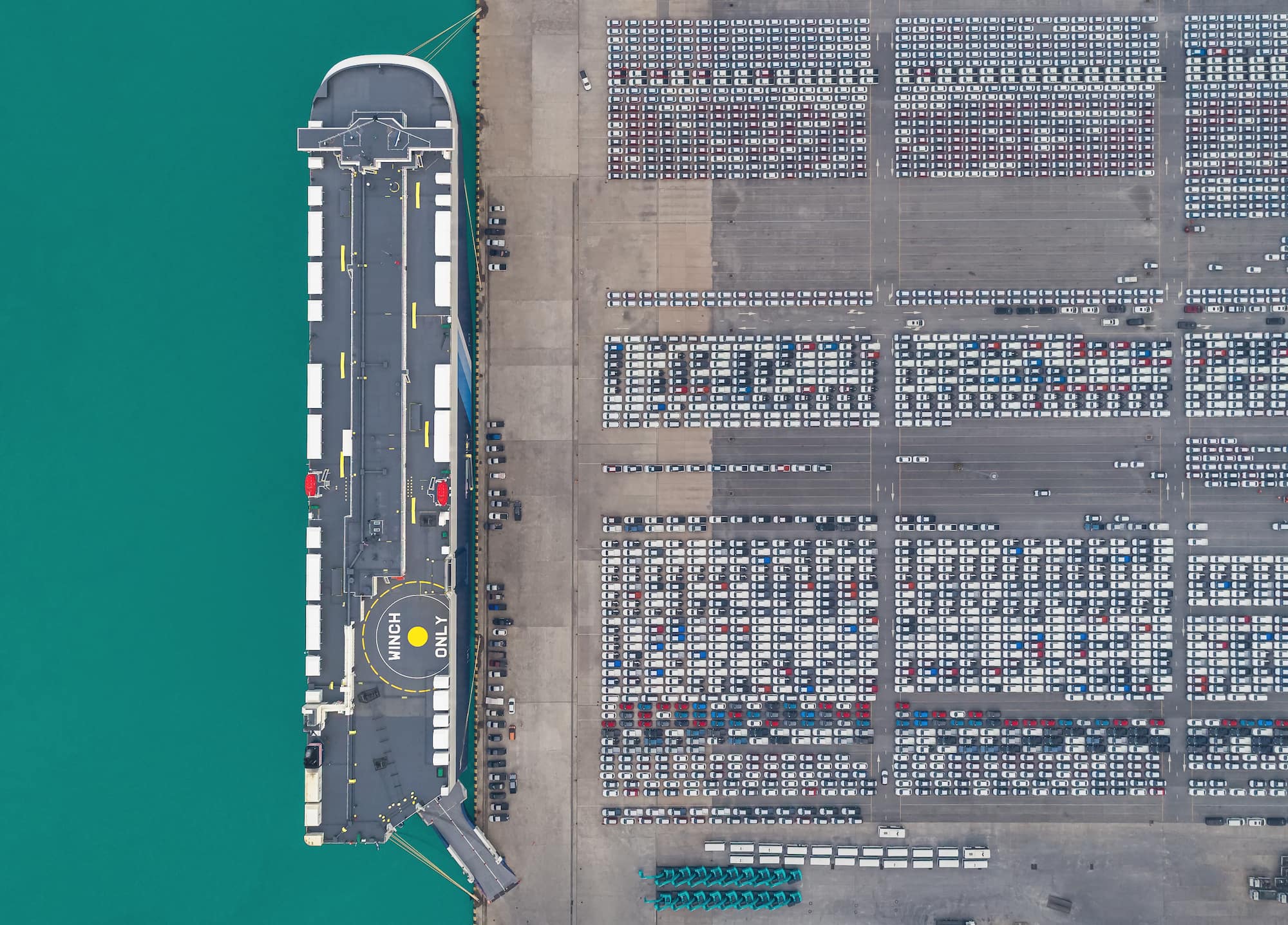
When shippers are ready to import, they arrange transportation by contacting individual carriers or freight forwarders. Forwarders coordinate the movement of your shipment by finding ideal rates from a network of carriers. A standard method is by RoRo, a vessel that rolls cars on and off. The timeframe to transport a vehicle from Japan is roughly 4 to 6 miles, depending on various factors. Before the import reaches the U.S., the shipper must send the appropriate paperwork to the CBP. Some of the standard documents required for importation into the U.S. include:
- Bill of Lading
- Packing List
- Commercial Invoice
- Customs Bond
- ISF Filing
Other documents specific to vehicles include the EPA Form 3520-1 and the NHTSA Form HS-7. Since paperwork tends to be one of the most challenging parts of the process, shippers usually hire a customs broker. Customs brokers coordinate with CBP and provide documentation, payments, and other transactions on your behalf. Once customs releases the vehicle, the importer can use a freight broker’s assistance to transport it to the final destination.
While importing cars from Japan may seem attractive for companies and individual importers, things can still go wrong when starting. For example, not filing an ISF or filing it late can result in a $5000 fine per violation. There are also situations like congestion and cargo damage that are out of your control. Having assistance from a forwarder or broker is the best way to ensure the success of your shipment. Contact A1 Worldwide Logistics at info@a1wwl.com or 305-821-8995 to speak to our freight forwarders and customs brokers when beginning.
by A1 WorldWide Logistics | Mar 21, 2024 | Importing, Shipping Logistics, Transportation
Although increasingly common, shipping boats internationally can be tricky, especially for inexperienced shippers. The different sizes, regulations, and required documentation may confuse even the ordinary shipper. Not understanding the process leads to time and monetary loss. For example, giving customs incorrect documents can result in your goods being held up, leading to demurrage charges. Despite this, the international transportation of ships has grown in recent times. Shipments to and from the Mediterranean Sea to the U.S., particularly, have grown in volume. This article will introduce what to expect and how to prepare when starting.
What To Know Beforehand?
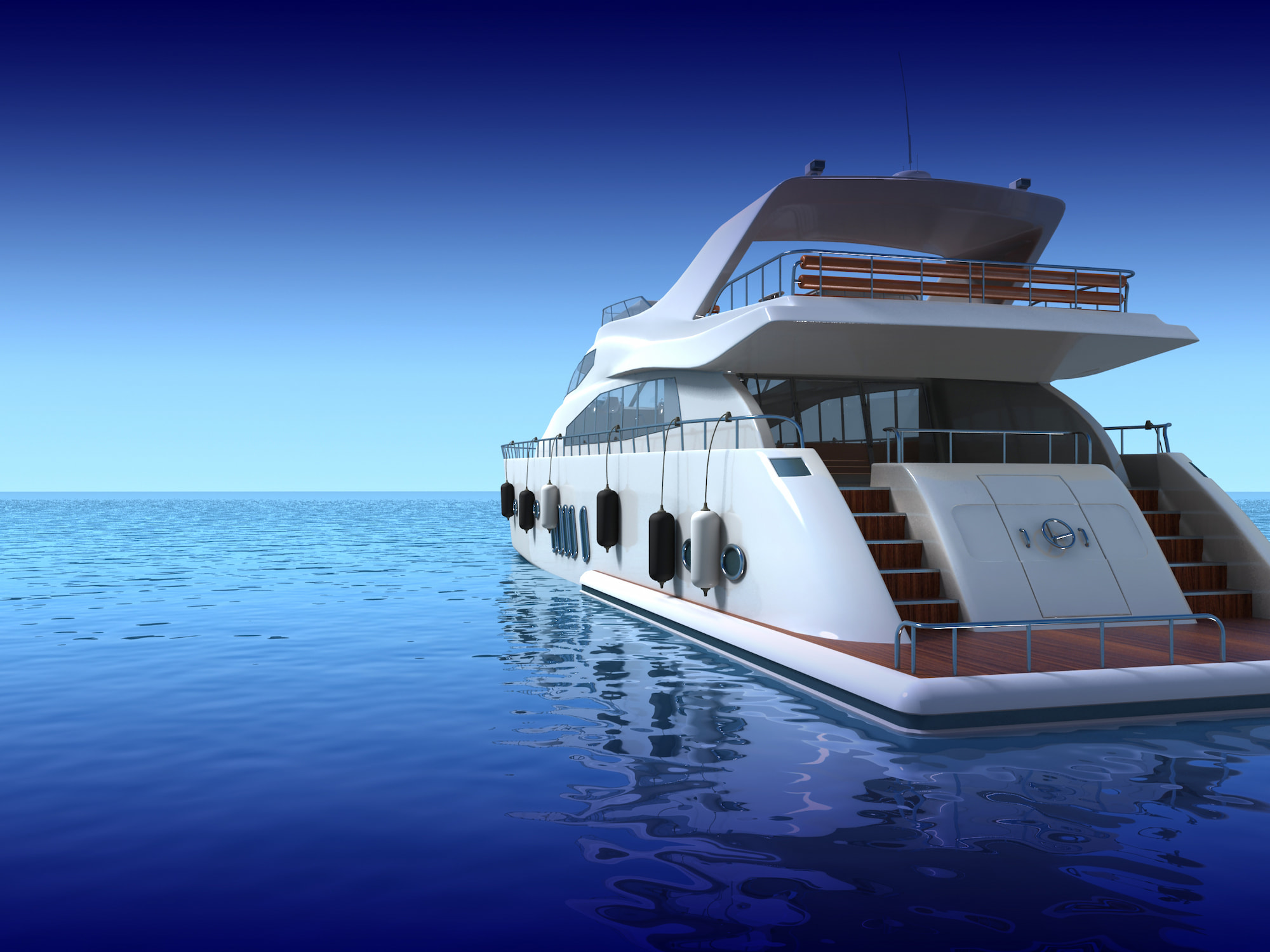
Before starting, it is essential to know the guidelines for transporting boats, which differ based on country. Likewise, the shipper must follow various customs regulations when bringing cargo into the U.S. Another important consideration is the boat’s dimensions, which affect the shipping method. The main ways that carriers ship boats and yachts internationally include:
- Containers – Containerized shipping is standard for boats shorter and narrower than eight feet. This is one of the most inexpensive transport methods despite the size limitations.
- Flat Rack – Larger boats typically ship in flat racks, which are open custom cradles that eliminate container size restrictions.
- Roll-on/Roll-Off (RORO) – The most typical way shippers transport boats internationally is by RORO services. Workers roll the ships onto the carrier using trailers and safely secure them.
- Lift-On/Lift-Off (LOLO) – Carriers with onboard cranes or cranes dockside at a port lift the boats onto the carrier.
A shipper should also prepare the boat for international shipping beforehand. Preparation can include securing delicate areas, removing or protecting detachable parts, and removing components. The yacht must also comply with safety standards. Fuel and water tanks can also require a complete or partial drain. Another consideration is having insurance protection on the shipment. Shipping companies and freight forwarders usually have insurance options available for transporting boats.
What Is The Process for Shipping Boats Internationally?
Once the shipper is ready to transport the boat, they contact a shipping company or freight forwarder. Freight forwarders act as the middleman between the shipper and carrier while handling different parts of the transportation process. During the journey, they give updates on the status of the shipment. The documentation must be ready before the boat enters the country of import. Customs brokers coordinate with customs on the release of your shipment. They do this by completing the paperwork, ensuring government compliance, calculating duties, classifying goods, etc. When customs releases the boat, importers typically use a flatbed truck to transport it to the final destination.
How Can You Get Started?
The reason why shipping boats can be complicated is because of the various rules and regulations involved. Shipments like yachts are valuable investments, and a misinformed decision can lead to significant losses. Shippers typically use the assistance of a 3PL (third-party logistics) company to begin. 3PLs are service providers that handle various parts of a supply chain. Some solutions include cargo transport, distribution, customs clearance, and more. Call A1 Worldwide Logistics at 305-821-8995 or email info@a1wwl.com regarding shipping your boat to and from the U.S. We have freight forwarding and customs brokerage services to clear your shipment once it reaches the U.S.
by A1 WorldWide Logistics | Feb 29, 2024 | 3PL, Shipping Logistics, Supply Chain
There have been growing talks of strikes in East Coast ports, with labor contracts expiring later this year. Near the end of September, agreements between the International Longshoremen’s Association (ILA) and the United States Maritime Alliance (USMX) expire. The ILA is an alliance of nearly 70,000 port workers, and the USMX represents 36 coastal port employers. Out of the dozens of ports, USMX workers are at the three busiest East and Gulf Coast ports. The last East Coast port strikes happened in 1977, which led to a labor action that lasted for two months. With recent talks of potential strikes rising, what can this mean for international shipping, and how can you prepare?
Why Have Talks Of Strikes In East Coast Ports Increased?
Since the strike in 1977, the USMX and ILA have negotiated ten contracts lasting several years. The parties signed the last six-year contract in September of 2018. Talks of strikes later this year have increased due to issues with current agreements. ILA workers noted that they are pushing for wage increases of nearly 30% or higher, plus benefits. Another issue has been the growing use of automation at ports, threatening the jobs of ILA workers. The ILA also has a $300 million lawsuit against USMX and two carriers over a hybrid labor model. The argument is that the model at the Port of Charleston violates the existing agreement.
On November 7th, 2023, the ILA president Harold Daggett told ILA members to prepare for a strike in October 2024. In 2023, Pacific Maritime Association (PMA) West Coast port workers reached a long-term contract agreement after 11 months of uncertainty. This was during the post-Covid import boom, and traffic coming into the U.S. shifted to East and Gulf coast ports. Unlike the expired PMA contract, the current ILA situation may result in protests once the contract ends later this year. Associations like the National Retail Federation (NRF) have expressed their desire to facilitate talks between the ILA and USMX.
What Does This Mean For Shipping?
Along with the strike’s impact on the ILA and USMX, international shipping will feel the ramifications. Various situations, like a conflict in Gaza and a drought in the Panama Canal, have already affected global cargo movement. If workers are on strike, it can lead to cargo congestion, which causes shipment delays. It is crucial to note that East and Gulf Coast ports have more diverse import locations than West Coast ports. While West Coast ports mainly get cargo from Asia, East Coast ports get cargo from Europe, Asia, and South America. Protests may also cause importers from different countries to switch to West Coast ports.
While moving goods internationally can sometimes be complex, there are ways to ensure the success of a shipment. Along with staying up-to-date with current news, importers and exporters should act early to prevent delays or extra costs. A standard method that shippers use is using the assistance of a third-party logistics (3PL) provider. In addition to shipping, 3PLs have various services to streamline your supply chain while educating you through the process. Reach A1 Worldwide Logistics at 305-821-8995 or info@a1wwl.com for a quote to begin your shipping journey. We help your global supply chain by providing transparency and solutions for you to reach your goals.

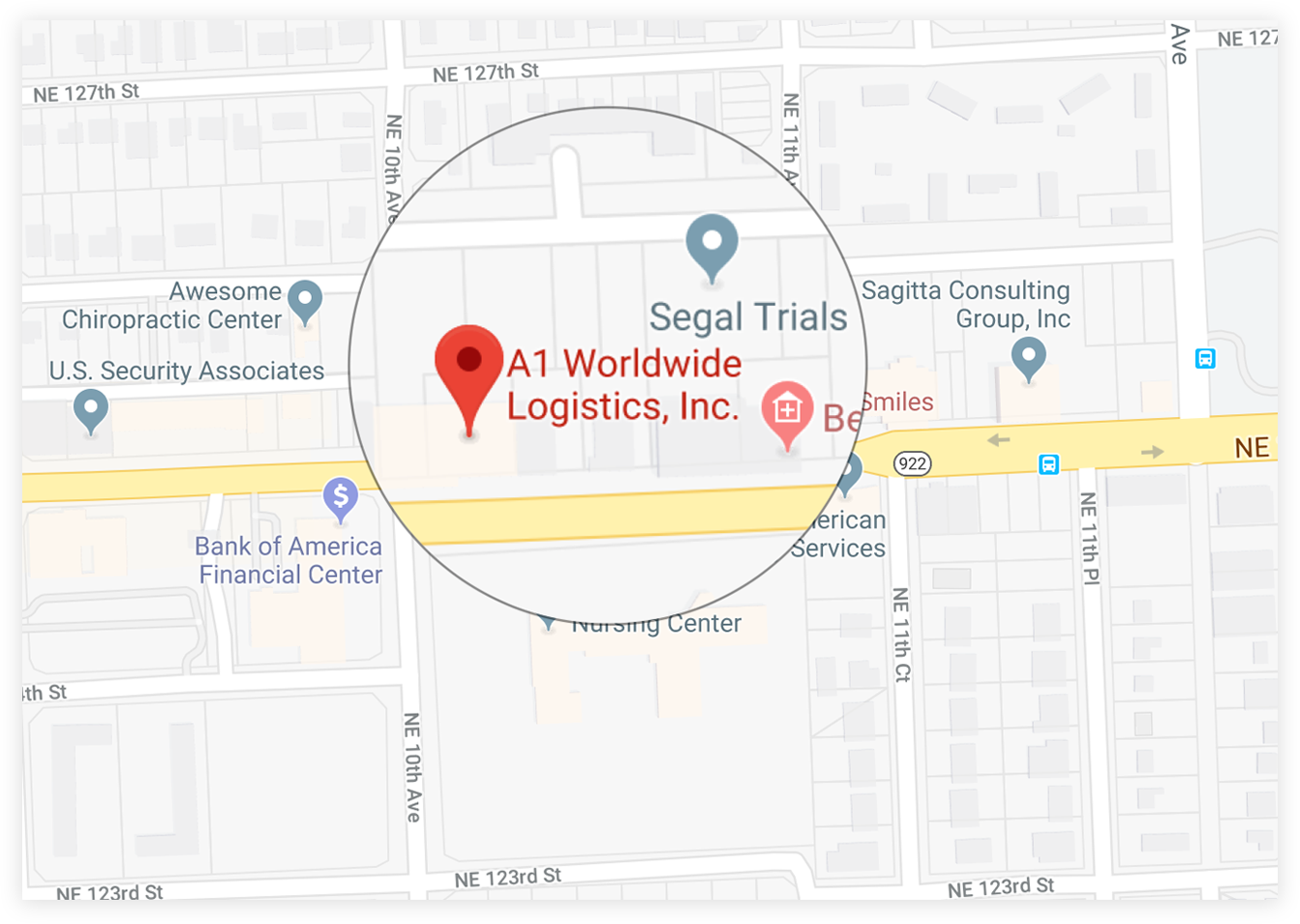
 1035 NE 125th St Suite #320, North Miami, FL 33161.
 a1worldwidelogistics.com
 (305) 821-8995
 Hours: 8AM - 5PM