by A1 WorldWide Logistics | Sep 8, 2022 | Shipping Logistics, Supply Chain, Warehousing
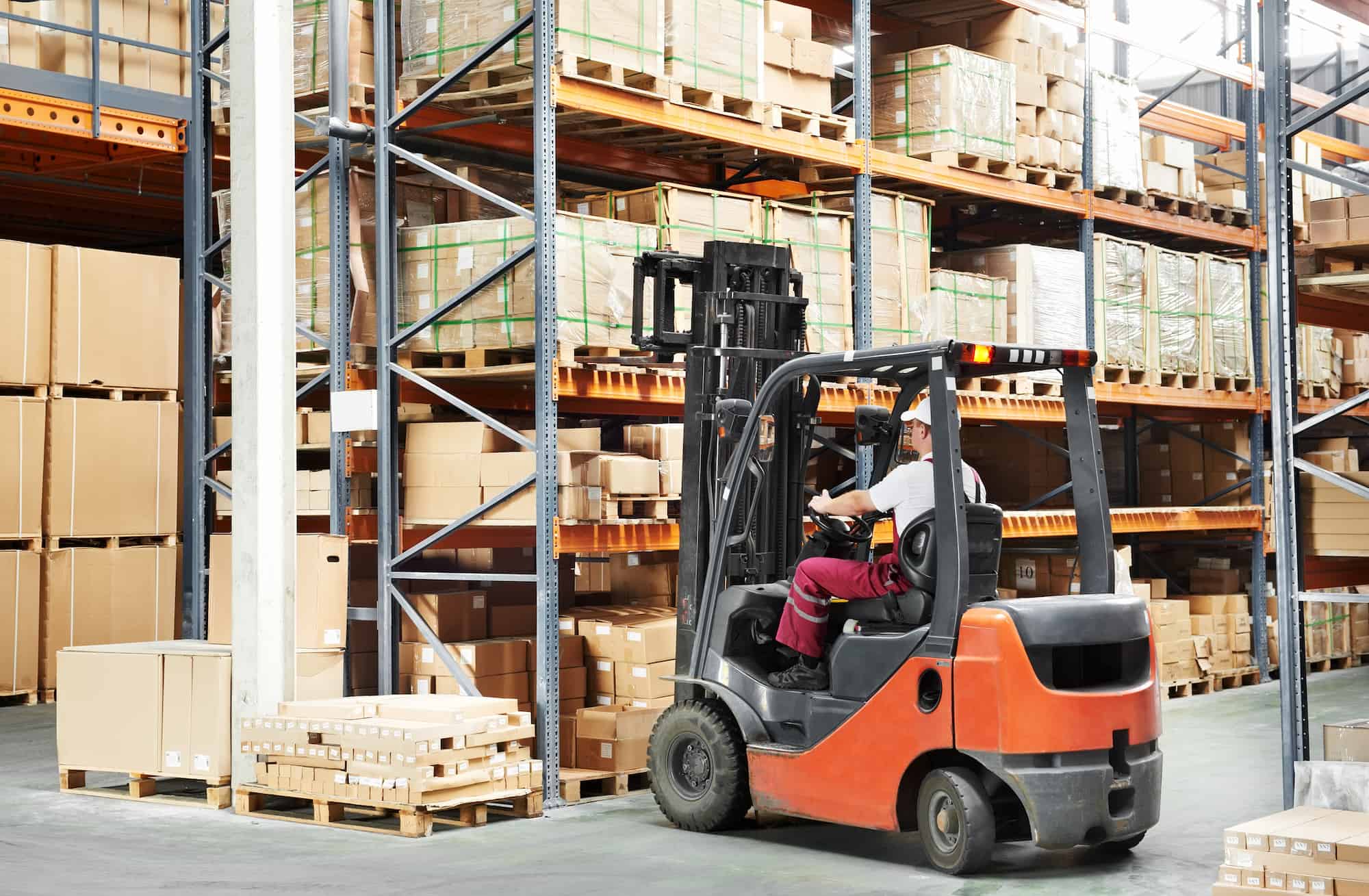
A public warehouse is a facility that provides long-term and short-term storage solutions. When shippers move goods across the globe, warehousing is a standard part of the supply chain for many businesses. Compared to regular storage facilities, public warehouses tend to offer more services to their customers. Some examples of the services provided include:
- The storage and warehousing of your shipments.
- Transportation of cargo to and from the facility to the final destination.
- Transloading goods to different containers and cross-docking.
- Cargo manipulation and segregation of shipments.
- Picking, picking, and crating of cargo.
There are an extensive amount of benefits that renting public warehousing space can provide. One of the main advantages is the revenue that the company or individual may save. For example, storing inventory requires space, which costs money. Renting warehouse space tends to be cheaper during long-term storage. Getting a warehouse can cut transportation costs, and it also moves your goods to your customers for you. Another benefit is the security of your cargo due to technological advancements in warehousing.
How Does A1WWL Cater to Your Warehousing Needs
One of the most significant ways that A1WWL differentiates itself from other companies is by the transparency we offer. We ensure honest and open communication with our clients and address their concerns. Our specialized one-on-one services are tailored to your goals, and your cargo is our highest priority. In addition to the previously mentioned services offered by public warehousing, A1WWL offers flexibility. We understand that the shipping industry is constantly evolving and have solutions to help you adapt.
Are you an individual moving freight internationally, or a company that needs to store its goods for a specific period? Contact A1 Worldwide Logistics at 305-821-8995 or info@a1wwl.com to learn more about our value-adding warehousing services. We can also assist you in Spanish.
by A1 WorldWide Logistics | Aug 23, 2022 | Import and Export Experts, Shipping Logistics, Supply Chain
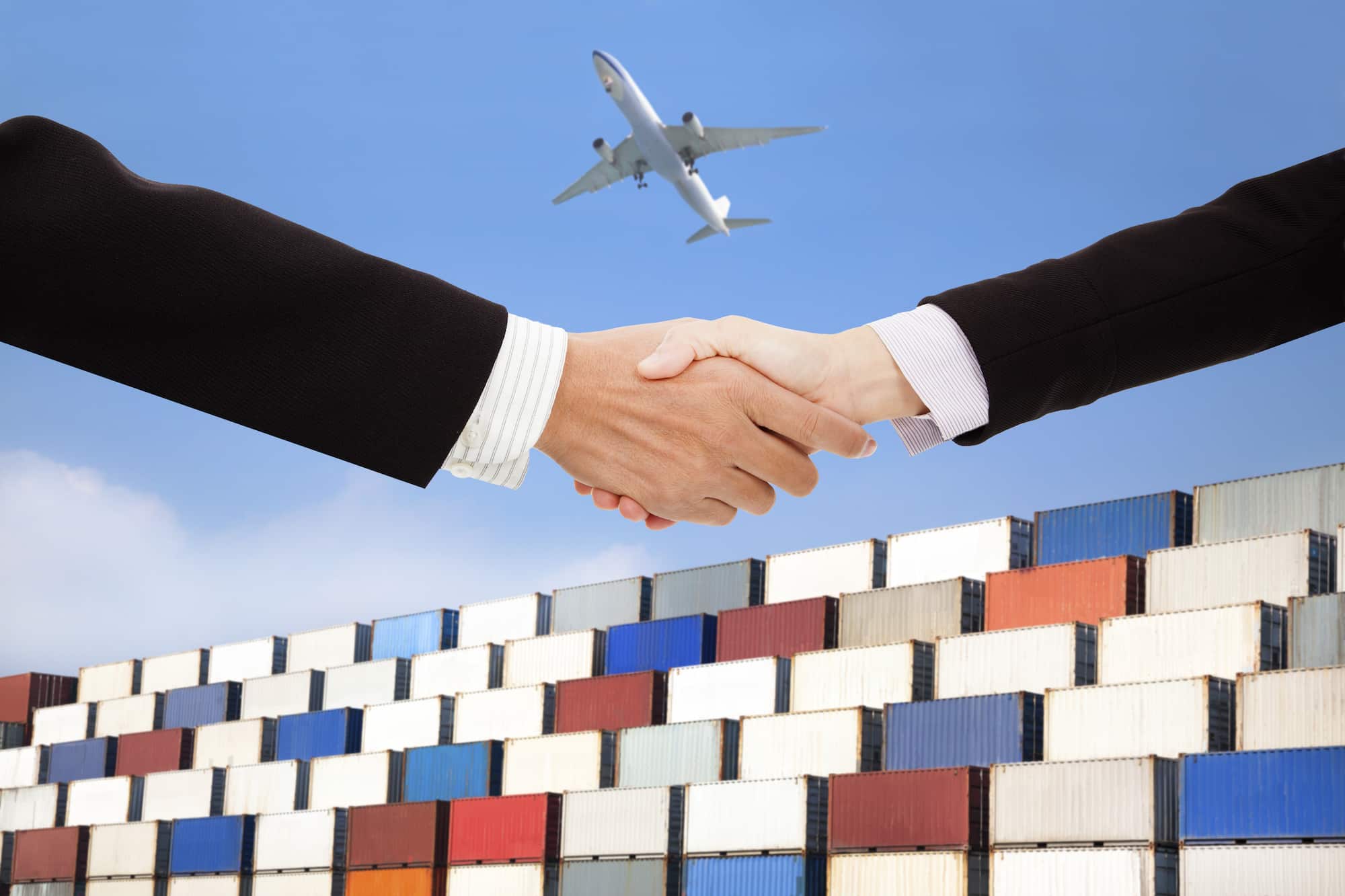
In international shipping, a common type of treaty between countries is a Free Trade Agreement (FTA). An FTA is an agreement that eliminates trade barriers for exporting and importing and promotes free trade between other countries. The United States currently has free trade agreements with 20 countries, including Panama, Mexico, Peru, Colombia, Morocco, and Singapore. An FTA can be Bilateral between two countries and multilateral between several countries. The U.S is currently part of 12 bilateral and 2 Multilateral FTAs, including the DR-CAFTA and the USMCA (formerly NAFTA). Shippers and countries benefit tremendously from the agreements, which we will explain in this article.
How do the U.S. and other countries benefit from FTAs?
The primary way countries benefit from FTAs is through increased trade with other countries. When FTAs eliminate tariffs and trade barriers, trade becomes more attractive due to the potential profits it generates. The 20 countries that are in FTAs with the U.S. purchase nearly half of the U.S.’s exports each year. The U.S.’s largest trading partner, Canada, imported $357 billion in goods from the U.S. in 2021. Developing countries may benefit from FTA agreements with the U.S. For example, Peru has seen an increase in trade and foreign investment following its agreement with the U.S.
The increase in foreign investment and trade has reduced poverty and created jobs in Peru. Peru has also been able to compete more effectively with neighboring countries thanks to its FTA. Other countries have benefited similarly through FTAs with the U.S. Many in the U.S. believe that free trade means domestic jobs are lost to manufacturers overseas that make the same products. However, many economists see free trade as a potential for growth and an opportunity for a country to open itself to others.
Shippers and companies that want to export their goods and do business internationally also benefit from many advantages under FTAs. As countries can make a profit, individuals looking to sell their products can increase their income. With tariffs gone, importing goods becomes cheaper for the shipper. Fewer trade barriers also help stabilize the trading environment by making it easier for shippers to move their goods. The FTAs also allow U.S. shippers to contribute to the development of product standards in the associated countries.
Starting Your Shipping Journey
Are you a business or an individual looking to start shipping globally? While FTAs are beneficial, there are still many factors to consider when importing and exporting cargo. Shipping goods involves different parts of a supply chain coming together to achieve a goal. If one part goes wrong, the whole journey may be affected, and A1WWL understands this. We are prepared to go above and beyond to coordinate your freight transportation. Contact A1 Worldwide Logistics at 305-821-8995 for a quote to begin your shipping journey. Whether your country has an FTA or not, we help you find the best rate to move your cargo internationally.

by A1 WorldWide Logistics | Jul 13, 2022 | Customs Broker, Customs Broker Miami, Customs Clearance, Freight Forwarding, Import and Export Experts, Shipping Logistics, Stories of Businesspeople
Meet Ali Musayev, an Azeri rug maker who sells carpets at a brick-and-mortar store in Baku, Azerbaijan. Ali was born in Baku and recently inherited the business from his dad, who inherited it from his dad. His grandad Osman originally started the company hoping to escape poverty and provide for his family. When it began, the business became one of Baku’s most significant family-owned rug shops. Shoppers from around Azerbaijan and nearby countries visited this small shop to purchase rugs. Ali’s granddad understood the centuries of importance rugs had in Azeri culture and tailored the carpets to history. Osman crafted every tile and textile with the highest quality material to represent the culture, and customers took note.
From Grandfather to Son
Osman gave all his knowledge in carpet crafting and the shop to his son Nasir before his passing. Nasir grew the company further and preserved Osman’s vision of keeping history and culture alive for decades. A dilemma soon arose that would alter the course of Nasir’s business. International shipping became so popular that Nasir’s customers began buying imported rugs from other stores. This lowered traffic and soon put Nasir’s family in the poverty that Osman had first faced. Nasir was also recently diagnosed with lung cancer. Doctors said that he had a few weeks to live. Nasir had no choice but to pass the company down to his son Ali.
Grandson in Charge
When Ali’s dad became terminally ill, one of his last wishes was for Ali to keep the store running. Burdened by the pressures of his family’s legacy and poverty, Ali has decided to do business in the United States. He understands that to keep the business alive, he has to keep up with international shipping trends. Ali also understands how the internet works and how to market a business virtually. Despite having limited money and resources, Ali decided to visit America in a desperate quest. This trip was to preserve his business, save his wife and children from poverty, and keep his family’s legacy alive.
When in the U.S., Ali not only looked for customers but for ways to export the carpets to them. Since this was Ali’s first time exporting globally, he was anxious and unsure what to expect. However, the pressure to succeed overrode the nervousness, and Ali researched dozens of transportation companies. After analyzing the benefits of each company, one stood out: A1 Worldwide Logistics. The first thing Ali noticed was our slogan, “Global Reach. Personal Touch.” Ali thought about the detail of the culture his dad and grandpa paid attention to when creating the carpets.
From Local to Global Reach
Each carpet was created with high-quality Azeri fabric and tailored to the customer’s needs. The personalized customer service that carried the business for decades could now be scaled globally. Still nervous, Ali decided to contact A1WWL to learn more about the shipping process. Words that Ali had never heard of, such as Customs Brokers, Logistics, and Freight Forwarders were explained to him with simplicity. Ali began to understand what set A1 apart from other companies.
He realized how much we were committed to helping him understand and navigate the complex world of shipping. Fast forward a few months, and his business now reaches several countries, including the U.S. Ali is no longer in debt, his tradition is alive and his family is out of poverty. Contact A1 Worldwide Logistics at 305-821-8995 if you are ready to begin your own shipping journey.
(This story is fictional, has commercial purposes, and is representative of A1WWL’s clients)

by A1 WorldWide Logistics | Jul 8, 2022 | COVID-19, Freight Forwarding, Shipping Logistics, Supply Chain
Ports across the United States have recently seen a decrease in container import demands. This surprises many with the high volumes of imports into the U.S. in early 2022. The number of vessels waiting outside Los Angeles/Long Beach ports decreased from over 100 in January to under 30. From May 24 to June 7, container imports dropped an estimated 36%. While some believe this is the calm before the post-Shanghai lockdown storm, others see it as something more positive. Over the past year and a half, COVID has led to massive port congestion and backlogged supply chains. This decline in container ships could be a potential sign of relief.
One of the reasons for the reduction in West Coast ports is carriers moving freight to East Coast ports. The East Coast ports became more attractive after the congestion months ago created a logjam in West Coast ports. What is interesting is that East Coast ports are also facing a reduction in container imports. The drop is leading many to speculate that imports will reach pre-pandemic levels. However, it may be too soon to predict how inflation will impact the international shipping industry in the coming weeks. The vessels that left ports overseas on the trans-Pacific are expected to reach the U.S. by June.
The Impact of Inflation
Inflation has spread worldwide and affected industries such as oil and food. Compared with March last year, inflation has risen an estimated 8.5%, according to the Bureau of Labor Statistics. This is a 40-year high, with the previous high at 7.9% in December 1981. The price increases are due to multiple factors, such as the war in Ukraine and post-COVID demand. The geopolitical risks of the Ukraine war have also led companies to keep their goods in inventory in the U.S. As inventory builds up in the U.S., new orders from overseas slow, decreasing imports.
The price increase may have directly contributed to the decrease in demand. Now that inflation has risen to substantial levels, customers may be spending less on goods than before. With fewer goods purchased, fewer container vessels are being brought into U.S. ports internationally. It may be too early to tell if inflation significantly affected the decrease in U.S. port imports.
Can this Be a Good Thing?
The return of imports to pre-pandemic levels may signal a return to normalcy in the shipping world. Alongside the U.S. port import volumes, container spot rates from China to west coast ports are also declining. On a month-to-month basis, the spot rate has gone down over 30% since March 28, 2022. With container shipping rates lowering, this can tremendously benefit shippers transporting goods internationally. It may cost less to ship freight compared to a year ago. The container capacity to move freight has risen compared to last year, which shippers can take advantage of.
If you need a freight forwarder to move your cargo, contact A1 Worldwide Logistics at 305-821-8995 for assistance. We have a team of experts ready to handle your shipment and provide you with the best quote.
by A1 WorldWide Logistics | May 19, 2022 | Freight Forwarding, Import and Export Experts, Shipping Logistics, Supply Chain, Transportation
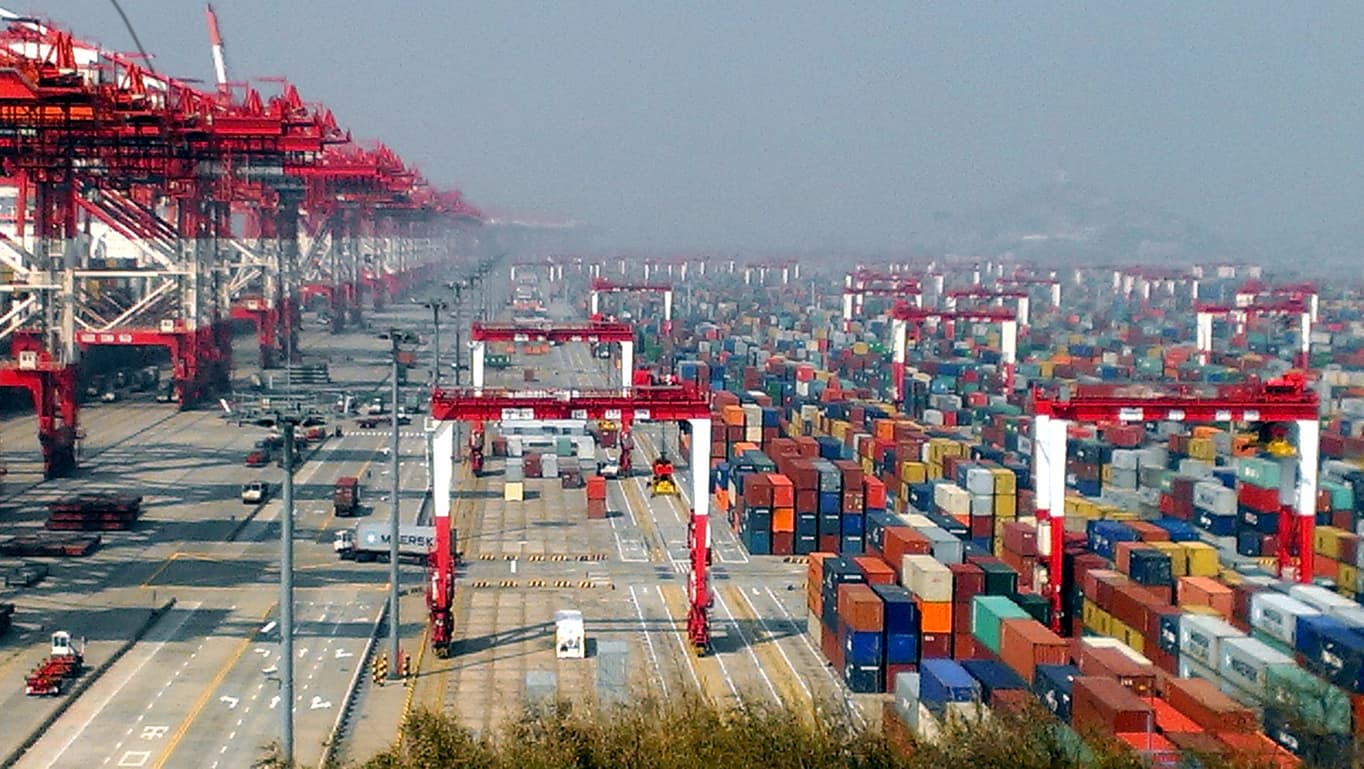
In the past few weeks, the Port of Shanghai had been working at a limited capacity due to the coronavirus pandemic. Now, operations in the port have opened to close to normal levels. Shanghai, China, has been on lockdown because of the “zero COVID” policy and has started to reopen in stages. This opening began with industrial production and manufacturing industries and then went to commercial businesses like stores and pharmacies. Additionally, The Port of Shanghai has slowly opened import and export operations. City authorities have noted that “normal life” will return to Shanghai on June 1, 2022.
This reopening of the city and port is significant for the world of international shipping. When Shanghai and its port shut down, the shipping industry instantly felt the blow. Overseeing an estimated 744 million tons of cargo yearly, the Port of Shanghai is the largest and busiest seaport globally. The lockdown immediately increased the number of container ships outside the port by 195% and affected global supply chains. To prevent a backlog, 20,000 employees worked in the Shanghai port to keep it operating during the lockdown. The result was a throughput of 82% containers passing through the port in April compared to April of last year.
What May Happen in the Upcoming Months
As Shanghai returns to everyday life, the supply chains for various companies may resume pre-lockdown levels of normality. With increasing orders being placed from reopened manufacturing factories, the Port of Shanghai will feel increasing pressure. Not only is freight being exported out of the port but into the port as well. The need for trucks to move freight from and to the port will also rise. Because the Port of Shanghai is so extensive, the opening is highly positive for Shanghai and the world’s economy.
Once the lockdown ends, different ports worldwide may experience a higher volume of containers than usual. This is due to the containers pent up in the Port of Shanghai. Ports like the Port of Rotterdam, which has dealt with congestion in the past, may feel the load. The Port of Los Angeles has been stable during the lockdown due to assistance from the port of Ningbo. When the Port of Shanghai went on lockdown, the Ningbo port took its freight and moved it to the Port of Los Angeles. This movement was done with a priority and helped alleviate pressure for both ports. With the holiday season approaching in a few months, ports and shippers may have to prepare early for any circumstance.
Shipping World Continues to Move
During the last few years, the pandemic and the lockdowns have made their presence known in the world of international shipping. On the one hand, the urgency to have freight shipped has increased due to a spike on ecommerce and, on the other, staff dealing with shippings at the ports and through all the supply chain has been limited (public health restrictions).
Shippers may need more than ever to move their goods and we’re here to help. If you plan on importing/exporting freight from anywhere internationally, contact A1 Worldwide Logistics at 305-821-8995 to get started. With the biggest port in the world fully operational, we want to make sure your cargo is transported with no problems. A1WWL has experience importing cargo from China such as vehicles, electronics, metal clothing, etc. We also have exported machinery, luxury items, furniture, and much more from the U.S. to China.

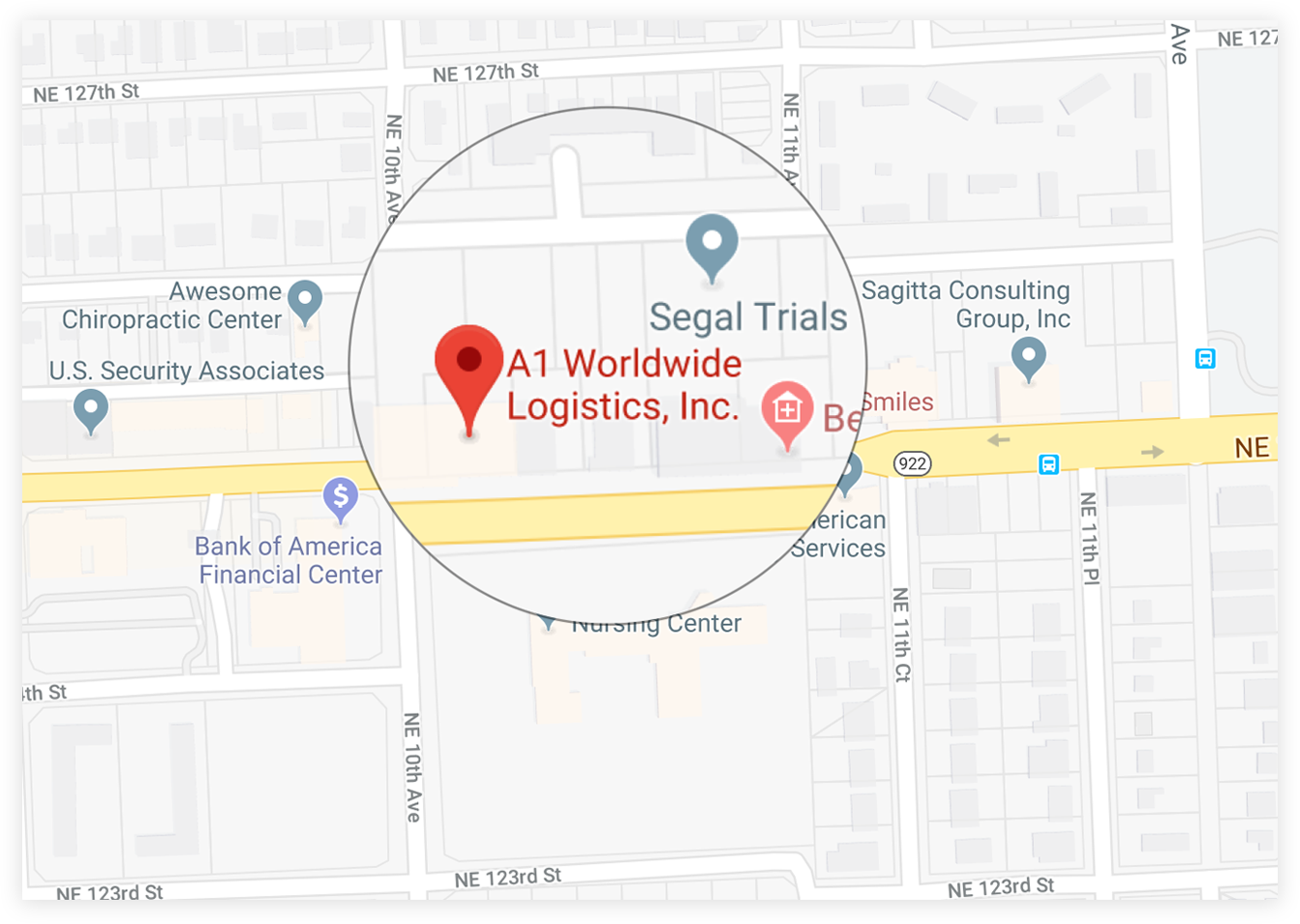
 1035 NE 125th St Suite #320, North Miami, FL 33161.
 a1worldwidelogistics.com
 (305) 821-8995
 Hours: 8AM - 5PM