
by A1 WorldWide Logistics | Jan 14, 2026 | Freight Forwarding, Import and Export Experts, Supply Chain
When shipping internationally, having a good freight forwarder can be a deciding factor in your shipment’s success. Freight forwarders are supply chain specialists focusing on moving a shipper’s cargo. They act as intermediaries between the cargo’s shipper and the goods’ final destination. Due to the complexity of international shipping, shippers typically use forwarders to assist with the process. Not using forwarders can lead to issues for beginner and even experienced shippers. Using an unsatisfactory one is as bad and can lead to greater disruptions in the shipping process.
What Can Happen If You Don’t Use A Good Freight Forwarder?
Failure to use a good freight forwarder can result in costly and disruptive impacts to the supply chain. A significant effect is that the likelihood of delays can increase. This can result from the forwarder submitting incorrect or incomplete paperwork, causing ports to hold the cargo. Failure to comply with export regulations can also cause delays. Potential fines for incorrect paperwork can also arise when using an unsuitable freight forwarder. Unexpected costs may also arise from poor rate negotiations and hidden fees the forwarder fails to disclose to the shipper.
What Are Some Qualities Of A Good Freight Forwarder?
Understanding what to look for in a good freight forwarder is equally important as knowing the consequences of a bad one. Some of the major qualities of a good forwarder include:
- Expertise – Forwarders must have an excellent understanding of shipping numerous types of cargo, along with a proven track record.
- Communication – Having constant and excellent communication with customers is vital when helping them navigate international shipping. This can include continual updates and education for the shipper.
- Range of Service – Due to a supply chain’s various components, having numerous services like customs clearance, warehousing, domestic and international transport, etc.
- Compliance – Good forwarders should have a complete understanding of trade regulations to prevent delays and hidden costs.
Looking for a reliable freight forwarder? Contact A1 Worldwide Logistics at info@a1wwl.com or 305-425-9456. We provide full-service solutions for shipments arriving in the U.S. from anywhere in the world. Some of these solutions include customs clearance, freight transport, providing paperwork, warehousing, and more.
by A1 WorldWide Logistics | Jan 13, 2026 | Economic trends, Exporting, Freight
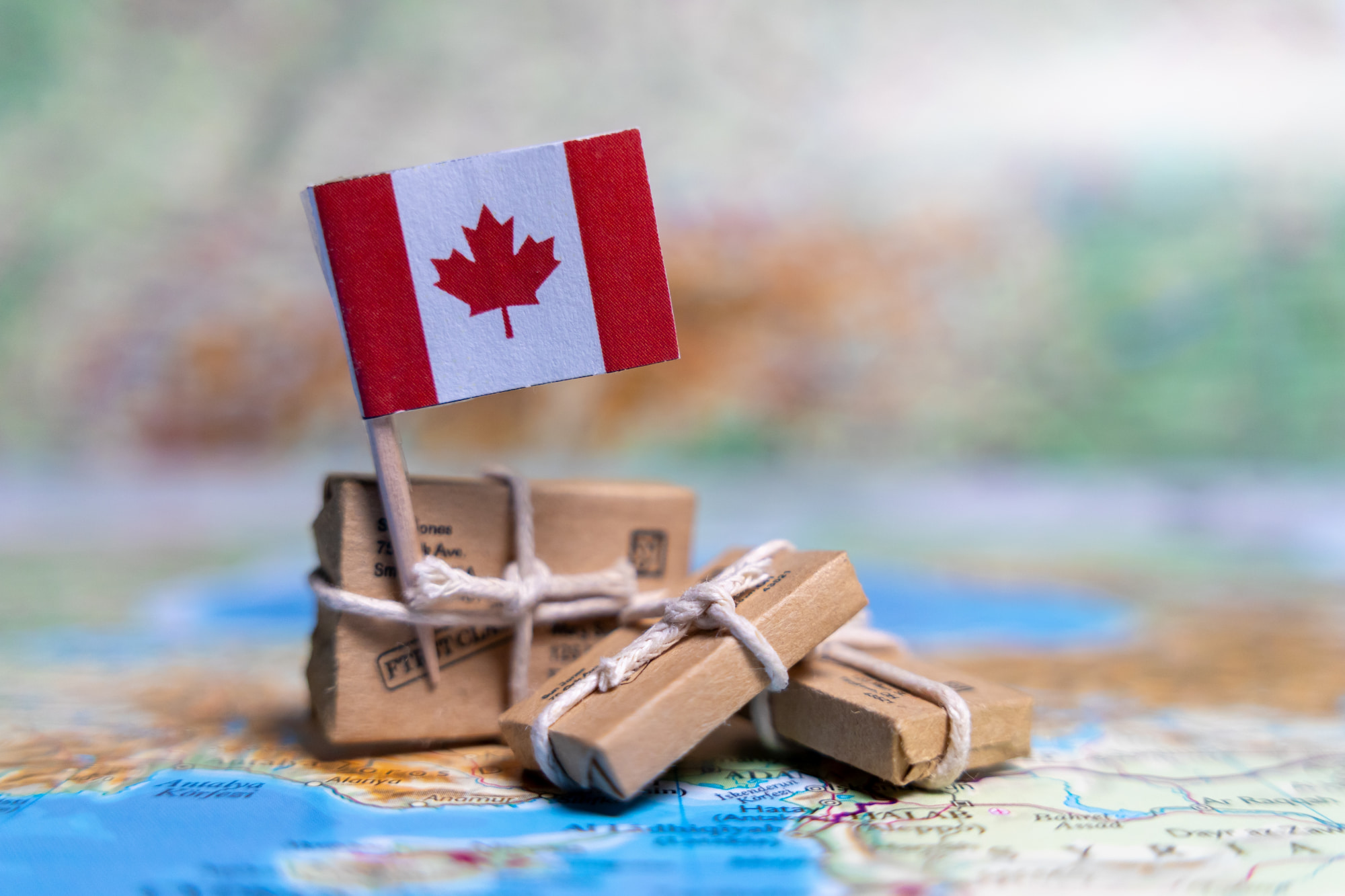
As international shipping continues to shift, the industry can soon see Canada leading the BRICS economy. BRICS is a group of emerging economies comprising ten countries, including Brazil, China, Russia, India, and others. Over the last few years, the BRICS market has expanded, now accounting for 40% of the global economy. Although Canada is not a part of BRICS, Canada’s largest trading partners are in the group, including China and India. As Canada continues to expand its trade, the concurrent growth of BRICS countries may significantly impact shipping.
How Is Canada Leading The BRICS Economy?
While not being a member of BRICS, Canada’s primary exports are to countries in the bloc. A popular commodity that Canada exports is wheat, and it is the world’s third-largest shipper. With Canada as a major trader in BRICS, the country could soon account for 44% of the world’s grain consumption. Canadian exporters also benefit from fast-growing consumer markets in energy, critical minerals, and agriculture. The BRICS push for reduced reliance on the US dollar and greater economic cooperation will also lead to growth opportunities.
What Can This Mean For Shipping?
The reliance on Canadian exports may continue to rise as BRICS reshapes global trade. US tariffs on Canadian imports could further prompt Canadian shippers to diversify their supply chains to BRICS countries. Coincidentally, imports into the US from Canada may also increase, as both countries remain significant trade partners. Maintaining trade relations with the US while engaging pragmatically with BRICS economies will expand Canada’s global presence.
As Canada becomes a major player in global trade, imports and exports between the US and Canada could increase. Despite the opportunities for international shipping, shippers may face risks when starting. An ideal way to prepare is by coordinating with a 3PL (Third-Party Logistics) Provider. 3PLs provide a range of supply chain logistics services, including international and domestic shipping, customs clearance, warehousing, and more. Reach A1 Worldwide Logistics at info@a1wwl.com or 305-425-9752 to learn about our solutions for ensuring your shipment’s success.
by A1 WorldWide Logistics | Jan 12, 2026 | Shipping Logistics
When your freight forwarder tells you, “Your container has arrived at the port,” it’s easy to think your job is done. In reality, the most sensitive part of the process is just beginning. The arrival doesn’t mean your goods are ready for delivery yet. Instead, it means you’re entering a new phase that involves customs clearance, port charges, documentation, and time-sensitive decisions. This article outlines what happens after your container arrives at the port and also how to avoid costly delays or unexpected fees. Whether this is your first import or you’re looking to streamline the process, here’s what you need to know.
What “Container at Port” Really Means
When a container arrives at the port, the unloader unloads it from the vessel and moved to a storage area within the terminal, known as the primary customs zone. During this point:
- The goods are under customs control.
- You can’t access the container yet.
- Time-sensitive port storage charges begin to apply.
Your next steps will determine how quickly and efficiently customs releases your cargo.
Key Steps After Arrival
| Step |
What Happens |
| Discharge vessel |
Container is offloaded and moved to terminal storage. |
| Manifest release |
The carrier sends the cargo manifest to customs. |
| Customs clearance |
A licensed customs broker submits documentation and pays duties. |
| Container release |
After clearance and fee payment, the port allows pickup. |
| Inland transport |
A truck picks up the container for final delivery. |
Why Documentation Matters
Incorrect or missing paperwork is one of the main reasons containers get stuck at the port. Key documents include:
- Bill of Lading (BL)
- Commercial Invoice
- Packing List
- Import licenses or permits (if applicable)
Ensure all documents are consistent and submitted early to avoid delays.
Customs Clearance and Duties
A licensed customs broker handles:
- Product classification
- Tax and duty calculations
- Electronic filing with customs
Once customs reviews the declaration, you must pay any applicable import duties and taxes. Only then customs will release the container.
Demurrage, Detention, and Storage Charges
Time is critical. Ports and shipping lines offer a limited free period (typically 5-7 days). After that:
- Demurrage is charged for containers left inside the port.
- Detention is charged if you delay returning the empty container.
- Storage fees are applied daily.
These charges can add up quickly. Avoid them by preparing in advance.
Final Delivery Coordination
Once released, you must schedule the container for pickup. Specifically, you must make sure:
- A truck is ready to enter the terminal.
- Your receiving location is prepared to unload.
- The empty container will be returned on time.
Efficient coordination during the process can saves both time and money.
Checklist After Arrival
- Confirm arrival and terminal location
- Collect and verify shipping documents
- Contact your customs broker
- Pay duties and port fees
- Schedule transport and delivery
- Track and return the empty container
FAQs
Do I need a customs broker to clear my container?
Yes, in most countries, only licensed brokers can submit customs declarations.
How long do I have before port charges apply?
Typically, 5-7 free days, but this varies by port and carrier.
What happens if port officials inspect my container?
Inspections can delay release and may add handling costs.
Can I speed up the process?
Yes, by preparing all documents in advance and staying in close contact with your broker.
What’s the difference between demurrage and detention?
Demurrage is charged when containers delays happen within the port. In contrast, detention applies after pickup if the shipper doesn’t return the container on time.
Having your container at the port is not the end — it’s the beginning of a critical final phase. With proper planning, timely communication, and accurate documentation, you can avoid additional fees, expedite release, and ensure your goods arrive smoothly.
If you’re managing your logistics and want reliable post-port support, check out A1 Worldwide Logistics, an expert in U.S. customs clearance and final-mile coordination. Contact us at info@a1wwl.com or 305-821-8995.

by A1 WorldWide Logistics | Jan 8, 2026 | Economic trends, Importing, Tariffs
A final Supreme Court ruling on tariffs imposed by the Trump Administration could come as early as Friday. Friday, January 9, will be an opinion day where the Supreme Court will discuss and potentially make a decision. In 2025, Trump imposed levies under the International Emergency Economic Powers Act (IEEPA), which is currently before the Supreme Court. Given the urgency of the situation, the Court agreed to expedite the review. A final decision will have a significant impact on international shipping and could reshape US trade policy.
What Will The Court Be Deciding On?
The primary decision would be on the legality of President Trump’s tariffs imposed under the IEEPA. In 2025, two federal courts ruled that the tariffs were illegal in a 7-4 decision. The argument was that Trump lacks the authority to impose the levies without explicit congressional approval. Following the verdict, the president requested an immediate review, citing national security as a justification for IEEPA tariffs. Trump also argued that the levies have collected billions for the US economy. In a social media post, Trump said the ruling against the tariffs would be a “terrible blow” to the US economy.
What Could The Supreme Court Tariff Ruling Mean For Shipping?
The final ruling could significantly impact international shipping. If the Court rules that the tariffs are illegal, the US government could be required to refund importers billions of dollars. Shippers must understand that only those who meet strict deadlines and comply with protocols are eligible. If the Court rules Trump’s tariffs legal, his presidential powers may expand, potentially leading to unilateral tariff enforcement. Along with rising costs for US importers, this could continue to strain relations with US trade partners. There is also a chance of potential retaliatory tariffs.
Regardless of the ruling, your shipment mustn’t be disrupted during this period of uncertainty. The shipper should, however, take appropriate steps to prevent delays, financial losses, and cargo loss. In addition to staying current with news and regulations, shippers can prevent disruptions by engaging a freight forwarder. Forwarders act as intermediaries between shippers and carriers, coordinating cargo movement. They do this by offering services like international and domestic shipping, customs clearance, warehousing, and more. Speak to our forwarders at info@a1wwl.com or 305-425-9752 for assistance with exporting and importing into the US.
by A1 WorldWide Logistics | Jan 5, 2026 | Economic trends, Importing, Tariffs
An announcement from President Trump has led to the White House delaying tariffs until 2027. In particular, Trump is postponing planned tariff hikes on imported furniture products for one year. Some of these products include upholstered furniture, kitchen cabinets, and vanities. In September 2025, Trump imposed a 25% tariff on these goods and planned to raise it to 50% in 2026. The White House recently signed an order postponing the increase, which took effect on January 1, 2026. This delay is part of a rollercoaster of
tariff enforcement and reversals that has impacted the US in 2025.
Why Is The White House delaying tariffs?
The decision to delay a tariff increase follows the Trump Administration’s announcement of ongoing positive negotiations with trade partners. A significant issue was national security concerns related to the importation of wood products. The president initially imposed the 25% tariffs after a Section 232 investigation found that an overreliance on foreign timber may harm the US’s defense capabilities. Trump is delaying the tariffs to allow further negotiations with trade partners. The delay may also be due to addressing customer concerns about price increases.
What Can This Mean for Your Shipment?
Given the volume of furniture imported into the US, this postponement could significantly affect shipping, including lowering import costs. Trump’s initial imposition of the 25% tariff led to an immediate increase in import costs. Various parts of the supply chain were affected, from the importer to the customer. Truckers who had to move the goods to the final destination also incurred costs. A recent rollback of tariffs on 200 food products has further lessened inflation concerns. Demand for imports of goods such as furniture could also increase in the coming weeks as Trump reduces tariffs.
Despite tariff delays, importers should still take precautions when importing into the US. In addition to staying current with tariffs and regulations, consulting a customs broker is an ideal way to prepare. Customs Brokers are intermediaries between shippers and the US CBP (Customs and Border Protection) and coordinate customs clearance. They do this by ensuring regulatory compliance, providing documentation, calculating duties, filing entries, and more. Contact A1 Worldwide Logistics at 305-440-5156 or info@a1wwl.com to speak with our brokers about your shipment.


 1035 NE 125th St Suite #320, North Miami, FL 33161.
 a1worldwidelogistics.com
 (305) 821-8995
 Hours: 8AM - 5PM