
by A1 WorldWide Logistics | Jan 6, 2026 | Customs Broker, Customs Clearance, Importing, Shipping Logistics
A pesar de su uso en múltiples industrias, existen varios aspectos que los importadores deben considerar al importar maquinaria a Estados Unidos. La CBP (Aduanas y Protección Fronteriza de EE. UU.) define la maquinaria como equipos mecánicos que realizan una función específica, incluidos los utilizados en operaciones comerciales, industriales y agrícolas. Las máquinas también cuentan con partes móviles para producir, procesar o transportar mercancías. Algunos ejemplos incluyen equipos de construcción, de robótica y generadores eléctricos. Cargas como materias primas, herramientas manuales y piezas de repuesto individuales no se clasifican como maquinaria por la CBP.
Debido a la gran cantidad de artículos que pueden clasificarse como maquinaria, la importación de estos bienes puede resultar desafiante en algunos casos. Este artículo explica el proceso de importación de maquinaria, como equipos pesados, y qué esperar al comenzar.
¿Qué debes saber antes de importar maquinaria a EE. UU.?
Al decidir importar, es fundamental comprender el tipo de maquinaria que se va a introducir en el país, ya que las leyes y regulaciones pueden variar según el equipo. Por ejemplo, los equipos relacionados con alimentos y dispositivos médicos pueden estar sujetos a normas adicionales de la FDA (Administración de Alimentos y Medicamentos). La maquinaria usada también puede requerir requisitos adicionales, como el cumplimiento de las normas de emisiones de la EPA y las exigencias de limpieza del USDA.
Es vital que el importador limpie adecuadamente la maquinaria usada y la declare como tal. Asimismo, debe asegurarse de utilizar el código HTS correcto, ya que la mayoría de las máquinas se clasifican en los capítulos 84 (Maquinaria mecánica) y 85 (Maquinaria eléctrica) del sistema HES.
El HTS (Harmonized Tariff Schedule) es el sistema de clasificación que utiliza Estados Unidos para aplicar aranceles a las importaciones. Contactar a un agente aduanal puede ser una forma ideal de garantizar una clasificación correcta. También es importante conocer los impuestos adicionales que pueden aplicarse, como los aranceles de la Sección 301, comunes a la maquinaria de origen chino, y los aranceles de la Sección 232 sobre el contenido de acero y aluminio.
Otro aspecto esencial antes de importar maquinaria es contar con la documentación adecuada. Algunos ejemplos de documentos requeridos incluyen:
Además, el importador debe presentar el ISF (Importer Security Filing) al menos 24 horas antes de que la carga sea embarcada en un buque con destino a Estados Unidos.
¿Cuál es el proceso?
Cuando estés listo para importar la carga, es fundamental seleccionar el medio de transporte adecuado, ya sea marítimo, aéreo o terrestre. El medio de transporte influye directamente en el tiempo de tránsito. Por ejemplo, el transporte aéreo suele tardar entre 5 y 10 días, mientras que el marítimo puede tardar entre 20 y 45 días.
También debes determinar la forma en que se enviará la maquinaria, ya sea en cajas, en contenedores, mediante Ro-Ro, entre otros métodos. Una vez que la carga llega a EE. UU. , la CBP la inspeccionará para verificar el cumplimiento normativo antes de liberarla. Proporcionar documentación incorrecta puede resultar en sanciones económicas o en la incautación de la mercancía por parte de las aduanas. Tras la liberación, puedes contactar a un freight broker para coordinar la entrega al destino final.
Aunque este artículo explica el proceso de importación de maquinaria a Estados Unidos, aún pueden ocurrir imprevistos que provoquen retrasos, pérdidas económicas o incluso la pérdida de la carga. Una forma ideal de garantizar una importación exitosa es coordinar con una agencia de corretaje aduanal como A1 Worldwide Logistics. Los agentes aduanales son personas o empresas con licencia que gestionan el despacho aduanero en nombre del importador. En Estados Unidos, aseguran el cumplimiento de las regulaciones de la CBP mediante servicios como el cálculo de aranceles, la preparación de documentación, la presentación de entradas y otros.
Comunícate con nuestros agentes aduanales en info@a1wwl.com o al 305-425-9513 para comenzar a importar maquinaria y otros tipos de carga a Estados Unidos.
by A1 WorldWide Logistics | Dec 18, 2025 | Customs Clearance, Importing, Shipping Logistics
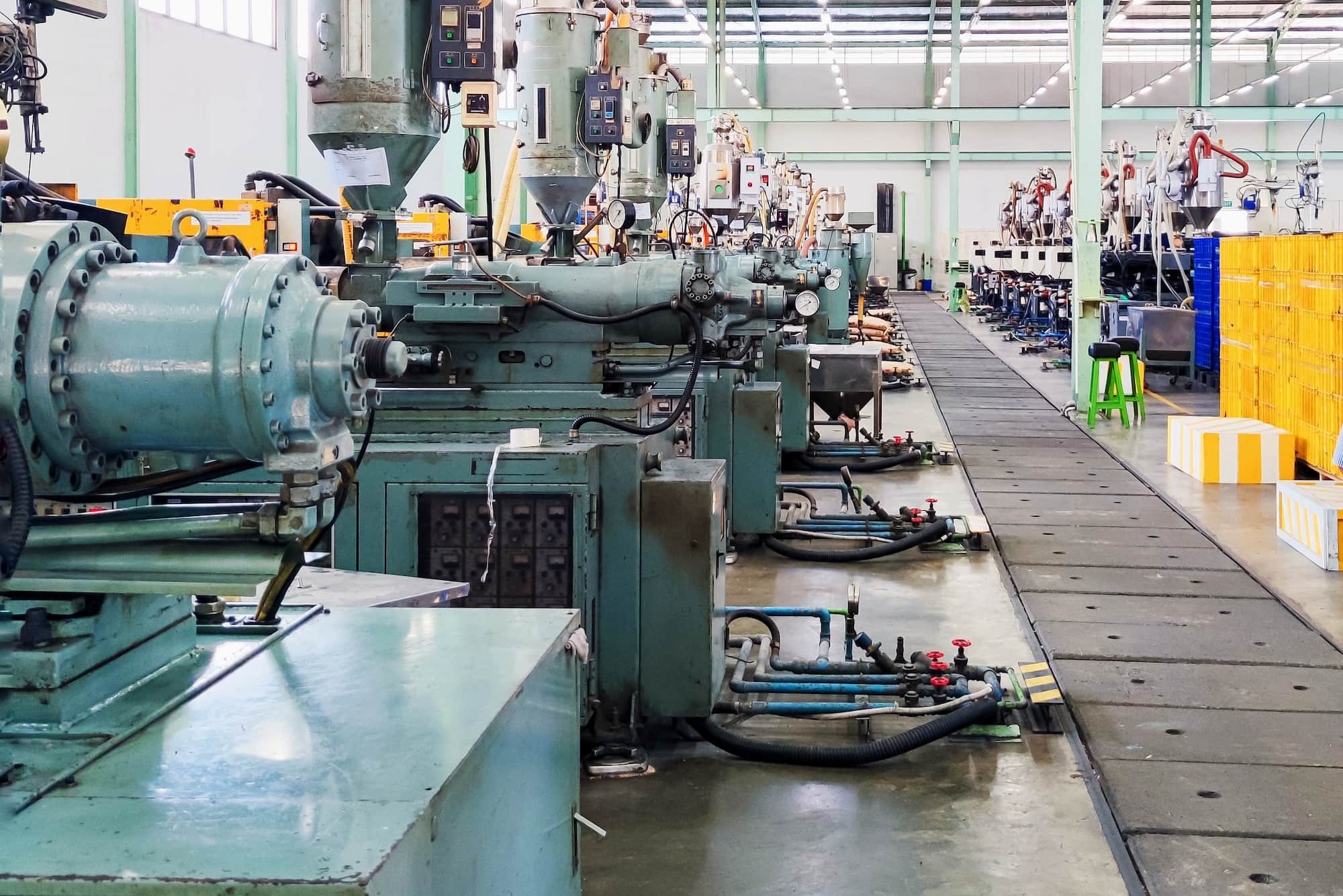
Despite its use across industries, there are several aspects shippers should understand when importing machinery into the US. CBP defines machinery as mechanical equipment that performs a specific function, including equipment used in commercial, industrial, and agricultural operations. Machines also have moving parts to produce, process, or transport goods. Examples include construction equipment, robotics, and electric generators. Cargo such as raw materials, hand tools, and individual spare parts is not classified as machinery by CBP. Due to the number of items that shippers can classify as machines, importing these goods may sometimes be challenging. This article explains the importation process for machines like heavy equipment and what to expect when starting.
What Should You Know Before Importing Machinery Into The US
When deciding whether to import, it is essential to understand the type of machinery you are bringing in. Laws and regulations for importing can vary by machine type. For example, food and medical devices may be subject to additional rules from the FDA (Food and Drug Administration). Used equipment may also be subject to additional requirements, such as EPA emissions compliance and USDA cleaning requirements. It is vital that the shipper properly cleans used machines and declares them as used. The importer should also ensure the correct HTS code is used, with most machines falling under HES chapters 84 (Mechanical Machinery) and 85 (Electrical Machinery).
The HTS (Harmonized Tariff Schedule) is the classification schedule the US uses to impose duties on imports. Contacting a customs broker can be an ideal way to ensure that you have the correct classification. You should also be aware of additional taxes that you may have to pay. Some include Section 301 tariffs, which are common for China-origin machinery, and Section 232 tariffs on steel and aluminum content. Another essential consideration before importing machines is ensuring you have the correct paperwork. Examples of required documentation include:
- Bill of Lading
- Commercial Invoice
- Packing List
- Arrival Notice
- DOT or EPA forms for specific machinery
The importer should also submit an ISF (Importer Security Filing) at least 24 hours before loading an ocean shipment for a vessel bound for the US.
What Is The Process?
When you are ready to import the cargo, it is essential to have the appropriate mode of transport. This can include the ocean, the air, or the land. The mode of transport may affect how long it takes for the shipment to reach the US. For example, air shipping typically takes 5-10 days, while sea shipping takes 20-45 days. You should also determine how you will ship the machine, for example, crated, containerized, ro-ro, etc. When the cargo arrives in the US, CBP will inspect it to verify compliance before releasing it. Providing incorrect documentation can lead to financial penalties and customs seizing the cargo. Once the cargo clears customs, you can contact a freight broker to arrange delivery to the final destination.
While this article explains the process for importing machinery into the US, disruptions can still occur. In turn, this may lead to delays, financial losses, and cargo losses. An ideal way to ensure a successful import is by coordinating with a customs brokerage like A1 Worldwide Logistics. Brokers are licensed individuals or corporations that arrange customs clearance for imports on behalf of the importer. In the US, they ensure compliance with CBP (Customs and Border Protection) regulations. Brokers achieve this by offering solutions like calculating duties, providing documentation, filing entries, and more. Speak to our brokers at info@a1wwl.com or 305-425-9456 to begin importing machinery and other cargo into the US.

by A1 WorldWide Logistics | Feb 13, 2025 | Customs Clearance, Importing, Shipping Logistics
Due to its popularity, importing chocolate into the U.S. can be an excellent opportunity for shippers. Especially during holidays like Valentine’s Day, Easter, and Halloween, chocolate imports usually increase due to the demand. While beneficial, the process can be complex for importers due to the steps involved. Failure to import correctly can result in delays, monetary loss, and cargo loss. Disruptions can especially be harmful if the shipper has customers expecting chocolate products. This article will explain the process for importing chocolate and what to expect when starting.
What To Know Before Importing Chocolate Into The U.S.
Before bringing chocolate into the U.S., a shipper must understand the rules and regulations for importation. Chocolate is regulated by the U.S. Food and Drug Administration (FDA) and must follow its requirements. The FDA separates the requirements by chocolate types, including bittersweet chocolate, buttermilk chocolate, chocolate liquor, milk chocolate, white chocolate, mixed dairy product chocolate, skim milk chocolate, and sweet chocolate. Each type has its formulation that shippers must follow, and failure to do so may result in customs holding the goods. The FDA requires that the importer files a Prior Notice before the shipment arrives in the U.S. A Prior Notice includes vital information like shipper, importer, manufacturer information, product details, carrier and arrival information, and more.
The deadline for filing a Prior Notice depends on the method of conveyance. Importers by air have a deadline of four hours before arrival, while importers by sea have eight hours before arrival. It is also essential to understand that chocolate imports have duties and taxes based on the type. A shipper can determine the tariff amount by finding the HTS (harmonized Tariff Schedule) code related to the cargo. When packaging, the labeling should contain the ingredients, nutritional facts, and allergen warnings, like if the chocolate contains peanuts.
The Journey Begins
Once ready to ship the chocolate internationally, shippers can use various conveyance methods, like air, sea, or land. Air can be ideal for speed, while sea is beneficial if you are shipping a large volume. The importer must keep the chocolate at a specific temperature during the journey to prevent melting or spoilage. Before the cargo enters the U.S., shippers must provide the necessary paperwork to the CBP (Customs and Border Protection). Some of the documentation required for customs clearance includes:
- Bill of Lading or Airway Bill
- Commercial Invoice
- Packing List
- Arrival Notice
Importations into the U.S. by sea must also have the importer submit an ISF (Import Security Filing). ISFs detail the content of the cargo, who is importing it, the seller/buyer address, and more. Failure to provide the appropriate documentation can lead to financial penalties and customs seizing the cargo. Once customs releases the shipment, you can contact a freight broker with carriers to move it to the final destination.
When bringing chocolate into the U.S., the shipper must be ready for anything that could affect the shipment. An ideal way to avoid disruptions when importing is by using the help of a customs broker. Brokers are licensed individuals or companies that coordinate the clearance of shipments through customs. They do this by providing paperwork, filing customs entries, paying duties, and more. Brokers also communicate with their clients through customs clearance, educating them. Contact A1 Worldwide Logistics at 305-435-9456 or info@a1wwl.com to begin importing chocolate to the U.S. Along with brokers, we also have freight forwarders, domestic transport, warehousing, and more services for ensuring your shipment’s success.

by A1 WorldWide Logistics | Nov 12, 2024 | Customs Broker, Customs Clearance, Importing
Si bien es una excelente oportunidad para los exportadores, hay varias consideraciones que debes entender antes de importar té a Estados Unidos. El té es una de las bebidas más consumidas en este país, y más de 159 millones de estadounidenses lo beben a diario. Casi el 80% de los hogares estadounidenses tienen productos de té. A pesar de que es algo común, traer té a Estados Unidos implica muchas regulaciones y pasos que los importadores deben conocer. No cumplir con estas pautas puede resultar en que la aduana retenga tus mercancías o que pierdas la carga. Este artículo explicará lo que debes tener en cuenta de antemano y qué esperar durante el proceso de importación.
¿Qué debes saber antes de importar té a Estados Unidos?
Antes de decidir importar té a los Estados Unidos, es esencial entender las regulaciones involucradas. La Administración de Alimentos y Medicamentos (FDA, por sus siglas en inglés) es la agencia federal principal que regula la importación de té. Al importar, la FDA establece normas específicas de seguridad alimentaria que debes seguir antes de traer el té al país. Según la FDA, todas las instalaciones que manejan alimentos deben registrarse y proporcionar un aviso previo al departamento antes de importar té. La Ley de Modernización de la Seguridad Alimentaria (FSMA, por sus siglas en inglés) establece además que las instalaciones que fabrican procesan o empaquetan alimentos como el té deben enviar información adicional y permitir que la FDA inspeccione las instalaciones registradas. Las instalaciones productoras de té deben renovar su registro ante la FDA cada dos años.
Además de presentar un aviso a la FDA antes de la importación, el té debe tener el etiquetado adecuado antes de ser importado. La Ley de Etiquetado Nutricional y Educación (NLEA, por sus siglas en inglés) establece qué información debe contener la etiqueta del paquete según la FDA. Algunos de los datos incluyen el nombre del té, la cantidad, la información nutricional, la declaración de ingredientes, la declaración de alérgenos, etc. Para ayudar a la FDA a determinar si tu producto cumple con los requisitos, los exportadores pueden proporcionar los Códigos de Afirmación de Cumplimiento (A of C). Aunque no son necesarios para la importación, proporcionar estos códigos puede acelerar el proceso de inspección.
Documentos requeridos para la importación
Para toda carga que llegue a los EE. UU., el exportador debe proporcionar la documentación necesaria a la Oficina de Aduanas y Protección Fronteriza (CBP, por sus siglas en inglés). No presentar la documentación correctamente puede generar retrasos y sanciones financieras para el importador. Algunos de los documentos que la CBP requiere para la importación incluyen:
- Conocimiento de Embarque (Bill of Lading)
- Factura Comercial
- Lista de Empaque
- Certificado de Origen
Los envíos que lleguen a los EE. UU. por vía marítima también deben presentar una Declaración de Seguridad de Importación (ISF, por sus siglas en inglés). La ISF explica el contenido de la carga, quién la está importando, el producto, y más. Además de tener la documentación correcta, el exportador debe contar con el código HTS adecuado. Un código de la Tarifa Armonizada (HTS) determina la tasa de arancel correspondiente para la carga. El té tiene códigos específicos dependiendo del paquete, tipo, origen y uso previsto. Puedes encontrar el código HTS correcto utilizando una herramienta de búsqueda en línea o consultando con un corredor de aduanas.
¿Cómo empezar?
Una vez que el té llegue a Estados Unidos, también puede ser importante organizar el transporte y almacenamiento dentro del país. Todos los requisitos para importar té a los EE. UU., pueden ser un desafío para los importadores inexpertos. Una manera ideal de comenzar es utilizando la ayuda de un agente aduanal. Un agente aduanal es una empresa o individuo que gestiona el despacho de mercancías que ingresan a un país en nombre de un importador. Lo hacen asegurándose de que el envío cumpla con las regulaciones, preparando la documentación, calculando los aranceles, etc. Ponte en contacto con A1 Worldwide Logistics al 305-425-9456 o por correo electrónico a info@a1wwl.com para hablar con un corredor de aduanas sobre la importación.

by A1 WorldWide Logistics | Nov 7, 2024 | Importing, Shipping Logistics, Transportation
While it is an excellent opportunity for shippers, there are numerous considerations to understand before importing tea into the U.S. Tea is one of the most commonly consumed beverages in the U.S., and over 159 million Americans drink it daily. Nearly 80% of all American households have tea products. While typical, bringing tea to the U.S. has many regulations and steps importers should know. Failure to comply with these guidelines can result in customs holding your goods and cargo loss. This article will explain what to be aware of beforehand and what to expect during the importation process.
What Should You Know Before Importing Tea Into The U.S.
Before deciding to import tea into the U.S., it is essential to understand the regulations involved. The Food and Drug Administration (FDA) is the primary federal agency that regulates tea importation. When importing, it gives specific food safety standards you must follow before bringing it to the U.S. According to the FDA, all food facilities must register and provide advanced notice to the department before importing tea. The Food Safety Modernization Act (FSMA) further states that facilities that manufacture, process, or pack foods like tea must submit additional information and allow the FDA to inspect registered facilities. Tea-producing facilities must renew registration with the FDA every other year.
Along with filing a notice to the FDA before importation, tea must have proper labeling before importing. The Nutrition Labeling and Education Act (NLEA) provides information on what the FDA package label should contain. Some of the info includes the tea name, quantity, nutrition facts, ingredient statement, allergen declaration, etc. To assist the FDA in determining if your tea abides by requirements, shippers can provide Affirmation of Compliance Codes. While not necessary for importation, providing A of C codes can help quicken the screening process.
Documents Required For Importation
For all cargo coming into the U.S., a shipper must provide necessary documentation to the Customs and Border Protection (CBP). Not filing the paperwork correctly can lead to delays and financial penalties for the importer. Some of the documents that the CBP requires for importation include:
- Bill of Lading
- Commercial Invoice
- Packing List
- Certificate of Origin
Shipments arriving in the U.S. by ocean must also submit an Import Security Filing (ISF). The ISF explains the content of the cargo, who is importing it, the product, and more. Along with having the proper documentation, the shipper must have the correct HTS Code. A Harmonized Tariff Schedule (HTS) code determines the appropriate duty rate for the cargo. Tea has specific codes depending on the package, type, origin, and intended use. You can find the proper HTS code using an online lookup tool or speaking to a customs broker.
How To Start?
Once the tea arrives in the U.S., it may also be vital to arrange domestic shipping and warehousing. With all the requirements to bring tea into the U.S., it can be challenging for inexperienced importers. An ideal way to begin is by using the assistance of a customs broker. A broker is a company or individual that clears goods that enter a country on behalf of an importer. They do this by ensuring the shipment complies with regulations, preparing documentation, calculating duties, etc. Reach A1 Worldwide Logistics at 305-425-9456 or info@a1wwl.com to speak to a customs broker regarding importation.

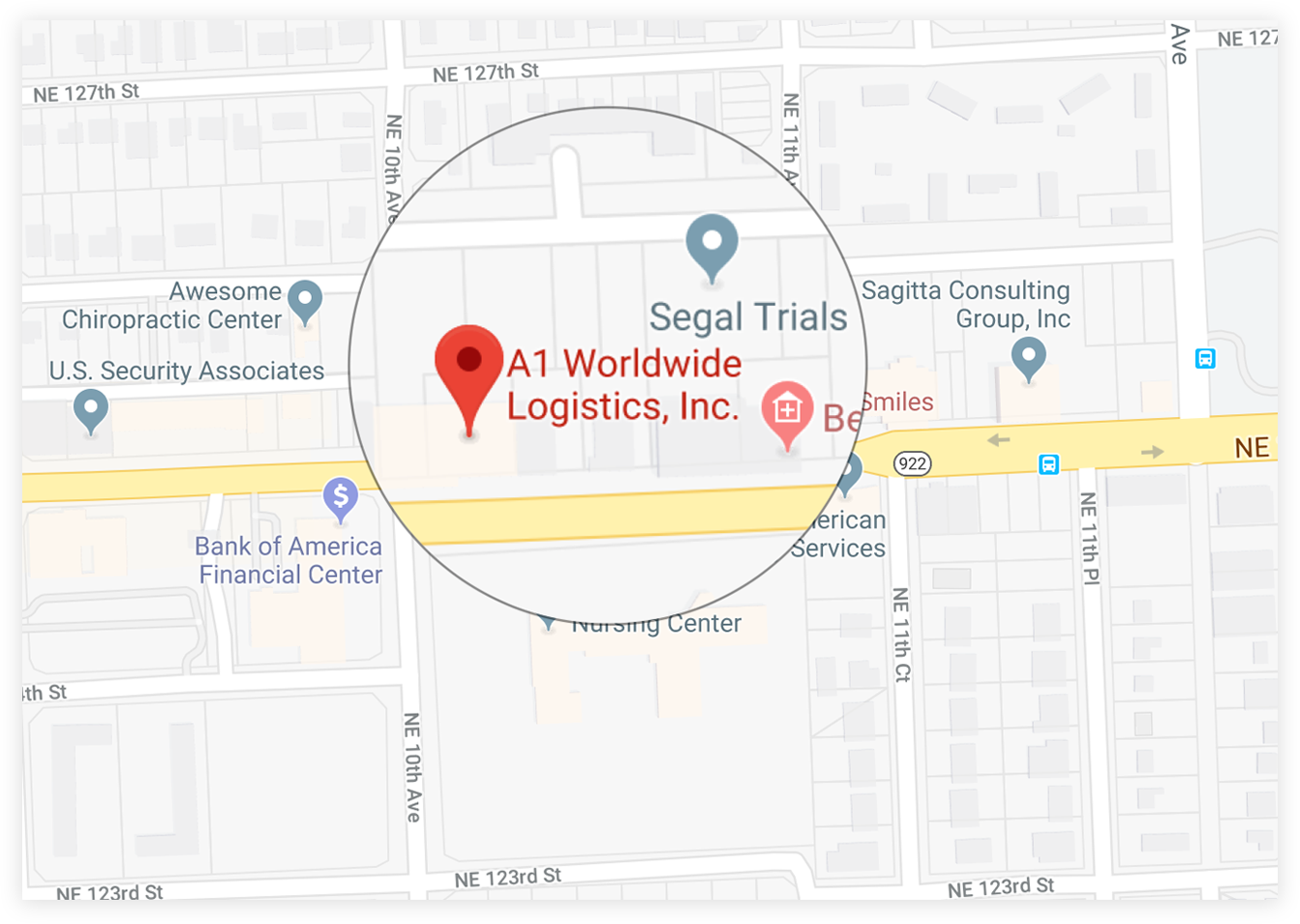
 1035 NE 125th St Suite #320, North Miami, FL 33161.
 a1worldwidelogistics.com
 (305) 821-8995
 Hours: 8AM - 5PM