by Rob Simmons | Oct 18, 2021 | Shipping Logistics, Supply Chain
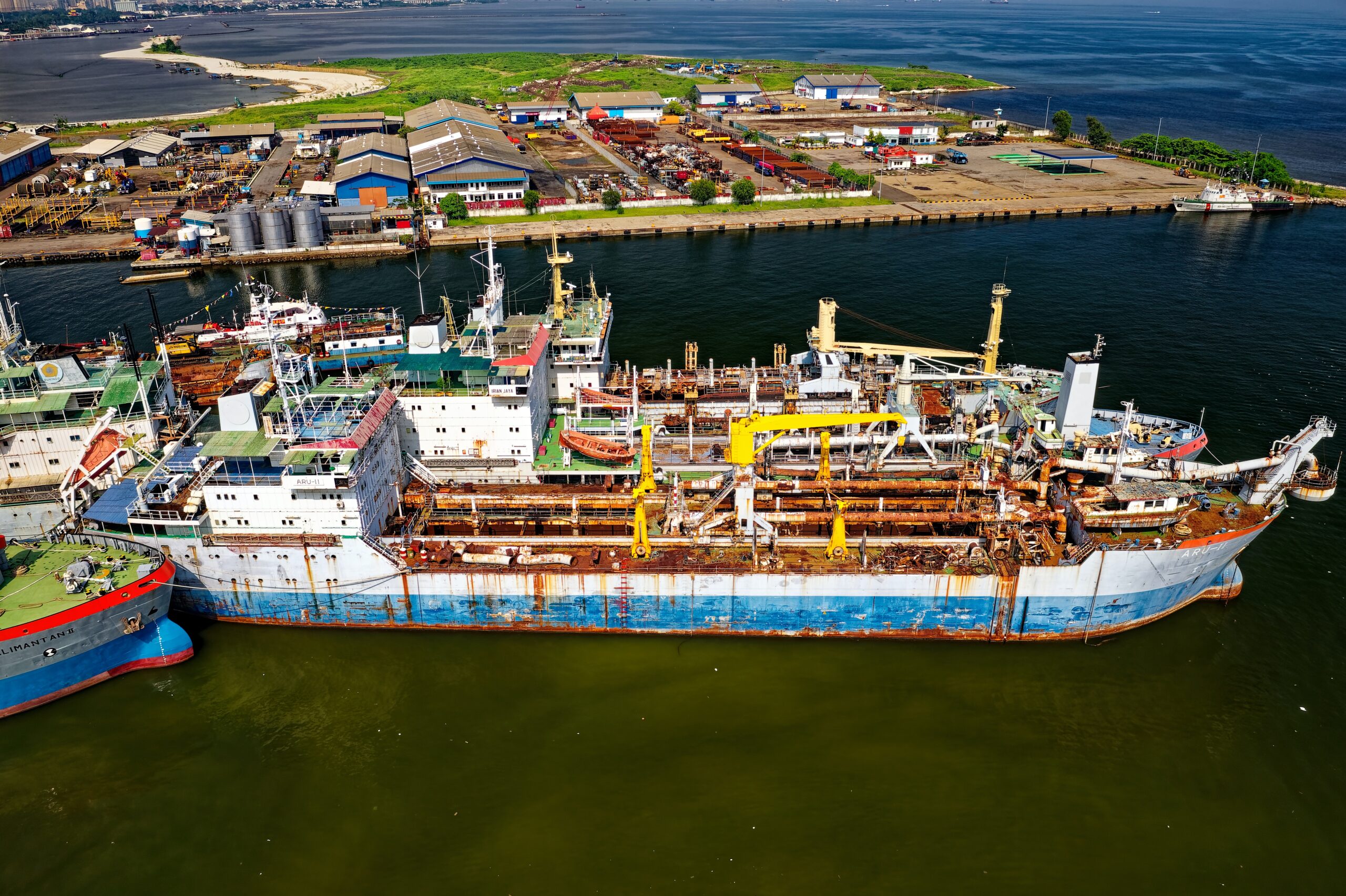
Worldwide shipping costs continue to rise and companies are now looking at ways to optimize their supply chain logistics to protect against these costs.
Why are Shipping Costs Rising
Different reasons such as e-commerce demand, port congestion, and containers shortages are leading to a rise in freight costs. The coronavirus pandemic created a reliance on e-commerce which created a demand for freight to be shipped internationally. With an increase in global shipments, the capacity for different types of shipments became tight. Conveyances such as air shipping, ocean shipping, and even trucking experience an increase in volume. This led to carriers increasing their costs for space.
The shipping price for ocean containers rose drastically over this year. The global average to ship a 40ft container rose to over $8000 this year alone. This is more than 4 times the amount it was last year. There has also been a shortage in container production, adding to the increase in container costs. Companies and retailers that move goods globally are becoming more aware of the transportation costs and are adjusting the logistics of their supply chains to prepare. Here we will explain how companies are lowering their supply chain costs.
How are Companies Optimizing Their Supply Chains
Having Enough Inventory – With a large amount of congestion currently present in ports around the world, retailers are preparing their supply chains beforehand. The backlogs in seaports mean that freight ordered right now could take weeks longer to get to the customer compared to if the freight was ordered a few months ago. The inventory may have to be ordered in advance and be core products. These are products that are the most popular with the customers and tend to run out the inventory the quickest.
Bringing Fewer Products into the Market – Instead of introducing new products into the market, companies are having a greater focus on current core products. This can help increase revenue while lowering costs. The profit that may come from a new product may be less than the potential profit generated from an existing core popular product. Also, the supply chain expenses that go towards launching that product may be high.
Revising Contracts – Certain companies are negotiating with their shippers to change the terms of their contracts. This could mean changing the contract to ship only a certain volume of freight at a time to benefit the company. Negotiating contracts may be harder to do if the shipper is a larger company like FedEx.
Understanding your Various Costs – Since supply chains are usually different pieces working together there can be different costs involved. This can range from production costs to investment costs and even transportation costs. Companies are looking at their budgets and analyzing where their expenses are going in their supply chains. Unnecessary expenses can be cut and used for other means.
A1 Worldwide Logistics
Rising shipping costs may seem alarming to companies and individuals planning to move their freight globally. However, knowing what to expect is essential in protecting you or your companies supply chain when shipping. Hiring a good freight forwarder is a way to do so. A freight forwarder is an agent that coordinates the shipment of goods from point A to point Z. Forwarders help clients understand the shipping industry and moves the freight for them. If you are planning to move goods or need help with the logistics of any part of your company’s supply chain, contact us at a1wwl.com. Our trained forwarders are here to guide you through the entire shipping process until it reaches the final destination.
by Rob Simmons | Aug 18, 2021 | Freight Forwarding, Shipping Logistics, Transportation
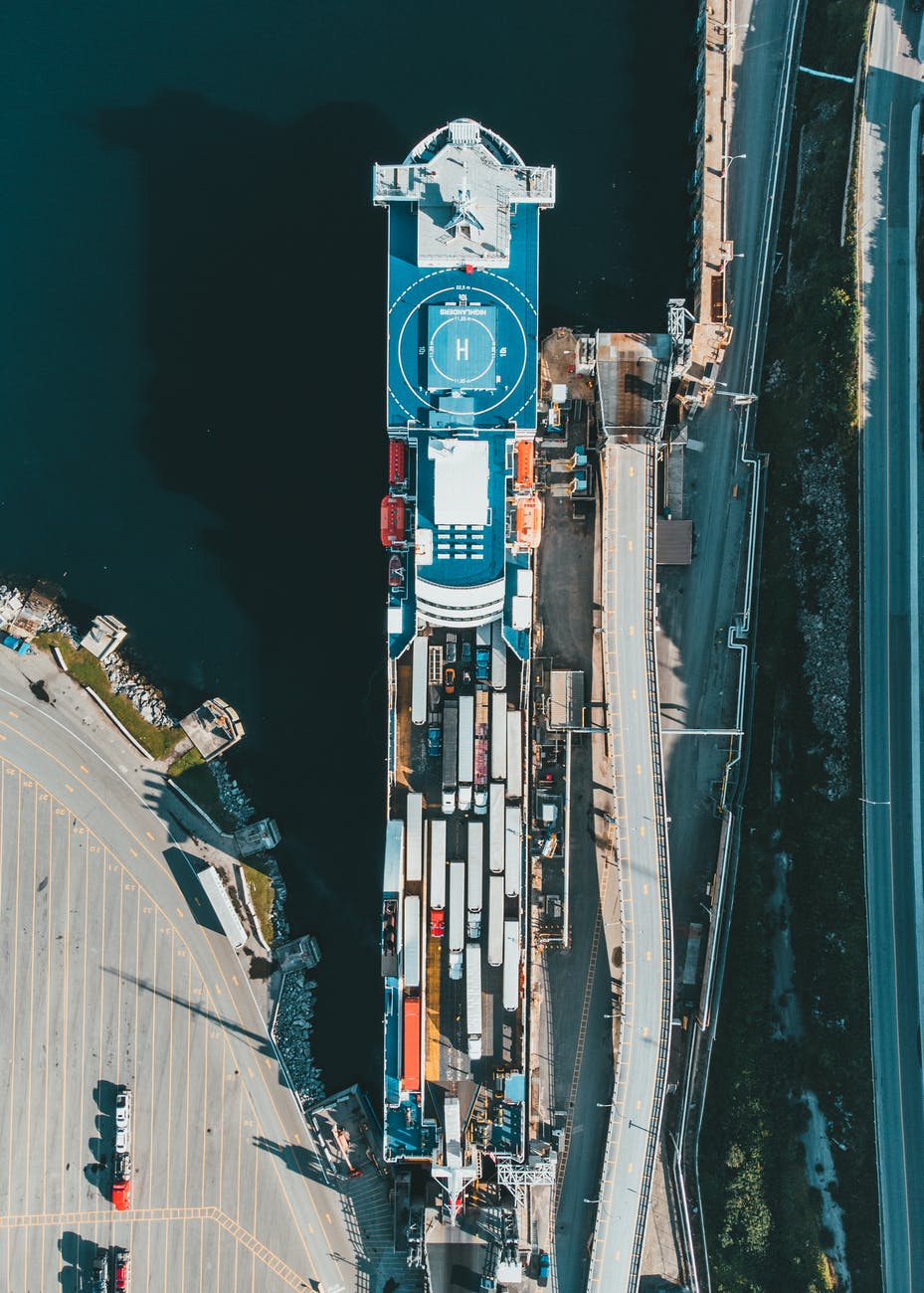
In 2021, the international freight market has seen various disruptions that have led to container prices skyrocketing. It was recently announced that a company would have to pay an ocean carrier a record $32,000 if they wanted to move containers to Los Angeles from Shanghai, China. The prices have gotten to a point where they are too high for some companies to afford. Certain importers that usually depend on cheap shipping are being priced out and are having to make difficult choices.
Larger companies that import more expensive products may be able to keep up with the growing prices, but smaller companies may be soon forced to look for different solutions. This could mean importing freight from different countries that may offer a cheaper price per import. Another resolution that some companies are being forced to do is to put a hold on part of their inventory. This means that fewer imports would come in which could help save capital. The downside is that this may limit the potential profit.
The Effect of Fright Shipping Delays on Companies That Ship
To accompany the rise in shipping prices, the delays in freight shipping seem to be persistent as well. A potential reason behind this is that the rate that the customer is spending has gone up, partially in North America. This is creating the need to borrow equipment such as containers from other places in the world. The result is a scarcity that may create port congestion and keep the delays going.
To combat the delays, Companies are choosing to order their freight much earlier than before, so it arrives on time. With the freight demand increasing, many vessels are quickly filling up in terms of capacity. This puts pressure on the shipping rates and causes them to rise. It has gotten to the point that carriers had to call off shipping journeys to reschedule and keep up with the load.
Global Supply Chain Impacts in the Last Few Weeks
The rise in container prices can be traced back to different disturbances in the supply chains of the international freight market. Situations such as the coronavirus pandemic, the Ever Given ship being stuck in the Suez Canal and container shortages have strained supply chains and rose freight prices over the last year. However, in the last month, more situations have added to the strain.
In the past weeks, a new coronavirus variant named delta has been making its presence felt global. Individuals who have previously been vaccinated have been reporting positive cases. Seaports around the world are reporting that they are understaffed due to the virus. Ports in Vietnam and Malaysia are currently dealing with freight backlogs because of lockdowns, and this may worsen as the holiday season approaches.
In China, an already delayed port area is currently dealing with typhoon In-fa. Asia is not the only area that is dealing with supply chain delays. Other small disruptions are having their own small-scale impacts which have a compounding effect globally. Ports in South Africa are being forced to shut down because of violence due to the incarceration of Jacob Zuma; the former president. In Canada, the Port of Vancouver has been experiencing railroad freight container delays due to nearby wildfires. The current increase in container costs is the aggregate of all of these situations in the past month and year.
Will Prices Ever Return to Before Covid Amounts
With analysts predicting that container rates will rise in the coming weeks and months, it could take a while before container prices start decreasing. Some shippers believe that it may take more than a year for prices to return to pre-covid amounts. This could be because the amount of shippers importing, and exporting is growing fast compared to the number of vessels and containers available. The freight ships that are currently being built may take well into 2023 before they are available for public use. It may also be possible that container prices may never return to pre-covid levels.
A1 Worldwide Logistics
With everything that is happening in the global shipping industry, it is more important than ever to be prepared before shipping. If you plan on moving freight and want to be well informed on what to expect, contact us at 305-821-8995. Our experienced freight forwarders are here to guide you through this particular time for shipping and help you move to move your freight to its final destination.
by Rob Simmons | May 14, 2021 | Customs Broker, Customs Broker Miami, Customs Clearance, Freight Forwarding, Technology
Since its start in the early 1800s freight forwarding has developed into a whole industry. As logistics and technology have evolved over the years, so has freight forwarding. Innovations in forwarding have led to goods being moved around further distances faster. Supply chains also grew to be more well-built and resilient. Recently, a common trend that we may be seeing more of is freight forwarding companies becoming more digitalized. These digitalized forwarding companies have also seen increasing collaborations with TMS providers to enhance their capabilities.
The Benefits of more Digitalized Forwarding
The process of freight forwarding is intricate with many different components involved. If one thing goes wrong, it may harm the whole process. For example, If the paperwork is incorrect at the start, the freight may not be allowed to reach the final destination. Digitalized forwarding allows simple mistakes to be avoided. When the paperwork is transferred into a system, errors can be checked for much easier and in a timely manner. Also, the documents can be re-examined conveniently since they up uploaded and viewable at any time.
Another important benefit is that the tracking of the freight is much more possible. This is because real-time tracing allows for constant updates of your shipment. The date that the freight will reach its final destination may also be predicted much easier. The quotation process may also become more accurate. Although it may be costly to transition into a more digitalized system the benefits can outweigh the costs. One way many companies are doing this is by adopting a TMS platform.
What is a TMS?
A transportation management system (TMS) is software that provides a clear view of the operations of the freight shipping process. This is by having digital access to information such as the coordination and movement of freight. It also assists with planning and record-keeping of the freight. When a freight forwarding company partners with a TMS like Descartes or BluJay, the supply chain processes become more efficient. Over the next few years, a large number of freight forwarding companies could transition into becoming paperless and using TMS software.
A1Worldwide Logistics
if you are looking for a freight forwarder to move your goods internationally, were here to help. We organize the transport of freight by various ways such as ocean and air. We also assist with drayage services. If you are looking for a free quote, call us at 305-821-8995 or email us at info@a1wwl.com.

by Rob Simmons | May 10, 2021 | Freight Forwarding, Supply Chain, Transportation
Last year there were reports of a global freight container shortage. This shortage has continued on to this year. The demand for containers greatly outnumbers the number of containers available. With the current state, the shortage may continue until the end of 2021 and even into 2022.
When did this Shortage Begin?
The start of this shortage was believed to happen in mid to early 2020 during the coronavirus lockdowns. With the pandemic establishing quarantine worldwide, people resorted online to purchase their goods. Freight that is purchased online tends to be imported internationally. In 2020, Ports in the U.S. saw an overwhelming number of ships carrying freight arrive at their terminals. This large volume led to congestion across the nation, and we may be still seeing the side effects today.
Why is the Shortage Persisting?
There are many reports as to why there may be a lack of freight containers. One explanation previously mentioned is that a large number of ports have not recovered from the blockage. The number of new containers being sold has also remained sluggish. This may be because the cost of a container has risen greatly in a year. In 2020 the cost of a new container was around $1800. In a year, the cost rose to $3500. Combine the increasing price with the lack of inventory and it creates an unfavorable situation.
Another reason could be the Suarez Canal blockage. This added to the situation because of the large number of ships that were blocked. Over 350 ships carrying thousands of containers were delayed. The Ever Given itself can hold over 20,000 containers of freight. The blockage also led to ships taking the longer route through the Cape of Good Hope, resulting in long delays. Also, Chinese ships that were planning to go through the Suarez Canal are turning around at such a rapid rate that they are dropping empty containers behind. Adding to the scarcity.
Is There an End
As everything recovers from the hectic year of 2020, there may be light at the end of the tunnel sooner than later. The manufacture of freight containers has gone up in 2021 compared to last year. Although this production is still not enough to overcome the current shortage, it may be a sign of things to come. As the economy steadily returns to pre-coronavirus, more freight may start to be shipped globally. This could result in the need for more containers and more production, along with the end of the shortage.
A1WWL
If you are looking to import or export freight internationally and need a quote, call us at 305-821-8995 or email us at info@a1wwl.com. We provide hands-on service with your freight all the way to its final destination.

by Rob Simmons | May 5, 2021 | Customs Broker, Customs Broker Miami, Customs Clearance, Freight Forwarding, Shipping Logistics
With e-commerce becoming more common over the years there has been a stronger need for logistics than in the past. Especially with the coronavirus forcing many to purchase their goods online. In Amazon’s case, this led to an expansion of Amazon’s freight delivery stations. When customers purchase goods online, they tend to expect the goods to reach them in a timely manner. Amazon took note of this and created freight delivery stations all across the United States to meet customer needs. In 2021, the number of delivery stations is predicted to be over 500 by the end of the year.
What is a Delivery Station
To understand what a delivery station is, it is important to understand insourcing. Insourcing means using a company’s own resources to complete a job that was previously done by an outside source or a third party. In Amazon’s case, the delivery station acts similarly to the U.S. Postal Service. Once the freight reaches the postal service, they get prepared for final mile delivery. Instead of outsourcing for final mile delivery services, delivery stations give that task to Amazon.
The delivery station is just one of the many different ways that Amazon is expanding its logistics operations. With the growing demand from the customers, the delivery stations are improving Amazon’s supply chain. This is by widening their reach and having the customers get their freight in a swifter manner. Amazon’s Wagon Wheel program is also allowing for the development of delivery stations in rural, secluded areas. The plan is for amazon to one day have total coverage of the U.S.
Advancements in Logistics
Delivery stations are just one of many examples of how companies like Amazon are developing ways to meet the logistical needs of the customers. Before the goods even reach the delivery stations, they may have to go through the sorting centers or fulfillment centers. Fulfillment centers are where the items from orders are picked and moved to sort centers. Sorting centers are where these items are put together and then are moved to delivery stations. With more of these types of warehouses being built across the U.S., Amazon is demonstrating how the logistics process is growing and developing.
Other companies like FedEx and Home Depot have followed the trend as well. FedEx is currently creating warehouses solely for storing and moving large freight. Home Depot has also created centers such as last-mile centers similar to Amazon to deliver to the customers. With all of the recent growth, there can be no telling what lies in the future for the world of logistics.
A1 Worldwide Logistics
If you are looking for final mile delivery services such as local pick-ups and deliveries for your freight, call us at 305-821-8995. We make sure that your goods are handled with care throughout the whole journey up to the final destination.

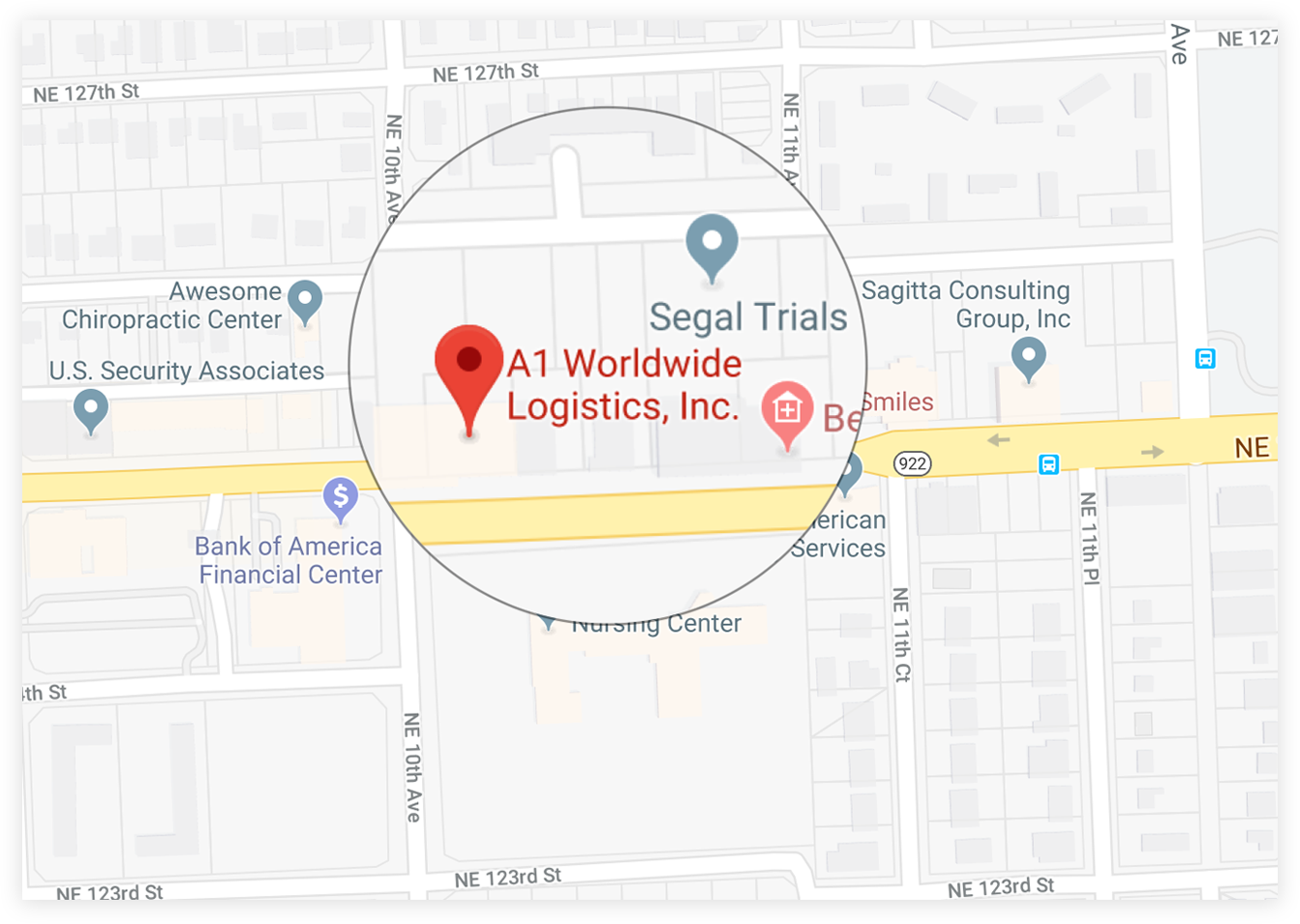
 1035 NE 125th St Suite #320, North Miami, FL 33161.
 a1worldwidelogistics.com
 (305) 821-8995
 Hours: 8AM - 5PM