by A1 WorldWide Logistics | Oct 12, 2023 | Customs Clearance, Freight Forwarding, Shipping Logistics
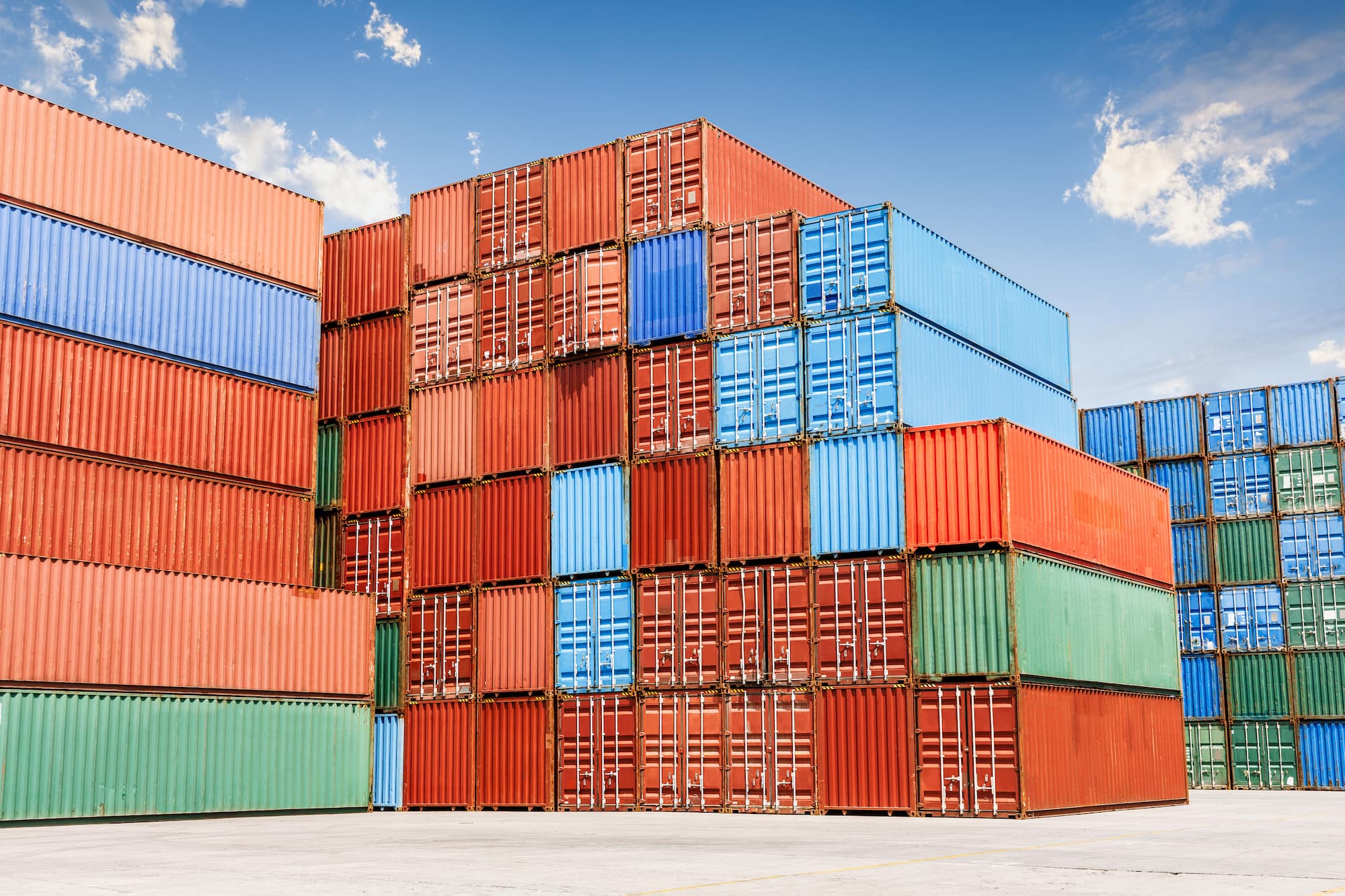
While the term demurrage may seem unfamiliar to new shippers, knowing how to avoid demurrage charges is essential when shipping. Demurrage is a fee that port officials place on cargo that overstays its time at a terminal. Also known as the last free date (LFD), this period is the final day that goods have free storage time. LFD can depend on various factors, such as a vessel’s arrival time at a port. Demurrage differs from detention charges when the importer exceeds the time for using the container outside the port terminal. This article will explain the causes of demurrage costs and how shippers can avoid these fees when moving goods internationally.
What are the Causes of Demurrage
Several situations can lead to cargo getting stuck at a port. One of the most common reasons this happens is because of documentation issues. If the paperwork is incorrect or missing, the shipment must stay on hold and may collect demurrage charges. An example is a Bill of Lading (BOL) with incorrect cargo or address data. The documents must also reach the receiver on time, meaning the shipper must gather the paperwork in advance. If an original BOL is lost, a shipper must take several recovery steps, which can take several days.
Another scenario that can lead to demurrage charges is a delay due to cargo inspection. Once the shipment reaches the port of import, customs checks it before clearance. If customs notices an incorrect HS code, they will place the goods on hold. A Harmonized System (HS) code is a number that customs use to classify cargo for tariff payments. Other occurrences unrelated to the shipper, such as labor strikes and bad weather, can also cause goods to remain at ports. Importers must also pay late invoice payments to prevent more costs from racking up. While several scenarios can lead to demurrage, the shipper can avoid and avert most.
How To Avoid Demurrage Charges
Although avoiding demurrage charges from situations like a labor strike is impossible, shippers can still prevent it from happening. Knowing the dos and don’ts of importing goods into the U.S. is essential. The importer should do the paperwork correctly, entirely, and on time. Before shipping, you should know the free days in your shipment contract and plan accordingly. Understanding the customs clearance process and what can go wrong is also essential. The regulations for importing can vary based on the port and the type of goods brought in. Drayage to a less costly off-port storage is ideal if your facility is not ready to receive the cargo.
Hiring a Freight Forwarder
The amount of information in this article may be confusing for first-time shippers. One of the most efficient ways to avoid demurrage charges is by having the help of a freight forwarder. A freight forwarder is an intermediary between the shipper and the final destination. They specialize in arranging cargo movement on behalf of the shipper and handle the logistics of your shipment. Along with educating you on preventing demurrage, they coordinate with the ports to ensure it doesn’t happen. Contact A1 Worldwide Logistics at 305-821-8995 to speak to one of our forwarders regarding starting your transport journey. We also have customs brokers to clear your shipment once it enters the U.S.
by A1 WorldWide Logistics | Sep 27, 2023 | Freight, Supply Chain, Warehousing
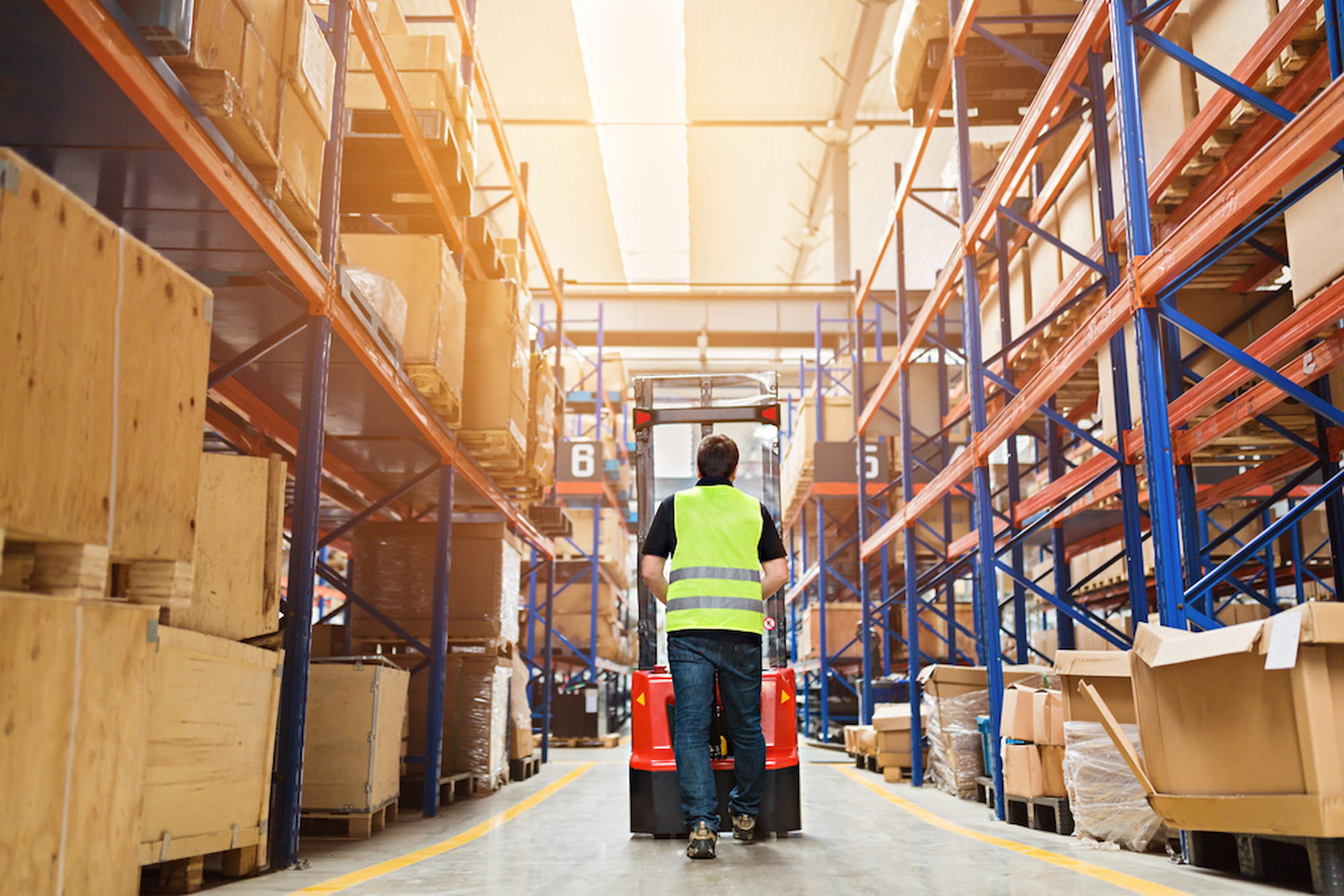
Over the last few years, the shipping industry has seen a trend of on-demand warehousing growing. The coronavirus pandemic led to a surge in this type of warehousing for retailers. On-demand is a type of warehousing in which services are readily available to the customer when needed. They provide flexibility and swiftness to supply chains and do not require long-term commitment. In 2022, an on-demand logistics company reported that its customers grew by roughly 128% in 2020 compared to 2019. The company even built facilities across North America to accommodate the freight.
What Led to On-Demand Warehousing Growing
In early 2020, when the pandemic began in the U.S., many speedy fulfillment companies like Amazon temporarily limited operations. The main products that came into the fulfillment centers were essential freight needing to move out urgently. This resulted in the inability of a substantial number of sellers to use the warehousing services to move their goods to their customers. Many sellers immediately searched for other substitutes to store and move their goods out quickly. This led to the growth of on-demand warehousing providers. The recent surge in e-commerce also created a need for on-demand warehouses.
On-Demand Warehousing VS Traditional 3PL
3PL or third-party logistics is the use of a separate third party to provide services. This can include the shipping of freight and warehousing for a business. Despite the boom in on-demand warehousing, some believe that traditional 3PL warehousing is the better solution. Traditional 3PLs offer a range of services for long-term relationships. Conventional warehousing companies have more excellent knowledge and experience because of their long-term relationships.
One of the main differences between on-demand warehousing and the traditional 3PL model is their method of offering warehouse space. With traditional 3PL, warehousing tends to be in one or a few centralized locations. They may have more direct, longer-lasting relationships with their clients. On-demand warehousing where the 3PL is the middleman between a business looking for a warehouse and the actual facility. While less direct than traditional 3PL, this is ideal for short-term fulfillment. Even with the differences, these warehousing solutions are equally crucial for extensive supply chains.
A1 Worldwide Logistics
Logistics is the organizing and executing of a complex task or operation. This can involve several different components that work together to produce a result. When moving freight internationally, warehousing is a typical part of the supply chain and logistics aspect. Once cargo enters the U.S., taxes and duties must be paid before the freight reaches the importer. If the importer does not plan on receiving their shipment or paying duties at a specific time, they can keep their imports in a customs-bonded warehouse.
A customs-bonded warehouse is a facility where a shipper can keep imports without paying taxes and duties for up to 5 years. A1 Worldwide Logistics provides a custom bonded facility to store your cargo before you are required to pay taxes or duties. This is ideal if you plan to save money and find customers for your goods. Contact us at 305-821-8995 to learn more about our various supply chain solutions. Along with warehousing, we provide freight forwarding, customs clearance, trucking, and more.
by A1 WorldWide Logistics | Sep 21, 2023 | Freight Forwarding, Shipping Logistics, Supply Chain
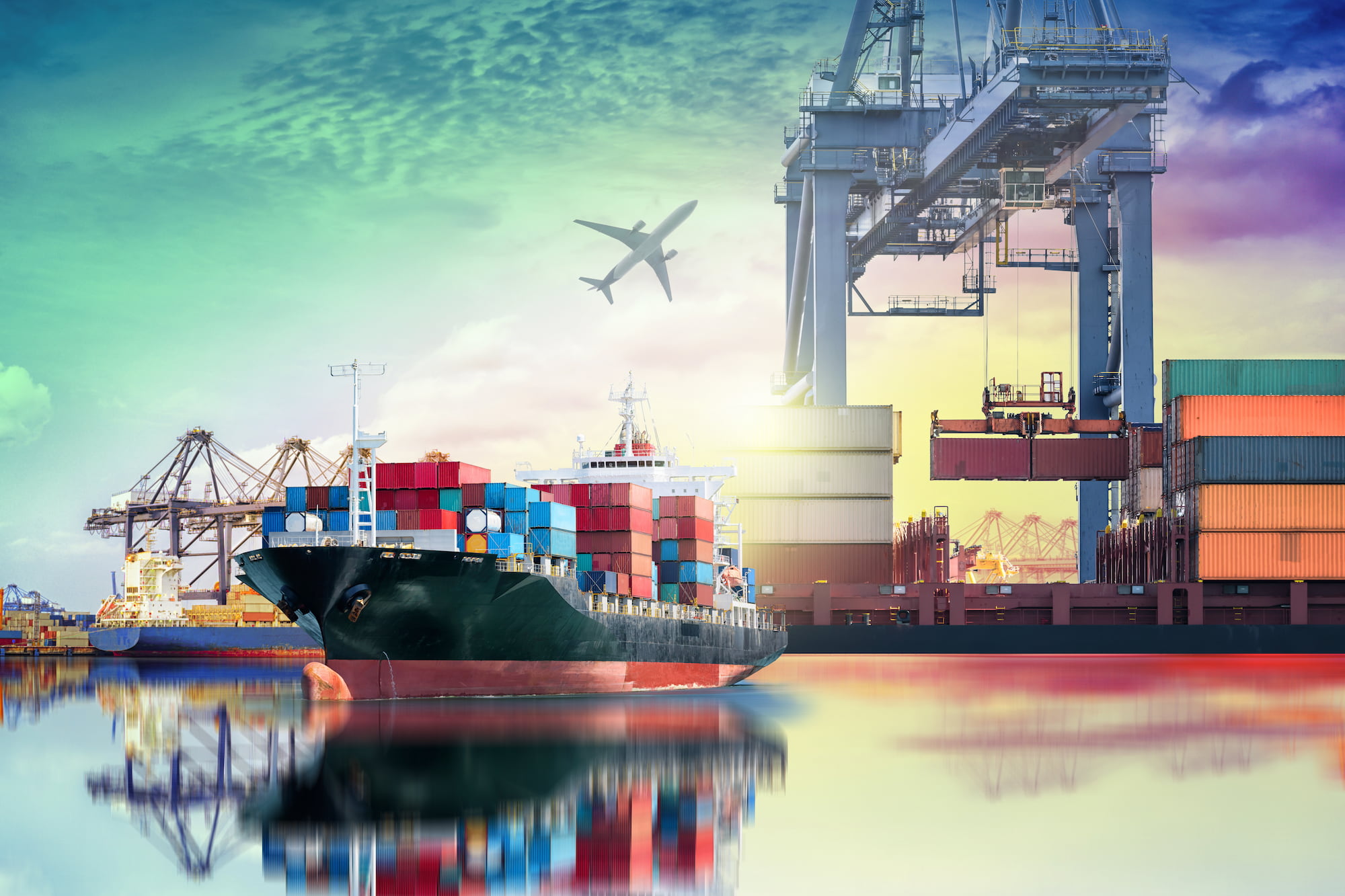
A question that shippers ask themselves when moving goods internationally is whether they should start shipping by air or ocean. Beginning shippers with limited experience tend to be unfamiliar with the two methods of transport. It is essential that importers and exporters fully understand these methods of conveyance and know how they compare and contrast. Failure to understand their differences can result in monetary loss and supply chain disruptions. There are many factors like contents, weight, size, content, and supply chain goals to consider when choosing. This article will introduce shipping freight by air and ocean and explain the differences when choosing between the two.
Moving Cargo By Air
Air shipping is when an air carrier transports freight internationally. The aircraft may be commercial or chartered, with the sole purpose of shipping. This method of conveyance was the last to grow compared to sea shipping but is equally essential for shippers. The most significant benefit is the fast transit times, ideal for time-sensitive cargo. Examples of goods that tend to move by are perishables, high-value commodities, and pharmaceuticals that carriers must deliver quickly. Retail companies with global customers also benefit from air shipping due to the demand for speed. Another benefit is the high level of reliability that air freight offers.
A significant number of supply chain disruptions are due to congestion and traffic. Since freight volumes tend to be smaller at airports, congestion is less common. There also tend to be multiple flights to a city daily, meaning A shipment can be moved to another plane when an issue arises. Airports also tend to have strict regulations for cargo, leading to higher security than other transportation methods. An effect of the benefits is that shipping costs for air transport are usually more expensive than other conveyances.
Moving Cargo by Ocean
Ocean or maritime shipping is the process of moving cargo internationally by sea. A vessel like a containership transports the freight to a seaport. One of the greatest advantages is the significant amount of cargo that carriers can move by ocean. With nearly 80% of the world’s shipments transported by sea, it is an integral part of international trade. Individuals and companies transporting large amounts of goods benefit from this conveyance method. Ships also allow the movement of many types of cargo since a container can fit many items. A shipment larger than containers, like construction equipment, can still go on a vessel.
Compared to other transportation methods, containerships also allow for transporting heavier goods. For example, ships can offer roll-on/roll-off services to bring cars onboard. Another advantage of sea shipping is that it is usually more cost-effective than other conveyances. The freight that benefits the most are bulk goods like raw materials and non-perishable products. Businesses that ship large volumes of cargo also benefit. Since the load is moving by ocean, the transit times may be longer than other ways of transport.
Should I Begin Shipping by Air or Ocean?
While both methods can be equally valuable to a supply chain, specific shipments benefit from one. When choosing to ship by air or ocean, you should have the end goal in mind. For example, ocean shipping is ideal if you plan on moving large amounts of cargo. If your goal is to move goods quickly, shipping by air can be the best solution. To begin your international shipping journey, contact A1 Worldwide Logistics at 305-821-8995. We have freight forwarders to help you find the ideal transport method for your shipment.

by A1 WorldWide Logistics | Sep 7, 2023 | Customs Clearance, Importing, Shipping Logistics
Compared to bringing material goods, importing pets into the U.S. has its characteristics and challenges. While getting pets into the U.S. may be easier than other countries, there are essential regulations shippers should follow. Failure to comply and prepare correctly can lead to customs holding your pets and monetary loss. Customs may even send your pet back to the country of exportation. The reason that the importation of animals is stringent is to protect both the pets and people. For example, a dog with rabies can be potentially fatal to humans. This article will briefly introduce the requirements for importing pets into the U.S. and what to expect.
What is Required Before Importing Pets Into The U.S.
When deciding to import pets into the U.S., the first step is to research the exporting country’s requirements. For example, countries like Vietnam, Brazil, and Nigeria require screwworm inspection before importing dogs. Agencies like the CDC, USDA, and APHIS are in charge of setting the policies for pet importation. It is also essential to understand the specific pet has prerequisites, which can vary based on the animal. For example, birds weighing over 100 grams must have a microchip, leg band, or tattoo to qualify for home quarantine. Specific birds like chickens and ducks also are not considered pets and are poultry, meaning they must meet different requirements.
Types of Documentation Required
Although the paperwork for a pet import depends on the animal, there are common documents that a shipper may require. Examples of some of the paperwork include:
- Rabies Vaccination – When bringing a dog into the U.S., high-risk countries like Brazil, Thailand, and Russia require certificate proof of rabies vaccination. Countries not high risk do not need vaccine proof, but the pet should be healthy and disease-free. Cats do not require rabies vaccine proof for import; however, certain U.S. states require it before entry.
- Import Permit – Certain states require an import permit for nonnative, non-domestic, or endangered wildlife species entering the U.S. Dogs from high-risk countries must also have import permits.
- Health Certificate – A Health Certificate is a document that certifies that your pet is healthy and disease-free. Airlines require a health certificate around 7 to 10 days before travel. Most airlines deny entry into the U.S. if the pet does not have one.
Contact a customs broker for a detailed explanation of the importation documents. After the shipper obtains and completes the necessary paperwork, they may contact a carrier to begin importing. While an importer can use many airlines for bringing pets into the U.S., they must be aware of container requirements.
How to Begin
While researching the requirements should be done before importing a pet, it may not guarantee a successful importation. Situations like incorrect paperwork disrupting the shipping process can still occur. This can be especially true when importing less common pets like reptiles and amphibians. The best way to prepare is by contacting a customs broker to handle the process. A broker ensures that all the documentation is correct, and that the shipper follows regulations. Contact A1 Worldwide Logistics at 305-821-8995 to speak to a customs broker about starting your importation journey. We also provide domestic transport to move your pets to the final destination once they arrive in the U.S.
by A1 WorldWide Logistics | Aug 31, 2023 | Freight Forwarding, Shipping Logistics, Supply Chain
Shippers should always take precautions when moving goods internationally, which can mainly be true when shipping during the Hurricane season. The Atlantic hurricane season is a time from June to November when more hurricanes appear in the Atlantic Ocean. This period coincides with the peak shipping season when exporters move the most cargo domestically and internationally. The need for supply chains to run smoothly increases with the amount of freight that is moving. The hurricane season may affect the supply chain process and disrupt freight movement. This article will explain what could happen when shipping internationally during a hurricane and how a shipper can prepare.
What Can Happen When Shipping During The Hurricane Season
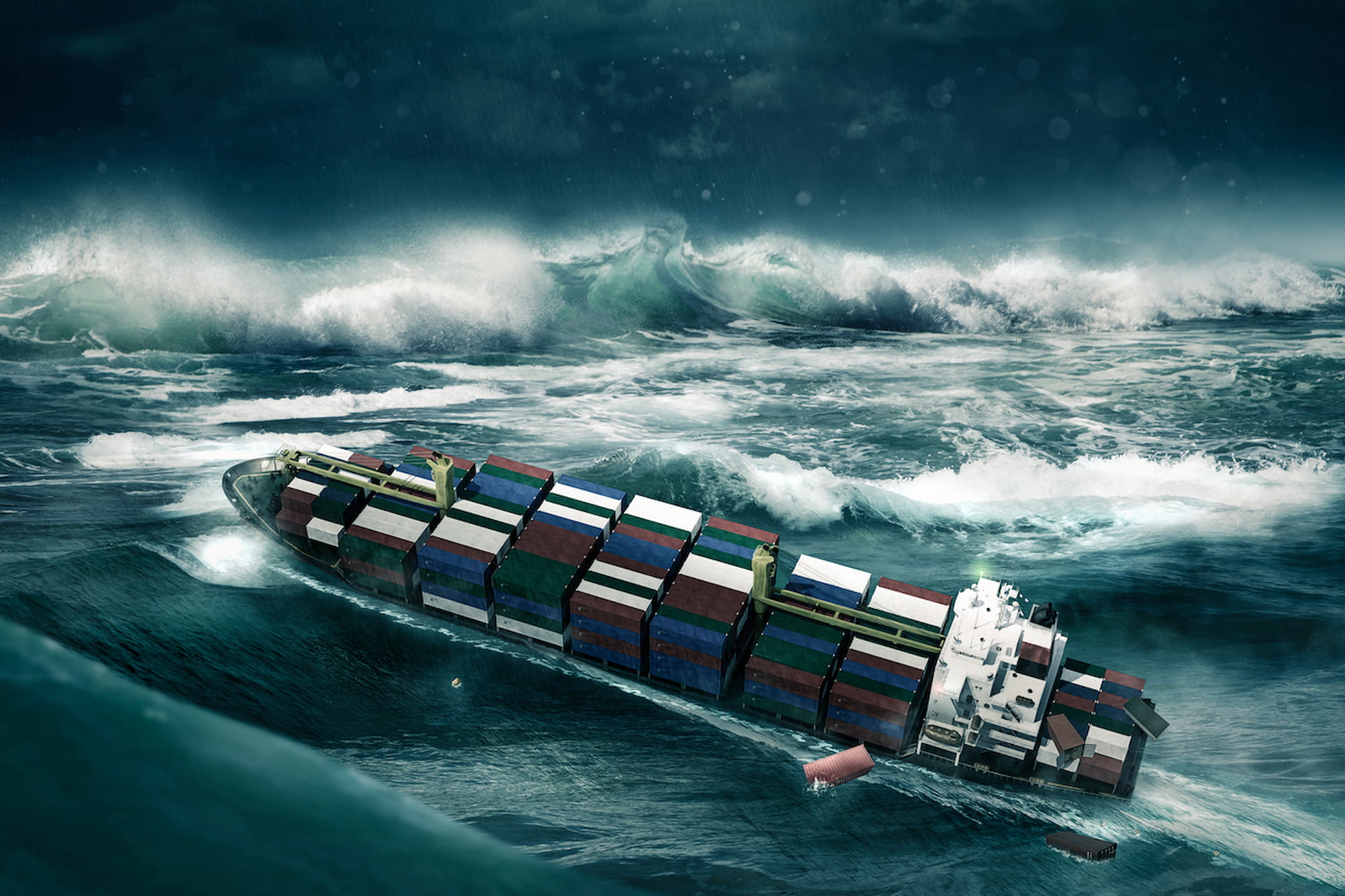
The most significant impact a hurricane can have, directly and indirectly, is freight movement. For example, shipping by sea during a storm can result in the disappearance of cargo. In 2012, Hurricane Sandy reportedly caused a loss of over 15,000 containers at sea. While containers can withstand severe weather conditions, strong winds can still damage them. For a supply chain, this can mean significant monetary loss. Containership companies use a standard method to protect cargo by making ships heavier. Carriers do this by adding more containers to the vessel to protect against storm waves.
Indirectly, carriers reroute to prevent being in a storm’s path. Rerouting may cause delays in the shipping process, resulting in a loss of money from extra charges. An example is an increase in fuel costs. Along with loss and physical damage to cargo, power outages can also disrupt a supply chain during a hurricane. Power outages in ports may halt operations and slow down the shipping process. Specific ports may even close for a few days, impacting transportation routes globally. Another impact is that the demand for various items increases during hurricane season. The shipping of commodities like groceries and home repair items increased during this period.
How To Prepare
While uncontrollable situations can happen when shipping during the hurricane season, there are ways a shipper can prepare. One of the ways to protect yourself from freight loss is by getting cargo insurance. This insurance protects the value of a shipment stolen, damaged, or lost in transit. The shipper pays a small premium covering the amount specified in the carrier’s insurance policy. Another way to prepare is to plan ahead before moving goods internationally. An example is using the weather forecast to determine the transportation route to avoid weather disturbances. Planning also includes looking for alternative ports when a hurricane causes a port closure or delay.
While shipping during a time with many hurricanes may be daunting, It should not stop you from moving your freight. Companies still require the success of their supply chains when moving goods to their final destinations. However, a shipper must make all of the necessary preparations before starting. Another way to prepare is by finding a freight forwarder to coordinate the movement of your shipment for you. Forwarders ensure the delivery of your cargo while guiding you through the process. They also explain the best steps to take when shipping during events like a hurricane. To speak to a freight forwarder, contact A1 Worldwide Logistics at 305-821-8995.

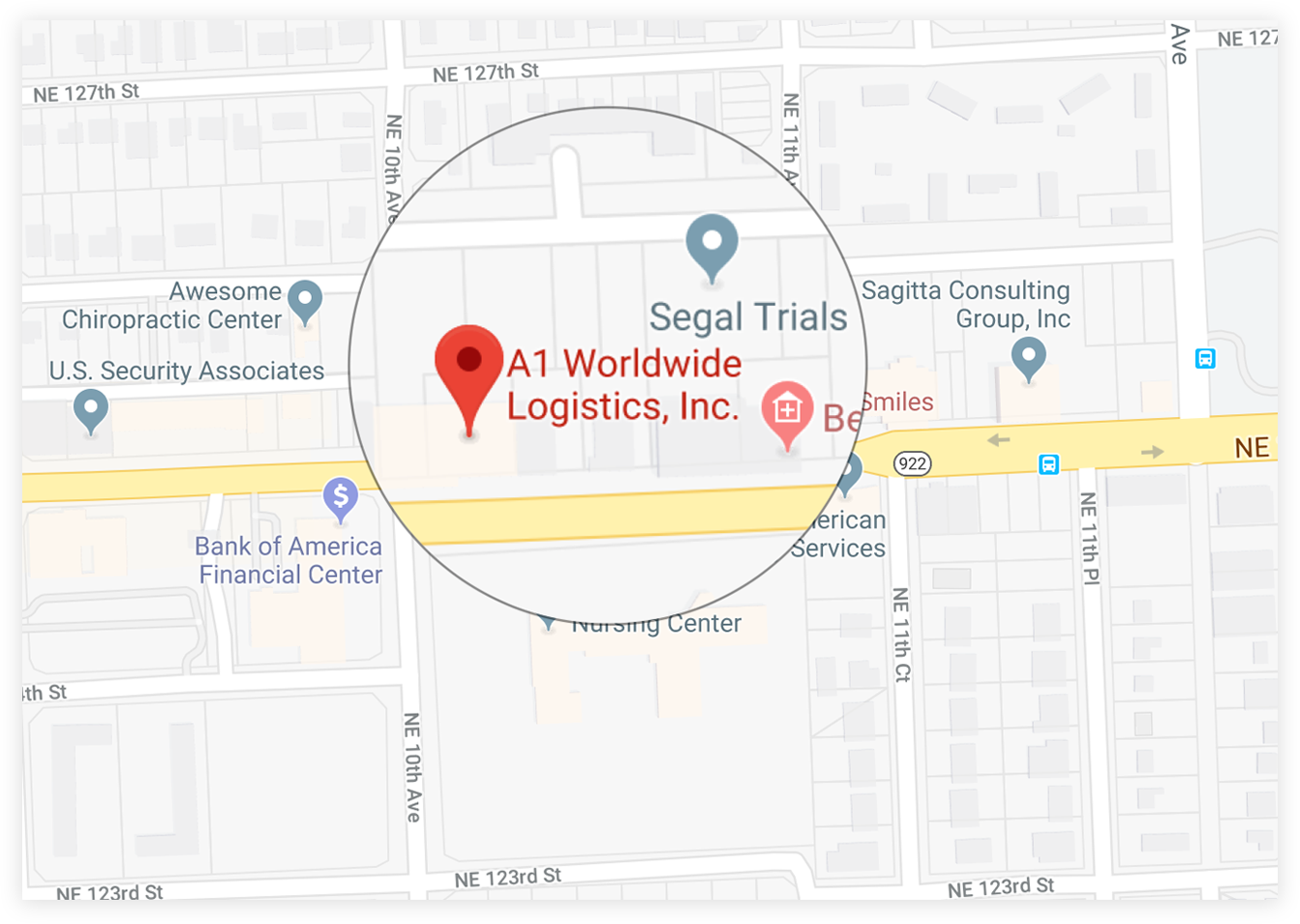
 1035 NE 125th St Suite #320, North Miami, FL 33161.
 a1worldwidelogistics.com
 (305) 821-8995
 Hours: 8AM - 5PM