
by A1 WorldWide Logistics | Jun 29, 2023 | Importing, Shipping Logistics, Supply Chain
U.S. short-sea shipping is one of the trends in cargo movement that has recently surged. Short-sea shipping is a method of cargo movement involving maritime transportation over short distances instead of between continents. An example is using a west coastline to ship from the Port of Seattle to the Port of Long Beach. This can also mean transporting goods to different countries; however, the method involves small inland waterways and coastlines. While shippers did this practice since ancient times, the last few centuries saw a gain in traction in Europe. Today, the EU (European Union) moves nearly 40% of all freight utilizing short-sea shipping.
Benefits from U.S. Short Sea Shipping
Similar to Europe in the past, the U.S. has recently been growing its dependence on short-sea shipping. The shift to waterborne shipping in the U.S. has not been as quick. This is because most of the U.S. is not economically accessible by water compared to Europe. Despite this, shippers have made steps towards short sea shipping. Many advantages have become evident as shippers and carriers have jumped on the trend. The main benefit is that transportation time decreases drastically. The U.S. has nearly 20,000 navigable channels like canals, rivers, and coastal regions that vessels can pass through. Compared to moving goods by truck, shipping through waterways can bypass highway traffic.
This can mean that potential delays become avoided when reaching the final destination. “Sea motorways” in the U.S. have sped up delivery times and may help lower the crowded capacity in trucking. Another advantage of short-sea shipping is the cost savings that can be possible. Moving goods by sea tends to be less expensive than other conveyance methods. This is especially true for moving large volumes of cargo like containers. Fewer CO2 emissions per ton carried also mean that it is an environmentally friendlier alternative compared to inland transportation. With the shipping industry pushing toward an eco-friendlier environment, inland shipping is beneficial in reducing the ecological footprint.
Trade Between the U.S. and Canada Benefit
Canada is known as the U.S.’s largest trade partner, with trade valued at nearly $794 billion in 2022. A recent study analyzed the potential benefit if both countries increased their short-sea shipping capabilities. The analysis examined the cross-border trade relationships between Canada and the U.S. in the Great Lakes. Short-sea shipping in the Great Lakes region can have significant advantages with the volume of freight that passes through. The main advantage is that the amount of shipments made at a time increases drastically. On average, one marine vessel can carry a cargo capacity of over 900 Trucks.
With increased freight in the Great Lakes, carriers can elevate bottlenecks and decrease air pollution. Short-sea shipping may also solve rising fuel costs and delays. While it is a while until short-sea shipping becomes more common in the U.S., shippers still need to move cargo. If you plan on importing or exporting out of the U.S., contact A1 Worldwide Logistics at 305-821-8995 for assistance. Along with transporting your goods by sea, we provide other conveyance methods like land and air to move your shipment.

by A1 WorldWide Logistics | Aug 3, 2022 | Supply Chain, Warehousing
One of the main components of a shipper’s supply chain is warehousing. When goods have to be imported or exported, warehousing is the step that usually comes before or after. The importance is traced back from the 17th-century trade routes of European settlers to the ancient Roman Empire. Fast forward to today, and countless people still use warehousing due to its benefits. Businesses from a wide range of industries, as well as individual shippers, use warehouses to store their goods. The reason is that it adds value to their supply chain.
The primary usage of a warehouse is for the storage and distribution of goods. Without warehousing, shippers may not have the space to store cargo for an extended period and deliver it to customers. Likewise, warehousing is ideal for storing goods for later use or until demand for that product is high. Using a warehousing facility may also cut transportation and supply chain costs. A1 Worldwide Logistics offers a range of cost-effective warehousing services to streamline your supply chain.
A few examples of the solutions that we offer include:
- Public warehousing services cater to your specific cargo needs.
- Storage of merchandise, including industrial products, dry goods, oversized cargo, and more.
- Loading and unloading containers for storage.
- Distributing the freight to its final destination.
- Sorting and segregating items in pallets by color, flavor, size, and other traits.
- Cross-docking and trans-loading shipments from one location to another using various modes of transportation.
- Picking, packing, and crating cargo.
- Cargo manipulation.
The process begins by calling A1 Worldwide Logistics at 305-821-8995. We will give you a quote for warehouse storage. Next, we will coordinate the pick-up and transportation of your goods to our warehouse facility. Once the goods arrive, they will be unloaded and stored securely for the allocated period. While being held, the cargo may undergo any of the above services at your request. Once you are ready, we will also arrange the movement of your goods to the next or final destination.
WE CAN ASSIST YOU ALSO IN SPANISH: 305-821-8995

by A1 WorldWide Logistics | May 24, 2022 | Customs Broker, Customs Broker Miami, Freight Forwarding, Import and Export Experts
When importing automobiles into the U.S., there are various steps and regulations that one can expect. Knowing what to anticipate can save you time, money, and energy. This article will give you a basic understanding of what to expect and the necessary documentation for importing. The regulations for importing may vary by country; however, this is a general guideline. If you want further information or are importing a vehicle into the U.S., contact A1 Worldwide Logistics at 305-821-8995. We will give you a further breakdown of the process and offer a free quote for importing an automobile.
The Importation Process
Before deciding on importing an automobile into the U.S, it is imperative to research the legality of the car. Specific vehicles are not eligible to be imported into the U.S. due to the model or country of origin. There are also various U.S. safety and environmental regulations that a car being imported has to meet. The U.S. Department of Agriculture also requires that a car and its undercarriage are clean before being transported. This is to prevent foreign materials such as insects and soil from entering U.S grounds.
It is also essential to know the age of the car. A vehicle older than 25 years is considered an “antique” and has fewer conditions for importation. Vehicles past 25 years do not require DOT (Department of Transportation) compliance. Similarly, cars past 21 years do not require EPA (Environmental Protection Agency) compliance. When you’re ready to move the vehicle, contact a shipper or a freight forwarder.
Although freight forwarders and shippers are both responsible for the shipment, their methods differ. A freight forwarder moves the car from the start to the final destination instead of just port-to-port. The forwarder does this by acting as a third party that coordinates the shipment with multiple shippers. When the vehicle reaches the destination port, U.S. customs will check if the car complies with federal regulations. Once examined and the duties are paid for, the vehicle will be released and allowed to go to its final destination. Since many documents are involved, it is ideal to hire a licensed customs broker. A customs broker takes the burden of preparing the documentation to release the shipment from customs off the shipper.
Required Documents
This is a general list of the documents required. However, more documentation may be needed relative to the vehicle type. Contact a customs broker for more information.
- Bill of Sale: This is a record of sale which shows the transfer of vehicle ownership from one party to another.
- Bill of Lading: A legal document given to the carrier by the shipper that provides details and records about the cargo transferred.
- EPA Form 3520-1: The Environmental Protection Agency requires the submission of this form to customs to import passenger vehicles, highway motorcycles, and the corresponding engines into the U.S.
- Foreign Registration: The vehicle registration documents from the country of origin.
- DOT Form HS-7: A declaration form that ensures that the automobile confirms safety and bumper standards.
- Proof of Ownership: This may be a bill of sale, certificate of title, or a manufacturer statement of origin.
———————–
***If what you need is to import a bigger or heavier vehicle, such as a tractor or a truck, we can also definitely help you with that. Just call us and get your vehicles imported.***

by Rob Simmons | Oct 14, 2021 | Freight Forwarding, Shipping Logistics
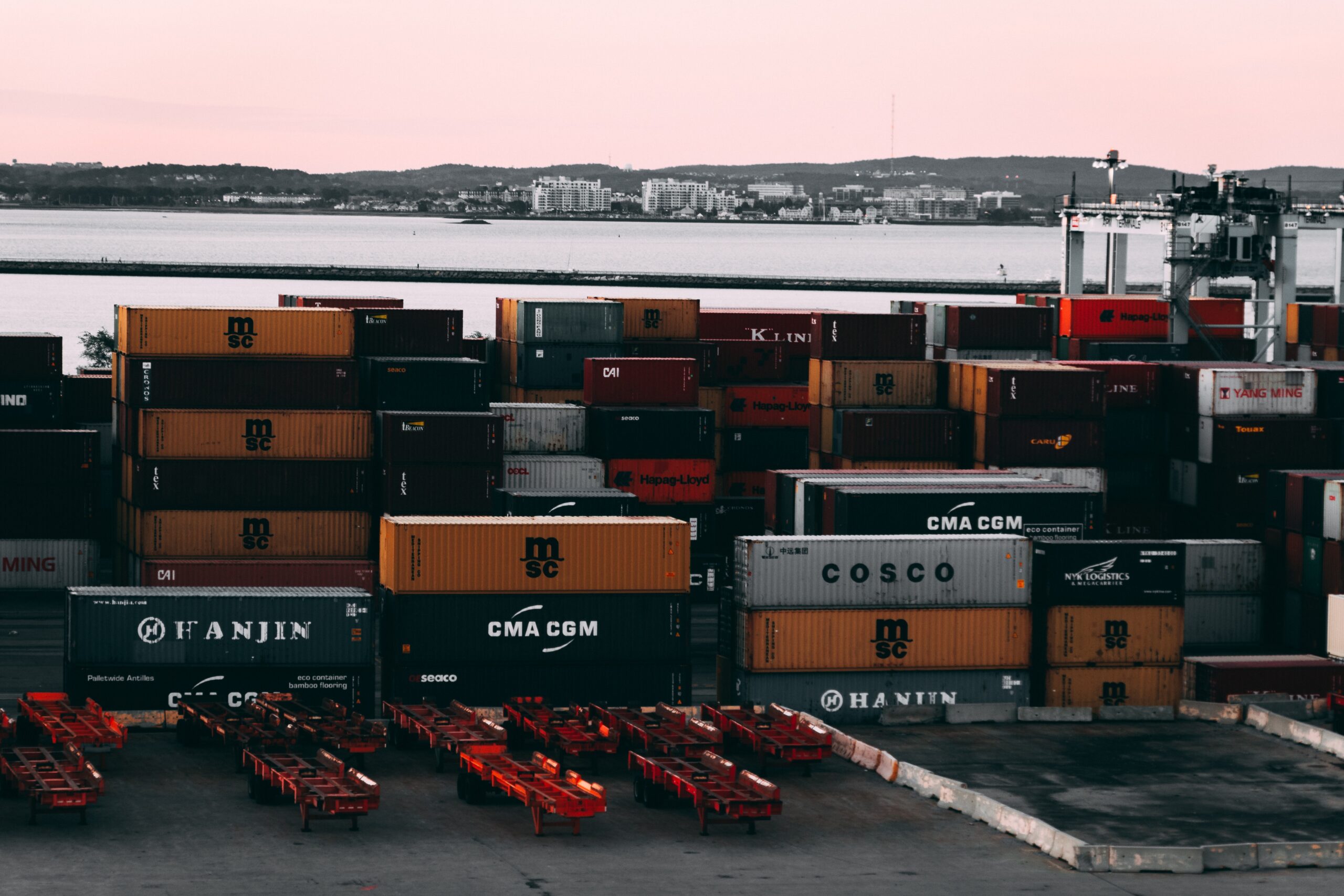
The current international freight shipping market is seeing a sizeable distribution of spot prices. When shipping containers, a spot price is a cost for moving freight shipments to a certain destination. Earlier this year there was a report that spot prices were high compared to last year, but they still are growing in the present moment. With spot rates growing for certain freight shippers, other shippers are finding a decrease in spot rates, and this can create an unbalanced spread.
The reason that the spread is so wide may be attributed to the current market. Situations such as port congestion and a scarcity of containers created a high demand in the market. The demand in trucking and warehousing has also risen compared to the capacity. Plus, with the holiday season quickly approaching, the demand may increase. This has led to a high push for shippers to get space on a freight vessel, rising the spot rates.
Why are Some of the larger Customers Getting the Leverage?
The trend in the spot rates may be more favorable for larger shippers than mom-and-pop shippers. The larger or more attractive shippers tend to pay fewer spot rates than smaller importers. This is because compared to a smaller shipper, larger freight shippers may offer more benefits for the carrier. Larger freight volumes from big shippers can be attractive to the carriers. Larger shippers may also provide the carrier with lengthy contracts and tend to have an already established relation to the carrier.
Xeneta, a shipping index and a benchmark for comparing ocean freight rates recently did an analysis of the market rates for the China-Los Angeles ports. They reported the short-term market rates had a high and low difference of around $1200 a few months ago. At the same time last year, the China-Los Angeles ports had a high and low difference of only $150. If this trend continues, there is a fear that smaller shippers may not be able to compete in the freight shipping market.
The Dependance on Location
One of the main contributors to the spot prices is where the freight leaves from and the final destination of the shipment. The trans-Pacific is the region in the Pacific Ocean where several countries cross over to do trade. Because of the vast number of countries doing trade in the trans-Pacific market, different countries may have their own market. This also can mean that they have their own spot prices.
For example, shipping from China may be cheaper than shipping from Japan. This is because China has some of the largest container ports in the world and may be able to move more freight in a certain time period. This high volume of freight that is able to be moved can lead to higher profits for carriers.
The destination of the freight being moved may also affect the spot price. The port of Los Angeles has experienced an immense amount of congestion in the past year. Even at the present moment, there are freight container vessels waiting to be unloaded. If a shopper plans on moving their freight through this port, short-term rates may be high due to waiting times. Now compare the situation to the Port of Hueneme a few miles away. With fewer congestion and traffic, the shipping rates per container may be less.
A1 Worldwide Logistics
Knowledge of the international freight shipping market is important when you plan on moving freight. Particularly in the current market, it is critical that you are getting a fair and understandable quote for your shipments. Contact us at 305-821-8995 or at info@a1wwl.com to get a quote on your shipment. Our freight forwarders look for the best quote prices for moving your shipments domestically and globally.
by Rob Simmons | Sep 21, 2021 | Freight Forwarding, Supply Chain, Transportation
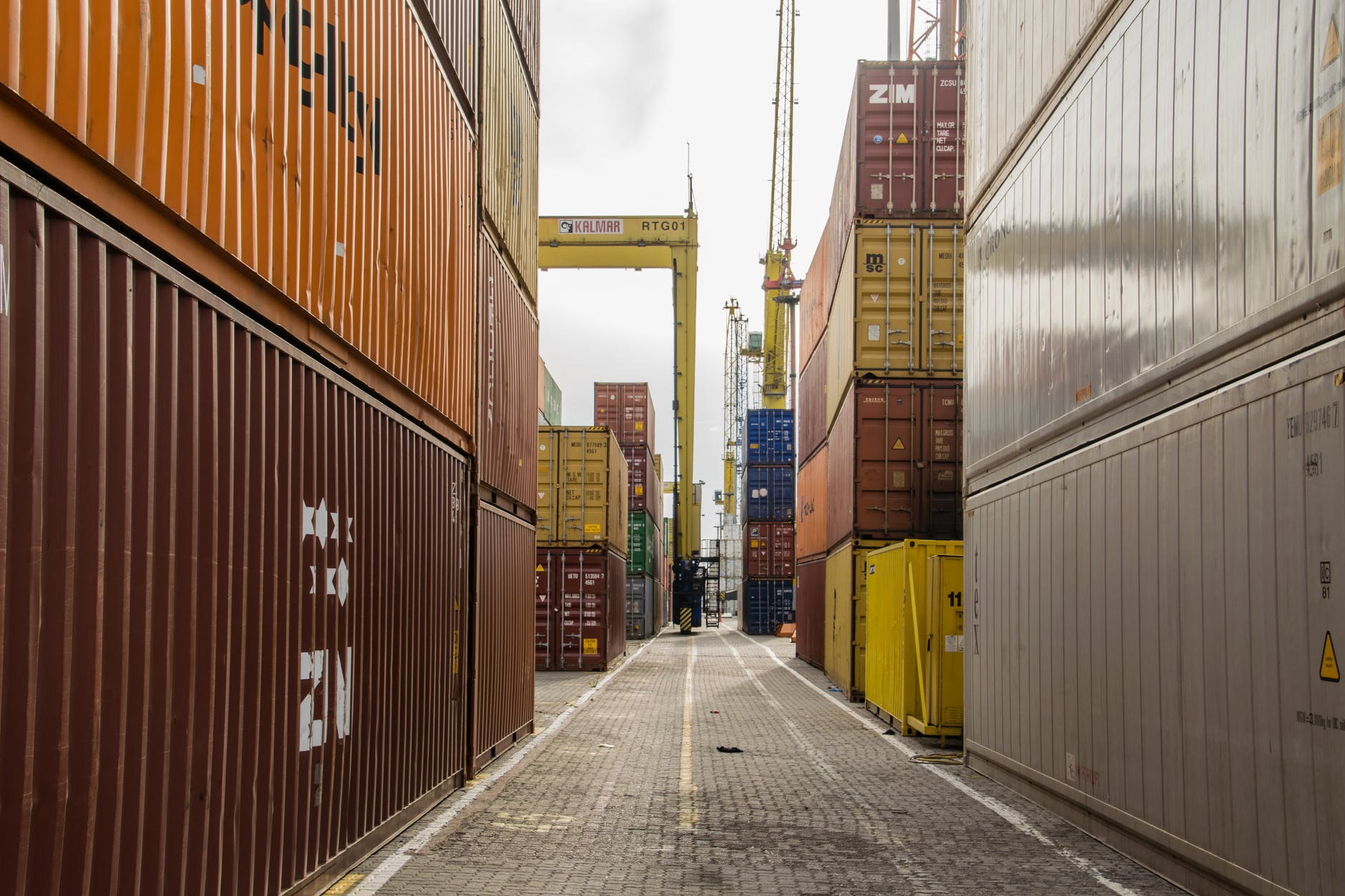
CMA CGM, one of the biggest ocean freight movers recently announced its plan to freeze its rising spot rates through February 1st, 2022. This may come as a surprise to the freight shipping industry with the cost to ship containers recently reaching unprecedented heights globally. Drewry’s World Container Index recently reported that its spot rates have increased for 21 straight weeks. The demand to move freight internationally has exceeded the available capacity to do so. With the holiday season quickly approaching, the upcoming months may see rates soar even further.
The Effect may have on the CMA CGM and the Shipper
Rising spot rates for moving freight have led to record levels of profit for carriers. This may be the reason why it is such a big surprise to many that CMA CGM has halted its rising spot rates. Some shippers believe that the reasoning behind putting a cap on the spot rates is due to the little space that the ocean carrier has to move freight. There is a belief that CMA CGM Is almost fully booked for the next few months. This also may mean that the company may be trying to reserve vessel space for long-term contract customers.
It is important to distinguish the difference between contract and spot customers. Contractual customers tend larger to be companies that have stronger preexisting relationships with the carriers. Spot customers may be smaller customers that look for the best deals to move freight. CMA CGM capping its spot rates may give contractual customers more leverage because of their established long-term relationship with the carrier. With the limited capacity in the current market, the carrier has to prioritize who gets vessel space.
With the current freight shipping market already strained, CMA CGM may be seeking to focus on their current customer relationships. The company has also previously released a statement that in the past 15 months, the company has added over 780,000 TEUs. This means that CMA CGM’s capacity to move freight has increased over 10% since the start of 2020.
Can This Be a Positive Sign for the Freight Shipping Market
Many different factors have resulted in rising spot rates in the freight shipping market over the past year. From lack of capacity on carriers to congestion in many ports globally, each situation has worked together to have an unfavorable impact on the shipping industry. The COVID-19 pandemic also limited the number of available port workers and created a backlog of incoming freight. It was reported in late August that the total number of container-carrying vessels anchored at the port of Los Angeles was close to 5 times the amount pre-COVID.
While there are those that believe that the pausing of the rising freight rates could be due to minimal space, others may see it as a positive sign of things to come. CMA CGM may be predicting a return to normalcy with the freight shipping market returning to pre-COVID levels. Only time will tell if other carriers follow the trend and stop or even lower their rising spot freight rates.
A1 Worldwide Logistics
Planning on moving freight globally and need help with the logistics behind doing so? We at A1 Worldwide Logistics provide many services to make sure that your freight reaches its intended destination swiftly and securely. Contact us at 305-821-8995 or email us at info@a1wwl.com for a quote to ship your goods internationally. We also have customs brokers to assist in making sure that your shipment meets federal obligations.


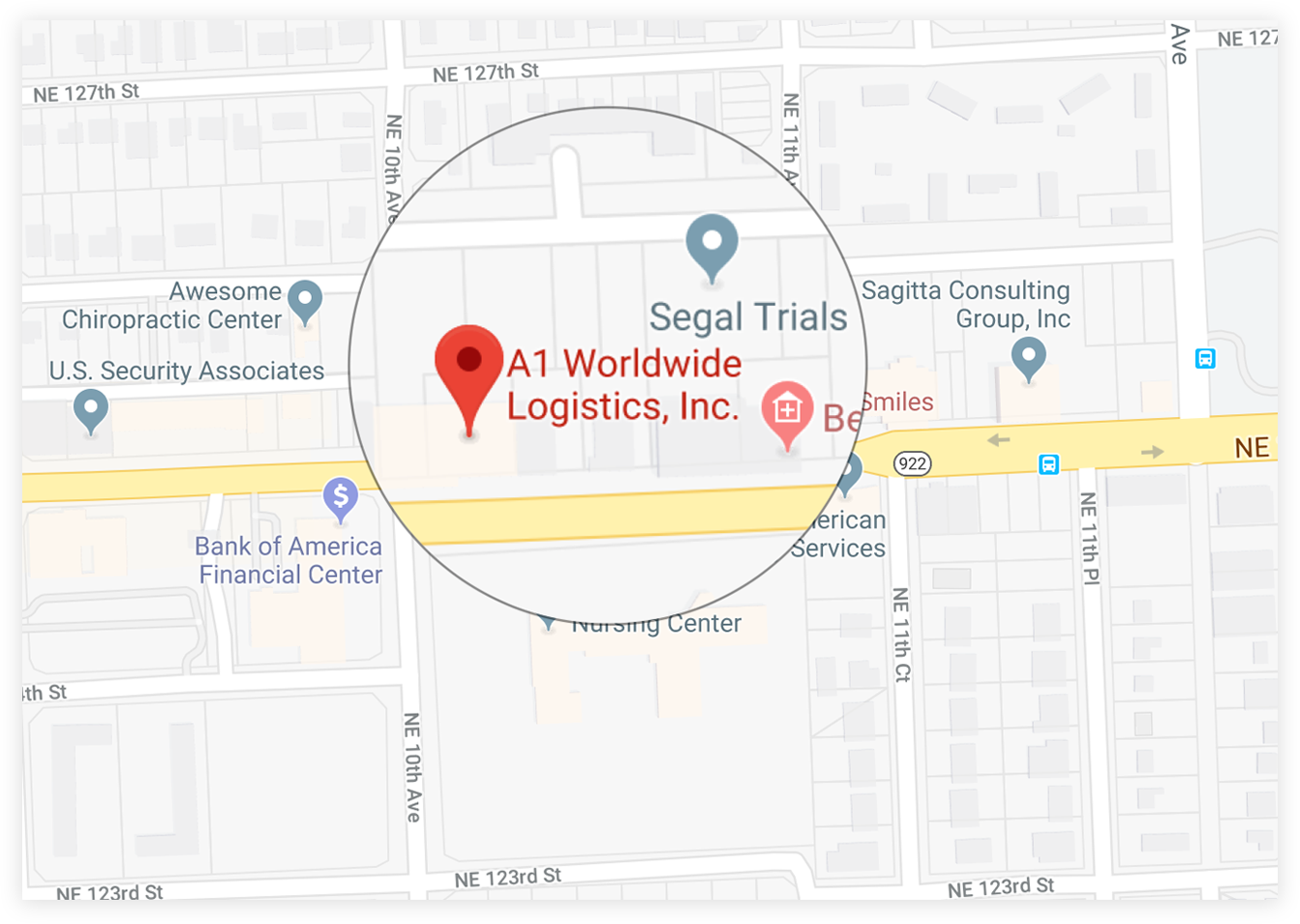
 1035 NE 125th St Suite #320, North Miami, FL 33161.
 a1worldwidelogistics.com
 (305) 821-8995
 Hours: 8AM - 5PM