by A1 WorldWide Logistics | Jul 11, 2024 | 3PL, Supply Chain, Transportation
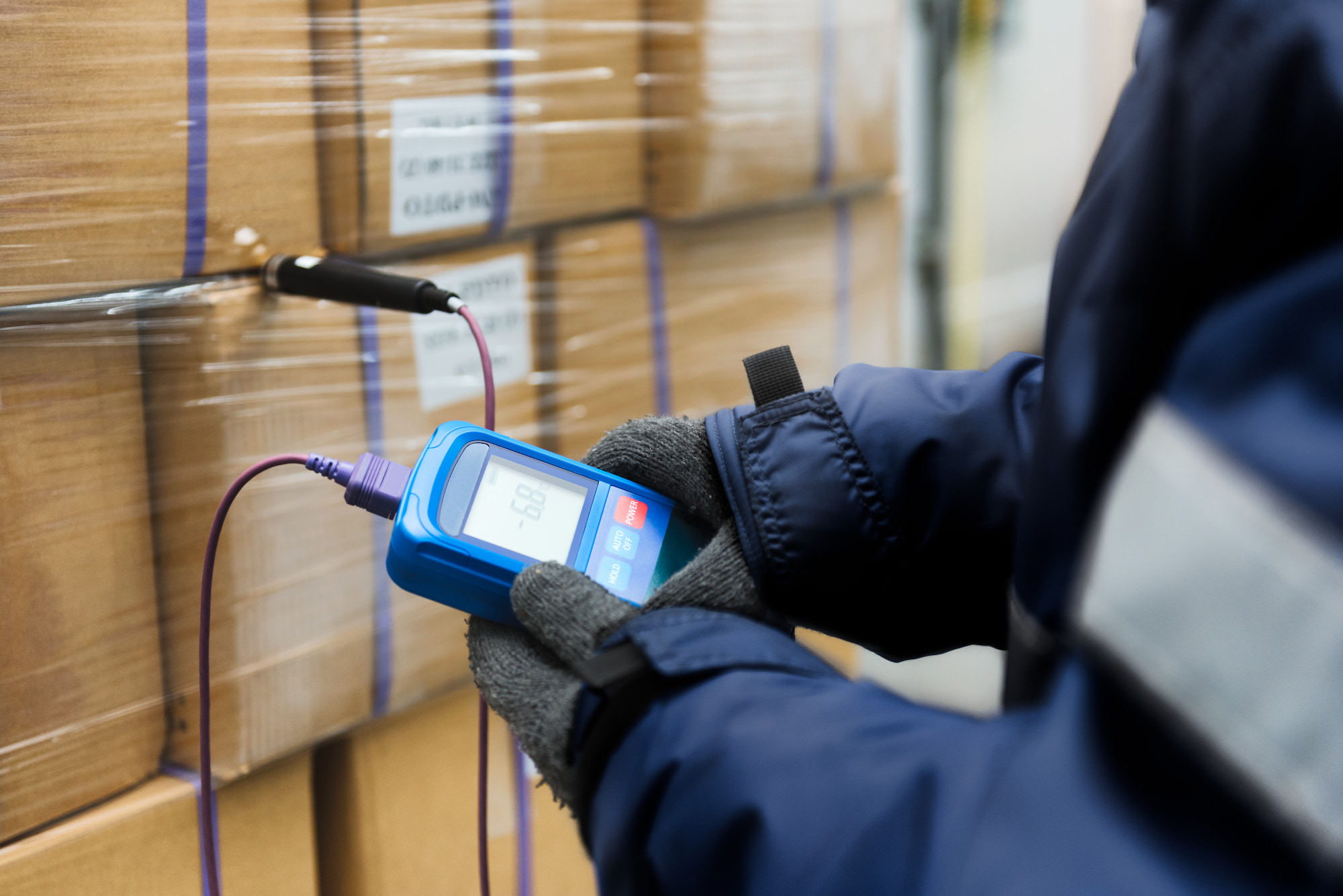
An essential consideration a shipper should make when moving temperature-sensitive cargo is understanding cold chain shipping logistics. A cold chain is a supply chain for transporting freight that has to remain under a specific temperature to prevent damage. These goods include perishable foods, beverages, pharmaceuticals, flowers, chemicals, cosmetics, etc. The process has the parts of a regular supply chain, like transportation and warehousing, but the temperature must remain constant. Cold chains have existed for hundreds of years, but technological advancements helped streamline the potential for more capabilities. While this article will focus on moving shipments internationally, the cold chain can also include domestic cargo transport.
What Are The Main Challenges To Cold Chain Shipping Logistics?
There can be various challenges and things that shippers should be aware of when starting a cold chain. This is due to the numerous components involved in the process. A common challenge is that the cargo has to remain at the same temperature throughout the journey. Even a tiny decimal point fluctuation in temperature can result in spoilage. Fluctuations can be the result of human error or equipment failure. Another challenge is that there are multiple standards and regulations that shippers have to adhere to in a cold chain. Regulators like the Federal Drug and Food Administration (FDA), the Department of Transportation (DOT), the International Air Transport Association, and U.S. Customs set the requirements.
Some regularity requirements include packaging, product stability, temperature transportation, and more. A lack of proper documentation is another issue that the shipper should be aware of. Depending on the type of shipment, the shipper must document data like storage temperature and conditions to prevent errors. Documents also include the paperwork needed for import and export. Failure to provide the correct papers can lead to delays in the shipping process due to holdups at customs. Delays are unfavorable for cold chains, with technologies like dry ice being temperature-sensitive.
What Is The Cold Chain Supply Chain Process?
The cold chain process starts long before the cargo leaves the location of origin. Before exportation, the cargo may be stored in a warehouse facility at the correct temperature to prevent spoilage. The same rule applies to the packaging, which should maintain the quality and prevent contamination before going on the carrier. Refrigerants can include dry ice, gel packs, EPS (expanded polystyrene) panels, and more. Shippers can use various methods of conveyance, like ships, airplanes, and trucks, to move the shipment. However, the transportation method has temperature-controlled systems. Examples include reefers (refrigerated containers) that keep the goods at the correct coldness during the journey.
When the cargo enters the destination port, the paperwork must be correct to prevent holdups. Once customs releases the shipment, a carrier delivers it to a warehouse or another location at the appropriate temperature. Despite the multiple components involved with transporting cold cargo, there can be numerous benefits for businesses and individual shippers. You can ensure the success of your cold chain by starting with the help of a 3PL (Third-party logistics) provider. 3PLs handle various parts of a supply chain, such as transporting, warehousing, and brokering, on behalf of the shipper. Contact A1 Worldwide Logistics at 305-821-8995 or info@a1wwl.com to speak to a 3PL provider regarding your cargo shipment.

by A1 WorldWide Logistics | Jun 27, 2024 | Freight Forwarding, Shipping Logistics, Supply Chain
Technological advancements have led to a recent growth in shipping perishables by sea. Perishables can spoil or decay if not transported by the carrier under a specific temperature and time. This can include cargo like fresh produce, dairy, pharmaceuticals, meat, flowers, and more. When people think about how perishables are transported internationally, air is the first thing they tend to imagine. The reason is the airplanes’ quickness to move freight internationally. Despite this, transporting these shipment types by sea has grown due to its advantages. Understanding the shipping process is crucial to the shipment’s success when moving perishables by the ocean.
What Is The Difference Between Shipping Perishables By Sea Vs Air?
Despite sea and air being standard conveyance methods for shipping perishables internationally, they have distinct differences. A common difference is the time it can take for the carrier to make the delivery. While sea freight may take a few days to weeks, air freight takes a few hours to a few days. An effect is that air freight usually has more significant costs due to quickness and higher fuel prices. Another difference is the capacity of cargo that can move in a trip. With air carriers being significantly smaller than a containership, the cargo volume is much less. The average vessel can carry 3,000 to 20,000 TEUs (Twenty-foot equivalent), depending on its size.
Choosing between air or ocean usually depends on perishable type, size, and urgency. For example, goods with short shelf life, like certain pharmaceuticals, tend to benefit from air transport. The speed also allows for greater flexibility since the departures are more frequent. Shippers of bulk perishable shipments usually use containerships due to their transport volume. Another difference is the environmental impact between the two conveyances. Flights have a higher carbon footprint, emitting nearly 500 grams of CO2, while vessels emit 10 to 40 grams. Despite the difference, both methods are essential in international shipping, with sea recently gaining traction.
The Process Of Shipping Perishables By Sea.
Before starting to ship perishables by sea, an exporter must understand that various precautions and regulations are involved. Depending on the type of perishable, specific packaging with insulation or moisture control should be used for the shipment. When the shipper is ready to ship the cargo, they must find a reliable carrier experienced in perishable shipping. The goods must stay in specialized containers during the journey to prevent damage and spoiling. This can include ventilated, insulated, or refrigerated containers (reefers). The shipper must ensure that all the necessary documentation is correct and correct before reaching the designated port. Some of the paperwork needed for the exportation include:
- Bill of Lading
- Packing List
- Commercial Invoice
- Certificate of Origin
Once customs releases the shipment, the shipper may have a truck transport it to the final destination. Shipping perishables by sea can seem challenging for inexperienced shippers due to the various components. Along with the information in the article, you must understand other parts, such as labeling and insurance. You can use the help of the help of a freight forwarder to simplify the process. Forwarders coordinate the cargo movement and handle all of the requirements on behalf of the exporter. Reach A1 Worldwide Logistics at 305-425-9752 regarding speaking to our forwarders about transporting perishables by air or sea internationally.
by A1 WorldWide Logistics | Jun 13, 2024 | Air Freight, Customs Broker, Importing
The CBP are tightening e-commerce enforcement on low-value imports coming into the U.S. Recently, multiple customs brokers have had actions taken against them by the CBP for not filing proper and correct entries. In particular, entries for small, low-dollar imports that are duty-free. Penalties for not complying with filing requirements include suspension from CBP’s Entry Type 86 Program. The crackdown has started with e-commerce shipments coming into the U.S. by air into the Los Angeles International Airport (LAX). Low-value cargo coming into the LAX airport from countries like China and India are moving to CBP warehouses for review. Customs have also recently seized parcels of a weight-loss drug coming through e-commerce to Chicago O’Hare International Airport.
Why CBP Are Tightening E-Commerce Enforcement
The CBP is cracking down on low-value e-commerce imports to prevent shippers from exploiting the de minimis rule. De minimis is the minimal value of imported goods exempt from duties and a formal customs declaration. In 2016, the Trade Facilitation and Trade Enforcement Act of 2015 (TFTEA) rose in value from $200 to $800. The CBP changed the amount to accommodate the growing trend of e-commerce shipments into the U.S. Online purchases were typically low-value, meaning that it wasn’t worth the costs of CBP to collect the duties. An effect was that importers and retailers transported millions of smaller packages to the U.S. at a lower cost.
Imports below the de minimis threshold surged from approximately 134 million in 2015 to over 1 billion in 2023. While this was good for e-commerce, it allowed malicious players to bring drugs and illegal items to the U.S. CBP has started acting to police the importations by suspending shippers from the Entry Type 86 program. Entry Type 86 is the CBP initiative that streamlines the import of de minimis cargo. This program allows self-entry filers and brokers to transfer shipment data electronically, resulting in faster customs clearance. In response to the potential for bad actors to bring illegal goods to the U.S., the CBP has become strict in ensuring compliance with Entry Type 86 requirements.
What Does This Mean For International Shipping?
Shippers and customs brokers are affected by tightening regulations for low-value e-commerce Importations. With CBP increasing their inspections of Entry Type 86 imports, the time for certain airfreight imports may soon increase. This could be bad for importers and customers who must wait longer for their goods. The supply chain for shippers is also affected if their freight is on hold at customs. Customs brokers must be careful to comply with CBP filing and classification requirements. Adhering includes providing accurate data and not rushing when filing entries. Customs has recently suspended a significant logistics provider from being able to file Type 86 entries due to undisclosed reasons.
To prevent delays and holdups in your supply chain, shippers must find trustworthy customs brokers. A broker acts as an intermediary between the shipper and U.S. customs and ensures the clearance of an import. They do this by declaring the goods correctly, providing documents, and make sure the importer pays the duties. With customs providing greater enforcement, this is increasingly important. A1 Worldwide Logistics has customs brokering, freight forwarding, and other services for your supply chain. Speak to an expert at 305-425-9513 to ensure the success of your shipment.
by A1 WorldWide Logistics | Jun 6, 2024 | Economic trends, Shipping Logistics, Supply Chain
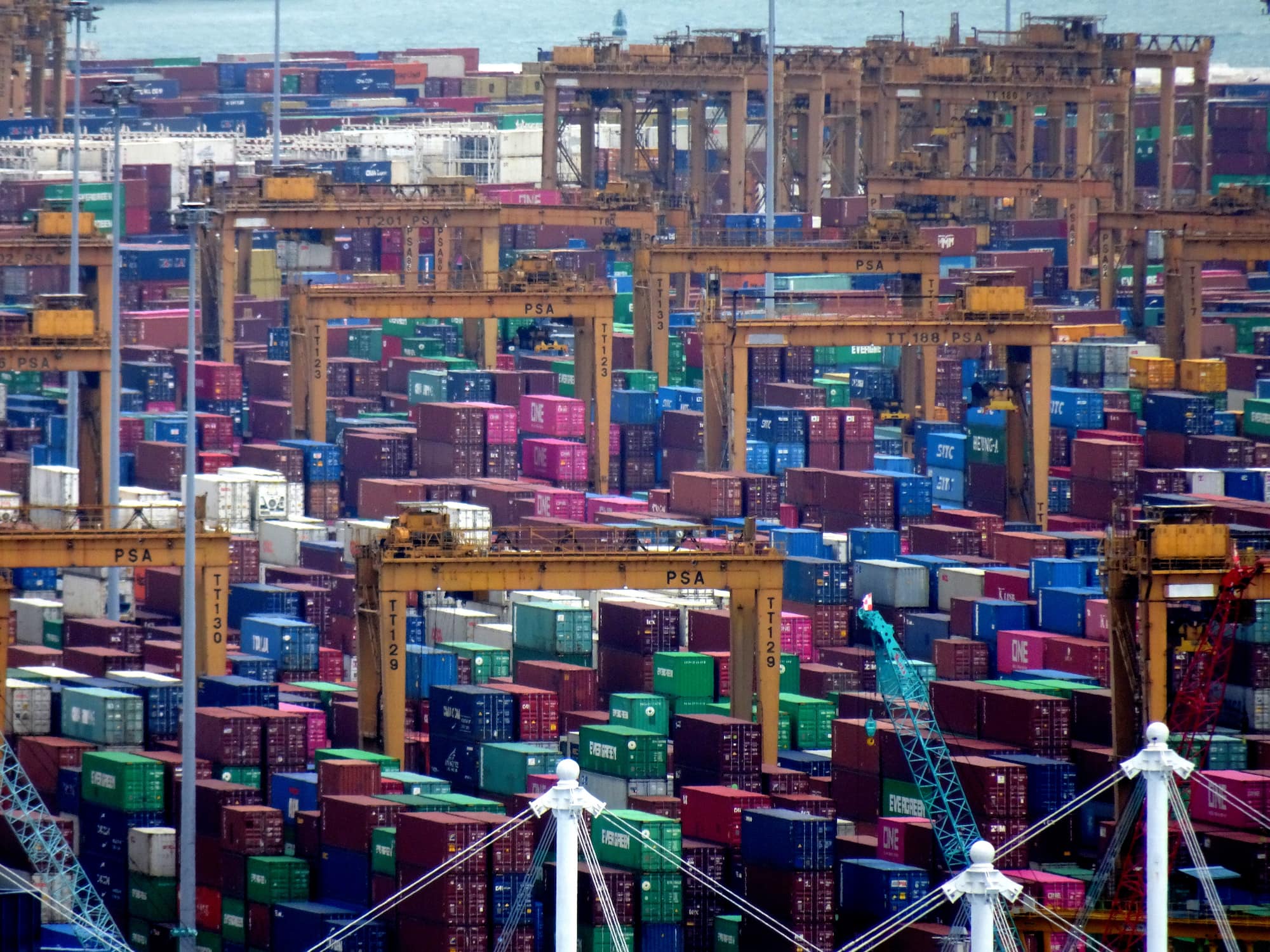
Over the last few weeks, an increase in container volumes has resulted in growing Singapore port congestion. The Port of Singapore is the 2nd largest seaport internationally, handling over 591.7 million tons of freight in 2023. Various international shipping circumstances have recently caused global backlogs across ports, with the Singapore port being an epicenter. A market intelligence firm report noted that nearly 450,000 TEU (Twenty-foot equivalents) are in the queue. For reference, this is a greater volume than the coronavirus pandemic. Shipping delays in the port have also doubled nearly in May, with vessels waiting almost seven days for a berth. What can the congestion mean for shipping as the peak season quickly approaches?
What Is Causing The Growing Singapore Port Congestion?
While different contributors are resulting in current port congestion, the Red Sea Crisis is one of the primary issues. In 2023, the Iseral-Hamas conflict in Gaza made its way to the Red Sea as militants struck multiple vessels. The sea connects to the Suez Canal, one of the significant artificial pathways for international shipping responsible for nearly 30% of the world’s container volume. As a result, containerships began rerouting to locations, such as the Cape of Good Hope in South Africa. A side effect of the conflict was an increase in off-schedule arrivals to ports like the Port of Singapore. When carriers arrive off-schedule, at the same time, it creates a vessel-bunching effect.
As more containerships remain outside the Port of Singapore, berth wait times increase. Vessels typically wait around half a day to dock at the port but currently take up to seven days. As a result, several ships have canceled their shipment to the port. However, that may create congestion for nearby ports. The Singapore port has responded to the jam with plans to open three additional berths later this year. Congestion has become a growing concern globally, with Asian and Mediterranean ports feeling a significant strain. The market intelligence firm also notes that nearly seven percent of global port capacity is currently congested. Usually, the number is between two to four percent.
What Will This Mean For International Shipping?
Geopolitical events like the Red Sea crisis have significantly affected shippers’ supply chains that move goods internationally. Along with rising transit times, another effect is that freight rates have increased over the last few months. The global container freight index has risen over 30% in May 2024 alone. Asia-North America West Coast spot rates have increased by over 70% since the end of April. If the existing trend continues, container rates could reach over $15,000 by the end of the year. Other situations affecting the rising prices include sudden demand increases, capacity constraints, equipment shortages, and rising fuel prices.
Although the current situation can seem intimidating, it should not stop the movement of cargo internationally. It is, however, essential that you are informed and protect your supply chain. Using the assistance of a 3PL (Third Party Logistics) provider is an ideal way to begin. 3PLs handle various parts of a shipper’s supply chain, including international and domestic shipping, storing, customs brokering, etc. 3PLs also offer consulting services to ensure you take the best actions for your supply chain. Reach A1 Worldwide Logistics at 305-425-9513 to find out about our numerous solutions for moving your shipment. We help you navigate the shipping world and move your goods to the final destination.
by A1 WorldWide Logistics | May 30, 2024 | Shipping Logistics, Supply Chain, Transportation
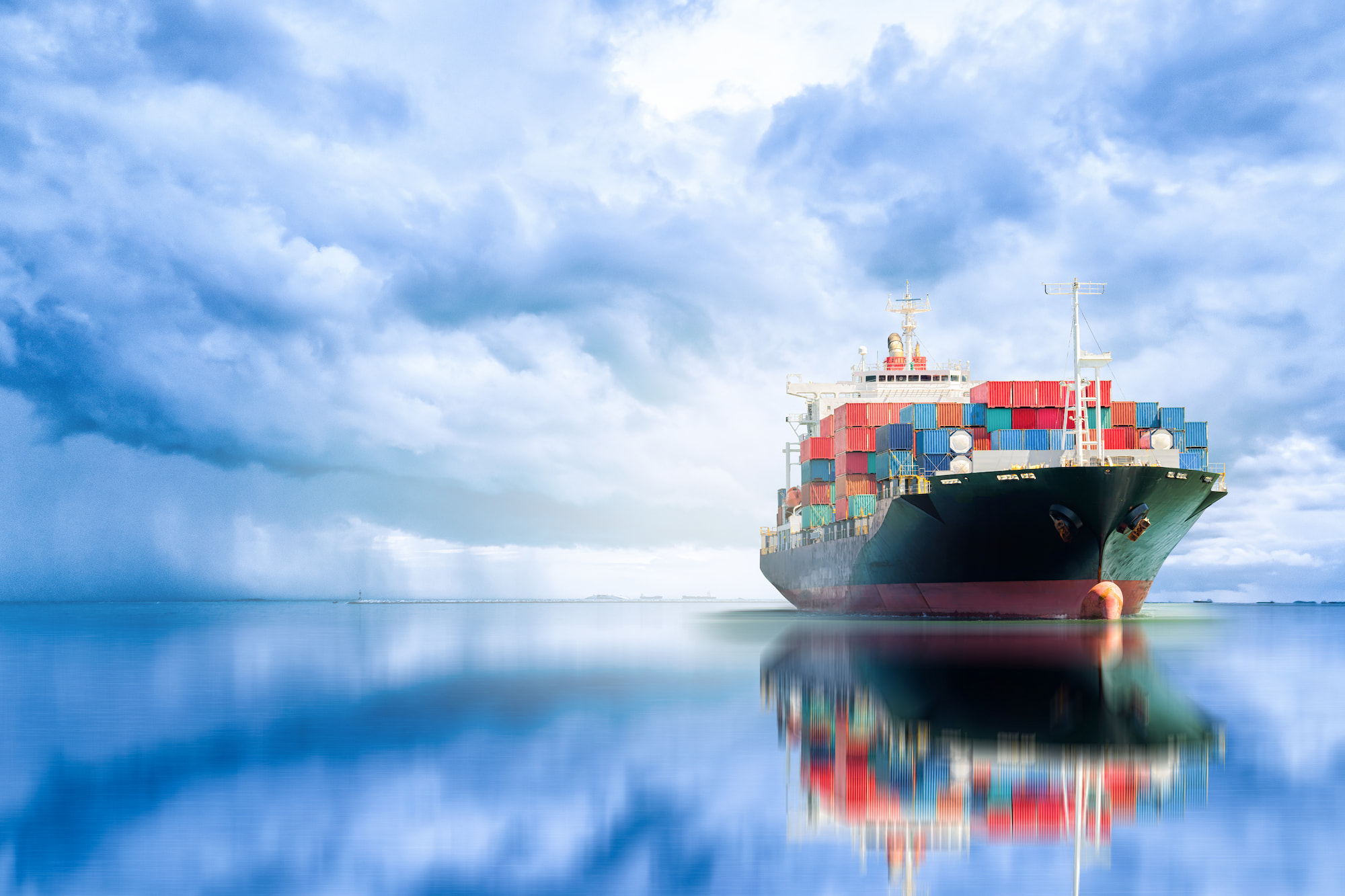
A vital consideration a shipper must make when transporting goods internationally is reducing ocean freight costs. Shipping by sea is the most common way cargo moves globally, accounting for over 90% of international trade. Despite its popularity, there can be numerous expenses that may confuse even the experienced shipper. While certain fees are unavoidable, there are specific ways that shippers can reduce the overall price of transporting by sea. Whether you are shipping as an individual or from a company, this can benefit your supply chain. Saving costs is especially important with recent market conditions and the rise in container rates. This article will explain the best ways to lower expenses.
How Do Carriers Calculate Shipping Costs?
Ocean carriers that move freight internationally have different ways of calculating costs. It is crucial to note that cargo has base rates that depend on the shipment type. Other volumes include the weight, volume, distance, origin, and more. The mode of transport is also a crucial consideration. For example, containerships transport sea freight in different ways, including FCL (full container load), LCL (less than container Load), and RoRo (roll-on/roll-off). There are also additional fees like fuel and special handling surcharges. When importing into a country, there are also port terminal handling charges and customs duties a shipper should know. Shipments can also have optional insurance costs for cargo damage or loss.
What Are The Most Effective Ways of Reducing Ocean Freight Costs?
While there are numerous ways to save on ocean freight costs, the most popular ways that shippers use include the following:
- Consolidating Shipments – Consolidation is a method of shipping where a shipper combines multiple orders into one shipment. The shippers share the transportation cost by fitting various shipments into one container. This can reduce costs, and consolidation can speed up the delivery and customs clearance process.
- Negotiate With Multiple Carriers – Since countless carriers move cargo internationally, each has its shipping rates. A shipper can negotiate these rates and get the best quote amongst the transporters. Having solid relationships with steamship lines is critical in negotiating prices. Using online freight marketplaces to compare quotes is also ideal for finding cost-effective options.
- Optimize Shipping Routes – A carrier’s route to transport freight directly impacts the cost. Shorter, more direct lanes are less costly than more extended ones. Avoiding routes with high congestion is also helpful, as it can increase costs and lead to other issues.
- Pay Attention To Cargo Packaging – A way to optimize costs that shippers tend to overlook is to optimize packaging. Not packing cargo optimally can add extra volume and space, raising costs.
- Ship Off Peak Season – Peak season is when shipping demand is high. This season usually starts in mid-August, goes to the end of October, and sometimes extends to November. An effect is that the cost of shipping internationally tends to rise. Deciding to ship before that period can help in saving costs.
Using The Help of a Freight Forwarder
Finding the best cost to transport your goods can be crucial for individual and business shippers. Another way to reduce ocean freight costs is to use the assistance of a freight forwarder to ship internationally. Forwarders are connected to a network of carriers and can negotiate the best rate to move your shipment. Contact A1 Worldwide Logistics at 305-821-8995 to discuss your cargo’s movement with our forwarders.

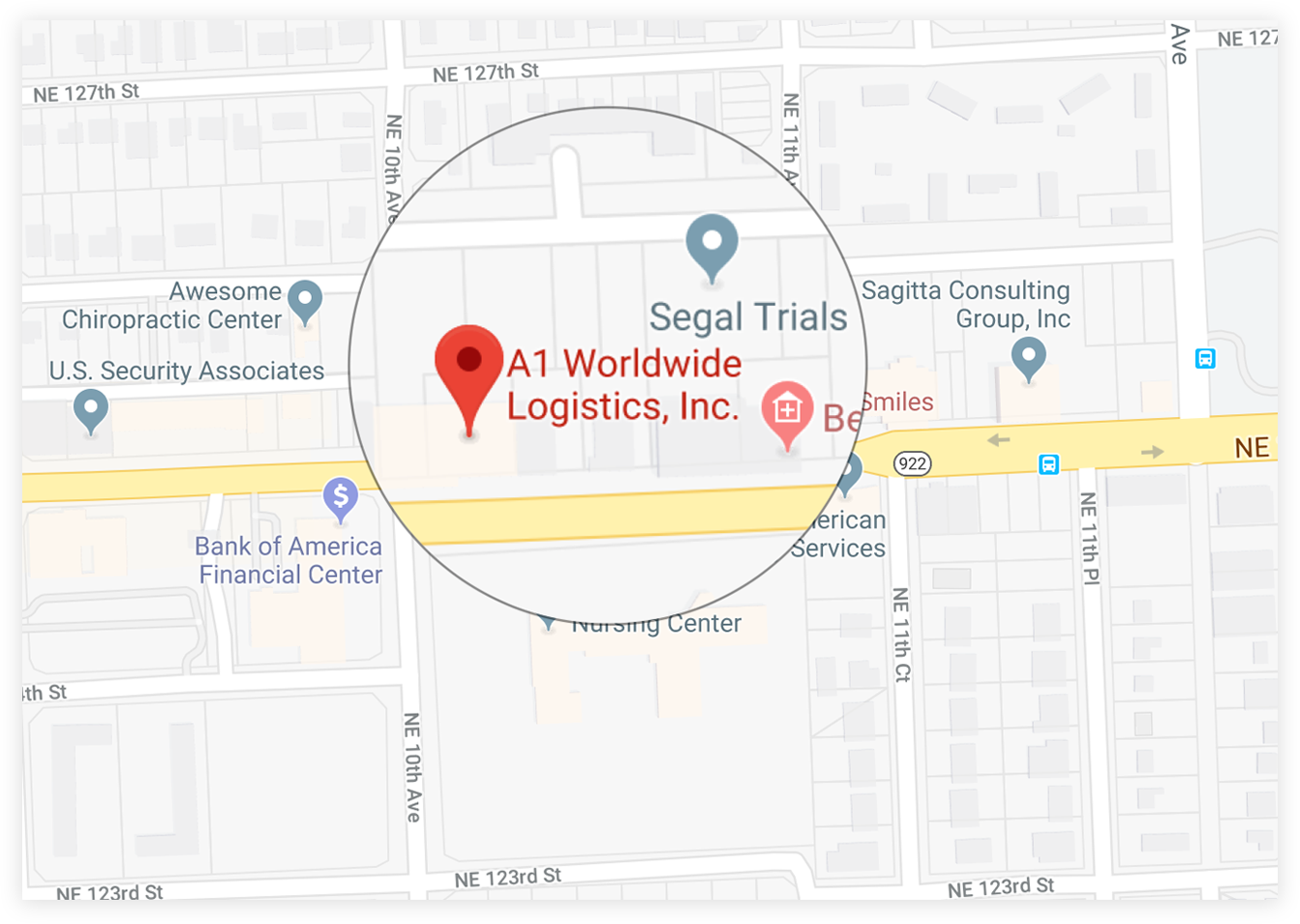
 1035 NE 125th St Suite #320, North Miami, FL 33161.
 a1worldwidelogistics.com
 (305) 821-8995
 Hours: 8AM - 5PM