by A1 WorldWide Logistics | Apr 25, 2024 | Customs Broker, Freight Forwarding, Importing
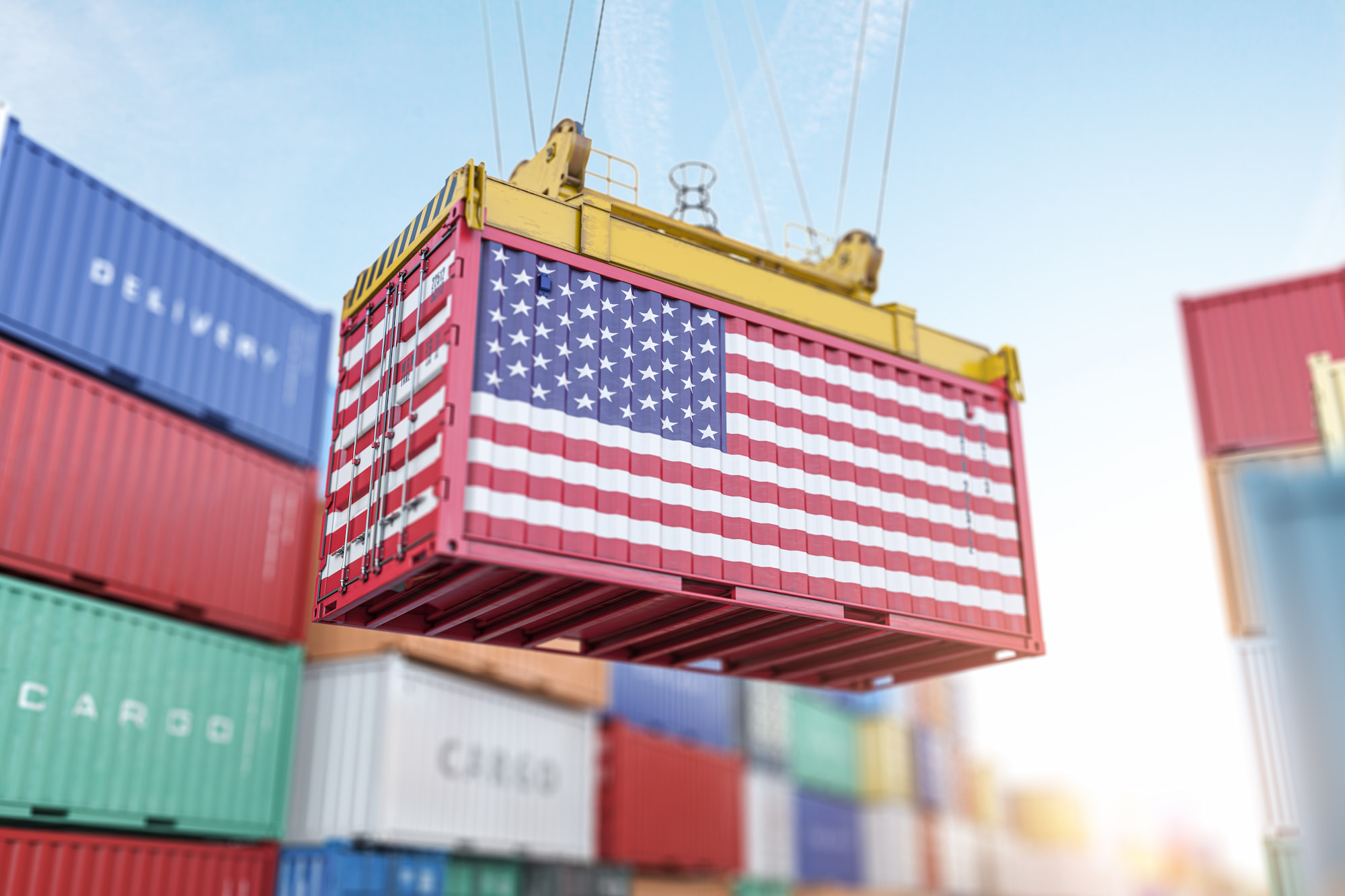
Whether you are a new or experienced shipper, ensuring a successful importation is essential when bringing cargo into the U.S. The U.S. is the most significant importer globally and brought in over $3 trillion of freight in 2023. It may be attractive when starting because of its numerous benefits for businesses and shippers. However, you should take special precautions to avoid potential disruptions during the process. Many things may go wrong during importing which can result in monetary loss or loss of the cargo. This article will explain what can go wrong when importing and give tips to ensure a successful shipment when starting.
What Can Go Wrong During The Importation Process?
Due to the complexity of importing into the U.S. or elsewhere, many components can go wrong. A common issue that arises when moving cargo is delays in customs clearance. Numerous problems can lead to delays like incorrect documentation, unpaid fees, not following packing or label regulations, etc. Holds can be especially bad for businesses that are shipping goods to customers. Another scenario that can go wrong is bringing goods into the U.S. with the incorrect tariff code. Having the wrong code can lead to shipment seizure and other non-compliance penalties. Once customs clears the cargo, late container pickup and drop-off can lead to demurrage or detention charges.
What Are Some Tips For Ensuring A Successful Importation?
Although scenarios like cargo damage can be unavoidable, there are parts of the process that an importer can control. Some of the ways that a shipper can ensure a successful shipment include:
- Have the correct paperwork – There are numerous documents that a shipper may require when importing into the U.S. Some examples include the bill of lading, packing list certificate of origin, arrival notice, commercial invoice, etc. Importers also should verify the correct filing of the paperwork. Incorrect documentation can result in goods staying at customs and extra costs.
- Understand the rules and regulations for importation – Countries that bring in cargo internationally have regulations that shippers must follow, and the U.S. is no different. Before shipping, importers must understand these guidelines and ensure their shipment follows them. An example is not importing illegal freight like absinthe, dog, or cat fur.
- Determine the correct tariff code – Similar to documentation, a shipper must ensure they have the correct HS tariff code. The HS (Harmonized Tariff) is a method for classifying traded goods. These codes help customs assess taxes along with other tasks. Use a tariff database or help from a customs broker when looking up your code.
- Prepare for risk – Importing internationally into the U.S. can have numerous risks, especially when starting. In addition to the tips in the article, the shipper should take extra steps, such as using reputable carriers to protect their goods. Having cargo insurance can be useful for unavoidable scenarios like the shipment falling into the ocean.
How To Get Started?
With all the tips in the article, starting may still be challenging for beginner importers. An ideal way to begin is by using a freight forwarder and customs broker to streamline the shipping process. Freight forwarders act as the middlemen coordinating your cargo’s movement into and out of the U.S. Brokers assist in the customs clearance when the shipment enters the U.S. Both professions handle part of the importation, allowing the shippers to focus on other parts of their supply chain. Contact A1 Worldwide Logistics at 305-821-8995 or info@a1wwl.com to start importing from anywhere internationally. We have forwarders, brokers, and different solutions to ensure the success of your import.
by A1 WorldWide Logistics | Apr 18, 2024 | 3PL, Import and Export Experts, Supply Chain
One of the most important considerations an individual or company can make is choosing a good 3PL. A 3PL (Third-Party Logistics) company is a service provider that handles numerous parts of a business’s supply chain. Some services include cargo transport, freight forwarding warehousing, customs clearance, distribution, etc. Starting in the 1980s, the Motor Carrier Act grew the 3PL industry to unprecedented levels. The act deregulated trucking and grew the number of carriers from 20,000 to the 1.2 million it is today. Other supply chain parts began to expand along with freight movement, leading to the expansion of 3PLs. This article will explain what to look for when deciding on a 3PL.
When Are 3PLs Used
Companies in an extensive number of industries like retail, manufacturing, medical, restaurant, and more rely on 3PLs. The majority of Fortune 500 companies use these types of services. The primary reason why businesses utilize 3PL providers is due to the value they offer. Along with more giant corporations, more minor to mid-sized entities use 3PLs because it allows for growth and expansion. Another typical business that uses 3PL services is e-commerce. The surge of the internet over the last few decades has allowed online shopping to become popular. Many of the solutions that 3PLs provide are particularly beneficial for web-based sellers that don’t have physical fulfillment centers.
What Qualities Should You Be Aware Of Choosing A Good 3PL
While partnering with a 3PL can be a game changer for your business, choosing the right company is essential. Some of the primary qualities you should look for when deciding on a 3PL provider include:
- Customer Service – Finding a 3PL provider with a direct focus on the customer is critical for a company’s success. Indicators of good customer service can include responsiveness and communication ability. 3PLs must promptly identify issues for their clients and resolve them in a timely manner.
- Capability – A good 3PL company should offer numerous logistics solutions for a client’s supply chain. These include international and domestic shipping, fulfillment, storage, customs clearance, etc.
- Scalability – The primary reason smaller-sized companies use 3PLs is because of the room for scalability. 3PLs allow businesses to meet increasing demand without paying for equipment and extra labor. When deciding on a logistics company, it is crucial to determine how much inventory a 3PL provider can handle.
- Security – The level of protection a 3PL provider has when handling cargo can make or break your supply chain. Workers and partners must have the appropriate training and compliance certifications, such as FDA, DEA, and HAZMAT. For 3PLs that outsource trucks, the carrier company must have a satisfactory DOT rating. This rating indicates accident history, driver qualifications, and financial responsibility.
- Reputation – One of the most significant indicators of an exceptional 3PL company is its reputation in the industry. Over time, a 3PL builds a reputation with happy customers, carriers, employees, etc. New businesses with little experience can look at a 3PL’s standing in the industry to find the right one.
A1 Worldwide Logistics
Finding a 3PL provider can have countless benefits for your company or shipment and help scale your business. Reach A1 Worldwide Logistics at 305-821-8995 to learn about our numerous solutions for simplifying your logistics process. We provide various services like customs brokering and warehouse services to ensure the success of your supply chain.
by Jontrey Aimes | Mar 27, 2024 | 3PL, Shipping Logistics, Supply Chain
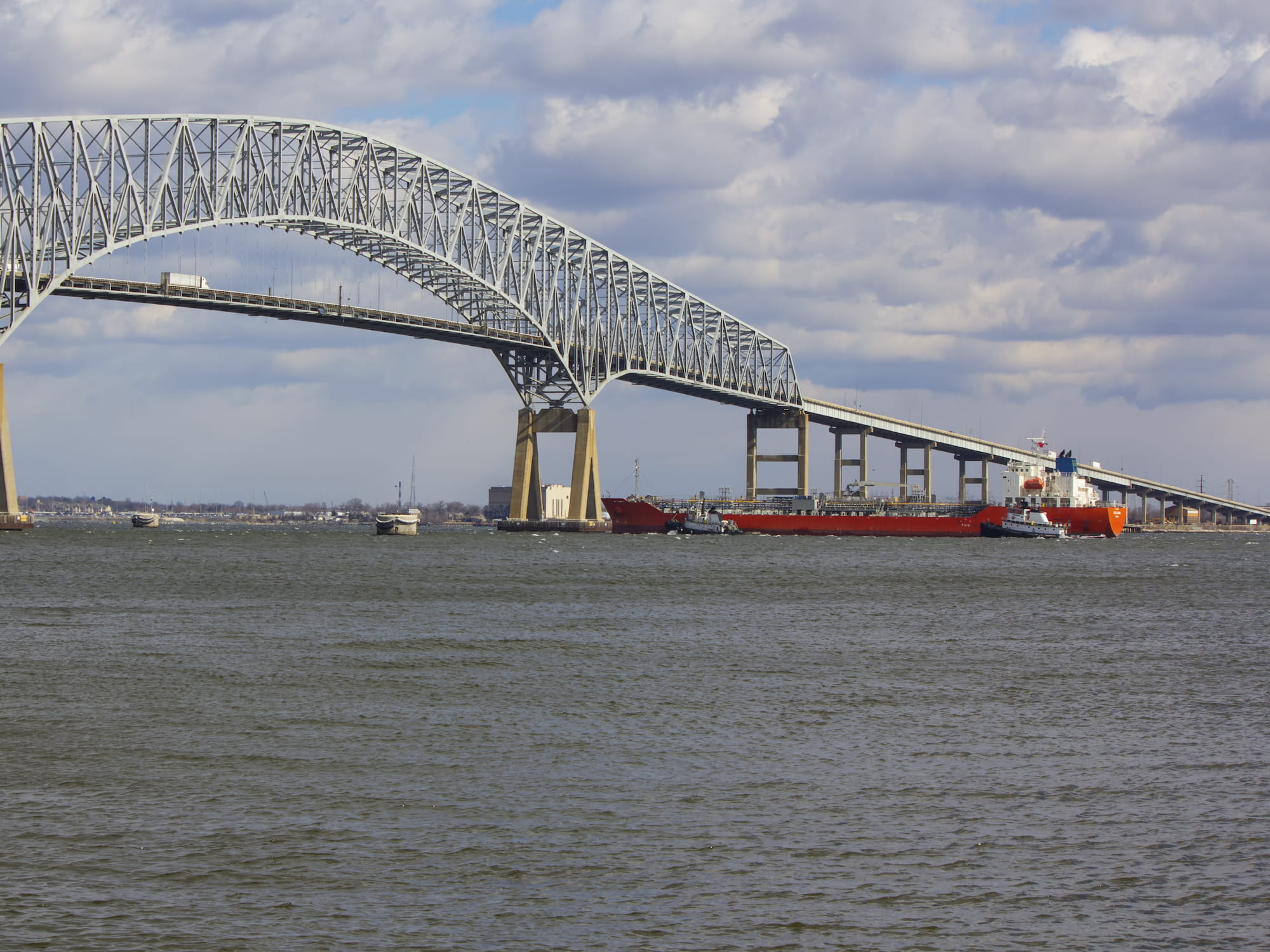
Early Tuesday morning, the 1.6-mile-long Baltimore Key bridge collapsed into the Patapsco Rover. Around 1:30 am, a massive container ship crashed into one of the bridge’s support beams, causing it to fall. The Francis Scott Key Bridge is a central transportation hub on the East Coast of the U.S. It is also an entry point to the Port of Baltimore, a significant East Coast port. During the collapse, vehicles with people were on the bridge. At the current time, there are no reported casualties. However, rescuers are still looking for people in the waters. The director of communications in the Baltimore City Fire Department notes that up to 20 people may be in the river.
What Can The Baltimore Key Bridge Collapse Mean For Shipping?
Nearly 35,000 people use the port daily, meaning the collapse can significantly impact shipping. Since the passage is the main entrance to the Port of Baltimore, it directly affects the international cargo movement. The Port of Baltimore handles the highest volume of autos and light truck imports in the U.S. It is also one of the biggest importers of gypsum and sugar in the U.S. One of the main effects is that port operations will halt, leading to potential bottlenecks in supply chains. Along with cargo entering the U.S., exporters using the port to ship to other countries will also feel the strain.
Due to the significance of the Port of Baltimore, closure may result in an increase in West Coast port imports. The collapse of the Francis Scott Key Bridge also has an impact on domestic shipping. Drayage services for moving containers to and from the port relied on the bridge for decades. Since its opening in 1977, truckers used the causeway to link transport between Baltimore, Washington, Philadelphia, and New York. Overall delays and traffic will increase around the accident area as drivers look for alternative routes. Traffic increases delivery time, which is unfavorable for truckers with clients who expect their goods to move late.
How Can You Protect Your Shipment?
With the volume of cargo that goes into and out of the Port of Baltimore, you must take steps to protect your shipments. To start, a shipper should know of any occurrences affecting their shipment. This could mean watching the news or checking a trusted online source for updates. Knowing where the traffic is excessive is essential in preventing backlogs for a scenario like a bridge collapse. Communicating efficiently with other parts of your supply chain is crucial to ensure a smooth flow.
The most proven way to protect your shipment is to get assistance from a 3PL (Third Party Logistics) company. 3PLs offer extensive services to create an efficient supply chain for their client. Examples include freight forwarding, customs brokering, transportation, distribution, etc. Forwarders coordinate cargo transportation internationally, and brokers clear imported shipments from U.S. customs. Freight forwarders, in particular, help shippers navigate situations like the collapsing of a high-traffic bridge or port shutdowns. Reach us at 305-821-8995 or info@a1wwl.com to find out how we ensure the success of your supply chain. A1 Worldwide Logistics is a 3PL with experience finding solutions for your imports/exports.

by A1 WorldWide Logistics | Mar 14, 2024 | Air Freight, Shipping Logistics, Supply Chain
Fast fashion logistics are becoming a prominent part of the supply chains of the biggest retailers in the fashion industry. Fast fashion is the quick production and transport of inexpensive clothes items on a mass scale. The clothing production follows what’s in style and the latest trends in the industry. In the 1970s, manufacturers began outsourcing production to countries, specifically in Asia. Exporting manufacturing to other countries meant that retailers could produce clothes cheaply. By the late 1990s, discretionary spending became popular, allowing fast fashion to take off. The growth of the internet and e-commerce helped expedite this business model to unprecedented levels.
What Are Fast Fashion Logistics?
Companies using a fast fashion business model tend to have specialized supply chains focusing on speed and efficiency. Initially, retailers would release new clothing collections around four times a year. However, recently, customer expectations caused that number to grow to 36 for some brands. The need for quickness has led companies to adopt a vertical integration supply chain model. Vertical Integration is when a company controls the various parts of a supply chain process. Faster production times, efficient turnarounds, flexibility, visibility, and more are possible with this model. From manufacturing in a different country to shipping, usually by air, the supply chain for fast fashion has become streamlined.
Benefits and Criticisms of Fast Fashion
Fast fashion has become so successful over the last few decades because of its numerous advantages. For retailers, new products attract customers to stores more often and become profitable. A side effect is that the company stays in business and creates jobs, impacting economic growth. Customers benefit from having easy access to stylish clothes that are trendy for a cheaper price. Individuals from diverse socioeconomic backgrounds could now buy the outfits they see on TV without spending too much. Despite the benefits that it can have for retailers and buyers, there have been major criticisms of this business model.
Since companies outsource manufacturing to locations in different countries, exploitative labor practices can be a concern. There have been complaints about working long hours in poor conditions for small wages. Another criticism is the major environmental impact that fast fashion has. Cheap materials and manufacturing methods contribute to pollution and improper waste. With the use of cheap textile dyes, fast fashion is one of the world’s most significant pollutants of clean water. Toxic chemicals and microfibers that seep into waterways also become harmful to animals. Using fossil fuels to create synthetic fabrics also contributes to global warming.
Shipping Cargo By Air Shipping
Transportation by air is a popular method of conveyance for moving cargo internationally. Along with clothes, other shipments travel by air due to the advantages. A reason why so many companies and shippers ship by air is due to the time it takes. Air shipping cuts a shipment that usually takes 20-30 days to 1-2 days. This is especially beneficial for time-sensitive cargo moving under a specific deadline. Another benefit is that air transport is highly reliable, and airlines can transport goods to almost any destination. To move your cargo internationally, contact A1 Freight Logistics at info@a1wwl.com or 305-821-8995. You can also reach us by WhatsApp.
by A1 WorldWide Logistics | Mar 7, 2024 | Order Fulfillment, Shipping Logistics, Supply Chain, Warehousing
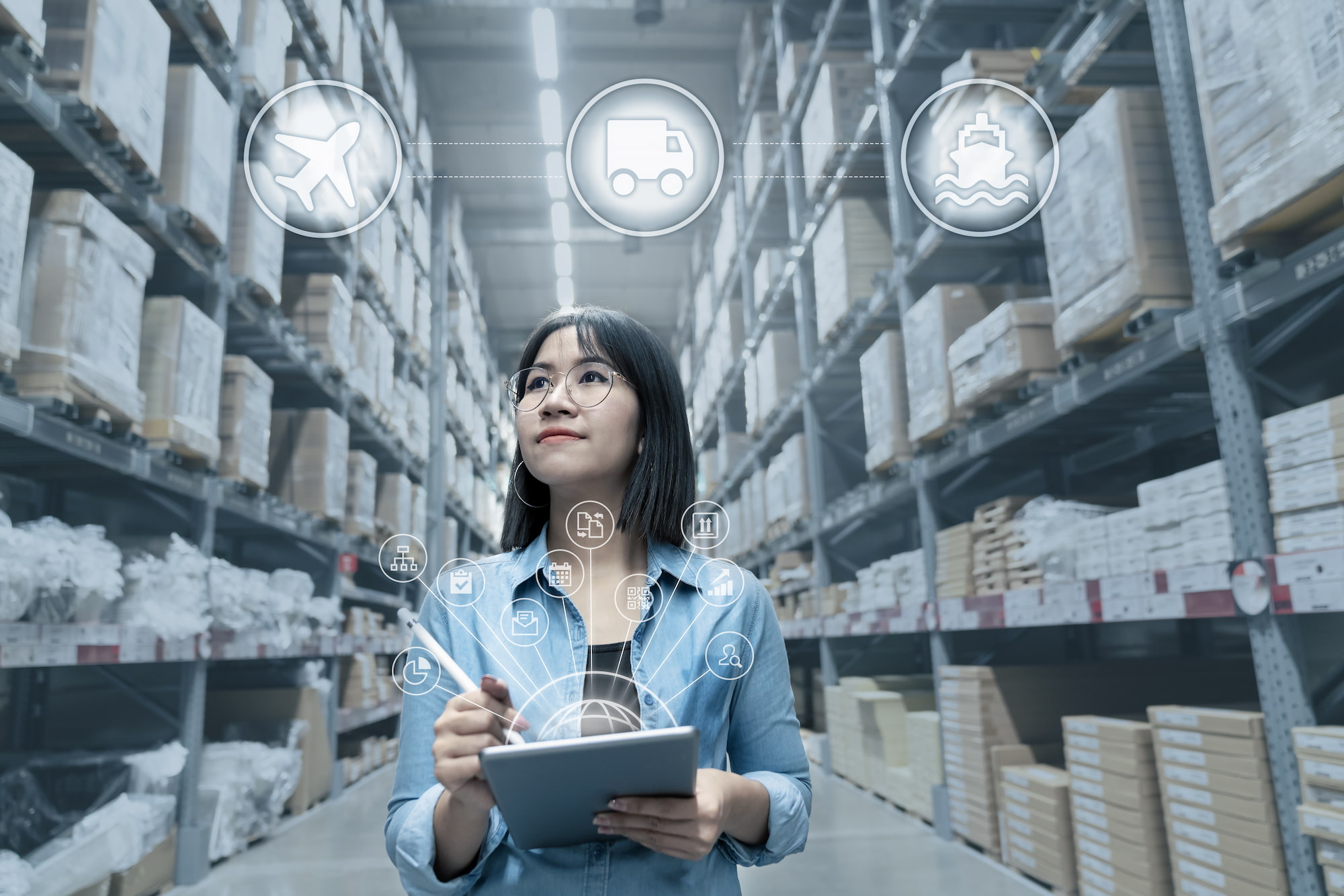
As e-commerce has surged over the last few decades, so has direct and 3PL fulfillment. Direct fulfillment is when a business sells product packs and ships the goods directly to the customer. Often known as DTC or D2C, this is typically when a company has its online shop and warehouse. Direct fulfillment is the last part of a DTC supply chain. The 3PL (Third Party Logistics) Fulfillment is when a middleman handles the inventory management and shipping. An example is Fulfillment by Amazon (FBA), where Amazon handles the order processing, storing, and delivery of the orders. Both models have pros and cons when warehousing and moving the products to the customer.
What Are The Differences Between Direct And 3PL Fulfillment?
While Direct and 3PL are both models of customer fulfillment, the main difference is the process. The operation begins before the customer orders and starts at the company’s warehouse for direct fulfillment. This can include workers labeling, storing, and preparing the products for shipping. When the customer orders, the website sends the information to the warehouse, where the packing and picking begins. When ready, a truck or courier typically ships the freight to the final location. In 3PL models, once the client places an order on the e-commerce site, the info goes to a warehouse that a third-party company owns.
Unlike 3PL, direct fulfillment services do not have a middleman and are responsible for the entire supply chain. As online shopping rose in popularity, direct fulfillment became valuable to customers who wanted their products shipped directly. The coronavirus pandemic further grew this trend since driving to brick-and-mortar stores declined during that period. A company’s newness can also determine its model for storing and shipping cargo. E-commerce businesses typically start with their own DTC supply chain, but it becomes more challenging as a company grows. When monthly orders reach a certain amount, companies invest in more warehouse space or outsource operations to a 3PL provider.
Using A 3PL For Fulfillment
The main reason shippers and sellers use 3PL services is because of the numerous advantages this type of fulfillment has. Along with growing companies, this is ideal for smaller businesses or beginner importers if there is insufficient capital. You save money by not having to operate your fulfillment center and outing the shipping process. A 3PL specializing in warehousing and fulfillment may also have the technology to offer more solutions than smaller companies. Examples include quicker delivery, return processing, tracking and management resources, and greater room for scalability. International and domestic shippers can benefit from having a supply chain with more excellent warehouse capabilities.
Customs Bonded Warehouse
When cargo enters the U.S., it is subject to various duties and taxes. A common way that importers avoid these charges is by using a customs-bonded warehouse. Bonded warehouses allow the storing of cargo for up to 5 years without payment of duties from the import date. This will enable shippers to save money while they look for customers. Goods can also be re-exported without taxes if there are no buyers for the shipments. Reach A1 Worldwide Logistics at 305-821-8995 or info@a1wwl.com to learn more about our bonded facility. Along with storage, we have distribution, segregation, manipulation, packing, crating, and more services to streamline your supply chain.

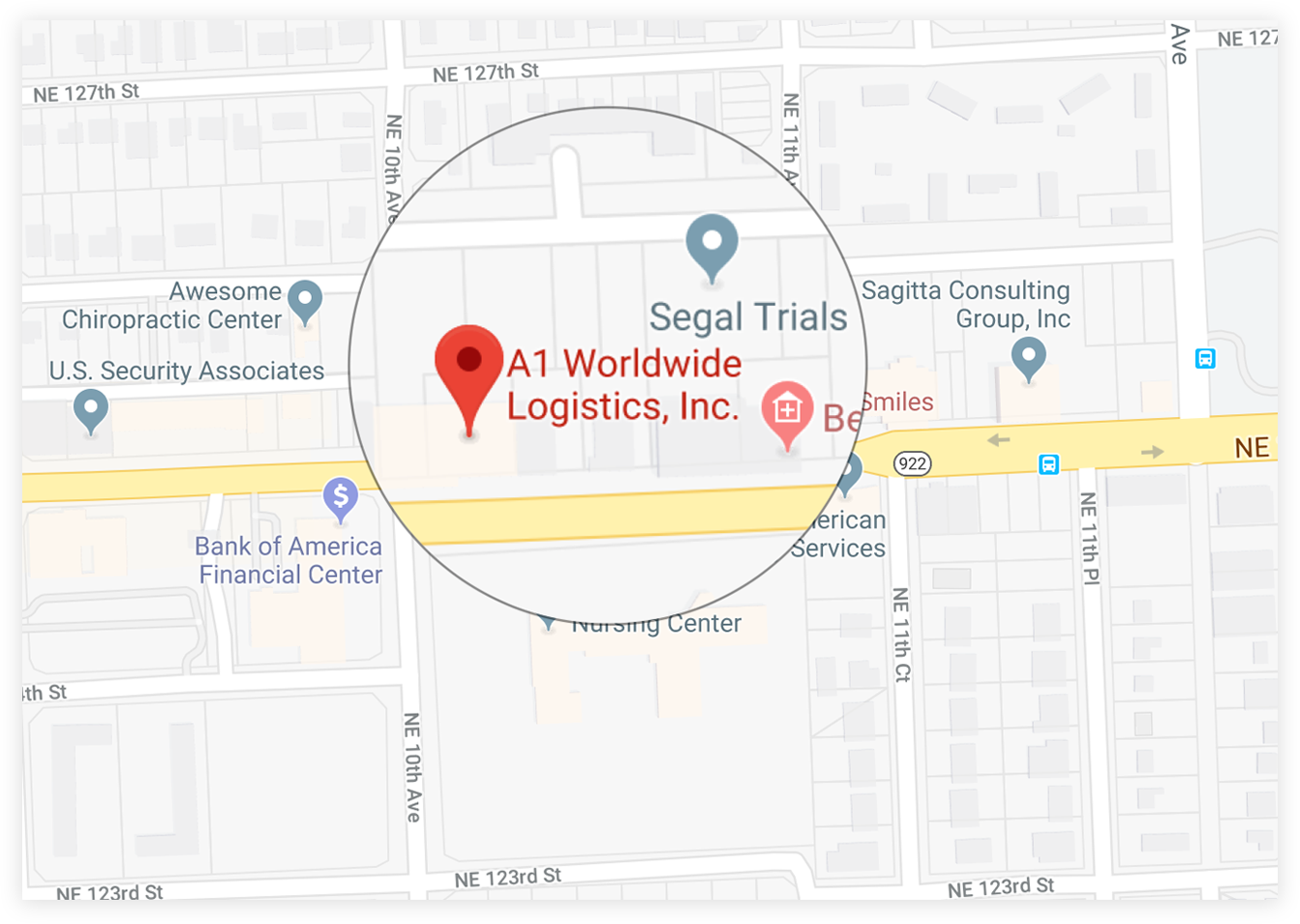
 1035 NE 125th St Suite #320, North Miami, FL 33161.
 a1worldwidelogistics.com
 (305) 821-8995
 Hours: 8AM - 5PM