
by A1 WorldWide Logistics | Mar 21, 2025 | Agricultural imports, Economic trends, Supply Chain
The trade war between the U.S. and other countries is escalating, with Trump threatening a 200% tariff on wine imports. Last Thursday, President Trump threatened 200% taxes on wine, champagne, and other alcoholic beverages from the EU (European Union). Trump noted that the tariffs would be “great for the wine and champagne businesses in the US.” The threat is the latest tariff announced by the U.S. regarding importations over the last few months. A European Commission spokesperson recently said that talks between the U.S. and EU will happen regarding the situation. With the U.S. being a significant wine importer, the tariff hike could substantially impact the EU’s market.
Why Is Trump Threatening a 200% Tariff on European Wine?
President Trump’s 200% tariff threat is due to recent duties announced by the EU. Earlier this week, Trump imposed a 25% tariff on steel and aluminum imports into the U.S. The EU retaliated by introducing tariffs on $28 billion of U.S. goods, including a 50% tax on American whisky. Trump responded by calling the EU “One of the most hostile and abusive taxing and tariffing authorities in the world.” During the first Trump Administration, the EU enforced similar taxes in response to Trump’s previous steel and aluminum tariffs. However, it was suspended and then later extended to March 31st. The EU’s retaliatory tax will go into effect on April 1st, just a day before Trump’s separate reciprocal tariff starts.
Since Trump’s return to office, he has placed duties over various U.S. trade partners, including Canada, China, and Mexico. The reason is to address the trade imbalance between the U.S. and other countries. Trump said he plans to “level the field” by reducing trade deficits with trading partners. Another goal behind the tariffs is to bring manufacturing and businesses like wine production back to the U.S. This will stimulate the economy and create jobs. The tariffs are also to stop the inflow of drugs and illegal immigration into the U.S. The majority of fentanyl that smugglers import into the U.S. comes from China and Canada.
What Will Be the Impact Of A 200% Tariff On International Shipping?
The U.S. is the largest wine importer globally, bringing in nearly 1.2 billion liters in 2024. Their biggest importers are in the EU, and they are the most significant wine producers globally (France, Italy, Spain, etc.). A 200% tariff could hurt the producers by resulting in substantial revenue loss. In turn, the higher costs will fall on the consumer, and the alcohol prices will skyrocket. A 200% tariff can also result in retaliatory measures for the countries involved and escalate the trade war. While it may negatively impact international trade, domestic shipping could benefit from production returning to the U.S.
When shipping cargo internationally, a shipper must be aware of potential disruptions that can affect the process. Failure to prepare can result in delays, cargo loss, and monetary loss. You can prepare by being up-to-date with any laws and regulations that may arise. Another way to protect your shipment is by speaking to 3PL (Third-Party Logistics) provider. A 3PL provides various supply chain logistics services, including international and domestic shipping, customs clearance warehousing, and more. They also educate shippers on the best course of action to take to avoid disruptions. To learn about our solutions for ensuring the success of your shipment, reach A1 Worldwide Logistics at 305-425-9456 or info@a1wwl.com.
by A1 WorldWide Logistics | Mar 19, 2025 | Economic trends, Importing, Supply Chain
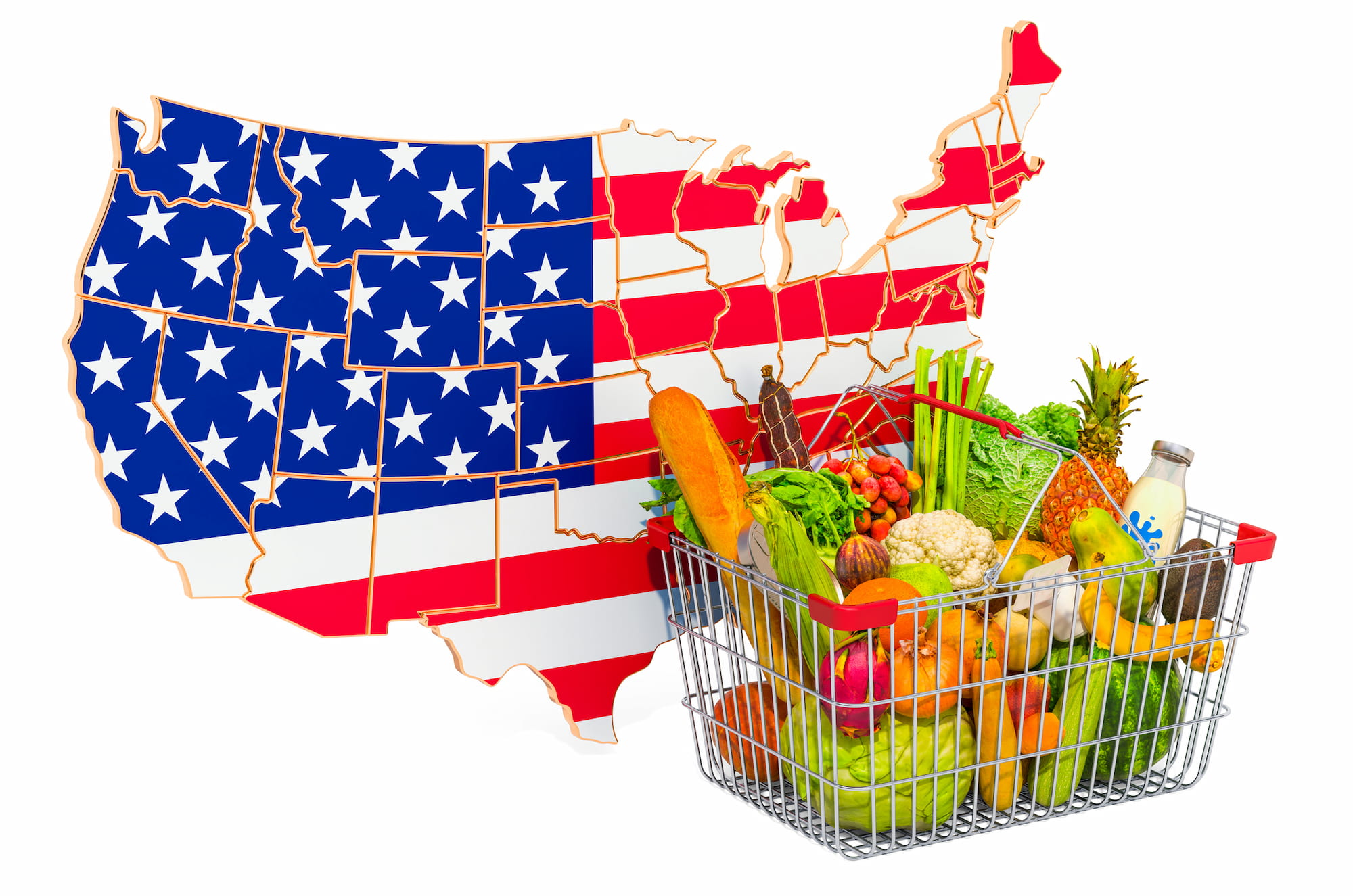
A trade war between the U.S. and other countries is starting to see Trump’s tariffs affecting the food industry. Over the last few months, President Trump has announced various tariffs on imports into the U.S. Along with taxes on different goods, such as steel and aluminum imports, cargo from multiple countries is also being taxed. In particular, Canada and Mexico imports face a 25% tariff, while China faces a 20% tax. Trump is also planning reciprocal tariffs for all of the U.S. trade partners. Along with the taxes impacting various U.S. sectors, it will directly impact the food industry. This article will explain how tariffs affect food imports and how you can protect your supply chain.
How Are Trump’s Tariffs Affecting The Food Industry?
In 2023, the U.S. imported nearly $194 billion in food and agricultural goods from various countries. The primary countries facing the tariffs include Mexico, Canada, and China, the most significant importers. Since the U.S. imports nearly 15% of its food supply abroad, taxes can lead to higher costs. The higher costs for manufacturers could fall on consumers who purchase the products from stores. Products like soup that use cans as packaging may already see higher prices due to Trump enforcing steel tariffs. Similarly, soda can imports made with aluminum will experience the same effect. Manufacturers like Coca-Cola are considering switching to more plastic bottles to avoid higher costs.
Along with the tariffs the Trump administration is enforcing, issues can come from countries potentially setting their retaliatory tariffs. A week ago, China announced a 15% retaliatory tax on various U.S. agricultural products, including soybeans, pork, chicken, and beef. As a result, U.S. farmers who bring in goods like chicken from China may lose market share. Farmers will also feel the strain of higher production costs, with Canada recently announcing retaliatory tariffs on $29.8 billion worth of U.S. goods. Canada is the largest U.S. supplier of fertilizer and potash, a substance farmers use to stimulate plant growth.
What Will The Tariff Mean For International Shipping?
The tariffs will affect numerous supply chains, including shippers importing food from various countries. Along with higher costs, supply chain disruptions can come from importers having to reassess sourcing and inventory strategies. Having to reevaluate a supply chain may result in delays in the importation process due to the time it takes. Shippers and manufacturing companies could begin looking at countries other than Mexico and Canada for importing to the U.S. Trump’s goal in imposing tariffs is to bring production back to the U.S., stimulating the economy and creating jobs. This may also benefit domestic shipping for moving the finished product to the final location.
As tariffs begin on U.S. imports, shippers should be ready to protect their shipments from potential disruptions. While alarming, it should not stop you from shipping internationally. However, you should take proper steps to prevent disturbances. An ideal step to get started is to speak to a freight forwarder. A forwarder is a person or company that coordinates cargo movement on behalf of the shipper. They offer various services like transportation, warehousing, preparing documents, customs clearance, and more. Forwarders also educate shippers on what to expect during the shipping process. Contact A1 Worldwide Logistics at 305-425-9513 or info@a1wwl.com to speak to a forwarder regarding moving your shipment internationally.
by A1 WorldWide Logistics | Mar 12, 2025 | Economic trends, Importing, Shipping Logistics
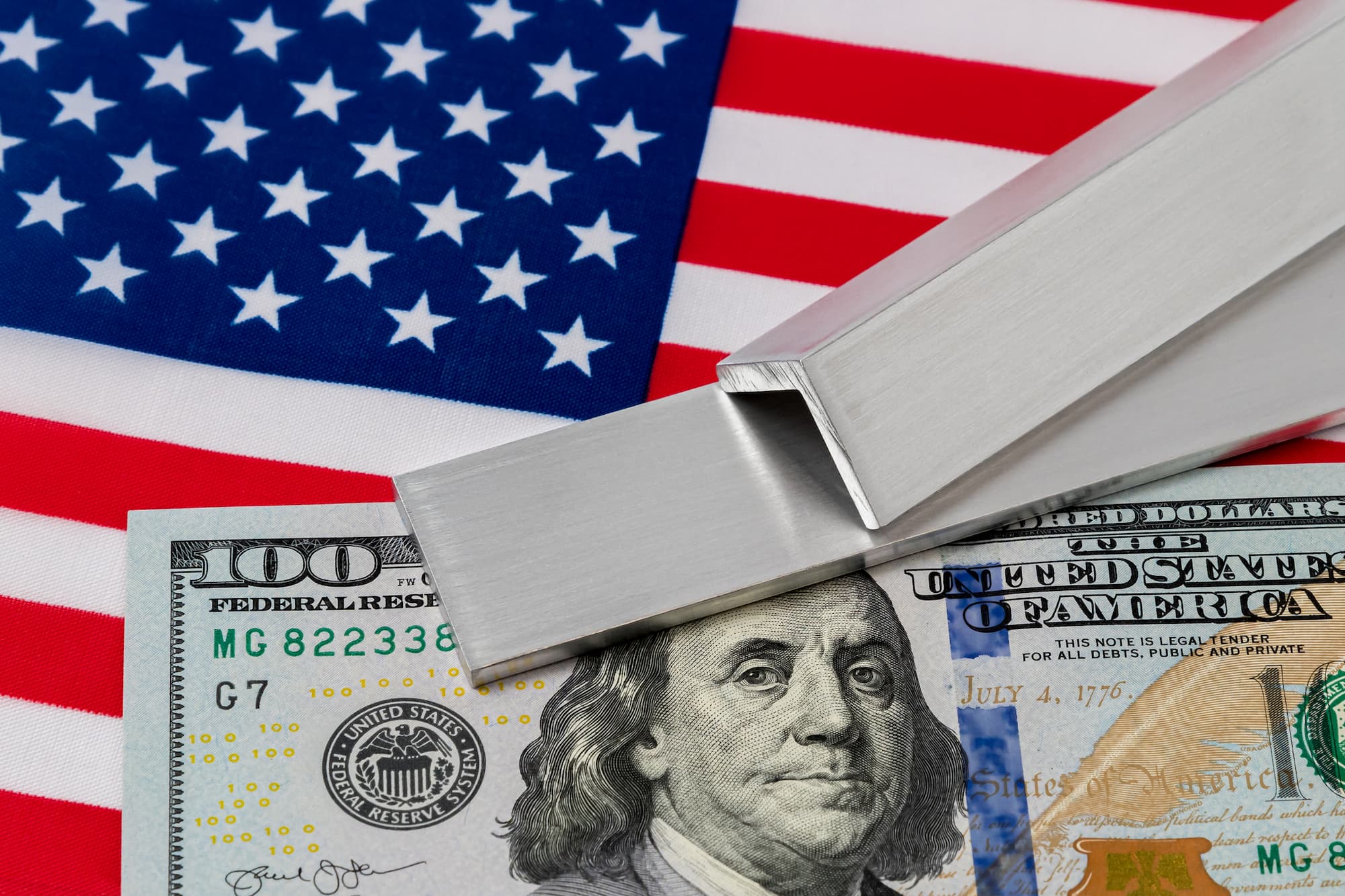
An executive order President Trump signed on February 10th has aluminum and steel tariffs starting today. Aluminum and steel importations into the U.S. will have a taxation of 25%. Yesterday, Trump announced that Canada would have to double the tariff and pay 50% for imports. The doubling was in response to Canada imposing a 25% tariff on electricity sold to the U.S. Trump has threatened more tariffs if Canada keeps imposing on U.S. agricultural and dairy products. During his first presidency, steel and aluminum imports saw 25% and 10% taxes on various articles. With the number of shippers that bring these types of goods to the U.S., the tariffs will significantly impact international shipping.
Why Is Trump Enforcing Tariffs On Aluminum And Steel?
The aluminum and steel taxes are part of Trump’s wide range of tariffs on U.S. imports. Since returning to office, Trump has imposed tariffs on the most significant U.S. trade partners, including Mexico, Canada, and China. Some are delaying until further months, including a 25% tariff on all goods from Mexico and Canada and a 20% tariff on imports from China. The primary reasons behind the tariffs are to address trade imbalances and bring manufacturing back to the U.S. Trump believes that returning production to the U.S. will stimulate the economy and create jobs. While it could boost domestic shipping, there is a fear that it will hurt international shipping.
With the amount of importers that bring goods to the U.S., the tariffs will affect numerous supply chains. If businesses are importing, the costs from the tariffs could fall on the customers. Another goal behind the taxes is to fight against the importation of drugs and illegal immigration. Canada and China are responsible for the majority of fentanyl that smugglers bring to the U.S. The original reason behind extending the 25% tariffs for Mexico and Canada imports was to straighten country borders. Trump noted, “Thousands of people are pouring through Mexico and Canada, bringing crime and drugs at levels never seen before.”
How Are Countries Reacting To Aluminum And Steel Tariffs Starting?
Due to the significant hike in aluminum and steel ship costs, various countries, particularly Canada, have opposed the tariffs. Canada is the most considerable steel exporter to the U.S., bringing over 6.6 million tons in 2024. The initial response was to charge a 25% surcharge on U.S.-bound electricity. However, Trump lowered the steel and aluminum tariffs to 25% from 50% due to Canada halting the surcharge. Other countries like China have reacted by expressing concerns and announcing potential reciprocal taxes. The European Union also responded to the tariffs by announcing its levies on billions of dollars worth of U.S. exports.
While tariffs may seem alarming, they should not stop shippers from importing into the U.S. However, shippers must take the appropriate steps when starting. Along with keeping up-to-date with the news, you can do this by speaking to a customs broker. Customs Brokers coordinate the clearance of an import by ensuring that they comply with a country’s customs regulations. They offer various services like documentation, paying duties, filing customs entries, etc. Brokers also educate shippers on what to expect and how to prepare when starting. Reach A1 Worldwide Logistics at 305-425-9513 or info@a1wwl.com to talk to a broker regarding importing your goods into the U.S.

by A1 WorldWide Logistics | Mar 6, 2025 | Economic trends, Importing, Shipping Logistics
President Trump is pausing automobile tariffs for imports from Mexico and Canada for one month. The 30-day exception will protect autos and auto parts from a 25% tariff that Trump recently enforced for importations. White House press security Karoline Levitt said the pause comes after Trump spoke to the “big three” automakers. Karoline notes, “He told them they should get on it, start investing, start moving, shift production here to the United States of America where they will pay no tariff.” Karoline did not specify if the pausing included finished vehicles and car parts. With the amount of automobile imports from Mexico and Canada, tariffs will significantly impact international shipping.
The Reason Why Trump is Pausing Automobile Tariffs
Trump’s goal behind pausing tariffs is to give automakers time to prepare before the tariffs take effect on April 2nd. The pause will provide automakers complying with the USMCA (United-States-Mexico-Canada Agreement) time to return their supply chains to the U.S. Ford already announced that the auto sector in Canada will last 10 days before assembly lines start closing. The Trump administration plans to “level the field” by reducing the trade deficit between the U.S.’s largest trade partners. Issues may arise for automakers since returning automakers to the U.S. does not happen quickly or inexpensively. It could take over two years to build a new assembly plant, costing billions of dollars.
Along with bringing manufacturing back to the U.S., the goal behind the tariffs is to stop the inflow of drugs. The illegal importation of fentanyl into the U.S. is commonly brought in through Canada, Mexico, and China. Trump said, “He (Justin Trudeau) said that it’s gotten better, but I said, ‘That’s not good enough.” The 25% tariff is part of numerous tariffs Trump announced against U.S. Trade partners. 25% taxes on all Canadian and Mexico imports and a 20% hike on China importations began on March 4th. Trump is also planning reciprocal tariffs on all U.S. trading partners.
What Can The Automobile Tariffs Mean For The Industry?
While the tariffs aim to bring manufacturing back to the U.S., they have raised concerns in the automotive industry. Analysts predict that manufacturing costs will soon increase, resulting in higher vehicle prices and reduced profitability for automakers. If automakers decide to manufacture and import from Mexico or Canada, tariffs could also raise costs. Car prices may soon rise by $12,000 once the 30-day exemption ends. Along with automakers, regular shippers could feel the strain on their supply chains from paying more to import. If the shipper has customers in the U.S., the extra costs could go directly to the customer.
Shippers must understand what to expect with tariff increases from various countries and imports like automobiles. Failure to understand and prepare can lead to supply chain disruptions, resulting in monetary and cargo loss. It is essential to keep up-to-date with any news that may impact your cargo. Another way to ensure a successful shipment is by working with a 3PL (Third-Party Logistics) provider like A1 Worldwide Logistics. 3PLs are service providers that offer numerous solutions for a shipper’s supply chain. These can include transporting cargo, customs clearance, warehousing, domestic shipping, and more. They also educate the shipper on the best action to protect their shipment. Speak to an expert at 305-435-9456 or info@a1wwl.com to begin importing and exporting from the U.S.
by A1 WorldWide Logistics | Mar 4, 2025 | Economic trends, Importing, Supply Chain
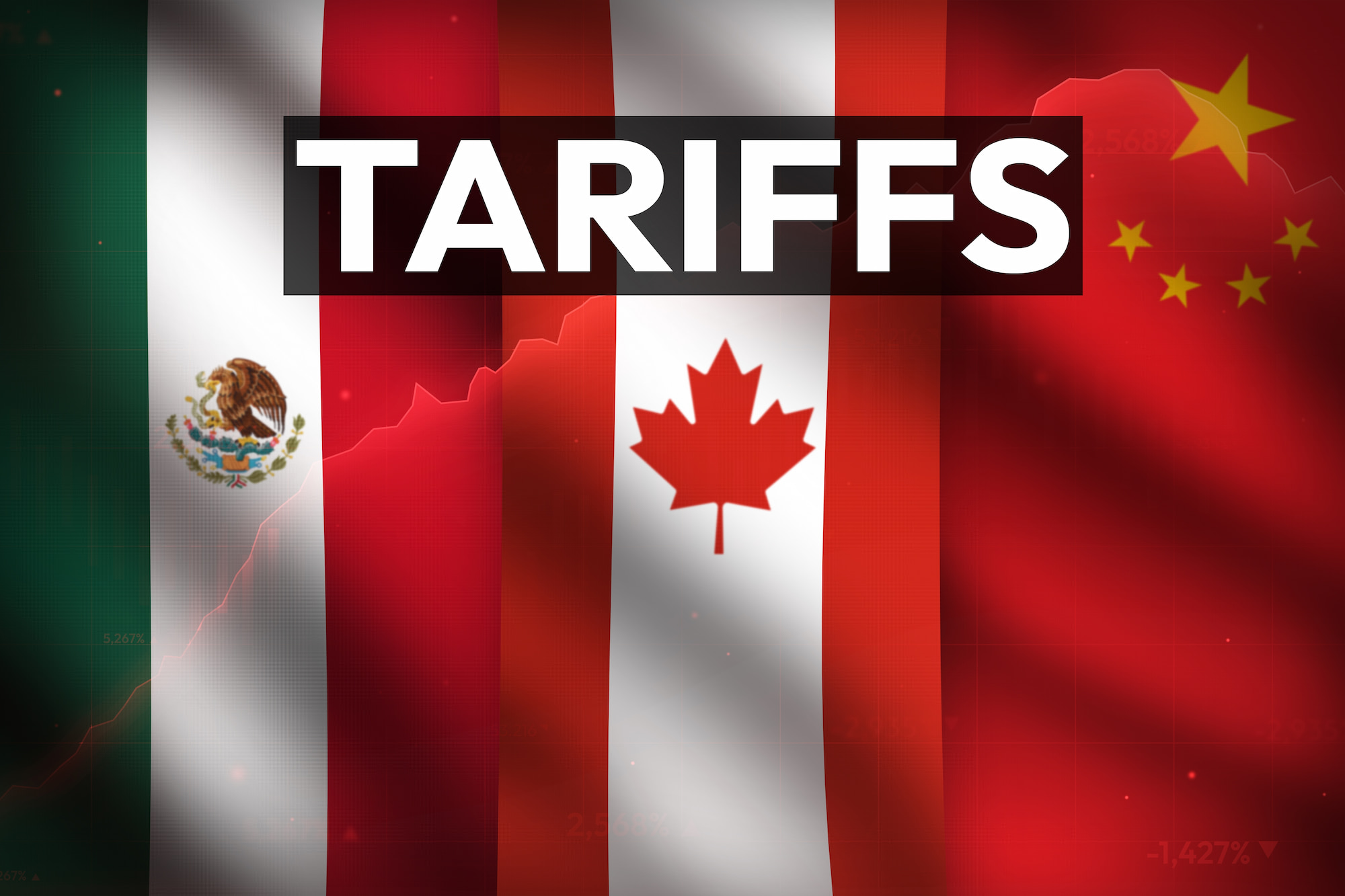
Trump’s tariffs are beginning today after a month-long extension of an executive order signed last month. Imports from Mexico and most goods from Canada will see a 25% tariff hike. Energy products from Canada to the U.S. will see a reduced 10% rate. Initially, the tariffs started on February 1st, but agreements to enhance border security postponed the date to March 4th. Cargo from China will have an additional 10% hike on the 10% Trump signed in February. All Chinese imports will have a 20% tariff on March 10th. The largest U.S. trade partners are Canada, Mexico, and China, so the tax hikes will directly impact international shipping.
Why Is Trump Enforcing Importation Tariffs
President Trump has cited several key reasons for hiking tariffs, including addressing drug trafficking and illegal immigration. Trump stated, “Thousands of people are pouring through Mexico and Canada, bringing crime and drugs at levels never seen before.” The original extension gave the countries bordering the U.S. time to strengthen borders against illegal immigration. China’s 20% hike is to punish the government for failing to stop the importation of Fentanyl into the U.S. Another reason behind the tariffs is to reduce international trade imbalances and bring manufacturing back into the U.S. The Trump administration plans to “level the field” by reducing the trade deficit between the U.S.’s largest trade partners.
The belief is that bringing manufacturing back into the U.S. will stimulate the economy and create jobs. Companies in the U.S. have a separate belief that it will have the opposite effect and hurt the economy. Along with harming the economy, the tariffs will directly impact imports coming into the U.S. from the affected countries. The entire supply chain will feel the extra costs, which could fall directly on the customer. Importers have already begun looking for other countries like Taiwan that are less costly to outsource to. Manufacturers returning to the U.S. could benefit the domestic shipping industry since there will be a greater need for trucking.
Since Trump’s Tariffs are Beginning, How Will U.S. Trade Partners Respond?
Immediately after Trump announced the tariffs, the U.S. trade partners opposed the hike. Canada responded by announcing a 25% hike on numerous U.S. imports totaling nearly $20.7 billion. Along with filing a complaint to the WTO (World Trade Organization), China imposes additional tariffs ranging from 10% to 15% on various U.S. imports. Mexico has yet to announce retaliatory measures; however, the president, Claudia Sheinbaum, has multiple options under consideration. The countries affected by the tariffs could soon add on additional retaliatory tariffs as the trade war continues.
With tariffs starting on three of the U.S.’s biggest importers, the shipper must be ready when importing. Higher shipping costs can strain supply chains and lead to other issues that can fall to the final receiver. Another way to be prepared is by speaking to a 3PL (third-party logistics) provider like A1 Worldwide Logistics. 3PLs provide various solutions for your supply chain when shipping internationally, including customs clearance, freight forwarding, warehousing, and more. Reach us at info@a1wwl.com or 205-425-9456 to speak to an expert regarding exporting or importing into the U.S. We ensure the success of your shipment and are with you until your goods reach the final destination.

 1035 NE 125th St Suite #320, North Miami, FL 33161.
 a1worldwidelogistics.com
 (305) 821-8995
 Hours: 8AM - 5PM