
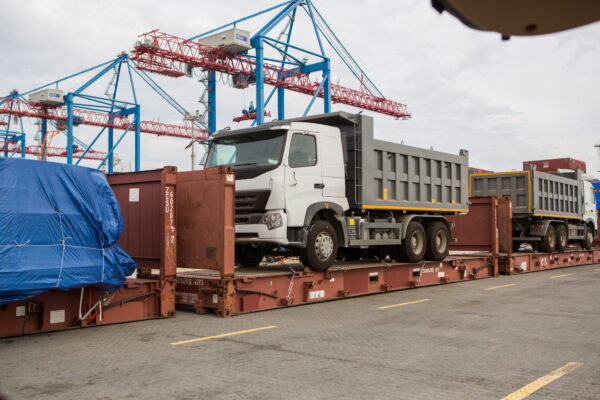
Compared to the shipment of regular-sized goods, shipping oversized cargo internationally has been known to be more difficult. Not only are the safety measures different, but the overall transportation logistics differ.
Seaports of the Future

Innovations in technology have led to the growth of ports and the shipping industry, which continues to grow. This article will explain the latest trends and predictions for the seaports of the future.
California Ports Receiving $1.2 billion
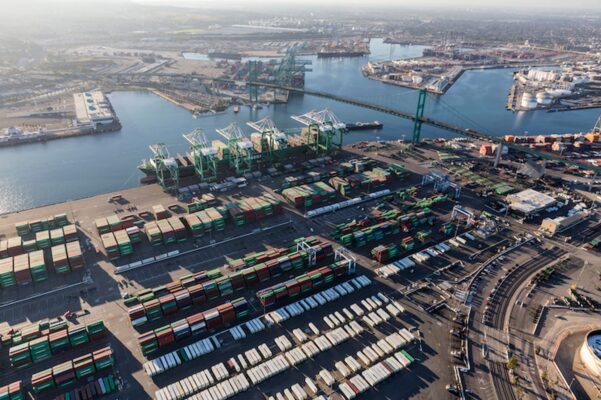
The purpose of the grants are for an overall improvement of port systems while creating zero-emission infrastructure to decrease pollution. Newsom noted that “These investments will modernize our ports, reduce pollution, eliminate bottlenecks, and create a more dynamic distribution network.”
The Panama Canal Facing Restrictions
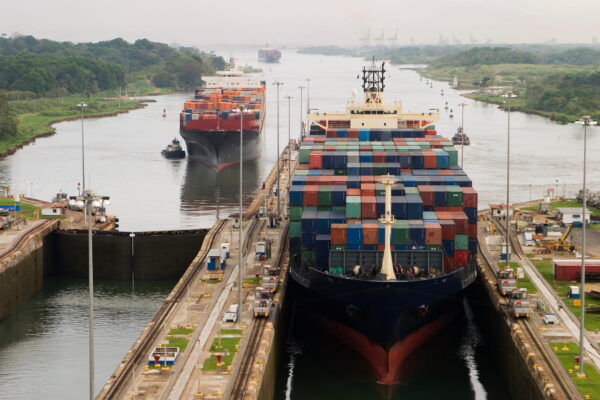
he Panama Canal is a crucial global trade route and a significant passageway for supply chains requiring international shipping. It is an ideal shortcut in maritime container transportation and generates over $2 billion yearly for Panama’s economy. With some of the most prominent carrier companies transporting through the canal, restrictions may significantly impact supply chains.
UPS Vows to Reach Deal
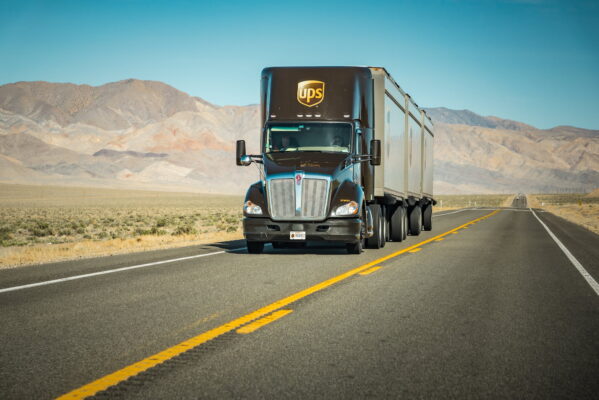
After months of back and forth, UPS vows to reach deal with Teamsters by July 5th. UPS (United Parcel Service) is known as the largest package shipping company in the U.S. in terms of volume. Recently unsatisfactory contract negotiations between UPS executives and workers have reached a point where a strike was looming.
U.S. Short Sea Shipping
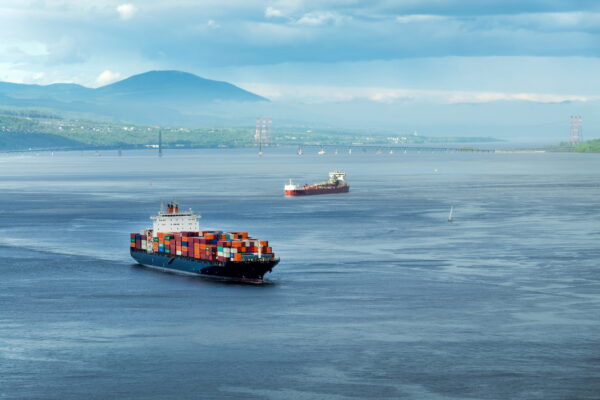
Short-sea shipping in the Great Lakes region can have significant advantages with the volume of freight that passes through.
ILWU and PMA Reach Deal as Disruptions Calm
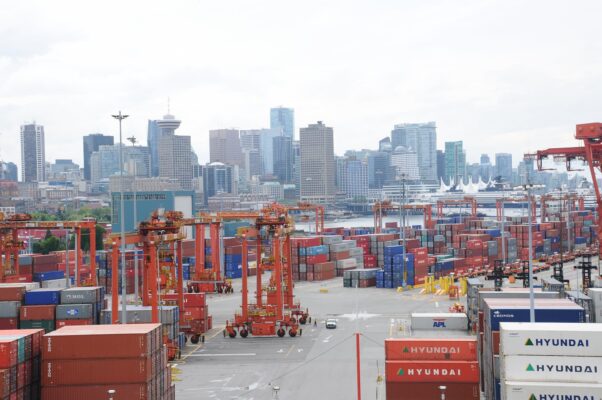
Disruptions in numerous West Coast ports across the U.S. may soon subside with a deal reached between both parties. ILWU workers and the PMA (Pacific Maritime Association) have negotiated a new contract for the past 13 months.
West Coast Ports Disruptions Persist
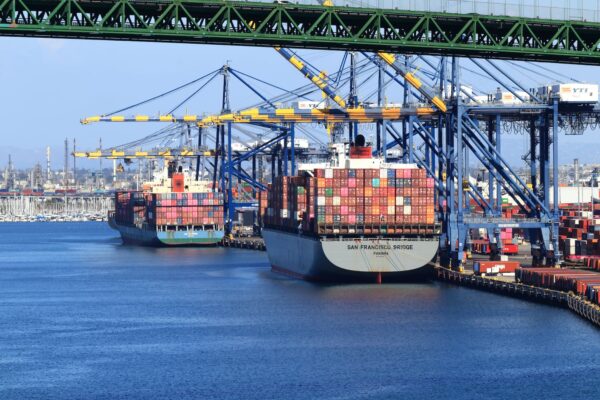
The disruptions continued in the Port of Seattle with the shutdown of the entire seaport on June 10th. On June 9th, the second and third shifts experienced massive slowdowns as ILWU officials led operations to a pause. The Port Authority responded by sending the workers home; insufficient workers led to closure the next day. This port is one of the biggest movers of grain and produce in the U.S. Shipments from U.S. exporters are currently idle at the docks, with the ILWU declining to dispatch terminal workers. The ILWU made a contradictory statement: that the Port of Seattle and other ports are operating.
What Are The Four 3PL Types?

The 3PL industry has expanded over the last decades due to the number of solutions offered. This article listed a few of the services; however, the list broadens to options like customs clearance. 3PLs are the easiest way for companies to grow their operations and increase the provided to their customers. As e-commerce has become popular, so has the need for 3PLs for order fulfillment. Contact A1 Worldwide Logistics at 305-425-9513 or info@a1wwl.com to learn more about our numerous 3PL solutions. We can help you achieve your objectives no matter the size of your business.
NVOCC vs. Freight Forwarders
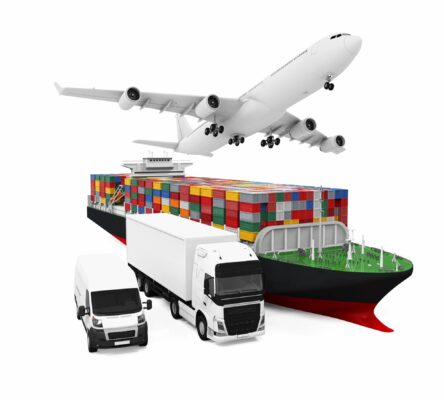
While NVOCCs and freight forwarders both have their benefits, the answer depends on the shipment being made by the shipper. The most significant distinction is that NVOCCs are only for maritime shipping, while forwarders move cargo differently. If a business moves goods by the ocean, NVOCCs can provide personalized services and help shippers avoid the intermediary fee. This is because they are independent carriers instead of agents. Forwarders benefit from allowing different ways to transport goods. Businesses with international supply chains can take advantage of having their entire freight journey handled. Forwarders also have extra services not provided by NVOCCs, such as warehousing and customs clearance.