Recent U.S. Department of Commerce restrictions have resulted in China limiting graphite exports. Graphite is a mineral that manufacturers use to create pencils, brushes, arc lamps, and batteries for electric vehicles (EVs). China is the world’s most significant graphite producer, producing over 65% natural graphite globally. Starting December 1st, foreign companies will require stricter permits for shipping raw and synthetic graphite out of China. The announcement comes after the U.S. blocked China from importing specific computer chips. The U.S. restrictions aim to prevent China’s access to semiconductors that can fuel breakthroughs in artificial intelligence.
What Does China Limiting Graphite Exports Mean for Shipping?
A decline in graphite exports out of China can negatively impact supply chains globally. Automakers that rely on this mineral to create EV Batteries may feel the main impact of the restrictions. In recent years, the customer demand for EVs has grown, and many are switching to cleaner energy technologies. The World Bank Predicts that graphite demand will rise 500% over the next three decades. Since China makes over 65% of the world’s graphite, EV makers that ship from the country may soon have to look for other alternatives. This can mean importing the mineral from other countries or insourcing the production and buying of graphite in the U.S.
Many EV manufacturers are already importing graphite from countries like Mozambique, which is the 2nd largest producer of graphite. This option may have separate issues because of recent regional labor strikes. Another concern from shippers is that the average price of graphite will spike in the near future. This is due to the demand becoming higher than the supply. The Russia-Ukraine adds to the price since Russia is a significant supplier of the world’s graphite. Manufacturers also have used substances like silicon instead of graphite to create batteries. However, technology for that material is not commercially available.
How Has the U.S. Responded?
The global graphite supply was a concern for the U.S. years before China’s announcement to limit exports. Last year, the U.S. government signed the Inflation Reduction Act into law. This law gives a 10% tax credit to domestic producers of graphite and similar minerals. In February of 2023, the Biden administration gave $3 billion in funding for battery supply chains that use graphite. The goal is to bring more graphite production to the U.S., starting with a processing plant in Alabama. In August, the U.S., South Korea, and Japan met and launched a supply chain early warning system (EWS). This program will share information on disruptions to crucial supply chains like graphite and EV batteries.
When shipping freight internationally, it is essential to be up-to-date with any laws and regulations that arise. Failure to do so can delay shipment and disrupt your supply chain. The best way to prepare is by talking to a freight forwarder or customs broker regarding your cargo’s movement. Forwarders coordinate the transport of your goods, and brokers clear the import once it reaches the destination country. Contact A1 Worldwide Logistics at 305-821-8995 for assistance with your supply chain needs. We help by guiding you through the world of international shipping by providing solutions for reaching your goals.
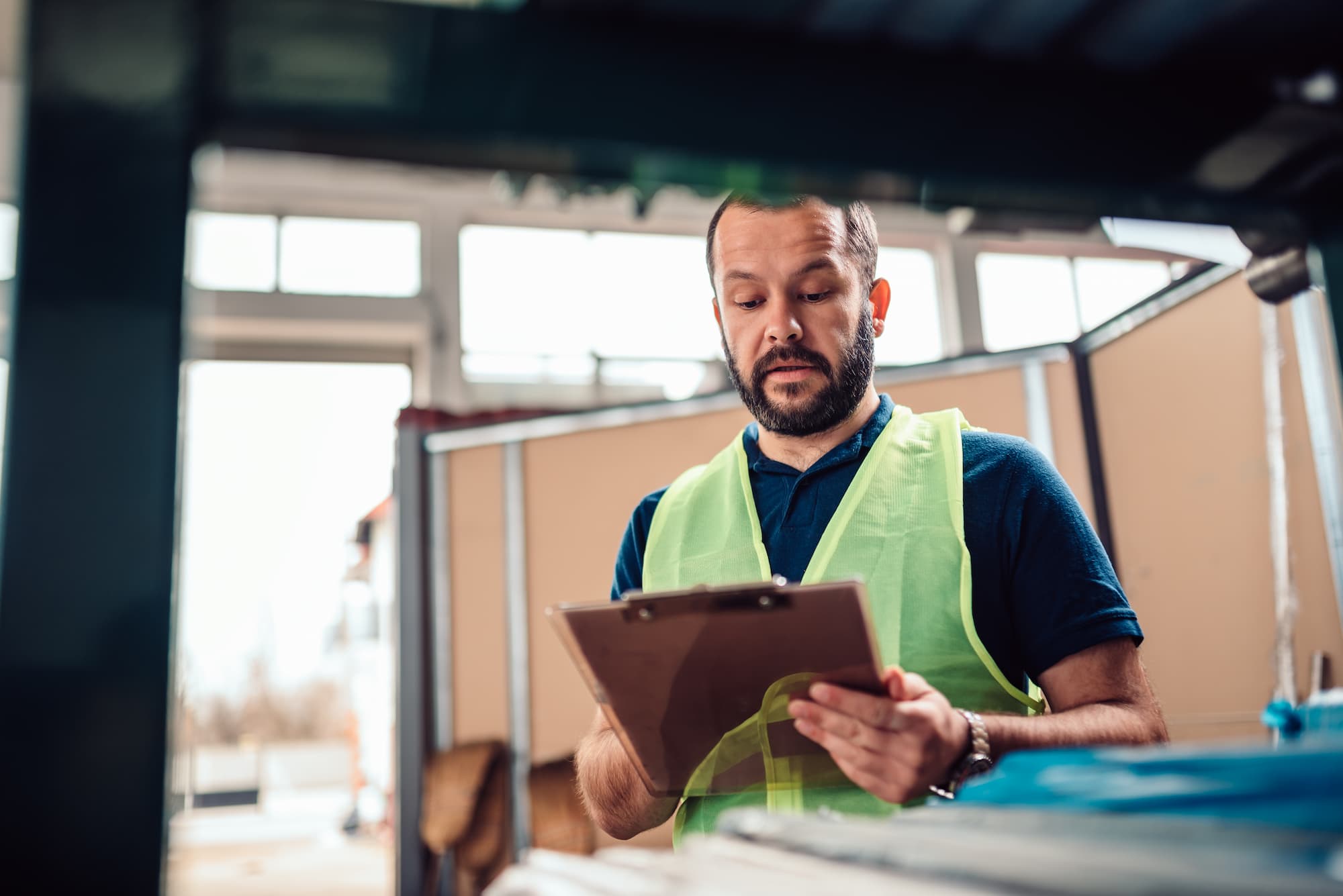
In the logistics of transporting products to clients, there are two common steps that nearly all businesses go through. These steps are picking and packing, and most companies that own or rent a warehouse do them. While the customer may not be familiar with these two processes, one mistake can affect the whole delivery unfavorably. Picking is when a warehouse worker takes a product from storage and transfers it for packing. Packing is when the picked item is sealed and labeled to be shipped by the warehouse to the client. An example to demonstrate when these processes take place is shopping in an e-commerce business.
After searching through a website, customers find something they like and buy the product. The website then sends the order to a warehouse or fulfillment center, usually in the form of a packing list. A warehouse worker then searches for the order in the inventory and brings it to a packing station. The order is packed and labeled in the station and then delivered to the customer. A different type of packing is crating, when workers pack goods into wooden crates. Crating is typically done for valuable goods that damage easily; the crates can also be metal or plastic.
What Can Go Wrong
Due to countless companies’ need for picking and packing, errors may sometimes occur. Since these processes are estimated at 45% of warehouse operating costs, a small mistake may broadly impact the supply chain. One of the more common mistakes is incorrect inventory. For example, an order is sent to a warehouse, and the warehouse’s stock records are inaccurate. The picking, packing, and delivery process can delay if the demand exceeds the stock. Missing details on inventory, such as weight and size, can also lead to unsecure packaging and damages.
A shipper usually outsources packing and picking to a third-party logistics warehouse due to the training and equipment purchasing involved. Contact A1 Worldwide Logistics at 305-821-8995 to find out how our warehousing solutions can streamline your supply chain. Along with packing and picking, we offer many other services like public warehousing, cross-docking, and trans-loading. Our warehouse is also insured and secured, meaning you can store your shipment for five years without paying taxes.
In Shipping, many aspects come into getting the supplier’s goods to their customers. One essential part of the supply chain is warehousing. When transporting goods internationally, the shipper may place the cargo in a warehouse before or after shipping it. Also, shipments that arrive in the destination country are liable to taxes and charges before your customer can receive them, so they may be kept in a warehouse before being released.
The Purpose of Warehousing in Freight Forwarding
Warehouses provide numerous services for your goods during the shipping process. Storage is a primary function that allows your goods to be kept in a secure facility for a period. The shipper may store the cargo until they are ready to sell or deliver it to a customer. Meanwhile, protecting those goods from damage or hazard is also a priority in warehousing.
How has warehousing changed over the years?
Automation – The technological advancements over the last few decades have led to improved product protection and faster communication within the supply chain. Present-day tractors and forklifts provide easier access to storage while simultaneously increasing workers’ safety.
Location – An increase in warehouses worldwide has improved the supply chain process. As this continues, more customers can participate in the supply chain process compared to the past. Plus, E-commerce has welcomed the creation of even more warehouses to keep up with the demand.
Dimensions – Compared to the past, the overall size of warehouses has increased to hold a broader storage capacity. This helped add variety to the types of products available, since warehouses could now store a broader range of items than before.
Distribution – The advancements in automation and the expansion of locations helped shorten the time it took for products to reach customers. It used to take days or even weeks after the buyer placed an order for them to receive it. Now, same-day deliveries are possible.
Accessibility – Traditionally, large businesses with substantial budgets were the only users of warehouses. However, many smaller businesses and individuals began utilizing warehouses to store their goods more recently. This is due to a combination of the advancements in warehousing and people wanting to manage their own operations.
The transportation industry has seen massive growth and development in freight movement over the last few decades. A recent topic that has become popular in the Transportation and Logistics industries is the usage of 3D printing. Advances in technology lead some to believe that 3D printing may help the industries grow. Others predict that 3D printing can have an opposite effect and interrupt freight movement. This was recently discussed in a virtual session at The Economic Club of New York. One of the topics brought up was the effect that 3D printing may have in the future.
Pros and Cons of 3D Printing
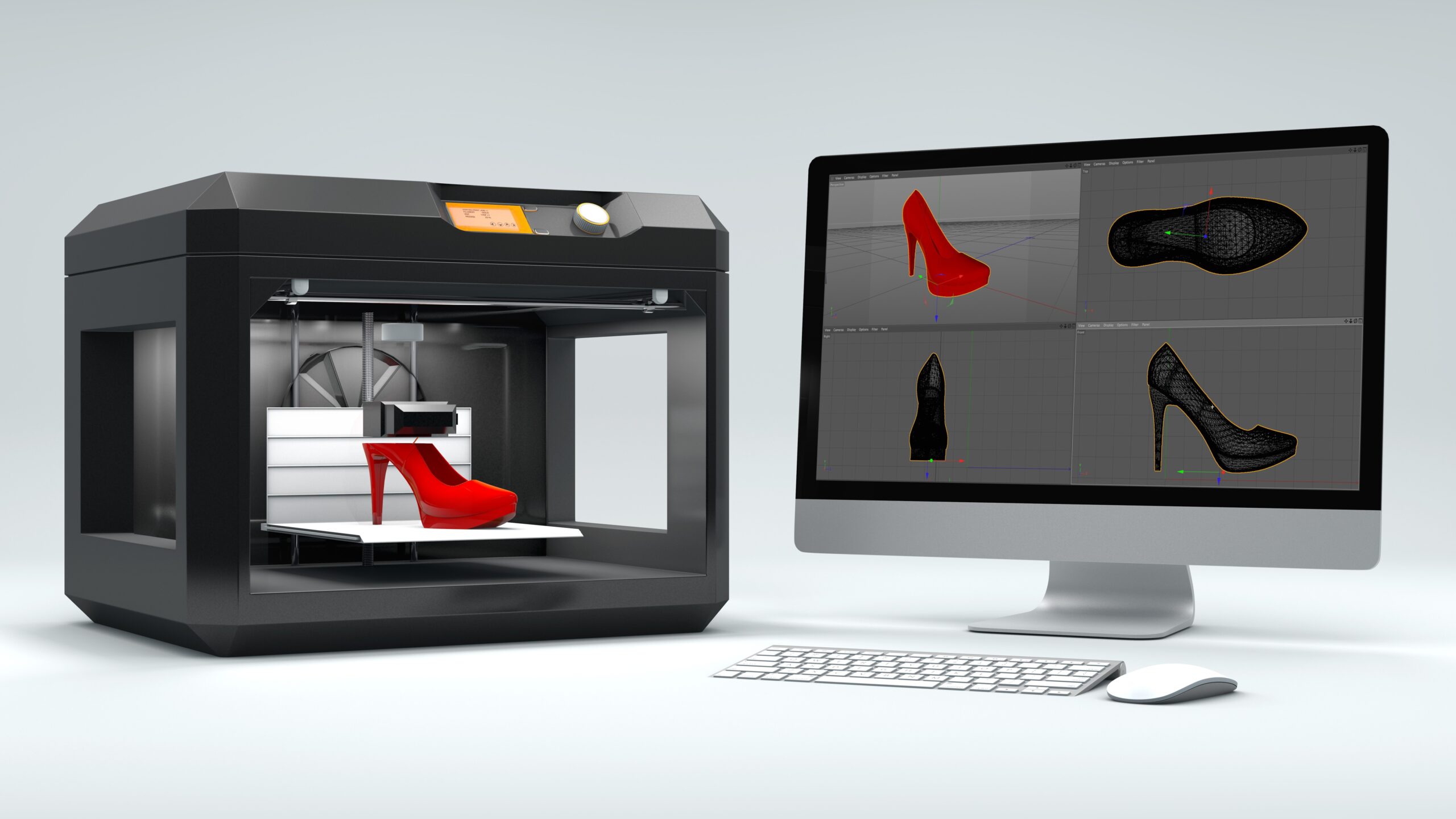
3D printing is a manufacturing process that converts digital data into a three-dimensional image. One of the main benefits of 3D printing is that it will streamline the supply chains of transporting products. The traditional supply chain process involves obtaining, manufacturing, and transporting goods to customers. 3D printing may allow companies to create goods in their location instead of importing the products elsewhere. Manufacturing goods in one’s facility can save money, time, and resources. 3D printing also allows for versatile, complex design due to its method of digital creation.
One of the main disadvantages of 3D printing is the effect that it could have on the freight forwarding/transportation industries. A freight forwarder is an intermediary between shippers and transport companies who coordinate the movement of goods internationally. With companies creating products in their facilities through 3D printing, the need for a freight forwarder becomes lessened. The way that many companies create products today is by outsourcing materials from different countries. Freight forwarders may coordinate the importing of those materials internationally.
What Effect will 3D printing have on the Transportation Industry?
The current supply chain model for manufacturing and moving freight involves many steps. Companies source cheap labor overseas, and then pay to get the goods transported. With 3D printing, a portion of the supply chain could be gone, although any statement suggesting that goods will be made in anyone’s basement are truly exaggerated. Perhaps, in many (many!) years from now, the international movement of goods may be replaced with the international movement of designs and information to create the goods.
3D printing may impact globalization because it is based in the countries’ permanent exchange of goods. With companies creating goods domestically, supply chains could become less dependent on other countries to be effective. A nationwide lockdown or a conflict between two countries may become less of a disruption to a supply chain.
A1 Worldwide Logistics
While 3D printing may impact the future of transportation, it may be a while before 3D printing becomes standard practice. Freight still has to be moved internationally. When moving freight, it is essential to have a freight forwarder that understands the world of international shipping. A1 Worldwide Logistics has experience working with freight transport methods such as ocean, air, and land. Contact us at 305-821-8995 or info@a1wwl.com for a quote to get your goods moving today. We also have customs brokers to arrange the customs clearance process of your imports.
A1 Worldwide Logistics, Inc.
1035 NE 125th St Suite #320, North Miami, FL 33161. a1worldwidelogistics.com (305) 821-8995 Hours: 8AM - 5PM



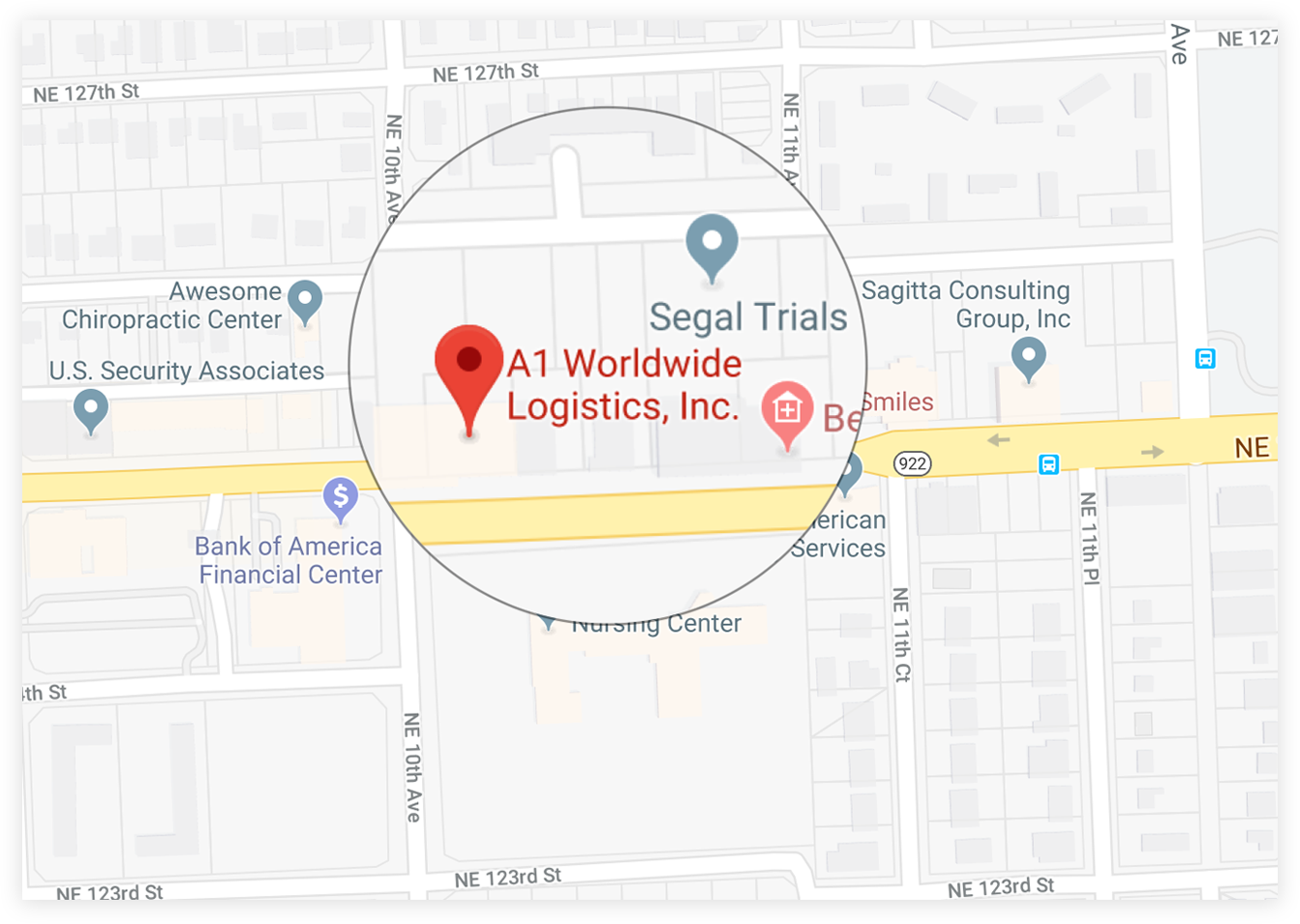
 1035 NE 125th St Suite #320, North Miami, FL 33161.
 a1worldwidelogistics.com
 (305) 821-8995
 Hours: 8AM - 5PM