by A1 WorldWide Logistics | Jun 13, 2024 | Air Freight, Customs Broker, Importing
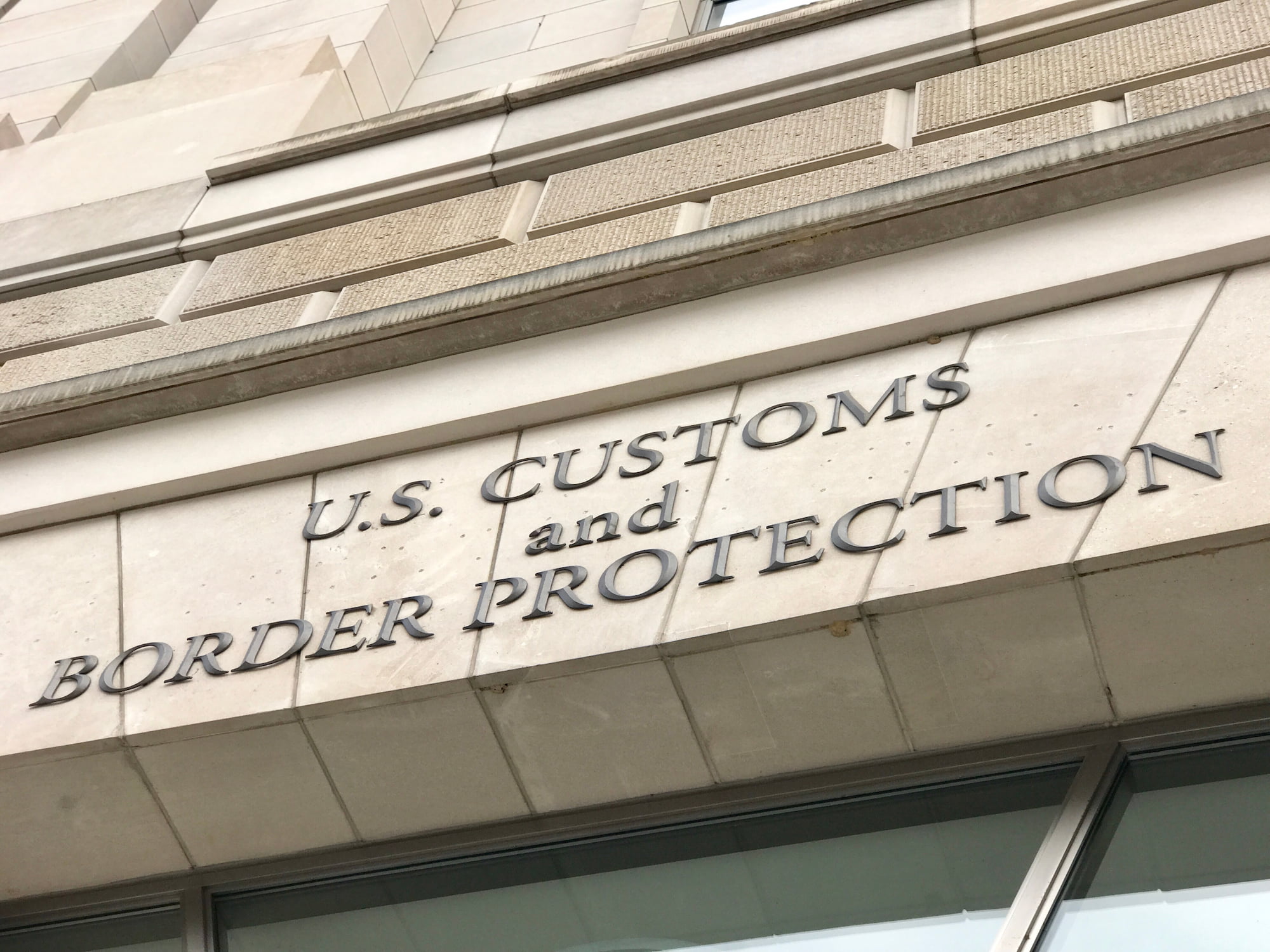
The CBP are tightening e-commerce enforcement on low-value imports coming into the U.S. Recently, multiple customs brokers have had actions taken against them by the CBP for not filing proper and correct entries. In particular, entries for small, low-dollar imports that are duty-free. Penalties for not complying with filing requirements include suspension from CBP’s Entry Type 86 Program. The crackdown has started with e-commerce shipments coming into the U.S. by air into the Los Angeles International Airport (LAX). Low-value cargo coming into the LAX airport from countries like China and India are moving to CBP warehouses for review. Customs have also recently seized parcels of a weight-loss drug coming through e-commerce to Chicago O’Hare International Airport.
Why CBP Are Tightening E-Commerce Enforcement
The CBP is cracking down on low-value e-commerce imports to prevent shippers from exploiting the de minimis rule. De minimis is the minimal value of imported goods exempt from duties and a formal customs declaration. In 2016, the Trade Facilitation and Trade Enforcement Act of 2015 (TFTEA) rose in value from $200 to $800. The CBP changed the amount to accommodate the growing trend of e-commerce shipments into the U.S. Online purchases were typically low-value, meaning that it wasn’t worth the costs of CBP to collect the duties. An effect was that importers and retailers transported millions of smaller packages to the U.S. at a lower cost.
Imports below the de minimis threshold surged from approximately 134 million in 2015 to over 1 billion in 2023. While this was good for e-commerce, it allowed malicious players to bring drugs and illegal items to the U.S. CBP has started acting to police the importations by suspending shippers from the Entry Type 86 program. Entry Type 86 is the CBP initiative that streamlines the import of de minimis cargo. This program allows self-entry filers and brokers to transfer shipment data electronically, resulting in faster customs clearance. In response to the potential for bad actors to bring illegal goods to the U.S., the CBP has become strict in ensuring compliance with Entry Type 86 requirements.
What Does This Mean For International Shipping?
Shippers and customs brokers are affected by tightening regulations for low-value e-commerce Importations. With CBP increasing their inspections of Entry Type 86 imports, the time for certain airfreight imports may soon increase. This could be bad for importers and customers who must wait longer for their goods. The supply chain for shippers is also affected if their freight is on hold at customs. Customs brokers must be careful to comply with CBP filing and classification requirements. Adhering includes providing accurate data and not rushing when filing entries. Customs has recently suspended a significant logistics provider from being able to file Type 86 entries due to undisclosed reasons.
To prevent delays and holdups in your supply chain, shippers must find trustworthy customs brokers. A broker acts as an intermediary between the shipper and U.S. customs and ensures the clearance of an import. They do this by declaring the goods correctly, providing documents, and make sure the importer pays the duties. With customs providing greater enforcement, this is increasingly important. A1 Worldwide Logistics has customs brokering, freight forwarding, and other services for your supply chain. Speak to an expert at 305-425-9513 to ensure the success of your shipment.

by A1 WorldWide Logistics | Mar 21, 2024 | Agricultural imports, Air Freight, Customs Broker Miami, Economic trends, Freight Forwarding, Supply Chain
Los productores y/o comercializadores de flores cortadas deben ser excepcionalmente cuidadosos al transportar flores a los Estados Unidos, especialmente durante el Día de San Valentín. El Día de San Valentín es un momento para demostrarle a esa persona especial que la aprecias y te preocupas por ella. Una de las formas más populares es regalándole un ramo de rosas. En 2023, la Agencia de Aduanas y Protección Fronteriza (CBP por sus siglas en inglés) reportó haber inspeccionado más de mil millones de arreglos florales importados durante la temporada del Día de San Valentín. La mayoría de los envíos provenían de Colombia y Ecuador y llegaban a los Estados Unidos a través del Puerto de Miami. Al decidir vender flores a los Estados Unidos, se deben tener en cuenta muchas consideraciones. Este artículo explicará algunos aspectos logísticos básicos de dicho proceso y cómo comenzar.
¿Qué hay que saber antes de comenzar?
Los productos florales pueden ser más difíciles de llevar a los Estados Unidos que otras importaciones. Además de los requisitos de Aduanas y Protección Fronteriza (CBP), los importadores deben seguir las regulaciones del Departamento de Agricultura de los Estados Unidos (USDA). El USDA verifica que las importaciones agrícolas como las flores estén libres de plagas y enfermedades, entre otros. Antes de comenzar, hay que asegurarse de que el envío cumpla con los requisitos de entrada. Si bien los importadores suelen enviar rosas rojas durante el Día de San Valentín, cada tipo de flor puede tener sus propios requisitos, que determina el USDA. Por ejemplo, los arreglos de flores, los ramos y las plantas en maceta tienen diferentes requisitos, y no entenderlos puede afectar negativamente su importación.
¿Cuál es el proceso logístico para importar flores a los Estados Unidos?
Se pueden utilizar varios métodos de transporte para llevar flores a los Estados Unidos, como aire, mar y tierra (caso México), para lo cual por lo general los productores/comercializadores se valen de agentes de carga. Es esencial tener en cuenta que las flores son perecederas, lo que significa que pueden estropearse después de un tiempo específico. Los importadores suelen utilizar contenedores refrigerados y otros métodos más avanzados, como el enfriamiento al vacío, para evitar que se dañen durante el tránsito. Algunos de los documentos que la CBP requiere para importar flores incluyen:
• Conocimiento de embarque aéreo/marítimo: Un recibo que indica que el transportista está moviendo la carga, que también puede proporcionar información de seguimiento.
• Certificado fitosanitario: Un certificado que asegura que las flores están libres de plagas y enfermedades.
• Factura comercial: Un documento con información esencial sobre el envío que también usa Aduanas para evaluar el valor de la carga.
• Certificado de origen: Un certificado que verifica el país donde se realiza la exportación.
Estos son solo algunos de los documentos que la CBP requiere para la importación y pueden variar según el tipo de flor. Para entender la documentación que los envíos requieren, los remitentes suelen asesorarse de agentes de aduana. Un agente de aduanas es un intermediario entre el transportista y las autoridades aduaneras y coordina la liberación de un envío.
En conclusión, importar flores a los Estados Unidos para el Día de San Valentín es un proceso complejo que requiere una cuidadosa planificación y coordinación logística. Desde cumplir con los requisitos de entrada hasta garantizar una entrega oportuna y en condiciones óptimas, cada paso del proceso es crucial para el éxito de la operación. Con una comprensión clara de los aspectos logísticos y comerciales involucrados, los productores y comercializadores pueden aprovechar al máximo esta temporada de alta demanda y celebrar el amor y el afecto de manera exitosa.
*Este artículo también fue publicado en la Revista Metroflor

by A1 WorldWide Logistics | Mar 14, 2024 | Air Freight, Shipping Logistics, Supply Chain
Fast fashion logistics are becoming a prominent part of the supply chains of the biggest retailers in the fashion industry. Fast fashion is the quick production and transport of inexpensive clothes items on a mass scale. The clothing production follows what’s in style and the latest trends in the industry. In the 1970s, manufacturers began outsourcing production to countries, specifically in Asia. Exporting manufacturing to other countries meant that retailers could produce clothes cheaply. By the late 1990s, discretionary spending became popular, allowing fast fashion to take off. The growth of the internet and e-commerce helped expedite this business model to unprecedented levels.
What Are Fast Fashion Logistics?
Companies using a fast fashion business model tend to have specialized supply chains focusing on speed and efficiency. Initially, retailers would release new clothing collections around four times a year. However, recently, customer expectations caused that number to grow to 36 for some brands. The need for quickness has led companies to adopt a vertical integration supply chain model. Vertical Integration is when a company controls the various parts of a supply chain process. Faster production times, efficient turnarounds, flexibility, visibility, and more are possible with this model. From manufacturing in a different country to shipping, usually by air, the supply chain for fast fashion has become streamlined.
Benefits and Criticisms of Fast Fashion
Fast fashion has become so successful over the last few decades because of its numerous advantages. For retailers, new products attract customers to stores more often and become profitable. A side effect is that the company stays in business and creates jobs, impacting economic growth. Customers benefit from having easy access to stylish clothes that are trendy for a cheaper price. Individuals from diverse socioeconomic backgrounds could now buy the outfits they see on TV without spending too much. Despite the benefits that it can have for retailers and buyers, there have been major criticisms of this business model.
Since companies outsource manufacturing to locations in different countries, exploitative labor practices can be a concern. There have been complaints about working long hours in poor conditions for small wages. Another criticism is the major environmental impact that fast fashion has. Cheap materials and manufacturing methods contribute to pollution and improper waste. With the use of cheap textile dyes, fast fashion is one of the world’s most significant pollutants of clean water. Toxic chemicals and microfibers that seep into waterways also become harmful to animals. Using fossil fuels to create synthetic fabrics also contributes to global warming.
Shipping Cargo By Air Shipping
Transportation by air is a popular method of conveyance for moving cargo internationally. Along with clothes, other shipments travel by air due to the advantages. A reason why so many companies and shippers ship by air is due to the time it takes. Air shipping cuts a shipment that usually takes 20-30 days to 1-2 days. This is especially beneficial for time-sensitive cargo moving under a specific deadline. Another benefit is that air transport is highly reliable, and airlines can transport goods to almost any destination. To move your cargo internationally, contact A1 Freight Logistics at info@a1wwl.com or 305-821-8995. You can also reach us by WhatsApp.

by A1 WorldWide Logistics | Jan 4, 2024 | Air Freight, Economic trends, Shipping Logistics, Supply Chain
A continuous Israel-Hamas conflict is growing airfreight shipping due to delays in the Suez Canal. Over the last few months, tensions between the parties have escalated with an attack on Gaza in October of 2023. Cargo that has to pass through the Red Sea, in particular, has felt the effects of the war. The Red Sea is a significant passageway, with nearly 10% of the world’s freight passing yearly. Shippers have recently begun looking at alternate solutions, like redirecting shipments to navigate the conflict. Along with rerouting shipments to safer locations like the Horn of Africa, shippers are looking at air as an alternative.
How the Israel-Hamas Conflict is Growing Airfreight Shipping
Businesses and shippers are seeing no end to the Gaza war and are seeing an impact on cargo movement. Delays and potential danger may result in a surge in air shipping because of the benefits of this conveyance method. Rerouting ocean shipments to locations like the Cape of Good Hope adds up to 14 days to the journey. Congestion from the number of carriers redirecting further may increase shipping times. Using an air carrier can reduce the transport time to nearly one or two days. This is especially crucial for importers and exporters who must move time-sensitive goods for sales or production requirements.
Along with the crisis in the Red Sea, other situations are leading to a growth in air shipping. A growing shortage in container ships is happening at a time when China’s New Year is closely looming. The Chinese New Year is a peak season when significant goods pass through the Red Sea. Meanwhile, a record drought in the Panama Canal is further increasing traffic in the Suez Canal. The sizable traffic further pushes shippers to look for alternatives like air carriers to move their cargo. With nearly 3% of global trade done by air, a high demand can soon raise the percentage.
What Can This Mean For International Shipping?
Despite the majority of the war happening around near Israel, international shipping could start feeling the backlash. Nearly 12% of the world’s trade, including 30% of containers, passes through the Suez Canal. Carrier companies have already increased shipment rates moving through the Suez Canal. A major international carrier company has recently indefinably suspended operations in the canal, causing container spot rates to surge. Prices for shipping crude oil have also been rising. The impact on U.S. shipping may be minor relative to China and Asia. As the war persists, risks to global cargo movement could continue to grow.
Another concern is that the conflict may expand to other countries like Lebanon. Last month, Houthi militants in Yemen attacked several containerships passing through the Red Sea in the span of several days. While disruptions can be adverse when importing/exporting, they should not stop you or your company from moving freight. The shipper should, however, take better precautions to prevent delays and other scenarios from happening. Having a 3PL provider like A1 Worldwide Logistics coordinate your shipment is an ideal way to navigate potential disruptions. Contact us at 305-821-8995 for assistance in transporting cargo internationally. We have various methods of conveyances like air, sea, and land to guarantee that you meet your shipping goals.

by A1 WorldWide Logistics | Nov 30, 2023 | Air Freight, Import and Export Experts, Shipping Logistics
Despite the advantages of shipping perishables by air, shippers may not fully understand the process. Knowing the procedure can help you save time and money by avoiding mistakes. In international transport, perishables are any shipment that can damage or spoil after a specific time. The carrier must deliver the goods quickly to maintain quality and effectiveness. Examples of perishables include foods like fruits, vegetables, meats, and dairy products. Pharmaceuticals, cosmetics, and plants also fall into the category. Each good can have its specific requirement when transporting. For example, certain products may have a longer or shorter shelf life than others.
What Is The Process?
Before transporting perishables internationally, a shipper must understand the regulations for shipping. The regulations vary not only by cargo type but also by country that the perishable is shipping to. Each country has its laws for importation, and failure to comply can result in freight loss. For example, it is illegal for a shipper to import unpasteurized cheese into the U.S. due to health risks. Since a country may have extensive regulations, shippers usually hire customs brokers to import for them. Another crucial consideration that a shipper should be aware of is the type of packaging used to ship.
Unlike nonperishable cargo, perishables risk spoiling after a specific time, which can increase based on the temperature. Packaging must be capable of keeping the goods at the appropriate temperatures during the journey. The packaging should also have the correct labeling to show that it is perishable. Once the shipper is ready to export, they can start by looking for a carrier to ship the freight. Since time is significant, the most ideal method of conveyance is by air. When looking for an air carrier, hiring a freight forwarder can help streamline the process. Not only does a forwarder coordinate the shipment, but they also find the best rates on behalf of the exporter.
What Are The Documents Needed for Shipping?
The most important consideration when shipping internationally by air is the documentation. While the paperwork may vary based on the shipment, some of the general documents include:
- Commercial Invoice – A document the exporter issues to get the cargo through customs and helps customs authorities determine duties.
- Airway Bill – This is an air cargo version of a Bill of Lading the carrier issues as a receipt for the goods.
- Packing List – The packing list contains crucial information about the cargo, like the weight, dimensions, descriptions, and contents.
- Certificate of Origin – A certificate of origin declares the country that manufactures the cargo.
Perishable cargo may require extra documentation like a phytosanitary certificate, which verifies agricultural products are pest and disease-free. The documents must be correct to prevent lag in shipping. With perishables, time is urgent, and delays can ruin the entire shipment.
How Can You Begin Shipping Perishables By Air?
While shipping perishables may seem complex to inexperienced exporters, having assistance is an ideal way to begin. Talking to a freight forwarder and customs broker can help streamline the transport process and ensure the shipment’s success. Contact A1 Worldwide Logistics at 305-821-8995 to begin shipping your perishables internationally or domestically. Along with air, we provide other methods of conveyance, like land and sea, to ensure the movement of your shipment.
by A1 WorldWide Logistics | Apr 15, 2022 | Air Freight, COVID-19
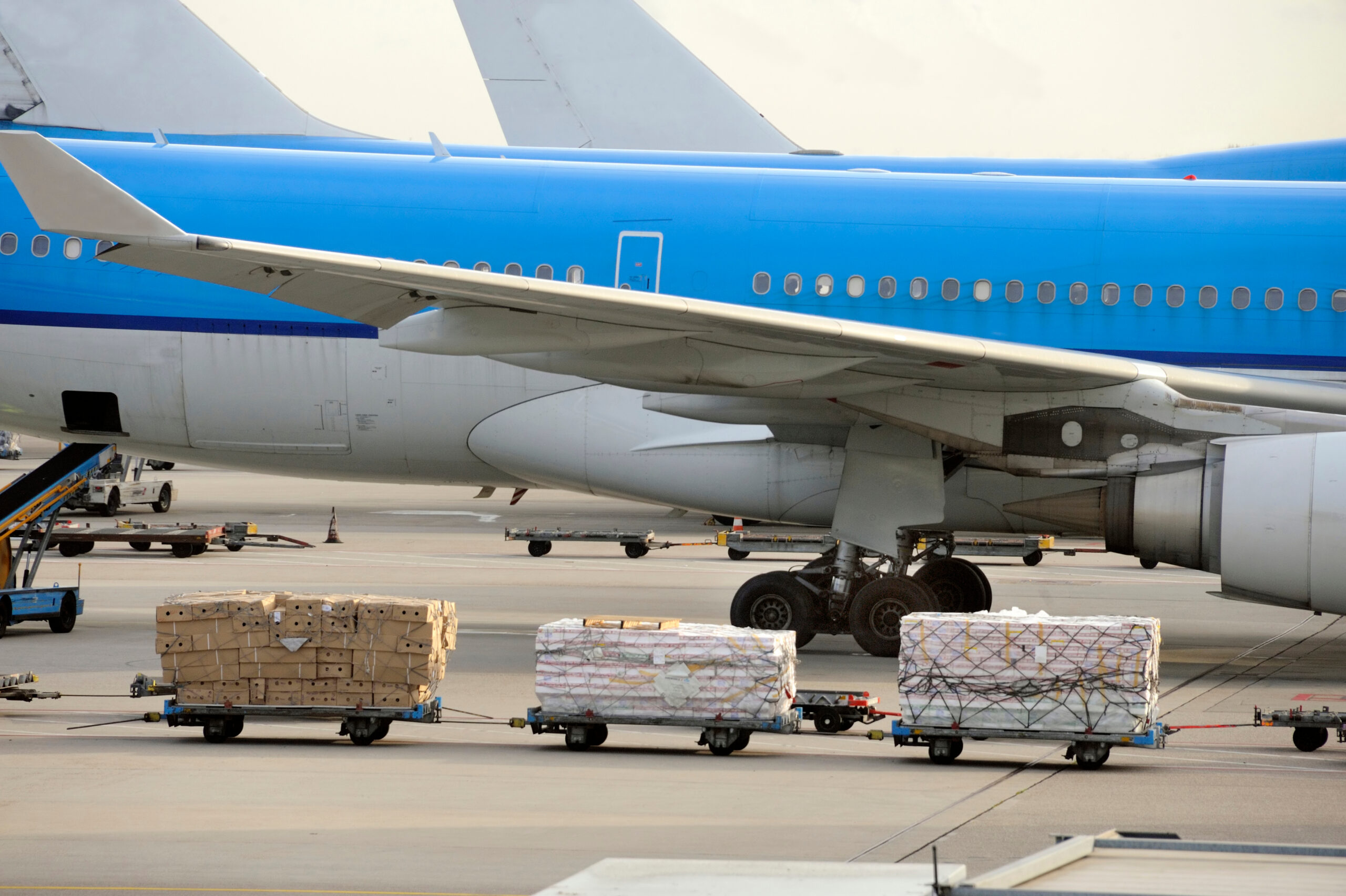
Around the time the coronavirus pandemic began, air freight rates began to have significant volatility. With the rates going up and down multiple times in the past few years, they tended to rise higher every time they went up. The air freight prices could reach new records in the next few months. The pandemic has created a dependence on different methods to transport freight, such as by air. This is during a time of limited capacity due to the pandemic. In 2022, with Russia invading Ukraine, China’s lockdown, and rising oil prices, this trend of air freight rate increase may persist.
Russia and Ukraine conflict
The war in Ukraine has directly affected the air cargo industry. Many carriers have been canceling their flights or taking longer routes to avoid the situation going on in Ukraine. While carriers started having a declining number of flights through Russia than before the war, the airspace in Ukraine has completely closed for flights. Many of the world’s biggest cargo aircrafts are located in Ukraine and Russia. Because of the war, the large cargo aircraft cannot be used. This results in a limited capacity for shipping by air and rise air freight rates on a large scale.
Another result of the conflict in Ukraine is the longer transit times for flight routes between Europe and Asia. To cope with the longer transit times, freight carriers may have to charge higher fuel prices. Significantly, when fuel costs are already rising, the longer routes will only add to the increasing rates. Different air carriers have also added extra surcharges for moving freight, such as a charge for border crossing.
China Lockdown
Last month, a surge in coronavirus cases led to a lockdown within several cities in China, including Shanghai. Shanghai is known to have the biggest seaports globally, the Port of Shanghai. With an estimated container value of 43 million TEU yearly, many supply chains around the world depend on the Port of Shanghai to move their freight. The lockdown limited the number of workers at the port, which slowed port operations. Since goods still had to move globally, shippers looked for other alternatives to move their goods. Shippers not only began switching to different seaports but airports as well.
When many shippers switch to air to move their goods, the capacity becomes tight and limited space means that the cost to move freight by air may go up. Like seaports, many airports in China have also felt the effects of lockdown. The Shanghai Pudong International Airport in Shanghai has recently begun announcing flight cancelations. Because of the lockdown, freight can also not be transported and picked up at the PVG airport. This leads to shippers moving freight to other airports, increasing cargo volume in those airports and air freight rates.
A1 Worldwide Logistics
Over the last few years, air freight transportation has seen its fair share of predicaments, and things may worsen. With the airfreight rates predicted to rise, we want you to be prepared and protect yourself from any surprises. Contact A1 Worldwide Logistics at 305-821-8995 for assistance with moving your goods. We will find the best rates and carriers to get your goods where they need to be. Our company will provide the best solution for your freight forwarding needs, whether importing or exporting.

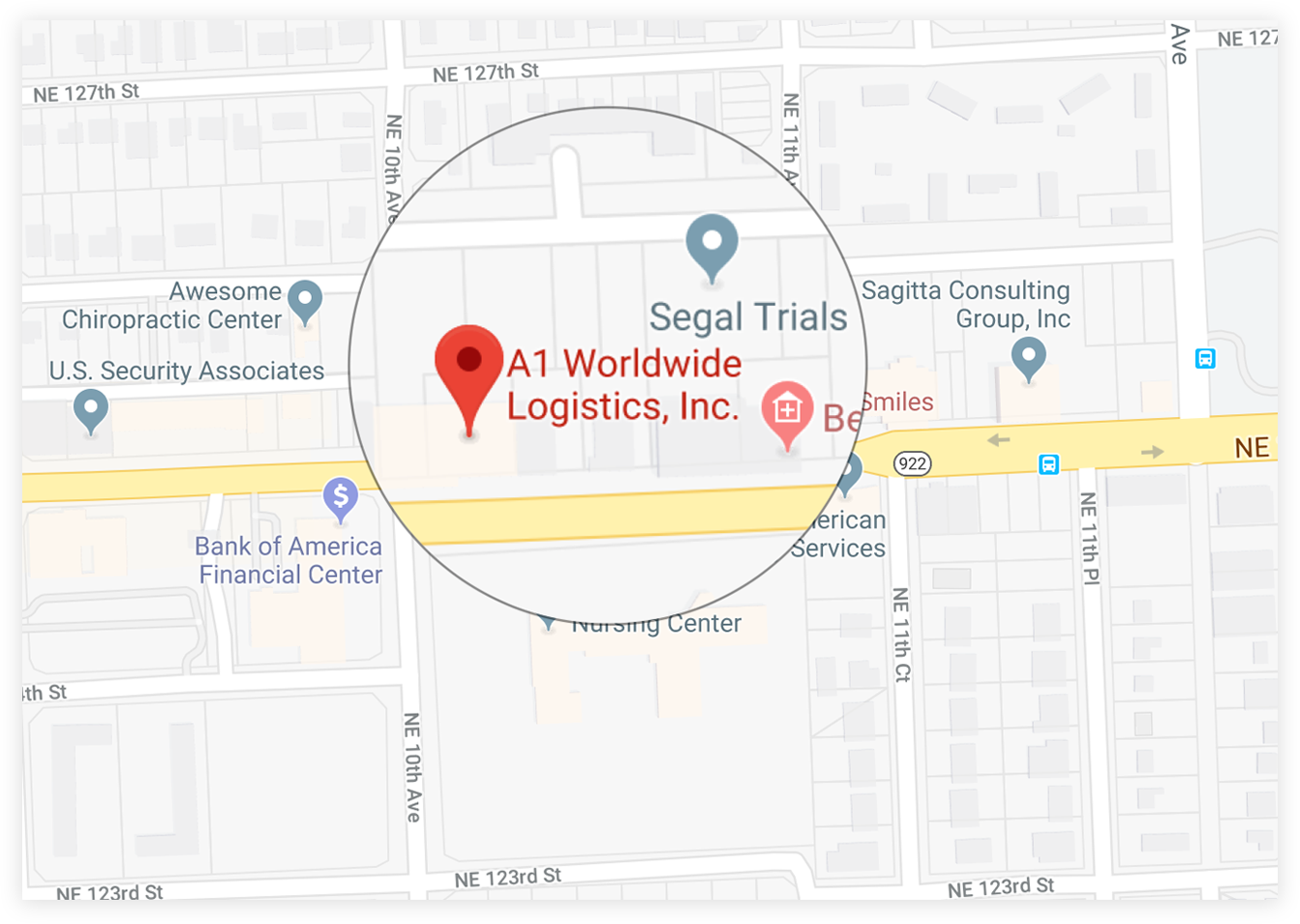
 1035 NE 125th St Suite #320, North Miami, FL 33161.
 a1worldwidelogistics.com
 (305) 821-8995
 Hours: 8AM - 5PM