
by A1 WorldWide Logistics | Nov 6, 2022 | Economic trends, Import and Export Experts
Over the last year, the value of the U.S. dollar has climbed to unprecedented levels. In September 2022, the dollar went to a two-decade high while other currencies reached record lows. Especially in emerging markets where currencies like the Turkish Lira have lost much of their value compared to the dollar. More common coins have also seen a discrepancy, such as a euro, with one euro buying around 0.97 dollars today. The value disparity compares to the same amount of euros buying $1.17 a year ago. The dollar’s strengthening is due to the Federal Reserve’s hike in interest rates.
The hike attempts to repress inflation rates which are also soaring. Recent figures have shown the cost of buying everyday items like food has risen over 10% compared to last year. When interest rates rise, foreign investment becomes more popular, increasing the demand for a currency and its value. While many advantages arise from a strong currency, there may also be disadvantages. A drawback is that U.S. companies may have difficulty selling their goods overseas because it is more expensive. The surge has also had a massive effect on international shipping to and from the U.S.
How is Importing and Exporting from the U.S. Impacted
A strong dollar directly impacts global trade, and the amount of cargo moved into and out of the U.S. As previously mentioned, the increase in interest rates heightened the dollar’s value. When a currency strengthens, the imports into the country of the currency increase. The cargo brought in rises because the cost of importing goods decreases. This is ideal for businesses in the U.S. that buy goods from other countries and ship them over. Another benefit of lowering imported goods’ prices is that it can control domestic inflation. Inflation slows down because every dollar may be able to purchase more goods.
While the dollar’s rising value can increase imports into the U.S., the number of exports can decrease. This is due to the growing cost that an importer from another country must pay for a U.S. good. An example can be a company in India buying several products in the U.S. worth $1000. If the dollar’s value rises to a certain amount, that $1000 will equal fewer products. The number of products may lower even further since the value of other currencies, such as the rupee, is decreasing. On a large scale, this can reduce the number of exports from the U.S., considering the depreciation of other currencies.
With the dollar currently at solid levels, it may be a perfect time for U.S. shippers to import goods. However, the shipping process is complex and may confuse first-time shippers. A third-party logistics company can help because they handle the shipment for the shipper. Contact A1 Worldwide logistics at 305-821-8995 for assistance with shipping your freight. We have freight forwarders for cargo transportation and customs brokers that assist with the clearance of goods entering the U.S. Whether you are importing or exporting to and from the U.S., we find the best quote for moving your shipment.

by A1 WorldWide Logistics | Oct 4, 2022 | Economic trends, Import and Export Experts, Shipping Logistics
Over the last year, the U.S. inflation rates rose by nearly 8.3%, making a 40-year high. Even more surprising is that the inflation rates continue to increase as supply chain stresses alleviate. In the past few years, there have been constant news reports of supply chain bottlenecks and congestion slowing cargo movement. A supply chain pressure indicator was recently developed to track the duration it takes cargo to reach U.S. terminal gates from China. The marker found that days went down to 86 days on 9/25/2022 from 113 days on 1/23/2022. Supply chain pressures slowing down were also believed to reduce inflation; however, this was not the case.
The beginning of the inflation happened when COVID began making its way globally. A surge in customer demand and labor shortages created backlogs which caused the shipping cost to go up. Add to this a war in Ukraine, and the prices of everyday goods skyrocketed to alarming levels. The Federal Reserve Bank of New York recently designed the Global Supply Chain Pressure Index (GSCPI) barometer. This barometer was another indicator of supply chain pressures starting in January 2021. The findings were that GSCPI plunged 66% percent from its peak in December 2021, while inflation went up 17% from the same month.
Is The Inflation Temporary?
The current rise in inflation has many concerned about what the future holds. Although there is no definite answer to how long it will last, some inflation is ideal. This is because a steady price increase can help boost business activity. More dollars can lead to more lavish spending, which may also grow demand. A problem arises when inflation surpasses the target rate, which in the U.S.’s case, is 2%.
Various economists forecast that the earliest inflation may reach the target rate of 2% in the U.S. is in 2024. Other economists believe that U.S. inflation could stay at 3% or 4% for decades leading to several recessions. Inflation may be a global crisis, with other countries facing the highest price increases in decades. Some countries are facing hyperinflation, with Turkey reaching an 80% high in June while Argentina currently has a 70% high.
Why are Supply Chain Pressures Easing?
As supply chain stresses decrease, one belief is that we are returning to normality from the last few years. The stresses like COVID and congestion could slow down; however, we are still above pre-COVID levels. Another rationale behind the ease of pressure is that the U.S. is entering a recession. The decrease in demand to purchase and move goods internationally may indicate this.
Whether the inflation is temporary or long-term, goods still must be moved internationally. Although the supply chain pressures have eased, the crunch is not over, and the shipper should still take caution. A1 Worldwide Logistics is a trusted freight forwarding, customs brokerage and, warehousing company experienced in all aspects of supply chains. We understand the world of international shipping and are prepared to guide clients through any difficulties. If you plan on importing or exporting a shipment to and from the U.S., contact us at 305-821-8995.

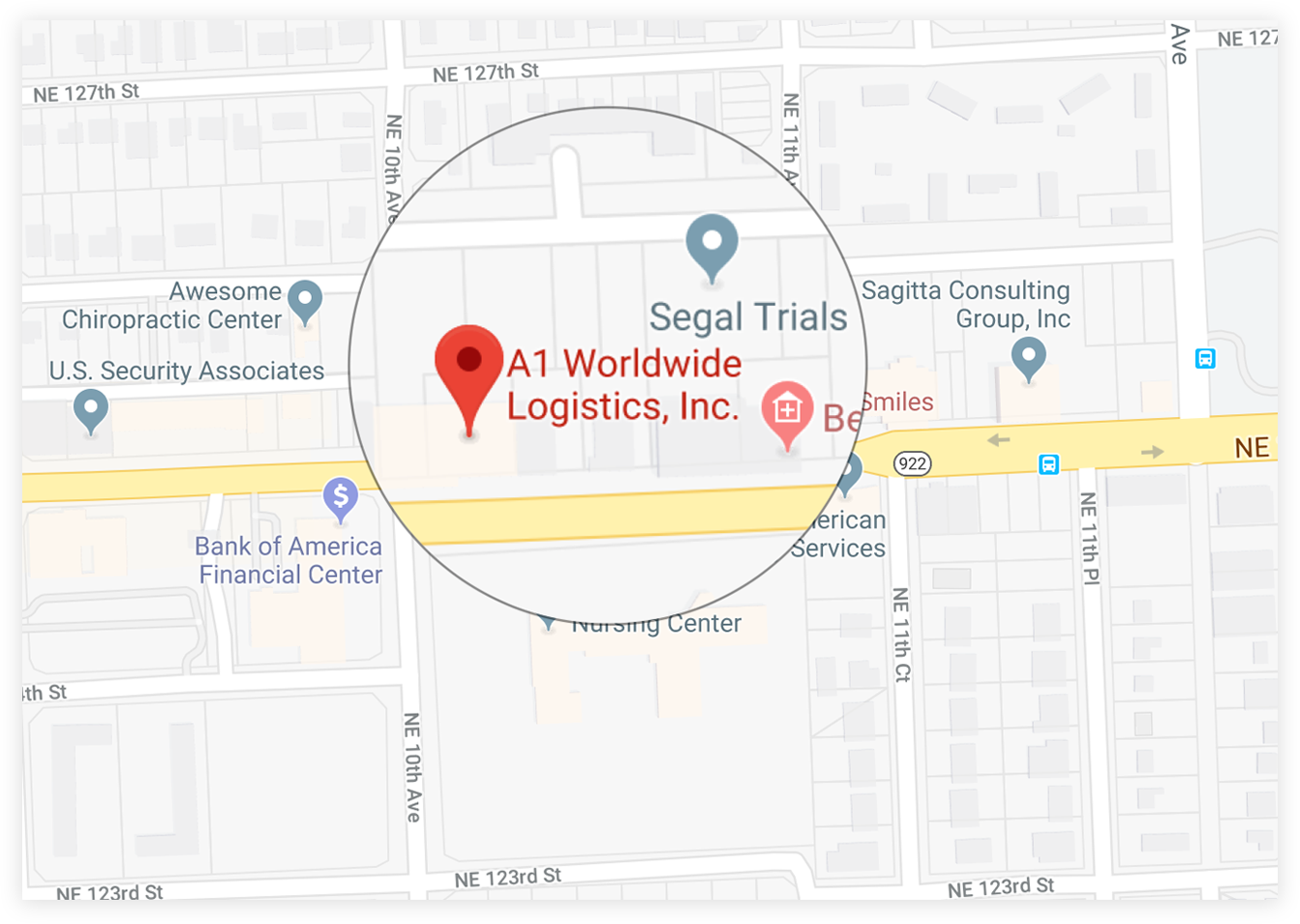
 1035 NE 125th St Suite #320, North Miami, FL 33161.
 a1worldwidelogistics.com
 (305) 821-8995
 Hours: 8AM - 5PM