by A1 WorldWide Logistics | Aug 29, 2024 | Freight, Shipping Logistics, Technology
Understanding the actual cost of freight is a vital consideration when shipping internationally. The actual cost is the total amount the shipper pays to ship goods from one location to another. CBP describes it as the amount that goes to the international carrier, freight forwarder, insurance company, and other service providers. Failure to find the correct total can impact the supply chain in numerous ways. For example, underpaying an import that must go through customs can result in a cargo hold at customs. This article will describe what goes into determining the cost and the documents shippers can use as evidence.
What Determines The Actual Cost of Freight?
Due to the numerous factors involved with shipping cargo internationally, many components can determine freight costs. These include outside considerations along with the shipment itself. The type of goods that a carrier is moving is a primary basis for the shipment. For example, freight can be fragile, hazardous, or perishable and require special handling, which may lead to higher pricing. Valuable goods like jewelry are expensive to ship due to their high monetary value. Weight and volume are other determinants of freight costs. Heavier shipments typically cost more than lighter ones. Oversized cargo, like large machinery, may also have higher costs due to the handling.
Along with the freight that the shipper is moving, outside factors like the method of conveyance can determine the costs. Despite the benefits of transportation by air or sea, airfreight tends to be more expensive. The distance of cargo transport also influences costs, with longer distances costing more. Other determinates include fuel costs and additional services like handling, domestic shipping, and tracking. Shipments can also have insurance, which goes to the total freight cost. When goods enter the designated port, they must pay other charges like duties or taxes before customs releases them.
Where To Find The Actual Freight Cost?
Some of the documents that the shipper can use to find evidence of actual freight costs include:
Commercial Invoice – A commercial invoice is a document that acts as a transaction record between the exporter (seller) and importer (buyer). Customs officials use it to assess import duties and taxes; it is also evidence of sale for the shipper.
Bill of Lading – The bill of lading is a legal document between the shipper and carrier that describes what the shipper is shipping. It acts as a receipt for the cargo and provides vital information such as freight charges.
Proof of Payment – This document confirms a transaction between two parties. Examples include checks, bank statements, and letters of credit.
Freight Contracts and Agreements – These agreements between shippers and carriers outline the agreed-upon terms and conditions. They establish the parties’ responsibilities and can provide evidence of the actual cost.
It is essential to note that customs officials have the discretion to accept a document as evidence.
Although the documents described in the article can help find the actual freight cost, they may still confuse shippers. Due to the different fees involved in shipping internationally, inexperienced shippers can have difficulty determining the price. A way to find the total cost is by using the help of a freight forwarder. Forwarders are third-party companies that act as the middlemen between the shipper and the carrier transporting the goods. They determine the total transport cost, provide the paperwork, coordinate the cargo movement, and provide other solutions. Contact A1 Worldwide Logistics at 305-425-9752 or info@a1wwl.com to speak to a forwarder regarding the success of your shipment.
by A1 WorldWide Logistics | Aug 22, 2024 | Freight, Shipping Logistics, Supply Chain
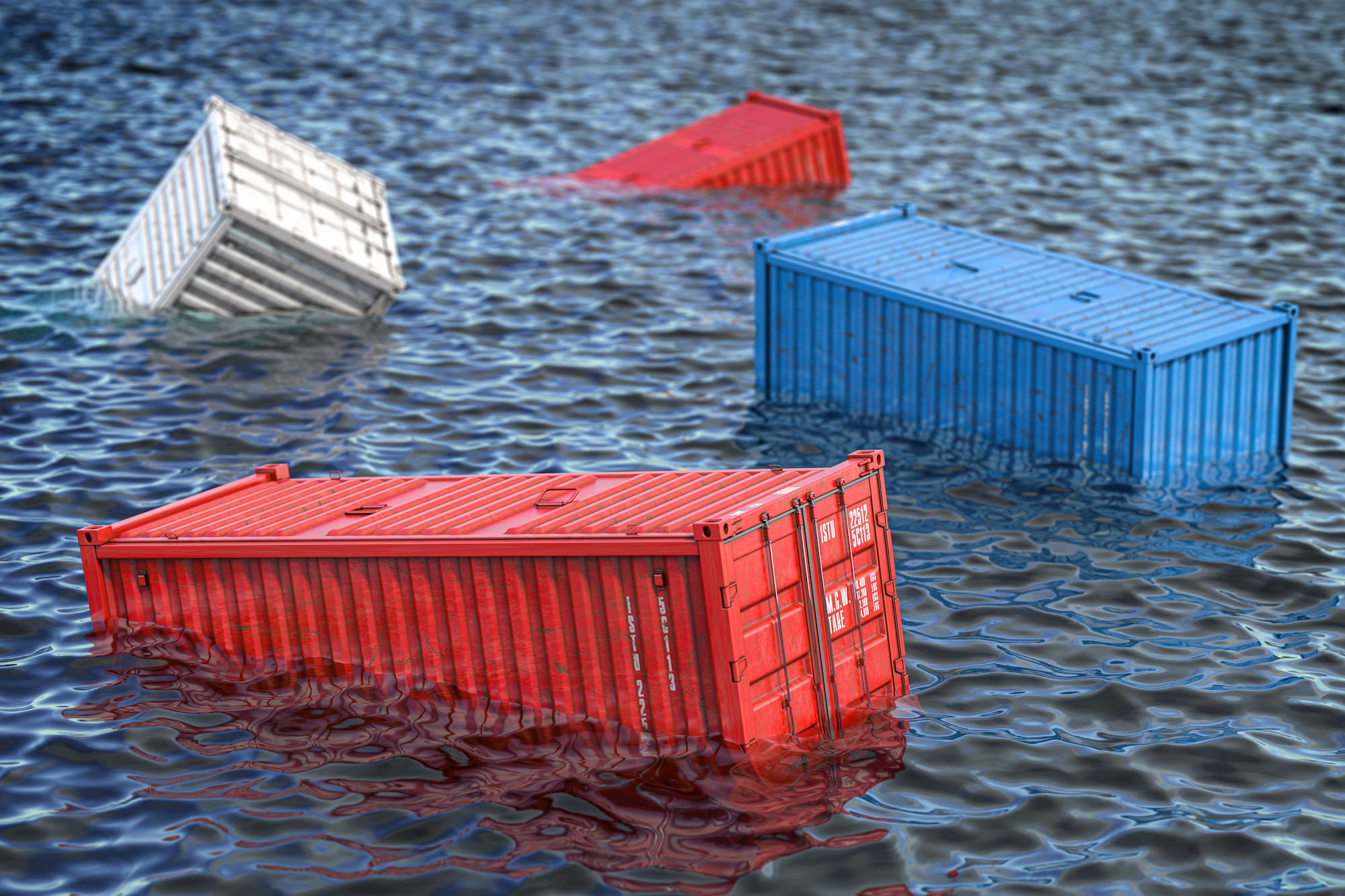
An alarming message for shippers shipping cargo is finding out that their containers are lost at sea. A 15-year survey from 2008-2022 notes that carriers loose approximately 1,566 containers at sea yearly due to numerous causes. That number can vary based on significant incidences and the ship’s cargo size. As the number of containerships in the ocean grows yearly, so does the potential for missing containers. While this can directly impact a supply chain, it indirectly affects external components, too. This article will explain how a container falls off, its effect, and what a shipper can do in this scenario.
How Do Shippers Loose Their Containers At Sea, And What Is The Impact?
Various factors can cause a container to go overboard. One of the most common reasons for this is severe weather conditions like rough storms. Along with the pressure from winds causing the containers to dislodge, large waves can also force them over. Another reason why this happens is due to improper securing of the containers. When loaders stack a container onto a vessel, they must secure it correctly to prevent looseness. Since loaders stack the containers several layers high, detachment can result in it falling into the ocean. Other situations like poor weight distribution, damaged or older containers, collisions, incorrect docking, and overloading can affect stability and cause falling into the sea.
When containers are lost at sea, it affects various parts of the supply chain, including the shipper and carrier. For the shipper, losing cargo can result in losing essential goods and money. This is especially true for businesses that have to ship many containers yearly. Customers who rely on shipment importation may be disappointed by the situation. The shipping company responsible for exportation usually has to repay the shipper an amount based on the container. An indirect effect of a container falling into the ocean is that it can pose a hazardous environmental risk. Some may also stay afloat and pose a risk for other carriers.
What Can Shippers Do When Their Containers Are Lost At Sea?
While a container getting lost at sea can happen randomly, there are steps a shipper can take to lessen disruptions. The most significant means of security is to have cargo insurance. Insurance allows the shipper to recover a percentage or the entire monetary loss from the incident. The carrier company may sometimes allow recovery options, which is usually for valuable or hazardous freight. The cost of recovering the container may also be high due to the ocean’s depth. Companies typically use container tracking technologies like GPS to identify and confirm the container’s location. When a company allows for a refund, the shipper must give the necessary details regarding the shipment.
Another step shippers can take to prevent container loss is finding reputable carriers. An easy way to do this is by speaking to a freight forwarder. Freight Forwarders go through a list of carriers to find the most qualified one to move your goods. Forwarders also help shippers navigate unexpected disruptions and are with them until the shipment reaches the final destination. Call A1 Worldwide Logistics at 305-440-5156 to speak to a freight forwarder regarding the transport of your cargo. We also provide domestic shipping services to move your shipment by land once it reaches the U.S.

by A1 WorldWide Logistics | Aug 8, 2024 | Customs Clearance, Importing, Shipping Logistics
When purchasing goods from Temu, it is essential to understand the customs clearance for Temu orders. Temu is an online marketplace recently gaining popularity due to its discounted customer goods. Most of the products on the website are made and shipped directly from China to the U.S. Despite the potential for cost savings and other benefits of importing from Temu, it doesn’t come without its challenges. Since workers make most of the items in factories and warehouses in China, customs clearance is required when importing them. This article will explain what can go wrong in the customs clearance process and how to prevent holdups from happening.
What Is the Customs Clearance Process?
The customs clearance process begins when a buyer purchases goods in Temu that they will import into the U.S. The order will include necessary documentation like the customs declaration form and other documents provided by Temu. Shippers will also be responsible for essential import duty payments; however, some retailers offer a pre-paid duty option. Once the shipment reaches the destination port, customs authorities may inspect if the goods comply with regulations. They may also check for prohibited or restricted items entering the U.S. Once everything is correct, Temu will give a “Customs Clearance Completed” status update, and customs will release the cargo. A local carrier will then move it to the final destination or a distribution center.
While the clearance process may seem more straightforward since the goods are from an online marketplace, many things can still go wrong. Temu has recently been getting a reputation for late or disappearing shipments. A reason why this is happening is due to the cargo being stuck at customs. Holdups happen for various reasons, including incorrect import value and inaccurate shipment information. The importation of illegal items can also lead to holdups. For example, the CBP prohibits certain dangerous toys and animal products from China from entering the U.S. It is crucial to understand that goods held up at a port after a specific time lead to detention charges.
How Can You Ensure A Smooth Customs Clearance For Temu Orders?
Due to the numerous things that can go wrong during importing, shippers should take the necessary steps to prevent holdups. While a Temu order differs from a regular import, customs delays can still happen. The shipping details must be accurate to avoid delays in the importation process. The shipper should also be ready to pay any required duties to prevent delays. Importers must also understand the various regulations for bringing freight into a country. Customs clearance can take longer than expected, even if everything is fine with the shipment. This may be due to peak season or shipping during times of high volume.
Another way to prevent holdups at customs is by using the assistance of a customs broker. Brokers coordinate cargo release from customs by ensuring it complies with the laws and regulations. They do this by handling the necessary documentation, permits, duties, classification, and more on behalf of the shipper. Along with the clearance of regular imports, brokers also can help clear Temu orders. Reach A1 Worldwide Logistics at 305-423-9513 or info@a1wwl.com to speak to a customs broker regarding clearing your shipment. Whether you are an individual bringing in online purchases or a business importing products, we help with the clearing process.
by A1 WorldWide Logistics | Aug 6, 2024 | Customs Broker, Importing, Shipping Logistics
Aunque el término sobreestadía puede parecer desconocido para los nuevos remitentes, saber cómo evitar los cargos por sobreestadía es esencial al realizar envíos. La sobreestadía es una tarifa que los funcionarios portuarios imponen a la carga que sobrepasa su tiempo en una terminal. También conocida como la última fecha libre de cargos (LFD, por sus siglas en inglés), este período es el último día en el que la mercancía tiene tiempo de almacenamiento gratuito. La LFD puede depender de varios factores, como el tiempo de llegada de un buque a un puerto. La sobreestadía se diferencia de los cargos por detención cuando el importador excede el tiempo para usar el contenedor fuera de la terminal portuaria. Este artículo explicará las causas de los costos por sobreestadía y cómo los remitentes pueden evitar estos cargos al mover mercancías internacionalmente.
¿Cuáles son las causas de la sobreestadía?
Varias situaciones pueden llevar a que la carga quede atascada en un puerto. Una de las razones más comunes para que esto suceda es debido a problemas con la documentación. Si los papeles están incorrectos o faltan, el envío debe permanecer en espera y puede acumular cargos por sobreestadía. Un ejemplo es el conocimiento de embarque (BOL) con datos incorrectos de carga o dirección. Los documentos también deben llegar al destinatario a tiempo, lo que significa que el remitente debe reunir la documentación con anticipación. Si se pierde un BOL original, el remitente debe recolectar los datos de nuevo, lo que puede tardar varios días.
Otro escenario que puede llevar a cargos por sobreestadía es un retraso debido a la inspección de la carga. Una vez que el envío llega al puerto de importación, la aduana lo revisa antes de su despacho. Si la aduana nota un código HS incorrecto, pondrán la mercancía en espera. Un código del sistema armonizado (HS) es un número que la aduana usa para clasificar la carga para pagos arancelarios. Otros eventos no relacionados con el remitente, como huelgas laborales y mal tiempo, también pueden causar que las mercancías permanezcan en los puertos. Los importadores también deben pagar las facturas atrasadas para evitar que se acumulen más costos. Aunque varios escenarios pueden llevar a la sobreestadía, el remitente puede evitar y prevenir la mayoría de ellos.
¿Cómo Evitar los cargos por sobreestadía?
Aunque es imposible evitar los cargos por sobreestadía en situaciones como una huelga laboral, los remitentes aún pueden prevenir que ocurra. Es esencial conocer lo que se debe y no se debe hacer al importar bienes a los EE. UU. El importador debe hacer la documentación correctamente, de manera completa y a tiempo. Antes de realizar el envío, debes conocer los días libres de cargos en tu contrato de envío y planificar en consecuencia. También es esencial comprender el proceso de despacho aduanero y lo que puede salir mal. Las regulaciones para importar pueden variar según el puerto y el tipo de bienes que se introduzcan. El transporte a un almacén fuera del puerto, menos costoso, es ideal si tu depósito no está listo para recibir la carga.
Contratación de un Agente de Carga
La cantidad de información en este artículo puede ser confusa para los remitentes primerizos. Una de las maneras más eficientes de evitar los cargos por sobreestadía es contar con la ayuda de un agente de carga. Un agente de carga es un intermediario entre el remitente y el destino final. Se especializan en organizar el movimiento de la carga en nombre del remitente y manejan la logística de tu envío. Además de educarte sobre cómo prevenir la sobreestadía, coordinan con los puertos para asegurar que no ocurra. Contacta a A1 Worldwide Logistics al 305-425-9513 para hablar con uno de nuestros agentes sobre cómo iniciar tu camino en transporte de carga. También contamos con agentes aduaneros para liberar tu envío una vez llegue a los EE. UU.
by A1 WorldWide Logistics | Aug 1, 2024 | 3PL, Shipping Logistics, Supply Chain
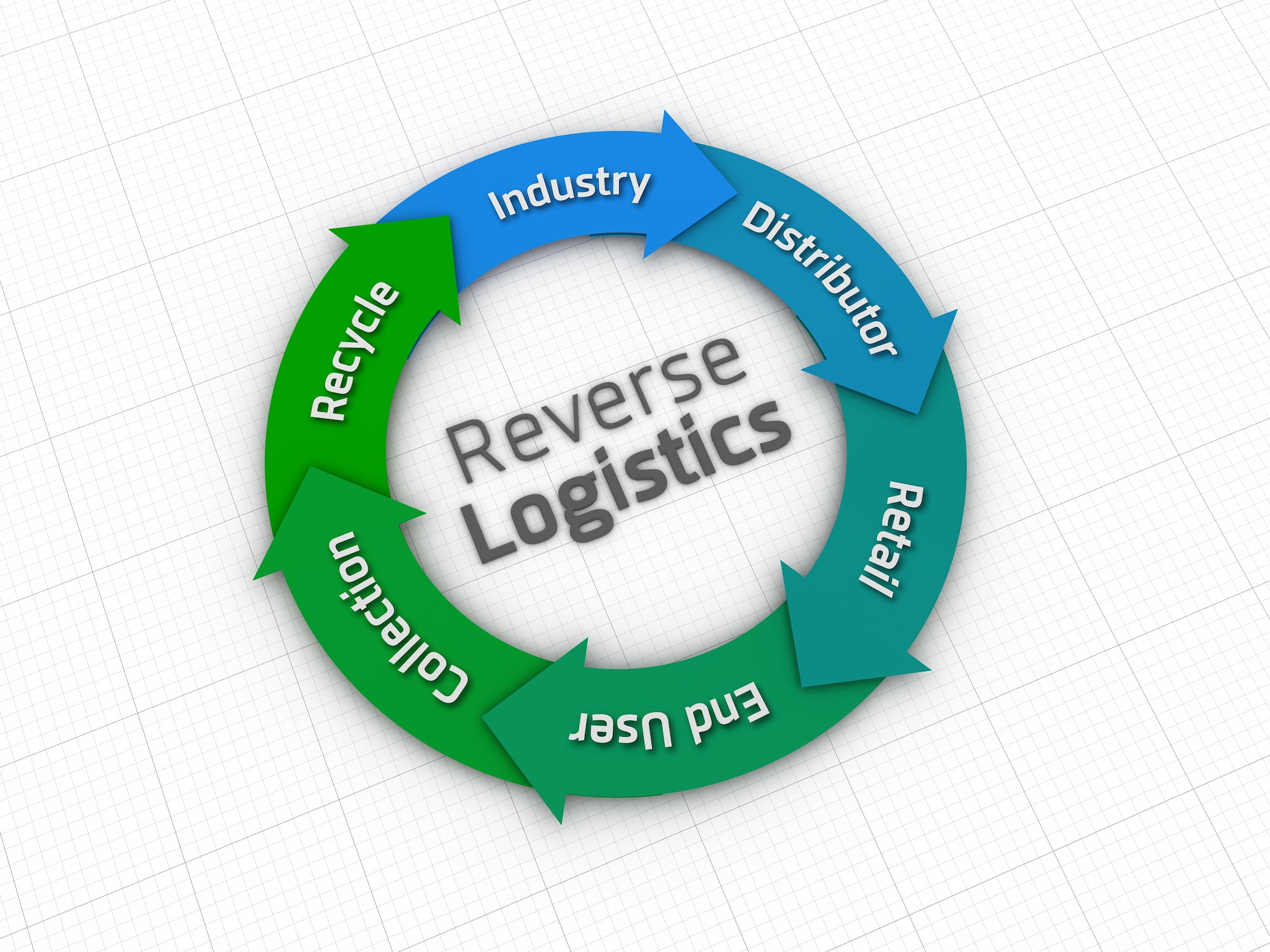
When shipping cargo internationally, it is essential to understand what are reverse logistics. Reverse logistics is the process of returning products from end customers back to the manufacturer or seller. It starts at the end customer and can end at the manufacturer’s warehouse or facility. Similar to the traditional supply chain, it has its challenges and benefits. The recent growth of the e-commerce industry has increased the need for reverse logistics, with product returns becoming more common. Omnichannel retailing, where a business uses multiple connected channels to reach the customer, also increases the importance of returns. Due to its growing popularity, 3PL providers have also adopted reverse logistics in their services.
What Are Reverse Logistics And Why Do Customers Return Cargo?
As previously mentioned, reverse logistics is the supply chain that involves moving the cargo back to the seller. While there are various reasons why reverse logistics occurs, the five primary R’s include:
Returns – One of the most common reasons for reverse logistics is to return cargo. Returns could be for various reasons, including damaged, defective, or goods that fail to meet expectations. The process can involve receiving, testing, inspecting, tracking, etc.
Recalls – A more complex form of return is a cargo recall. Recalls happen when a significant portion of a product is defective or poses a potential hazard. They commonly occur for items like high-tech devices with faulty electronics, and the products may face government regulations.
Repairs – If the damage to the freight the customer is returning is not severe, they may go directly to repairs. The company then identifies the issues, re-manufactures the product, and returns it to stock. For end-of-life products, the company can reuse various functional components.
Replacements – When customers buy an incorrect item, they may want to replace it instead of refunding it. Companies offering this service tend to have advanced fulfillment centers that can quickly pick out and replace the cargo.
Recycling – A more recent use of reverse logistics is for more sustainable practices like recycling. To promote environmental friendliness, customers and companies have placed greater importance on adequately disposing of goods. Various industries have also pushed towards sustainability.
How Is 3PL Used In Reverse Logistics?
Along with the growing importance of reverse logistics, shippers have used 3PL (Third-Party Logistics) providers for these services. Smaller to mid-sized businesses that move goods internationally, in particular, tend to use a 3PL provider for their reverse logistics. The reason is due to the numerous benefits that using a 3PL can offer. For example, they can provide fast and easy returns since 3PLs tend to have a network of carriers and warehouses. This means that the chances of a successful cargo return are high due to the available resources. 3PL providers can also provide expertise and knowledge since their primary purpose is to streamline a supply chain.
Another benefit of 3PLs for reverse logistics services is that it allows for scalability. 3PL providers can scale operations to meet changing demands. Handing reverse logistics services to a 3PL allows a company to focus on other aspects of its business. Contact A1 Worldwide Logistics at 305-425- 9456 or info@a1wwl.com to learn about our logistics services for transporting your shipment. Along with shipping, we provide services like warehousing, importing, trucking, and more to ensure the success of your supply chain.
by A1 WorldWide Logistics | Jul 25, 2024 | Air Freight, Importing, Shipping Logistics
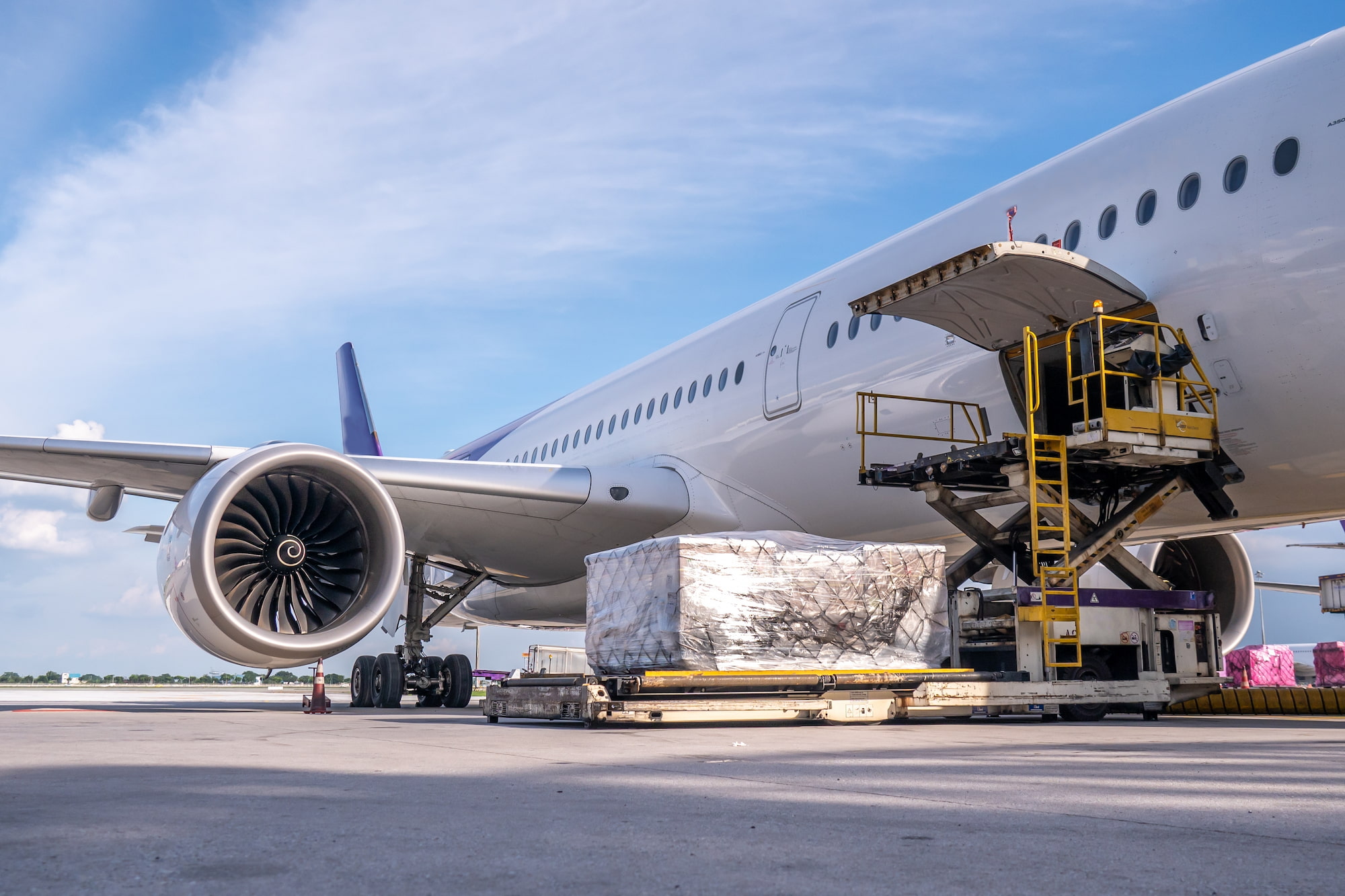
Saving costs on airfreight can be valuable when shipping cargo internationally by air. While moving goods by air is one of the most convenient methods of transport, it may be costly. Over the last decade, the demand for this method has skyrocketed. The coronavirus pandemic further increased demand since customers bought more products online and rose imports. Expenses like fuel prices and other expenditures have further raised costs. Because of this, Shippers have found it increasingly beneficial to find strategies to increase savings. This article will explain the various costs of transporting freight by air and how you can save when starting.
Understanding The Costs Involved In Shipping Cargo By Air
Due to the numerous components involved in international shipping, there are different costs a shipper should be aware of. Before the air carrier transports the cargo, trucks typically move it to the loading port. This means that domestic transport can add to the entire cost of an air shipment. Other costs include the base rate, which covers the airline’s operational fees. Various factors affect the base rate, including volume, route, weight, season, etc. Other costs include security screening, customs clearance, peak season surcharge, etc. Fuel surcharges are fees included in airfreight and can account for over 30% of the total rate.
What Are Common Ways That Shippers Are Saving Costs On Airfreight?
Some of the most common ways that shippers can save on air shipping include:
- Consolidating Shipments – Consolidation is a process where a carrier combines smaller shipments into a single shipment. For airfreight, this can considerably reduce costs for shippers by paying only for the space you use. Other fees like handling also decrease with the grouping of cargo. Consolidation allows for faster transit times, too.
- Shipping Off-Peak Times – Demand for transporting cargo internationally can determine the shipping cost. The peak season is when the demand for moving goods is at its highest. During this time, the price to ship tends to hike due to scenarios like limited capacity. Transporting freight during periods of low demand may result in lower rates and smoother operations.
- Optimizing Packaging – A way to save on airfreight that shippers tend to overlook is using efficient packaging. Since air carriers have less space than vessels, they charge extra on volumetric weigh and space. It can be critical to optimize packing by removing packaging materials or using different crating to minimize bulk.
Using A Freight Forwarder
Another way to save when shipping cargo by air is using a freight forwarder. Freight forwarders are the middleman between the shipper and the carrier. Along with coordinating the movement of goods, they ensure the success of the shipment while finding cost-saving solutions. For example, they can offer the various saving methods mentioned in the article. Forwarders also have established relationships with carriers and can negotiate rates on the shipper’s behalf. Call A1 Worldwide Logistics at 305-821-8995 to speak to our expert freight brokers regarding your shipment’s success. Whether the transport method is air, land, or sea, we help streamline the transportation process.

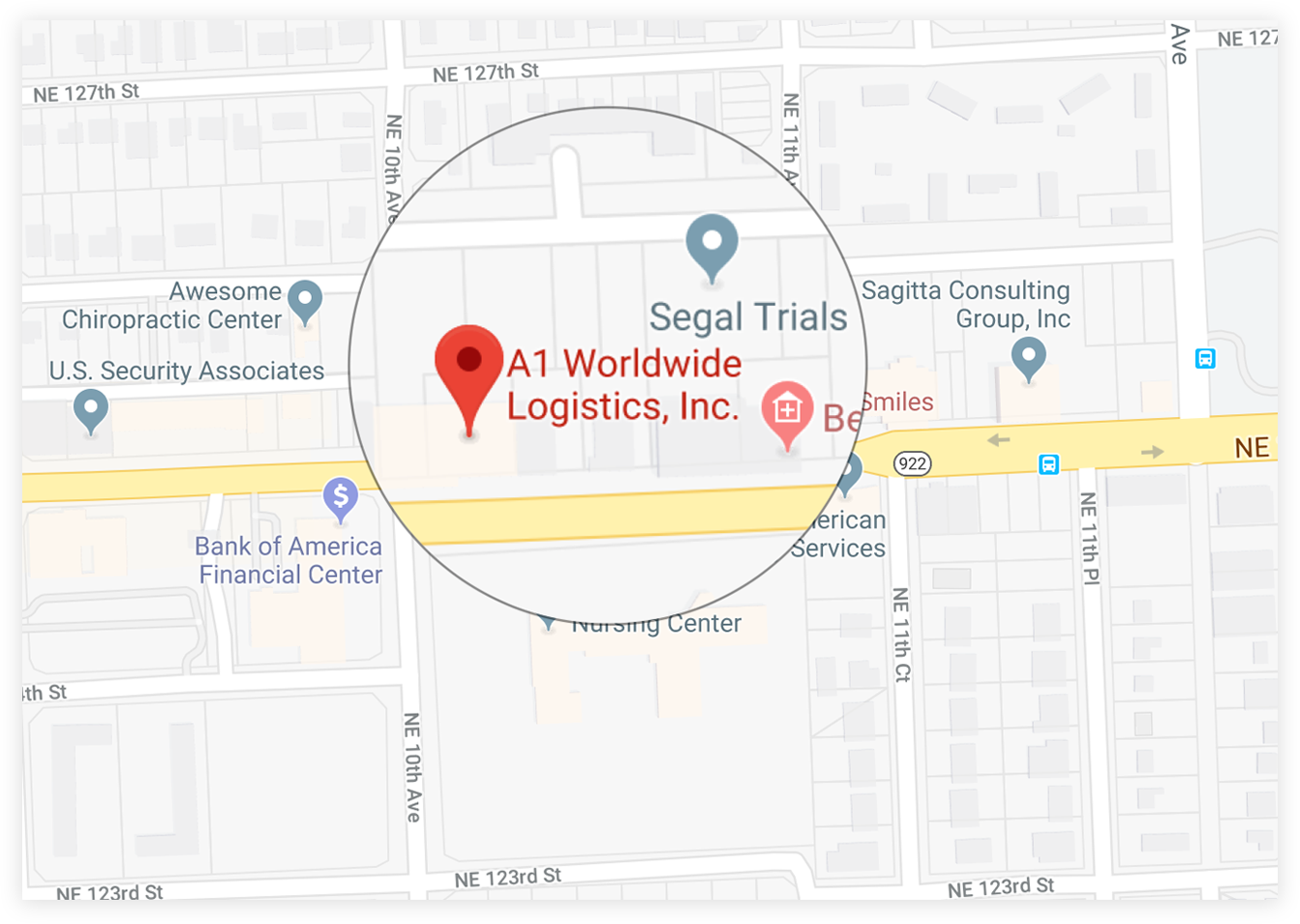
 1035 NE 125th St Suite #320, North Miami, FL 33161.
 a1worldwidelogistics.com
 (305) 821-8995
 Hours: 8AM - 5PM