by A1 WorldWide Logistics | May 30, 2024 | Shipping Logistics, Supply Chain, Transportation
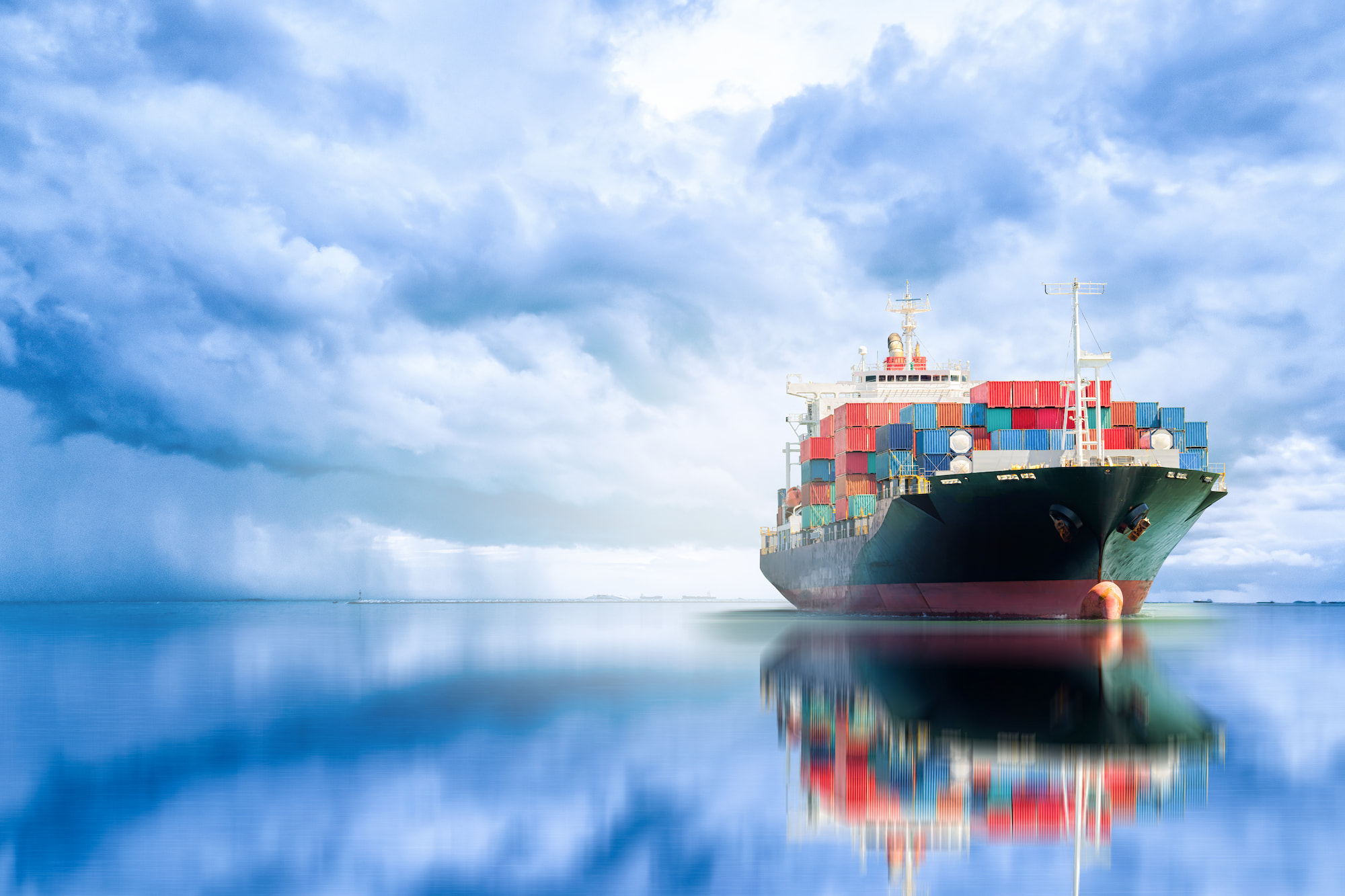
A vital consideration a shipper must make when transporting goods internationally is reducing ocean freight costs. Shipping by sea is the most common way cargo moves globally, accounting for over 90% of international trade. Despite its popularity, there can be numerous expenses that may confuse even the experienced shipper. While certain fees are unavoidable, there are specific ways that shippers can reduce the overall price of transporting by sea. Whether you are shipping as an individual or from a company, this can benefit your supply chain. Saving costs is especially important with recent market conditions and the rise in container rates. This article will explain the best ways to lower expenses.
How Do Carriers Calculate Shipping Costs?
Ocean carriers that move freight internationally have different ways of calculating costs. It is crucial to note that cargo has base rates that depend on the shipment type. Other volumes include the weight, volume, distance, origin, and more. The mode of transport is also a crucial consideration. For example, containerships transport sea freight in different ways, including FCL (full container load), LCL (less than container Load), and RoRo (roll-on/roll-off). There are also additional fees like fuel and special handling surcharges. When importing into a country, there are also port terminal handling charges and customs duties a shipper should know. Shipments can also have optional insurance costs for cargo damage or loss.
What Are The Most Effective Ways of Reducing Ocean Freight Costs?
While there are numerous ways to save on ocean freight costs, the most popular ways that shippers use include the following:
- Consolidating Shipments – Consolidation is a method of shipping where a shipper combines multiple orders into one shipment. The shippers share the transportation cost by fitting various shipments into one container. This can reduce costs, and consolidation can speed up the delivery and customs clearance process.
- Negotiate With Multiple Carriers – Since countless carriers move cargo internationally, each has its shipping rates. A shipper can negotiate these rates and get the best quote amongst the transporters. Having solid relationships with steamship lines is critical in negotiating prices. Using online freight marketplaces to compare quotes is also ideal for finding cost-effective options.
- Optimize Shipping Routes – A carrier’s route to transport freight directly impacts the cost. Shorter, more direct lanes are less costly than more extended ones. Avoiding routes with high congestion is also helpful, as it can increase costs and lead to other issues.
- Pay Attention To Cargo Packaging – A way to optimize costs that shippers tend to overlook is to optimize packaging. Not packing cargo optimally can add extra volume and space, raising costs.
- Ship Off Peak Season – Peak season is when shipping demand is high. This season usually starts in mid-August, goes to the end of October, and sometimes extends to November. An effect is that the cost of shipping internationally tends to rise. Deciding to ship before that period can help in saving costs.
Using The Help of a Freight Forwarder
Finding the best cost to transport your goods can be crucial for individual and business shippers. Another way to reduce ocean freight costs is to use the assistance of a freight forwarder to ship internationally. Forwarders are connected to a network of carriers and can negotiate the best rate to move your shipment. Contact A1 Worldwide Logistics at 305-821-8995 to discuss your cargo’s movement with our forwarders.

by A1 WorldWide Logistics | May 16, 2024 | Importing, Shipping Logistics, Transportation
A type of import that can be challenging when starting is importing olive oil to the U.S. The reason is due to the various regulations and procedures that the shipper must follow. Organizations like the FDA (Food and Drug Administration) and CBP (Customs and Borders Protection) dictate these policies. Despite this, the U.S. is the 2nd largest importer of olive oil globally. In 2020, the U.S. had a share of 17.9% of all world imports and brought in over 403 thousand tons. Many benefits of olive oil have caused an uptake in the amount brought in recently, especially for restaurants and retail. With the growing push for healthier nutrition, shippers can benefit from importing olive oil.
What Should You Know About Importing Oil To The U.S.
There are numerous things shippers should know before bringing olive oil into the U.S. It is essential to understand the various regulations for importation. The country of origin also has numerous guidelines a shipper must follow before exporting. The FDA is the U.S.’s primary regulatory body and can be very strict on requirements. Examples of FDA prerequisites include a food facility registration, Foreign Supplier Verification Program (FSVP), prior notice of import, etc. The FDA also mandates that olive oil ships from an approved region follow safety standards and be labeled correctly. Failure to follow requirements can result in a delay or rejection of your import.
Along with the FDA, a shipper must adhere to regulations the CBP sets. The CBP is in charge of enforcing trade laws for the U.S., ensuring importers comply. This is to prevent any dangerous or prohibited cargo from entering the country. Additionally, the CBP ensures that import duties are issued and collected upon entry. Duties on olive oil shipments are based on the value of shipments. The blend of olive oil, such as virgin, extra virgin, and certified organic, also determines duties. The CBP may also require that the shipper obtain a customs bond in oil shipments valued at or over $2500.
What Is The Process For Importation
Before leaving the country of origin, the shipper must ensure that the cargo has the proper product labeling. Labeling includes crucial information like expiration dates, specifications, quality certificates, etc. The importer must also prepare the documentation beforehand to prevent holdups and delays. Some of the documents for importation include:
- Bill of Lading or Airway Bill
- Commercial Invoice
- Arrival Notice
- Certificate of Origin
Olive oil also requires other certificates like the Phytosanitary Certificate and the Certificate of Analysis. Two primary ways that olive oil ships internationally are by air and sea. Using the assistance of a freight forwarder can help find a suitable carrier regardless of the conveyance method. Once the shipment reaches the U.S., the CBP (U.S. Customs and Border Protection) will stop and inspect the shipment. When customs releases the shipment, you can move it to the final destination by trucking service.
The process of importing olive oil into the U.S. can be complex and could take more steps than the ones described in the article. Having assistance from a freight forwarder and customs broker can help streamline the process. A1 Worldwide Logistics has both services and more to ensure the success of your shipment. Reach us at 305-821-8995 to begin importing into the U.S. from anywhere internationally. Whether you bring in olive oil or any other commodity, we guide you through the process.
by A1 WorldWide Logistics | May 15, 2024 | Economic trends, Shipping Logistics, Supply Chain
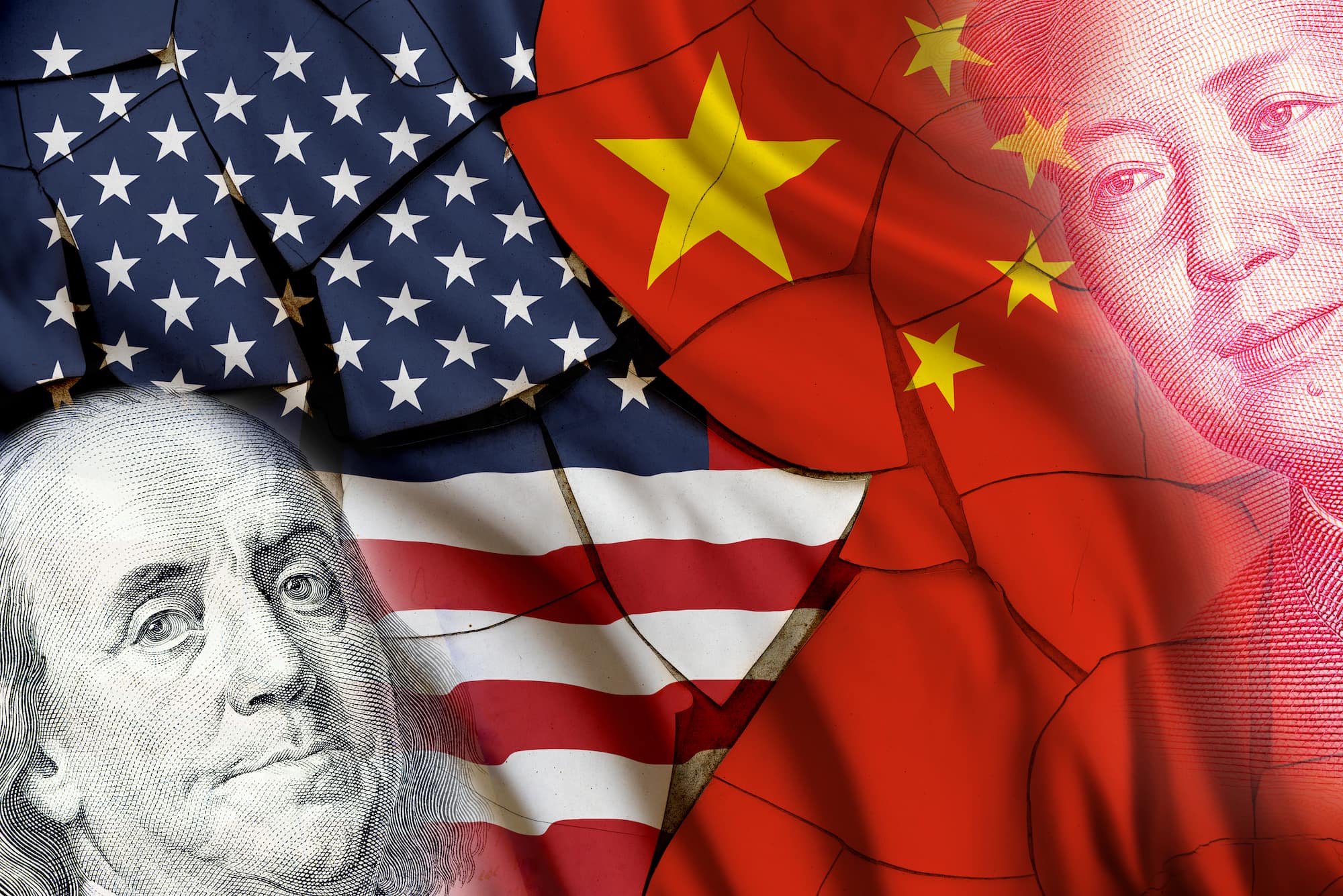
On May 14th, 2024, the USTR Announced strategic adjustments to Section 301 tariffs following a four-year review. U.S. trade representative Katherine Tai initially backed the retention of the Section 301 tariffs for Chinese products. However, there has been a recent strain on U.S. commerce. Due to this, President Biden supervised Tai in either revising or introducing new tariffs. The revisions are a way to counteract the current policy changes introduced by the People’s Republic of China (PRC). China has given signals that it will soon retaliate against the tariff adjustments. The Chinese government stated that the tariff changes will, “seriously affect the atmosphere of bilateral cooperation.”
The key commodities affected by the changes include:
Battery part – Rate increase to 25% in 2024
Electric Vehicles – Rate increase to 100% in 2024
Facemasks – Rate increase to 25% in 2024
Lithium-ion Electrical Vehicle Batteries – Rate increase to 25% in 2024
Lithium-ion Non Electrical Vehicle Batteries – Rate increase to 25% in 2026
Medical Gloves – Rate increase to 25% in 2026
Natural Graphite – Rate increase to 25% in 2026
Other Critical Minerals – Rate increase to 25% in 2026
Permanent Magnets – Rate increase to 25% in 2026
Semiconductors – Rate increase to 50% in 2025
Ship to Shore Cranes – Rate increase to 25% in 2024
Solar Cells (Whether or Not Assembled Into Modules) – Rate increase to 50% in 2024
Steel and Aluminum Products – Rate increase to 25% in 2024
Syringes and Needles – Rate increase to 50% in 2024
The USTR will issue a Federal Register notice regarding the adjustments that will outline the exclusion process and give the protocol for public comments on the tariff adjustments. A1 Worldwide Logistics is closely monitoring the changes and is prepared to guide you through the current situation. We offer solutions for adapting to the tariff increase and ensure the best course of action for the shipment. Contact A1 Worldwide Logistics at 305-425-9456 to navigate the current circumstances and ship your cargo internationally.

by A1 WorldWide Logistics | May 2, 2024 | 3PL, Delivery, Shipping Logistics
An important consideration when shipping cargo internationally is understanding what are outsourcing logistics. Outsourcing is when a company or shipper uses an external provider to provide services typically done in-house. Although outsourcing can happen in the same country, it commonly occurs in outside countries. These services can include manufacturing, operations, shipping, and other tasks. While certain businesses delegate specific functions to external sources, others transfer the majority of processes. With e-commerce and globalization growing rapidly, the need for outsourcing has also risen. This article will explain the benefits and challenges of this logistics model and focus on international shipping.
What Are Outsourcing Logistics And Why Do Shippers Outsource?
While there are numerous reasons that a shipper outsources, a common purpose is to cut costs. For example, a company that makes and ships a large quantity of goods typically has many expenses. Workers in other countries can cut production costs, allowing the company to make more goods. When shipping the finished products internationally, outsourcing the process also has monetary advantages. Expenses from owning and maintaining a carrier pile up over time as shipments grow. Likewise, in domestic transport, using an outside trucking company is cheaper than maintaining a fleet of trucks. Another benefit of outsourcing is the potential for expandability and scalability.
One of a company’s main goals is expansion, and outsourcing is one of the best ways to achieve this. As the volume of shipments increases, the ability to meet the demand becomes more challenging. Using a separate logistics company that can meet customer requirements allows quick scalability. Utilizing a third-party fulfillment center with storage and last-mile delivery enables a company to scale. Along with scalability, flexibility becomes possible when a business can quickly downsize or upsize operations based on market conditions. There are also many regulations that shippers have to follow when bringing in goods from other countries. Outsourcing importation to customs brokers is ideal for simplifying the customs clearance process.
What Can Be Some Disadvantages Of Outsourcing?
While outsourcing has various advantages, this logistics model can also have challenges. A typical issue is the decrease in communication that can arise from many parties involved in a shipment. For example, using a carrier company to move your cargo means that the shipper has to contact the carrier when issues arise. Poor quality carriers can be challenging to reach, which can be a problem in an emergency. Outsourcing can also cause other issues, such as a loss of control. Part of a supply chain goes to another party; if a mistake happens, it goes directly to the shipper. In extreme cases, the third party can commit cargo theft or any other offense.
Despite the challenges, numerous businesses outsource due to the value it has. A shipper must ensure that they find qualified carriers to move their cargo. Shippers can do this with the help of a 3PL (third-party logistics) provider. 3PLs match the sender of a shipment to an ideal carrier that can complete the transport. They also provide other services like warehousing, order fulfillment, reverse logistics, etc. To begin outsourcing, contact A1 Worldwide Logistics at 305-821-8995 to speak to our 3PL exports regarding starting. Along with a focus on transparency and reliability, we have numerous solutions for your supply chain.

by María Fernanda Cárdenas | Apr 16, 2024 | 3PL, Import and Export Experts, Shipping Logistics
Aunque cada vez es más común, enviar barcos internacionalmente puede ser complicado, especialmente para los remitentes inexpertos. Los diferentes tamaños, regulaciones y documentación requeridas pueden confundir incluso a personas experimentadas. No entender el proceso conduce a pérdidas de tiempo y dinero. Por ejemplo, proporcionar documentos incorrectos a la aduana puede resultar en que sus productos se retengan, lo que lleva a cargos extra por demora. A pesar de esto, el transporte internacional de barcos ha crecido en tiempos recientes. Los envíos desde y hacia el Mar Mediterráneo hacia los Estados Unidos, en particular, han aumentado en volumen. Este artículo presenta qué esperar y cómo prepararse al comenzar.
¿Qué saber de antemano?
Antes de comenzar, es esencial conocer las pautas para transportar barcos, que difieren según el país. Del mismo modo, se deben seguir varias regulaciones aduaneras al ingresar carga a los Estados Unidos. Otras consideraciones importantes son las dimensiones del barco, que afectan el método de envío. Las principales formas en que se envían barcos y yates internacionalmente incluyen:
- Contenedores: El envío en contenedor es estándar para barcos más cortos y estrechos que ocho pies. Este es uno de los métodos de transporte más económicos a pesar de las limitaciones de tamaño.
- Flat Rack: Los barcos más grandes generalmente se envían en plataformas planas, que son cunas personalizadas abiertas que eliminan las restricciones de tamaño del contenedor.
- Roll-on/Roll-Off (RORO): La forma más típica en que se envían barcos internacionalmente es mediante servicios RORO. Los trabajadores hacen rodar los barcos sobre el chasis usando remolques y los aseguran de manera segura.
- Lift-On/Lift-Off (LOLO): Los dueños o encargados del barco lo montan con grúas a bordo o grúas en el muelle de un puerto.
También se debe preparar el barco para el envío internacional anticipadamente. La preparación puede incluir asegurar áreas delicadas, quitar o proteger partes desmontables y componentes. El yate también debe cumplir con las normas de seguridad. Los tanques de combustible y agua también pueden requerir un drenaje completo o parcial. Otra consideración es tener protección de seguro para el envío. Las empresas de envío y los agentes de carga suelen tener opciones de seguro disponibles para transportar barcos.
¿Cuál es el proceso para enviar barcos internacionalmente?
Una vez que el remitente está listo para trasladar el barco, se comunica con una empresa de envíos o un agente de carga. Las agencias de transporte actúan como intermediarias. Por ejemplo, durante el viaje proporcionan actualizaciones sobre el estado del envío. La documentación debe estar lista antes de que el barco entre al país de importación. Los agentes coordinan con la aduana la liberación de su envío. Lo hacen completando los trámites, asegurando el cumplimiento gubernamental, calculando los aranceles, clasificando bienes, etc. Cuando la aduana libera el barco, los importadores suelen usar un camión de plataforma plana para transportarlo al destino final.
¿Cómo puedes comenzar?
La razón por la cual enviar barcos puede ser complicado es debido a las diversas reglas y regulaciones involucradas. Los envíos de productos como los yates son inversiones valiosas, y una decisión desinformada puede llevar a pérdidas significativas. Además, es aconsejable utilizar la asistencia de una empresa de logística de terceros (3PL) para comenzar. Los 3PL son proveedores de servicios que manejan diversas partes de una cadena de suministro. Algunas soluciones incluyen transporte de carga, distribución, despacho de aduana y más. Llama a A1 Worldwide Logistics al 305-440-5156 o envía un correo electrónico a info@a1wwl.com con respecto al envío de tu barco hacia y desde los EE. UU. Tenemos servicios de transporte y liberación de carga para desaduanar su envío una vez que llegue a los EE. UU.
by Jontrey Aimes | Apr 4, 2024 | Importing, Shipping Logistics, Transportation
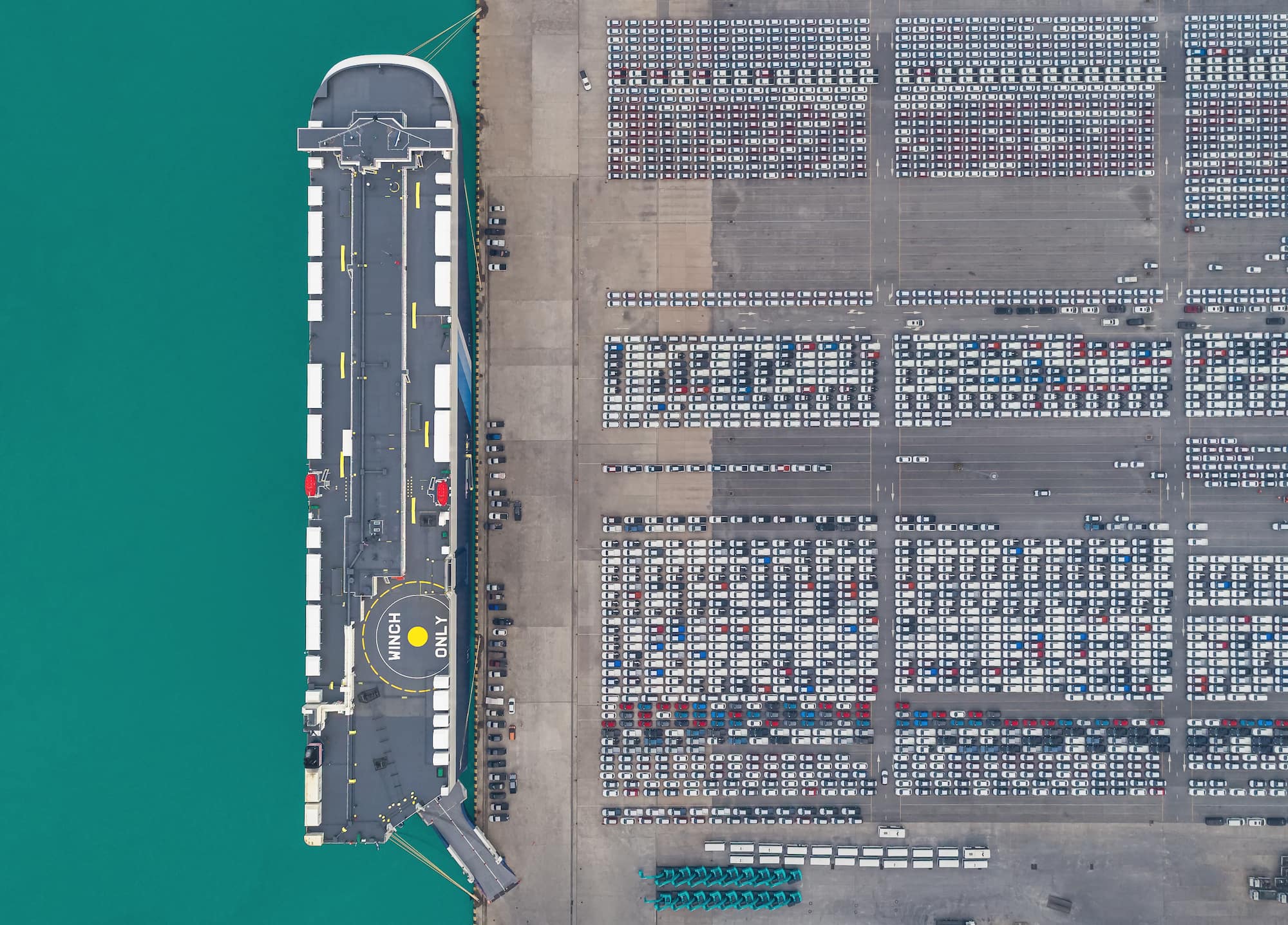
Although importing cars from Japan can bring numerous benefits for importers, it can be challenging initially. Importers must follow many laws and regulations, and failure to do so can result in monetary loss. In particular cases, it may also result in shipment loss. Despite this, shippers consider Japan one of the biggest importers of cars internationally. In 2023, the Japan Automobile Manufacturers Association (JAMA) reported nearly 4.42 million vehicle exports from the country. In the same year, Japan brought over 1.2 million into the U.S. This article will introduce how to start the importation process.
What To Know Before Importing Cars From Japan?
Understanding the regulations for bringing Japanese cars into the U.S. is essential. For example, almost all 1997 or newer Japanese Domestic Market (JDM) cars are illegal to import into the U.S. JDMS are vehicles designed for the Japanese market. These types of cars are prohibited because they do not meet U.S. emission control and safety standards. There are ways to bypass these laws legally. It is also crucial that the importer prepares the car before shipping it. The U.S. Department of Agriculture requires that the undercarriage be sprayed and cleaned thoroughly before entering the country. The reason is that the undercarriage may contain foreign soil, which can contain dangerous pests.
Before importing cars from Japan, shippers should understand the costs involved. The shipping price usually starts around $1895; however, this number can increase based on the make and model. Other considerations include your shipping destination, transportation method, and departure port. Foreign-made automobiles are also subjected to 2.5% dutiable entry charges, whether new or used. All commercial imports into the U.S. require customs bonds valued at $2500 or more, including duty-free items. Importers should also know fees like storage, cleaning, and vendor costs.
What Is The Process For Importation?
When shippers are ready to import, they arrange transportation by contacting individual carriers or freight forwarders. Forwarders coordinate the movement of your shipment by finding ideal rates from a network of carriers. A standard method is by RoRo, a vessel that rolls cars on and off. The timeframe to transport a vehicle from Japan is roughly 4 to 6 miles, depending on various factors. Before the import reaches the U.S., the shipper must send the appropriate paperwork to the CBP. Some of the standard documents required for importation into the U.S. include:
- Bill of Lading
- Packing List
- Commercial Invoice
- Customs Bond
- ISF Filing
Other documents specific to vehicles include the EPA Form 3520-1 and the NHTSA Form HS-7. Since paperwork tends to be one of the most challenging parts of the process, shippers usually hire a customs broker. Customs brokers coordinate with CBP and provide documentation, payments, and other transactions on your behalf. Once customs releases the vehicle, the importer can use a freight broker’s assistance to transport it to the final destination.
While importing cars from Japan may seem attractive for companies and individual importers, things can still go wrong when starting. For example, not filing an ISF or filing it late can result in a $5000 fine per violation. There are also situations like congestion and cargo damage that are out of your control. Having assistance from a forwarder or broker is the best way to ensure the success of your shipment. Contact A1 Worldwide Logistics at info@a1wwl.com or 305-821-8995 to speak to our freight forwarders and customs brokers when beginning.

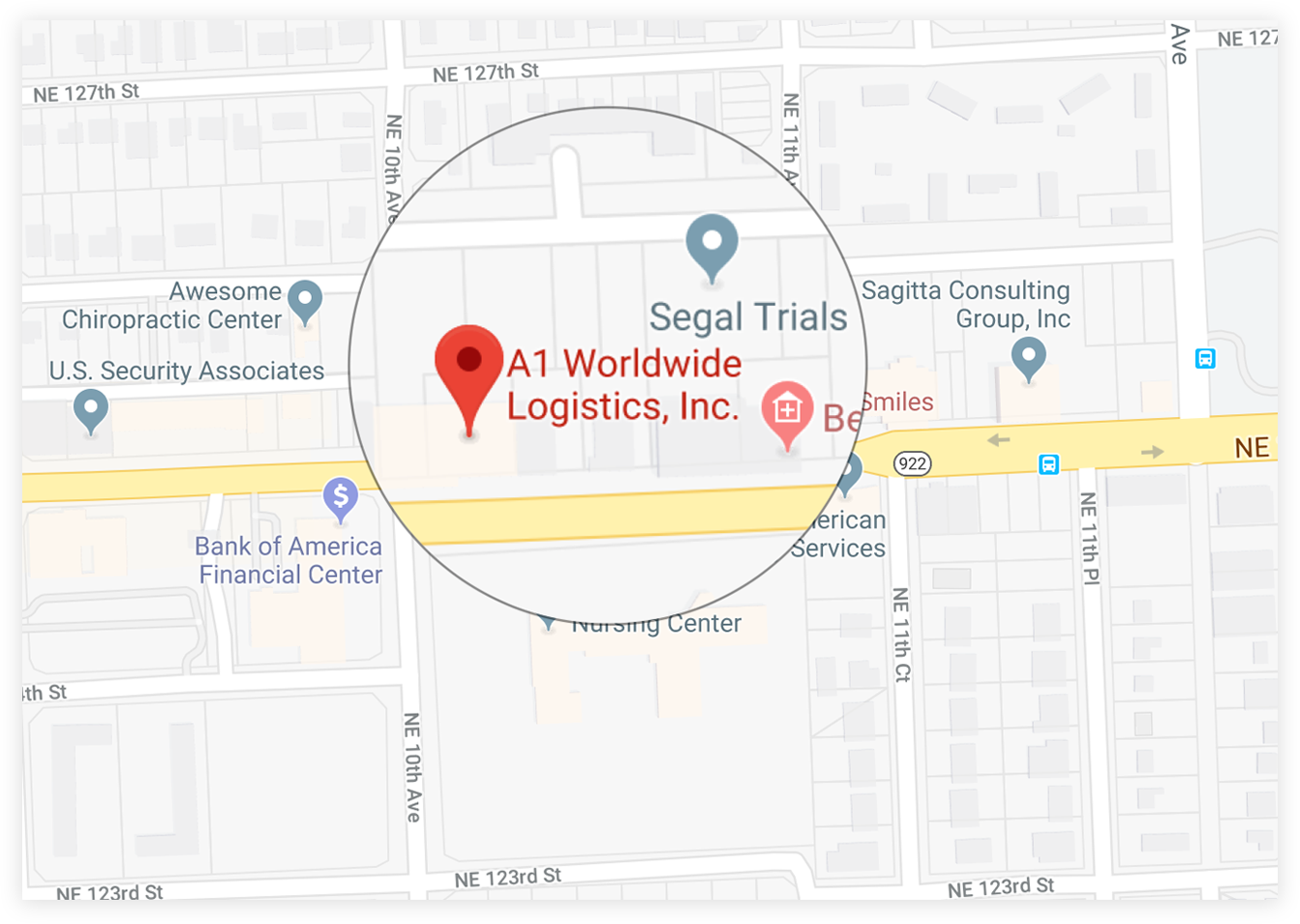
 1035 NE 125th St Suite #320, North Miami, FL 33161.
 a1worldwidelogistics.com
 (305) 821-8995
 Hours: 8AM - 5PM