by A1 WorldWide Logistics | Dec 30, 2025 | Customs Broker, Customs Broker Miami, Customs Clearance, Importing, Shipping Logistics
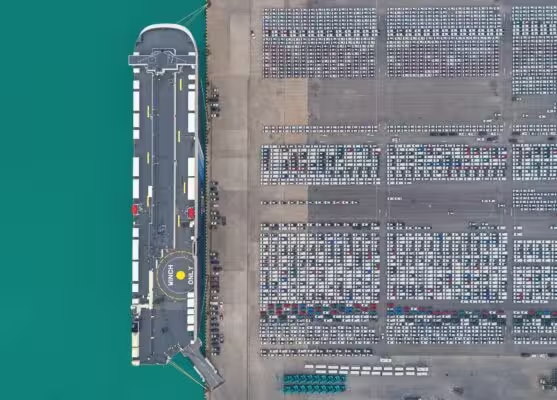
Aunque importar autos desde Japón puede traer numerosos beneficios para los importadores, al inicio puede resultar un proceso complejo. Los importadores deben cumplir con múltiples leyes y regulaciones, y no hacerlo puede ocasionar pérdidas económicas. En algunos casos, incluso puede provocar la pérdida del envío. A pesar de ello, Japón es considerado uno de los mayores exportadores de automóviles a nivel internacional. En 2023, la Asociación Japonesa de Fabricantes de Automóviles (JAMA) reportó cerca de 4.42 millones de vehículos exportados desde el país. Ese mismo año, Japón envió más de 1.2 millones de vehículos a Estados Unidos. Este artículo ofrece una introducción a cómo iniciar el proceso de importación.
¿Qué debes saber antes de importar autos desde Japón?
Comprender las regulaciones para importar vehículos japoneses a Estados Unidos es fundamental. Por ejemplo, casi todos los vehículos del mercado doméstico japonés (JDM) de 1997 o posteriores son ilegales para su importación a EE. UU. UU. Los JDM son vehículos diseñados específicamente para el mercado japonés y están prohibidos porque no cumplen con las normas estadounidenses de seguridad y control de emisiones. Sin embargo, existen formas legales de cumplir con estas leyes.
También es crucial que el importador prepare el vehículo antes del envío. El Departamento de Agricultura de los Estados Unidos exige que el chasis inferior del automóvil sea limpiado y rociado minuciosamente antes de ingresar al país. Esto se debe a que la parte inferior del vehículo puede contener tierra extranjera, la cual podría albergar plagas peligrosas.
Antes de importar autos desde Japón, los importadores deben conocer los costos asociados. El precio del envío suele comenzar alrededor de los USD 1.895, aunque puede aumentar según la marca y el modelo del vehículo. Otros factores a considerar incluyen el destino final, el método de transporte y el puerto de salida. Los automóviles fabricados en el extranjero están sujetos a un arancel de importación del 2,5 %, ya sean nuevos o usados. Todas las importaciones comerciales a EE. UU. requieren una fianza aduanera (customs bond) por un valor de USD 2,500 o más, incluso para mercancía libre de aranceles. Además, pueden aplicarse costos adicionales, como almacenamiento, limpieza y tarifas de los proveedores.
¿Cuál es el proceso de importación?
Cuando los importadores están listos para comenzar, deben coordinar el transporte contactando directamente a transportistas o a un freight forwarder. Los forwarders gestionan el movimiento del envío al encontrar las mejores tarifas a través de su red de transportistas. Un método común de transporte es el RoRo (Roll-on/Roll-off), un tipo de buque donde los vehículos entran y salen rodando. El tiempo de tránsito para transportar un vehículo desde Japón suele ser de entre 4 y 6 semanas, dependiendo de diversos factores.
Antes de que el envío llegue a EE. UU., el importador debe enviar la documentación correspondiente a la CBP (Aduanas y Protección Fronteriza de EE. UU.). Algunos de los documentos estándar requeridos para la importación incluyen:
Otros documentos específicos para vehículos incluyen el Formulario EPA 3520-1 y el Formulario HS-7 de la NHTSA. Dado que la documentación suele ser una de las partes más complejas del proceso, los importadores suelen contratar a un agente aduanal. Los agentes aduanales coordinan con la CBP y gestionan la documentación, los pagos y otras transacciones en nombre del importador. Una vez que aduanas libera el vehículo, el importador puede contratar a un freight broker para transportarlo hasta su destino final.
Aunque importar autos desde Japón puede resultar atractivo tanto para empresas como para importadores individuales, siempre existen riesgos al comenzar. Por ejemplo, no presentar la declaración ISF o presentarla fuera de plazo puede acarrear multas de hasta USD 5.000 por infracción. También pueden surgir situaciones fuera de control, como la congestión portuaria o los daños a la carga. Contar con la asesoría de un freight forwarder o un agente aduanal es la mejor manera de garantizar el éxito del envío. Contacta a A1 Worldwide Logistics en info@a1wwl.com o al 305-425-9513 para hablar con nuestros freight forwarders y agentes aduanales al iniciar tu proceso de importación.
by A1 WorldWide Logistics | Dec 24, 2025 | Importing, Shipping Logistics, Tariffs
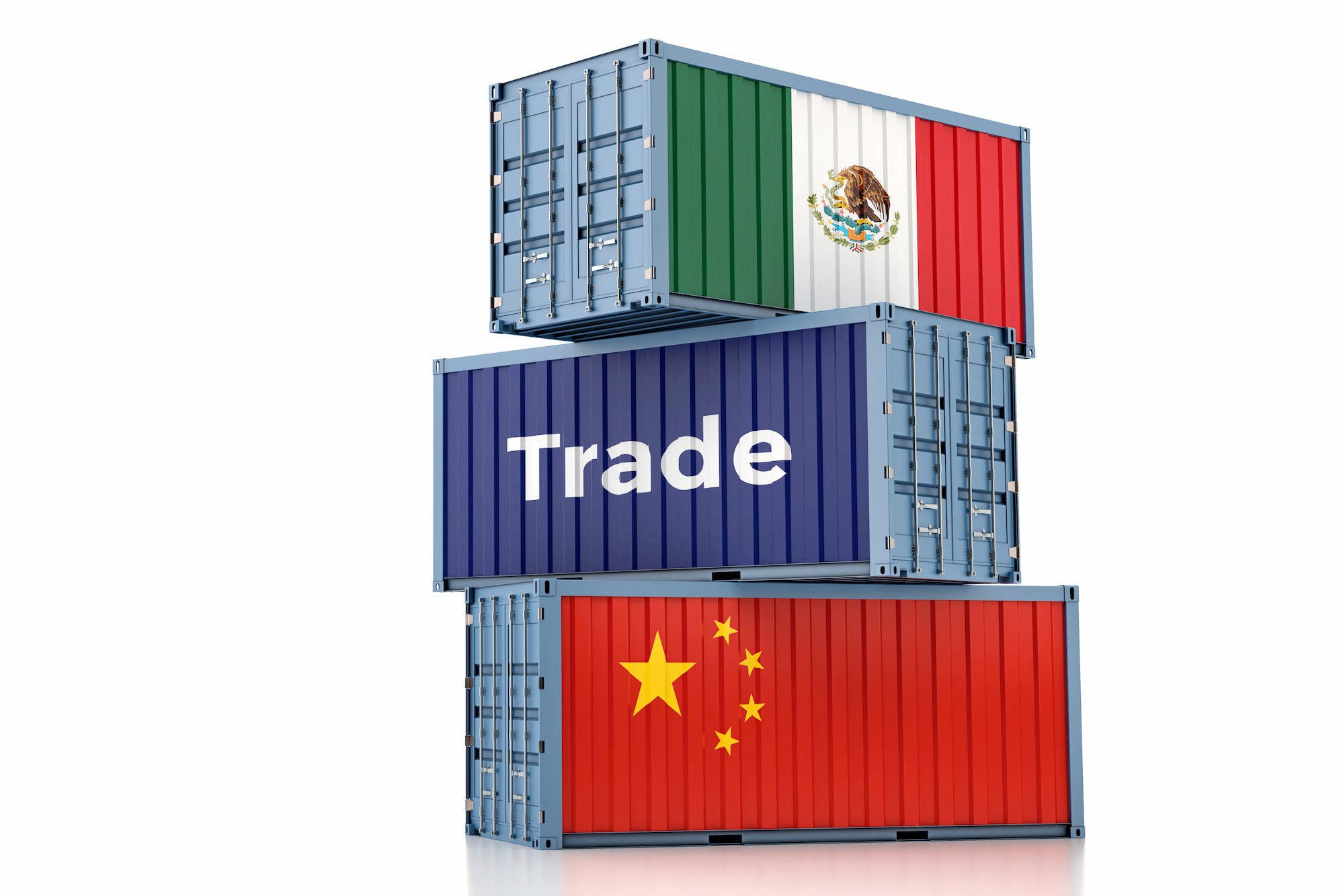
The international shipping industry continues to feel the strain from trade wars, with Mexico imposing a 50% tariff. On December 10, Mexico’s congress agreed to hike tariffs on more than 1,400 imports from China and other Asian nations. Some of the goods subject to tax include automotive parts, steel, furniture, textiles, and plastics. Tariffs on most of these items, previously at 10%, will increase to 35%. Key manufactured goods, such as vehicles, will also see a larger 50% increase. After 75 votes in favor, five against, and 35 abstentions, the new bill will take place on January 1, 2026. These tariffs could significantly affect global trade, particularly the volume of goods imported into Mexico.
Why Is Mexico Imposing A 50% Tariff?
Mexico is imposing tariffs of up to 50% on imports for various reasons, including protecting domestic industries. The country aims to reduce its dependence on imports from countries without free trade agreements. Many of these importers are based in Asian countries, including China, South Korea, Indonesia, India, and Thailand. Mexico’s president, Claudia Sheinbaum, believes that these tariffs will bolster local manufacturing and protect jobs in the country’s economy. She also stated that the duties will reduce trade imbalances and safeguard industries that have declined due to foreign competition. The tariffs will impact nearly 8% of Mexico’s inbound trade and potentially result in over $2.5 billion in 2026.
The US has imposed similar tariffs on imports over the last year to reduce trade imbalances and bolster its economy. When he initially announced the levies, President Trump stated that he wanted to “level the field” by reducing the US trade deficit with its largest trading partners. Despite Mexico’s similar rationale, there is a growing perception that the tariffs also aim to address US concerns that China is expanding its presence in Mexico and using it as a backdoor to North American supply Chains. Mexico’s largest trading partner is the US, and analysts believe a goal is to appease the US. With the 2026 review of the USMCA (US-Mexico-Canada Agreement) approaching, this will be a key topic of discussion.
How Could The Tariffs Affect Shipping?
Although the tariffs could benefit Mexico’s economy, they could strain trade relations, particularly with Asian countries. A Chinese commerce ministry official immediately responded to the tax measures, calling them protectionist and harmful to China-Mexico trade relations. Mexico already has a significant deficit with China, importing nearly $62.1 in the first half of 2025. Similarly, Mexico exported around $4.6 billion to China. China may seek other trading partners, as it did when the US imposed tariffs. With China recently hitting a $1 trillion trade surplus, the country could continue to shift exports away from North America.
Whether you are importing into the US or exporting to a different country, tariffs can affect the transportation process. While it should not halt cargo flow, shippers should be aware of the impact and take steps to prevent disruptions. In addition to staying current with news and regulations, speaking with freight forwarders can be beneficial. Forwarders are third-party companies that act as intermediaries between shippers and carriers, transporting goods on behalf of the shipper. They do this by coordinating with a network of air, sea, and land carriers. Forwarders also provide services like customs clearance, domestic shipping, warehousing, and more. Reach A1 Worldwide Logistics at info@a1wwl.com or 305-425-9456 to talk to our forwarders about transporting your shipment internationally.
by A1 WorldWide Logistics | Dec 18, 2025 | Customs Clearance, Importing, Shipping Logistics
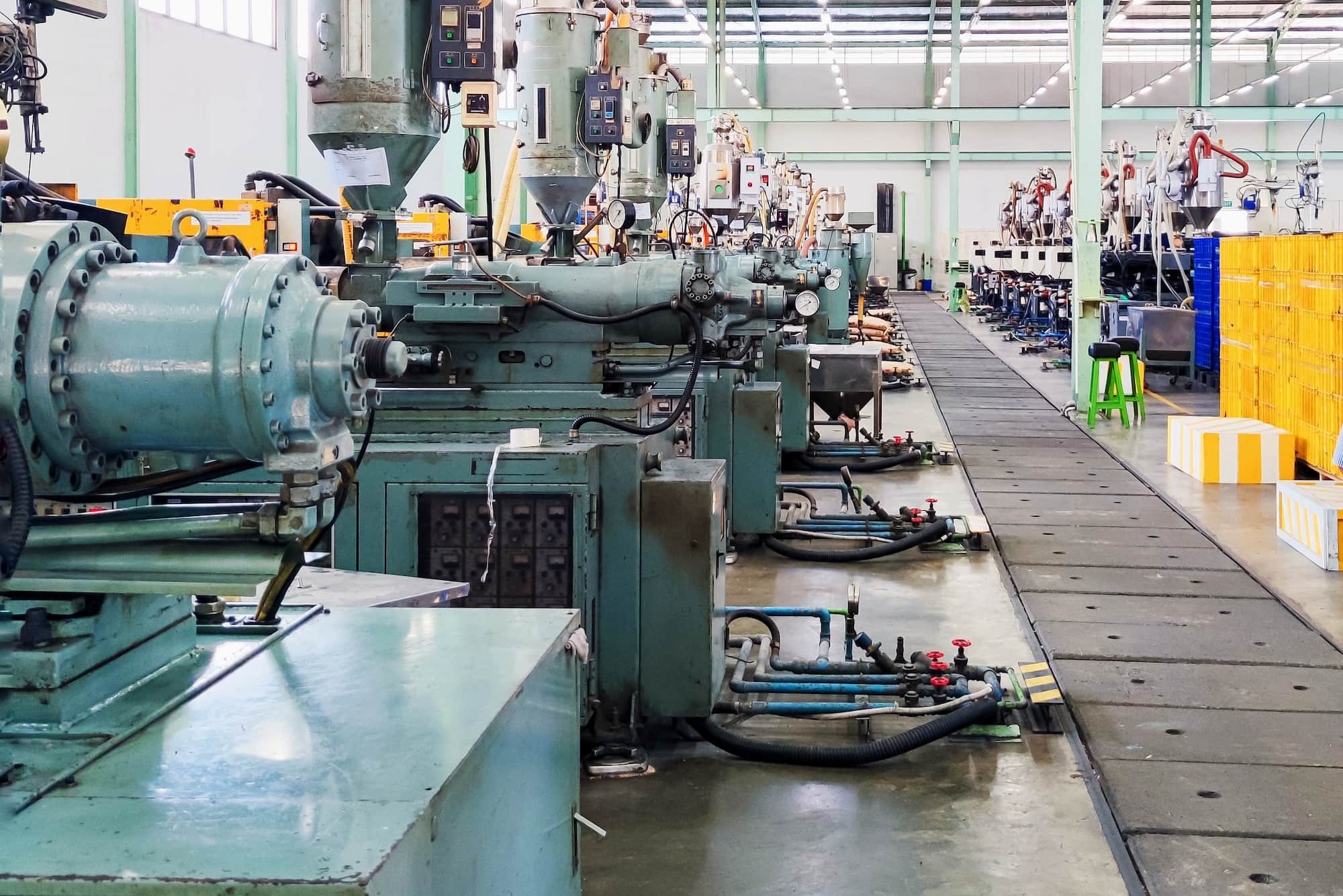
Despite its use across industries, there are several aspects shippers should understand when importing machinery into the US. CBP defines machinery as mechanical equipment that performs a specific function, including equipment used in commercial, industrial, and agricultural operations. Machines also have moving parts to produce, process, or transport goods. Examples include construction equipment, robotics, and electric generators. Cargo such as raw materials, hand tools, and individual spare parts is not classified as machinery by CBP. Due to the number of items that shippers can classify as machines, importing these goods may sometimes be challenging. This article explains the importation process for machines like heavy equipment and what to expect when starting.
What Should You Know Before Importing Machinery Into The US
When deciding whether to import, it is essential to understand the type of machinery you are bringing in. Laws and regulations for importing can vary by machine type. For example, food and medical devices may be subject to additional rules from the FDA (Food and Drug Administration). Used equipment may also be subject to additional requirements, such as EPA emissions compliance and USDA cleaning requirements. It is vital that the shipper properly cleans used machines and declares them as used. The importer should also ensure the correct HTS code is used, with most machines falling under HES chapters 84 (Mechanical Machinery) and 85 (Electrical Machinery).
The HTS (Harmonized Tariff Schedule) is the classification schedule the US uses to impose duties on imports. Contacting a customs broker can be an ideal way to ensure that you have the correct classification. You should also be aware of additional taxes that you may have to pay. Some include Section 301 tariffs, which are common for China-origin machinery, and Section 232 tariffs on steel and aluminum content. Another essential consideration before importing machines is ensuring you have the correct paperwork. Examples of required documentation include:
- Bill of Lading
- Commercial Invoice
- Packing List
- Arrival Notice
- DOT or EPA forms for specific machinery
The importer should also submit an ISF (Importer Security Filing) at least 24 hours before loading an ocean shipment for a vessel bound for the US.
What Is The Process?
When you are ready to import the cargo, it is essential to have the appropriate mode of transport. This can include the ocean, the air, or the land. The mode of transport may affect how long it takes for the shipment to reach the US. For example, air shipping typically takes 5-10 days, while sea shipping takes 20-45 days. You should also determine how you will ship the machine, for example, crated, containerized, ro-ro, etc. When the cargo arrives in the US, CBP will inspect it to verify compliance before releasing it. Providing incorrect documentation can lead to financial penalties and customs seizing the cargo. Once the cargo clears customs, you can contact a freight broker to arrange delivery to the final destination.
While this article explains the process for importing machinery into the US, disruptions can still occur. In turn, this may lead to delays, financial losses, and cargo losses. An ideal way to ensure a successful import is by coordinating with a customs brokerage like A1 Worldwide Logistics. Brokers are licensed individuals or corporations that arrange customs clearance for imports on behalf of the importer. In the US, they ensure compliance with CBP (Customs and Border Protection) regulations. Brokers achieve this by offering solutions like calculating duties, providing documentation, filing entries, and more. Speak to our brokers at info@a1wwl.com or 305-425-9456 to begin importing machinery and other cargo into the US.
by A1 WorldWide Logistics | Dec 11, 2025 | Economic trends, Importing, Shipping Logistics
China hit a $1 trillion trade surplus for the first time on December 8. Over the last 11 months of 2025, China’s surplus reached $1.08 trillion, beating 2024’s $992 billion amount. A trade surplus is the value of how much a country exports that exceeds its imports. In 2025, China’s exports rose to nearly $3.4 trillion while its imports declined to $2.3 trillion. Exports from China rose almost 5.9% year-over-year in November alone, while imports grew about 1.9%. The $1 trillion figure is also significant, given the ongoing trade war between China and the US. With China exporting less cargo to the US, the resulting surplus could significantly impact international shipping.
How Did China Hit A $1 Trillion Trade Surplus?
When President Trump returned to office, the trade war between the US and China escalated. Tariffs imposed by both countries soon rose above 100% until they reached a trade deal. The surplus stems from the actions China took following Trump’s 2024 election victory. Soon after the election, as Trump began imposing tariffs, China started diversifying its exports away from the US. Exports from China shifted to the European Union, Latin America, Africa, Southeast Asia, and other regions. To guard against US tariffs, Chinese companies also established new manufacturing hubs in countries outside China. Many of these hubs manufactured high-tech goods, such as electronics and semiconductors, which contributed to China’s export surge.
Other exports, such as electric vehicles, to countries like Germany and Japan also contributed to the surge. As exports to other countries increased, shipments to China’s largest trading partner, the US, declined. In November, exports to the US fell nearly 28.6%, marking the eighth consecutive month of double-digit declines. Many of the goods Chinese exporters imported into the US were shipped by manufacturers outside China. Another cause of the surplus is that the Chinese yuan is cheaper than that of many trading partners. In turn, this makes Chinese products more affordable to produce and more attractive for customers in other countries.
What Can This Mean For International Shipping?
As China continues to grow as the world’s largest exporter, the effects could soon be felt on international shipping. As the country becomes more attractive to global importers, it could exert greater influence on global pricing and product availability. There is also concern that China’s export surge could exacerbate trade tensions between the US and other countries. Countries that import from China may begin imposing their own tariffs and trade restrictions on Chinese goods. For shippers, this can mean rising import costs, which could be passed on to various parts of the supply chain, including domestic shipping and customers. Many economists also believe that China’s firm reliance on exports could be unsustainable in the long run.
As the international shipping industry continues to evolve, it can be both positive and negative for shippers. Importers unfamiliar with regulations or the shipping process may experience disruptions, including delays. To prevent disruptions, it is advisable to consult a customs broker when starting. Customs brokers are licensed professionals, like individuals or corporations, who facilitate the importation of cargo through a country’s borders. In the US, brokers ensure compliance with CBP (Customs and Border Protection) by offering a range of solutions for shippers. Some of these services include calculating duties, providing documentation, filing entries, offering consultations, and more. Contact our brokers at info@a1wwl.com or 305-425-9456 to ensure a successful importation process.
by Rob Simmons | Nov 25, 2025 | Shipping Logistics
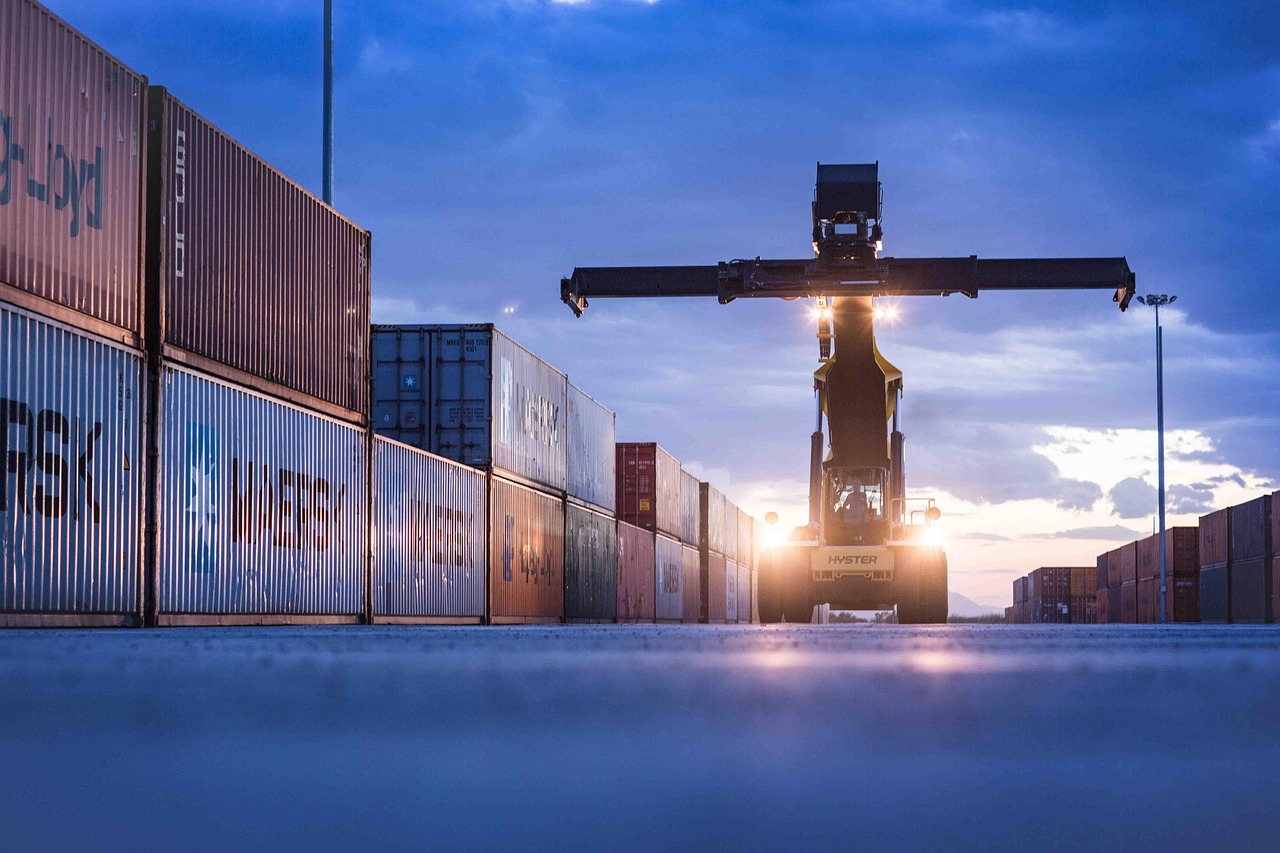
What is Freight Container Devanning
`For FCLs (full container loads), this is normally done at the company’s warehouse after the freight container is picked up from the port. For LCLs (less than container loads), they may go through deconsolidation in a type of warehouse called a CFS (container freight station). Deconsolidation is the action of separating LCL shipments in a shared container before moving them to the final destination. There are different tools used to unload containers such as forklifts, Conveyers, Pallets, etc.
What May Go Wrong
During the devanning process, several aspects can go wrong and delay the process. Once the freight reaches the warehouse, trained lumpers or handlers begin unpackaging the freight carefully. It is important that the unloading is done carefully not only for the condition of the goods but for the safety of the people handling the freight. If the goods are mishandled and damaged, it can be costly to the shippers and disrupt the entire supply chain. As for the handlers, injuries can happen if they are not careful. This is because they are using technology and manual handling to move large amounts of weight.
How Is the Cost Calculated
When calculating the cost for unloading freight, numerous components can come into the picture. The price for unloading a container can range from around $150 up for a 20ft container and around $190 up for a 40ft container. These prices are an estimate and may vary depending on different factors. The transportation costs that are included tend to be determined by the distance that the warehouse is from the pickup area. The further the warehouse, the higher the transportation costs may be.
The amount of freight that has to be unloaded may also impact the costs. For example, a 40ft container with 500 cases may cost less to unload than a 40ft container with 1000 cases. This is because the amount of equipment and labor force necessary can be higher. The wait time for the lumpers or the people doing the unloading may be included. Separate companies may have different fees associated with unloading, meaning that it is important to research to get an exact quote.
What Comes After
When the freight is unloaded from the container, it may either be placed in the warehouse for storage or distributed to the final destination. The shipper may store their freight in a warehouse for packing and picking or just as extra inventory. If the freight is stored in a bonded warehouse, it can stay for five years before taxes and duties need to be paid. When the goods are moved to the final destination, this is sometimes referred to as the final mile. This is when the freight is dispatched to the client themselves or a business to be sold. The goods must be safely secured during their journey.
A1 Worldwide Logistics
Devanning, like warehousing, shipping, and customs clearance all tend to be part of the bigger supply chain picture. All may be considered high levels of importance and if one part goes wrong it may affect the whole supply chain. A1 Worldwide Logistics is aware of this and provides different services to assist with your company’s supply chain. This way, you can focus on other parts of your business while comfortably knowing that your supply chain is handled. Call us at 305-821-8995 to find out more information.

by A1 WorldWide Logistics | Nov 14, 2025 | Economic trends, Shipping Logistics, Supply Chain
The US shutdown has ended with President Trump signing a bill passed by Congress on Wednesday, November 12. Since October 1, the US has been experiencing the longest government shutdown in its history, which has lasted 43 days. The bill signed by Trump will reopen most agencies and restore government funding through January 30, 2026. While the funding is only for January of next year, it will give time to negotiate the next funding round. Despite the signing, various sectors, such as travel and commerce, may take weeks to recover from the pause. With the potential impact the shutdown would have had on shipping if it continued, its end could significantly benefit shippers.
Why Was The US In A Government Shutdown?
The primary cause behind the shutdown was a failure to agree on an operations funding bill. In particular, Congress failed to pass the required appropriations to fund government agencies in the next fiscal year. The disagreement centered on the future of insurance subsidies under the ACA (Affordable Care Act). While Republicans wanted a bill that did not include the subsidies, Democrats would not agree to a bill without them. The result was a shutdown that caused widespread disruptions for numerous US sectors and the economy in multiple ways. For example, in the 43-day shutdown, nearly 900,000 federal employees were furloughed and sent home without pay.
Many of the employees who were furloughed due to the shutdown worked in agencies that directly impact international shipping. Some of these included the CBP (Customs and Border Protection), FDA (Food and Drug Administration), and EPA (Environmental Protection Agency). The result of limited workers was that supply chain processes took longer than usual. A shortage of workers available to inspect importations resulted in longer customs clearance times. With the shutdown also furloughing port workers, transport times increase due to greater port congestion. The delays can fall on truckers who pick up containers from ports due to higher costs. Air cargo was also affected by a 10% reduction in travel capacity at the US’s 40 busiest airports.
What Can Shippers Expect Now That The US Shutdown Has Ended?
As US industries recover from the shutdown, so could importing and exporting internationally. Rising costs that shippers expected due to delays could lessen as ports and carriers return to normal capacity. Shipping times could also return to normal, with various agencies involved in customs clearance resuming regular operations. An example includes specific imports that require certifications from partner agencies, such as the FDA and EPA. It may also be safer to transport perishable cargo, such as certain foods that can spoil due to delays. Despite the current shutdown ending, there is a risk that another shutdown can occur if a final funding agreement is not made by the January 30, 2026, deadline.
With the government shutdown now over, shippers may feel more confident about shipping their cargo internationally. While it can be beneficial to ship during this time, they must prepare correctly when starting. Not being prepared can lead to disruptions, resulting in delays, financial losses, and cargo loss. An ideal way to begin is by contacting a 3PL (Third-Party Logistics) provider, such as A1 Worldwide Logistics. A 3PL is a company that handles various aspects of its clients’ supply chains. These include freight forwarding, customs clearance, warehousing, Domestic shipping, and more. Reach us at info@a1wwl.com or 305-425-9456 to learn about our 3PL services for the success of your shipments.

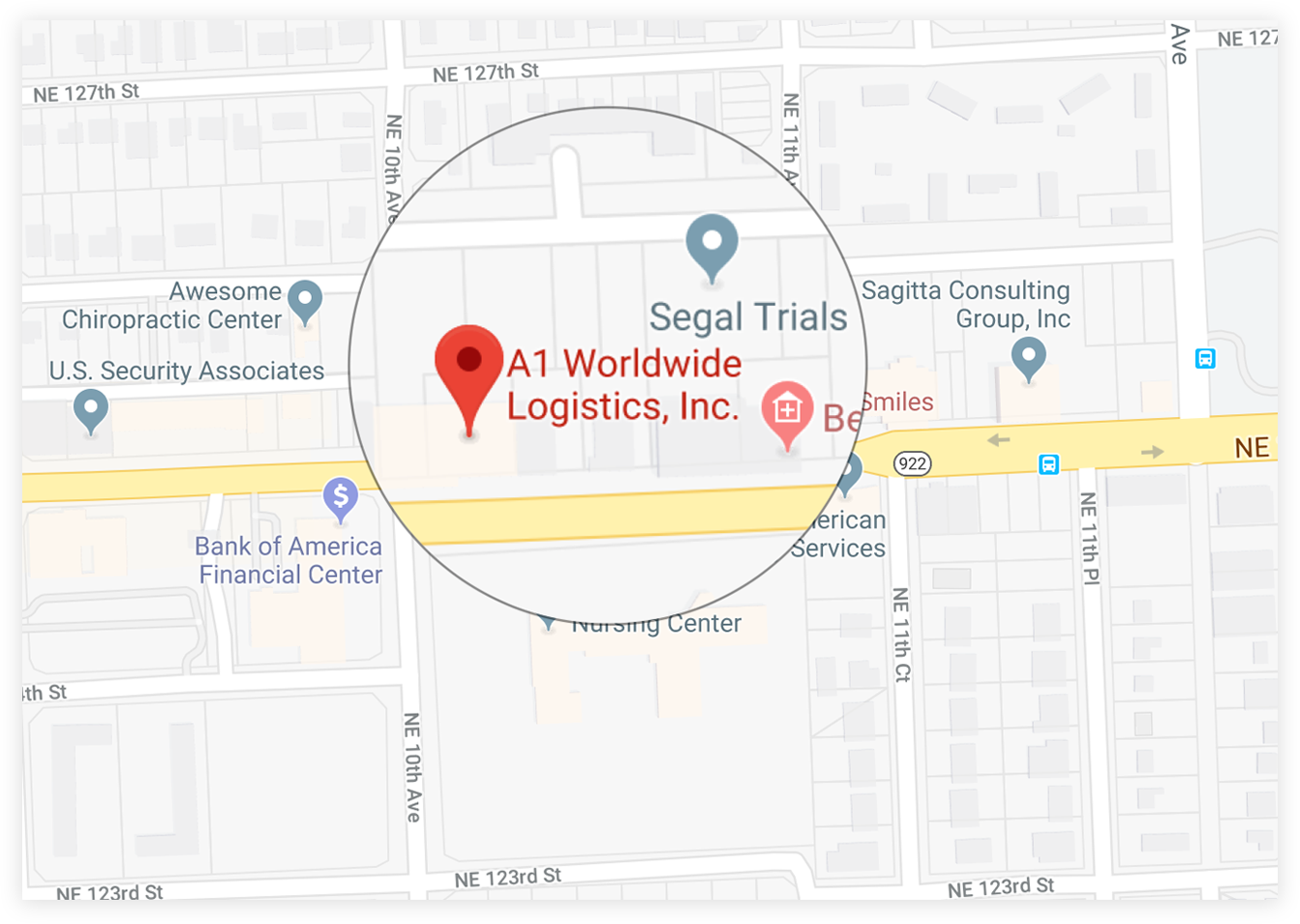
 1035 NE 125th St Suite #320, North Miami, FL 33161.
 a1worldwidelogistics.com
 (305) 821-8995
 Hours: 8AM - 5PM