
by A1 WorldWide Logistics | Nov 16, 2022 | Shipping Logistics, Supply Chain, Warehousing
Warehousing is storing and handling various products for a specific period. A common item stored in warehouses is industrial products, goods used to produce a finished product. Unlike consumer goods which are finished products that are sold to customers, industrial products are not complete products. Manufacturing, retail, and other service businesses use warehouses to store industrial goods for future usage. These products include raw materials, accessory equipment, operating supplies, etc.
How Are Industrial Products Handled and Stored in a Warehouse?
Shippers must take special precautions to prevent damage when they move industrial goods to storage facilities. This is especially true since specific buyers need the goods to be in excellent condition to create the final product. Before entering the warehouse to be stored, specialized equipment transfers the material out of the containers. Hand trucks, pallet jacks, and walkie-stackers are all used to bring industrial goods out of the trucks and into the facility. Since industrial products tend to come in bulk, machinery such as conveyors, silos, and bucket elevators transfer the materials inside the warehouse for storage.
Since business store raw and unfinished materials, warehouses that house industrial products may have more services than the average warehouse. Additional areas like production locations, perimeter zones, and waste collection zones tend to be present. The production locations may be necessary when a company orders merchandise. This is common with parts that workers assemble into a final product. Industrial goods are frequent in Business to Business (B2B), and trucks may transport them from the warehouse without adjustments.
Plenty of Solutions
The amount of goods classified as industrial includes a vast range of items from petroleum and cement to car engines. They all have a commonality of being used to make and sell other goods. Due to the importance of industrial products in many businesses, warehouses are ideal for storing extra inventory. If you need to warehouse industrial products for short-term or long-term, contact A1 Worldwide Logistics at 305-821-8995. We also provide value-adding services like picking, packing, trans-loading, cross-docking, and much more.
by A1 WorldWide Logistics | Nov 11, 2022 | Customs Broker, Customs Broker Miami, Customs Clearance, Freight Forwarding, Import and Export Experts, Shipping Logistics
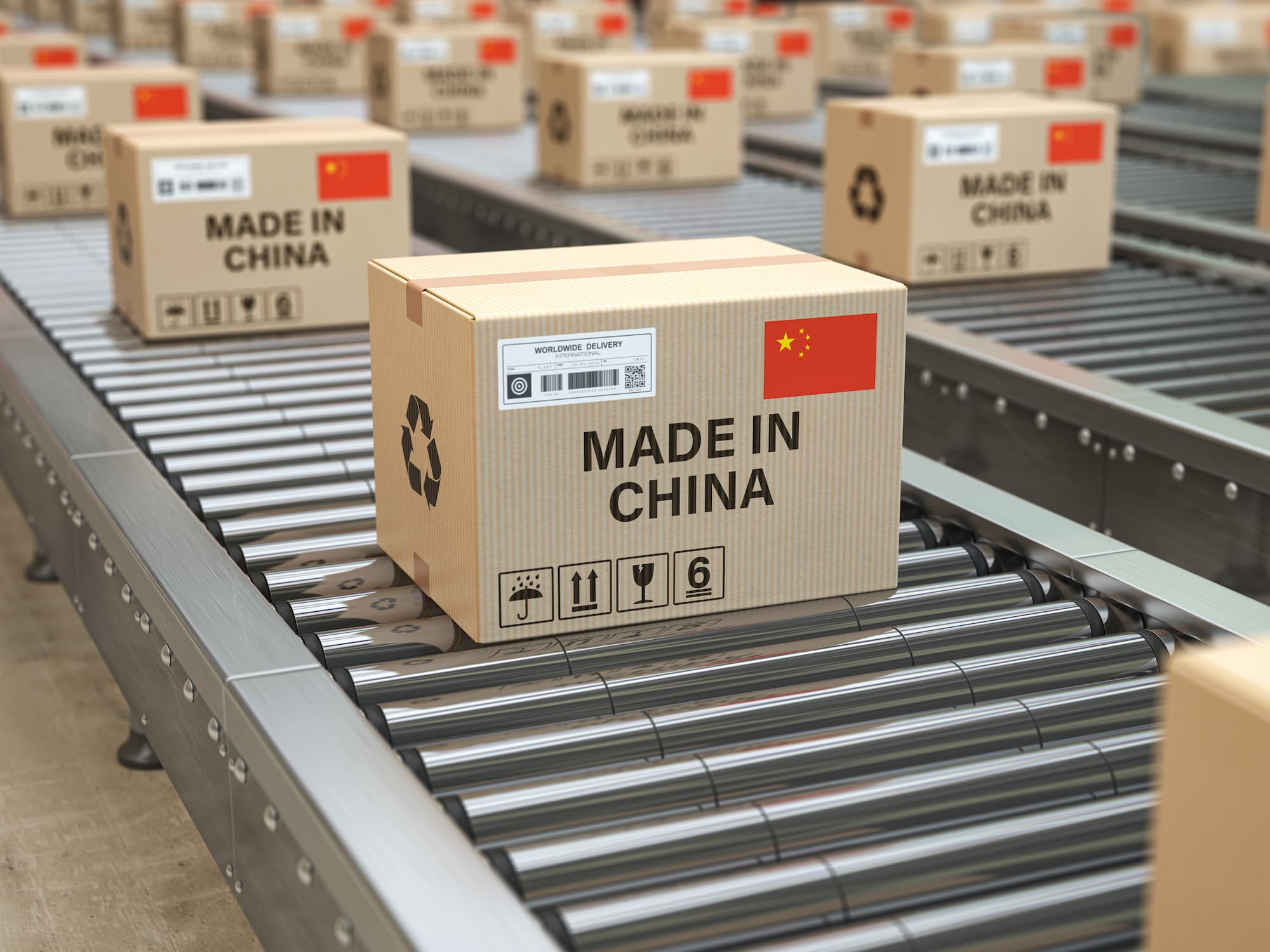
China is the U.S.’s biggest trading partner and the largest exporter of goods internationally. Because of China’s ability to manufacture products on a large scale, importing from the country can present many opportunities. Not only is growth possible for a business, but reduced costs, large quantities of imports, and other benefits are also possible. While importing may seem attractive to first-time shippers, understanding what’s necessary is essential for the shipment’s success. This article will explain how to prepare the required documents and what to expect during your cargo’s shipping journey.
Before deciding what to import, it is also essential to understand that certain goods may have restrictions and specific regulations. For example, any product from China’s “Xinjing” region cannot enter the U.S. The ban is due to human rights issues such as the forced labor of Uyghur Muslims. While you do not need a permit to import from China, certain commodities require an import license. Government agencies like the Food and Drug Administration (FDA) request that imports such as cheese have an import license. Speak to a customs broker if you are uncertain if your shipment needs a permit.
While you do not need a permit to import from China, certain commodities require an import license.
What Are the Necessary Documents
Documentation is a component of the shipping process that must be taken with care to prevent your shipment’s delay. While the documents depend on the imported commodity, specific papers are needed for every import. Certain imports require additional documents like inspection certificates for meat and egg products and energy-efficient labels like air conditioners. The documents may also vary by country, but we will mainly focus on bringing cargo into the U.S. from China. Some of the standard documents include:
- Importer Security Filing (ISF)
- Bill of Lading/Airway Bill
- Commercial Invoice
- Packing List
- Proof of Insurance
- Certificate of Origin (when Applicable)
- Arrival Notice
Shipments valued at $2,500 or above require a customs bond; an insurance policy to ensure the payment of taxes. A shipper can get a single-entry or continuous bond, depending on their shipment.
The Journey Begins
Once the freight is ready, it will be sent to a designated port in China for transportation to the U.S. Speak to a freight forwarder to arrange the transportation of the shipment. The main methods of conveyance for shipping internationally are by air or sea. Both ways have their benefits, like pricing and time. When your goods reach the U.S., they must pass through customs. Customs’ objective is the security of the people in the U.S. by preventing anything illegal or harmful into the country. While customs clearance usually takes less than 24 hours, it may take longer if the goods are “Held at Customs.” This happens when customs does not release your goods for various reasons, including unpaid duties and incomplete documents.
While the importation process is perplexing for first-time shippers, it is doable with the proper guidance. Contact A1 Worldwide Logistics at 305-821-8995 or info@a1wwl.com to begin your import journey. We guide you through each shipping process step to provide transparency with our services. Whether you need to speak to a customs broker or a freight forwarder, A1WWL has you covered.
Because of China’s ability to manufacture products on a large scale, importing from the country can present many opportunities.

by A1 WorldWide Logistics | Oct 25, 2022 | Shipping Logistics
The U.S. is known as one of the world’s leading countries in terms of medical innovation. Medical advances in the last 30 years have increased life expectancy by five years and decreased heart attack fatalities by more than half. There are currently over 1.9 million jobs in the U.S medical industry, of which small businesses are the leading creator. Due to the industry’s size, countries worldwide rely on the U.S. for their exported medical devices. Global reliance on medical equipment is also perfect for small companies planning to grow their business (some of the most widely exported medical devices are X-ray equipment and MRI systems). This article will explain what you will expect and how to prepare for exporting to other countries from the U.S.
Before shipping, it is essential to understand the regulations for transporting medical equipment outside the U.S. For example, any medical device a company wants to export must have prior Food and Drug Administration FDA approval. The FDA regulates the sale and safety of any medical device sold in the U.S. If the FDA has cleared a device, it can be sold and exported anywhere in the world. In the scenario of non-clearance in the U.S, devices must follow export provisions of the FD&C Act.
It is also crucial to know the policies that the country of destination follows. Contact a customs broker for information on the guidelines and required documents. Once meeting the policies, the shipper must find carriers to take the shipment to a port and export it internationally. The means of conveyance that the devices are transported can include planes, vessels, and trucks for countries connected by land. Different countries may also have specific tariffs that shippers must pay for imported medical devices.
The Documents Needed
When exporting, the shipper must have the correct paperwork available to prevent issues in the shipping process. This list is a summary; however, the documents may depend on the type of medical device. For more information, contact a freight forwarder. The documents can include the following:
- Certificate of Exportability 801(e)(1)
- Certificate of Exportability 801
- Non-Clinical Research Use Only Certificate
- Certificate to Foreign Government
- Simple Notifications
- Export Permit Letters
The Center for Devices and Radiological Health (CDRH) issues export certificates at the shipper’s request. The cost to issue a certificate is $175 for the first one and $85 for each successive certificate in the same request. A certificate is limited to 25 pages, and requesting a copy of the same certificate is $175 per 25-page increment. For a detailed explanation, visit the FDA Website. Permit letters and simple notifications do not require a fee to acquire.
The global medical device market is currently an estimated $536 billion industry. Over $159 billion is projected to come from the U.S. by the end of 2022. The exporting of medical equipment is in high demand and can help a business expand in many ways. Due to the requirements and logistics involved in the exportation process, it is ideal to find a customs broker to assist. If you plan on exporting medical devices to any country internationally, contact A1 Worldwide Logistics at 305-821-8995. Our experienced freight forwarders will guide you through the exportation process and provide open communication every step of the way.

by A1 WorldWide Logistics | Oct 6, 2022 | Shipping Logistics, Supply Chain, Warehousing
In the logistics of transporting products to clients, there are two common steps that nearly all businesses go through. These steps are picking and packing, and most companies that own or rent a warehouse do them. While the customer may not be familiar with these two processes, one mistake can affect the whole delivery unfavorably. Picking is when a warehouse worker takes a product from storage and transfers it for packing. Packing is when the picked item is sealed and labeled to be shipped by the warehouse to the client. An example to demonstrate when these processes take place is shopping in an e-commerce business.
After searching through a website, customers find something they like and buy the product. The website then sends the order to a warehouse or fulfillment center, usually in the form of a packing list. A warehouse worker then searches for the order in the inventory and brings it to a packing station. The order is packed and labeled in the station and then delivered to the customer. A different type of packing is crating, when workers pack goods into wooden crates. Crating is typically done for valuable goods that damage easily; the crates can also be metal or plastic.
What Can Go Wrong
Due to countless companies’ need for picking and packing, errors may sometimes occur. Since these processes are estimated at 45% of warehouse operating costs, a small mistake may broadly impact the supply chain. One of the more common mistakes is incorrect inventory. For example, an order is sent to a warehouse, and the warehouse’s stock records are inaccurate. The picking, packing, and delivery process can delay if the demand exceeds the stock. Missing details on inventory, such as weight and size, can also lead to unsecure packaging and damages.
A shipper usually outsources packing and picking to a third-party logistics warehouse due to the training and equipment purchasing involved. Contact A1 Worldwide Logistics at 305-821-8995 to find out how our warehousing solutions can streamline your supply chain. Along with packing and picking, we offer many other services like public warehousing, cross-docking, and trans-loading. Our warehouse is also insured and secured, meaning you can store your shipment for five years without paying taxes.

by A1 WorldWide Logistics | Oct 4, 2022 | Economic trends, Import and Export Experts, Shipping Logistics
Over the last year, the U.S. inflation rates rose by nearly 8.3%, making a 40-year high. Even more surprising is that the inflation rates continue to increase as supply chain stresses alleviate. In the past few years, there have been constant news reports of supply chain bottlenecks and congestion slowing cargo movement. A supply chain pressure indicator was recently developed to track the duration it takes cargo to reach U.S. terminal gates from China. The marker found that days went down to 86 days on 9/25/2022 from 113 days on 1/23/2022. Supply chain pressures slowing down were also believed to reduce inflation; however, this was not the case.
The beginning of the inflation happened when COVID began making its way globally. A surge in customer demand and labor shortages created backlogs which caused the shipping cost to go up. Add to this a war in Ukraine, and the prices of everyday goods skyrocketed to alarming levels. The Federal Reserve Bank of New York recently designed the Global Supply Chain Pressure Index (GSCPI) barometer. This barometer was another indicator of supply chain pressures starting in January 2021. The findings were that GSCPI plunged 66% percent from its peak in December 2021, while inflation went up 17% from the same month.
Is The Inflation Temporary?
The current rise in inflation has many concerned about what the future holds. Although there is no definite answer to how long it will last, some inflation is ideal. This is because a steady price increase can help boost business activity. More dollars can lead to more lavish spending, which may also grow demand. A problem arises when inflation surpasses the target rate, which in the U.S.’s case, is 2%.
Various economists forecast that the earliest inflation may reach the target rate of 2% in the U.S. is in 2024. Other economists believe that U.S. inflation could stay at 3% or 4% for decades leading to several recessions. Inflation may be a global crisis, with other countries facing the highest price increases in decades. Some countries are facing hyperinflation, with Turkey reaching an 80% high in June while Argentina currently has a 70% high.
Why are Supply Chain Pressures Easing?
As supply chain stresses decrease, one belief is that we are returning to normality from the last few years. The stresses like COVID and congestion could slow down; however, we are still above pre-COVID levels. Another rationale behind the ease of pressure is that the U.S. is entering a recession. The decrease in demand to purchase and move goods internationally may indicate this.
Whether the inflation is temporary or long-term, goods still must be moved internationally. Although the supply chain pressures have eased, the crunch is not over, and the shipper should still take caution. A1 Worldwide Logistics is a trusted freight forwarding, customs brokerage and, warehousing company experienced in all aspects of supply chains. We understand the world of international shipping and are prepared to guide clients through any difficulties. If you plan on importing or exporting a shipment to and from the U.S., contact us at 305-821-8995.


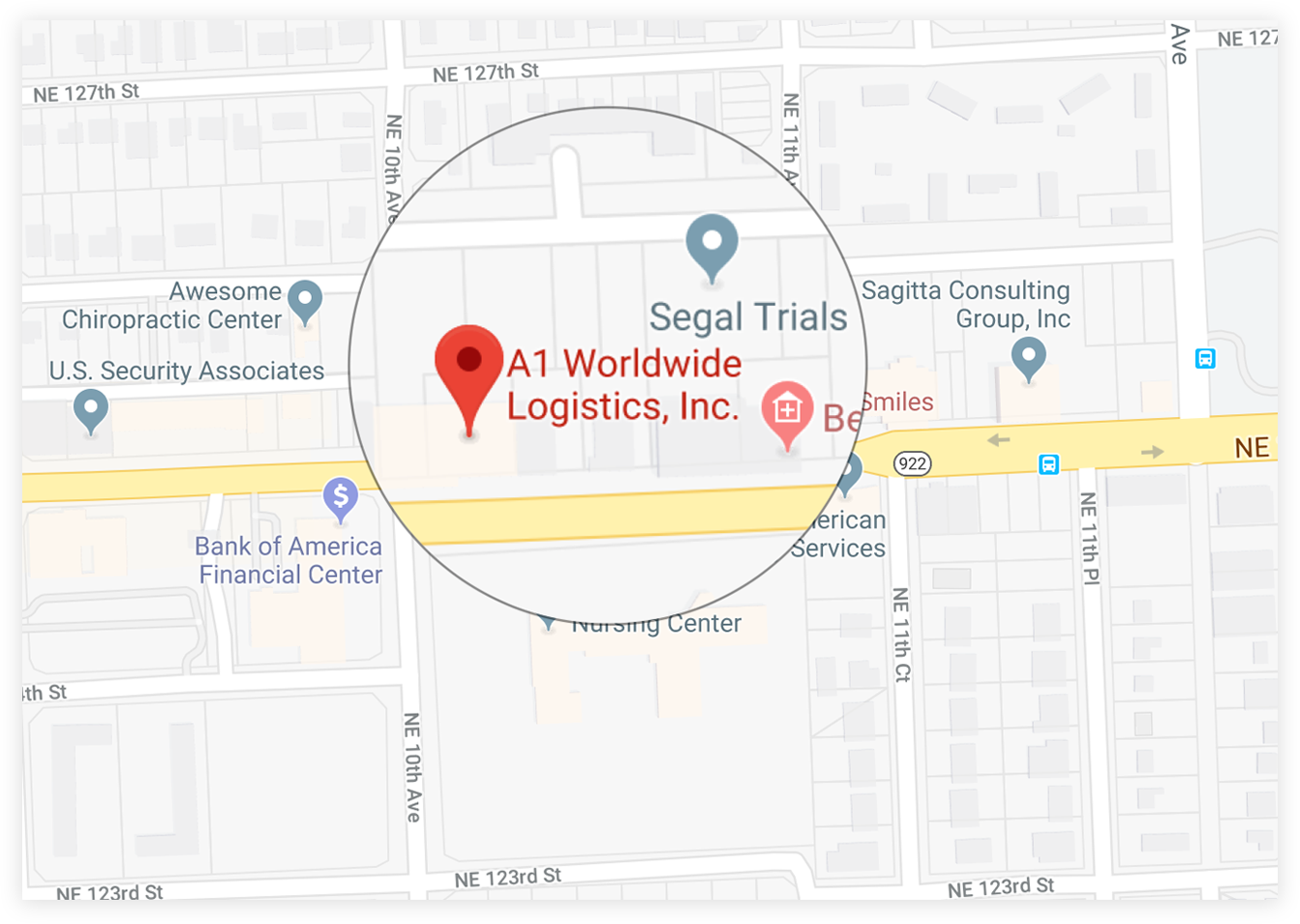
 1035 NE 125th St Suite #320, North Miami, FL 33161.
 a1worldwidelogistics.com
 (305) 821-8995
 Hours: 8AM - 5PM