
by María Fernanda Cárdenas | Apr 2, 2024 | Import and Export Experts, Shipping Logistics, Supply Chain
En el comercio internacional, los agentes de carga son los intermediarios que se encargan de la logística para llevar la mercancía al destino final. Asimismo, los agentes coordinan con transportistas y almacenes para encontrar las mejores rutas de transporte de carga. Por lo tanto, el cliente debe ser cuidadoso al elegir su agente de carga, con el fin de establecer una relación sólida y duradera. A continuación, compartimos algunas cualidades a tener en cuenta al elegir un agente de carga:
Comunicación efectiva
En primer lugar, una de las partes más significativas de una relación es la capacidad de comunicarse cuando sea necesario. Independientemente del método de transporte del envío, el cliente debe ser informado sobre la ubicación cuando sea necesario. Los agentes de carga diligentes tienen un contacto cercano con sus clientes y proporcionan constantemente actualizaciones sobre los envíos. A1 Worldwide Logistics asegura que nuestros clientes tengan contacto instantáneo con nosotros durante el envío. Logramos esto teniendo líneas de comunicación abiertas, como llamadas telefónicas, correos electrónicos y nuestro sitio web.
Confianza
Asimismo, el agente debe transmitir la seguridad de poder cumplir las promesas acordadas con el cliente. De esta manera, la confianza será un reflejo directo de la solidez del negocio. Hoy en día es difícil encontrar una empresa que diga que brinda el mejor servicio al cliente y cumpla con esa promesa. Esto último es particularmente cierto en el envío internacional, donde la logística de la cadena de suministro cambia constantemente.
Experiencia
La experiencia es un indicador de que un agente de carga valora las relaciones con los clientes. Esto se debe a la longitud del tiempo involucrado en adquirir experiencia. Es decir, los agentes de carga con muchos clientes tienen experiencia de incontables años trabajando con clientes. Como resultado, el agente de carga también aprende la importancia de las relaciones sólidas al trabajar con muchos clientes.
Gestión de la incertidumbre
Por otra parte, en el transporte de carga llevar sus mercancías a su destino final a veces puede ser diferente de lo planeado. A veces ocurren eventos impredecibles en la cadena de suministro que interrumpen el viaje. Por ejemplo, podría haber un problema con la fabricación o la ubicación del almacén. También pueden ocurrir retrasos en el envío durante el viaje. Un agente de carga debe estar preparado para cualquier circunstancia y poder explicar la situación al cliente.
Servicio excepcional
Asimismo, el agente de carga ofrece una organización y comunicación con el cliente que va más allá de lo esperado durante el viaje de la carga. Así, el agente de carga muestra cómo valora al cliente y su compromiso de mantener la relación. Caminar la milla extra también se refleja en servicios adicionales como coordinar al transportista y al cliente. Esto implica hacer ciertos ajustes para que el proceso de envío sea lo más efectivo posible.
Mantener las relaciones
En conclusión, la clave para que un agente de carga mantenga a sus clientes es la consistencia y la competitividad. El cliente debe confiar en que puede depender de su agente de carga para transportar un artículo internacionalmente. Esta confianza proviene de experiencias anteriores donde el agente de carga demostró competencia en su trabajo. Si desea un agente de carga comprometido a construir una relación duradera, comuníquese con A1 Worldwide Logistics al 305-425-9513. A1WWL tiene como objetivo brindar el mejor servicio al cliente, siendo responsables y transparentes en todo lo que hacemos. También asistimos a la liberación aduanal para garantizar que su envío cumpla con las regulaciones gubernamentales al ingresar a un país.
by Jontrey Aimes | Mar 27, 2024 | 3PL, Shipping Logistics, Supply Chain
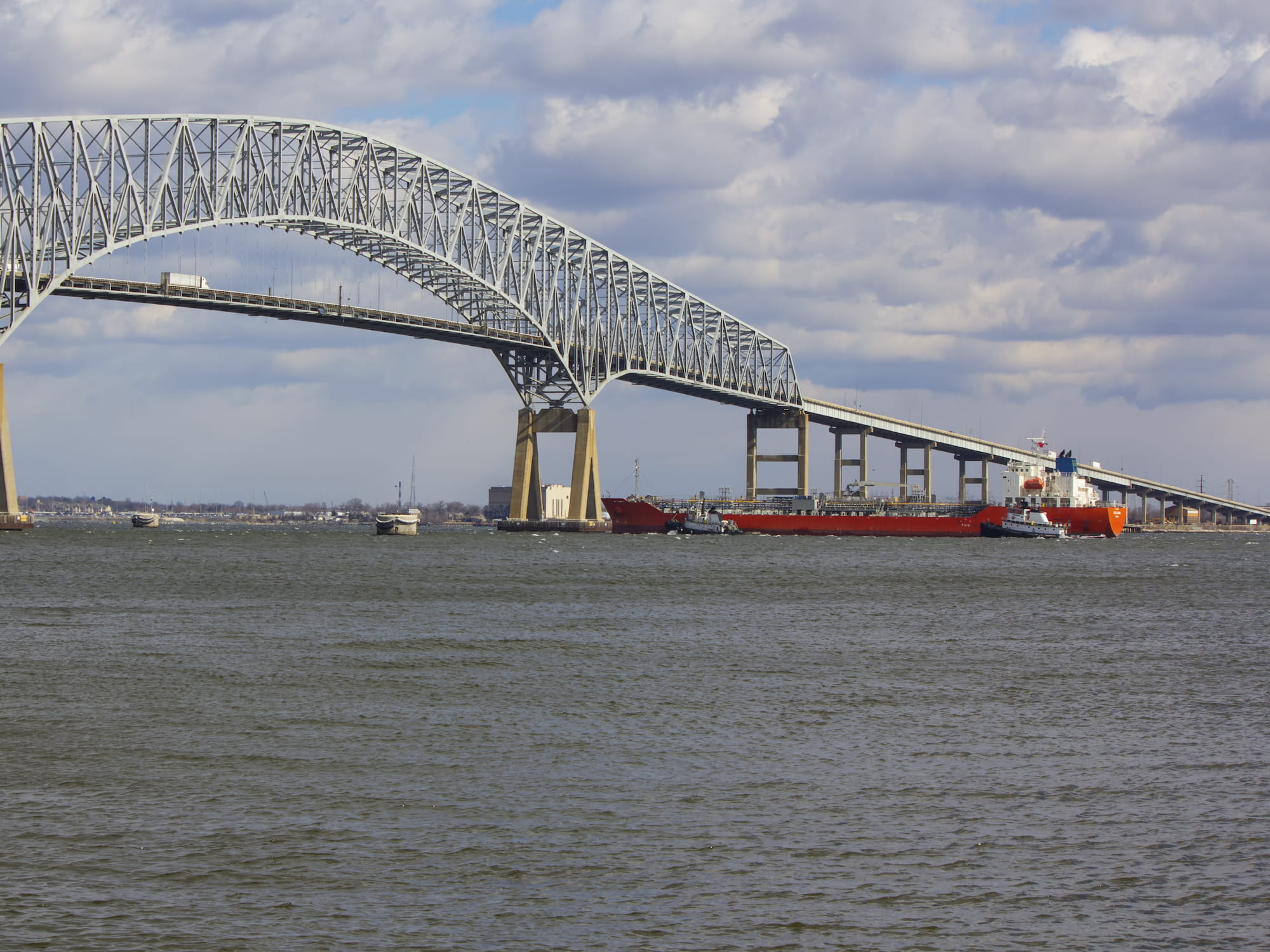
Early Tuesday morning, the 1.6-mile-long Baltimore Key bridge collapsed into the Patapsco Rover. Around 1:30 am, a massive container ship crashed into one of the bridge’s support beams, causing it to fall. The Francis Scott Key Bridge is a central transportation hub on the East Coast of the U.S. It is also an entry point to the Port of Baltimore, a significant East Coast port. During the collapse, vehicles with people were on the bridge. At the current time, there are no reported casualties. However, rescuers are still looking for people in the waters. The director of communications in the Baltimore City Fire Department notes that up to 20 people may be in the river.
What Can The Baltimore Key Bridge Collapse Mean For Shipping?
Nearly 35,000 people use the port daily, meaning the collapse can significantly impact shipping. Since the passage is the main entrance to the Port of Baltimore, it directly affects the international cargo movement. The Port of Baltimore handles the highest volume of autos and light truck imports in the U.S. It is also one of the biggest importers of gypsum and sugar in the U.S. One of the main effects is that port operations will halt, leading to potential bottlenecks in supply chains. Along with cargo entering the U.S., exporters using the port to ship to other countries will also feel the strain.
Due to the significance of the Port of Baltimore, closure may result in an increase in West Coast port imports. The collapse of the Francis Scott Key Bridge also has an impact on domestic shipping. Drayage services for moving containers to and from the port relied on the bridge for decades. Since its opening in 1977, truckers used the causeway to link transport between Baltimore, Washington, Philadelphia, and New York. Overall delays and traffic will increase around the accident area as drivers look for alternative routes. Traffic increases delivery time, which is unfavorable for truckers with clients who expect their goods to move late.
How Can You Protect Your Shipment?
With the volume of cargo that goes into and out of the Port of Baltimore, you must take steps to protect your shipments. To start, a shipper should know of any occurrences affecting their shipment. This could mean watching the news or checking a trusted online source for updates. Knowing where the traffic is excessive is essential in preventing backlogs for a scenario like a bridge collapse. Communicating efficiently with other parts of your supply chain is crucial to ensure a smooth flow.
The most proven way to protect your shipment is to get assistance from a 3PL (Third Party Logistics) company. 3PLs offer extensive services to create an efficient supply chain for their client. Examples include freight forwarding, customs brokering, transportation, distribution, etc. Forwarders coordinate cargo transportation internationally, and brokers clear imported shipments from U.S. customs. Freight forwarders, in particular, help shippers navigate situations like the collapsing of a high-traffic bridge or port shutdowns. Reach us at 305-821-8995 or info@a1wwl.com to find out how we ensure the success of your supply chain. A1 Worldwide Logistics is a 3PL with experience finding solutions for your imports/exports.

by A1 WorldWide Logistics | Mar 21, 2024 | Agricultural imports, Air Freight, Customs Broker Miami, Economic trends, Freight Forwarding, Supply Chain
Los productores y/o comercializadores de flores cortadas deben ser excepcionalmente cuidadosos al transportar flores a los Estados Unidos, especialmente durante el Día de San Valentín. El Día de San Valentín es un momento para demostrarle a esa persona especial que la aprecias y te preocupas por ella. Una de las formas más populares es regalándole un ramo de rosas. En 2023, la Agencia de Aduanas y Protección Fronteriza (CBP por sus siglas en inglés) reportó haber inspeccionado más de mil millones de arreglos florales importados durante la temporada del Día de San Valentín. La mayoría de los envíos provenían de Colombia y Ecuador y llegaban a los Estados Unidos a través del Puerto de Miami. Al decidir vender flores a los Estados Unidos, se deben tener en cuenta muchas consideraciones. Este artículo explicará algunos aspectos logísticos básicos de dicho proceso y cómo comenzar.
¿Qué hay que saber antes de comenzar?
Los productos florales pueden ser más difíciles de llevar a los Estados Unidos que otras importaciones. Además de los requisitos de Aduanas y Protección Fronteriza (CBP), los importadores deben seguir las regulaciones del Departamento de Agricultura de los Estados Unidos (USDA). El USDA verifica que las importaciones agrícolas como las flores estén libres de plagas y enfermedades, entre otros. Antes de comenzar, hay que asegurarse de que el envío cumpla con los requisitos de entrada. Si bien los importadores suelen enviar rosas rojas durante el Día de San Valentín, cada tipo de flor puede tener sus propios requisitos, que determina el USDA. Por ejemplo, los arreglos de flores, los ramos y las plantas en maceta tienen diferentes requisitos, y no entenderlos puede afectar negativamente su importación.
¿Cuál es el proceso logístico para importar flores a los Estados Unidos?
Se pueden utilizar varios métodos de transporte para llevar flores a los Estados Unidos, como aire, mar y tierra (caso México), para lo cual por lo general los productores/comercializadores se valen de agentes de carga. Es esencial tener en cuenta que las flores son perecederas, lo que significa que pueden estropearse después de un tiempo específico. Los importadores suelen utilizar contenedores refrigerados y otros métodos más avanzados, como el enfriamiento al vacío, para evitar que se dañen durante el tránsito. Algunos de los documentos que la CBP requiere para importar flores incluyen:
• Conocimiento de embarque aéreo/marítimo: Un recibo que indica que el transportista está moviendo la carga, que también puede proporcionar información de seguimiento.
• Certificado fitosanitario: Un certificado que asegura que las flores están libres de plagas y enfermedades.
• Factura comercial: Un documento con información esencial sobre el envío que también usa Aduanas para evaluar el valor de la carga.
• Certificado de origen: Un certificado que verifica el país donde se realiza la exportación.
Estos son solo algunos de los documentos que la CBP requiere para la importación y pueden variar según el tipo de flor. Para entender la documentación que los envíos requieren, los remitentes suelen asesorarse de agentes de aduana. Un agente de aduanas es un intermediario entre el transportista y las autoridades aduaneras y coordina la liberación de un envío.
En conclusión, importar flores a los Estados Unidos para el Día de San Valentín es un proceso complejo que requiere una cuidadosa planificación y coordinación logística. Desde cumplir con los requisitos de entrada hasta garantizar una entrega oportuna y en condiciones óptimas, cada paso del proceso es crucial para el éxito de la operación. Con una comprensión clara de los aspectos logísticos y comerciales involucrados, los productores y comercializadores pueden aprovechar al máximo esta temporada de alta demanda y celebrar el amor y el afecto de manera exitosa.
*Este artículo también fue publicado en la Revista Metroflor

by A1 WorldWide Logistics | Mar 14, 2024 | Air Freight, Shipping Logistics, Supply Chain
Fast fashion logistics are becoming a prominent part of the supply chains of the biggest retailers in the fashion industry. Fast fashion is the quick production and transport of inexpensive clothes items on a mass scale. The clothing production follows what’s in style and the latest trends in the industry. In the 1970s, manufacturers began outsourcing production to countries, specifically in Asia. Exporting manufacturing to other countries meant that retailers could produce clothes cheaply. By the late 1990s, discretionary spending became popular, allowing fast fashion to take off. The growth of the internet and e-commerce helped expedite this business model to unprecedented levels.
What Are Fast Fashion Logistics?
Companies using a fast fashion business model tend to have specialized supply chains focusing on speed and efficiency. Initially, retailers would release new clothing collections around four times a year. However, recently, customer expectations caused that number to grow to 36 for some brands. The need for quickness has led companies to adopt a vertical integration supply chain model. Vertical Integration is when a company controls the various parts of a supply chain process. Faster production times, efficient turnarounds, flexibility, visibility, and more are possible with this model. From manufacturing in a different country to shipping, usually by air, the supply chain for fast fashion has become streamlined.
Benefits and Criticisms of Fast Fashion
Fast fashion has become so successful over the last few decades because of its numerous advantages. For retailers, new products attract customers to stores more often and become profitable. A side effect is that the company stays in business and creates jobs, impacting economic growth. Customers benefit from having easy access to stylish clothes that are trendy for a cheaper price. Individuals from diverse socioeconomic backgrounds could now buy the outfits they see on TV without spending too much. Despite the benefits that it can have for retailers and buyers, there have been major criticisms of this business model.
Since companies outsource manufacturing to locations in different countries, exploitative labor practices can be a concern. There have been complaints about working long hours in poor conditions for small wages. Another criticism is the major environmental impact that fast fashion has. Cheap materials and manufacturing methods contribute to pollution and improper waste. With the use of cheap textile dyes, fast fashion is one of the world’s most significant pollutants of clean water. Toxic chemicals and microfibers that seep into waterways also become harmful to animals. Using fossil fuels to create synthetic fabrics also contributes to global warming.
Shipping Cargo By Air Shipping
Transportation by air is a popular method of conveyance for moving cargo internationally. Along with clothes, other shipments travel by air due to the advantages. A reason why so many companies and shippers ship by air is due to the time it takes. Air shipping cuts a shipment that usually takes 20-30 days to 1-2 days. This is especially beneficial for time-sensitive cargo moving under a specific deadline. Another benefit is that air transport is highly reliable, and airlines can transport goods to almost any destination. To move your cargo internationally, contact A1 Freight Logistics at info@a1wwl.com or 305-821-8995. You can also reach us by WhatsApp.

by A1 WorldWide Logistics | Mar 7, 2024 | Order Fulfillment, Shipping Logistics, Supply Chain, Warehousing
As e-commerce has surged over the last few decades, so has direct and 3PL fulfillment. Direct fulfillment is when a business sells product packs and ships the goods directly to the customer. Often known as DTC or D2C, this is typically when a company has its online shop and warehouse. Direct fulfillment is the last part of a DTC supply chain. The 3PL (Third Party Logistics) Fulfillment is when a middleman handles the inventory management and shipping. An example is Fulfillment by Amazon (FBA), where Amazon handles the order processing, storing, and delivery of the orders. Both models have pros and cons when warehousing and moving the products to the customer.
What Are The Differences Between Direct And 3PL Fulfillment?
While Direct and 3PL are both models of customer fulfillment, the main difference is the process. The operation begins before the customer orders and starts at the company’s warehouse for direct fulfillment. This can include workers labeling, storing, and preparing the products for shipping. When the customer orders, the website sends the information to the warehouse, where the packing and picking begins. When ready, a truck or courier typically ships the freight to the final location. In 3PL models, once the client places an order on the e-commerce site, the info goes to a warehouse that a third-party company owns.
Unlike 3PL, direct fulfillment services do not have a middleman and are responsible for the entire supply chain. As online shopping rose in popularity, direct fulfillment became valuable to customers who wanted their products shipped directly. The coronavirus pandemic further grew this trend since driving to brick-and-mortar stores declined during that period. A company’s newness can also determine its model for storing and shipping cargo. E-commerce businesses typically start with their own DTC supply chain, but it becomes more challenging as a company grows. When monthly orders reach a certain amount, companies invest in more warehouse space or outsource operations to a 3PL provider.
Using A 3PL For Fulfillment
The main reason shippers and sellers use 3PL services is because of the numerous advantages this type of fulfillment has. Along with growing companies, this is ideal for smaller businesses or beginner importers if there is insufficient capital. You save money by not having to operate your fulfillment center and outing the shipping process. A 3PL specializing in warehousing and fulfillment may also have the technology to offer more solutions than smaller companies. Examples include quicker delivery, return processing, tracking and management resources, and greater room for scalability. International and domestic shippers can benefit from having a supply chain with more excellent warehouse capabilities.
Customs Bonded Warehouse
When cargo enters the U.S., it is subject to various duties and taxes. A common way that importers avoid these charges is by using a customs-bonded warehouse. Bonded warehouses allow the storing of cargo for up to 5 years without payment of duties from the import date. This will enable shippers to save money while they look for customers. Goods can also be re-exported without taxes if there are no buyers for the shipments. Reach A1 Worldwide Logistics at 305-821-8995 or info@a1wwl.com to learn more about our bonded facility. Along with storage, we have distribution, segregation, manipulation, packing, crating, and more services to streamline your supply chain.
by A1 WorldWide Logistics | Feb 29, 2024 | 3PL, Shipping Logistics, Supply Chain
There have been growing talks of strikes in East Coast ports, with labor contracts expiring later this year. Near the end of September, agreements between the International Longshoremen’s Association (ILA) and the United States Maritime Alliance (USMX) expire. The ILA is an alliance of nearly 70,000 port workers, and the USMX represents 36 coastal port employers. Out of the dozens of ports, USMX workers are at the three busiest East and Gulf Coast ports. The last East Coast port strikes happened in 1977, which led to a labor action that lasted for two months. With recent talks of potential strikes rising, what can this mean for international shipping, and how can you prepare?
Why Have Talks Of Strikes In East Coast Ports Increased?
Since the strike in 1977, the USMX and ILA have negotiated ten contracts lasting several years. The parties signed the last six-year contract in September of 2018. Talks of strikes later this year have increased due to issues with current agreements. ILA workers noted that they are pushing for wage increases of nearly 30% or higher, plus benefits. Another issue has been the growing use of automation at ports, threatening the jobs of ILA workers. The ILA also has a $300 million lawsuit against USMX and two carriers over a hybrid labor model. The argument is that the model at the Port of Charleston violates the existing agreement.
On November 7th, 2023, the ILA president Harold Daggett told ILA members to prepare for a strike in October 2024. In 2023, Pacific Maritime Association (PMA) West Coast port workers reached a long-term contract agreement after 11 months of uncertainty. This was during the post-Covid import boom, and traffic coming into the U.S. shifted to East and Gulf coast ports. Unlike the expired PMA contract, the current ILA situation may result in protests once the contract ends later this year. Associations like the National Retail Federation (NRF) have expressed their desire to facilitate talks between the ILA and USMX.
What Does This Mean For Shipping?
Along with the strike’s impact on the ILA and USMX, international shipping will feel the ramifications. Various situations, like a conflict in Gaza and a drought in the Panama Canal, have already affected global cargo movement. If workers are on strike, it can lead to cargo congestion, which causes shipment delays. It is crucial to note that East and Gulf Coast ports have more diverse import locations than West Coast ports. While West Coast ports mainly get cargo from Asia, East Coast ports get cargo from Europe, Asia, and South America. Protests may also cause importers from different countries to switch to West Coast ports.
While moving goods internationally can sometimes be complex, there are ways to ensure the success of a shipment. Along with staying up-to-date with current news, importers and exporters should act early to prevent delays or extra costs. A standard method that shippers use is using the assistance of a third-party logistics (3PL) provider. In addition to shipping, 3PLs have various services to streamline your supply chain while educating you through the process. Reach A1 Worldwide Logistics at 305-821-8995 or info@a1wwl.com for a quote to begin your shipping journey. We help your global supply chain by providing transparency and solutions for you to reach your goals.

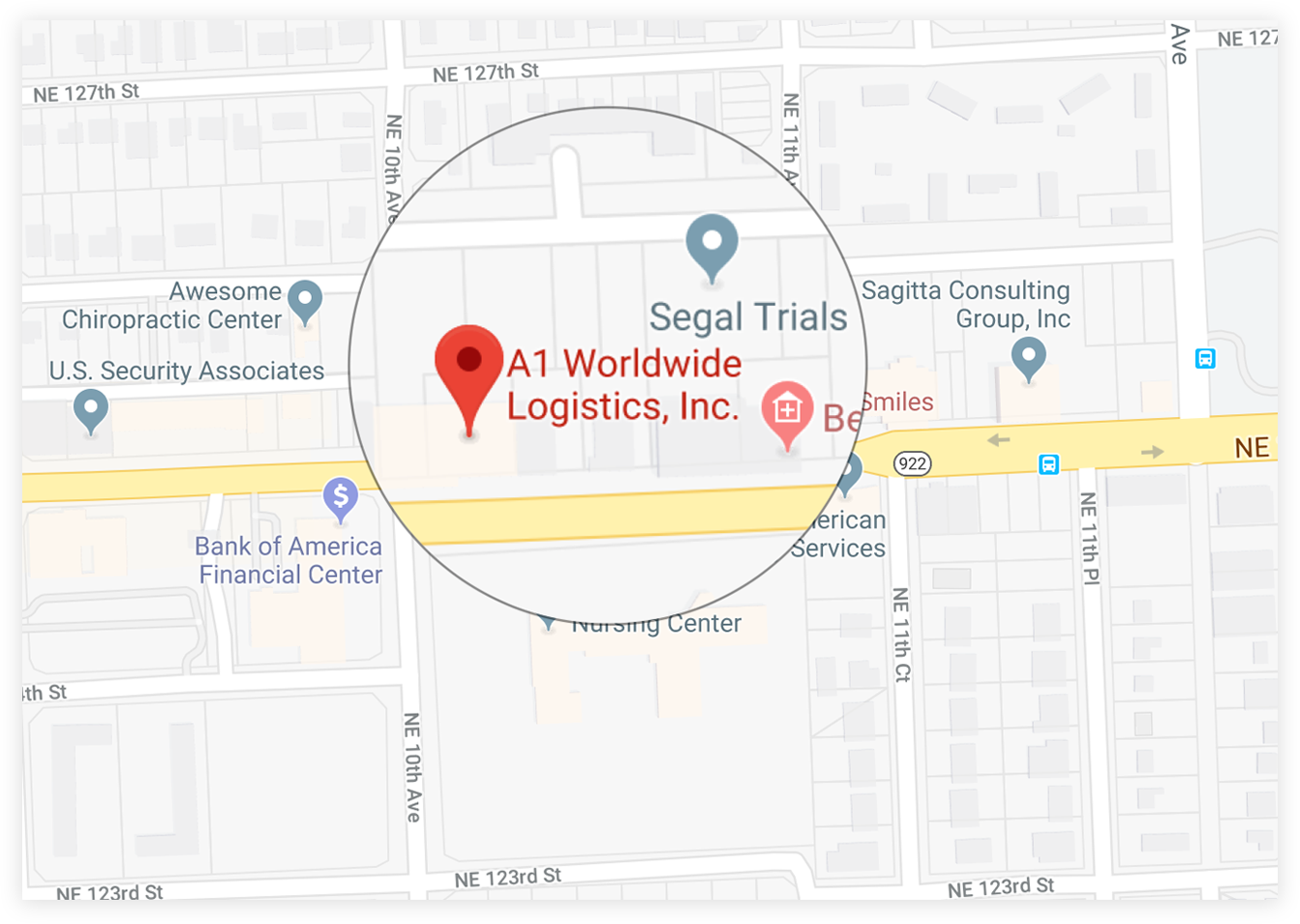
 1035 NE 125th St Suite #320, North Miami, FL 33161.
 a1worldwidelogistics.com
 (305) 821-8995
 Hours: 8AM - 5PM