
by A1 WorldWide Logistics | May 6, 2025 | Customs Broker, Economic trends, Shipping Logistics, Transportation
Analistas han reportado recientemente una tendencia continua de las tarifas de flete de GNL (Gas Natural Licuado) desplomándose a mínimos históricos. Las tarifas de GNL para las cuencas del Atlántico y el Pacífico cayeron $20,750 y $36,000 diarios el viernes 25 de octubre del 2024. Como referencia, este es el nivel más bajo para este período, con tarifas que han bajado un 87% en el Atlántico y un 78% en el Pacífico desde 2019. Las agencias de precios de GNL han notado que las tarifas para los buques tanque de GNL podrían permanecer bajas hasta finales de 2025. Los precios al contado del índice UP World LNG Shipping Index (UPI) cayeron un 3.54% la semana pasada. ¿Qué está causando la fuerte caída en las tarifas y cómo podría esto afectar el transporte marítimo internacional?
¿Por qué están cayendo las tarifas de flete de GNL a mínimos históricos?
La reciente caída en las tarifas de flete se debe al número de nuevos buques tanque que están entrando en el mercado. A principios de octubre 2024, hubo 45 entregas de nuevos buques tanque, y llegarán más en los próximos meses. Aproximadamente 70 nuevos buques metaneros se unirán a la flota global de 800 para finales del 2024. Una agencia de precios de GNL señaló: “No vemos que este ritmo de adiciones se desacelere significativamente hasta mediados de 2026”. El problema es que los fabricantes están produciendo buques tanque a un ritmo más rápido que la producción de GNL. A medida que la cantidad de capacidad de transporte marítimo continúa aumentando, la demanda de exportaciones de GNL se mantiene estancada. Las condiciones climáticas más suaves en todo el mundo también contribuyen a la menor demanda a medida que se acerca el invierno.
La producción de GNL ha crecido lentamente debido a la escasez de mano de obra y equipos, lo que ha provocado retrasos. En 2022, los suministros de GNL de Rusia se desplomaron debido al conflicto con Ucrania. Siendo Rusia uno de los mayores productores y transportistas de gas natural a nivel mundial, el mercado sintió el impacto. Como resultado, los transportistas comenzaron a buscar otros países como Estados Unidos para las exportaciones de GNL. En anticipación al aumento de las exportaciones, los fabricantes comenzaron a construir buques tanque rápidamente, más de lo que la demanda para el transporte internacional requería. En lugar de un aumento en el transporte marítimo internacional, los clientes comenzaron a obtener GNL localmente, lo que redujo las tarifas de flete. Los comerciantes tampoco tienen incentivos para almacenar GNL en buques, lo que ayuda a reducir el número de buques tanque en el mercado.
¿Qué puede significar esto para el comercio internacional?
Cuando las tarifas de GNL disminuyen, puede tener un impacto significativo en el comercio internacional, incluido el mercado energético mundial. Para los importadores, esto puede generar mayores ahorros y hacer que el GNL sea más atractivo que otros combustibles. Como resultado, los mercados sensibles a los precios, como el sudeste asiático, podrían experimentar una creciente demanda de este combustible. Si bien las tarifas de GNL más bajas pueden beneficiar a los compradores, los productores pueden sentir bajos márgenes de ganancia debido a la caída de las tarifas. Los armadores también sentirán el impacto de las menores ganancias. Para compensar, podrían retrasar las expansiones de la flota e invertir en infraestructura de GNL. Según las condiciones del mercado, los productores podrían cambiar los destinos de exportación a mercados de altos precios o vender más a precios más competitivos.
Si bien el mercado de GNL puede ser cíclico, es esencial mantenerse al día con cualquier situación que afecte al transporte marítimo. Junto con el gas natural, esto puede incluir cualquier carga, y los remitentes pueden hacerlo hablando con un agente de carga. Los agentes de carga actúan como intermediarios entre el remitente y el transportista y coordinan el movimiento de la carga. También les dan a los remitentes una idea de qué esperar durante el viaje del envío y ofrecen otras soluciones. Póngase en contacto con A1 Worldwide Logistics al 305-425-9752 o info@a1wwl.com para envíos hacia y desde los EE. UU. Ya sea que necesite enviar GNL o cualquier otra carga internacionalmente, nuestros agentes de carga pueden guiarlo a través del proceso.
by A1 WorldWide Logistics | Mar 18, 2025 | Freight Forwarding, Supply Chain, Transportation
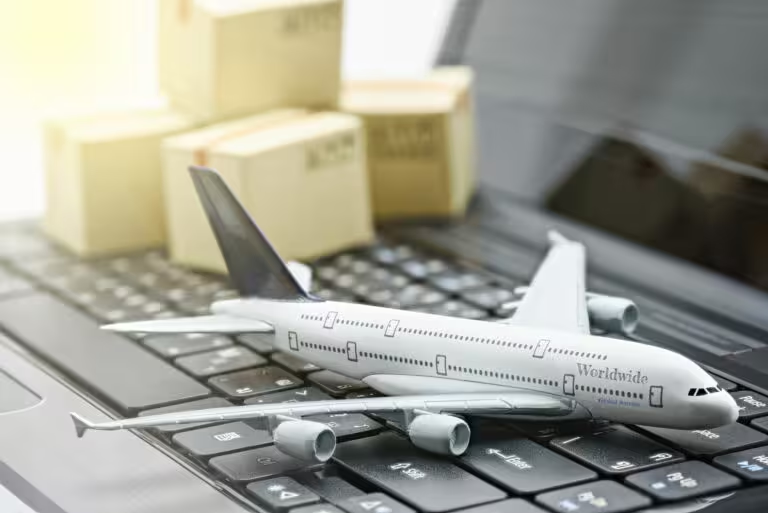
La compañía aeroespacial Boeing ha publicado una perspectiva que muestra el crecimiento futuro de la carga express impulsada por el comercio electrónico. Para 2043, la carga express podría superar a la carga general en aproximadamente un 33%, basado en una tasa anual del 4%. La industria del transporte aéreo de carga casi se ha duplicado en las últimas décadas y seguirá creciendo, con el tráfico aéreo potencialmente duplicándose nuevamente en los próximos 20 años. Actualmente, los transportistas expresos representan casi el 45% de los ingresos globales del transporte aéreo de carga, mientras que las aerolíneas centradas en la carga general generan un 10%. Las aerolíneas de pasajeros con capacidad para almacenar carga y equipaje generan otro 10%. Una razón principal detrás de este crecimiento es el aumento en la demanda del comercio electrónico en las últimas décadas.
¿Cuál es la diferencia entre carga express y carga general?
El transporte aéreo de carga es el traslado internacional de mercancías utilizando un transportista aéreo. Dos de los tipos más comunes de carga aérea son la carga general y los envíos exprés. La industria del transporte aéreo de carga define la carga general como envíos más grandes y voluminosos, mientras que la carga express es más pequeña y se centra en la velocidad. El transporte exprés se ha vuelto popular debido a sus beneficios en las cadenas de suministro. Si bien puede ser costoso en comparación con la carga general, muchos lo consideran una opción preferida debido a sus ventajas. Por ejemplo, es el modo de transporte más rápido, lo que permite un alcance global y tiempos de entrega confiables. Los agentes de carga suelen ayudar con ambos métodos de transporte.
¿Cómo está el comercio electrónico impulsando el crecimiento de la carga express?
A medida que la industria del comercio electrónico aumentó su popularidad, también lo hizo la cantidad de empresas que vendían productos internacionalmente. Los clientes que compraban productos en línea comenzaron a esperar envíos más rápidos, lo que resultó en una demanda de carga express. Si bien el comercio electrónico ha impulsado el crecimiento de la industria del transporte aéreo de carga desde sus inicios, la pandemia de coronavirus ayudó a acelerar su crecimiento. Durante ese tiempo, las tiendas físicas comenzaron a declinar y hubo un aumento de productos comprados en línea. Junto con el aumento, hubo una demanda de servicios de carga express, que ha seguido creciendo desde entonces. La globalización y el cambio de las cadenas de suministro a otros países además de China han acelerado la demanda. Hoy en día, las plataformas de comercio electrónico normalizan las entregas al día siguiente y el mismo día.
Coincidiendo con el aumento de la carga express, ha habido un interés en aviones de carga construidos en fábrica. Actualmente, hay muchos transportistas en producción para satisfacer la demanda de envíos. En comparación con las aerolíneas de pasajeros regulares que transportan carga, estos transportistas permiten flexibilidad y mayor fiabilidad. Una parte significativa de ellos será exclusivamente para servicios exprés. Boeing predice que la flota mundial de carga aérea pasará de 2.340 unidades en 2023 a 3.900 unidades en 2023. La razón del número de nuevos transportistas también depende de la región. Por ejemplo, la mayoría de las entregas de aeronaves en América del Norte serán para reemplazar las aeronaves actuales.
A1 Worldwide Logistics
Decidir enviar por aire puede ser complicado para los remitentes inexpertos debido al proceso, que incluye varias partes. Por ejemplo, la importación a los EE. UU. requiere despacho de aduana y cumplimiento normativo. Hablar con un agente de carga al comenzar es ideal para evitar interrupciones. Los agentes de carga manejan varios aspectos de una cadena de suministro, incluida la coordinación del movimiento de la carga. También proporcionan otras soluciones como el manejo de documentación, almacenamiento, consolidación, cumplimiento aduanero, etc. Comuníquese con A1 Worldwide Logistics al 305-425-9752 o info@a1wwl.com para hablar con un agente de carga sobre el envío de su carga internacionalmente. Ya sea que esté transportando mercancías por aire, mar o a nivel nacional, nos aseguramos de que cumpla sus objetivos.
by A1 WorldWide Logistics | Feb 7, 2025 | Economic trends, Importing, Transportation
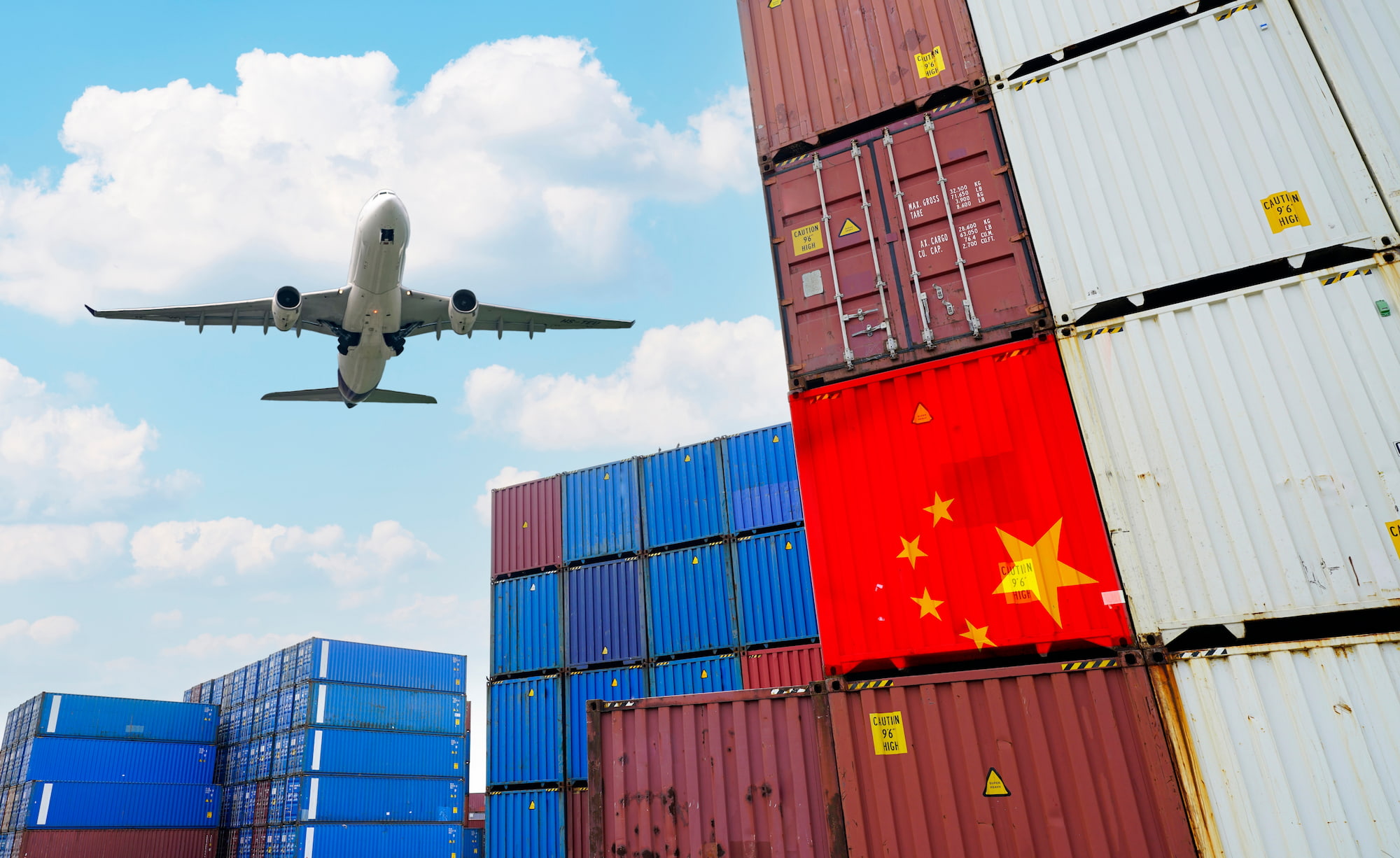
An executive order signed by President Donald Trump could soon see China tariffs impacting air cargo. On February 1st, Trump imposed a 25% tariff on Canada and Mexico imports and a 10% tariff on China imports. The order also eliminated duty-free exemptions for low-value e-commerce goods imported from the countries to the U.S. While Trump has deferred Canada’s and Mexico’s tariffs for a month, China’s hikes will take effect on February 10th. The taxes are to stop illegal immigration and the smuggling of illicit drugs into the U.S. Along with directly affecting international shipping, the tariffs will impact China’s air cargo industry.
How Are the China Tariffs Impacting Air Cargo?
In 2024, China exported approximately $2.62 trillion in goods, making it the largest exporter globally. A significant portion of goods imported into the U.S. are e-commerce shipments from China by air. Nearly 1.3 million tons of e-commerce air imports fall under the duty-free exemption that Trump’s executive order eliminated. The de minimis is a provision that exempts goods $800 or less to a single person per day from taxes. Shippers and online retailers like Temu in China use this to legally avoid import tax on smaller, larger-volume imports. The CBP (Customs Border and Protection) notes that 61% of de minimis entries are from China.
De minimis shipments from China could now have tariffs of up to 35% due to the executive order. Without the de minimis rule, a $50 package bought in Temu may be double the amount due to the fees. Vendors from marketplaces like Temu have built warehouses in the U.S. in the past few years to avoid additional costs. They also have relocated to nearby locations like Vietnam and Thailand to be able to send de minimis shipments. China filed a complaint to the WTO (World Trade Organization) challenging the cancellation of the 10% tariff and duty-free exception. In a country response, China also introduced tariffs of up to 15% on various U.S. goods like coal and oil.
What Can The Tariffs Mean For The Air Cargo Industry?
The tariffs could negatively affect air cargo due to the amount of goods China imports to the U.S. by air. Ending de minimis may significantly reduce airfreight rates as importers decrease the volume of imported goods. Reducing daily de minimis imports could result in overcapacity in the air cargo industry and decline rates. Rates declined during this period due to the Chinese New Year, when demand was lower than usual. A tariff increase will also directly impact customers since sellers could pass on the higher costs.
While the tariffs could impact cargo transport, they should not stop you from importing into the U.S. However, shippers should take the proper steps to mitigate potential disruptions to their supply chains. An ideal way to get started is by speaking to a freight forwarder. Forwarders act as intermediaries between the shipper and the good’s final destination. Along with transporting your cargo, they offer various services like providing documentation, negotiating rates, vetting carriers, warehouses, and more. Contact A1 Worldwide Logistics at 305-425-9752 or info@a1wwl.com to talk to a forwarder regarding moving your goods internationally. Whether you’re shipping by air, sea, or land, we ensure the success of your shipment.

by A1 WorldWide Logistics | Jan 28, 2025 | Shipping Logistics, Supply Chain, Transportation
Shipping during China’s New Year can have numerous challenges you should know when starting. The Chinese New Year (or Spring Festival) is a 15-day celebration of the new year in the lunisolar Chinese calendar. In 2025, the holiday will begin on January 29th and conclude with the Lantern Festival on February 12th. The first seven days are holidays in China. During this time, shipping companies, ports, and factories shut down or limit operations. As a result, shippers that move cargo internationally feel the effects of the shutdowns. This article will explain how the Chinese New Year impacts shipping and how to prepare when moving cargo.
What Should You Know When Shipping During China’s New Year?
In international shipping, China is considered one of the biggest global exporters, responsible for nearly 14% of the world’s exports. Due to widespread shutdowns during this period, supply chain disruptions can grow during the Chinese New Year. Along with production and port halts, workers tend to go on vacation to visit families during this period. A significant impact for U.S. importers is that port congestion has become more common. Before the holiday begins and factories close, there is a massive import surge from China. As a result, ports in the U.S. can become congested due to higher volumes, which can also lead to delays. Port congestion can also impact domestic shipping, causing delays in transporting goods to the final location.
As a result of the congestion, shippers may have to pay higher rates due to limited capacity. A higher volume of containers at the port can also increase the likelihood of demurrage and detention charges. Higher costs for the shipper and carrier also fall directly on the customer. Delays come from ports in factories in China working at limited capacity and workers going on vacation. Longer wait times look unfavorable to shipping companies and businesses that deliver products under a specific timeframe. The recovery period after the Chinese New Year can also take a while, meaning a gradual recovery for supply chains.
How Can You Prepare?
With the Chinese New Year’s disruptions in supply chains, shippers should prepare beforehand to mitigate any disturbances. You must understand what to expect and plan to avoid delays. This can include booking container space beforehand and rerouting to different ports in the U.S. If possible, this can mean importing from countries other than China and diversifying suppliers to reduce vulnerability. Switching the conveyance method to air is beneficial for shipments that must move under a specific timeframe. Having extra stock in a company or third-party warehouse in the U.S. can also help in case of delays.
Despite a holiday potentially causing disruptions to supply chains, it should not stop cargo movement internationally. However, shippers should take the necessary steps to prevent disruption. An ideal way to navigate scenarios like the Chinese New Year is by using the assistance of a logistics provider. Logistics providers like A1 Worldwide Logistics have various solutions for shipping goods into and out of the U.S. These services include transportation, customs clearance, warehousing, and much more. They also explain the best steps to mitigate supply chain disruptions. Contact us at info@a1wwl.com or 305-440-5150 to speak to a freight forwarder or customs broker regarding your shipment’s success.

by A1 WorldWide Logistics | Dec 19, 2024 | Shipping Logistics, Supply Chain, Transportation
There are numerous considerations that shippers should be aware of when shipping chemicals internationally. Chemicals are any substance with a defined composition, such as acids, fertilizers, solvents, etc. These types of substances can be hazardous or non-hazardous, and numerous industries use them. For example, adenosine is a non-hazardous chemical doctors use to treat heart rhythm disorders in the health industry. Due to the uniqueness of this cargo type, there are numerous regulations, rules, and safety considerations to be aware of. Failure to comply with guidelines can result in delays and monetary fines. It could also result in a shipment loss, disrupting the entire supply chain.
What Should You Know Before Shipping Chemicals Internationally?
Before the international shipping process begins, you should understand the regulations you must follow. The country of destination or origin can determine the rules and ensure proper permits are in place. An example of a primary global regulation is the Globally Harmonized System (GHS) of Classification and Labeling of Chemicals. The guidelines for shipping chemicals also depend on the method of conveyance. For example, shipping by sea follows the International Maritime Dangerous Goods (IMDG) Code, while air shipping follows the International Air Transport Association (IATA). It is also crucial that the shipper uses proper labeling and packaging before transporting the goods. The labels should be clear and comply with labeling regulations.
What Is The Process
Another precautionary step that a shipper should take before shipping chemicals is to review the Material Safety Data Sheet (MSDS). The MSDS is the safety data sheet that details the shipment’s classification, handling, labeling, and transportation requirements. Since specific chemicals are HAZMAT, like fluorine or sulfur dioxide, the shipper must classify them correctly. It is also vital that you have all of the cargo’s documentation, and it is correct. Examples of required documents include the Bill of Lading, Packing List, Commercial Invoice, etc. When selecting the conveyance method, you must understand that international transport involves various methods.
For example, international shipping can require a truck to move the goods to the port before a vessel or air carrier ships it internationally. Since the cargo is chemicals, the transport method can be specialized and include tankers. It is also vital that you adhere to handling and storage requirements. There should be adequate temperature controls and ventilation to prevent damage. Transporting several chemicals at once must also require segregation to avoid reactions. Once the goods reach the destination country, U.S. customs will require customs clearance before reaching its final destination. Using a customs broker is ideal for ensuring a smooth clearance process. When customs clears the freight, a tanker truck can move it to the final location.
A1 Worldwide Logistics
Shipping chemicals internationally can be challenging for inexperienced and even regular shippers due to the steps involved in the process. It can be beneficial to speak to a freight forwarder before starting. Forwarders are the middleman between the shipper and carrier and coordinate the transport of goods internationally. They also educate you on the regulations, process, and what to expect when transporting. Reach A1 Worldwide Logistics to ensure the successful transport of chemicals or any other cargo internationally. Whether you are exporting or importing from or to the U.S., we are with you through the journey.
by A1 WorldWide Logistics | Dec 5, 2024 | Air Freight, Shipping Logistics, Transportation
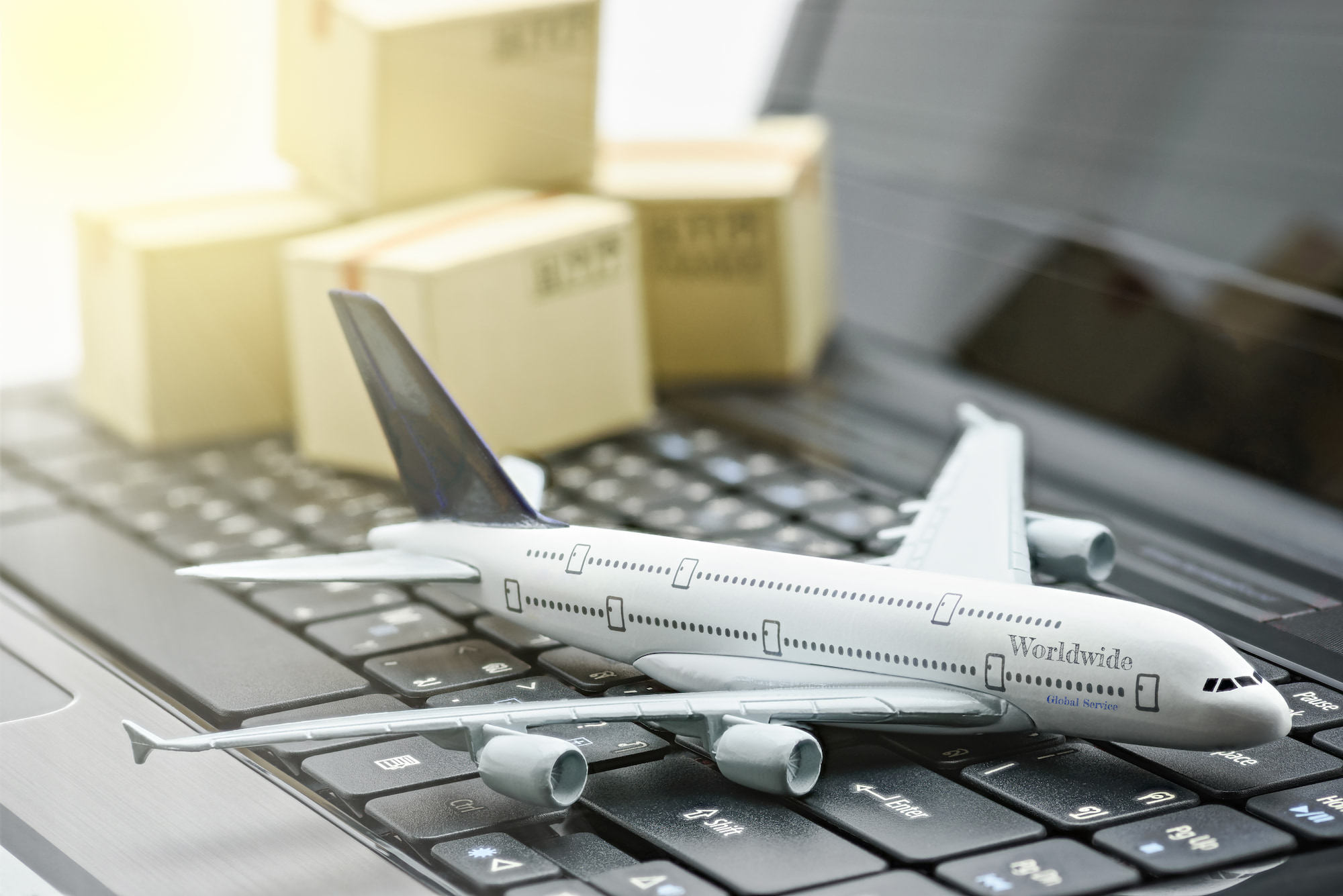
The Boeing aerospace company has released an outlook showing e-commerce growing express cargo in the future. By 2043, express cargo could outpace general cargo by approximately 33% based on an annual rate of 4%. The airfreight industry has nearly doubled over the last few decades and will continue to grow, with air traffic potentially doubling again in the next 20 years. Currently, express carriers account for nearly 45% of global air cargo revenues, while airlines focusing on general cargo generate 10%. Passenger airlines with carriers that can store freight and luggage generate another 10%. A primary reason behind the growth is the surge in demand for e-commerce over the last few decades.
What Is The Difference Between Express Cargo and General Cargo?
Air cargo shipping is the transportation of goods internationally using an air carrier. Two of the most common types of airfreight are general cargo and express shipments. The airfreight industry defines general cargo as more significant, bulkier shipments, while express cargo is smaller and focused on speed. Transportation by express has become popular due to its benefits on supply chains. While it can be costly compared to general cargo, many consider it a preferred choice due to its benefits. For example, it is the fastest transportation mode, allowing for global reach and reliable delivery times. Freight forwarders typically assist with both these transportation methods.
How Is E-commerce Growing Express Cargo?
As the e-commerce industry rose in popularity, so did the amount of businesses that sold goods internationally. Customers who purchased goods online began expecting quicker shipments, which resulted in a demand for express cargo. While e-commerce has grown the air cargo industry since its beginnings, the coronavirus pandemic helped expedite its growth. During that time, brick-and-mortar stores began declining, and there was a surge of goods brought online. Along with the surge was a demand for express cargo services, which has continued to grow since. Globalization and supply chains shifting to other countries besides China have expedited the demand. Today, e-commerce platforms normalize next-day and same-day deliveries.
Coinciding with the rise of express cargo, there has been an interest in factory-built cargo jets. There are currently many carriers that are under production to meet the shipping demand. Compared to regular passenger airlines that transport freight, these carriers allow for flexibility and more reliability. A significant portion of them will be solely for express services. Boeing predicts the global air cargo fleet to ride from 2,340 in 2023 to 3,900 units in 2043. The reason for the number of new carriers also depends on the region. For example, the majority of aircraft deliveries in North America will be to replace current aircraft.
A1 Worldwide Logistics
Deciding on shipping by air can be complicated for inexperienced shippers due to the process, which includes various parts. For example, importing into the U.S. requires customs clearance and regulatory compliance. Speaking to a freight forwarder when starting is ideal to avoid disruptions. Forwarders handle various aspects of a supply chain, including coordinating cargo movement. They also provide other solutions like handling documentation, warehousing, consolidation, customs compliance, etc. Contact A1 Worldwide Logistics at 305-440-5156 or info@a1wwl.com to talk to a freight forwarder about shipping your cargo internationally. Whether you are transporting goods by air, sea, or domestically, we ensure that you meet your goals.


 1035 NE 125th St Suite #320, North Miami, FL 33161.
 a1worldwidelogistics.com
 (305) 821-8995
 Hours: 8AM - 5PM