by A1 WorldWide Logistics | Jun 21, 2023 | Supply Chain, Transportation, West Coast Protests
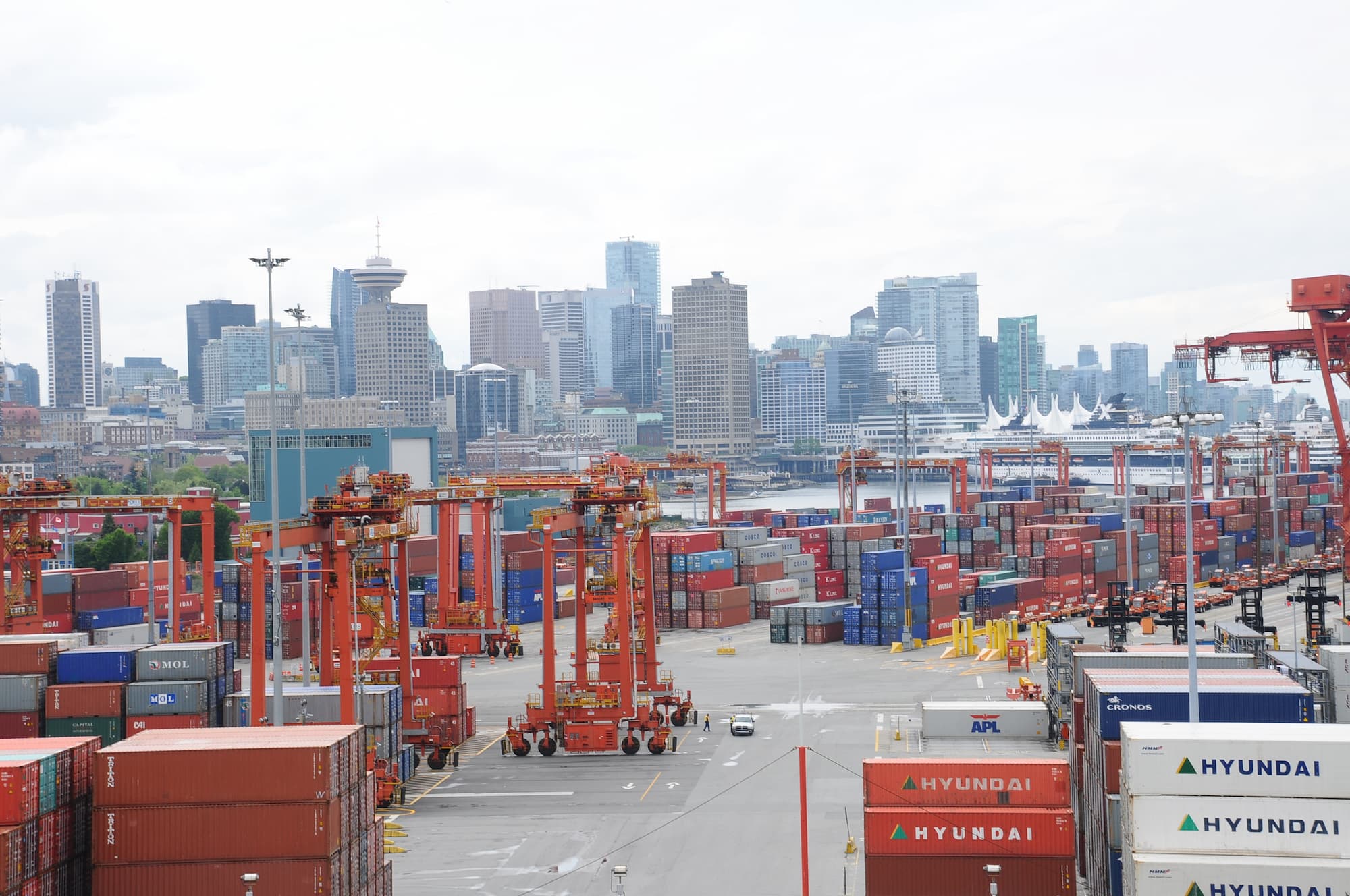
Disruptions in numerous West Coast ports across the U.S. may soon subside as the ILWU and PMA reach a deal. ILWU workers and the PMA (Pacific Maritime Association) have negotiated a new contract for the past 13 months. After over a year of unsuccessful talks, the ILWU voiced their displeasure by protesting and walking off seaports. Terminals in the ports of Long Beach, Los Angeles, Seattle, Oakland, Hueneme, and Tacoma were all impacted by limited employees. As containers piled on terminals, outbound and inbound dwell times spiked. In five major West Coast ports, average dwell times increased to 13%. The Port of Tacoma’s dwell time reached nearly 87%.
Disagreements in contract talks resulted in terminal shutdowns and the complete closure of specific ports. The Port of Seattle closed completely on June 10th due to insufficient ILWU dockworkers showing up to work. Along with conflicts resulting from inadequate wages, health and safety concerns were also in the conversations. Reportedly 43 ILWU workers died during the coronavirus pandemic, with over 13 dying from covid. As shippers started to pay attention to the disruptions, they began shipping cargo to East and Gulf Coast ports. Even when the negotiations started, West Coast Ports experienced close to a 15% market loss due to the transition.
ILWU and PMA reach Deal
The deal was announced as a “tentative agreement,” meaning the parties have not officially ratified it. However, the agreement is on a new six-year contract which is currently subject to changes. The president of the PMA, James McKenna, notes that the contract “recognizes the heroic efforts and personal sacrifices of the ILWU workforce in keeping our ports operating during the pandemic and supply chain crisis.” The ILWU president said that the ILWU will now return to entirely focusing on West Coast port operations. The cooperation between the PMA and ILWA is vital with the peak season approaching soon.
The Peak Season
The peak season in shipping is the busiest time for international cargo movement when the demand is the highest. From mid-August to near Thanksgiving, many industries experience a high amount of orders, meaning a greater volume of shipments moved. The number of vessels importing containers into West Coast ports has already risen, similar to pre-covid levels. Los Angeles and Long Beach ports had 58 ships en route on Monday compared to 46 a month prior. A deal reached between the ILWU and PMA becomes gradually important as more cargo starts to be brought in. A shutdown of some of the biggest ports in the U.S. can impact a higher amount of supply chains.
As West Coast ports return to normal operations, businesses that ship internationally benefit from fewer disruptions. This is especially true with the peak and holiday seasons approaching rapidly. A way to ensure your shipment is successful is by hiring a logistics company to handle the process. Logistics companies coordinate your goods’ movement and take over other parts of your supply chain. Having extra services can be beneficial in getting and retaining customers as well as growing your business. Contact A1 Worldwide Logistics at 305-821-8995 to learn about our solutions for helping you navigate the global shipping industry.
by A1 WorldWide Logistics | Jun 2, 2023 | Freight Forwarding, Import and Export Experts, Supply Chain, Transportation
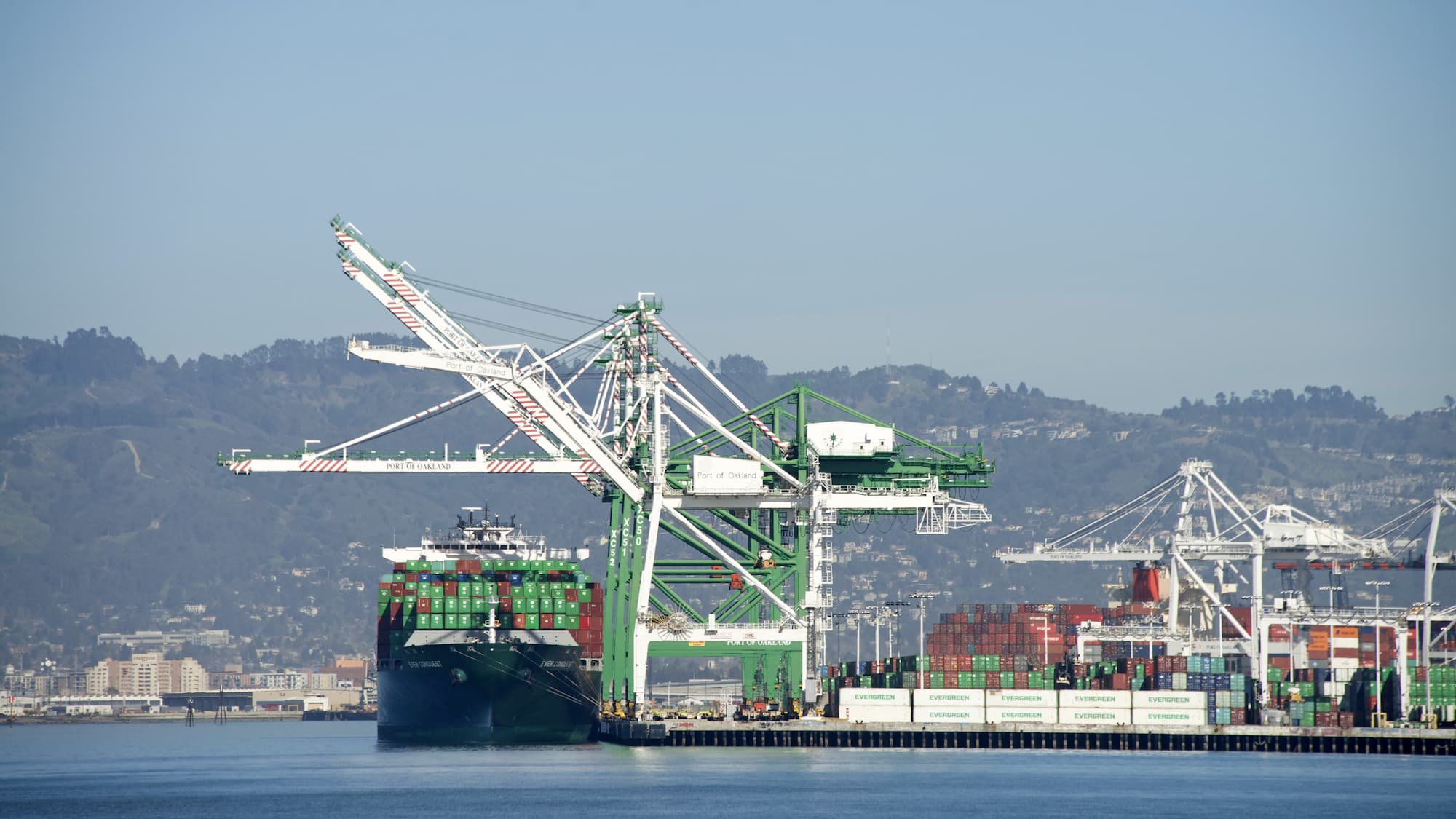
This afternoon, several ports across the West Coast closed abruptly due to union workers walking off the job. The Port of Oakland experienced a closure on both the TraPac and its largest, the SSA terminal. The Ports of Los Angeles and Long Beach similarly had terminal shutdowns due to insufficient labor. Negotiations between the PMA (Pacific Maritime Association and the ILWU (International Longshore and Warehouse Union) have reached a boiling point. To show their frustrations over insufficient wage talks, ILWU workers have gone on strike, affecting port operations.
Other West Coast ports like the Ports of Tacoma and Seattle have also seen slowdowns or closures of terminals. The president of the ILWU, Willie Adams noted, “Any reports that negotiations have broken down are false”. However, a separate statement by the ILWU Local 13 division stated, “Southern California ILWU has taken it upon themselves to voice their displeasure with the ocean carriers’ and terminal operators’ position.” The Covid-19 shipping boom has been one of the catalysts that have led to current tensions. ILWU believes that workers have risked their lives to move cargo during the surge while employers have reaped the benefits. Negotiations also included health and safety concerns with the statement that 43 ILWU workers died from working from 2021 through 2022.
A similar 24-hour shutdown of the Ports of Los Angeles and Long Beach was experienced from April 6th to 7th. The closure was also because of limited ILWU port workers showing up due to inadequate contract negotiations. Since July 2022, more than 22,000 dock laborers have worked without a contract. During that year, the ILWU and PMA reached several “tentative agreements”; however, tensions remained. Both sides believe that a signed contract must be in place to stop protests and shipping slowdowns. Current shutdowns may continue to expand across the West Coast ports as the lack of sufficient labor increases.
What does this mean for shipping?
The Ports of Los Angeles, Long Beach, and Oakland are known as the largest ports in the U.S. With the extensive amount of freight that passes through the ports daily, a closure can have a huge impact. ILWU contract negotiations began over a year ago and previous shutdowns have gained attention from shippers in the past. While some shippers responded by moving their cargo to other ports when tensions arise, import volumes have remained high. The Covid-19 shipping surge increased the amount of cargo transported internationally and imported into the U.S. Since most of the goods imported to the U.S. come through the West Coast ports, congestion rose.
Shippers responded by moving their imports to East and Gulf Coast ports. West Coast ports have only recently recovered volume amounts. Current terminal closures may have a reverse effect and recreate the slowdowns felt during the pandemic. With the holiday and back-to-school seasons quickly approaching, shippers must be prepared for potential delays. Despite the current circumstances, West Coast port operators and directors are optimistic regarding a quick recovery. Port of Oakland director Bryan Brandes stated, “We are optimistic about a stronger second half of 2023 for the amount of cargo moving through Oakland,”

by A1 WorldWide Logistics | May 4, 2023 | Freight Forwarding, Supply Chain, Transportation
In shipping, words such as NVOCC and Freight Forwarders continuously pop up. For shippers beginning their exporting/importing journey, this could be the first time seeing these terms. While forwarders and NVOCC are commonly mistaken to be the same, they are different services. Knowing how they differ is ideal for choosing the best option to streamline your supply chain. This article will help you understand the difference between the two terminologies and describe the pros and cons of each. For a more in-depth explanation, contact A1 Worldwide Logistics at 305-425-9456. We have freight forwarding services with various means of conveyance for transporting cargo.
What are NVOCCs?
NVOCC, or Non-Vessel Operating Common Carrier, is an ocean carrier that moves cargo without owning a vessel. This is accomplished by paying steamship lines to lease container space, making them the “carrier.” The NVOCC then sells the space to shippers that want to ship their goods. Despite not operating a containership, NVOCC accomplishes all the functions and responsibilities that a regular carrier would. The two parties enter a contract where the NVOCC issues its own HBL (House Bill of Lading). Companies use this transporter type because of the personalized attention to customers compared to larger carriers.
Other functions of NVOCC can include:
- Negotiating contracts and freight rates with steamship lines for the exporter.
- Handling different transport documents that the shipper must give the carrier.
- Consolidation and Deconsolidation services for containers by the use of a third party.
- Transportation services from port to port or to the final destination.
What are Freight Forwarders?
Freight forwarders are supply chain specialists focusing on moving a shipper’s cargo. Forwarders are intermediaries between the cargo’s shipper and the good’s final destination. They are valuable players in logistics because of the number of services they offer. Although freight forwarders usually are not carriers, they coordinate with a network of transporters to move goods. The methods of conveyance can include vessels, planes, trucks, and rail. Since there are many steps in the shipping journey, they assist by taking the process off the shipper’s hands. Specific forwarders also offer customs clearance services for shipments entering a country.
Along with the services mentioned, freight forwarders also:
- Arrange the freight shipment from the origin facility to port-to-port and the final destination.
- Explain the different shipping costs and offer cargo insurance to protect the shipper.
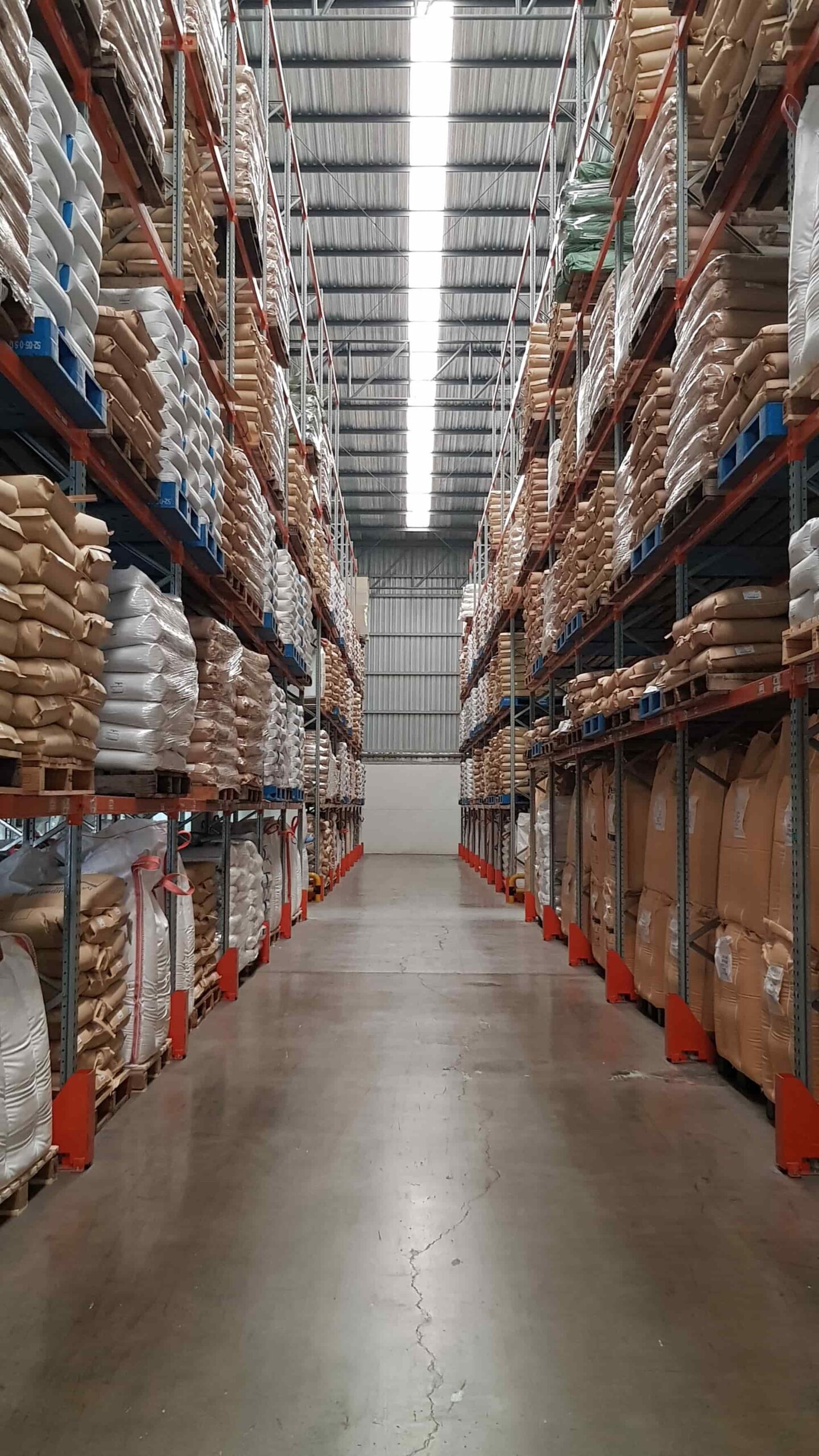
- Provide short-term and long-term warehousing and other storage services.
- Constant updates on the status and location of shipments.
Which is Better?
While NVOCCs and freight forwarders both have their benefits, the answer depends on the shipment being made by the shipper. The most significant distinction is that NVOCCs are only for maritime shipping, while forwarders move cargo differently. If a business moves goods by the ocean, NVOCCs can provide personalized services and help shippers avoid the intermediary fee. This is because they are independent carriers instead of agents. Forwarders benefit from allowing different ways to transport goods. Businesses with international supply chains can take advantage of having their entire freight journey handled. Forwarders also have extra services not provided by NVOCCs, such as warehousing and customs clearance.

by A1 WorldWide Logistics | Sep 28, 2022 | Freight Forwarding, Supply Chain, Transportation, Warehousing
Warehousing services have evolved over the past decades to meet the customer’s needs. Two solutions that have grown into essential pieces of the supply chain puzzle are cross-docking and trans-loading. Both of these services help streamline supply chains and reduce costs; however, they differ in how they accomplish this. Here you will learn which one is best for your shipping goals.
Cross-docking
When containerized cargo reaches a warehouse, cross-docking is the unloading of the shipment from one truck to another. When the lumper unloads the freight, it is not stored away or re-palletized and stays briefly before being loaded onto another truck. Speed is a critical factor since customers expect their goods on time. An example of a cross-docking user is a smaller-sized company that wants to have leverage on a larger company. Another significant usage of cross-docking services is to move perishable goods like meat and fruits in a quick manner.
There are many benefits to cross-docking, and one of the most important is saving time. Since the goods are already palletized, they may be immediately transferred to a truck and moved to the next destination. This removes the requirement of storage space which also helps the shipper save time and money. Transport costs are saved by having an FTL shipment arrive at a facility and broken down into smaller LTL shipments. Reduced handling times help lower the chances of damage and theft.
Trans-loading
 Trans-loading is moving freight from one mode of transportation to another. Unlike cross-docking, which is only truck to truck, trans-loading is transporting cargo between trucks, rail, ships, or planes. An example can be when a containership arrives at a port and is moved to a warehouse by truck. The warehouse is the trans-loader that may sort, pack, and palletize the freight before being reloaded and moved again. Trans-loading differs from intermodal transport since the cargo does not stay in the same container the entire journey.
Trans-loading uses more modes of transport than cross-docking, and freight may be re-palletized and stored, unlike cross-docking. It also has several benefits in a supply chain. A shipper saves transport costs since multiple smaller shipments are consolidated into one trailer and have a single journey. Warehouses that offer trans-loading services also usually have storage space for cargo. If the shipper plans to sell the goods, they may store them away until they find a customer. The overall supply chain is also streamlined since the trans-loading facility breaks down and delivers the goods on-site.
Having the trans-loading activities for multiple shipments done on-site is quicker than going to a separate distribution facility. Along with cross-docking and trans-loading, A1 Worldwide Logistics offers various other solutions for your warehousing needs.
Contact us at 305-821-8995 or write to info@a1wwl.com for a free quote and to enhance your supply chain.
by A1 WorldWide Logistics | Jul 29, 2022 | Freight Forwarding, Shipping Logistics, Supply Chain, Transportation
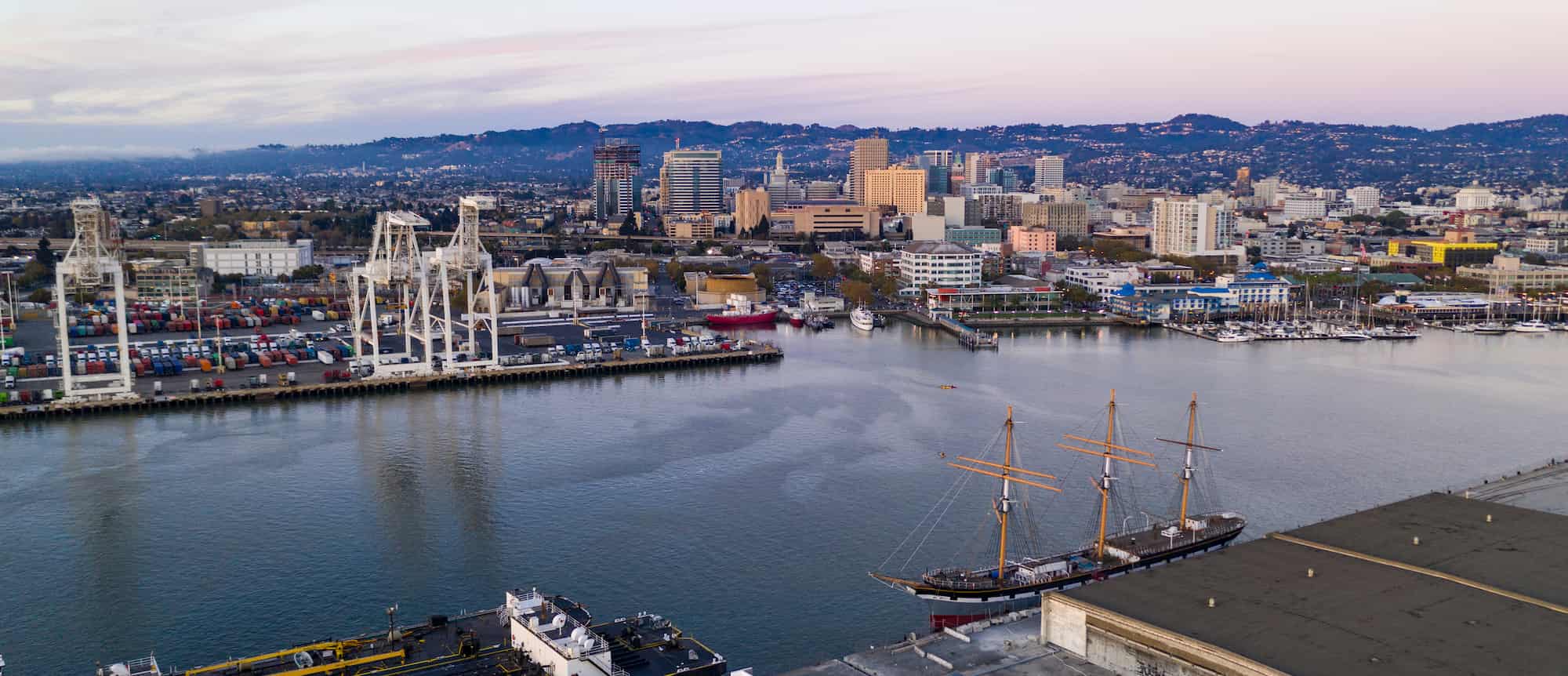
The Port of Oakland was shut down last week due to trucker protests on work law AB5. Hundreds of independent contract truck drivers blocked traffic in three main port terminals. The largest terminal, Oakland International Container Terminal, closed operations due to the protesters’ boycott and containers soon began piling up. After several days of operations’ disruption, authorities relocated protesters to “free speech zones” and now the Port is working with normality.
Why Were the Protests Occurring?
The demonstrations were due to the signing of Assembly Bill 5 (AB5). Under AB5, independent contractors are required to classify themselves as employees, meaning that their amount of flexibility will be restricted. If owner-operators become employees, they must acquire licenses, pay for insurance, and pay required company fees. Owner-operators would also not be allowed to enter lease agreements with carriers for the rights of their service usage. They see AB5 as a dream killer for truckers that come to America in hopes of owning their own business.
In late June, the Supreme Court rejected the California Trucking Association’s request for a hearing regaining AB5. This cleared the law to go forward and angered the truckers to the point of protests. On Thursday evening, police and port executives announced that they were creating designated zones for the protesters and assigning citations. The citations were penalties for anyone blocking the port’s terminals and not complying with the “free speech zones.” Most protestors decided to stop demonstrating and return to work; however, some continued without disrupting operations. Many truckers agreed to look for other solutions instead of protesting.
What Could the Protests have Meant to Shippers?
Yearly, 2.5 million container TEUs pass through the Port of Oakland, making it one of the largest west coast ports. Due to the number of shippers that rely on the port to move their goods, countless supply chains could be affected. Congestion in the Port of Oakland usually results in shippers moving their freight through other ports in California. Since Long Beach and Los Angeles ports are already facing congestion, the bottleneck could increase further. Congestion may create a bottleneck effect not only in California ports but in ports across the U.S.
Dozens of domestic ports are facing congestion, which would exacerbate if shippers decide to use them as alternatives. Shippers may further be affected since trucking is one of the main components of the supply chain. If a substantial number of truckers decide not to do business, the capacity to move containers would be severely limited. Scarce capacity can hike up prices, worsening further the current inflation. Deliveries to shippers or customers of shippers may also delay if no trucks are available and ports are congested.
When adverse circumstances happen in the shipping world, shippers should not deter themselves from moving their goods. However, you must know to take the necessary precautions for whatever may arise. If you are moving freight anywhere domestically or internationally, contact A1 Worldwide Logistics at 305-821-8995 to get started. We will help you through the complex world of shipping and find the best solutions for your transportation needs.

by A1 WorldWide Logistics | May 31, 2022 | Customs Broker Miami, Customs Clearance, Freight Forwarding, Supply Chain, Transportation
The war in Ukraine has influenced different shipping markets globally, including the LNG export industry. LNG is a natural gas comprised entirely of methane and has a variety of uses. The everyday purposes are for generating heat, electricity, power, and transportation fuel. Due to the current conflict in Ukraine, there has been a recent global shift in the LNG exported from Russia, which is one of the largest natural gas producers and LGN shippers globally. On the other side, Europe receives 45% of its LNG imports from Russia.
How is the Ukraine Crisis Affecting LNG Shipping?
When Russia invaded Ukraine, the European Union condemned Russia’s actions and demanded that they withdraw, which Russia rejected. In response, the EU has been planning various sanctions on Russia, including banning the importation of gas and oil. Sanctions are penalties placed on a country for committing a crime or breaking the law. Since Europe is Russia’s biggest natural gas customer, the old continent is already starting to look elsewhere to import LNG.
U.S. Gas Exportation to Europe Rising
The European Commission recently announced plans to reduce its dependency on gas from Russia to two-thirds by 2027. The reduction will be made by raising its LNG imports by 4.8 billion cubic feet in 12 months. Europe has already started the project by getting more imports from the United States. In the past few months, Europe has received 70% of the U.S.’s LGN exports. This is more than twice the amount of LNG that the U.S. transports to Europe regularly. Compared to Australia and Qatar, which are also large LNG shipping countries, the U.S benefits from its location. The smaller sailing distance that the U.S. provides allows countries in Europe to save time and money.
A few weeks ago, the U.S. government promised to export 15 billion additional cubic meters of LNG to the EU. An issue may arise since the U.S is currently an immediate strategy for the short-term. The increase in the amount exported by the U.S is still not enough to cover the volume produced by Russian pipelines. However, the U.S. plans on developing several LNG facilities along the gulf coast in the next few years. Countries in Europe also have started construction on regasification facilities to convert LNG imports to natural gas.
The demand for LNG will persist as one of the biggest natural gas producers is blocked by sanctions globally. Whether you export LNG or any other commodity from US to Europe, at A1 Worldwide Logistics, we are ready to assist you. We also assist with importing cargo and warehousing. Contact us at 305-821-8995



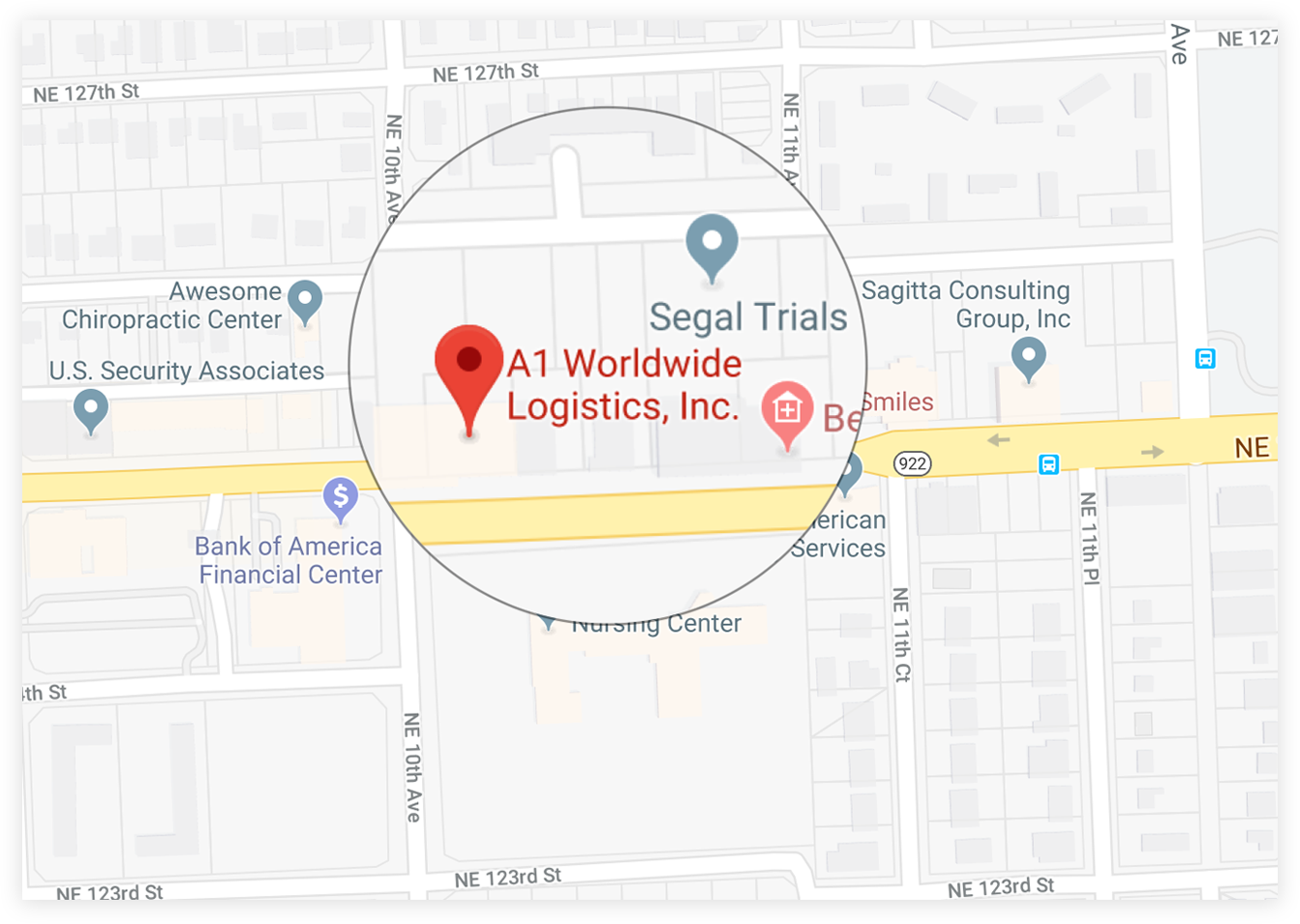
 1035 NE 125th St Suite #320, North Miami, FL 33161.
 a1worldwidelogistics.com
 (305) 821-8995
 Hours: 8AM - 5PM