Holiday Season Logistics of Small Businesses
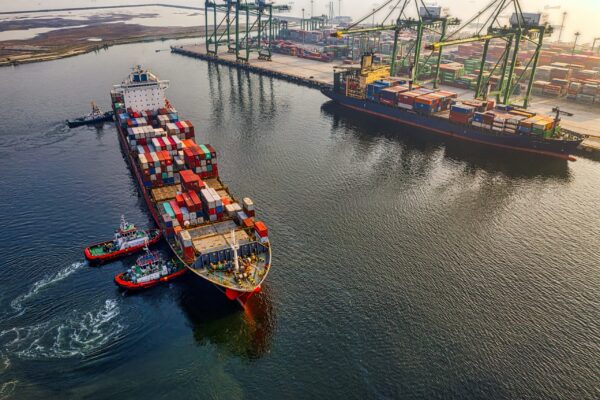
The holiday season may be a time for pressure on the logistics of large and small businesses. Constant news and reports of shipping delays have expedited this pressure globally. Smaller, more local companies are now carefully planning their logistics strategies to compete with larger companies. Although smaller businesses have a few logistics similarities to larger firms during the holiday season, many differences exist.
The Logistics of Larger Businesses During the Holiday Season
Large businesses tend to take a more tactical method when getting the goods to their customers. Since they have a broad reach, larger companies focus on getting their freight to their clients swiftly. Different approaches usually do this, and it’s possible due to the size of the companies. One-day and two-day shipping has raised customers’ confidence that they will receive their goods this holiday season.
Months before the holiday season began, certain companies started implementing a surcharge to combat the growing demand. As the number of shipments grew, the expenses to ship also rose. Since large companies are so widespread, they may be able to negotiate cooperation for the surcharge. Another logistics solution put into effect by bigger businesses was to increase capacity and inventory before the holiday season. An example is purchasing more freight aircraft to handle the load and adding more warehouse storage space.
How do Smaller Businesses Differ?
Many smaller businesses tend to have little capital to offer certain services compared to larger ones. Especially with the holiday season on the horizon, they have a different logistics approach. Supply chain issues, shipping costs, and delays can sometimes arise from the shipping logistics of larger businesses. Since smaller companies tend to be brick-and-mortar, their supply chains can be smaller and more streamlined.
Small-scale supply chains that smaller businesses have may make them more attractive to customers. The shipping delays that have been persistent over this year led shippers to switch to a local smaller business. Instead of dealing with possible delays from overseas shipments, a customer can drive somewhere close by for the same product. Larger companies have also noticed the benefits of brick-and-mortar stores and created more local stores. Instead of waiting for the goods to be delivered, customers can now drive to a local store to pick up the goods, just like brick-and-mortar stores.
A1 Worldwide Logistics
Regardless of your business size, there are different parts to shipping your goods to your customers. These crucial parts can affect the whole supply chain if one part goes wrong. This may be even more critical during this holiday season with increasing global demand to ship goods. The pressure to move freight has gone up over the last few years.
Contacting a logistics company can alleviate the pressure by handling the movement of your shipment for you. Give A1 Worldwide Logistics a call at 305-821-8995 to learn about the many logistics solutions we offer. From freight forwarding, customs clearance, warehousing, and more, we’re here to ensure the movement of your goods safely and promptly.