by A1 WorldWide Logistics | Feb 7, 2025 | Economic trends, Importing, Transportation
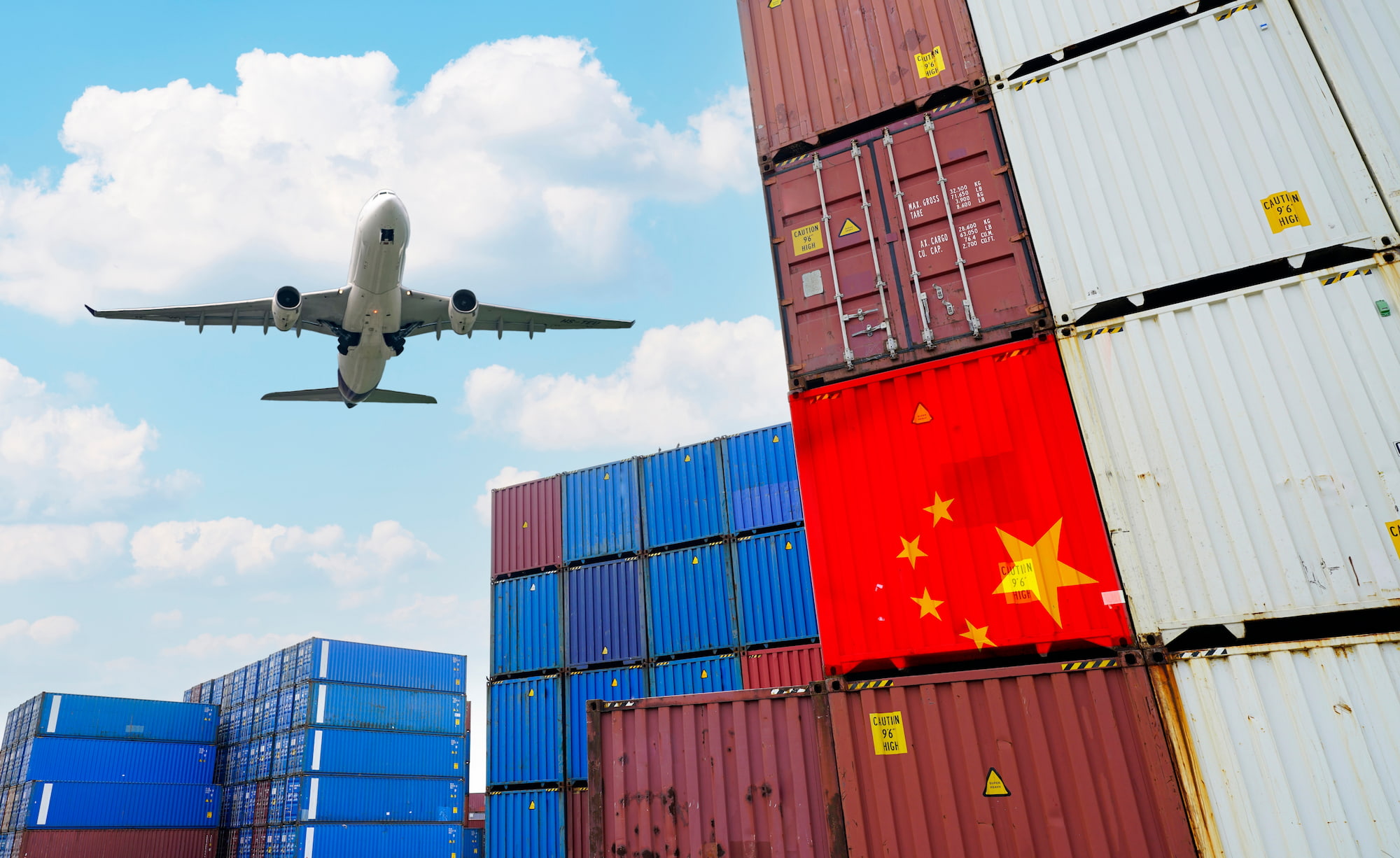
An executive order signed by President Donald Trump could soon see China tariffs impacting air cargo. On February 1st, Trump imposed a 25% tariff on Canada and Mexico imports and a 10% tariff on China imports. The order also eliminated duty-free exemptions for low-value e-commerce goods imported from the countries to the U.S. While Trump has deferred Canada’s and Mexico’s tariffs for a month, China’s hikes will take effect on February 10th. The taxes are to stop illegal immigration and the smuggling of illicit drugs into the U.S. Along with directly affecting international shipping, the tariffs will impact China’s air cargo industry.
How Are the China Tariffs Impacting Air Cargo?
In 2024, China exported approximately $2.62 trillion in goods, making it the largest exporter globally. A significant portion of goods imported into the U.S. are e-commerce shipments from China by air. Nearly 1.3 million tons of e-commerce air imports fall under the duty-free exemption that Trump’s executive order eliminated. The de minimis is a provision that exempts goods $800 or less to a single person per day from taxes. Shippers and online retailers like Temu in China use this to legally avoid import tax on smaller, larger-volume imports. The CBP (Customs Border and Protection) notes that 61% of de minimis entries are from China.
De minimis shipments from China could now have tariffs of up to 35% due to the executive order. Without the de minimis rule, a $50 package bought in Temu may be double the amount due to the fees. Vendors from marketplaces like Temu have built warehouses in the U.S. in the past few years to avoid additional costs. They also have relocated to nearby locations like Vietnam and Thailand to be able to send de minimis shipments. China filed a complaint to the WTO (World Trade Organization) challenging the cancellation of the 10% tariff and duty-free exception. In a country response, China also introduced tariffs of up to 15% on various U.S. goods like coal and oil.
What Can The Tariffs Mean For The Air Cargo Industry?
The tariffs could negatively affect air cargo due to the amount of goods China imports to the U.S. by air. Ending de minimis may significantly reduce airfreight rates as importers decrease the volume of imported goods. Reducing daily de minimis imports could result in overcapacity in the air cargo industry and decline rates. Rates declined during this period due to the Chinese New Year, when demand was lower than usual. A tariff increase will also directly impact customers since sellers could pass on the higher costs.
While the tariffs could impact cargo transport, they should not stop you from importing into the U.S. However, shippers should take the proper steps to mitigate potential disruptions to their supply chains. An ideal way to get started is by speaking to a freight forwarder. Forwarders act as intermediaries between the shipper and the good’s final destination. Along with transporting your cargo, they offer various services like providing documentation, negotiating rates, vetting carriers, warehouses, and more. Contact A1 Worldwide Logistics at 305-425-9752 or info@a1wwl.com to talk to a forwarder regarding moving your goods internationally. Whether you’re shipping by air, sea, or land, we ensure the success of your shipment.

by A1 WorldWide Logistics | Nov 14, 2024 | Shipping Logistics, Supply Chain, Transportation
With electronics being a popular U.S. import, optimizing logistics for electronics imports can be an excellent opportunity for shippers. In 2023, the U.S. brought approximately $463.36 billion in electrical and electronic goods. Since there is such a high demand for these types of goods, it may be attractive to importers. However, there are many steps that a shipper should be aware of. Failure to prepare correctly can lead to disruptions, which result in delays and monetary loss. Understanding shipping logistics is especially crucial for businesses that ship large volumes of electronics yearly. This article will explain what to expect when bringing in electronics and how to improve the importation process.
What Should You Know Before Importing Electronics Into The U.S.?
Before importing electronics, it is essential to understand that there are various laws and regulations. Organizations such as the Customs and Border Protection (CBP) and the Federal Declaration of Conformity (FCC) determine the requirements for importation. The Food and Drug Administration (FDA) regulates all radiation-emitting devices humans use. Each organization can have its requirements for importation. For example, the CBP requires specific paperwork for goods entering the U.S. These documents include a commercial invoice, customs bond, bill of lading, etc. It is also essential to note the regulations can depend on the type of electronic. Electronics is a broad term that includes consumer products, medical equipment, digital technology, etc.
Classifying the type of electronic is necessary to determine the product’s HTS code. The HTS (Harmonized Tariff Schedule) code is a 10-digit number that defines the duties that the importer has to pay. Classifying the goods incorrectly can result in non-compliance penalties, delays, and product seizure. Understanding the type of electronics is also vital for knowing the registration process. Before beginning the importation of medical devices, the shipper must register with the FDA. The FDA also requires listing the device along with the premarket notification and approval. Similarly, importing products like televisions, radios, or telephones requires registration with the FCC by a Declaration of Conformity or certification.
How Can You Optimize Logistics For Electronics Imports?
Once you are ready to ship your electronics, optimizing logistics for importation can be advantageous for your supply chain. There are various ways to optimize, such as choosing the appropriate conveyance method. If the shipper wants to move their products quickly, shipping by air could be ideal. Likewise, sea transport would be suitable if the shipper wants to move large quantities at a lower rate. Shippers can talk to a freight forwarder or customs broker to complete paperwork and comply with regulations. A forwarder coordinates the shipment’s movement while a broker ensures compliance with the CBP.
For regular supply chains, the logistics for importing electronics continue after they reach the U.S. Importers typically look for warehousing to store their cargo, and customs-bonded warehouses are an ideal choice. A bonded warehouse is a facility where importers can store freight for up to 5 years without payment of duties. This allows the importer to save money and find customers before they must pay taxes for the shipment. A1 Worldwide Logistics has a bonded warehouse and numerous other optimization solutions. Reach us at info@a1wwl.com or 305-425-9513 to learn more about our custom bonded warehousing solutions. We also have freight forwarders and customs brokers to ensure your shipment’s success.

by A1 WorldWide Logistics | Nov 12, 2024 | Customs Broker, Customs Clearance, Importing
Si bien es una excelente oportunidad para los exportadores, hay varias consideraciones que debes entender antes de importar té a Estados Unidos. El té es una de las bebidas más consumidas en este país, y más de 159 millones de estadounidenses lo beben a diario. Casi el 80% de los hogares estadounidenses tienen productos de té. A pesar de que es algo común, traer té a Estados Unidos implica muchas regulaciones y pasos que los importadores deben conocer. No cumplir con estas pautas puede resultar en que la aduana retenga tus mercancías o que pierdas la carga. Este artículo explicará lo que debes tener en cuenta de antemano y qué esperar durante el proceso de importación.
¿Qué debes saber antes de importar té a Estados Unidos?
Antes de decidir importar té a los Estados Unidos, es esencial entender las regulaciones involucradas. La Administración de Alimentos y Medicamentos (FDA, por sus siglas en inglés) es la agencia federal principal que regula la importación de té. Al importar, la FDA establece normas específicas de seguridad alimentaria que debes seguir antes de traer el té al país. Según la FDA, todas las instalaciones que manejan alimentos deben registrarse y proporcionar un aviso previo al departamento antes de importar té. La Ley de Modernización de la Seguridad Alimentaria (FSMA, por sus siglas en inglés) establece además que las instalaciones que fabrican procesan o empaquetan alimentos como el té deben enviar información adicional y permitir que la FDA inspeccione las instalaciones registradas. Las instalaciones productoras de té deben renovar su registro ante la FDA cada dos años.
Además de presentar un aviso a la FDA antes de la importación, el té debe tener el etiquetado adecuado antes de ser importado. La Ley de Etiquetado Nutricional y Educación (NLEA, por sus siglas en inglés) establece qué información debe contener la etiqueta del paquete según la FDA. Algunos de los datos incluyen el nombre del té, la cantidad, la información nutricional, la declaración de ingredientes, la declaración de alérgenos, etc. Para ayudar a la FDA a determinar si tu producto cumple con los requisitos, los exportadores pueden proporcionar los Códigos de Afirmación de Cumplimiento (A of C). Aunque no son necesarios para la importación, proporcionar estos códigos puede acelerar el proceso de inspección.
Documentos requeridos para la importación
Para toda carga que llegue a los EE. UU., el exportador debe proporcionar la documentación necesaria a la Oficina de Aduanas y Protección Fronteriza (CBP, por sus siglas en inglés). No presentar la documentación correctamente puede generar retrasos y sanciones financieras para el importador. Algunos de los documentos que la CBP requiere para la importación incluyen:
- Conocimiento de Embarque (Bill of Lading)
- Factura Comercial
- Lista de Empaque
- Certificado de Origen
Los envíos que lleguen a los EE. UU. por vía marítima también deben presentar una Declaración de Seguridad de Importación (ISF, por sus siglas en inglés). La ISF explica el contenido de la carga, quién la está importando, el producto, y más. Además de tener la documentación correcta, el exportador debe contar con el código HTS adecuado. Un código de la Tarifa Armonizada (HTS) determina la tasa de arancel correspondiente para la carga. El té tiene códigos específicos dependiendo del paquete, tipo, origen y uso previsto. Puedes encontrar el código HTS correcto utilizando una herramienta de búsqueda en línea o consultando con un corredor de aduanas.
¿Cómo empezar?
Una vez que el té llegue a Estados Unidos, también puede ser importante organizar el transporte y almacenamiento dentro del país. Todos los requisitos para importar té a los EE. UU., pueden ser un desafío para los importadores inexpertos. Una manera ideal de comenzar es utilizando la ayuda de un agente aduanal. Un agente aduanal es una empresa o individuo que gestiona el despacho de mercancías que ingresan a un país en nombre de un importador. Lo hacen asegurándose de que el envío cumpla con las regulaciones, preparando la documentación, calculando los aranceles, etc. Ponte en contacto con A1 Worldwide Logistics al 305-425-9456 o por correo electrónico a info@a1wwl.com para hablar con un corredor de aduanas sobre la importación.

by A1 WorldWide Logistics | Nov 7, 2024 | Importing, Shipping Logistics, Transportation
While it is an excellent opportunity for shippers, there are numerous considerations to understand before importing tea into the U.S. Tea is one of the most commonly consumed beverages in the U.S., and over 159 million Americans drink it daily. Nearly 80% of all American households have tea products. While typical, bringing tea to the U.S. has many regulations and steps importers should know. Failure to comply with these guidelines can result in customs holding your goods and cargo loss. This article will explain what to be aware of beforehand and what to expect during the importation process.
What Should You Know Before Importing Tea Into The U.S.
Before deciding to import tea into the U.S., it is essential to understand the regulations involved. The Food and Drug Administration (FDA) is the primary federal agency that regulates tea importation. When importing, it gives specific food safety standards you must follow before bringing it to the U.S. According to the FDA, all food facilities must register and provide advanced notice to the department before importing tea. The Food Safety Modernization Act (FSMA) further states that facilities that manufacture, process, or pack foods like tea must submit additional information and allow the FDA to inspect registered facilities. Tea-producing facilities must renew registration with the FDA every other year.
Along with filing a notice to the FDA before importation, tea must have proper labeling before importing. The Nutrition Labeling and Education Act (NLEA) provides information on what the FDA package label should contain. Some of the info includes the tea name, quantity, nutrition facts, ingredient statement, allergen declaration, etc. To assist the FDA in determining if your tea abides by requirements, shippers can provide Affirmation of Compliance Codes. While not necessary for importation, providing A of C codes can help quicken the screening process.
Documents Required For Importation
For all cargo coming into the U.S., a shipper must provide necessary documentation to the Customs and Border Protection (CBP). Not filing the paperwork correctly can lead to delays and financial penalties for the importer. Some of the documents that the CBP requires for importation include:
- Bill of Lading
- Commercial Invoice
- Packing List
- Certificate of Origin
Shipments arriving in the U.S. by ocean must also submit an Import Security Filing (ISF). The ISF explains the content of the cargo, who is importing it, the product, and more. Along with having the proper documentation, the shipper must have the correct HTS Code. A Harmonized Tariff Schedule (HTS) code determines the appropriate duty rate for the cargo. Tea has specific codes depending on the package, type, origin, and intended use. You can find the proper HTS code using an online lookup tool or speaking to a customs broker.
How To Start?
Once the tea arrives in the U.S., it may also be vital to arrange domestic shipping and warehousing. With all the requirements to bring tea into the U.S., it can be challenging for inexperienced importers. An ideal way to begin is by using the assistance of a customs broker. A broker is a company or individual that clears goods that enter a country on behalf of an importer. They do this by ensuring the shipment complies with regulations, preparing documentation, calculating duties, etc. Reach A1 Worldwide Logistics at 305-425-9456 or info@a1wwl.com to speak to a customs broker regarding importation.
by A1 WorldWide Logistics | Oct 15, 2024 | Customs Broker, Freight Forwarding, Importing
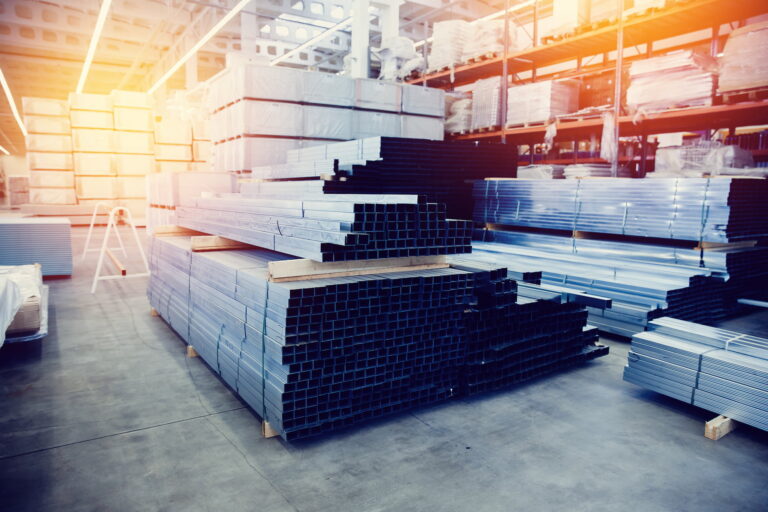
Un proceso confuso para muchos remitentes principiantes es entender cómo importar materiales de construcción a los EE. UU. Ejemplos de estos materiales incluyen acero, concreto, madera y otras sustancias utilizadas para construir estructuras. Casi el 32% de todos los bienes de construcción utilizados en los EE. UU. provienen de varios países. La razón es el ahorro en costos al importar bienes de un país como China, que puede alcanzar casi el 50 por ciento. Aunque la importación puede parecer atractiva, hay muchas precauciones que el remitente debe tomar de antemano. Este artículo será una breve introducción sobre cómo traer materiales de construcción a los Estados Unidos. Para obtener más información sobre cómo empezar, comuníquese con A1 Worldwide Logistics al 305-425-9513 para hablar con un transitario.
¿Por qué es complejo entender cómo importar materiales de construcción?
Los remitentes deben seguir varias leyes y regulaciones al importar bienes de diferentes países. La mayoría de los suministros de construcción que ingresan a Estados Unidos provienen de China, por lo que China será el país de enfoque. Un ejemplo de una regulación es la prohibición de importar productos de la región de Xinjiang de China. Esto se debe al informe de trabajo forzado de los musulmanes uigures en la producción de productos. Entender las leyes y pautas es el primer paso del proceso de importación.
Además de las regulaciones del país exportador, es esencial conocer las leyes del país importador. En los EE. UU., la Aduana y Protección Fronteriza (CBP) supervisa la carga importada. Los materiales de construcción como el granito y la arena requieren permisos de agencias reguladoras antes de ingresar a EE. UU. Al elegir un proveedor, es vital utilizar una fuente confiable para garantizar materiales de calidad. Antes de importar carga, otra consideración es la documentación que requiere la CBP. Diferentes tipos de bienes pueden requerir documentos específicos, pero la documentación general incluye:
- Aviso de llegada
- Conocimiento de Embarque/Bill of Lading
- Factura comercial
- Declaración de seguridad de importación (ISF)
- Lista de empaque
Dado que los materiales de construcción tienden a enviarse en grandes cantidades, la importación puede ser costosa. Los envíos valorados en $2500 o más requieren un bono aduanal. Es crucial señalar que el remitente debe presentar los documentos a la aduana días antes de salir del país de origen.
El proceso de importación
Una vez que los materiales estén listos para ser importados a los EE. UU., se trasladarán a un puerto en el país de origen. Dos de los métodos más comunes de transporte utilizados en el movimiento de carga son el transporte aéreo o marítimo. Los buques de carga suelen mover suministros de construcción debido a la cantidad de bienes que transportan a la vez. Cuando la carga llega por primera vez a los EE. UU. desde un país internacional, está sujeta a derechos de importación. Los derechos son pagos de impuestos requeridos por la CBP, y los remitentes los calculan utilizando el Arancel Armonizado.
Cualquier carga que ingrese a los EE. UU. corre el riesgo de ser retenida en aduana antes de ser liberada. Esto puede deberse a muchas razones, como documentación mal completada y derechos no pagados. Si el envío transcurre sin problemas y la presentación es correcta, la aduana liberará los bienes al importador. Si bien el proceso de importación puede ser complejo, contratar un agente de aduanas simplifica el proceso. Un agente coordina con la aduana de EE. UU. para garantizar la liberación de su carga. Para hablar con uno de nuestros experimentados agentes de aduanas, comuníquese con A1 Worldwide Logistics al 305-425-9513.

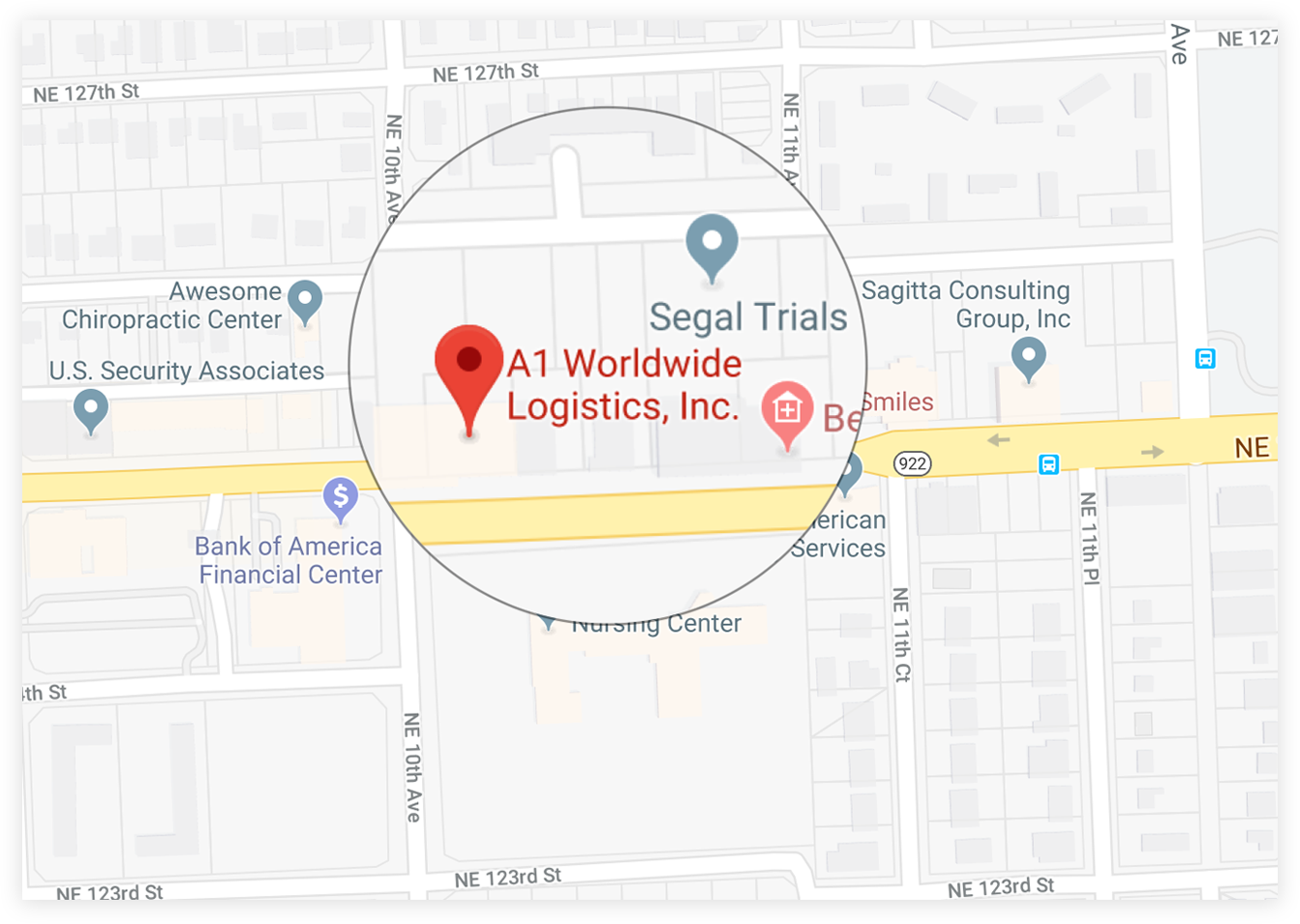
 1035 NE 125th St Suite #320, North Miami, FL 33161.
 a1worldwidelogistics.com
 (305) 821-8995
 Hours: 8AM - 5PM