by A1 WorldWide Logistics | Jun 13, 2024 | Air Freight, Customs Broker, Importing
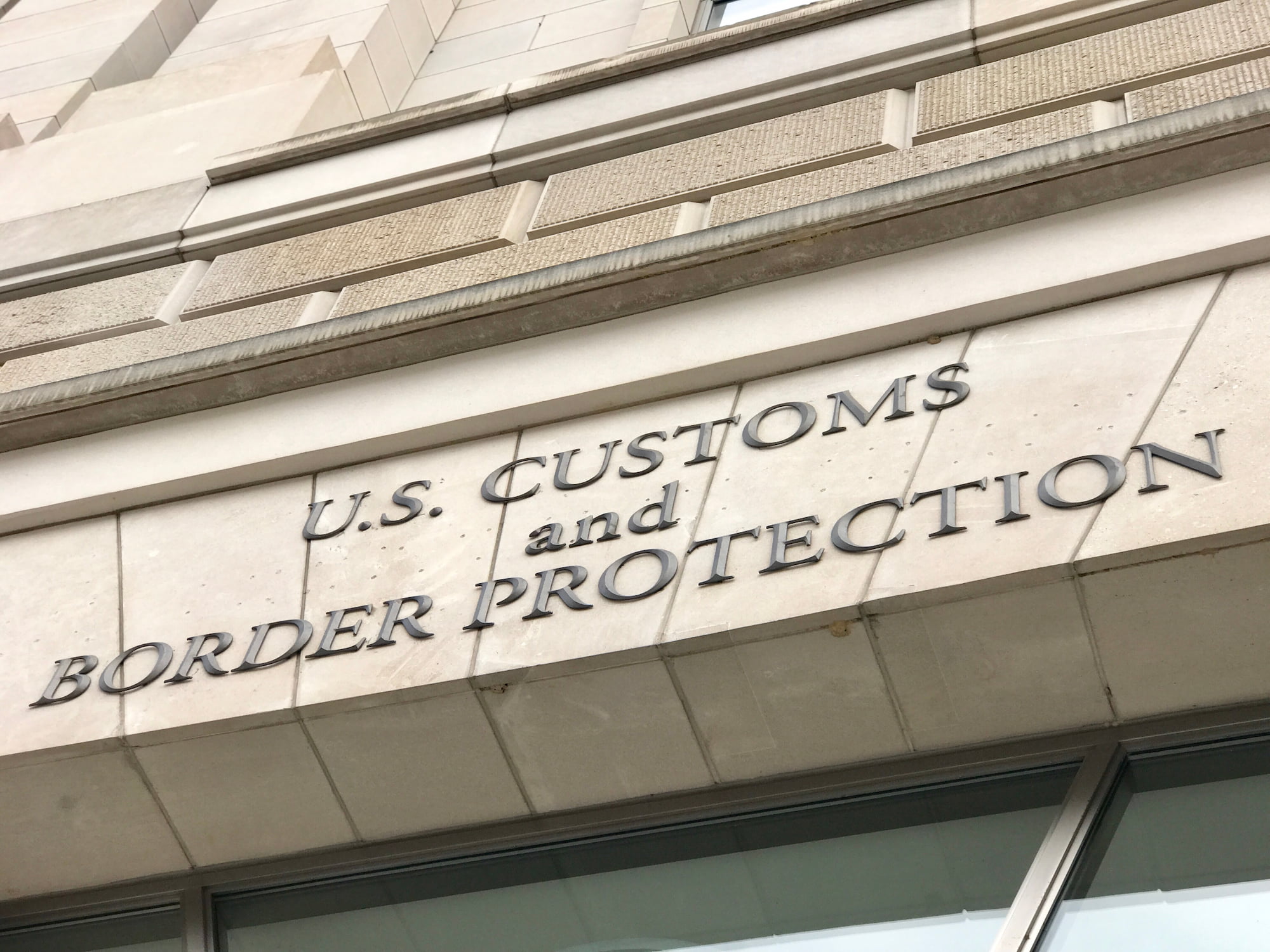
The CBP are tightening e-commerce enforcement on low-value imports coming into the U.S. Recently, multiple customs brokers have had actions taken against them by the CBP for not filing proper and correct entries. In particular, entries for small, low-dollar imports that are duty-free. Penalties for not complying with filing requirements include suspension from CBP’s Entry Type 86 Program. The crackdown has started with e-commerce shipments coming into the U.S. by air into the Los Angeles International Airport (LAX). Low-value cargo coming into the LAX airport from countries like China and India are moving to CBP warehouses for review. Customs have also recently seized parcels of a weight-loss drug coming through e-commerce to Chicago O’Hare International Airport.
Why CBP Are Tightening E-Commerce Enforcement
The CBP is cracking down on low-value e-commerce imports to prevent shippers from exploiting the de minimis rule. De minimis is the minimal value of imported goods exempt from duties and a formal customs declaration. In 2016, the Trade Facilitation and Trade Enforcement Act of 2015 (TFTEA) rose in value from $200 to $800. The CBP changed the amount to accommodate the growing trend of e-commerce shipments into the U.S. Online purchases were typically low-value, meaning that it wasn’t worth the costs of CBP to collect the duties. An effect was that importers and retailers transported millions of smaller packages to the U.S. at a lower cost.
Imports below the de minimis threshold surged from approximately 134 million in 2015 to over 1 billion in 2023. While this was good for e-commerce, it allowed malicious players to bring drugs and illegal items to the U.S. CBP has started acting to police the importations by suspending shippers from the Entry Type 86 program. Entry Type 86 is the CBP initiative that streamlines the import of de minimis cargo. This program allows self-entry filers and brokers to transfer shipment data electronically, resulting in faster customs clearance. In response to the potential for bad actors to bring illegal goods to the U.S., the CBP has become strict in ensuring compliance with Entry Type 86 requirements.
What Does This Mean For International Shipping?
Shippers and customs brokers are affected by tightening regulations for low-value e-commerce Importations. With CBP increasing their inspections of Entry Type 86 imports, the time for certain airfreight imports may soon increase. This could be bad for importers and customers who must wait longer for their goods. The supply chain for shippers is also affected if their freight is on hold at customs. Customs brokers must be careful to comply with CBP filing and classification requirements. Adhering includes providing accurate data and not rushing when filing entries. Customs has recently suspended a significant logistics provider from being able to file Type 86 entries due to undisclosed reasons.
To prevent delays and holdups in your supply chain, shippers must find trustworthy customs brokers. A broker acts as an intermediary between the shipper and U.S. customs and ensures the clearance of an import. They do this by declaring the goods correctly, providing documents, and make sure the importer pays the duties. With customs providing greater enforcement, this is increasingly important. A1 Worldwide Logistics has customs brokering, freight forwarding, and other services for your supply chain. Speak to an expert at 305-425-9513 to ensure the success of your shipment.

by A1 WorldWide Logistics | May 16, 2024 | Importing, Shipping Logistics, Transportation
A type of import that can be challenging when starting is importing olive oil to the U.S. The reason is due to the various regulations and procedures that the shipper must follow. Organizations like the FDA (Food and Drug Administration) and CBP (Customs and Borders Protection) dictate these policies. Despite this, the U.S. is the 2nd largest importer of olive oil globally. In 2020, the U.S. had a share of 17.9% of all world imports and brought in over 403 thousand tons. Many benefits of olive oil have caused an uptake in the amount brought in recently, especially for restaurants and retail. With the growing push for healthier nutrition, shippers can benefit from importing olive oil.
What Should You Know About Importing Oil To The U.S.
There are numerous things shippers should know before bringing olive oil into the U.S. It is essential to understand the various regulations for importation. The country of origin also has numerous guidelines a shipper must follow before exporting. The FDA is the U.S.’s primary regulatory body and can be very strict on requirements. Examples of FDA prerequisites include a food facility registration, Foreign Supplier Verification Program (FSVP), prior notice of import, etc. The FDA also mandates that olive oil ships from an approved region follow safety standards and be labeled correctly. Failure to follow requirements can result in a delay or rejection of your import.
Along with the FDA, a shipper must adhere to regulations the CBP sets. The CBP is in charge of enforcing trade laws for the U.S., ensuring importers comply. This is to prevent any dangerous or prohibited cargo from entering the country. Additionally, the CBP ensures that import duties are issued and collected upon entry. Duties on olive oil shipments are based on the value of shipments. The blend of olive oil, such as virgin, extra virgin, and certified organic, also determines duties. The CBP may also require that the shipper obtain a customs bond in oil shipments valued at or over $2500.
What Is The Process For Importation
Before leaving the country of origin, the shipper must ensure that the cargo has the proper product labeling. Labeling includes crucial information like expiration dates, specifications, quality certificates, etc. The importer must also prepare the documentation beforehand to prevent holdups and delays. Some of the documents for importation include:
- Bill of Lading or Airway Bill
- Commercial Invoice
- Arrival Notice
- Certificate of Origin
Olive oil also requires other certificates like the Phytosanitary Certificate and the Certificate of Analysis. Two primary ways that olive oil ships internationally are by air and sea. Using the assistance of a freight forwarder can help find a suitable carrier regardless of the conveyance method. Once the shipment reaches the U.S., the CBP (U.S. Customs and Border Protection) will stop and inspect the shipment. When customs releases the shipment, you can move it to the final destination by trucking service.
The process of importing olive oil into the U.S. can be complex and could take more steps than the ones described in the article. Having assistance from a freight forwarder and customs broker can help streamline the process. A1 Worldwide Logistics has both services and more to ensure the success of your shipment. Reach us at 305-821-8995 to begin importing into the U.S. from anywhere internationally. Whether you bring in olive oil or any other commodity, we guide you through the process.

by María Fernanda Cárdenas | May 7, 2024 | Customs Clearance, Order Fulfillment, Supply Chain
Una pregunta común que suelen hacerse los nuevos comerciantes al comenzar es qué son las zonas de libre comercio (FTZ). Las FTZ son ubicaciones especializadas donde las empresas pueden importar, reexportar, fabricar y almacenar envíos con una participación limitada de las agencias aduaneras. Las FTZ también tienen grandes instalaciones de fabricación donde las empresas importan materias primas en lugar de enviar productos terminados. Estas zonas suelen estar cerca de puertos principales, aeropuertos o áreas con ventajas geográficas para el comercio. Por ejemplo, la Zona Libre de Colón está cerca del Canal de Panamá y es la FTZ más grande del hemisferio occidental. Aunque existen áreas similares a nivel mundial, este artículo se centrará en las zonas de libre comercio de Estados Unidos conocidas como zonas de comercio exterior.
En EE. UU, las FTZ comenzaron con la Ley de Zonas de Comercio Exterior de 1934, que ayudó a fomentar el comercio exterior. La Oficina de Aduanas y Protección Fronteriza de EE. UU. (CBP) hace cumplir las leyes de importación y monitorea las actividades de la zona. Hoy en día, hay 298 FTZ ubicadas en todo el país. Estados Unidos, además, divide las áreas en dos tipos: zonas de uso general y subzonas. Una zona de uso general es una ubicación como un puerto o parque industrial disponible para el público en general. Las subzonas son sitios privados que una empresa utiliza para un propósito específico. En comparación con las zonas de uso general, todas las responsabilidades financieras recaen en la empresa individual que tenga el permiso.
¿Cómo puede beneficiarse una empresa de las zonas de libre comercio?
Las FTZ tienen numerosas ventajas al importar mercancías a EE. UU. Uno de los beneficios más significativos es el ahorro de costos que puede tener la empresa. Cuando la mercancía está en la zona, está exenta de aranceles aduaneros e impuestos especiales. Los aranceles solo deben pagarse por el importador cuando la carga sale y entra al mercado local. Tampoco se necesitan pagos de aranceles si el comerciante envía el producto en la zona de libre comercio. Las FTZ también permiten reducir costos al disminuir las tazas de procesamiento de mercancías y las tarifas invertidas. Una tarifa invertida es cuando las materias primas tienen una tasa de arancel más alta que el producto terminado. En las FTZ, se puede pagar la tasa más baja.
Una FTZ tiene muchos beneficios logísticos para una cadena de suministro. Dado que la Oficina de Aduanas y Protección Fronteriza de Estados Unidos (CBP) no somete a las FTZ a aranceles, los importadores pueden usarlas para reparar, inspeccionar y retirar productos defectuosos. Las empresas que importan y exportan grandes cantidades de productos se benefician considerablemente del ahorro de costos. Las zonas de libre comercio también pueden ayudar a optimizar las cadenas de suministro al permitir la entrega directa. La entrega directa es cuando una importación puede ir directamente al lugar en la FTZ sin aprobación aduanera. Las empresas con un gran número de envíos a menudo utilizan esto por rapidez. El transporte de envíos de zona a zona también es posible sin pagos de aranceles aduaneros, ya que la carga se mueve “en tránsito”.
Depósito Aduanero
Cuando se envían mercancías internacionalmente, es esencial tomar las precauciones adecuadas para garantizar el éxito de un envío. Junto con las FTZ, las empresas también se han beneficiado significativamente del uso de un depósito aduanero, ya que permite el almacenamiento de carga sin pagar impuestos durante un máximo de cinco años desde la fecha de importación. Esto permite al importador buscar clientes y ahorrar dinero antes de tener que pagar impuestos por el envío. También se puede reexportar la carga sin pagos de impuestos durante ese tiempo. Comuníquese con A1 Worldwide Logistics al 305-425-9513 o info@a1wwl.com para conocer nuestras instalaciones aduaneras.
by Jontrey Aimes | Apr 4, 2024 | Importing, Shipping Logistics, Transportation
Although importing cars from Japan can bring numerous benefits for importers, it can be challenging initially. Importers must follow many laws and regulations, and failure to do so can result in monetary loss. In particular cases, it may also result in shipment loss. Despite this, shippers consider Japan one of the biggest importers of cars internationally. In 2023, the Japan Automobile Manufacturers Association (JAMA) reported nearly 4.42 million vehicle exports from the country. In the same year, Japan brought over 1.2 million into the U.S. This article will introduce how to start the importation process.
What To Know Before Importing Cars From Japan?
Understanding the regulations for bringing Japanese cars into the U.S. is essential. For example, almost all 1997 or newer Japanese Domestic Market (JDM) cars are illegal to import into the U.S. JDMS are vehicles designed for the Japanese market. These types of cars are prohibited because they do not meet U.S. emission control and safety standards. There are ways to bypass these laws legally. It is also crucial that the importer prepares the car before shipping it. The U.S. Department of Agriculture requires that the undercarriage be sprayed and cleaned thoroughly before entering the country. The reason is that the undercarriage may contain foreign soil, which can contain dangerous pests.
Before importing cars from Japan, shippers should understand the costs involved. The shipping price usually starts around $1895; however, this number can increase based on the make and model. Other considerations include your shipping destination, transportation method, and departure port. Foreign-made automobiles are also subjected to 2.5% dutiable entry charges, whether new or used. All commercial imports into the U.S. require customs bonds valued at $2500 or more, including duty-free items. Importers should also know fees like storage, cleaning, and vendor costs.
What Is The Process For Importation?
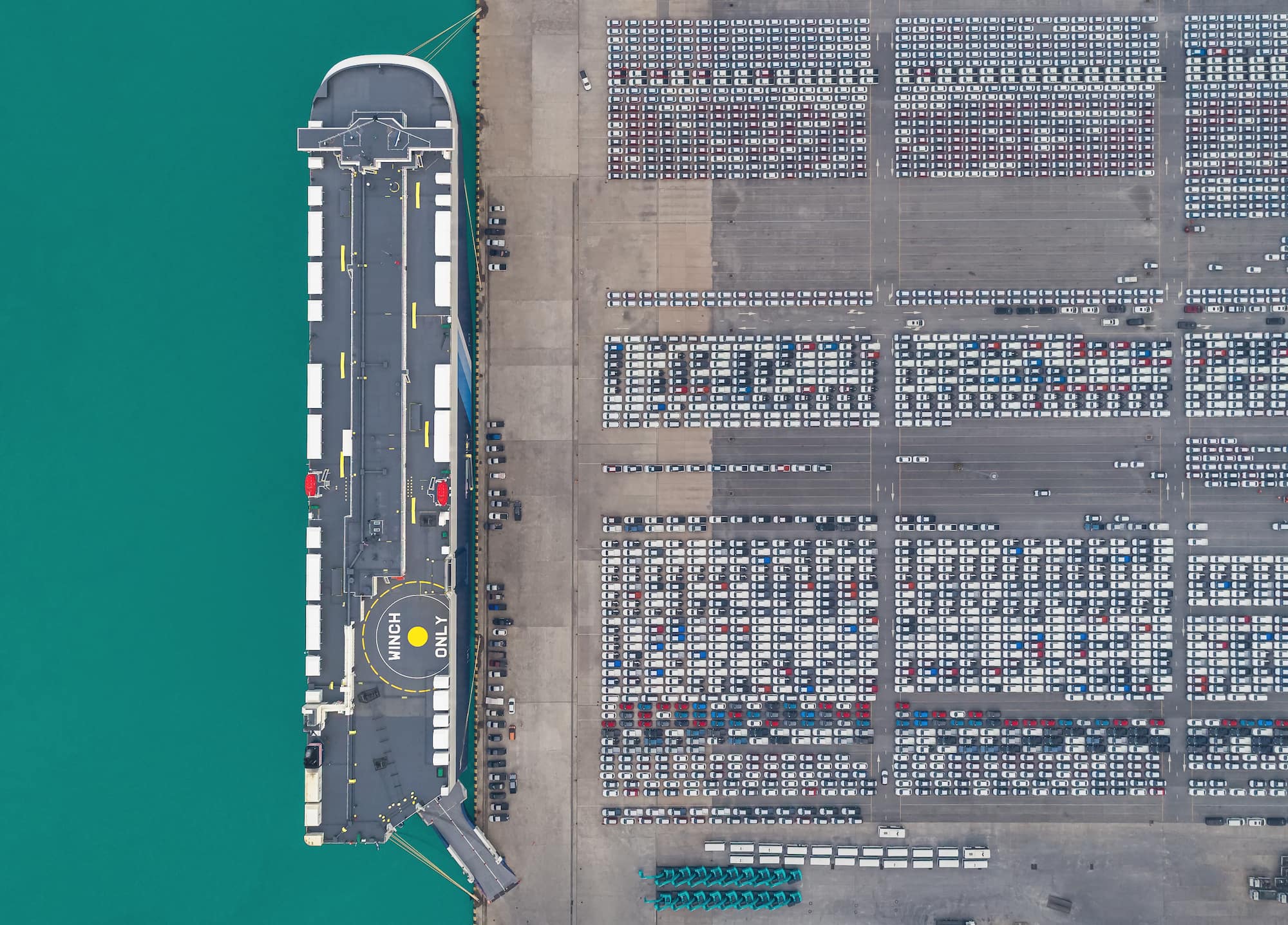
When shippers are ready to import, they arrange transportation by contacting individual carriers or freight forwarders. Forwarders coordinate the movement of your shipment by finding ideal rates from a network of carriers. A standard method is by RoRo, a vessel that rolls cars on and off. The timeframe to transport a vehicle from Japan is roughly 4 to 6 miles, depending on various factors. Before the import reaches the U.S., the shipper must send the appropriate paperwork to the CBP. Some of the standard documents required for importation into the U.S. include:
- Bill of Lading
- Packing List
- Commercial Invoice
- Customs Bond
- ISF Filing
Other documents specific to vehicles include the EPA Form 3520-1 and the NHTSA Form HS-7. Since paperwork tends to be one of the most challenging parts of the process, shippers usually hire a customs broker. Customs brokers coordinate with CBP and provide documentation, payments, and other transactions on your behalf. Once customs releases the vehicle, the importer can use a freight broker’s assistance to transport it to the final destination.
While importing cars from Japan may seem attractive for companies and individual importers, things can still go wrong when starting. For example, not filing an ISF or filing it late can result in a $5000 fine per violation. There are also situations like congestion and cargo damage that are out of your control. Having assistance from a forwarder or broker is the best way to ensure the success of your shipment. Contact A1 Worldwide Logistics at info@a1wwl.com or 305-821-8995 to speak to our freight forwarders and customs brokers when beginning.

by A1 WorldWide Logistics | Feb 22, 2024 | Importing, Shipping Logistics, Supply Chain
A common question that new shippers tend to ask themselves when starting is what are free trade zones (FTZs). FTZs are specialized locations where shippers can import, re-export, manufacture, and store shipments with limited involvement of customs agencies. FTZs may also have extensive manufacturing facilities where companies import raw materials rather than ship finished products. These zones are usually around major seaports, airports, or areas with geographical advantages to trade. For example, the Colon Free Zone is near the Panama Canal and is the largest FTZ in the Western Hemisphere. Although there are similar areas globally, this article will focus on U.S. FTZs, known as foreign-trade zones.
In the U.S., FTZs began with the Foreign-Trade Zones Act of 1934, which helped encourage foreign commerce. The U.S. Customs and Border Protection (CBP) enforces import laws and monitors zone activities. Today, there are 298 FTZs located near throughout the 50 states. The U.S. further breaks the areas down into two types: general-purpose zones and subzones. A general-purpose zone is a location like a port or industrial park available to the general public. Subzones are private sites that a single company uses for a specific purpose. Compared to General-Purpose Zones, all financial responsibilities go to the single company with the permit.
How Can A Shipper Benefit Knowing What Are Free Trade Zones?
FTZs have numerous advantages when importing goods into the U.S. One of the most significant benefits is the cost savings the shipper can have. When merchandise is in the zone, it is exempt from customs duties and exercise tax. Duties only have to be paid by the importer when the cargo leaves and enters the local market. No duty payments are also needed if the shipper exports the product in FTZ. FTZs also allow for cost reduction by reducing merchandise processing fees (MPF) and inverted tariffs. An inverted tariff is when raw materials have a higher duty rate than the finished product. In FTZs, you can pay the lower rate.
An FTZ has many logistics benefits for a supply chain. Since CBP does not subject FTZs to duties, importers can use them to repair, inspect, and remove defective products. Companies that import and export large amounts of products benefit considerably from cost savings. FTZs also can help streamline supply chains by allowing for direct delivery. Direct delivery is when an import can go directly to the location in the FTZ without customs approval. Businesses with a substantial number of shipments often use this for quickness. Zone-to-zone transport of shipments is also possible free of customs duty payments since the cargo moves “in-bond.”
Customs Bonded Warehouse
When shipping goods internationally, it is essential to take proper precautions to ensure the success of a shipment. Along with FTZs, shippers have significantly benefited from using a customs-bonded warehouse. A bonded warehouse allows freight storage without paying taxes for up to five years from the import date. This allows the importer to look for customers and save money before they have to pay taxes for the shipment. You can also re-export the shipment free of tax payments during that time. Contact A1 Worldwide Logistics at 305-821-8995 or info@a1wwl.com to learn about our bonded facility.

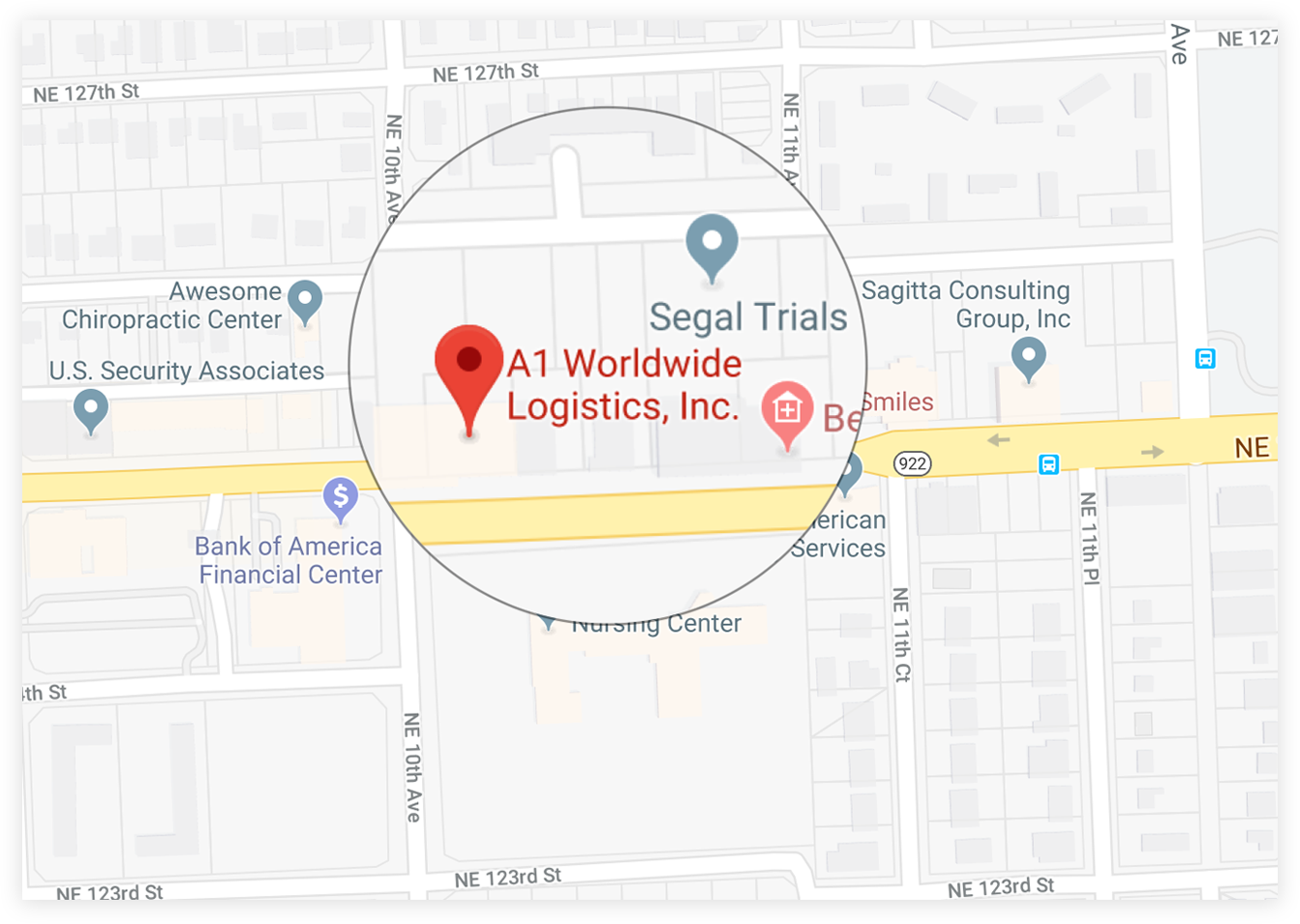
 1035 NE 125th St Suite #320, North Miami, FL 33161.
 a1worldwidelogistics.com
 (305) 821-8995
 Hours: 8AM - 5PM