by A1 WorldWide Logistics | Sep 6, 2024 | Economic trends, Importing, Supply Chain
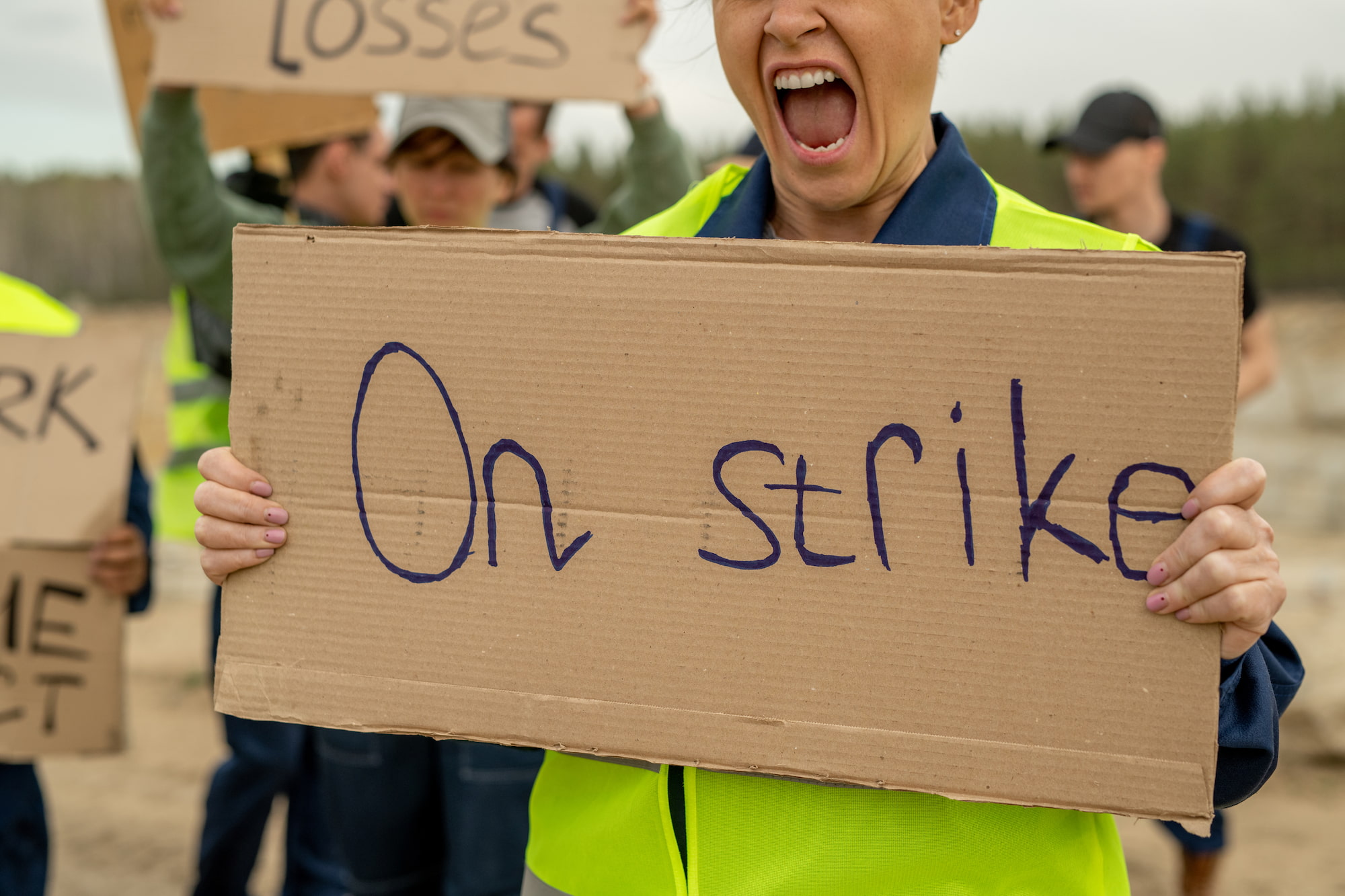
Unresolved negotiations are resulting in ILA strike threats continuing as the October 1st deadline is quickly approaching. The International Longshoreman’s Association (ILA) have been discussing a new contract with the United States Maritime Alliance (USMX). These talks have been unsuccessful as the current six-year contract ends on September 30th. A potential strike will shut down East and Gulf Coast ports and significantly impact international trade. It may also have a disastrous ripple effect through the U.S. economy, as numerous supply chains rely on these ports. With the U.S. import industry worth trillions of dollars, the pressure to find a deal before October 1st is rising.
Why Are The ILA Strike Threats Continuing?
The continuing threats are due to the unresolved resolutions between the ILA and USMX. A primary reason behind the negotiations is for a contract with a higher wage increase similar to the ILWU. In 2023, the ILWU (International Longshore and Warehouse Union) received a 32% hike after weeks of protests. Like their West Coast counterparts, the ILA is fighting for a similar wage increase. The ILA president, Harold Daggett, recently took to social media in a video expressing their displeasure. He notes, “If the employers don’t understand what his members are seeking, I have to go into the street, and we have to fight for what we deserve.”
Harold also believes that the USMX should adequately compensate the ILA for working continuously during the pandemic. Along with better pay, a significant issue has been pensions. While the ILWU has a single coast-wide retirement, part of the ILA does not have one. The workers that do have lower pensions compared to the ILWU. Terminals at the Port of Mobile in Alabama have also used an Auto Gate system that automatically processes trucks. The ILA notes that this system violates the current contract by removing the dockworker’s jobs. Vice President Dennis Daggett says, “We’re not going to allow that cancer to come here on the East Coast”.
Cargo Shifting To The West Coast?
East and Gulf Coast ports are responsible for nearly 43% of all U.S. imports and are critical for trade. With strike threats affecting many supply chains, shipments have already begun moving to West Coast ports. This is similar to the 2022 ILWU protests, where West Coast port imports switched to East Coast ports. The fear is that a potential strike can lead to port congestion due to a volume increase. Imports that come into the U.S. already tend to rise during this period because of the holiday season. Analysis reports that a two-week walkout could result in a slowdown that will take until 2025 to clear.
Port congestion can have numerous other challenges in shipping. Volume increases that come from strikes lead to delays that disrupt supply chains. Delays also look unfavorable for companies with customers that rely on imports. Along with supply chain disruptions, congestion can increase overall costs to ship cargo, such as demurrage. Demurrage is a fee the shipper must pay for containers that remain at the port past the allotted time. Container rates may continue to rise further from the protests since they rose over the last year. Various importers and exporters relying on East Coast ports are urging both sides to continue negotiations. Reach A1 Worldwide Logistics at 305-440-5156 or visit our website to keep up to with the current situation.
by A1 WorldWide Logistics | Aug 20, 2024 | Customs Clearance, Freight Forwarding, Import and Export Experts
Una pregunta que se hacen los remitentes al mover mercancías internacionalmente es si deberían comenzar a enviar por aire o por mar. Los remitentes principiantes con experiencia limitada tienden a no estar familiarizados con los dos métodos de transporte. Es esencial que los importadores y exportadores comprendan completamente estos métodos de transporte y sepan cómo se comparan y contrastan. No entender sus diferencias puede resultar en pérdidas monetarias e interrupciones en la cadena de suministro. Existen muchos factores como el contenido, peso, tamaño, y objetivos de la cadena de suministro que deben considerarse al elegir. Este artículo presentará el transporte de carga por aire y por mar y explicará las diferencias al elegir entre los dos.
Transporte de carga aéreo
El transporte aéreo es cuando una aerolínea transporta mercancías internacionalmente. La aeronave puede ser comercial o fletada, con el único propósito de enviar carga. Este método de transporte fue el último en desarrollarse en comparación con el transporte marítimo, pero es igualmente esencial para los remitentes. El beneficio más significativo es el rápido tiempo de tránsito, ideal para carga sensible al tiempo. Ejemplos de mercancías que tienden a trasladarse por aire son productos perecederos, mercancías de alto valor y productos farmacéuticos que los remitentes deben entregar rápidamente. Las empresas minoristas con clientes globales también se benefician del transporte aéreo debido a la demanda de rapidez. Otro beneficio es el alto nivel de confiabilidad que ofrece el transporte aéreo.
Un número significativo de interrupciones en la cadena de suministro se debe a la congestión y el tráfico. Dado que los volúmenes de carga tienden a ser menores en los aeropuertos, la congestión es menos común. Además, suele haber múltiples vuelos a una ciudad diariamente, lo que significa que un envío puede ser trasladado a otro avión cuando surge un problema. Los aeropuertos también tienden a tener regulaciones estrictas para la carga, lo que lleva a una mayor seguridad que en otros métodos de transporte. Un efecto de los beneficios es que los costos de envío para el transporte aéreo suelen ser más caros que otros métodos de transporte.
Transporte de carga marítimo
El transporte marítimo o por mar es el proceso de mover carga internacionalmente por mar. Un buque, como un portacontenedores, transporta la carga a un puerto marítimo. Una de las mayores ventajas es la gran cantidad de carga que los remitentes pueden mover por mar. Con casi el 80% de los envíos del mundo transportados por mar, es una parte integral del comercio internacional. Las personas y empresas que transportan grandes cantidades de bienes se benefician de este método de transporte. Los barcos también permiten el movimiento de muchos tipos de carga, ya que un contenedor puede acomodar muchos artículos. Un envío más grande que los contenedores, como equipos de construcción, aún puede ir en un buque.
En comparación con otros métodos de transporte, los buques también permiten el transporte de mercancías más pesadas. Por ejemplo, los barcos pueden ofrecer servicios de roll-on/roll-off para llevar automóviles a bordo. Otra ventaja del transporte marítimo es que generalmente es más rentable que otros métodos de transporte. La carga que más se beneficia son los bienes a granel, como materias primas y productos no perecederos. Las empresas que envían grandes volúmenes de carga también se benefician. Dado que la carga se mueve por mar, los tiempos de tránsito pueden ser más largos que en otros métodos de transporte.
¿Debería comenzar a enviar por aire o por mar?
Aunque ambos métodos pueden ser igualmente valiosos para una cadena de suministro, ciertos envíos se benefician de uno en particular. Al elegir enviar por aire o por mar, debes tener en mente el objetivo final. Por ejemplo, el transporte marítimo es ideal si planeas mover grandes cantidades de carga. Si tu objetivo es mover mercancías rápidamente, el envío por aire puede ser la mejor solución. Para comenzar tu viaje de envío internacional, contacta a A1 Worldwide Logistics al 305-440-5156. Contamos con agentes de carga para ayudarte a encontrar el método de transporte ideal para tu envío.
by A1 WorldWide Logistics | Aug 15, 2024 | 3PL, Economic trends, Supply Chain
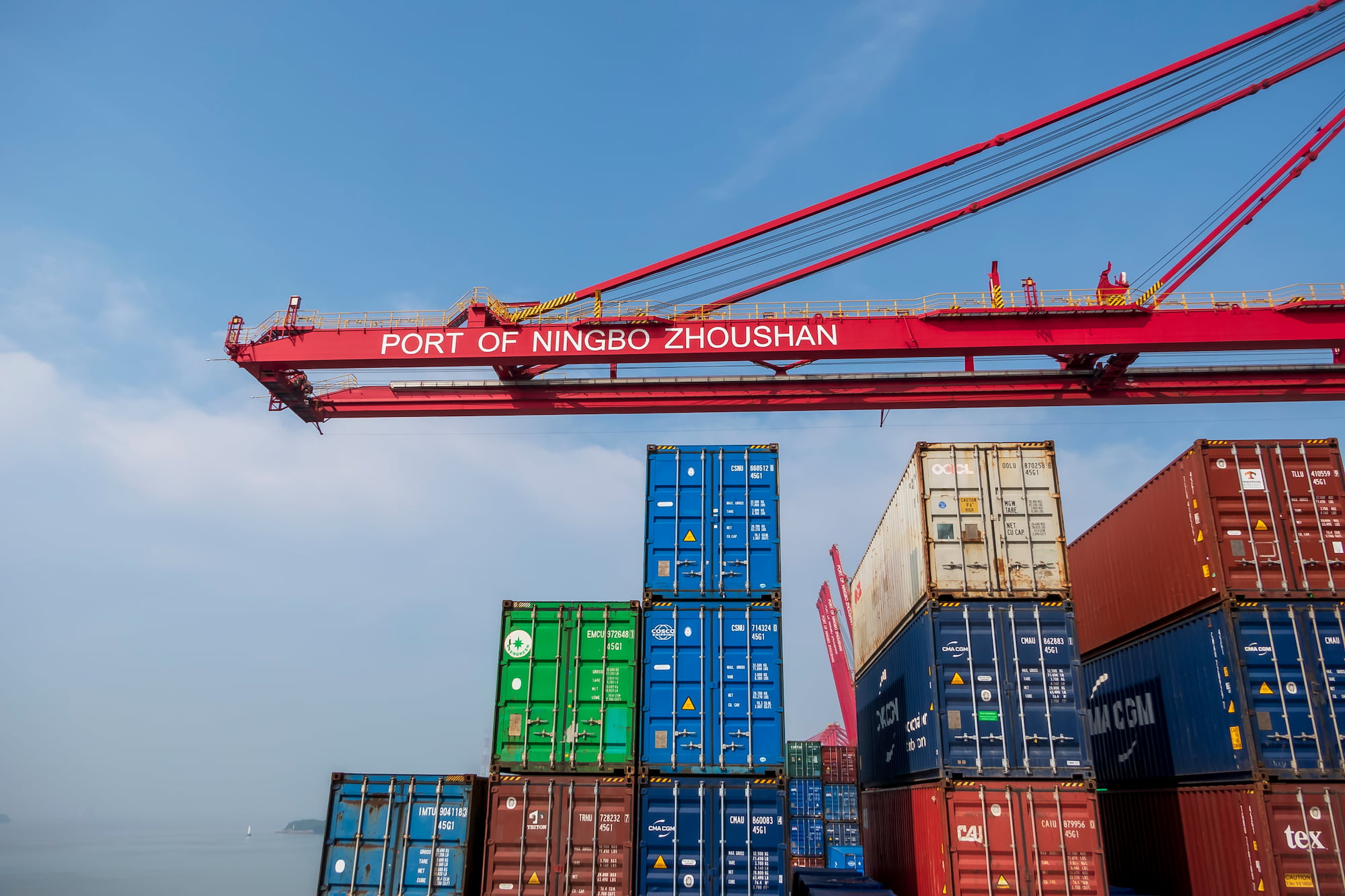
On August 9th, an explosion at Ningbo port halted traffic at the shipping terminal. While a vessel carrying hazardous organic peroxide materials was arriving at Beilun Phase III Terminal, it exploded. The vessel owner has recently reported that the fire is under control, and members on board are safely evacuated. Officials reported no injuries by the blast, but terminal operations are closed until further notice. Ningbo is China’s second largest container port, responsible for more than 100,000 TEUs (twenty-foot equivalents) yearly. In 2023, the port had a volume of 33.35 million TEUs. While the cause of the incident is still under investigation, it may have significant implications for international shipping.
What Does The Explosion At Ningbo Port Mean For Shipping?
Due to the Ningo port’s size, a terminal’s closure may impact many supply chains. The effects could grow with international shipping at the start of the peak season. Peak season is a time of the year when exporters move the most cargo domestically and internationally. A significant consequence of the closure is nearby port congestion resulting from the closed terminal. Port congestion has increased over the past year due to various situations. For example, scenarios like the Iseral-Hamas conflict, the Ukraine-Russia war, and the Baltimore Key bridge collapse grew congestion globally. A typhoon in east China in July 2024 also impacted nearby supply chains.
Another effect of the carrier explosion is that delays in shipments may rise. The delays may not only come from the rerouting of vessels but also from a scarcity of container availability. Trans-Pacific trade lanes moving freight out of Asia may feel most of the impact. Container rates have been rising since the start of 2024 and could continue to surge. Along with the terminal shutdown creating scarcity in available containers, the shipping industry has just entered the peak season. Despite the potential effects, freight analysts believe the situation will not significantly impact the market.
How Can Shippers Prepare?
With the explosion potentially impacting supply chains in international shipping, shippers must be ready. Before deciding to move cargo, exporters must be up to date with any situation that may affect their shipment. Shippers can do this by continuously monitoring news reports for updates. They must prepare for extended delays and deterioration of ocean schedules. Shippers can also prepare by looking for alternative routes or ports to move their cargo. During the Iseral-Hamas conflict, carriers responded to the situation by rerouting through the Cape of Good Hope in South Africa. Another solution is to look for other methods of conveyance, like land or air.
While shipping during disruptions may be daunting, It should not stop you from moving your freight. An ideal way to prepare against any scenario is by getting the assistance of a 3PL (Third Party Logistics) provider. 3PLs offer numerous services for transporting cargo while determining the best course of action for the shipper. They are also with you throughout the shipping process until the goods reach their final destination. Call A1 Worldwide Logistics at 305-440-5156 to speak to a 3PL provider regarding the transport of your cargo. Along with International shipping, we provide solutions like importing, freight forwarding, and more to ensure your supply chain’s success.
by A1 WorldWide Logistics | Jul 18, 2024 | Economic trends, Shipping Logistics, Transportation
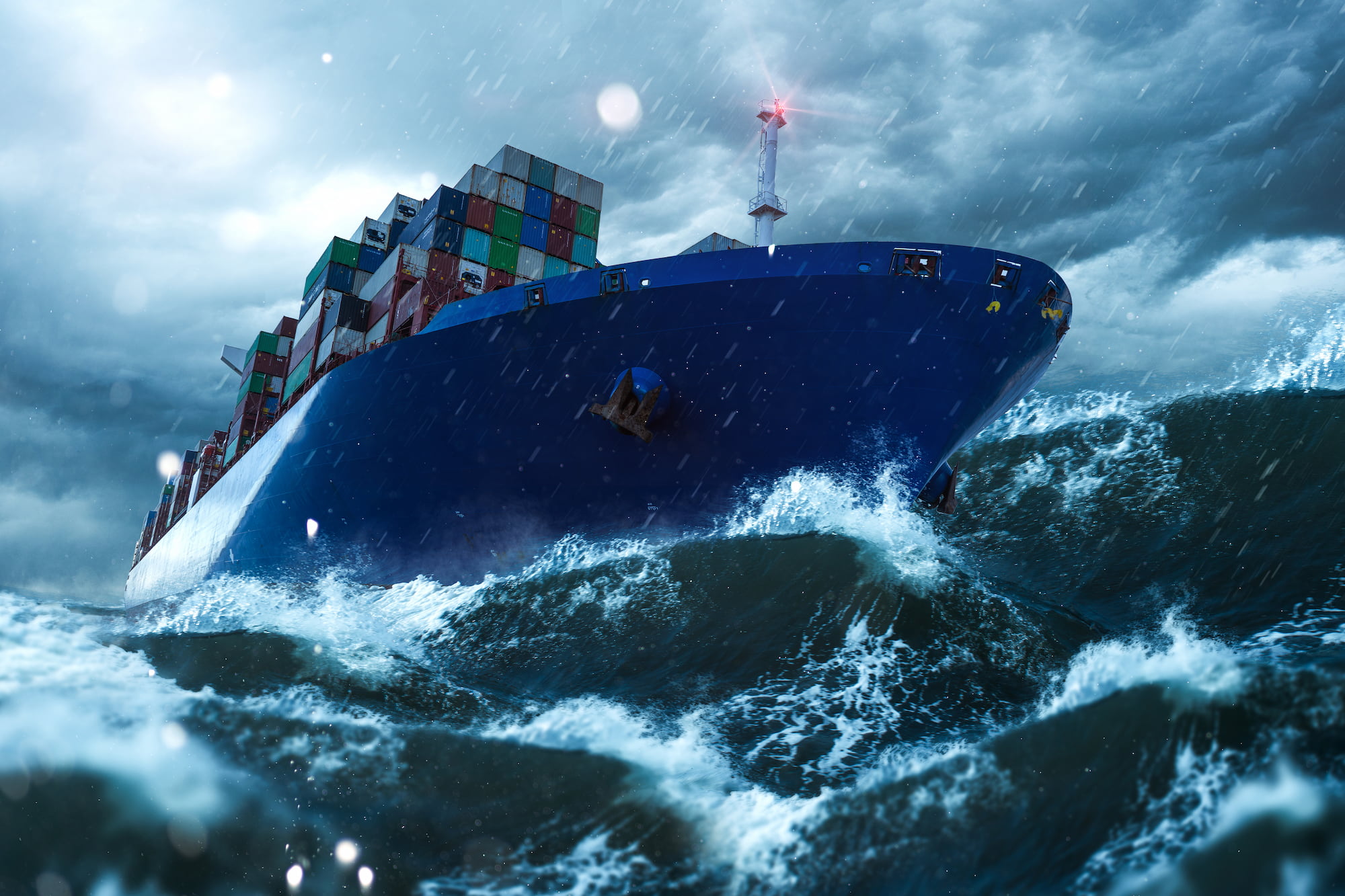
Severe weather over the last week has resulted in harsh shipping around Africa. Containerships are halting their journeys around the Cape of Good Hope due to the current conditions. Vessels are currently seeking shelter from more than 30-foot-high waves and high-speed winds. The storms are due to a cyclone that passed through the region over the last few days. Weather reports indicate another hurricane will pass through South Africa later this week. There are reportedly over 600 containerships currently routing around the location that may feel the impact. The amount of traffic, which is still growing, will directly impact international cargo movement.
Why Has The Cape Of Good Hope Increased Traffic?
Since the beginning of 2024, vessels that pass The Cape of Good Hope have been rising. Compared to the 1,800 ships that passed through the location in December of 2023, that number was 2,728 by February. By May 2024, maritime trade around the region increased by over 125%. The reason for the surge is due to the ongoing Israel-Hamas conflict that has been present over the last year. Nearby Houthi attacks around the Red Sea are causing ships to reroute their directions from the Suez Canal. Since approximately 30% of the world’s container volume passes through the Suez Canal, rerouting sends massive traffic to other locations.
One of the central locations that the ships rerouted to is the Cape of Good Hope. While longer and more costly, this route had more significant perceived safety advantages for shippers. Particularly for shipping between ports in Europe, Asia, and the U.S. East Coast. This was before the extreme weather, which had already taken its toll on vessels passing through. Along with ships having to halt, dozens of containers are falling overboard and damaged by the storms. Transits across the cape have returned on July 10th after a three-day pause from July 7th to July 9th.
What Can Harsh Shipping Around Africa Mean For Shippers?
The high volume of cargo vessels has switched to Africa, which can have significant implications for shippers. A primary concern is that shipping delays will persist. When carriers originating rerouted ships from the Suez Canal, they added an extra 14% days to the journey for some shipments. Having to halt due to a storm can add more delays to the cargo transport. Further congestion from vessel stoppage also adds to transportation time. Adding nearly 3,500 nautical miles on a trip also requires almost $1 million in extra fuel, which may lead to higher costs for the shipper. If the exporter is a business with customers, delays and price increases can look unfavorable to the company.
While the current conditions may seem daunting, they should not stop you from shipping your goods. A shipper should take the necessary steps, however, to prevent any issues like delays from arising. It is essential to be current with any situations that can affect your supply chain and act accordingly. An ideal way to ensure the success of your shipment is by using a freight forwarder. They coordinate the transportation process for the shipper while educating them on the best course of action to take. Reach A1 Worldwide Logistics at 305-440-5156 to speak with a freight forwarder and get assistance moving your cargo internationally.
by A1 WorldWide Logistics | Jun 20, 2024 | 3PL, Economic trends, Shipping Logistics
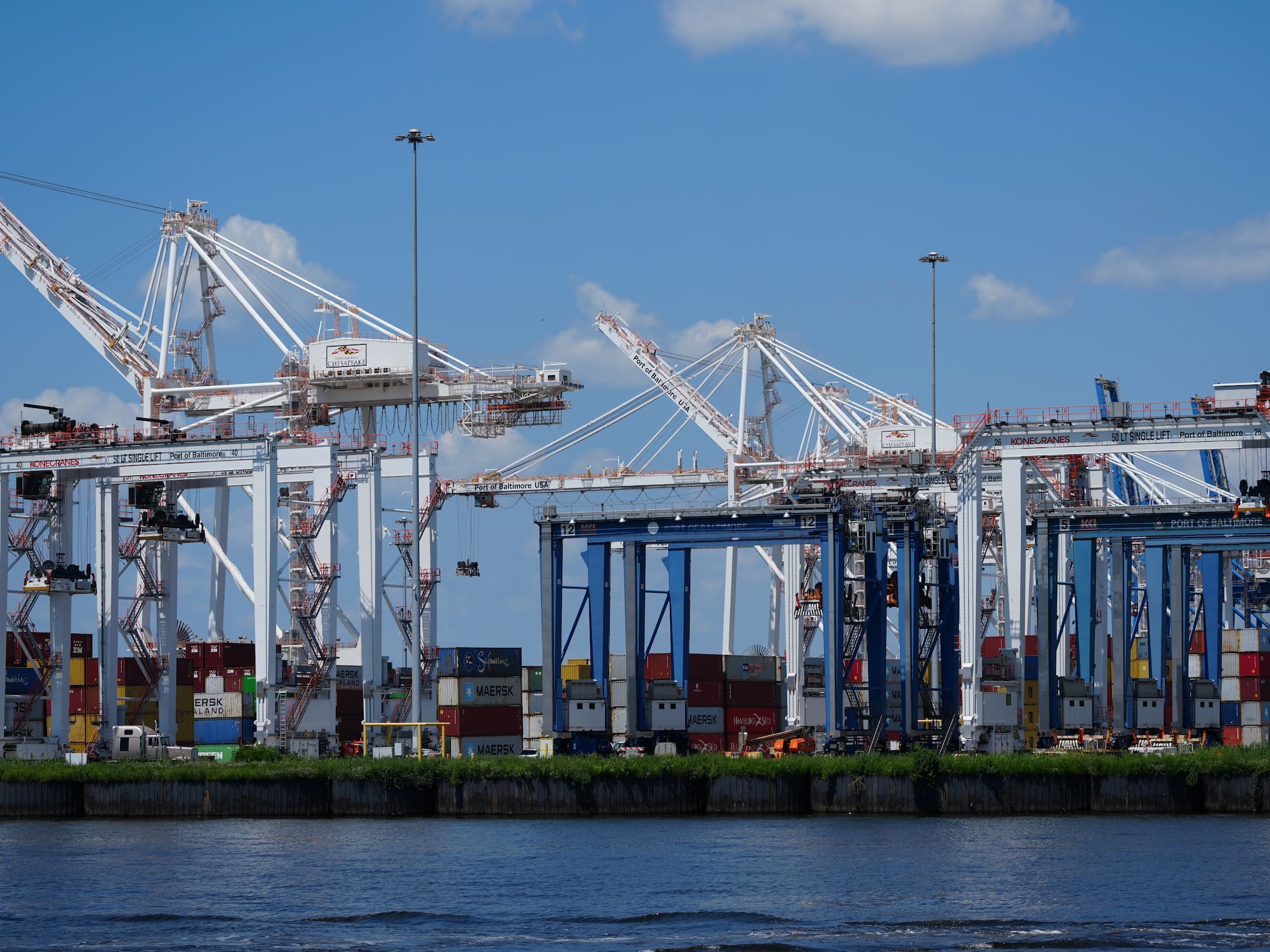
On Wednesday, June 12th, the Port of Baltimore reopened after nearly three months of working at limited capacity. A containership struck the Francis Scott Key Bridge on March 26th, collapsing into the Patapsco River. The bridge collapse resulted in the deaths of six workers and cut off vessel access to the port. Port officials responded by opening temporary alternative channels only for essential vessels and direct responders. Traffic in and out of the main channel was put on halt. The closure of the port led to logistics disruptions for many supply chains. Eleven weeks after the accident, the Fort McHenry channel is now back in regular operations.
How Did The Closing of The Port Affect Shipping?
The Port of Baltimore is known in international shipping as the busiest port in the U.S. in terms of vehicle imports. Along with automobiles, the port is famous for handling sugar, gypsum, construction machinery, and other commodities. Importers and exporters immediately began rerouting their cargo to nearby ports, causing bottlenecks in supply chains. Redirecting shipments also increased delivery time, which was unfavorable for shippers who had to move goods promptly. Congestion in the nearby ports like Savannah, Charleston, and Norfolk also increased due to the traffic moving their way. Some importers have also switched their shipments to West Coast ports, which has posed logistics challenges.
Domestic shipping was also affected by the collapse, with the port being a significant location for RoRo (Roll-On/Roll-Off) operations. Before the accident, approximately 3600 trucks crossed the Francis Scott Key Bridge daily, nearly 1.3 million yearly. Land congestion grew, with the area around the bridge being a significant trade region. This created delays for domestic shipping as well. Along with the cargo movement, the halting of operations also affected the regional economy. Thousands of longshoremen and small businesses have felt the impact of the port closure and bridge collapse. With the port opening up, longshore workers will return to their jobs as operations pick up.
Are Shippers Returning With The Port Of Baltimore Reopened?
When the Baltimore port closed, many regular shippers sought alternative seaports to import their cargo. The monthly general cargo went from almost one million tons in January 2024 to 1,822 tons in April. No importers have reported plans to modify their supply long-term from the closure. The rerouting was more of a short-term plan until operations returned to normal. Shippers that used the Port of Baltimore did so due to its many advantages. Along with its capability to handle numerous cargo types, it’s one of the closest East Coast seaports to Midwestern markets. Traffic has already started to pick up with vessels returning to the port.
Shippers should be aware of many considerations when beginning to move goods internationally. Situations like port closures and other scenarios can deter the shipping process and be unfavorable for the shipper. An ideal way to prepare against any scenario is by getting the assistance of a 3PL (Third Party Logistics) provider. 3PLs offer numerous services for transporting cargo while determining the best course of action for the shipper. Contact A1 Worldwide Logistics at 305-425-9456 or info@a1wwl.com to get started on your shipping journey. Whether it’s the Port of Baltimore or any other port, we help import and export your shipment anywhere globally.

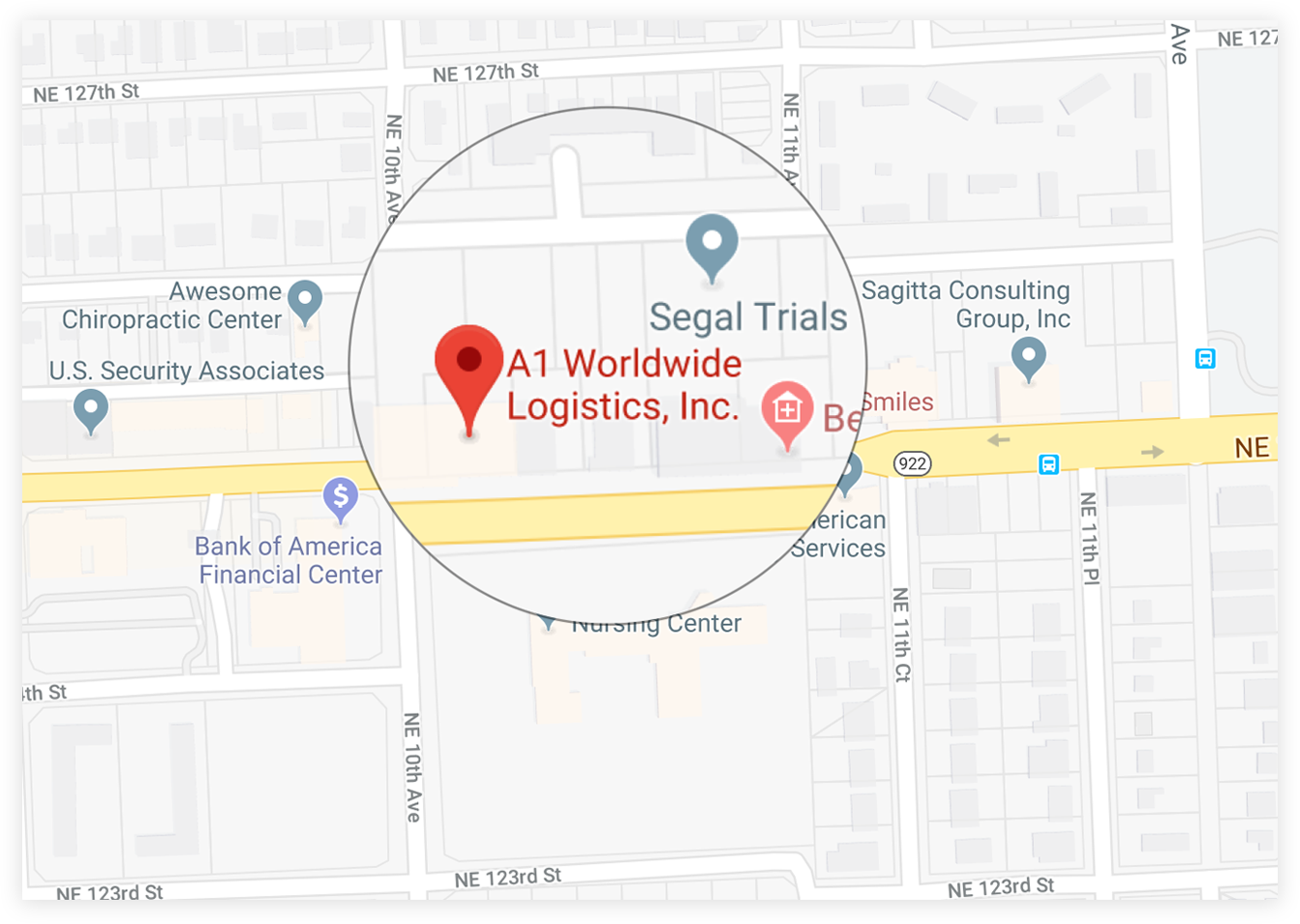
 1035 NE 125th St Suite #320, North Miami, FL 33161.
 a1worldwidelogistics.com
 (305) 821-8995
 Hours: 8AM - 5PM