
by A1 WorldWide Logistics | Jan 30, 2026 | Customs Broker, Customs Clearance, Importing
When importing into the US, there are several considerations a shipper should keep in mind when using a customs brokerage. A customs broker is a company or private individual that coordinates the release of goods from customs. In the US, they ensure compliance with CBP (Customs and Border Protection) regulations. Despite the convenience of using a broker, delays can still occur, disrupting the shipping process. Finding a good customs broker can help lessen the impact of disruptions. This article explains common mistakes in the importation process and how to find a broker who can mitigate them.
What Can Go Wrong When Using A Custom Brokerage?
One of the most common issues when using a customs brokerage to import into the US is compliance risks. Trade regulations are constantly changing, and the importer must comply to avoid holdups. Some examples include licensing requirements and, more recently, tariffs. An importer who overlooks regulatory changes may violate US trade laws and face fines and other consequences. Relying on an underqualified broker for customs clearance increases the risk of regulatory noncompliance. Brokers who struggle to communicate between importers and Customs authorities also pose a challenge.
Another common issue when using a customs broker is the incorrect classification of goods. Customs brokers are responsible for assigning Harmonized System (HS) codes. An HS code is a number that customs use to classify cargo for tariff payments. The purpose of these codes is to determine duties and regulatory requirements. Misclassifying cargo can lead to incorrect duty payments, triggering fines and audits. The importer must provide proper cargo descriptions to the broker to prevent this.
What to Look For When Deciding on a Customs Brokerage?
There are several factors a shipper should consider when selecting a customs brokerage. Major considerations include knowledge and experience. A broker should understand how to import a wide range of goods across different industries. Having credibility and the appropriate licensing can help in showing knowledge. Another critical factor is accessibility. Given the urgency of importing, constant direct communication with the broker is essential. Whether via phone or email, limited accessibility can disrupt the shipping process. Being technologically savvy is also necessary, given technology’s role in coordinating the customs clearance process. Brokers who have and understand various software can reduce costs and increase efficiency.
A1 Worldwide Logistics
Finding a reliable customs brokerage to clear your imports may not be simple, but it is essential to successful importation. Failure to find a suitable broker may disrupt the importation process, resulting in financial losses. A1 Worldwide Logistics understands this and has brokers ready to ensure a successful importation into the US. We offer customs brokerage and other services for importing into the US. Some solutions include calculating duties, providing documentation, filing entries, and more. Reach us at 305-423-9456 or info@a1wwl.com to speak with our brokers about clearing your shipment, regardless of the country.
by A1 WorldWide Logistics | Dec 11, 2025 | Economic trends, Importing, Shipping Logistics
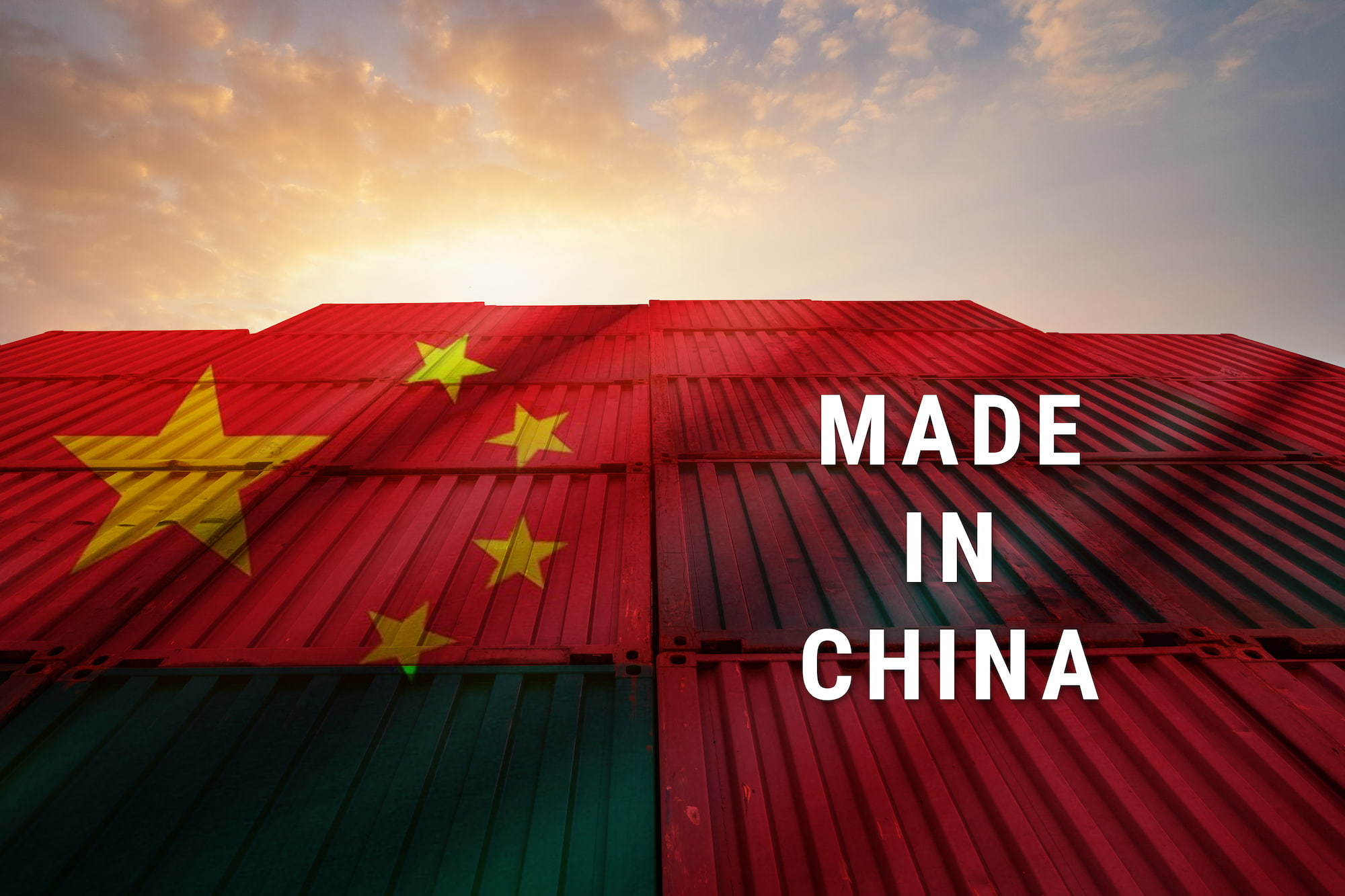
China hit a $1 trillion trade surplus for the first time on December 8. Over the last 11 months of 2025, China’s surplus reached $1.08 trillion, beating 2024’s $992 billion amount. A trade surplus is the value of how much a country exports that exceeds its imports. In 2025, China’s exports rose to nearly $3.4 trillion while its imports declined to $2.3 trillion. Exports from China rose almost 5.9% year-over-year in November alone, while imports grew about 1.9%. The $1 trillion figure is also significant, given the ongoing trade war between China and the US. With China exporting less cargo to the US, the resulting surplus could significantly impact international shipping.
How Did China Hit A $1 Trillion Trade Surplus?
When President Trump returned to office, the trade war between the US and China escalated. Tariffs imposed by both countries soon rose above 100% until they reached a trade deal. The surplus stems from the actions China took following Trump’s 2024 election victory. Soon after the election, as Trump began imposing tariffs, China started diversifying its exports away from the US. Exports from China shifted to the European Union, Latin America, Africa, Southeast Asia, and other regions. To guard against US tariffs, Chinese companies also established new manufacturing hubs in countries outside China. Many of these hubs manufactured high-tech goods, such as electronics and semiconductors, which contributed to China’s export surge.
Other exports, such as electric vehicles, to countries like Germany and Japan also contributed to the surge. As exports to other countries increased, shipments to China’s largest trading partner, the US, declined. In November, exports to the US fell nearly 28.6%, marking the eighth consecutive month of double-digit declines. Many of the goods Chinese exporters imported into the US were shipped by manufacturers outside China. Another cause of the surplus is that the Chinese yuan is cheaper than that of many trading partners. In turn, this makes Chinese products more affordable to produce and more attractive for customers in other countries.
What Can This Mean For International Shipping?
As China continues to grow as the world’s largest exporter, the effects could soon be felt on international shipping. As the country becomes more attractive to global importers, it could exert greater influence on global pricing and product availability. There is also concern that China’s export surge could exacerbate trade tensions between the US and other countries. Countries that import from China may begin imposing their own tariffs and trade restrictions on Chinese goods. For shippers, this can mean rising import costs, which could be passed on to various parts of the supply chain, including domestic shipping and customers. Many economists also believe that China’s firm reliance on exports could be unsustainable in the long run.
As the international shipping industry continues to evolve, it can be both positive and negative for shippers. Importers unfamiliar with regulations or the shipping process may experience disruptions, including delays. To prevent disruptions, it is advisable to consult a customs broker when starting. Customs brokers are licensed professionals, like individuals or corporations, who facilitate the importation of cargo through a country’s borders. In the US, brokers ensure compliance with CBP (Customs and Border Protection) by offering a range of solutions for shippers. Some of these services include calculating duties, providing documentation, filing entries, offering consultations, and more. Contact our brokers at info@a1wwl.com or 305-425-9456 to ensure a successful importation process.
by A1 WorldWide Logistics | Sep 11, 2025 | Economic trends, Importing, Tariffs
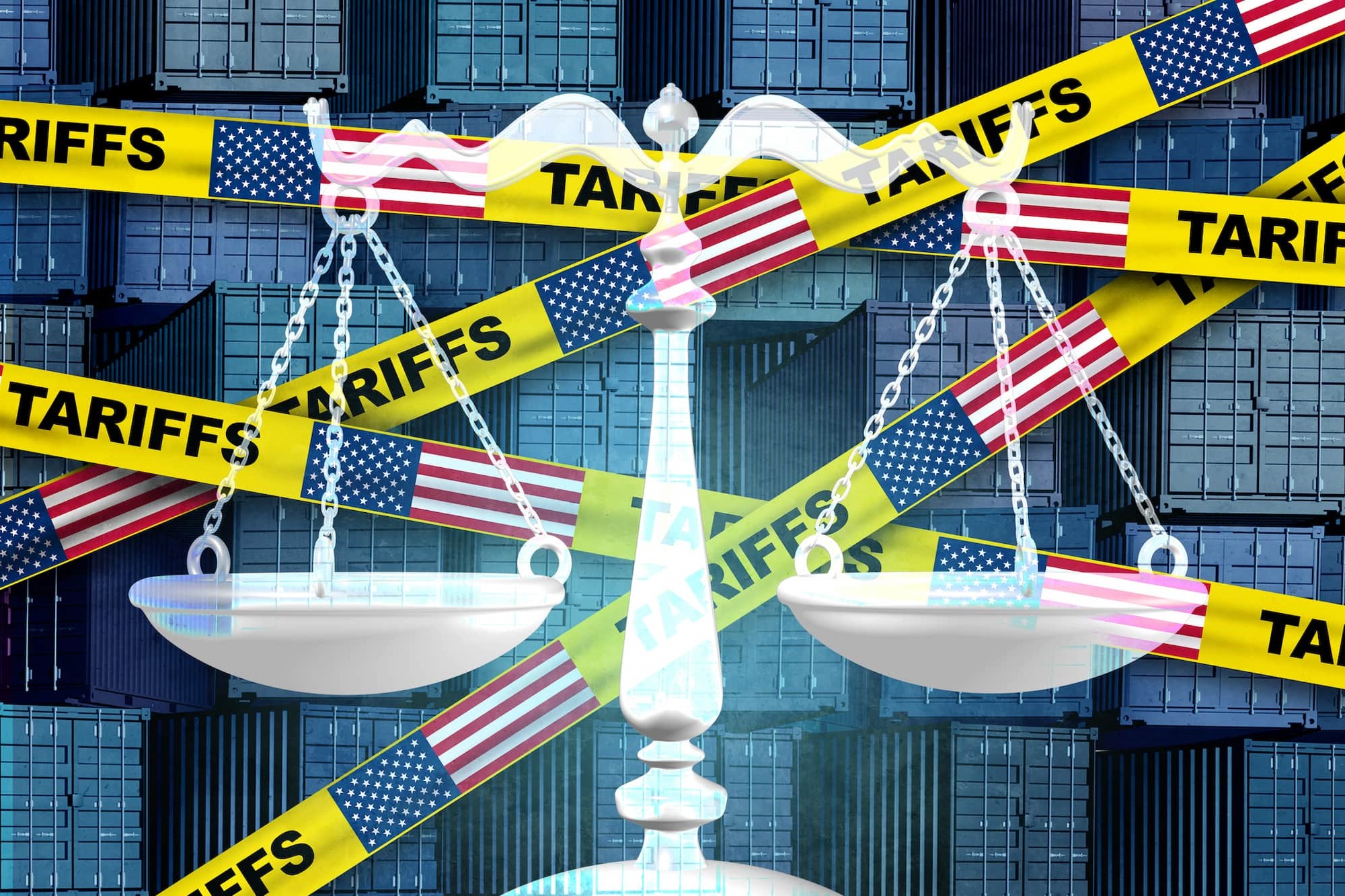
The Supreme Court will hear Trump’s tariff case after an announcement on Tuesday, September 9. In an order released by the court, it was announced that it will review two consolidated cases – Learning Resources v. Trump and Trump v. V.O.S Selections. In Learning Resources v. Trump, two small businesses are challenging Trump’s tariffs imposed under the IEEPA as illegal. The belief is that the president cannot impose broad tariffs without definite congressional approval. In Trump V. V.O.S. Selections, the Trump Administration is asking for a review of a ruling striking down the tariffs. The judges agreed to decide on the case in an expedited timeline, with oral arguments starting in November.
The Supreme Court’s expedited schedule will include:
- Opening briefs due on September 19, 2025.
- Amicus briefs due on September 23, 2025.
- Response briefs due on October 20, 2025
- Amicus briefs in support due on October 24, 2025.
- Reply briefs due on October 20, 2025.
- Oral arguments starting in the first week of November 2025.
Along with the “reciprocal tariffs”, the case will also be for the levies Trump placed on some imports from China, Mexico, and Canada. The tariffs will remain in effect as the case begins.
Why The Supreme Court Will Hear Trump’s Tariff Case In An Expedited Timeline?
The Supreme Court is expediting Trump’s case due to the high stakes involved. If the court rules that the tariffs are illegal, the US government could be required to refund importers billions. In the opposing argument, Trump has collected tens of billions from imports since February, and the Congressional Budget Office forecasts that the tariff could reduce the budget deficit by $4 trillion in the next decade. Economists believe the tariffs will raise costs for importers and customers and create economic instability. Another reason for the expedited process is the question of presidential power that the case raises. The main ruling in the appeals court was that the president did not have unlimited authority to impose tariffs. In the 7-4 decision, the opposing argument was that the ruling reduced presidential emergency powers.
How Will The Case Affect Impact Shipping?
Given the volume of cargo that comes into the US internationally, the case could significantly impact shippers. If the Supreme Court strikes down the tariffs, Shippers could get back the money they lost from the levies. Importing may also be cheaper, leading to more goods entering the US. If the Supreme Court decides to overturn the appeals court’s ruling, the cost of importing could continue to increase. As a result, the increasing cost will be felt in other parts of the supply chain, like domestic shipping. Overturning may also expand presidential powers and may allow for unilateral tariff enforcement by the president.
When shipping cargo internationally, various situations, such as tariffs, can impact the shipper. Regardless of the problem, you must protect your shipment during importation. When bringing goods into the US, an ideal way to prepare is by contacting a customs broker. Brokers are licensed individuals or corporations who arrange the customs clearance process on behalf of the importer. In the US, they act as intermediaries between shippers and CBP (Customs and Border Protection). They ensure customs clearance by providing paperwork, calculating duties, ensuring regulatory compliance, and more. Contact A1 Worldwide Logistics at info@a1wwl.com or 305-425-9456 to speak to a broker regarding your shipment’s success.

by A1 WorldWide Logistics | Jun 19, 2025 | Importing, Shipping Logistics, Supply Chain
Due to the limited shelf life, a shipper should be aware of common mistakes when importing perishables. Perishable cargo refers to any item that can spoil, deteriorate, or lose quality if not shipped under proper conditions. Some examples include fresh produce, such as fruits and vegetables, meat, dairy products, bakery items, and frozen items. Along with foods, it can also include pharmaceuticals, chemicals, cosmetics, and flowers. Due to the cargo type, they must be stored, handled, and transported with temperature and time sensitivity in mind. Along with importing, this can also include domestic shipping. This article will explain the top mistakes shippers face when importing perishables and how to prevent them from occurring.
What Are Common Mistakes Made By Shippers That Import Perishables?
As previously mentioned, the shipper must handle perishables properly throughout the entire shipping process. One of the biggest mistakes importers make is not having proper cold chain management. From the start of the journey to the final delivery, it is crucial that the cargo remains at a continuous, suitable temperature. Even brief periods away from the optimal temperature can result in spoilage or contamination. Spoilage can be particularly detrimental if the importer is a business with a large customer base. Not only can it lead to monetary loss, but it also looks bad on the importer. Another common mistake shippers face when importing perishables is failing to understand its time-sensitive nature.
Perishables are goods that have a limited and specified shelf life, depending on the item. After the date passes, they become unsuitable for consumption or use. Importers tend to underestimate transit time by choosing cheaper routes, which can extend the importation time. The extension can come from port congestion, leading to delays. In turn, the delays can reduce the shelf life and make the product unusable. Another common mistake shippers can face when importing perishables is having incorrect documentation. Due to the nature of this cargo type, specific documents may be required, such as import permits, health certificates, and FDA prior notices. Failure to provide them can result in fines, customs delays, and even the confiscation of the shipment.
How To Prevent These Mistakes When Importing Perishables?
With the various ways that mistakes can negatively impact perishable imports, there are methods to prevent them from occurring. To ensure proper temperature control throughout the journey, the shipper should use trusted carriers that specialize in this cargo type. Using reefer containers with temperature monitoring devices is also essential in preventing spoilage. Shippers must also be aware of the shelf life of their cargo and plan their supply chains accordingly. The importation routes should be speedy, reliable, and factor in wait time for customs clearance. Along with understanding the regulations and paperwork for importing specific perishable the shipper munt ensure that the packaging is correct.
When importing perishables into the US, shippers must understand what can go wrong to mitigate potential problems. Failing to prepare correctly can lead to significant disruptions in the supply chain. Another way to avoid making mistakes when importing perishables is to consult a customs broker. Brokers act as intermediaries between the importer and the customs of the country to which they are importing. In the US, it’s CBP (Customs and Border Protection), and brokers help with clearing goods from customs. They achieve this by offering solutions such as filing entries, calculating duties, and providing paperwork, among others. Contact A1 Worldwide Logistics at 305-425-9752 or info@a1wwl.com to speak with a broker about the success of your shipment.

by A1 WorldWide Logistics | Jun 12, 2025 | Economic trends, Shipping Logistics, Tariffs
On May 26, the Trump Administration revealed that Trump is delaying EU tariffs until July 9. Initially, the implementation of a 50% tariff on EU (European Union) imports was set to start at the beginning of June. A phone call between Trump and European Commission President Ursula von der Leyen resulted in the new deadline. Previously, Trump planned to impose 20% levies on EU imports, but then he paused it for 90 days in April. The president then halved it to 10% while also threatening a 200% tariff on wine and other EU alcohol imports. These were scraped with Trump then announcing a 50% tariff on EU goods. With the tariffs still in place for July, this could have a significant impact on international shipping.
Why Is Trump Delaying EU Tariffs?
Trump is delaying tariffs on the EU after Ursula von der Leyen requested extra time for negotiations following a phone call. The time is to create a trade agreement that will prevent a significant escalation in transatlantic trade tensions. Trump initially proposed a 50% tariff on the EU due to longstanding grievances like unfair trade practices. In particular, he highlighted a trade deficit of $235.57 billion between the US and the EU in 2024. Trump recently stated, “They charge the U.S. tax, and we will charge them the exact tax and tariff.” The EU has been planning its countermeasure to the US’s duties, including targeting US imports worth approximately $107 billion.
Along with addressing unfair trade practices, Trump’s proposed 50% tariff is to combat the EU’s non-trade barriers. An example is the EU’s VAT (Value-Added Tax), which Trump believes is a disadvantage to US exporters. VAT is a consumption tax on goods and services in the EU. Trump notes that it is more punitive than a tariff and a non-tariff barrier. Other non-trade barriers include the EU’s stringent food safety regulations and subsidies for EU agricultural products. Another goal behind Trump’s imposing tariffs on the EU and other countries is to bring manufacturing back to the US. In turn, this will stimulate the economy by creating jobs and also stop the inflow of drugs to the US.
What Can The Tariffs Mean For Shipping?
The EU and the US are some of the largest trade partners globally in terms of volume. Due to the amount of imports and exports, a 50% tariff would have had a significant impact on international shipping. The postponement of the tariffs could lead to increased imports from the EU. If no agreement is in place by June 9, this may lead to higher importation costs. The costs would impact other parts of supply chains, including domestic shipping for picking up cargo from ports. Shippers may begin looking for countries outside the EU to bring in goods or bring production back to the US.
Importing cargo into the US during a time of tariff increases can be demanding for shippers. Although tariffs should not stop you from importing, the shipper should take the proper steps to protect their cargo. Failure to prepare correctly can result in monetary loss, delays, and loss of cargo. A great way to start is by contacting a customs brokerage, such as A1 Worldwide Logistics. Customs brokers coordinate the clearance of cargo entering the US. They do this by offering various solutions, such as providing documentation, calculating duties, filing entries, and more. Speak to our brokers at info@a1wwl.com or 305-425-9752 for assistance with the importation process.

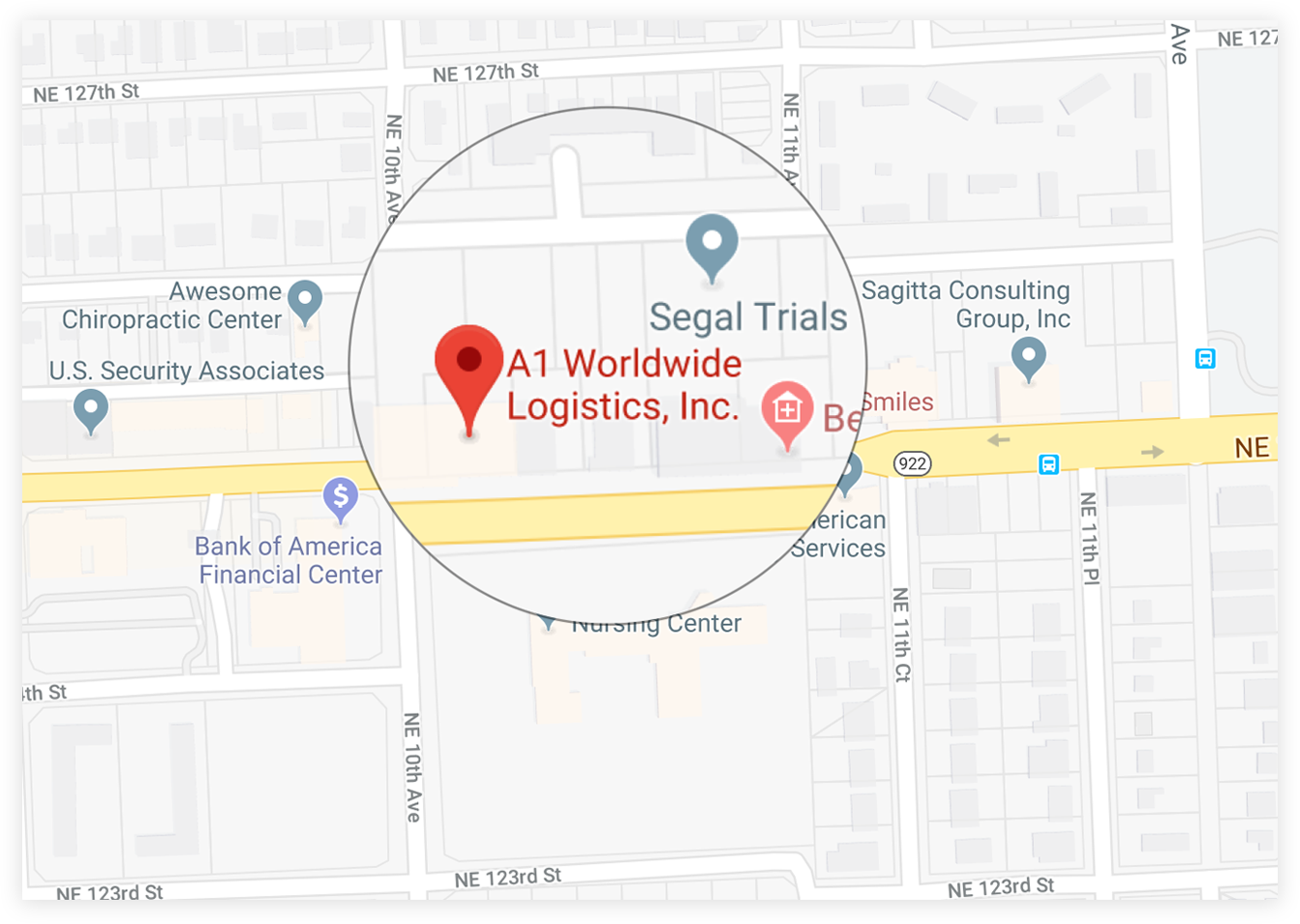
 1035 NE 125th St Suite #320, North Miami, FL 33161.
 a1worldwidelogistics.com
 (305) 821-8995
 Hours: 8AM - 5PM