by A1 WorldWide Logistics | Apr 10, 2025 | Economic trends, Importing, Shipping Logistics
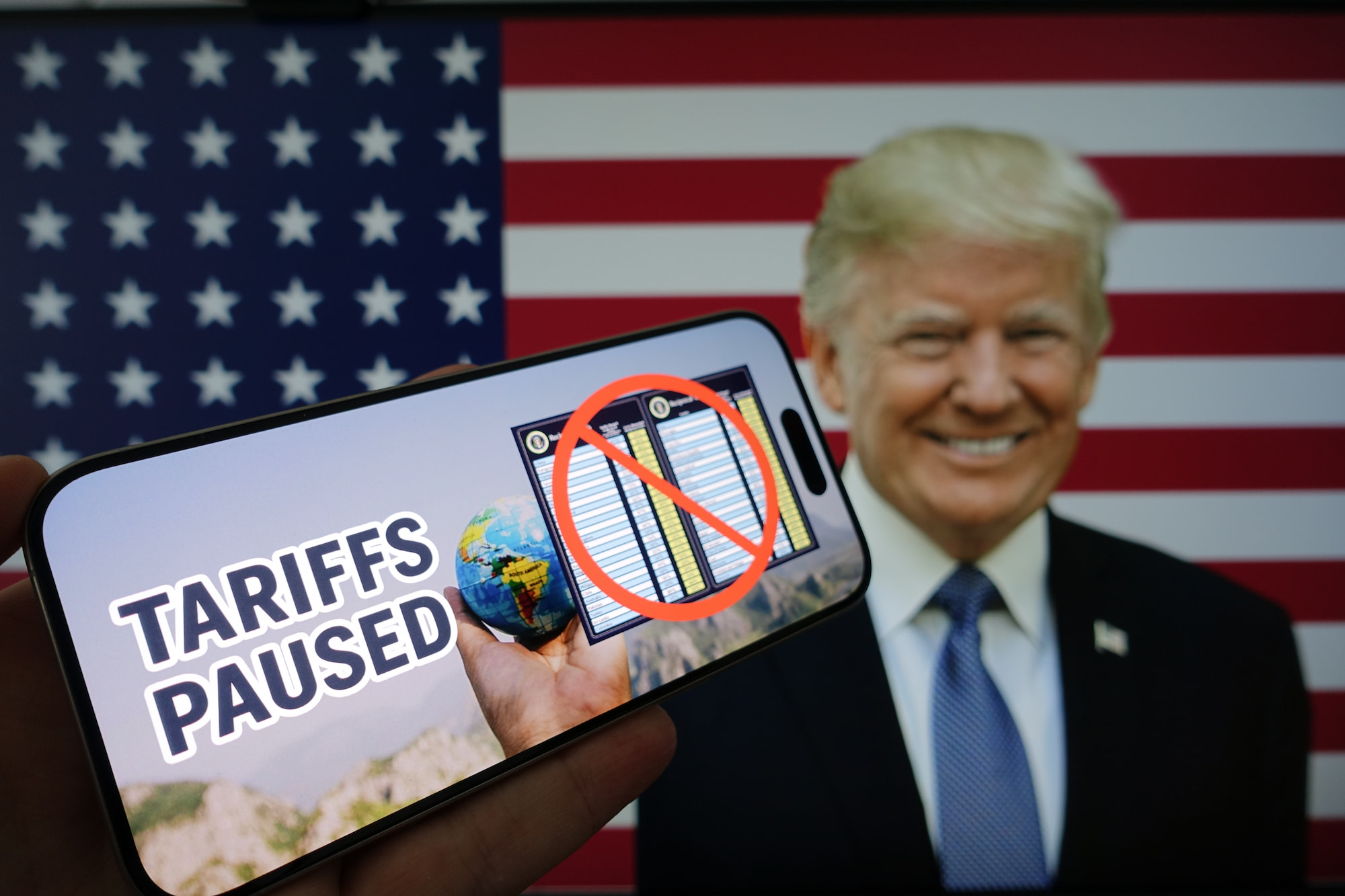
A global market meltdown has resulted in President Trump pausing reciprocal tariffs for 90 days. Country-specific levies against U.S. trade partners that began on April 9th will temporarily halt as countries reach out to negotiate. More than 75 countries, including Japan, Vietnam, South Korea, and India, have contacted the U.S. to strike new trade deals. This differs from the 10% baseline tariff that Trump imposed on April 5th, which will still be in place. Spector-specific tariffs like a 25% tax on steel, aluminum, and auto parts are still in effect. As the trade war continues, pauses and increases in tariffs will significantly impact international shipping.
China Still Being Hit Harder
Despite Trump pausing tariffs for most U.S. trade partners, he continues raising levies on Chinese Imports. On April 9th, Trump announced that he would increase a 104% tariff on China to 125%. In a social media post, Trump wrote, “Based on the lack of respect that China has shown to the World’s Markets, I am raising the Tariff charged to China by the U.S. to 125%, effective immediately.” The hike is part of a back-and-forth between the two countries, starting with a 10% tariff on Chinese imports. China responded with a 10% to 15% tax on specific U.S. goods, causing the U.S. to retaliate with higher tariffs.
As tensions escalated, so did the tariff hikes, leading to the current 125% tariff. The goal behind the levies on Chinese imports is to address unfair imbalances and trading practices between the countries. Trump plans to “level the field” by reducing the trade deficit with the U.S.’s largest trading partners. Another goal behind the tariffs is to bring manufacturing and Jobs back to the U.S. to strengthen the economy. Economists believe the back-and-forth will have the opposite effect and hurt the economy by creating inflation. On a larger scale, this will significantly impact international trade, with China and the U.S. being the biggest exporters globally.
What Can Shippers Expect With Trump Pausing Reciprocal Tariffs?
The main reaction to Trump pausing the levies was a temporary relief for shippers and companies shipping cargo internationally. A possible stop in cargo movement from the tariffs would have halted the U.S. economy, possibly leading to a recession. Despite the pause easing shipping fears, it does not eliminate them, especially with other tariffs still in place. The most significant impact will be higher shipping costs, affecting the entire supply chain, including the customer. While Trump believes domestic shipping will benefit from the tariffs, some think it will hurt it. Less imports could mean less business for truckers that receive shipments from ports and move them to the final destination.
While country-specific tariffs will pause, the international shipping industry is still in a trade war that could potentially escalate. Shippers must be ready to navigate any disruptions that could affect their shipments. An ideal way to prepare for importation to the U.S. is by speaking to a customs broker. Brokers are individuals or companies that coordinate customs clearance on behalf of the shipper. They offer various services like documentation, filing entries, paying duties, etc. Brokers also educate the shipper on the best action to protect their shipment. Reach A1 Worldwide Logistics at info@a1wwl.com or 305-440-5156 to talk to a broker regarding shipping your cargo internationally.
by A1 WorldWide Logistics | Feb 27, 2025 | Economic trends, Importing, Shipping Logistics
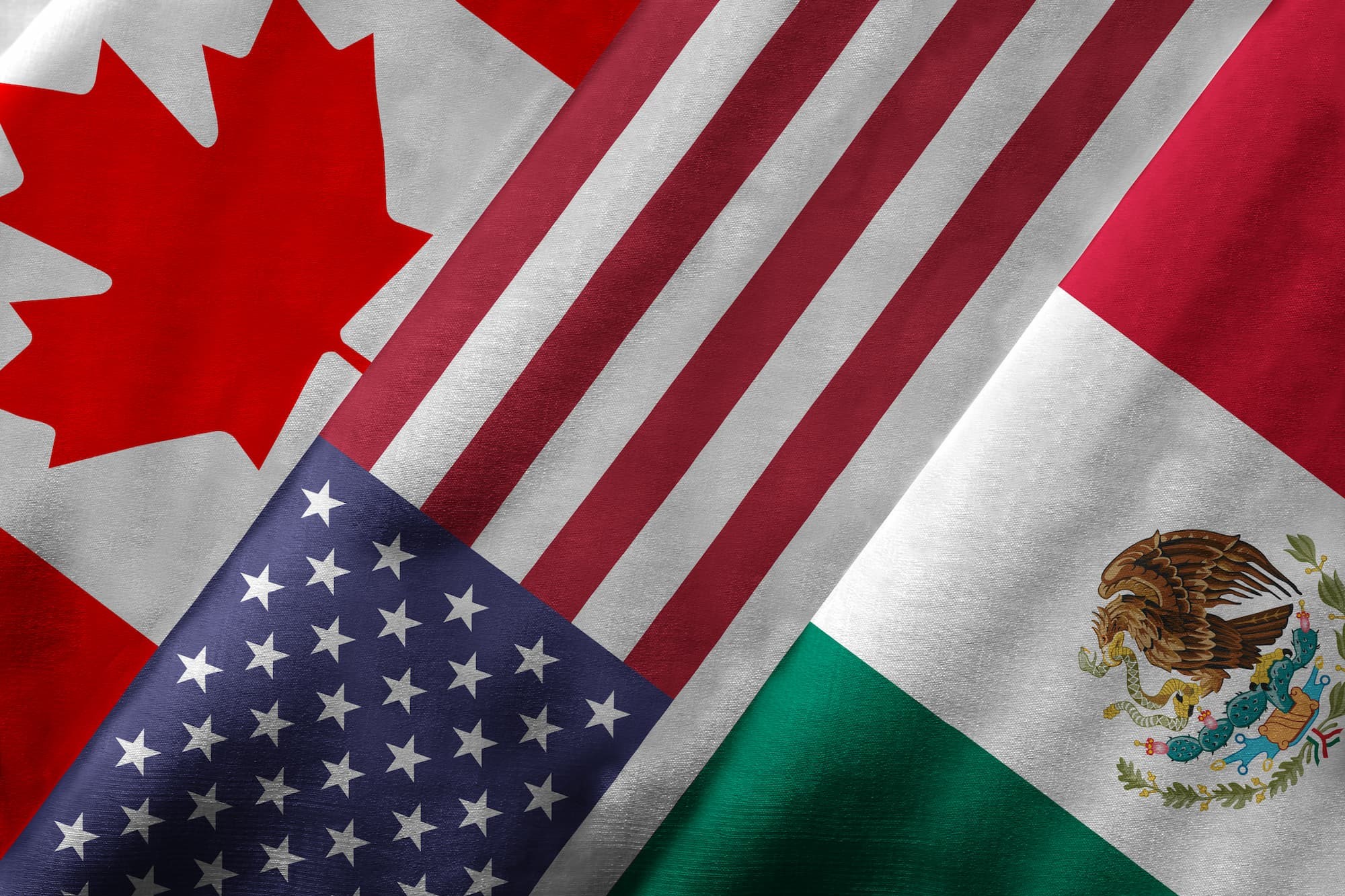
After a postponement in January, President Trump made an announcement regarding the Canada and Mexico tariffs starting next month. On February 24th, Trump said the tariffs “will go forward” and begin on March 4th. Most imports from Canada and Mexico into the U.S. will see a 25% tax hike. Energy product imports from Canada will see a reduced 10% rate. Initially, the tariffs were going to begin in February. However, agreements to enhance border security postponed the enforcement date. Imports from China have already felt a 10% tariff hike. With Canada and Mexico being the most significant trade partners of the U.S., the tariffs will directly impact international shipping.
Why Is Trump Imposing Tariffs?
The goal behind the tariffs is to address illegal immigration and drug importation into the U.S. Trump noted, “Thousands of people are pouring through Mexico and Canada, bringing crime and drugs at levels never seen before.” The majority of illegal fentanyl imports to the U.S. also come from China. Illegal immigration from Mexico was initially the reason for the postponement, to strengthen borders. Another purpose behind the tariffs is to bring manufacturing and business back to the U.S. As companies begin operating in the U.S., they believe it will stimulate the economy and create jobs. Importers and companies have a separate belief that this will hurt the economy and cause inflation.
When President Trump announced the tariffs, Canada and Mexico strongly opposed the enforcement. While the U.S. agreed to delay the tariffs, there are plans for retaliatory measures if the hikes occur. Mexico may enforce possible duties on produce, cheese, aluminum, and steel from 5% to 20%. Canada Prime Minister Justin Trudeau announced potential tariffs of 25% on up to $115 billion in U.S. imports. Trudeau noted, “We didn’t ask for this, but we will not back down.” Despite a more recent announcement by Trump regarding a longer extension to April, the White House announced that the tariffs will start next week. Trump also recently imposed a 25% tariff on steel and aluminum imports and plans to enforce reciprocal tariffs soon.
What Can Shippers Expect With Canada and Mexico Tariff Starting?
China, Mexico, and Canada are the U.S.’s biggest trading partners responsible for most imports. The 25% tariffs on the countries will significantly affect countless supply chains by raising shipping costs and leading to disruptions. Another fear is that the hikes could lead to a trade war, with the countries adding tariff hikes. U.S. Importers may begin bringing goods from other countries to avoid higher prices. Tariff hikes could positively impact domestic shipping if manufacturing returns to the U.S. due to a greater trucking demand.
When shipping cargo internationally, a shipper should be ready for anything impacting their shipment’s success. Along with monetary loss, disruptions can lead to loss of cargo, which can negatively impact a business’s relationship with customers. When bringing goods into the U.S., speaking to a customs broker is an ideal way to prepare. Brokers are licensed professionals who facilitate the clearance of imports across the country’s borders. They do this by handling documents, calculating duties, filing entries, and more. In the U.S., brokers ensure compliance with the CBP (Customs and Border Protection). Contact A1 Worldwide Logistics at info@a1wwl.com or 305-425-4956 to talk to a broker regarding importing into the U.S.
by A1 WorldWide Logistics | Oct 10, 2024 | Customs Broker, Importing, Supply Chain
Recent noncompliance has the CBP enforcing cargo descriptions more strictly. The CBP (U.S. Customs Borders and Protection) is an agency in charge of facilitating lawful international trade in the U.S. One of its responsibilities is managing the flow of goods coming in and out of U.S. borders. Recently, the CBP has become more stringent in how shippers describe the merchandise they are importing. On April 1st, CBP announced implementing cargo messages for vague, noncompliant cargo descriptions for entry filings.
In particular, the CBP notes in the message, “Carriers and other parties electing to file electronic cargo information data to CBP are required to provide a precise description of the cargo.” More recently, the CBP released a list of acceptable and unacceptable import cargo descriptions. The list is on the CBP webpage and will continue to expand as they add more descriptions.
Why is the CHB Enforcing Cargo Descriptions?
The CBP has become stricter on cargo descriptions to ensure precision when describing the cargo. This helps identify the cargo’s physical characteristics like shape, size, and packaging. Proper descriptions ensure compliance with CBP regulations and create a smoother customs clearance process. It also helps find the freight’s correct HTS (harmonized Tariff Schedule) code. The HTS code is a 10-digit number that identifies and classifies goods that importers bring into the U.S. Customs use it to determine the duties and fees associated with the import. Correct descriptions also prevent illegal goods from entering the U.S.
Consequences Of Not Having The Correct Cargo Description
Due to the CBP’s strict nature of monitoring imports and exports, incorrect cargo descriptions have various consequences. Unacceptable or “vague” cargo descriptions can result in the CBP rejecting the submission and pausing shipment movement. If customs hold the shipment, it can result in delays in the supply chain. Delays may look unfavorable for importers that have customers expecting a product. Other consequences include fines, cargo seizures, and, in some cases, criminal penalties.
Unacceptable VS Unacceptable Descriptions
Some of the examples of acceptable vs unacceptable descriptions that the CBP mentions in the list include:
- Just brand names themselves are unacceptable. An example of an acceptable description is “Bubbles Brand” Laundry detergent.
- The word “Appliances” by itself is unacceptable. Describing the appliances like stoves, ovens, or coffee machines is acceptable.
- “Auto Parts” is an unacceptable description. The importer must describe the actual part, such as Automotive Brakes or Automotive Windshield Wipers.
- “Electronic Goods” is an unacceptable description. The importer must specify the goods, for example, Computers, Telephones, Televisions, Video Game Consoles, etc.
- The word “Metal” by itself is an unacceptable description. The importer must describe the metal more specifically. For example, Plates (of metal), Pipes (of metal), Sheets (of metal), and Expanded metal are acceptable descriptions.
To see the complete list, visit the webpage here: https://www.cbp.gov/trade/basic-import-export/e-commerce/examples-unacceptable-vs-acceptable-cargo-descriptions.
While the list explains how to describe imports, specific descriptions may confuse shippers. Contact a customs broker for a clear idea of what to expect when bringing goods into the U.S. Brokers handle the importation process for the shipper while educating them along the way. They offer solutions like preparing documentation, processing payments, and ensuring importers comply with regulations. For assistance clearing your goods through customs, please contact our customs brokers at 305-425-9513 or info@a1wwl.com.
by A1 WorldWide Logistics | Jun 13, 2024 | Air Freight, Customs Broker, Importing
The CBP are tightening e-commerce enforcement on low-value imports coming into the U.S. Recently, multiple customs brokers have had actions taken against them by the CBP for not filing proper and correct entries. In particular, entries for small, low-dollar imports that are duty-free. Penalties for not complying with filing requirements include suspension from CBP’s Entry Type 86 Program. The crackdown has started with e-commerce shipments coming into the U.S. by air into the Los Angeles International Airport (LAX). Low-value cargo coming into the LAX airport from countries like China and India are moving to CBP warehouses for review. Customs have also recently seized parcels of a weight-loss drug coming through e-commerce to Chicago O’Hare International Airport.
Why CBP Are Tightening E-Commerce Enforcement
The CBP is cracking down on low-value e-commerce imports to prevent shippers from exploiting the de minimis rule. De minimis is the minimal value of imported goods exempt from duties and a formal customs declaration. In 2016, the Trade Facilitation and Trade Enforcement Act of 2015 (TFTEA) rose in value from $200 to $800. The CBP changed the amount to accommodate the growing trend of e-commerce shipments into the U.S. Online purchases were typically low-value, meaning that it wasn’t worth the costs of CBP to collect the duties. An effect was that importers and retailers transported millions of smaller packages to the U.S. at a lower cost.
Imports below the de minimis threshold surged from approximately 134 million in 2015 to over 1 billion in 2023. While this was good for e-commerce, it allowed malicious players to bring drugs and illegal items to the U.S. CBP has started acting to police the importations by suspending shippers from the Entry Type 86 program. Entry Type 86 is the CBP initiative that streamlines the import of de minimis cargo. This program allows self-entry filers and brokers to transfer shipment data electronically, resulting in faster customs clearance. In response to the potential for bad actors to bring illegal goods to the U.S., the CBP has become strict in ensuring compliance with Entry Type 86 requirements.
What Does This Mean For International Shipping?
Shippers and customs brokers are affected by tightening regulations for low-value e-commerce Importations. With CBP increasing their inspections of Entry Type 86 imports, the time for certain airfreight imports may soon increase. This could be bad for importers and customers who must wait longer for their goods. The supply chain for shippers is also affected if their freight is on hold at customs. Customs brokers must be careful to comply with CBP filing and classification requirements. Adhering includes providing accurate data and not rushing when filing entries. Customs has recently suspended a significant logistics provider from being able to file Type 86 entries due to undisclosed reasons.
To prevent delays and holdups in your supply chain, shippers must find trustworthy customs brokers. A broker acts as an intermediary between the shipper and U.S. customs and ensures the clearance of an import. They do this by declaring the goods correctly, providing documents, and make sure the importer pays the duties. With customs providing greater enforcement, this is increasingly important. A1 Worldwide Logistics has customs brokering, freight forwarding, and other services for your supply chain. Speak to an expert at 305-425-9513 to ensure the success of your shipment.

by A1 WorldWide Logistics | Feb 12, 2024 | Agricultural imports, Customs Clearance, Shipping Logistics
Shippers should be exceptionally careful when importing flowers into the U.S., especially during Valentine’s Day. Valentine’s Day is a time to show that special someone that you cherish and care for them. One of the most popular ways is by gifting them a bouquet of red roses. In 2023, The CBP reportedly inspected over 1.1 billion flower cut imports during the Valentine’s Day season. Most shipments came from Colombia and Ecuador and arrived in the U.S. through the Port of Miami. When deciding to import flowers into the U.S., a shipper should be aware of many considerations. This article will explain the logistics of importing flowers and how to begin.
What To Know Before Starting?
Floral products can be more challenging to bring into the U.S. than other imports. Along with the Customs and Border Protection (CBP) requirements, shippers must follow regulations from the U.S. Department of Agriculture (USDA). The USDA verifies that agricultural imports like flowers are free from pests, diseases, and other harmful things. Before starting, a shipper must ensure the shipment complies with the entry requirements. While importers commonly ship red roses during Valentine’s Day, each flower type can have its requirement, which the USDA determines. For example, cut flowers, bouquets, and potted plants have different prerequisites, and not understanding them can negatively impact your importation.
What Is The Logistics Process For Importing Flowers Into The U.S.?
A shipper can use various methods of conveyance, like air, ocean, and land, when importing flowers into the U.S. It is essential to note that flowers are perishable, meaning they can spoil after a specific time. Importers usually use reefers or refrigerated containers to prevent them from damaging during transit, as well as other more advanced methods such as vacuum cooling, which not only control the temperature but also the humidity of the flowers, resulting in a longer vase life.
Some of the documents that the CBP requires for importing flowers include:
- Airway/Bill of Lading – A receipt that that shipper is moving, which can also provide tracking information.
- Phytosanitary Certificate – A certificate that ensures the flowers are pest and disease-free.
- Commercial Invoice – A document with essential information about the shipment that customs also uses to evaluate the value of the cargo.
- Certificate of Origin – A certificate verifying the country where the export occurs.
These are just some documents that customs require for importation and can vary depending on the flower type. To understand the paperwork that your shipment requires, speak to a customs broker. A broker is an intermediary between the shipper and customs and coordinates the release of a shipment.
A1 Worldwide Logistics
While importing flowers may be a huge opportunity this Valentine’s Day, it may seem overwhelming for beginner shippers. An ideal way to start is by using the assistance of a 3PL (Third-Party Logistics) provider. 3PLs have freight forwarding services to move your shipment and customs brokerage services for clearing your goods at customs. Logistics providers also have drayage services to transport the goods to their final destination once customs clears the shipment. If you plan on importing flowers, contact A1 Worldwide Logistics at 305-821-8995 or info@a1wwl.com to begin the importation process. We coordinate with the Port of Miami and every other U.S. port to ensure the successful delivery of your shipment.

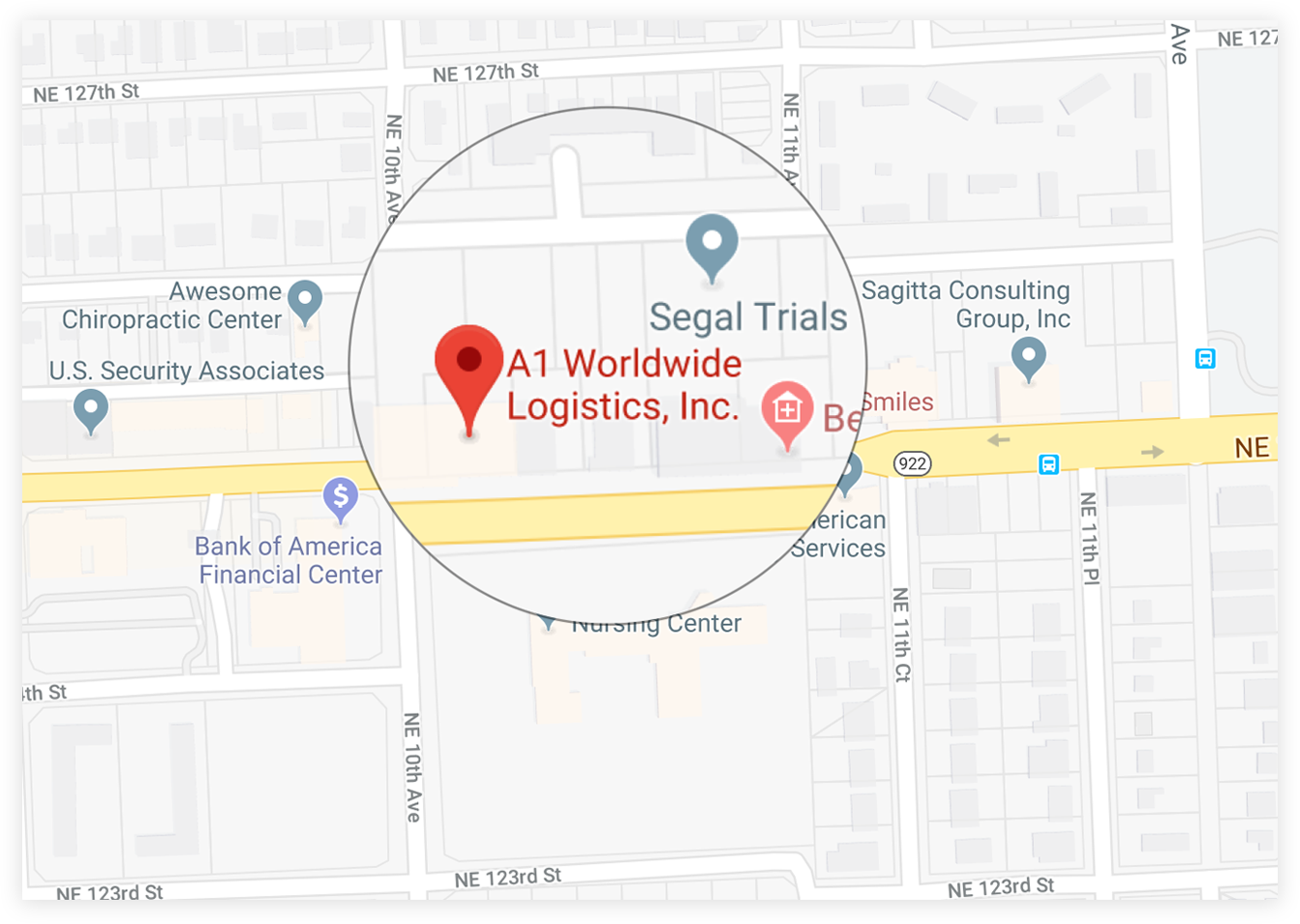
 1035 NE 125th St Suite #320, North Miami, FL 33161.
 a1worldwidelogistics.com
 (305) 821-8995
 Hours: 8AM - 5PM