by A1 WorldWide Logistics | May 8, 2025 | Economic trends, Importing, Supply Chain
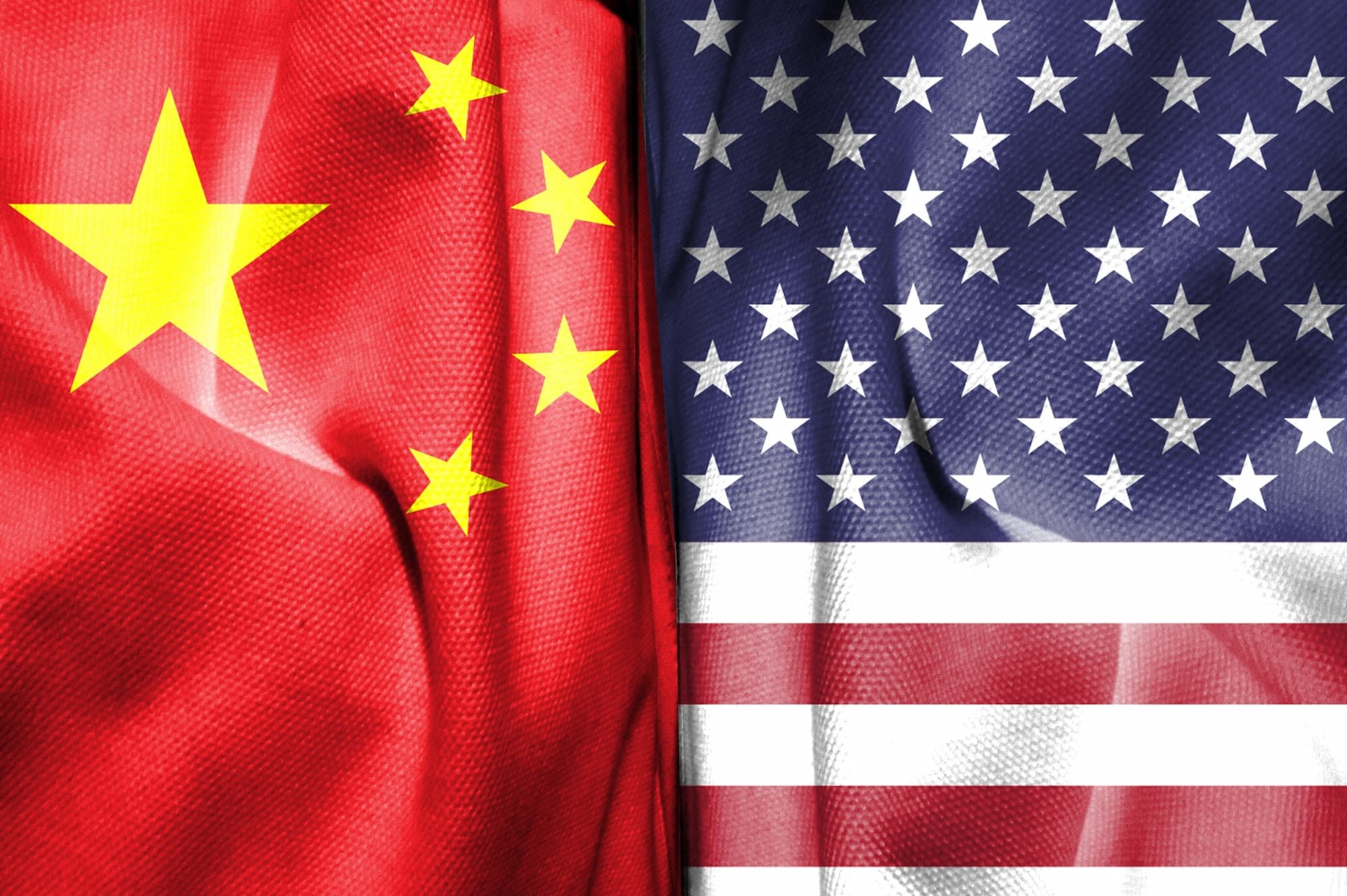
U.S. and China talks are starting after weeks of tariff escalation between the two Countries. Chinese and U.S. Representatives will meet in Switzerland from May 9 to May 12. Treasury Secretary Scott Bessent and U.S. Trade Representative Jamieson Greer are meeting to explore a potential reduction of tariffs. The decrease could include potentially setting rates between 40% and 60%, and tax exceptions for critical sectors. A trade war resulted in tariff threats reaching over 100% for both countries and could have significant consequences. Scott Bessent stated, “The current tariff war isn’t sustainable, especially on the Chinese side.” The meeting with Chinese and U.S. officials will focus on de-escalation rather than deciding on a trade deal.
How Did The Trade War Escalate?
In the last few months, Trump has released, paused, and increased tariffs on imports into the U.S. While the Trump administration put levies on most U.S. importers, they hit China the hardest. China responded by announcing its levies on U.S. imports, and a back-and-forth led to a trade war. Despite the tariffs’ negative impact on both countries, Chinese officials said the government will not back down. The meeting will de-escalate tensions before tariffs from two of the world’s biggest traders negatively impact international shipping. Trade experts believe that negotiations between the countries could take months.
President Trump has imposed tariffs on the most prominent importers into the U.S. for various reasons, including reducing trade imbalances. He believes the tariffs will “level the field” between the U.S. and other trading partners like China, Canada, and Mexico. A goal is to encourage domestic manufacturing by raising import costs. This could stimulate the economy by creating jobs from bringing businesses back to the U.S. Economists believe it will have an opposite effect, increasing costs and leading to a potential recession. Trump is also enforcing tariffs to stop immigration and the inflow of drugs. China is responsible for the majority of fentanyl that comes into the U.S.
What Can Shippers Expect With U.S. And China Talks Starting?
Along with being one of the largest shippers globally, China is also the top trading partner of the U.S. Talks could potentially lessen the impact that tariffs will have on shippers transporting goods internally. Although the talks may lower import tariffs, the costs to bring cargo to the U.S. could significantly rise. The cost increase could be felt in different parts of an importer’s supply chain and fall on their customers. Shippers may begin looking at moving production to nearby countries like Japan and Taiwan to avoid the price increase. Trucking services like drayage could also be more costly as container rates rise.
When shipping cargo internationally, the shipper must know anything that can disrupt their shipment. Shippers can do this by being current with any news affecting their cargo and planning beforehand. They can also be ready by speaking to a freight forwarder. Forwarders are intermediaries between the shipper and the carrier that coordinate the movement of goods internationally. They offer solutions like document preparation, freight transport using various conveyances, customs clearance, warehousing, etc. A1 Worldwide Logistics has forwarders that ensure your supply chain’s success regardless of the situation. Speak to our forwarders at info@a1wwl.com or 305-440-5156 regarding finding the best action to protect your shipment.
by A1 WorldWide Logistics | Apr 17, 2025 | Economic trends, Importing, Supply Chain
The tariff war continues between the U.S. and its trade partners as President Trump continues announcing threats. For the last few months, Trump has released, paused, or increased tariffs on goods coming into the U.S. Along with levies specific importations like aluminum, it includes country-specific tariffs for the largest trade partners. China, in particular, has been in a trade war with the U.S., leading to tax hikes of over 100% for both countries. More recently, Trump released a fact sheet stating that China “now faces up to a 245% tariff”. With the amount of cargo that comes into the U.S., a trade war could have numerous consequences for international shipping.
Trump Continues Issuing Tariff Threats and Investigations?
Recently, the Trump administration has announced a Section 232 investigation for semiconductor technology imports into the U.S. Section 232 is an examination done by the government to determine the effects of an import on national security. If successful, goods that fall under the semiconductor category, like smartphones, laptops, and other electronics, could soon face tariffs. It is essential to note that Trump has recently temporarily exempted taxes on the electronics the article mentions. Trump has also launched a similar investigation into pharmaceutical imports, which could result in more levies in the near future. Tariffs on pharmaceuticals may lead to higher costs for everyday drugs and potential drug shortages.
President Trump has imposed tariffs over the last few months with numerous aims, including reducing trade imbalances. He recently noted, “We’ve been ripped off for years, and we’re not going to be ripped off anymore.” Trump also wants to bring manufacturing and business back to the U.S., which he believes will boost the economy. Economists think it will have the opposite effect and hurt the economy, potentially leading to a recession. The reasons behind the tariffs are also country-specific. For example, Trump imposed tariffs on Mexican and Canadian imports over a month ago to address illegal immigration. Likewise, taxes were placed on Chinese goods to stop the flow of fentanyl into the U.S.
What Can Shippers Expect As The Tariff War Continues?
When countries issue tariffs on each other rapidly, it can directly impact international shipping. The most significant concern is that costs to import could skyrocket and will be felt on various supply chain parts. Along with impacting the shipper, the prices will fall on the customer, who could soon pay extra for everyday products. For imports from China, shippers may begin looking for other countries to import from like Japan and Vietnam. Global trade could also see a decline in cargo shippers moving internationally. Currently, importers are bringing in a higher cargo volume as many tariffs are on pause to a further date.
As tariffs continue to impact international and domestic shipping, knowing what to expect is increasingly vital. Being current with news that can affect your cargo’s movement is essential in protecting your supply chain. Another way that a shipper can avoid disruptions is by speaking to a freight forwarder. A forwarder is a person or company that coordinates a shipment’s movement on behalf of the shipper. They do this by offering numerous supply chain solutions like transportation, customs clearance, documentation, warehousing, etc. Contact A1 Worldwide Logistics at info@a1wwl.com to speak to a forwarder regarding importing and exporting from the U.S.
by A1 WorldWide Logistics | Apr 2, 2025 | Economic trends, Importing, Shipping Logistics
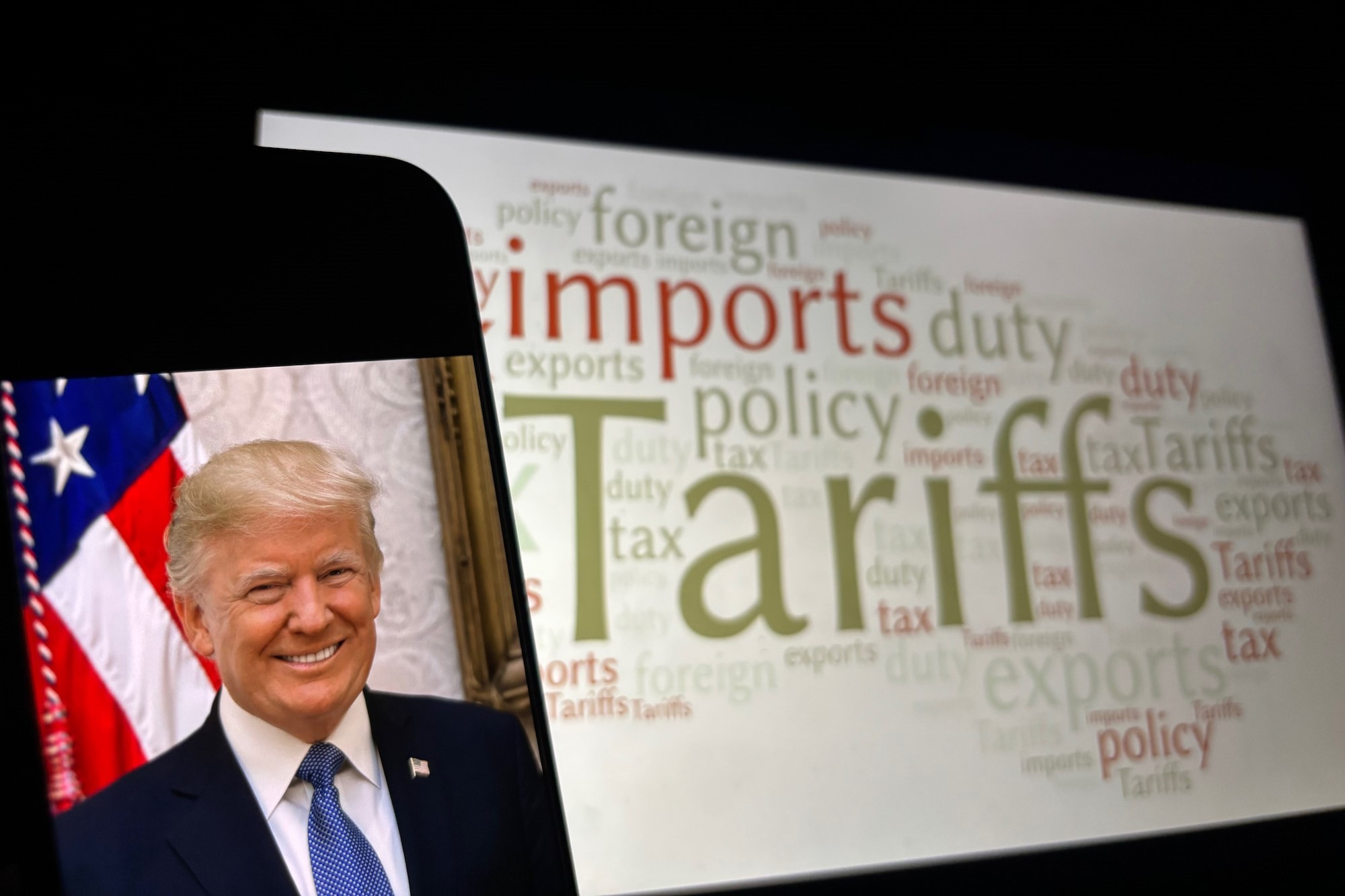
An executive order signed in February has President Trump’s reciprocal tariffs starting today. Termed “Liberation Day” by Trump, various countries that bring cargo into the U.S. will see new taxes on importation. These tariffs will differ from Trump’s recently announced levies against Canada, China, and Mexico. While The president has not announced the countries receiving the taxations, many believe it will target the “Dirty 15.” This refers to 15% of countries that account for most U.S. trading volumes. These include the EU, Vietnam, Mexico, Japan, China, South Korea, etc. Due to the volume of goods that come into the U.S. from other countries, tariffs will significantly impact international shipping.
Why is Trump Imposing Reciprocal Tariffs?
Over the last few months, Trump imposed tariffs on numerous imports, including automobiles, aluminum, and steel, and on various countries. The goal behind the tariffs was to stop the inflow of drugs and illegal immigration into the U.S. Similarly, the goal behind the reciprocal tariffs is to address unfair trading practices by U.S. trade partners. Trump recently stated, “They charge the U.S. tax or tariff, and we will charge them the exact tax and tariff.” The president plans on bringing manufacturing and businesses back to the U.S. to stimulate the economy and create jobs. Economists believe it will have the opposite effect and hurt the economy by creating inflation.
When Trump announced the reciprocal tariffs, other countries strongly opposed it. Countries like Canada, China, and Mexico responded by announcing potential agricultural, dairy, steel, and other U.S. export duties. The EU, in particular, warned of possible countermeasures, including imposing their taxes on American exports. After Trump released tariffs on aluminum and steel imports, the EU released retaliatory tariffs on $28 billion of U.S. goods. The WTO (World Trade Organization) responded by stating that the reciprocal tariffs could violate global trade rules, causing disputes. Instead of direct countermeasures, other countries are preferring negotiations.
What Could Trump’s Reciprocal Tariff Starting Mean For International Shipping?
One of the greatest impacts could be that costs to ship internationally could rise for different supply chain parts. Not only will importation fees increase, but they will also fall on the customers receiving the goods. Other countries potentially imposing their reciprocal tariffs may further raise costs. Analysts at Yale University estimate that a universal 20% tariff can cost the average American household over $3400 yearly. Shippers could look at solutions like outsourcing to other countries or bringing production back to the U.S. The trucking industry may benefit from manufacturing returning to the U.S. since it would lead to a higher cargo volume transported domestically.
As tariffs begin on U.S. imports, it is increasingly vital that you protect your shipment. Along with higher costs, taxes could result in other supply chain disruptions like delays. Talking to a freight forwarder before importing can be ideal for ensuring your shipment’s success. A freight forwarder is a person or company that acts as a middleman between the shipper and carrier. Along with coordinating freight movement on behalf of the shipper, they provide numerous services for their supply chains. Some solutions include customs clearance, international and domestic transportation, warehousing consulting, and more. Contact A1 Worldwide Logistics at info@a1wwl.com or 305-440-5156 to speak to a forwarder regarding shipping your cargo internationally.
by A1 WorldWide Logistics | Mar 19, 2025 | Economic trends, Importing, Supply Chain
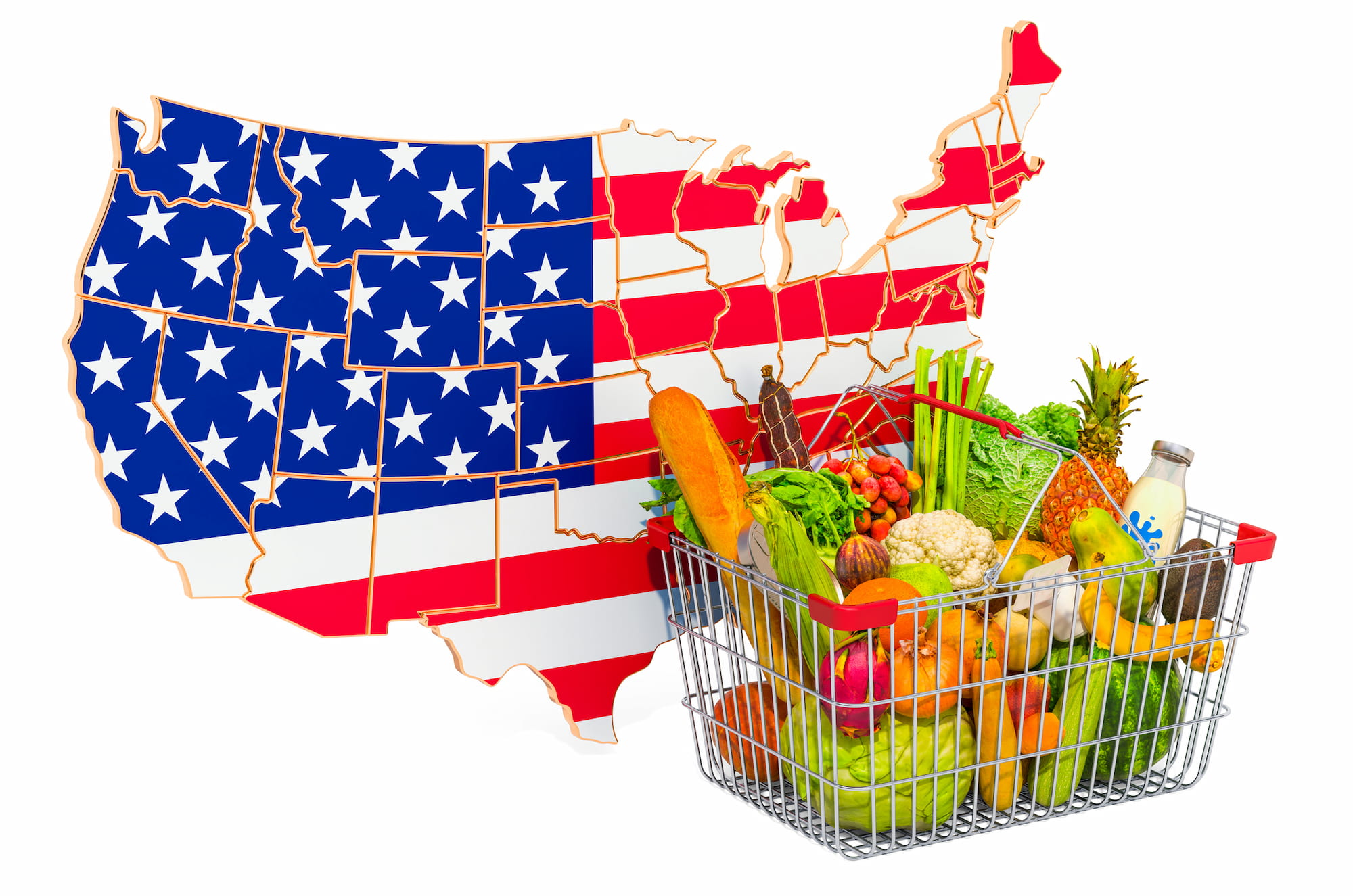
A trade war between the U.S. and other countries is starting to see Trump’s tariffs affecting the food industry. Over the last few months, President Trump has announced various tariffs on imports into the U.S. Along with taxes on different goods, such as steel and aluminum imports, cargo from multiple countries is also being taxed. In particular, Canada and Mexico imports face a 25% tariff, while China faces a 20% tax. Trump is also planning reciprocal tariffs for all of the U.S. trade partners. Along with the taxes impacting various U.S. sectors, it will directly impact the food industry. This article will explain how tariffs affect food imports and how you can protect your supply chain.
How Are Trump’s Tariffs Affecting The Food Industry?
In 2023, the U.S. imported nearly $194 billion in food and agricultural goods from various countries. The primary countries facing the tariffs include Mexico, Canada, and China, the most significant importers. Since the U.S. imports nearly 15% of its food supply abroad, taxes can lead to higher costs. The higher costs for manufacturers could fall on consumers who purchase the products from stores. Products like soup that use cans as packaging may already see higher prices due to Trump enforcing steel tariffs. Similarly, soda can imports made with aluminum will experience the same effect. Manufacturers like Coca-Cola are considering switching to more plastic bottles to avoid higher costs.
Along with the tariffs the Trump administration is enforcing, issues can come from countries potentially setting their retaliatory tariffs. A week ago, China announced a 15% retaliatory tax on various U.S. agricultural products, including soybeans, pork, chicken, and beef. As a result, U.S. farmers who bring in goods like chicken from China may lose market share. Farmers will also feel the strain of higher production costs, with Canada recently announcing retaliatory tariffs on $29.8 billion worth of U.S. goods. Canada is the largest U.S. supplier of fertilizer and potash, a substance farmers use to stimulate plant growth.
What Will The Tariff Mean For International Shipping?
The tariffs will affect numerous supply chains, including shippers importing food from various countries. Along with higher costs, supply chain disruptions can come from importers having to reassess sourcing and inventory strategies. Having to reevaluate a supply chain may result in delays in the importation process due to the time it takes. Shippers and manufacturing companies could begin looking at countries other than Mexico and Canada for importing to the U.S. Trump’s goal in imposing tariffs is to bring production back to the U.S., stimulating the economy and creating jobs. This may also benefit domestic shipping for moving the finished product to the final location.
As tariffs begin on U.S. imports, shippers should be ready to protect their shipments from potential disruptions. While alarming, it should not stop you from shipping internationally. However, you should take proper steps to prevent disturbances. An ideal step to get started is to speak to a freight forwarder. A forwarder is a person or company that coordinates cargo movement on behalf of the shipper. They offer various services like transportation, warehousing, preparing documents, customs clearance, and more. Forwarders also educate shippers on what to expect during the shipping process. Contact A1 Worldwide Logistics at 305-425-9513 or info@a1wwl.com to speak to a forwarder regarding moving your shipment internationally.

by A1 WorldWide Logistics | Dec 19, 2024 | Shipping Logistics, Supply Chain, Transportation
There are numerous considerations that shippers should be aware of when shipping chemicals internationally. Chemicals are any substance with a defined composition, such as acids, fertilizers, solvents, etc. These types of substances can be hazardous or non-hazardous, and numerous industries use them. For example, adenosine is a non-hazardous chemical doctors use to treat heart rhythm disorders in the health industry. Due to the uniqueness of this cargo type, there are numerous regulations, rules, and safety considerations to be aware of. Failure to comply with guidelines can result in delays and monetary fines. It could also result in a shipment loss, disrupting the entire supply chain.
What Should You Know Before Shipping Chemicals Internationally?
Before the international shipping process begins, you should understand the regulations you must follow. The country of destination or origin can determine the rules and ensure proper permits are in place. An example of a primary global regulation is the Globally Harmonized System (GHS) of Classification and Labeling of Chemicals. The guidelines for shipping chemicals also depend on the method of conveyance. For example, shipping by sea follows the International Maritime Dangerous Goods (IMDG) Code, while air shipping follows the International Air Transport Association (IATA). It is also crucial that the shipper uses proper labeling and packaging before transporting the goods. The labels should be clear and comply with labeling regulations.
What Is The Process
Another precautionary step that a shipper should take before shipping chemicals is to review the Material Safety Data Sheet (MSDS). The MSDS is the safety data sheet that details the shipment’s classification, handling, labeling, and transportation requirements. Since specific chemicals are HAZMAT, like fluorine or sulfur dioxide, the shipper must classify them correctly. It is also vital that you have all of the cargo’s documentation, and it is correct. Examples of required documents include the Bill of Lading, Packing List, Commercial Invoice, etc. When selecting the conveyance method, you must understand that international transport involves various methods.
For example, international shipping can require a truck to move the goods to the port before a vessel or air carrier ships it internationally. Since the cargo is chemicals, the transport method can be specialized and include tankers. It is also vital that you adhere to handling and storage requirements. There should be adequate temperature controls and ventilation to prevent damage. Transporting several chemicals at once must also require segregation to avoid reactions. Once the goods reach the destination country, U.S. customs will require customs clearance before reaching its final destination. Using a customs broker is ideal for ensuring a smooth clearance process. When customs clears the freight, a tanker truck can move it to the final location.
A1 Worldwide Logistics
Shipping chemicals internationally can be challenging for inexperienced and even regular shippers due to the steps involved in the process. It can be beneficial to speak to a freight forwarder before starting. Forwarders are the middleman between the shipper and carrier and coordinate the transport of goods internationally. They also educate you on the regulations, process, and what to expect when transporting. Reach A1 Worldwide Logistics to ensure the successful transport of chemicals or any other cargo internationally. Whether you are exporting or importing from or to the U.S., we are with you through the journey.


 1035 NE 125th St Suite #320, North Miami, FL 33161.
 a1worldwidelogistics.com
 (305) 821-8995
 Hours: 8AM - 5PM