
by A1 WorldWide Logistics | Aug 28, 2025 | Economic trends, Importing, Tariffs
An investigation by the Trump administration could soon result in Trump imposing furniture tariffs. On August 22, the president announced a “major” tariff investigation on furniture entering the US. The potential rate has not been determined yet, and the examination will happen over the next 50 days. With Trump recently enforcing country-specific tariffs, it is unclear if he will apply the furniture tax on top of them. A white house official also announced it will happen under the Section 232 national security code. Recently, Trump expanded the scope of the Section 232 levy to include steel and aluminum imports. Given the amount of furniture countries import into the US, the tariffs could majorly impact international shipping.
Why Is Trump Imposing Furniture Tariffs?
Trump is pushing furniture tariffs for various reasons in his “America First” agenda. A primary goal is to encourage domestic manufacturing by raising import costs. This could stimulate the economy by creating jobs and returning businesses to the US. The country once considered states like South Carolina, North Carolina, and Michigan major furniture manufacturers. Like reciprocal tariffs, Trump also wants to enforce furniture taxes to encourage fair trade. Trump recently stated, “They charge the US tax or tariff, and we will charge them the exact tax and tariff, very simple.” Economists have the opposite view, noting that the levies could hurt the US economy by raising costs.
The immediate response to the tariffs was significant opposition in the US furniture industry. Trump’s announcement comes when the furniture industry faces numerous challenges. Along with inflation, higher interest rates have led to buyers purchasing fewer homes, lessening the need to buy furniture. Stocks for furniture retailers that rely primarily on importations fell immediately after the announcement, with some falling 7%. However, retailers with the majority of manufacturing in the US have seen a slight stock increase following the announcement. Jason Miller, A professor in supply chain management, stated, “Such a policy will further hurt furniture wholesalers and retailers and serve as a further headwind for container shipping volumes.”
How Will This Impact International Shipping?
In 2021, the US imported approximately $28 billion worth of furniture internationally, with China and Vietnam bringing in the majority. An immediate impact of furniture tariffs could result in higher import costs for many supply chains. Price increases may also fall on customers, with businesses increasing compensating costs. Despite logistical challenges, companies that import furniture have also considered re-sourcing manufacturing supply chains to the US. Bringing back production to the US is also costly and time-consuming; insourcing manufacturing could benefit domestic shipping.
When importing into the US, you must be aware of any regulations that can impact your shipment’s success. Failure to understand what to expect before starting can lead to monetary loss, delays, and cargo loss. Reaching out to a 3PL (Third-Party Logistics) provider like A1 Worldwide Logistics is ideal for getting started. A 3PL is a company that handles a variety of supply chain parts for a client. These include freight forwarding, customs clearance, domestic shipping, warehousing, and more. Speak to us at info@a1wwl.com or 305-425-9752 to learn about our 3PL solutions for your shipment.

by A1 WorldWide Logistics | Aug 21, 2025 | Economic trends, Importing, Shipping Logistics
International shipping could soon feel the impact as the end of de minimis approaches on August 29. On July 30, President Trump signed an executive order to suspend the exemption for all countries importing into the US. The de minimis is a threshold value below which goods can enter a country tax-free. In the US, the amount is currently $800 or less after rising from $200 in 2016 due to e-commerce. Trump initially eliminated the de minimis for China on May 2, but the current pause will be for every nation. Taxes for imports previously under the exception will now be assessed by country-specific reciprocal tariffs or the international postal system.
Duties for goods imported through the international postal system will now be assessed by ad valorem or specific duty. Ad valorem is a tax based on the origin country and evaluated on the value of the cargo. Specific duty is a fee between $80 and $200 based on the IEEPA rate of the origin country. Trump has various goals behind eliminating the de minimis, including combating illegal and deceptive trade practices. Since packages that fall under this exemption tend to be subjected to less scrutiny than regular imports, shippers have used it to bring in illicit fentanyl and other drugs into the US. De minimis shipments, increasing from approximately 134 million to 1.36 billion in the last nine years, further increased the volume.
What Does The End Of De Minimis Mean For Shippers?
Ending the exemption will directly affect shippers due to the goods that other countries import into the US. The most significant impact of ending de minimis is the higher costs for importers. Every shipment will now require duties, customs entry, and paperwork, regardless of value, increasing the price. Online buyers and sellers will feel the effect with many de minimis shipments coming from e-commerce. Logistics providers from different countries have already paused US-bound shipments due to the challenges in quickly adapting to compliance requirements. Another issue that can arise from returning customs entry requirements is a slowdown in the shipping process and potential delays.
If the shipper is a business that sells products, the higher costs could fall on the customers. Especially with the peak season notably increasing the number of products entering the US. Shippers have already begun finding ways to adapt to the higher costs, including importing in bulk. Consolidating shipments into larger sizes instead of importing thousands of smaller sizes can protect against the price increase. Another solution has been nearshoring production into US locations and shipping goods domestically. Importers have also moved manufacturing to nearby countries like Mexico and Canada, allowing easier importation through trade agreements.
A1 Worldwide Logistics
Shippers must be aware of laws and regulations affecting their shipments when bringing goods into the US. Understanding the various regulations can help prevent potential delays, monetary losses, and cargo losses. Another way shippers prepare when importing into the US is by speaking to a customs broker. Brokers are licensed professionals who facilitate the clearance of imports across the country’s borders. They do this by calculating duties, providing documents, filing entries, offering consultation, and more. In the US, brokers ensure compliance with CBP (Customs and Border Protection). Contact A1 Worldwide Logistics at 305-440-5156 or info@a1wwl.com to speak to our brokers about providing a successful importation.
by A1 WorldWide Logistics | Aug 14, 2025 | Economic trends, Importing, Tariffs
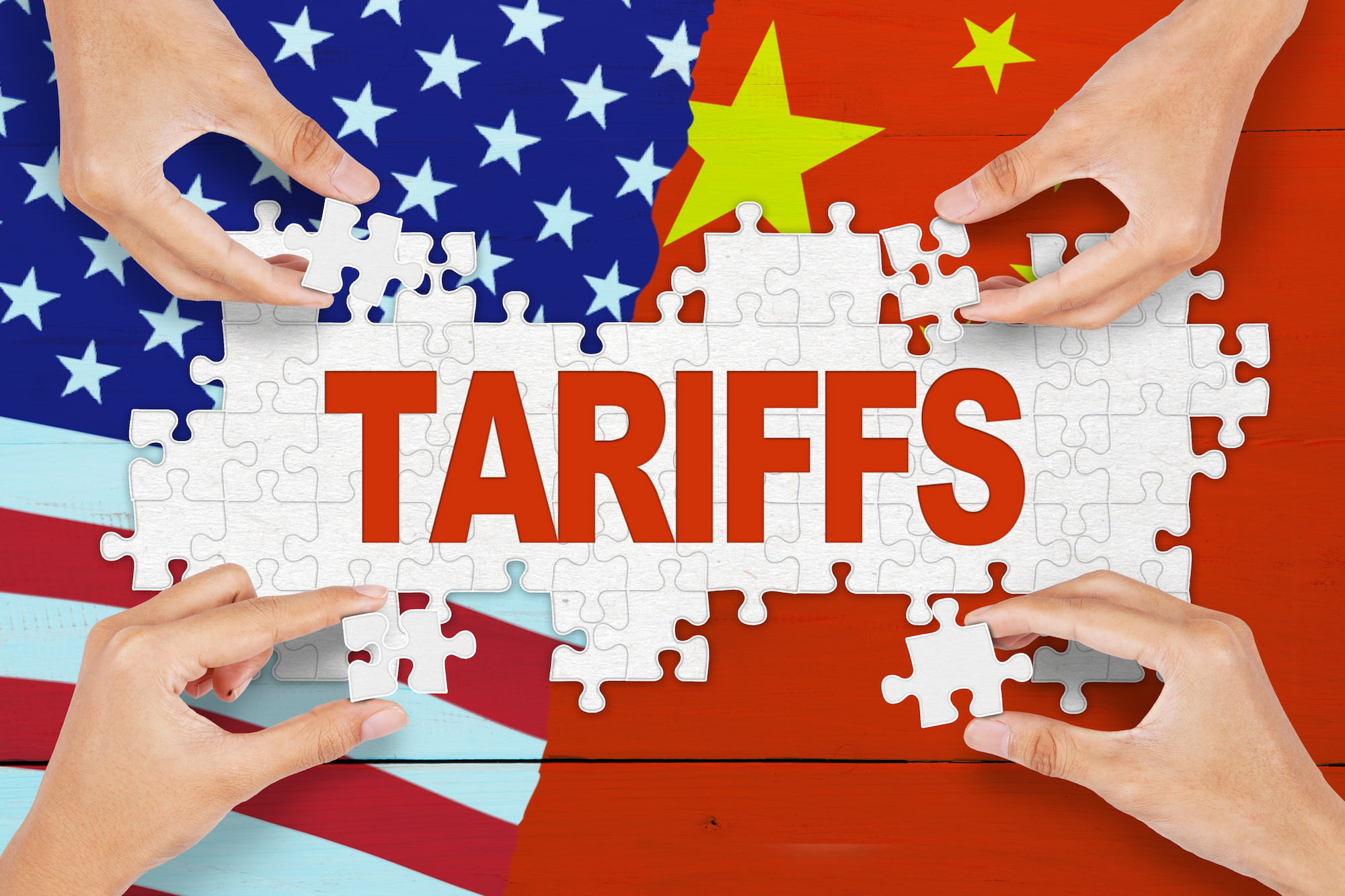
An executive order signed by President Trump on August 11 has the US extending China’s tariff pause. Originally set to start this week, the higher tariffs for imports from each country will begin on November 10. The US will keep its levies on Chinese goods at 30% while China will keep its 10%. Both countries have been in a trade war since 2018, during Trump’s first presidency. The trade war escalated significantly over the last few months during his second presidency after Trump imposed more tariffs. After several back-and-forth levies, the total amount for Chinese imports reached 145% while China reached 125% on US imports. This article will explain the goal behind the extension and how it could impact your shipment.
Why Did the US Extend the Deadline?
Extending the deadline is to act as a breather, giving both countries a temporary ceasefire. On May 12, both countries entered a similar agreement to pause tariffs that would reach triple digits. The current extension provides more time to negotiate on key trade issues and get a final resolution. China’s Customs Tariff Commission of the State Council noted, “The move serves the interests of both sides in achieving their respective development goals and will contribute to the development and stability of the world economy.” China has also agreed to lessen certain restrictions on importing rare earth metals into the US.
President Trump has imposed tariffs on China for various reasons, including addressing unfair trading practices and trade imbalances. The US has a significantly large trade deficit with China and imports much more than it exports. Taxes can be a way to pressure China to buy more US products and a bargaining tool for negotiating leverage. China is also the most popular illegal importer of fentanyl into the US. Another goal is to encourage domestic manufacturing by raising import costs. This could stimulate the economy by creating jobs and bringing businesses back to the US. Economists believe it may have a reverse effect, increasing costs and leading to a potential recession.
What Could the US Extending China’s Tariff Pause Mean For Your Shipment?
China is the US’s top trading partner and one of the largest exporters globally. Due to its size, a tariff of over 100% would have significantly raised the cost of importing into the US. The higher fees would have impacted different parts of numerous supply chains, including domestic shipping. The current 30% tax on Chinese imports could still increase expenses for shippers. Importers could soon look towards nearby, less expensive countries to import from, like Vietnam and Taiwan. Although the pause is a temporary cooldown, it is not a resolution as both countries push towards a lasting framework.
While the tariff deadline will pause, the countries are still in a trade war that could potentially escalate. Although shippers should not stop cargo movement, they must be ready to navigate any disruptions affecting their shipments. An ideal way to get started is by speaking to a freight forwarder. Forwarders act as intermediaries between the shipper and the goods’ final destination. They do this by finding rates, providing paperwork, coordinating the cargo movement, and providing other solutions. Forwarders also offer consultation services to navigate situations like tariffs and ensure a successful transport. Reach A1 Worldwide Logistics at 305-425-9513 or info@a1wwl.com to speak to a forwarder regarding your shipment’s success.
by A1 WorldWide Logistics | Aug 7, 2025 | Economic trends, Importing, Tariffs
An executive order signed by President Trump on July 31 has resulted in country-specific tariffs starting today. Along with a 10% baseline tax on all importing countries, over 70 trading partners will have their tariffs. Initially announced by Trump as “Liberation Day,” starting in April, the tariffs were paused until July 7. The president then signed an executive order to extend the date to August 1 and announced new amounts. On July 31, he signed an order to begin enforcing the tariffs in a week to allow for rate harmonization. With the amount of cargo that shippers import into the US internationally, this will significantly impact international shipping.
Why Is Trump Imposing Reciprocal Tariffs?
Various reasons have been behind Trump’s tariffs, including lessening trade imbalances and addressing unfair trade practices. Trump plans to “level the field” by reducing the trade deficit with the US’s largest trading partners. He argues that other countries impose higher tariffs on American goods than the US charges them. The president also wants to bring manufacturing and businesses back to the US to stimulate the economy and create jobs. Imposing higher levies on goods from the most prominent importers will pressure US buyers to stop relying on foreign products. While Trump believes it will benefit the economy, economists think it will have the opposite effect and create inflation.
When Trump announced import tariffs, the US trading partners reacted differently. Some countries responded positively since the August 7 rate was less than the original amount. For example, Cambodia’s Prime Minister was optimistic about a tax cut from 49% on “Liberation Day” to 19%. Other countries responded negatively due to a rate increase from the original amount, including Brazil, which is now 50%. Brazil responded with a contingency plan and will take the case to the WTO World Trade Organization. Although not yet released, other countries could soon reveal their retaliatory levies. Certain nations, like Australia and the UK, will only have to pay the 10% baseline tax for importation.
What Can Shippers Expect With Country-Specific Tariffs Starting?
With the number of countries impacted by the tariffs, international shipping will immediately feel the effect. Shippers could see a cost increase in different supply chain parts. Along with import fees, this can include the fees the importer passes to the customer. Customers will soon see the prices of everyday goods brought into the US. The price of shipping cargo domestically could also increase, as shippers typically use trucks to move goods out of ports. To save costs, importers may seek other countries to import from or bring production back to the US. Insourcing comes with its challenges, such as being costly and time-consuming.
Although higher tariffs can stress shippers, it should not stop you from importing your goods. However, you should take the proper steps to guard your cargo during this time. An ideal way to protect your goods is to talk to a 3PL (Third-Party Logistics) provider like A1 Worldwide Logistics. A 3PL is an entity that manages various components of a supply chain on behalf of the shipper. These can include freight forwarding, customs clearance, warehousing, etc. 3PLs also offer consultation services for navigating higher costs and transporting cargo to the final location. Reach us at info@a1wwl.com or 305-425-9752 to learn about our 3PL solutions for your shipment.
by A1 WorldWide Logistics | Jul 31, 2025 | Economic trends, Importing, Tariffs
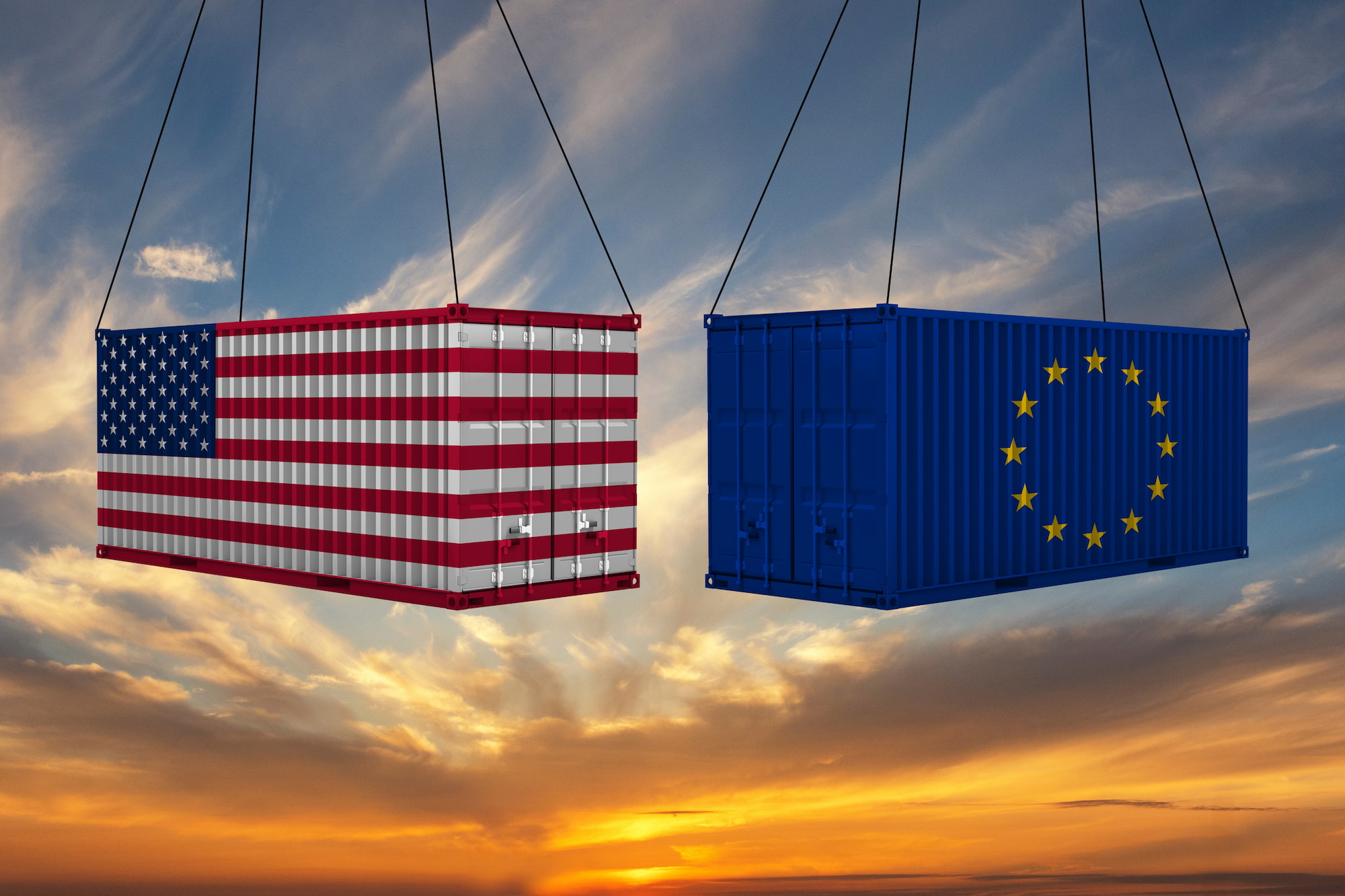
On July 27, the US and EU reached a trade deal that may have avoided a potential transatlantic tariff war. In particular, the parties reached a framework for an arrangement that will set 15% on most EU (European Union) imports. The amount is down from the 30% tax that Trump threatened on EU goods earlier this month. Certain products, like pharmaceuticals, chemicals, and aircraft components, would not be impacted by the tariffs. The deal also includes the EU purchasing $750 billion in energy from the US and $600 billion in US investment. With the EU being one of the largest trading partners of the US, the agreement will significantly impact international shipping.
How Did The Trade Deal Come To Be?
The deal was made after a back-and-forth between the US and countries in the EU that lasted years. During Trump’s original presidency, he imposed a 25% tariff on steel and 10% on aluminum imports from the EU. The EU responded by enforcing levies on $3.2 billion worth of US goods. In Trump’s second presidency, he threatened a 30% tax on all EU goods and a now-cancelled 200% tax on alcohol. The EU then announced counter-tariffs on $100 billion worth of US goods, including soybeans and cigarettes. After further tariff delays, the EU called for emergency talks, eventually leading to the July 27 deal.
European Commission President Ursula von der Leyen noted, “This deal provides a framework from which we will further reduce tariffs on more products, address non-tariff barriers, and cooperate on economic security.” Despite the agreement stabilizing current trade relationships between the US and EU, the final deal has yet to be made. The goal behind Trump’s imposing tariffs on the UK is part of a broader strategy to reduce trade imbalances. There is also a push to bring manufacturing and businesses back to the US to stimulate the economy. Trump has made similar agreements with other trade partners like Japan, Indonesia, and the UK before the August 1 deadline.
What Was The Reaction As The US and Europe Reached A Trade Deal?
In 2024, the US imported nearly $606 million in shipments from the EU, making it the US’s largest trade partner. The announcement of a deal led to a generally positive response from importers and exporters from all countries involved. Trump said, “It was a very interesting negotiation. I think it’s going to be great for both parties.” European leaders also applauded the agreement for bringing clarity, stability, and predictability to the trading relationship. Despite the positive response, there is still a fear that the 15% tariff will raise the cost of shipping. This is not only for shippers and international/domestic carriers, but also for customers.
While tariffs can be stressful, they should not stop the importation of cargo into the US. The shipper should, however, take the proper steps to avoid delays and supply chain disruptions. Along with being current with tariffs and regulations, speaking to a customs broker is an ideal way to prepare. Customs Brokers are intermediaries between shippers and the US CBP (Customs and Border Protection). They are licensed individuals or corporations who arrange the customs clearance process on behalf of the importer. Brokers do this by providing documentation, ensuring regulatory compliance, and more. Contact A1 Worldwide Logistics at 305-440-5156 or info@a1wwl.com to speak to our brokers about importing anywhere globally.


 1035 NE 125th St Suite #320, North Miami, FL 33161.
 a1worldwidelogistics.com
 (305) 821-8995
 Hours: 8AM - 5PM