by A1 WorldWide Logistics | Apr 18, 2024 | 3PL, Import and Export Experts, Supply Chain
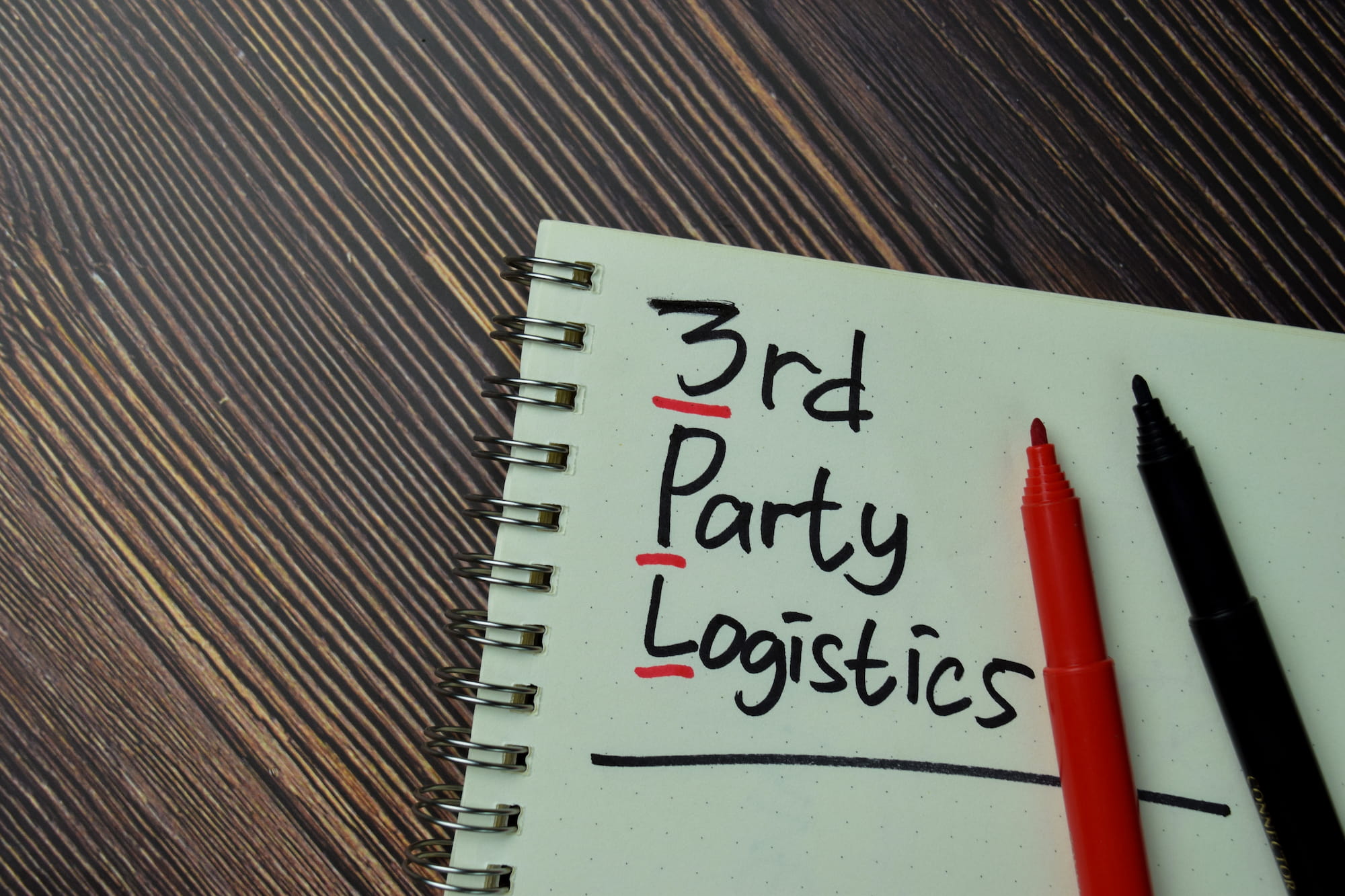
One of the most important considerations an individual or company can make is choosing a good 3PL. A 3PL (Third-Party Logistics) company is a service provider that handles numerous parts of a business’s supply chain. Some services include cargo transport, freight forwarding warehousing, customs clearance, distribution, etc. Starting in the 1980s, the Motor Carrier Act grew the 3PL industry to unprecedented levels. The act deregulated trucking and grew the number of carriers from 20,000 to the 1.2 million it is today. Other supply chain parts began to expand along with freight movement, leading to the expansion of 3PLs. This article will explain what to look for when deciding on a 3PL.
When Are 3PLs Used
Companies in an extensive number of industries like retail, manufacturing, medical, restaurant, and more rely on 3PLs. The majority of Fortune 500 companies use these types of services. The primary reason why businesses utilize 3PL providers is due to the value they offer. Along with more giant corporations, more minor to mid-sized entities use 3PLs because it allows for growth and expansion. Another typical business that uses 3PL services is e-commerce. The surge of the internet over the last few decades has allowed online shopping to become popular. Many of the solutions that 3PLs provide are particularly beneficial for web-based sellers that don’t have physical fulfillment centers.
What Qualities Should You Be Aware Of Choosing A Good 3PL
While partnering with a 3PL can be a game changer for your business, choosing the right company is essential. Some of the primary qualities you should look for when deciding on a 3PL provider include:
- Customer Service – Finding a 3PL provider with a direct focus on the customer is critical for a company’s success. Indicators of good customer service can include responsiveness and communication ability. 3PLs must promptly identify issues for their clients and resolve them in a timely manner.
- Capability – A good 3PL company should offer numerous logistics solutions for a client’s supply chain. These include international and domestic shipping, fulfillment, storage, customs clearance, etc.
- Scalability – The primary reason smaller-sized companies use 3PLs is because of the room for scalability. 3PLs allow businesses to meet increasing demand without paying for equipment and extra labor. When deciding on a logistics company, it is crucial to determine how much inventory a 3PL provider can handle.
- Security – The level of protection a 3PL provider has when handling cargo can make or break your supply chain. Workers and partners must have the appropriate training and compliance certifications, such as FDA, DEA, and HAZMAT. For 3PLs that outsource trucks, the carrier company must have a satisfactory DOT rating. This rating indicates accident history, driver qualifications, and financial responsibility.
- Reputation – One of the most significant indicators of an exceptional 3PL company is its reputation in the industry. Over time, a 3PL builds a reputation with happy customers, carriers, employees, etc. New businesses with little experience can look at a 3PL’s standing in the industry to find the right one.
A1 Worldwide Logistics
Finding a 3PL provider can have countless benefits for your company or shipment and help scale your business. Reach A1 Worldwide Logistics at 305-821-8995 to learn about our numerous solutions for simplifying your logistics process. We provide various services like customs brokering and warehouse services to ensure the success of your supply chain.
by A1 WorldWide Logistics | Apr 11, 2024 | Economic trends, Importing, Supply Chain
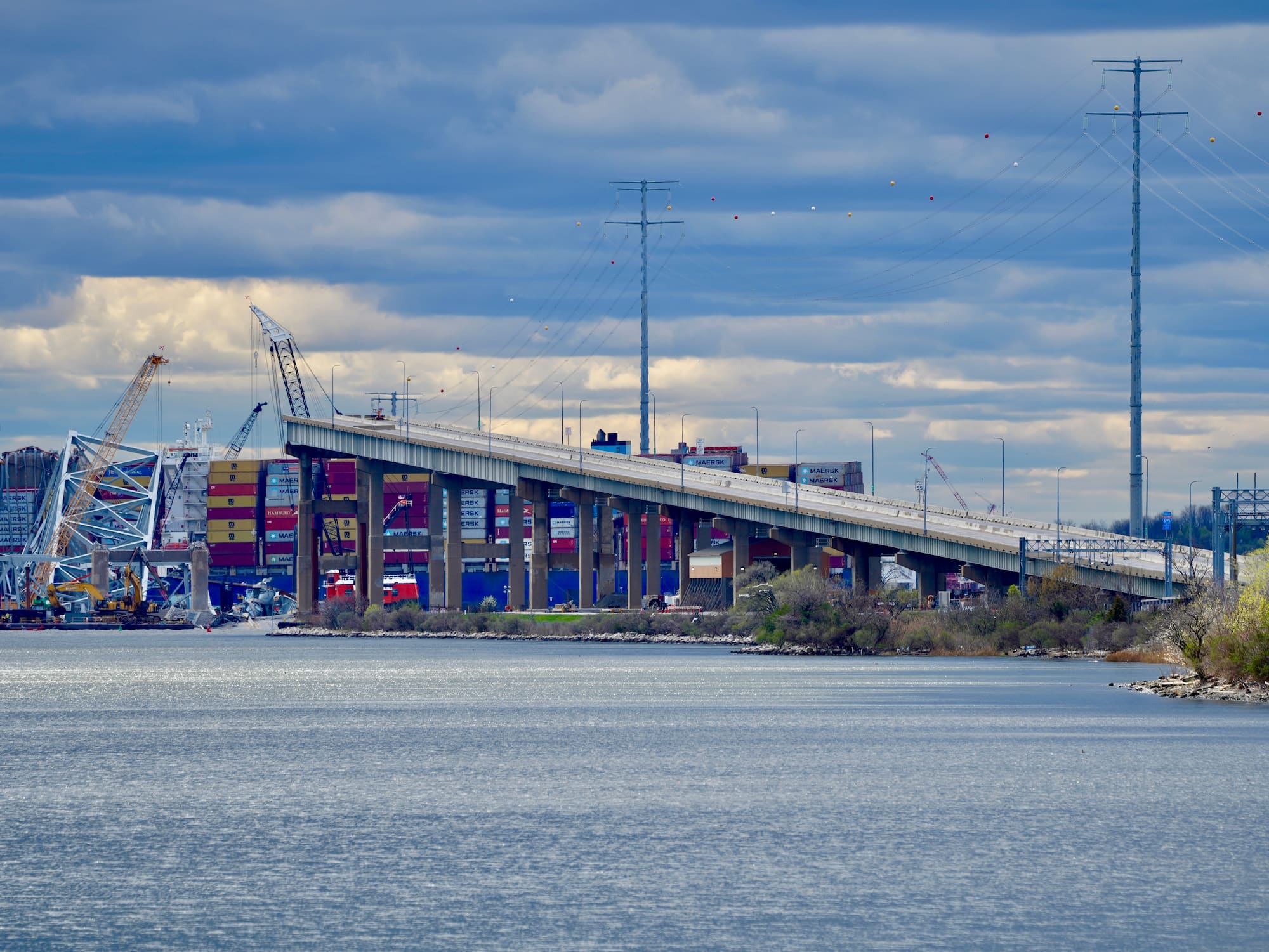
Over a week after the Baltimore Key Bridge collapse, federal regulators have been fearing incoming container fee disputes. On March 26th, a containership struck the Francis Scott Key Bridge, causing it to fall into the Patapsco River. The passageway is one of the main connectors to the Port of Baltimore, a significant hub for automobile shipments. Port operations have halted due to the incident, causing containerships to reroute. As carriers gradually cancel routes, the FMC expects conflict over increasing container costs. The FMC (Federal Maritime Commission) is a regulatory agency that oversees the U.S. international ocean transport system. One of its duties is to resolve shipping issues related to maritime cargo transport.
Why Does The FMC Fear Incoming Container Fee Disputes?
The FMC is expecting a surge in container disputes due to the rerouting of shipments to other ports. Shippers that rely on the Port of Baltimore will soon have to pay extra to have their imports enter through different ports. Canceling inland transport by large ocean carrier companies will also add to the disputes. Increasing costs can also come from ships carrying containers rerouting to ports with limited chassis. With Inadequate chassis, shippers may start to see issues with container pickups and returns, increasing the chances of extra charges. For example, demurrage and detention fees happen when containers remain in or out of the port after a specific time.
Is More Transparency Needed In International Shipping
Different players of the international shipping industry have recently pushed towards greater information sharing. The Baltimore bridge collapse was an event that recently increased those talks. Along with the collapse of the bridge, the Panama Canal drought and Red Sea attacks have disrupted supply chains. In 2021, the FMC created the Maritime Transportation Data Initiative (MTDI) to produce more fluid data transparency and sharing. MTDI will necessitate carriers to have scheduling information available at all container ports. Many still believe that there needs to be more data-sharing initiatives for carriers and shippers. The FMC will continue to take in recommendations from the public and collect data with the goal of creating visibility.
What Can You Do To Avoid Disruptions
As the Baltimore bridge collapse continues to impact international and domestic shipping, so may the disruptions. Along with the potential extra costs from routing cancelations, rerouting can also lead to time loss for shippers. Furthermore, other parts of supply chains may become disrupted by the incident. For example, the closure of the Port of Baltimore means that trucking to and from the port is severely affected. The region could soon see a slowdown in shipping and an increase in transportation rates. Along with rerouting shipments to different East Coast ports, importers and exporters should be up-to-date with the current news.
Another way that shippers can avoid disruptions is by using the help of a freight forwarder. Forwarders coordinate cargo movement on behalf of the shipper and guide you through the process. They can be essential during scenarios like a bridge collapse or port shutdown. Being prepared to overcome any situation that may arise is critical to the movement of your shipment. Call A1 Worldwide Logistics at 305-821-8995 to speak to a professional about importing or exporting to and from the U.S. We understand the importance of transparency when assisting your supply chain.
by Jontrey Aimes | Mar 27, 2024 | 3PL, Shipping Logistics, Supply Chain
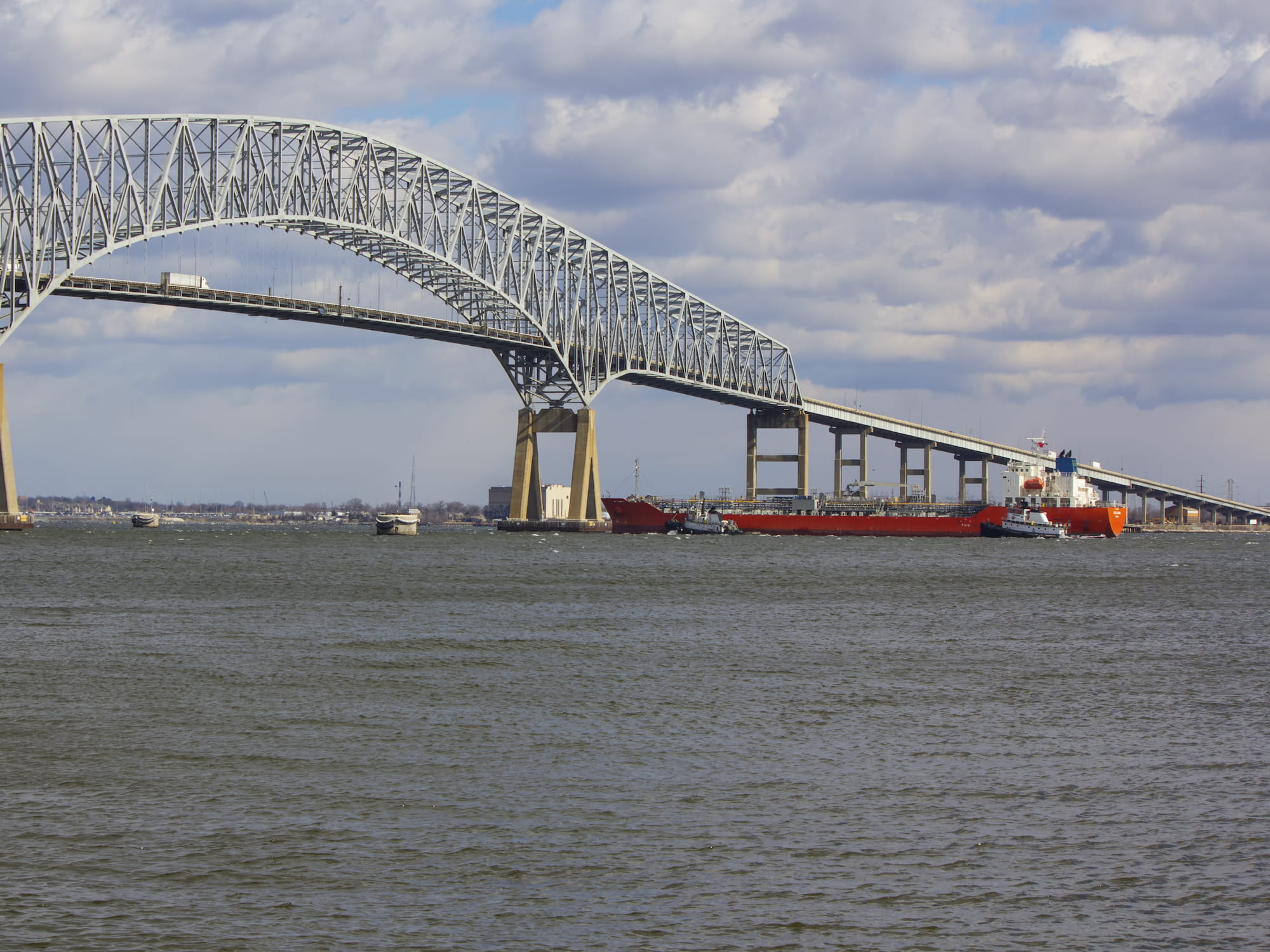
Early Tuesday morning, the 1.6-mile-long Baltimore Key bridge collapsed into the Patapsco Rover. Around 1:30 am, a massive container ship crashed into one of the bridge’s support beams, causing it to fall. The Francis Scott Key Bridge is a central transportation hub on the East Coast of the U.S. It is also an entry point to the Port of Baltimore, a significant East Coast port. During the collapse, vehicles with people were on the bridge. At the current time, there are no reported casualties. However, rescuers are still looking for people in the waters. The director of communications in the Baltimore City Fire Department notes that up to 20 people may be in the river.
What Can The Baltimore Key Bridge Collapse Mean For Shipping?
Nearly 35,000 people use the port daily, meaning the collapse can significantly impact shipping. Since the passage is the main entrance to the Port of Baltimore, it directly affects the international cargo movement. The Port of Baltimore handles the highest volume of autos and light truck imports in the U.S. It is also one of the biggest importers of gypsum and sugar in the U.S. One of the main effects is that port operations will halt, leading to potential bottlenecks in supply chains. Along with cargo entering the U.S., exporters using the port to ship to other countries will also feel the strain.
Due to the significance of the Port of Baltimore, closure may result in an increase in West Coast port imports. The collapse of the Francis Scott Key Bridge also has an impact on domestic shipping. Drayage services for moving containers to and from the port relied on the bridge for decades. Since its opening in 1977, truckers used the causeway to link transport between Baltimore, Washington, Philadelphia, and New York. Overall delays and traffic will increase around the accident area as drivers look for alternative routes. Traffic increases delivery time, which is unfavorable for truckers with clients who expect their goods to move late.
How Can You Protect Your Shipment?
With the volume of cargo that goes into and out of the Port of Baltimore, you must take steps to protect your shipments. To start, a shipper should know of any occurrences affecting their shipment. This could mean watching the news or checking a trusted online source for updates. Knowing where the traffic is excessive is essential in preventing backlogs for a scenario like a bridge collapse. Communicating efficiently with other parts of your supply chain is crucial to ensure a smooth flow.
The most proven way to protect your shipment is to get assistance from a 3PL (Third Party Logistics) company. 3PLs offer extensive services to create an efficient supply chain for their client. Examples include freight forwarding, customs brokering, transportation, distribution, etc. Forwarders coordinate cargo transportation internationally, and brokers clear imported shipments from U.S. customs. Freight forwarders, in particular, help shippers navigate situations like the collapsing of a high-traffic bridge or port shutdowns. Reach us at 305-821-8995 or info@a1wwl.com to find out how we ensure the success of your supply chain. A1 Worldwide Logistics is a 3PL with experience finding solutions for your imports/exports.
by A1 WorldWide Logistics | Mar 7, 2024 | Order Fulfillment, Shipping Logistics, Supply Chain, Warehousing
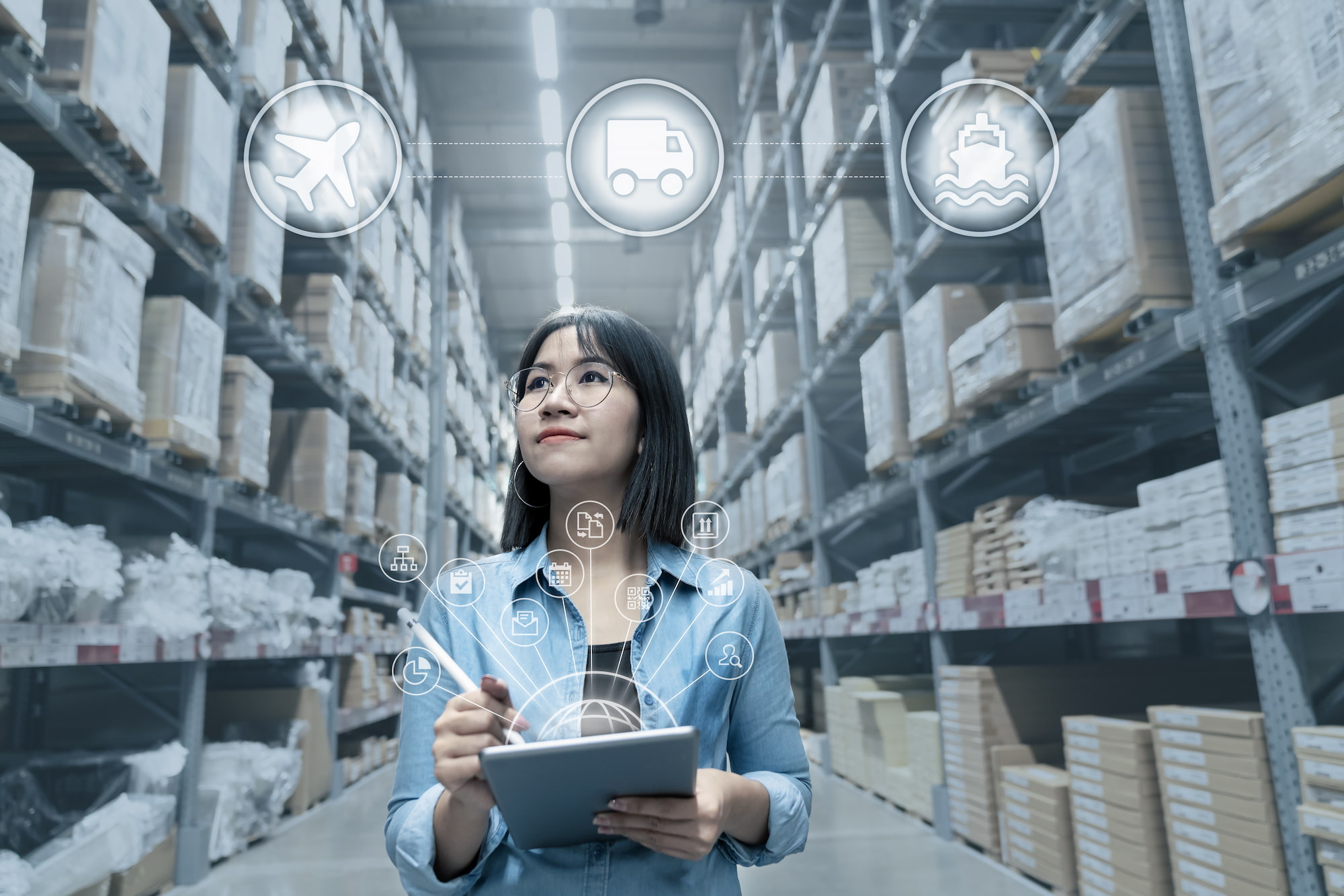
As e-commerce has surged over the last few decades, so has direct and 3PL fulfillment. Direct fulfillment is when a business sells product packs and ships the goods directly to the customer. Often known as DTC or D2C, this is typically when a company has its online shop and warehouse. Direct fulfillment is the last part of a DTC supply chain. The 3PL (Third Party Logistics) Fulfillment is when a middleman handles the inventory management and shipping. An example is Fulfillment by Amazon (FBA), where Amazon handles the order processing, storing, and delivery of the orders. Both models have pros and cons when warehousing and moving the products to the customer.
What Are The Differences Between Direct And 3PL Fulfillment?
While Direct and 3PL are both models of customer fulfillment, the main difference is the process. The operation begins before the customer orders and starts at the company’s warehouse for direct fulfillment. This can include workers labeling, storing, and preparing the products for shipping. When the customer orders, the website sends the information to the warehouse, where the packing and picking begins. When ready, a truck or courier typically ships the freight to the final location. In 3PL models, once the client places an order on the e-commerce site, the info goes to a warehouse that a third-party company owns.
Unlike 3PL, direct fulfillment services do not have a middleman and are responsible for the entire supply chain. As online shopping rose in popularity, direct fulfillment became valuable to customers who wanted their products shipped directly. The coronavirus pandemic further grew this trend since driving to brick-and-mortar stores declined during that period. A company’s newness can also determine its model for storing and shipping cargo. E-commerce businesses typically start with their own DTC supply chain, but it becomes more challenging as a company grows. When monthly orders reach a certain amount, companies invest in more warehouse space or outsource operations to a 3PL provider.
Using A 3PL For Fulfillment
The main reason shippers and sellers use 3PL services is because of the numerous advantages this type of fulfillment has. Along with growing companies, this is ideal for smaller businesses or beginner importers if there is insufficient capital. You save money by not having to operate your fulfillment center and outing the shipping process. A 3PL specializing in warehousing and fulfillment may also have the technology to offer more solutions than smaller companies. Examples include quicker delivery, return processing, tracking and management resources, and greater room for scalability. International and domestic shippers can benefit from having a supply chain with more excellent warehouse capabilities.
Customs Bonded Warehouse
When cargo enters the U.S., it is subject to various duties and taxes. A common way that importers avoid these charges is by using a customs-bonded warehouse. Bonded warehouses allow the storing of cargo for up to 5 years without payment of duties from the import date. This will enable shippers to save money while they look for customers. Goods can also be re-exported without taxes if there are no buyers for the shipments. Reach A1 Worldwide Logistics at 305-821-8995 or info@a1wwl.com to learn more about our bonded facility. Along with storage, we have distribution, segregation, manipulation, packing, crating, and more services to streamline your supply chain.
by A1 WorldWide Logistics | Feb 29, 2024 | 3PL, Shipping Logistics, Supply Chain
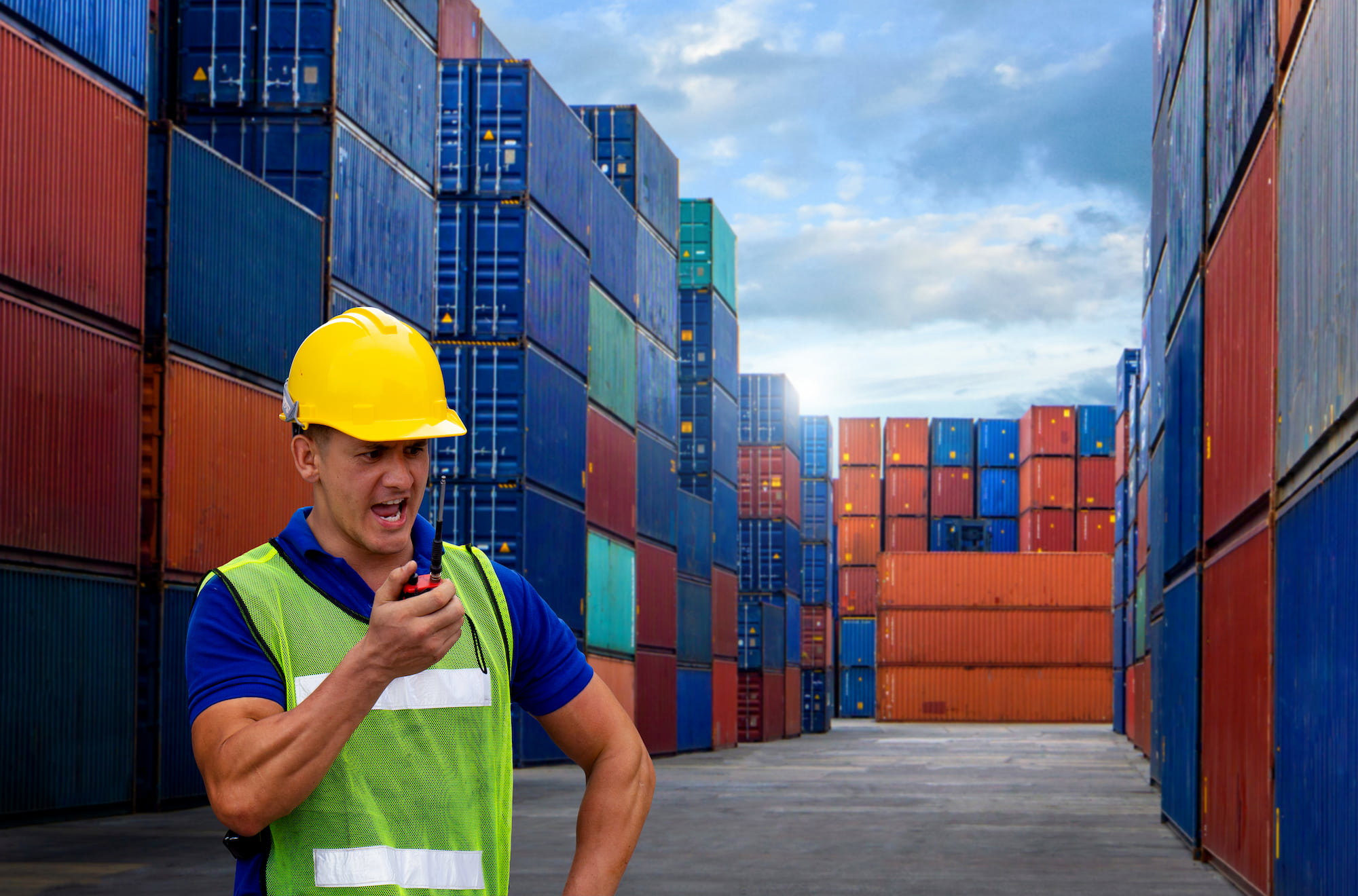
There have been growing talks of strikes in East Coast ports, with labor contracts expiring later this year. Near the end of September, agreements between the International Longshoremen’s Association (ILA) and the United States Maritime Alliance (USMX) expire. The ILA is an alliance of nearly 70,000 port workers, and the USMX represents 36 coastal port employers. Out of the dozens of ports, USMX workers are at the three busiest East and Gulf Coast ports. The last East Coast port strikes happened in 1977, which led to a labor action that lasted for two months. With recent talks of potential strikes rising, what can this mean for international shipping, and how can you prepare?
Why Have Talks Of Strikes In East Coast Ports Increased?
Since the strike in 1977, the USMX and ILA have negotiated ten contracts lasting several years. The parties signed the last six-year contract in September of 2018. Talks of strikes later this year have increased due to issues with current agreements. ILA workers noted that they are pushing for wage increases of nearly 30% or higher, plus benefits. Another issue has been the growing use of automation at ports, threatening the jobs of ILA workers. The ILA also has a $300 million lawsuit against USMX and two carriers over a hybrid labor model. The argument is that the model at the Port of Charleston violates the existing agreement.
On November 7th, 2023, the ILA president Harold Daggett told ILA members to prepare for a strike in October 2024. In 2023, Pacific Maritime Association (PMA) West Coast port workers reached a long-term contract agreement after 11 months of uncertainty. This was during the post-Covid import boom, and traffic coming into the U.S. shifted to East and Gulf coast ports. Unlike the expired PMA contract, the current ILA situation may result in protests once the contract ends later this year. Associations like the National Retail Federation (NRF) have expressed their desire to facilitate talks between the ILA and USMX.
What Does This Mean For Shipping?
Along with the strike’s impact on the ILA and USMX, international shipping will feel the ramifications. Various situations, like a conflict in Gaza and a drought in the Panama Canal, have already affected global cargo movement. If workers are on strike, it can lead to cargo congestion, which causes shipment delays. It is crucial to note that East and Gulf Coast ports have more diverse import locations than West Coast ports. While West Coast ports mainly get cargo from Asia, East Coast ports get cargo from Europe, Asia, and South America. Protests may also cause importers from different countries to switch to West Coast ports.
While moving goods internationally can sometimes be complex, there are ways to ensure the success of a shipment. Along with staying up-to-date with current news, importers and exporters should act early to prevent delays or extra costs. A standard method that shippers use is using the assistance of a third-party logistics (3PL) provider. In addition to shipping, 3PLs have various services to streamline your supply chain while educating you through the process. Reach A1 Worldwide Logistics at 305-821-8995 or info@a1wwl.com for a quote to begin your shipping journey. We help your global supply chain by providing transparency and solutions for you to reach your goals.

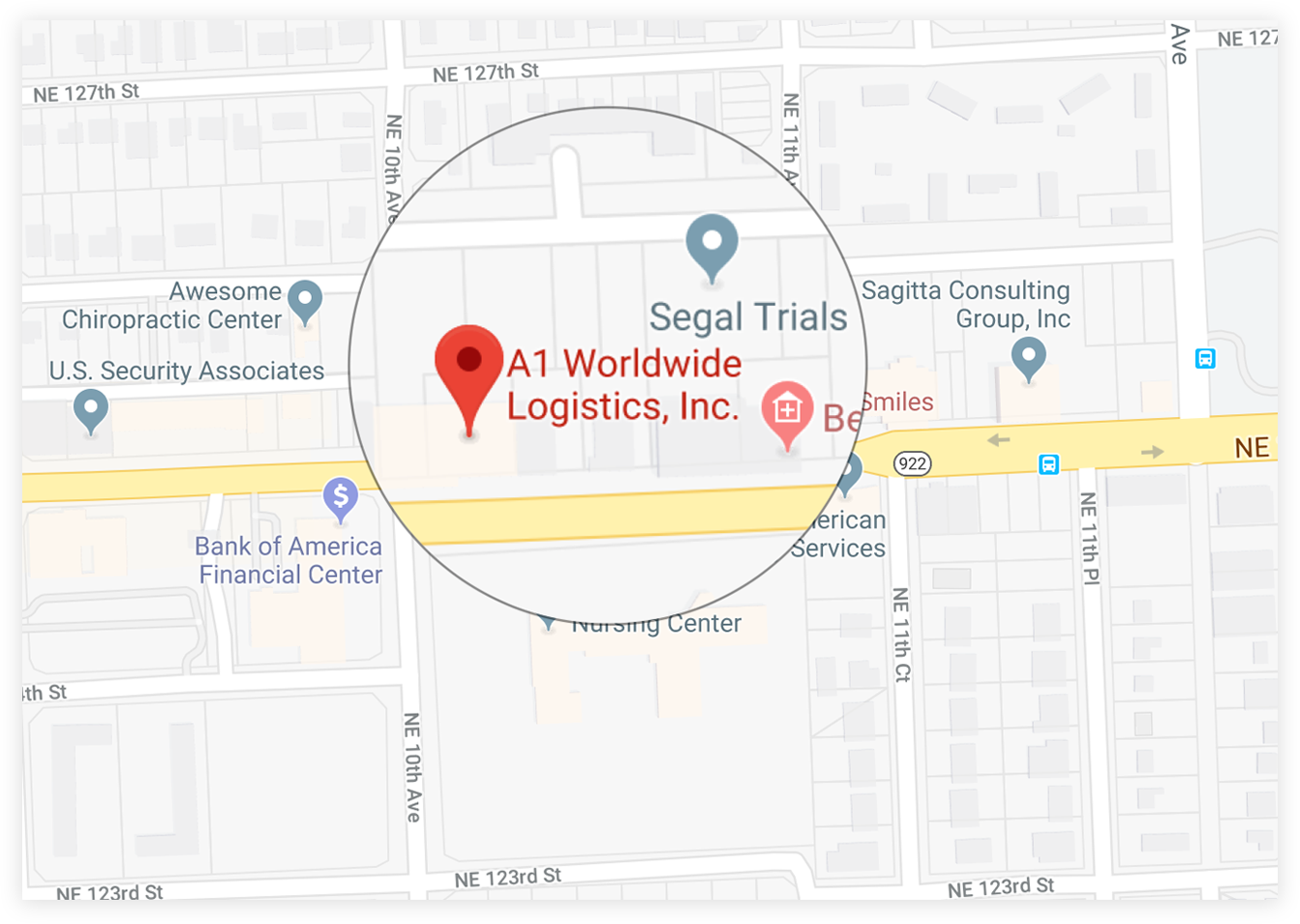
 1035 NE 125th St Suite #320, North Miami, FL 33161.
 a1worldwidelogistics.com
 (305) 821-8995
 Hours: 8AM - 5PM