by A1 WorldWide Logistics | Aug 1, 2024 | 3PL, Shipping Logistics, Supply Chain
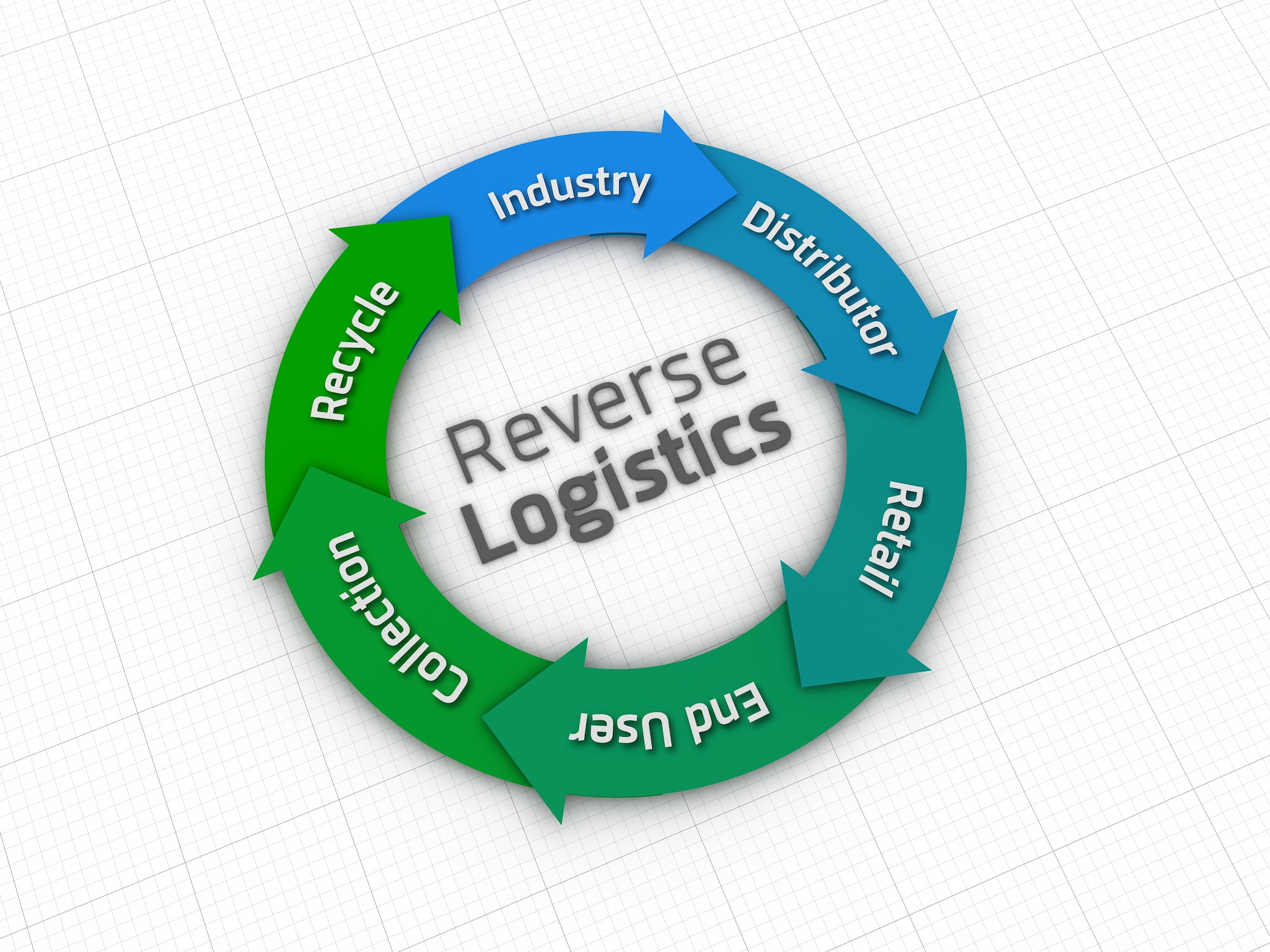
When shipping cargo internationally, it is essential to understand what are reverse logistics. Reverse logistics is the process of returning products from end customers back to the manufacturer or seller. It starts at the end customer and can end at the manufacturer’s warehouse or facility. Similar to the traditional supply chain, it has its challenges and benefits. The recent growth of the e-commerce industry has increased the need for reverse logistics, with product returns becoming more common. Omnichannel retailing, where a business uses multiple connected channels to reach the customer, also increases the importance of returns. Due to its growing popularity, 3PL providers have also adopted reverse logistics in their services.
What Are Reverse Logistics And Why Do Customers Return Cargo?
As previously mentioned, reverse logistics is the supply chain that involves moving the cargo back to the seller. While there are various reasons why reverse logistics occurs, the five primary R’s include:
Returns – One of the most common reasons for reverse logistics is to return cargo. Returns could be for various reasons, including damaged, defective, or goods that fail to meet expectations. The process can involve receiving, testing, inspecting, tracking, etc.
Recalls – A more complex form of return is a cargo recall. Recalls happen when a significant portion of a product is defective or poses a potential hazard. They commonly occur for items like high-tech devices with faulty electronics, and the products may face government regulations.
Repairs – If the damage to the freight the customer is returning is not severe, they may go directly to repairs. The company then identifies the issues, re-manufactures the product, and returns it to stock. For end-of-life products, the company can reuse various functional components.
Replacements – When customers buy an incorrect item, they may want to replace it instead of refunding it. Companies offering this service tend to have advanced fulfillment centers that can quickly pick out and replace the cargo.
Recycling – A more recent use of reverse logistics is for more sustainable practices like recycling. To promote environmental friendliness, customers and companies have placed greater importance on adequately disposing of goods. Various industries have also pushed towards sustainability.
How Is 3PL Used In Reverse Logistics?
Along with the growing importance of reverse logistics, shippers have used 3PL (Third-Party Logistics) providers for these services. Smaller to mid-sized businesses that move goods internationally, in particular, tend to use a 3PL provider for their reverse logistics. The reason is due to the numerous benefits that using a 3PL can offer. For example, they can provide fast and easy returns since 3PLs tend to have a network of carriers and warehouses. This means that the chances of a successful cargo return are high due to the available resources. 3PL providers can also provide expertise and knowledge since their primary purpose is to streamline a supply chain.
Another benefit of 3PLs for reverse logistics services is that it allows for scalability. 3PL providers can scale operations to meet changing demands. Handing reverse logistics services to a 3PL allows a company to focus on other aspects of its business. Contact A1 Worldwide Logistics at 305-425- 9456 or info@a1wwl.com to learn about our logistics services for transporting your shipment. Along with shipping, we provide services like warehousing, importing, trucking, and more to ensure the success of your supply chain.
by A1 WorldWide Logistics | Jul 11, 2024 | 3PL, Supply Chain, Transportation
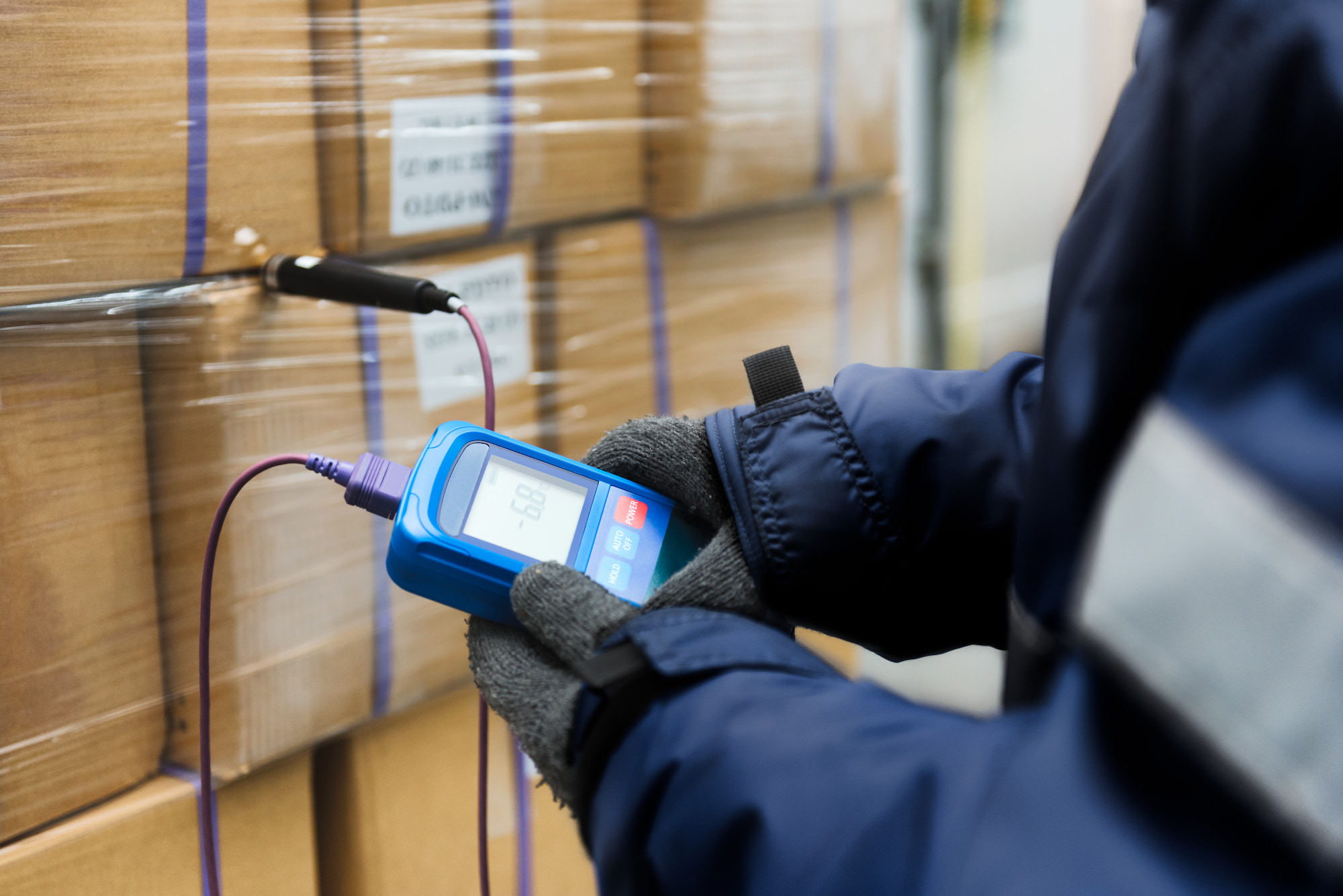
An essential consideration a shipper should make when moving temperature-sensitive cargo is understanding cold chain shipping logistics. A cold chain is a supply chain for transporting freight that has to remain under a specific temperature to prevent damage. These goods include perishable foods, beverages, pharmaceuticals, flowers, chemicals, cosmetics, etc. The process has the parts of a regular supply chain, like transportation and warehousing, but the temperature must remain constant. Cold chains have existed for hundreds of years, but technological advancements helped streamline the potential for more capabilities. While this article will focus on moving shipments internationally, the cold chain can also include domestic cargo transport.
What Are The Main Challenges To Cold Chain Shipping Logistics?
There can be various challenges and things that shippers should be aware of when starting a cold chain. This is due to the numerous components involved in the process. A common challenge is that the cargo has to remain at the same temperature throughout the journey. Even a tiny decimal point fluctuation in temperature can result in spoilage. Fluctuations can be the result of human error or equipment failure. Another challenge is that there are multiple standards and regulations that shippers have to adhere to in a cold chain. Regulators like the Federal Drug and Food Administration (FDA), the Department of Transportation (DOT), the International Air Transport Association, and U.S. Customs set the requirements.
Some regularity requirements include packaging, product stability, temperature transportation, and more. A lack of proper documentation is another issue that the shipper should be aware of. Depending on the type of shipment, the shipper must document data like storage temperature and conditions to prevent errors. Documents also include the paperwork needed for import and export. Failure to provide the correct papers can lead to delays in the shipping process due to holdups at customs. Delays are unfavorable for cold chains, with technologies like dry ice being temperature-sensitive.
What Is The Cold Chain Supply Chain Process?
The cold chain process starts long before the cargo leaves the location of origin. Before exportation, the cargo may be stored in a warehouse facility at the correct temperature to prevent spoilage. The same rule applies to the packaging, which should maintain the quality and prevent contamination before going on the carrier. Refrigerants can include dry ice, gel packs, EPS (expanded polystyrene) panels, and more. Shippers can use various methods of conveyance, like ships, airplanes, and trucks, to move the shipment. However, the transportation method has temperature-controlled systems. Examples include reefers (refrigerated containers) that keep the goods at the correct coldness during the journey.
When the cargo enters the destination port, the paperwork must be correct to prevent holdups. Once customs releases the shipment, a carrier delivers it to a warehouse or another location at the appropriate temperature. Despite the multiple components involved with transporting cold cargo, there can be numerous benefits for businesses and individual shippers. You can ensure the success of your cold chain by starting with the help of a 3PL (Third-party logistics) provider. 3PLs handle various parts of a supply chain, such as transporting, warehousing, and brokering, on behalf of the shipper. Contact A1 Worldwide Logistics at 305-821-8995 or info@a1wwl.com to speak to a 3PL provider regarding your cargo shipment.
by A1 WorldWide Logistics | Feb 1, 2024 | Shipping Logistics, Supply Chain, Warehousing
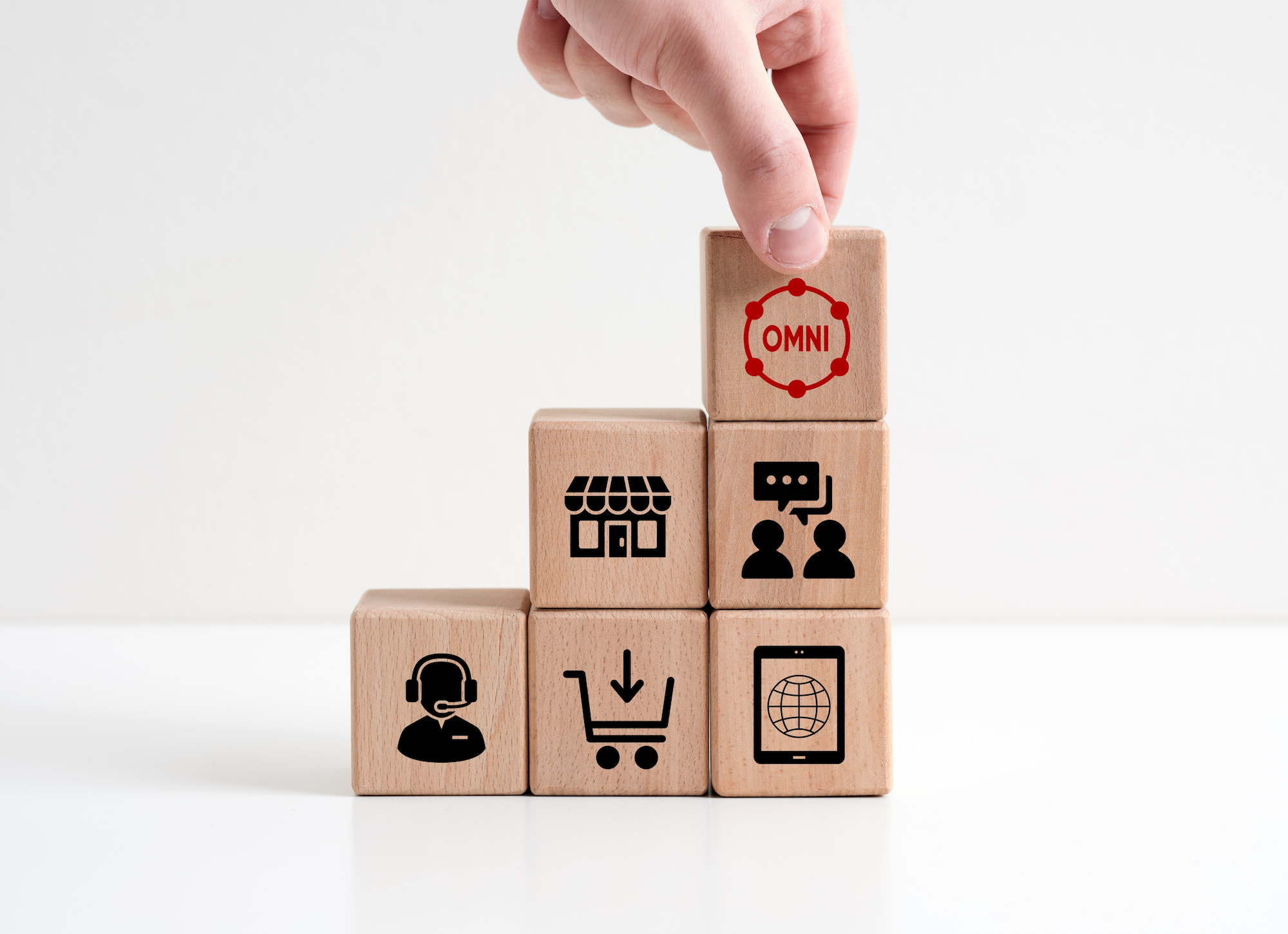
When a business is considering logistics strategies for growing its supply chain, understanding what is omnichannel logistics can be beneficial. Omnichannel logistics is the process of using multiple channels to reach customers and fulfill demand. While Omnichannel may seem similar to Multichannel logistics, they differ in integration. Multichannel uses several channels to guide a customer through the purchasing process. Omnichannel also has multiple channels; however, they are connected and share data jointly. An example is a company with an app and website where you can order online and ship to the store. Companies usually import the products from distribution centers and warehouses internationally.
The Importance of Understanding What Is Omnichannel Logistics
Knowing omnichannel logistics can help a business streamline its supply chain and offer more to its clients. In a time when customers expect more excellent solutions for their needs, this is especially important. Using the example where buyers can order online and ship goods to a store, this can start at the warehouse. A company understanding omnichannel logistics may have multiple channels with product option services that adapt to the customer’s needs. Once the customer selects, the website will send the order to a warehouse where the cargo manipulation process begins. Other parts of the supply chain, like the delivery process, can offer numerous alternatives with omnichannel logistics.
What Are The Benefits And Challenges Of Omnichannel Logistics
Omnichannel logistics have numerous benefits for the customer, company, and other parts of a supply chain. A significant advantage for businesses is that the enhanced customer journey and solutions increase retention. Greater scalability also becomes possible since the multiple channels allow reaching into new customer segments. An effect is that a business can have a competitive advantage since various integrated channels set it apart. Additionally, having numerous ways for a buyer to access your services may be beneficial in gathering customer data. The information lets the company make more informed service and product decisions.
While this logistics approach has many benefits, there can also be challenges, including difficulty performing reverse logistics. Reverse logistics is the return of products through the supply chain for disposal, reusing, recycling, etc. Compared to businesses with one channel, a company with multiple channels can have difficulty deciding on the best channel to handle the returned product. Another challenge is that inventory visibility may become complex with the numerous retail locations and warehouses that omnichannel usually has. With the number of channels available to customers, omnichannel is accessible to anyone. A problem arises when competition acquires critical information for their interest.
Customs Bonded Warehouse
One of the most critical parts of a supply chain is the warehousing fulfillment a company provides. A common way businesses save money while providing numerous services is by outsourcing to a 3PL warehouse provider. A1 Worldwide Logistics understands this and has a customs-bonded facility for housing your cargo. Customs-bonded warehouses allow freight storage without paying taxes up to five years from the import date. This allows the importer to save money while finding customers for their product. If the shipper cannot find a buyer for the goods, it can be re-exported without payment of duties. To learn more about our customs-bonded warehousing solutions, contact us at 305-821-8995.
by A1 WorldWide Logistics | Jan 12, 2023 | Warehousing
In shipping, packing is taking an item from a warehouse and putting it inside a packaging material. The good is then loaded into a truck or a courier and transported to the next destination. Packing may begin when a warehouse gets an order from a business to ship a product to a client. A worker inside the warehouse will then find the correct cargo and prepare it for transportation to the customer. Before going into the truck, the freight may be wrapped, packaged, and put on a pallet. A common type of packaging used for packing is crating.
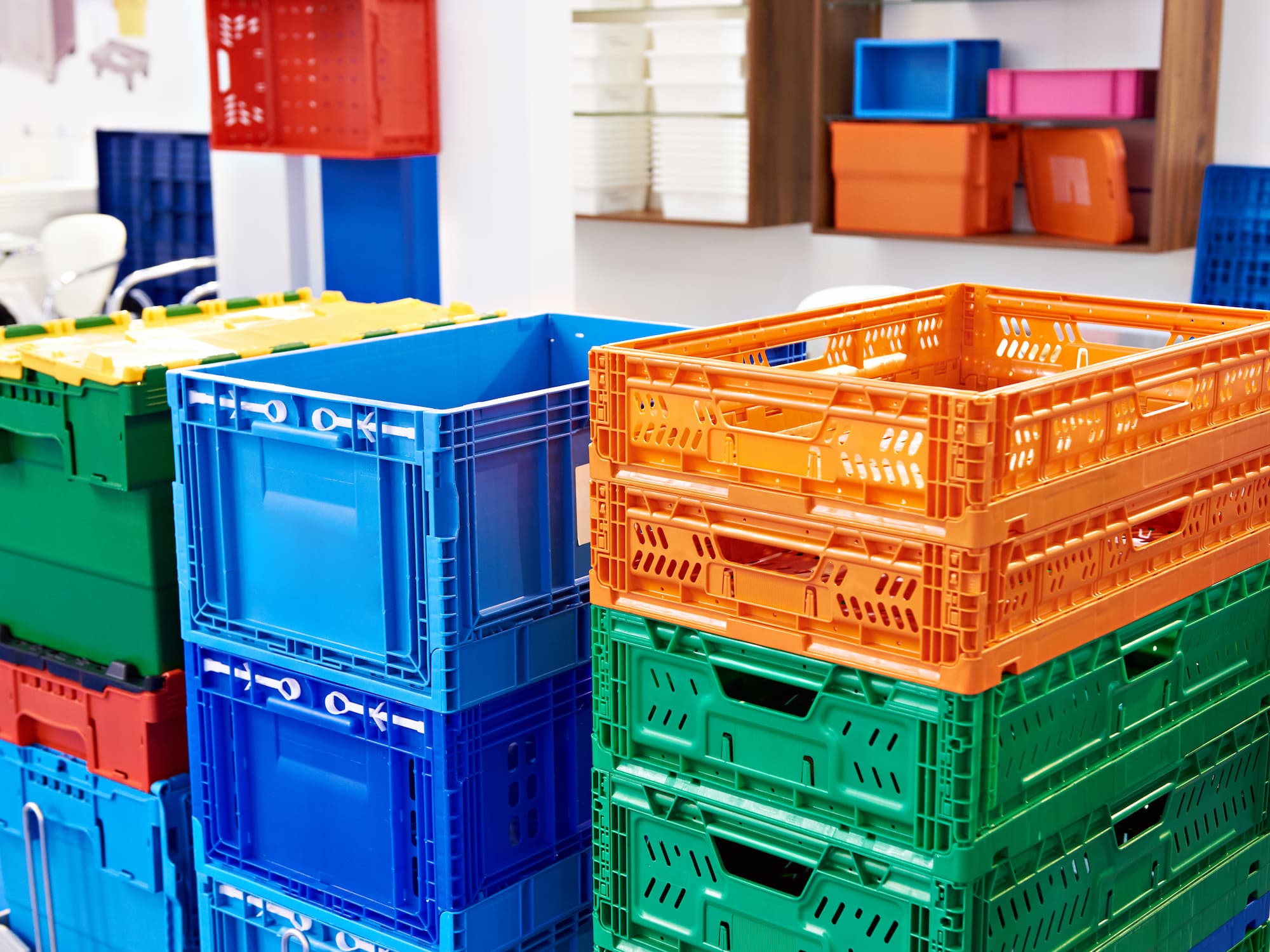
A crate is a four-sided shipping box made from various materials, including metal, plastic, and, most commonly, wood. Cargo that is fragile, easily breakable, or heavy use crates as packaging material to prevent damages. During the shipping process, bumps and bruises may naturally happen to a shipment. Trucks also tend to be loaded to total capacity, meaning the chances of heavy material damaging goods increase.
What are the P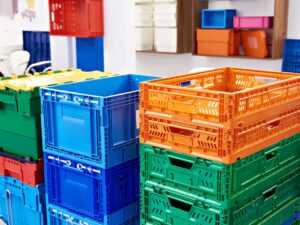 ros and Cons of Shipping Cargo in a Crate
One of the main reasons why crates are an ideal solution is because of the protection that they provide. They can withstand a large amount of weight and are difficult to break. The shape also allows for stability, which is helpful for storage and transportation. There may be downsides with crating, such as the cost. Certain types of wood may be expensive, and crates can be more costly than other packaging. Wood that is low quality also may contain toxins that might harm the goods being shipped. The supplier will disinfect and spray chemicals on the crates before usage.
Crates can also take up more space in a container than conventional packaging. Despite the cons, crating is still one of the best alternatives for packing sensitive and heavy cargo. Find a warehouse that offers this service to learn about the benefits of crating goods for a supply chain. Contact A1 Worldwide Logistics at 305-821-8995 for a quote to store your freight in our warehouse. We provide packing and crating solutions for your shipments and transport the load in and out of our facility.
by A1 WorldWide Logistics | Nov 16, 2022 | Shipping Logistics, Supply Chain, Warehousing
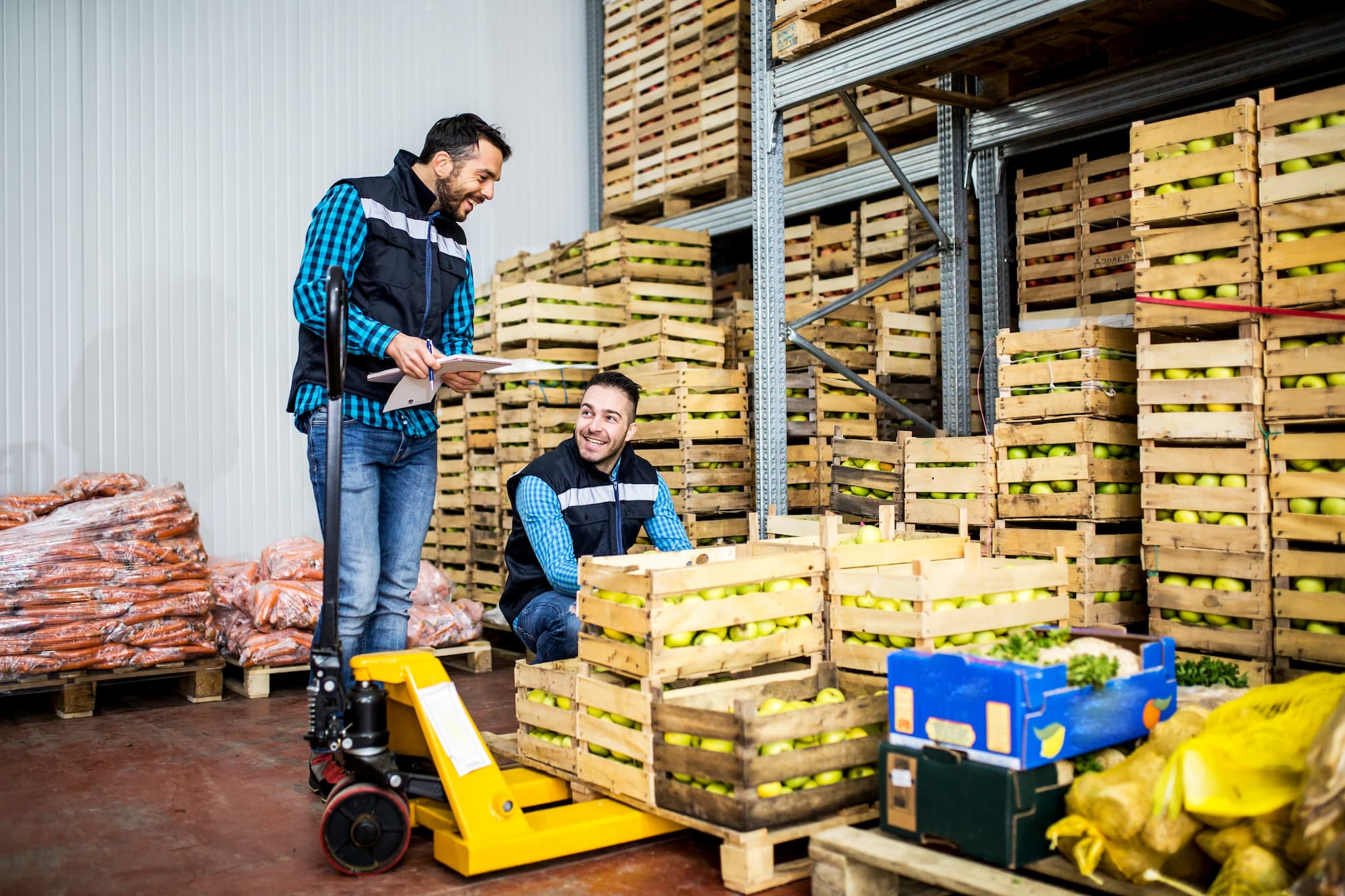
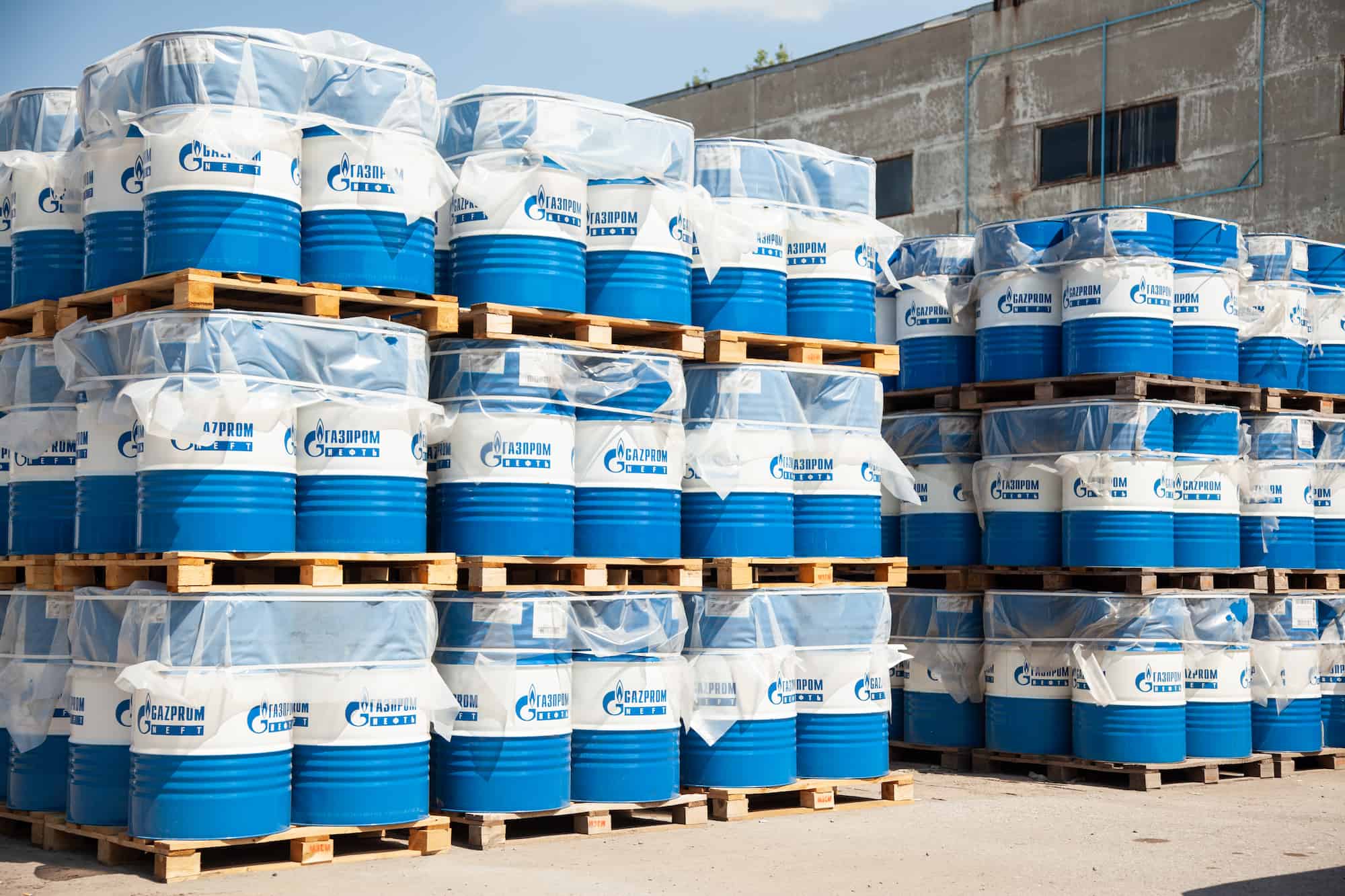
Warehousing is storing and handling various products for a specific period. A common item stored in warehouses is industrial products, goods used to produce a finished product. Unlike consumer goods which are finished products that are sold to customers, industrial products are not complete products. Manufacturing, retail, and other service businesses use warehouses to store industrial goods for future usage. These products include raw materials, accessory equipment, operating supplies, etc.
How Are Industrial Products Handled and Stored in a Warehouse?
Shippers must take special precautions to prevent damage when they move industrial goods to storage facilities. This is especially true since specific buyers need the goods to be in excellent condition to create the final product. Before entering the warehouse to be stored, specialized equipment transfers the material out of the containers. Hand trucks, pallet jacks, and walkie-stackers are all used to bring industrial goods out of the trucks and into the facility. Since industrial products tend to come in bulk, machinery such as conveyors, silos, and bucket elevators transfer the materials inside the warehouse for storage.
Since business store raw and unfinished materials, warehouses that house industrial products may have more services than the average warehouse. Additional areas like production locations, perimeter zones, and waste collection zones tend to be present. The production locations may be necessary when a company orders merchandise. This is common with parts that workers assemble into a final product. Industrial goods are frequent in Business to Business (B2B), and trucks may transport them from the warehouse without adjustments.
Plenty of Solutions
The amount of goods classified as industrial includes a vast range of items from petroleum and cement to car engines. They all have a commonality of being used to make and sell other goods. Due to the importance of industrial products in many businesses, warehouses are ideal for storing extra inventory. If you need to warehouse industrial products for short-term or long-term, contact A1 Worldwide Logistics at 305-821-8995. We also provide value-adding services like picking, packing, trans-loading, cross-docking, and much more.

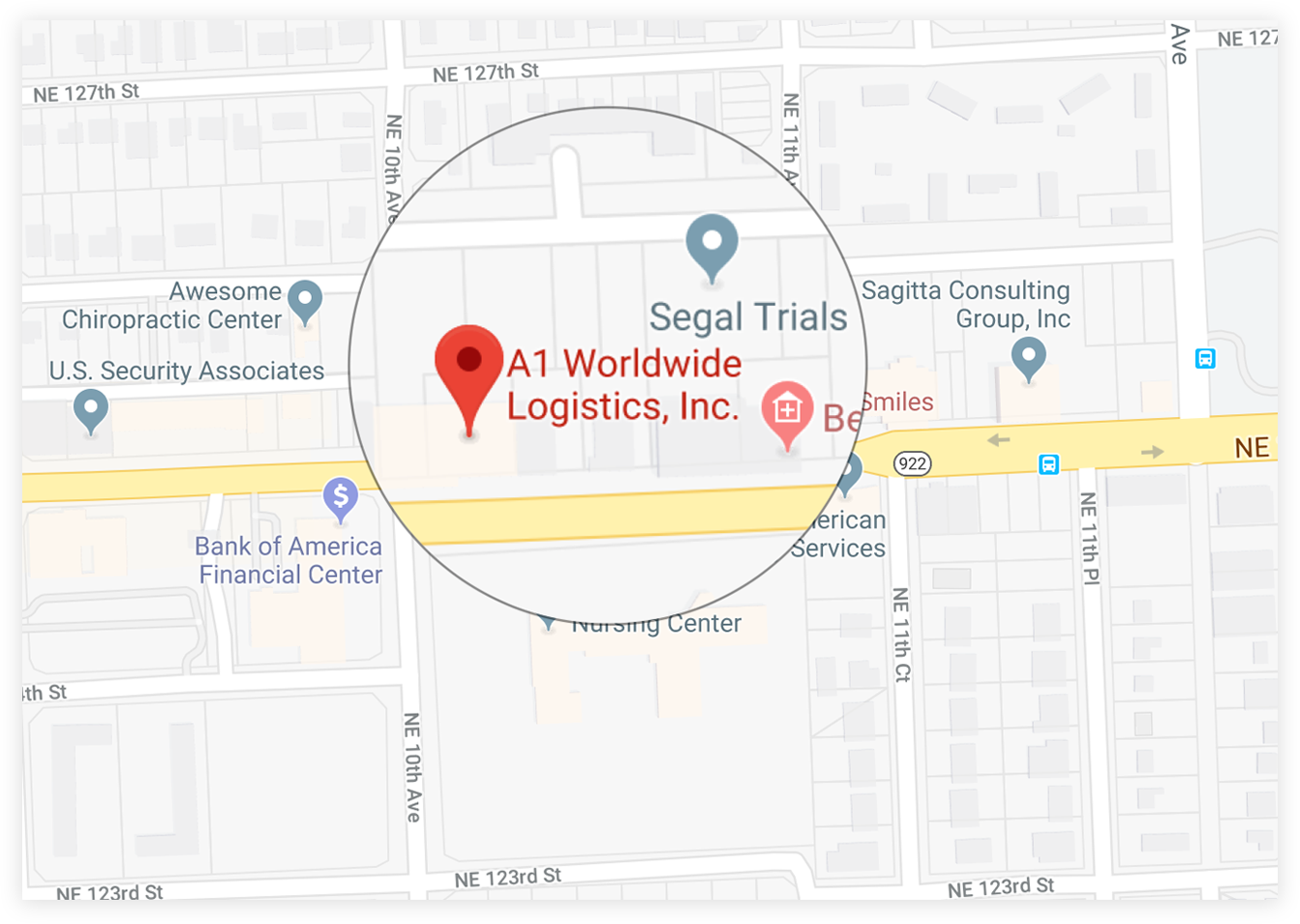
 1035 NE 125th St Suite #320, North Miami, FL 33161.
 a1worldwidelogistics.com
 (305) 821-8995
 Hours: 8AM - 5PM