by A1 WorldWide Logistics | Aug 26, 2025 | Agricultural imports, Customs Broker, Customs Clearance
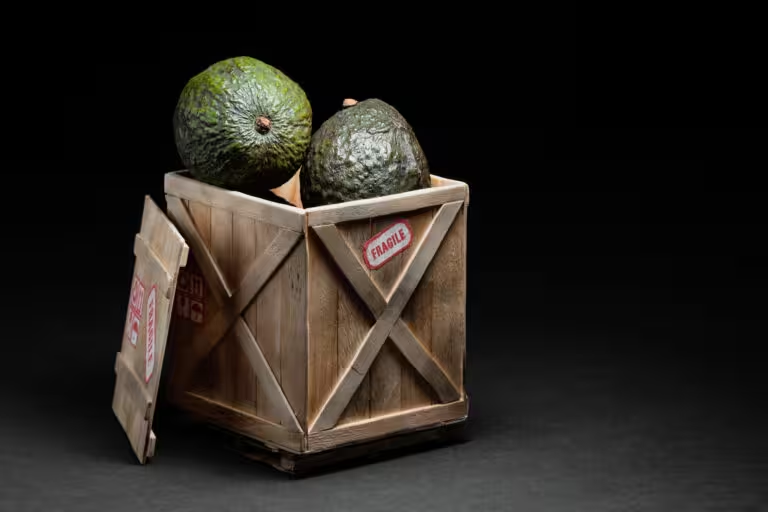
Antes de ingresar aguacates a EE. UU., el remitente debe entender que existen varias normas y regulaciones a seguir. El Departamento de Agricultura de EE. UU. (USDA), a través de su División de Frutas y Verduras, regula las importaciones de aguacates y cuenta con subdepartamentos especializados. Por ejemplo, el Servicio de Inspección de Sanidad Animal y Vegetal (APHIS) regula la entrada de plantas para evitar la introducción de plagas y enfermedades. En el caso de los aguacates, APHIS hace cumplir los requisitos fitosanitarios.
Todos los envíos mayores a 25 kilos (55 lbs.) deben ser inspeccionados por el USDA para verificar su grado y madurez. El USDA exige que todos los aguacates tengan un grado dos antes de ingresar, cumpliendo con características varietales específicas. Además, existen requisitos de maduración como color, peso y tamaño que deben cumplirse.
Es importante conocer los riesgos de enviar aguacates y cómo evitarlos. Al ser una fruta perecedera, los aguacates son vulnerables a dañarse o descomponerse. Antes de salir del lugar de origen, el exportador debe empacar adecuadamente para evitar exposición al calor o la humedad. Generalmente se utilizan cajas limpias o huacales ventilados para reducir daños y permitir la circulación de aire. La cadena de frío debe mantenerse desde el almacenamiento hasta la entrega.
También es necesario considerar los aranceles de importación: para los aguacates, la tarifa es de 11,2 centavos de dólar por kilogramo.
¿Cuál es el proceso de importación?
Cuando el remitente está listo para transportar los aguacates, debe utilizar un transportista refrigerado para evitar que se estropeen. Se pueden usar diferentes medios —aéreo, terrestre o marítimo— siempre y cuando la temperatura se mantenga adecuada. En los envíos internacionales, se recomienda usar un contenedor refrigerado (reefer).
El importador debe preparar con antelación la documentación necesaria, como:
- Factura comercial
- Certificado fitosanitario
- Conocimiento de embarque marítimo o guía aérea
- Certificado de origen
Al llegar al puerto de entrada, los funcionarios de CBP (Aduanas y Protección Fronteriza) y APHIS inspeccionarán la carga para verificar el cumplimiento normativo. Un agente aduanal puede facilitar el proceso de despacho, garantizando que el remitente cumpla con los requisitos federales. Estos agentes también ayudan con la clasificación de productos, el pago de aranceles y la preparación de documentos. Una vez liberada la carga, se puede coordinar el transporte hasta su destino final.
Debido a la cantidad de regulaciones que exige EE. UU., el proceso de importar aguacates puede ser complejo para remitentes sin experiencia. Por ello, muchas empresas optan por trabajar con un agente de carga. Los agentes de carga son intermediarios entre el remitente y las compañías de transporte, asegurando que la carga se coordine de manera eficiente y segura.

by A1 WorldWide Logistics | Mar 21, 2025 | Agricultural imports, Economic trends, Supply Chain
The trade war between the U.S. and other countries is escalating, with Trump threatening a 200% tariff on wine imports. Last Thursday, President Trump threatened 200% taxes on wine, champagne, and other alcoholic beverages from the EU (European Union). Trump noted that the tariffs would be “great for the wine and champagne businesses in the US.” The threat is the latest tariff announced by the U.S. regarding importations over the last few months. A European Commission spokesperson recently said that talks between the U.S. and EU will happen regarding the situation. With the U.S. being a significant wine importer, the tariff hike could substantially impact the EU’s market.
Why Is Trump Threatening a 200% Tariff on European Wine?
President Trump’s 200% tariff threat is due to recent duties announced by the EU. Earlier this week, Trump imposed a 25% tariff on steel and aluminum imports into the U.S. The EU retaliated by introducing tariffs on $28 billion of U.S. goods, including a 50% tax on American whisky. Trump responded by calling the EU “One of the most hostile and abusive taxing and tariffing authorities in the world.” During the first Trump Administration, the EU enforced similar taxes in response to Trump’s previous steel and aluminum tariffs. However, it was suspended and then later extended to March 31st. The EU’s retaliatory tax will go into effect on April 1st, just a day before Trump’s separate reciprocal tariff starts.
Since Trump’s return to office, he has placed duties over various U.S. trade partners, including Canada, China, and Mexico. The reason is to address the trade imbalance between the U.S. and other countries. Trump said he plans to “level the field” by reducing trade deficits with trading partners. Another goal behind the tariffs is to bring manufacturing and businesses like wine production back to the U.S. This will stimulate the economy and create jobs. The tariffs are also to stop the inflow of drugs and illegal immigration into the U.S. The majority of fentanyl that smugglers import into the U.S. comes from China and Canada.
What Will Be the Impact Of A 200% Tariff On International Shipping?
The U.S. is the largest wine importer globally, bringing in nearly 1.2 billion liters in 2024. Their biggest importers are in the EU, and they are the most significant wine producers globally (France, Italy, Spain, etc.). A 200% tariff could hurt the producers by resulting in substantial revenue loss. In turn, the higher costs will fall on the consumer, and the alcohol prices will skyrocket. A 200% tariff can also result in retaliatory measures for the countries involved and escalate the trade war. While it may negatively impact international trade, domestic shipping could benefit from production returning to the U.S.
When shipping cargo internationally, a shipper must be aware of potential disruptions that can affect the process. Failure to prepare can result in delays, cargo loss, and monetary loss. You can prepare by being up-to-date with any laws and regulations that may arise. Another way to protect your shipment is by speaking to 3PL (Third-Party Logistics) provider. A 3PL provides various supply chain logistics services, including international and domestic shipping, customs clearance warehousing, and more. They also educate shippers on the best course of action to take to avoid disruptions. To learn about our solutions for ensuring the success of your shipment, reach A1 Worldwide Logistics at 305-425-9456 or info@a1wwl.com.
by John Oviedo | Feb 17, 2025 | Agricultural imports
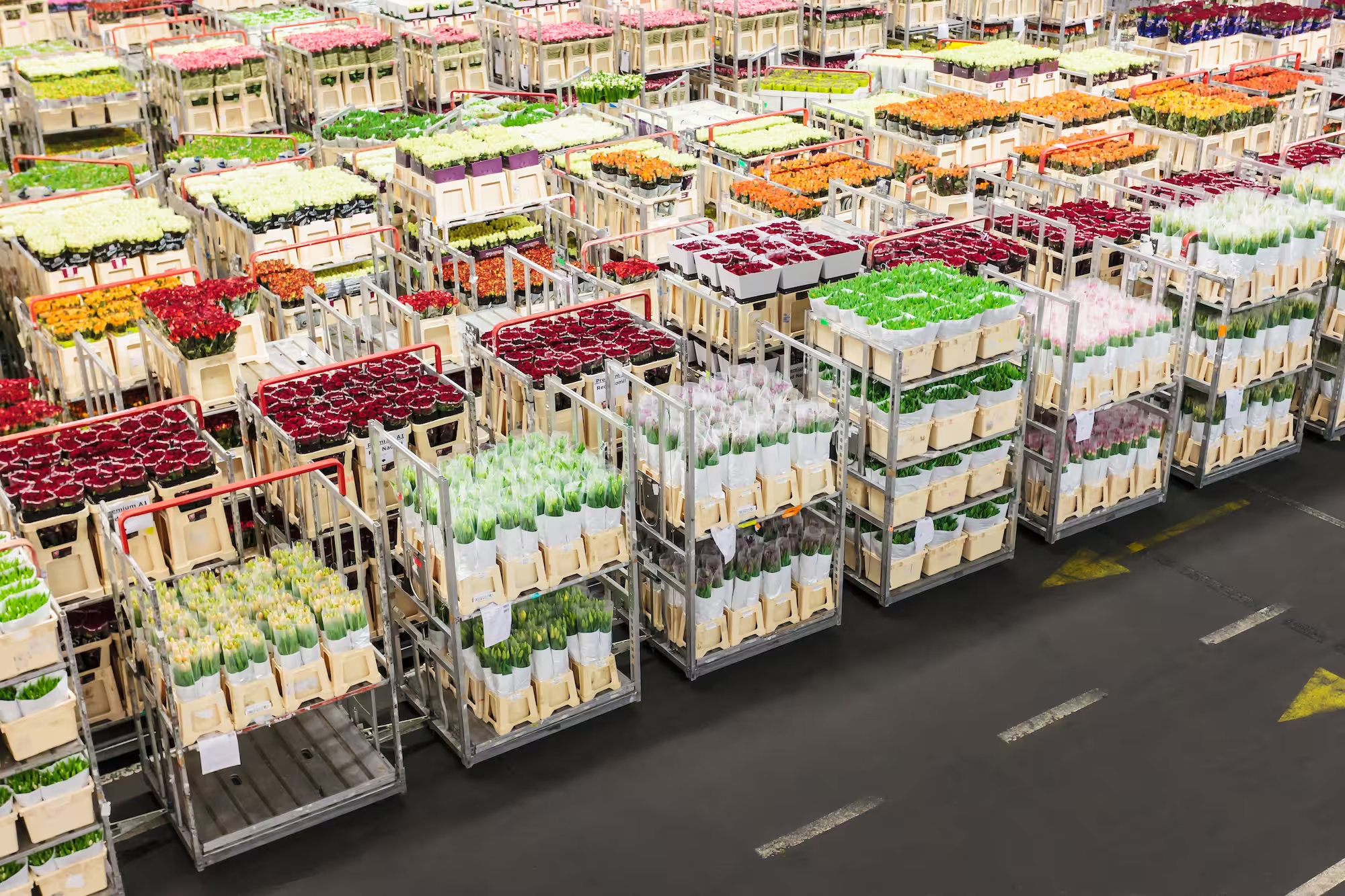
The popularity of fresh flowers has been increasing in recent years. In 2023, the total value of flowers imported into the U.S reached over $2.5 billion, with $1.5 billion coming from Colombia. This highlights Colombia’s importance to the U.S. flower market. This article outlines the requirements to successfully import flowers from Colombia into the U.S. to ensure a smooth operation in your supply chain.
Flowers are highly regulated by the United States Department of Agriculture (USDA) enforced by U.S. Customs and Border Protection. These regulations aim to prevent the introduction of harmful pests and diseases into the U.S. market. To start with the import process, first, you need to apply for an Animal and Plant Health Inspection Service (APHIS) permit which will allow the company to import plants and plant products. This permit needs to be obtained prior shipping.
Upon arrival in the U.S., your flower shipment will be inspected by APHIS. This inspection verifies compliance with all applicable USDA regulations. During this inspection, the USDA will request the APHIS permit and the phytosanitary certificate, which must be obtained from the appropriate agency in Colombia. Depending on the specific type of flower, duties and tariffs may apply. To determine the exact duty rate, the appropriate Harmonized Tariff Schedule (HTS) code must be used to classify the flowers, which is essential for proper assessment and clearance.
However, there are benefits to importing flowers from Colombia. Flowers grown in Colombia may qualify for benefits under the Free Trade Agreement that is currently in effect. This agreement provides duty-free treatment for products that meet the origin requirements. To claim this duty-free treatment, the importer must provide a Certificate of Origin along with the required documentation.
To ensure efficient and compliant operation during the customs clearance and logistics process, A1 Worldwide Logistics offers comprehensive services as both a customs broker and freight forwarder. Our expertise in navigating the complexities of international trade regulations and logistics ensures your floral shipments are handled with the utmost care and efficiency. We can assist with all aspects of the import process, from documentation preparation and customs clearance to transportation and delivery. Contact us today to learn more about how we can streamline your flower import operations.
*This article was also published in Metroflor Magazine, a prestigious Colombian medium specialized in floriculture.
by A1 WorldWide Logistics | Jul 3, 2024 | Agricultural imports, Importing, Supply Chain
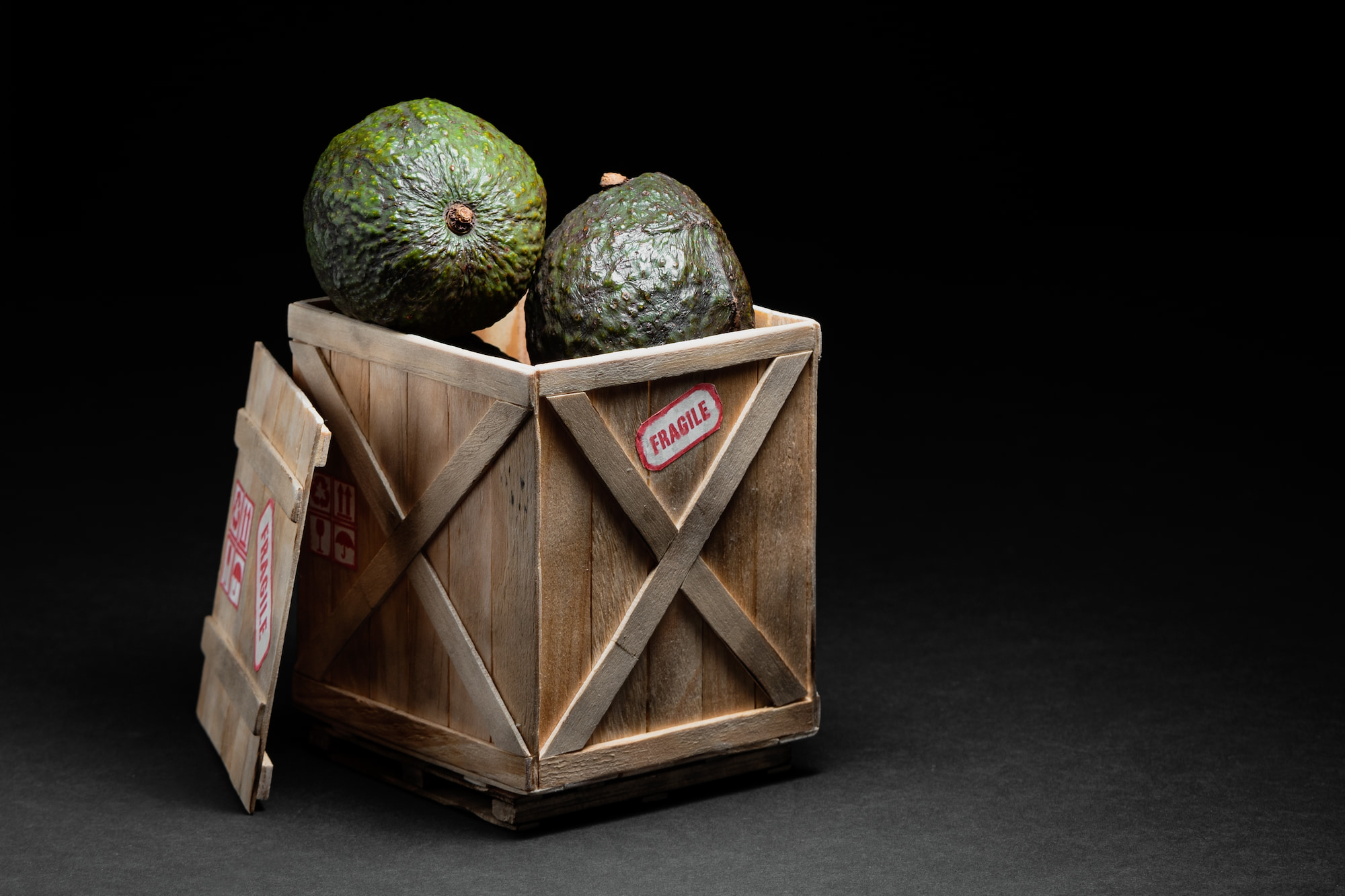
Businesses and individual shippers can benefit from understanding the process for importing avocados into the U.S. Avocados are the most imported fruit in the U.S., making up over 14% of all fruit imports in 2023. Nearly 90% of the avocado imports come from Mexico. However, Peru, Chile, and Colombia are popular alternatives. Approximately 80% of the Mexican avocado imports from the U.S. are from Michoacan. This is because Michoacan is the only region that can export the fruit to the U.S. Despite its popularity, avocados can be challenging to import since they’re perishable. This article will introduce the importation process and what to expect when starting.
What To Know Before Importing Avocados into the U.S.?
Before bringing avocados into the U.S., a shipper must understand that they must follow various rules and regulations. The U.S. Department of Agriculture (USDA) Fruit and Vegetable Division regulates avocado imports and has its smaller departments. For example, the Animal and Plant Health Inspection (APHIS) regulates plant imports to prevent the introduction of diseases and pests. For avocados, they enforce the phytosanitary requirements. All avocado shipments more significant than 55 lbs. must be inspected by the USDA for grade and maturity. The USDA requires that all avocados be grade two before coming in, which has its varietal characteristic. There are also maturity requirements like color, weight, and size to be aware of.
It is essential to understand the risks associated with shipping avocados and how to avoid them. Since avocados are a perishable fruit, they are susceptible to spoiling. Before leaving the place of origin, the exporter should package correctly to prevent exposure to heat or moisture. Packing crates and clean boxes are typically used by shippers to avoid damage and expose them to air. The shipper must set the entire avocado supply chain at a specific temperature before leaving the storage facility and afterward. It is also crucial to understand that there are duties for importing to the U.S. For avocados, the amount is 11.2 cents per kilogram.
What Is The Process?
When the shipper is ready to transport the avocados, they should use a refrigerated carrier to keep them from spoiling. Various methods of conveyance, like air, land, and sea, can bring avocados into the U.S.; however, the temperature must be correct. This is done by using a reefer container for shipping internationally. Paperwork should also be prepared beforehand by the importer. Examples of documentation are:
- Commercial Invoice
- Phytosanitary Certificate
- Bill of Lading or Airway Bill
- Certification of Origin
Once the avocados arrive at the port of entry, CBP and APHIS officials will inspect the shipment to ensure compliance. A customs broker can help in the clearance process by guaranteeing the shipper meets federal requirements. Brokers also provide other services like preparing documentation, paying duties, and classifying products. When customs clears the shipment, the shipper may use a carrier to move the avocados to their final destination.
With all the rules and regulations the U.S. requires for importing avocados, the process can be challenging for inexperienced shippers. Shippers typically use a freight forwarder to handle the shipment. Forwarders are the intermediaries between the shipper and the shipping company coordinating the cargo movement. They make sure that the carrier efficiently transports the avocados. Speak to a freight forwarder and customs broker at 305-425-9456 or info@a1wwl.com to begin importing into the U.S.

by A1 WorldWide Logistics | Mar 21, 2024 | Agricultural imports, Air Freight, Customs Broker Miami, Economic trends, Freight Forwarding, Supply Chain
Los productores y/o comercializadores de flores cortadas deben ser excepcionalmente cuidadosos al transportar flores a los Estados Unidos, especialmente durante el Día de San Valentín. El Día de San Valentín es un momento para demostrarle a esa persona especial que la aprecias y te preocupas por ella. Una de las formas más populares es regalándole un ramo de rosas. En 2023, la Agencia de Aduanas y Protección Fronteriza (CBP por sus siglas en inglés) reportó haber inspeccionado más de mil millones de arreglos florales importados durante la temporada del Día de San Valentín. La mayoría de los envíos provenían de Colombia y Ecuador y llegaban a los Estados Unidos a través del Puerto de Miami. Al decidir vender flores a los Estados Unidos, se deben tener en cuenta muchas consideraciones. Este artículo explicará algunos aspectos logísticos básicos de dicho proceso y cómo comenzar.
¿Qué hay que saber antes de comenzar?
Los productos florales pueden ser más difíciles de llevar a los Estados Unidos que otras importaciones. Además de los requisitos de Aduanas y Protección Fronteriza (CBP), los importadores deben seguir las regulaciones del Departamento de Agricultura de los Estados Unidos (USDA). El USDA verifica que las importaciones agrícolas como las flores estén libres de plagas y enfermedades, entre otros. Antes de comenzar, hay que asegurarse de que el envío cumpla con los requisitos de entrada. Si bien los importadores suelen enviar rosas rojas durante el Día de San Valentín, cada tipo de flor puede tener sus propios requisitos, que determina el USDA. Por ejemplo, los arreglos de flores, los ramos y las plantas en maceta tienen diferentes requisitos, y no entenderlos puede afectar negativamente su importación.
¿Cuál es el proceso logístico para importar flores a los Estados Unidos?
Se pueden utilizar varios métodos de transporte para llevar flores a los Estados Unidos, como aire, mar y tierra (caso México), para lo cual por lo general los productores/comercializadores se valen de agentes de carga. Es esencial tener en cuenta que las flores son perecederas, lo que significa que pueden estropearse después de un tiempo específico. Los importadores suelen utilizar contenedores refrigerados y otros métodos más avanzados, como el enfriamiento al vacío, para evitar que se dañen durante el tránsito. Algunos de los documentos que la CBP requiere para importar flores incluyen:
• Conocimiento de embarque aéreo/marítimo: Un recibo que indica que el transportista está moviendo la carga, que también puede proporcionar información de seguimiento.
• Certificado fitosanitario: Un certificado que asegura que las flores están libres de plagas y enfermedades.
• Factura comercial: Un documento con información esencial sobre el envío que también usa Aduanas para evaluar el valor de la carga.
• Certificado de origen: Un certificado que verifica el país donde se realiza la exportación.
Estos son solo algunos de los documentos que la CBP requiere para la importación y pueden variar según el tipo de flor. Para entender la documentación que los envíos requieren, los remitentes suelen asesorarse de agentes de aduana. Un agente de aduanas es un intermediario entre el transportista y las autoridades aduaneras y coordina la liberación de un envío.
En conclusión, importar flores a los Estados Unidos para el Día de San Valentín es un proceso complejo que requiere una cuidadosa planificación y coordinación logística. Desde cumplir con los requisitos de entrada hasta garantizar una entrega oportuna y en condiciones óptimas, cada paso del proceso es crucial para el éxito de la operación. Con una comprensión clara de los aspectos logísticos y comerciales involucrados, los productores y comercializadores pueden aprovechar al máximo esta temporada de alta demanda y celebrar el amor y el afecto de manera exitosa.
*Este artículo también fue publicado en la Revista Metroflor

by A1 WorldWide Logistics | Feb 12, 2024 | Agricultural imports, Customs Clearance, Shipping Logistics
Shippers should be exceptionally careful when importing flowers into the U.S., especially during Valentine’s Day. Valentine’s Day is a time to show that special someone that you cherish and care for them. One of the most popular ways is by gifting them a bouquet of red roses. In 2023, The CBP reportedly inspected over 1.1 billion flower cut imports during the Valentine’s Day season. Most shipments came from Colombia and Ecuador and arrived in the U.S. through the Port of Miami. When deciding to import flowers into the U.S., a shipper should be aware of many considerations. This article will explain the logistics of importing flowers and how to begin.
What To Know Before Starting?
Floral products can be more challenging to bring into the U.S. than other imports. Along with the Customs and Border Protection (CBP) requirements, shippers must follow regulations from the U.S. Department of Agriculture (USDA). The USDA verifies that agricultural imports like flowers are free from pests, diseases, and other harmful things. Before starting, a shipper must ensure the shipment complies with the entry requirements. While importers commonly ship red roses during Valentine’s Day, each flower type can have its requirement, which the USDA determines. For example, cut flowers, bouquets, and potted plants have different prerequisites, and not understanding them can negatively impact your importation.
What Is The Logistics Process For Importing Flowers Into The U.S.?
A shipper can use various methods of conveyance, like air, ocean, and land, when importing flowers into the U.S. It is essential to note that flowers are perishable, meaning they can spoil after a specific time. Importers usually use reefers or refrigerated containers to prevent them from damaging during transit, as well as other more advanced methods such as vacuum cooling, which not only control the temperature but also the humidity of the flowers, resulting in a longer vase life.
Some of the documents that the CBP requires for importing flowers include:
- Airway/Bill of Lading – A receipt that that shipper is moving, which can also provide tracking information.
- Phytosanitary Certificate – A certificate that ensures the flowers are pest and disease-free.
- Commercial Invoice – A document with essential information about the shipment that customs also uses to evaluate the value of the cargo.
- Certificate of Origin – A certificate verifying the country where the export occurs.
These are just some documents that customs require for importation and can vary depending on the flower type. To understand the paperwork that your shipment requires, speak to a customs broker. A broker is an intermediary between the shipper and customs and coordinates the release of a shipment.
A1 Worldwide Logistics
While importing flowers may be a huge opportunity this Valentine’s Day, it may seem overwhelming for beginner shippers. An ideal way to start is by using the assistance of a 3PL (Third-Party Logistics) provider. 3PLs have freight forwarding services to move your shipment and customs brokerage services for clearing your goods at customs. Logistics providers also have drayage services to transport the goods to their final destination once customs clears the shipment. If you plan on importing flowers, contact A1 Worldwide Logistics at 305-821-8995 or info@a1wwl.com to begin the importation process. We coordinate with the Port of Miami and every other U.S. port to ensure the successful delivery of your shipment.

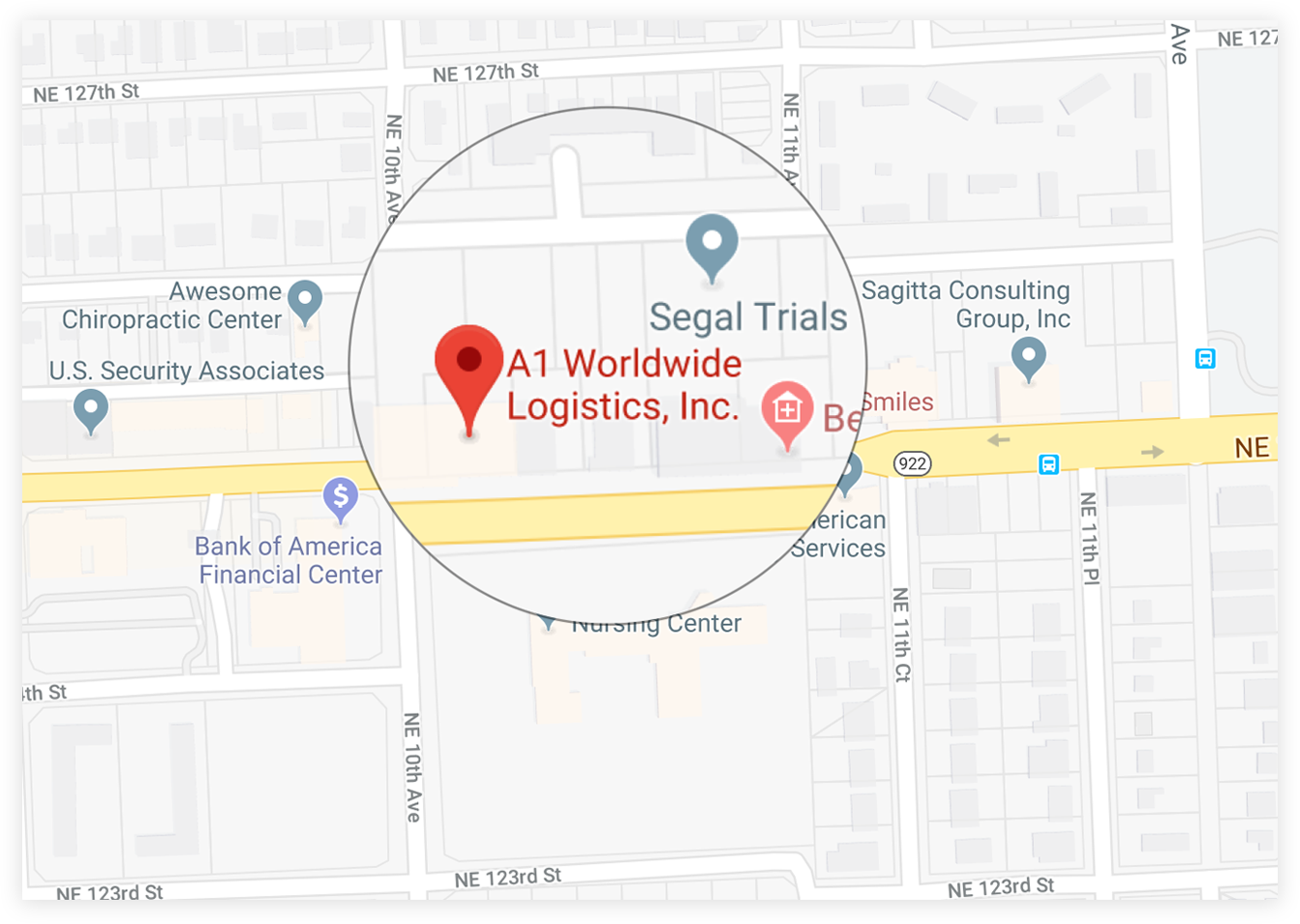
 1035 NE 125th St Suite #320, North Miami, FL 33161.
 a1worldwidelogistics.com
 (305) 821-8995
 Hours: 8AM - 5PM