by María Fernanda Cárdenas | May 21, 2024 | Customs Broker, Customs Clearance, Importing
En el envío internacional, no contar con un agente de aduanas con licencia puede afectar adversamente al remitente y la liberación aduanal. Un agente de aduanas con licencia (CHB, Customs Broker, por sus siglas en inglés) es una persona o empresa que ha obtenido licencia de la Oficina de Aduanas y Protección Fronteriza de los Estados Unidos (CBP, por sus siglas en inglés). La licencia permite a la persona o empresa actuar como intermediario entre el importador y las autoridades aduaneras. Los CHB coordinan con aduanas para liberar los bienes que un remitente importa a los Estados Unidos. Algunas de las tareas de un CHB con licencia pueden incluir:
- Asegurar el despacho de mercancías de la aduana al garantizar que las importaciones cumplan con las leyes y regulaciones aduaneras.
- Preparar y presentar la documentación requerida para el despacho aduanero a nombre del importador.
- Actuar como intermediario entre el importador y las autoridades aduaneras y ayudar con cualquier problema que surja durante el proceso de despacho.
- Determinar la clasificación adecuada y la valoración de la carga para fines fiscales y aduaneros.
Cuando los importadores deciden usar un Agente de Aduanas, el CHB que elijan debe operar legalmente. Por ejemplo, todos los negocios de aduanas que realice una agencia deben contar con la supervisión de un CHB con licencia. El negocio de aduanas es cualquier transacción con las autoridades aduaneras relacionada con la entrada de un envío a un país. Un ejemplo son las documentaciones, en las que el CBP prohíbe la presentación desde centros de servicios de liberación de aduanas extranjeros.
Las consecuencias de no usar un CHB con licencia
Los agentes de Aduanas que no realizan todos los negocios de aduanas bajo la supervisión de un CHB con licencia pueden arriesgarse a posibles repercusiones. Las consecuencias pueden ir desde multas monetarias hasta la terminación de la agencia aduanera. Puede ser útil para el remitente preguntar al agente dónde realizan su trabajo y el registro de los datos. Por otro lado, además de las consecuencias legales de no hacer negocios de aduanas en los Estados Unidos, esto también puede afectar al importador. Si el CHB tiene problemas por utilizar una fuente externa, la aduana puede retener y confiscar el envío. Esto podría provocar pérdidas monetarias para el remitente y tener un aspecto desfavorable si el importador es una empresa con clientes.
¿Busca un agente de aduanas con licencia?
Debido a las extensas regulaciones que los importadores deben seguir, el despacho aduanero puede ser un proceso complejo para los remitentes. No solo debe estar correcta la documentación, sino que los remitentes también deben cumplir con las leyes y regulaciones de importación. Es esencial tener en cuenta que cada país puede tener sus propias regulaciones para aduanas. El incumplimiento de las pautas puede resultar en demoras y cargos adicionales. Una forma ideal de comenzar a importar a los Estados Unidos es utilizando un agente aduanal para coordinar el proceso de despacho.
Aunque es posible importar a los Estados Unidos sin un agente aduanal, la mayoría de los importadores exitosos utilizan su ayuda. Tanto los remitentes nuevos como los experimentados utilizan agentes debido al valor agregado que ofrecen. Garantizan el despacho exitoso de la carga de la aduana, lo guían y educan a través del proceso. También permiten que la empresa se enfoque en otros aspectos de su negocio mientras el agente se encarga del envío. Contacte a A1 Worldwide Logistics al 305-425-9513 para hablar con un agente aduanal con licencia sobre cómo traer su envío a los Estados Unidos. También ofrecemos servicios de transporte de carga y camiones para exportar sus bienes a cualquier lugar internacionalmente.
by A1 WorldWide Logistics | Apr 25, 2024 | Customs Broker, Freight Forwarding, Importing
Whether you are a new or experienced shipper, ensuring a successful importation is essential when bringing cargo into the U.S. The U.S. is the most significant importer globally and brought in over $3 trillion of freight in 2023. It may be attractive when starting because of its numerous benefits for businesses and shippers. However, you should take special precautions to avoid potential disruptions during the process. Many things may go wrong during importing which can result in monetary loss or loss of the cargo. This article will explain what can go wrong when importing and give tips to ensure a successful shipment when starting.
What Can Go Wrong During The Importation Process?
Due to the complexity of importing into the U.S. or elsewhere, many components can go wrong. A common issue that arises when moving cargo is delays in customs clearance. Numerous problems can lead to delays like incorrect documentation, unpaid fees, not following packing or label regulations, etc. Holds can be especially bad for businesses that are shipping goods to customers. Another scenario that can go wrong is bringing goods into the U.S. with the incorrect tariff code. Having the wrong code can lead to shipment seizure and other non-compliance penalties. Once customs clears the cargo, late container pickup and drop-off can lead to demurrage or detention charges.
What Are Some Tips For Ensuring A Successful Importation?
Although scenarios like cargo damage can be unavoidable, there are parts of the process that an importer can control. Some of the ways that a shipper can ensure a successful shipment include:
- Have the correct paperwork – There are numerous documents that a shipper may require when importing into the U.S. Some examples include the bill of lading, packing list certificate of origin, arrival notice, commercial invoice, etc. Importers also should verify the correct filing of the paperwork. Incorrect documentation can result in goods staying at customs and extra costs.
- Understand the rules and regulations for importation – Countries that bring in cargo internationally have regulations that shippers must follow, and the U.S. is no different. Before shipping, importers must understand these guidelines and ensure their shipment follows them. An example is not importing illegal freight like absinthe, dog, or cat fur.
- Determine the correct tariff code – Similar to documentation, a shipper must ensure they have the correct HS tariff code. The HS (Harmonized Tariff) is a method for classifying traded goods. These codes help customs assess taxes along with other tasks. Use a tariff database or help from a customs broker when looking up your code.
- Prepare for risk – Importing internationally into the U.S. can have numerous risks, especially when starting. In addition to the tips in the article, the shipper should take extra steps, such as using reputable carriers to protect their goods. Having cargo insurance can be useful for unavoidable scenarios like the shipment falling into the ocean.
How To Get Started?
With all the tips in the article, starting may still be challenging for beginner importers. An ideal way to begin is by using a freight forwarder and customs broker to streamline the shipping process. Freight forwarders act as the middlemen coordinating your cargo’s movement into and out of the U.S. Brokers assist in the customs clearance when the shipment enters the U.S. Both professions handle part of the importation, allowing the shippers to focus on other parts of their supply chain. Contact A1 Worldwide Logistics at 305-821-8995 or info@a1wwl.com to start importing from anywhere internationally. We have forwarders, brokers, and different solutions to ensure the success of your import.

by A1 WorldWide Logistics | Dec 28, 2023 | Customs Broker, Customs Clearance, Importing, Shipping Logistics
In international shipping, not using a licensed CHB can adversely impact the shipper and customs brokerage. A licensed Customs Broker (CHB) is an individual or company that has acquired licensing from the U.S. Customs and Borders Protection (CBP). The licensing allows the individual or company to act as an intermediary between the importer and customs authorities. CHBs coordinate with customs to release the goods that a shipper imports into the U.S. Some of the tasks of a licensed CHB can include:
- Ensuring the clearing of goods from customs by ensuring that the imports comply with the laws and regulations of customs
- Preparing and Submitting the required paperwork for customs clearance to customs on behalf of the importer
- Acting as the middleman between the importer and customs authorities and assisting with any issues arising during the clearance process
- Determining the proper classification and valuation of the cargo for tax and customs purposes.
When importers decide to use a Customs Broker, the CHB they choose must run operations legally. For example, all customs businesses that a brokerage does must have the supervision of a licensed CHB. Customs business is any transaction with customs authorities regarding the entry of a shipment into a country. An example is data entry filings, in which the CBP prohibits filing from foreign service centers.
The Ramifications of Not Using a Licensed CHB
Customs Brokers who do not do all customs business under the supervision of a licensed CHB can risk potential repercussions. The consequences can range from monetary fines to termination of the brokerage. It can be helpful for the shipper to ask the broker where they do their work and entry filings. Along with the legal consequences of not doing customs business in the U.S., this can also impact the importer. If the CHB gets in trouble for using an outside source, customs can hold and seize the shipment. This can lead to monetary loss for the shipper and look unfavorable if the importer is a business with customers.
Looking For A Licensed Broker?
Due to the extensive regulations that the importers must follow, customs clearance can be a complex process for shippers. Not only must the documentation be correct, but shippers must also follow the laws and regulations for importation. It is essential to note that each country can have its individual regulations for customs. Failure to adhere to the guidelines can result in delays and extra charges. An ideal way to begin importing into the U.S. is by using a customs broker to coordinate the clearance process.
Although importing into the U.S. without a customs broker is possible, most successful importers utilize their assistance. Both new and experienced shippers use brokers due to the value that they offer. They ensure the successful clearing of cargo from customs and guide and educate you through the process. They also allow the company to focus on other aspects of their business while the broker handles the shipping. Contact A1 Worldwide Logistics at 305-821-8995 to speak to a licensed customs broker regarding bringing your shipment into the U.S. We also provide freight forwarding and trucking services for exporting your goods anywhere internationally.
by A1 WorldWide Logistics | Nov 2, 2023 | Customs Broker, Customs Clearance, Freight
One of the most essential things a shipper should know before shipping freight internationally is the documents in customs clearance. Customs clearance is the procedure of declaring goods to customs authorities when bringing them into a country. In The U.S., they are the Customs Borders and Protection (CBP). Knowing what paperwork to provide can help simplify the transportation process and help prevent delays. There may be different documentation that a shipment needs depending on the commodity that is being imported/exported. This article will explain the more common types, and you should speak to a customs broker for a detailed explanation.
Why Is Understanding The Documents In Customs Clearance Important?
When bringing shipments into the U.S., having the correct documentation can save time and money. Incorrect or missing paperwork can result in customs placing a hold on your shipment. A business with customers can look bad if they cannot deliver their products on time. Freight that customs don’t release may also start collecting storage fees at the port, which is unfavorable for the shipper.
Documents for Clearing Customs
Commercial Invoice – This document is given to the customs officials to evaluate the value of the cargo. Customs also use the commercial invoice to determine the duties and tariffs they will assess to the shipper. It may include the freight description, information about the buyer and seller, shipment details, etc.
Bill of Lading or Airway Bill – When imports enter a country, the carrier gives the BL/AWB to customs. Customs require a bill of lading when goods enter the country using an ocean vessel, and they need an airway when an air carrier is the method. These documents are not only a receipt for what the shipper is transporting but also provide tracking information. Also, if the goods are lost or damaged, these forms are necessary for reimbursement.
Certificate of Origin – Customs use the certificate of origin to verify the country in which the export is taking place. This can be for various reasons, including political or if specific laws are in place. Check with your country’s chamber of commerce to see if it is a necessary document for your shipment.
Packing List – This is the physical description of what the shipper is transporting. It may include the dimensions, weight, and contact info. Although it is like the commercial invoice, it does not cover the fees associated with the cargo. It should, however, match the details on the invoice.
Arrival Notice – When the goods enter the destination country, the carrier sends the arrival notice to the consignee or receiver. This lets the consignee know the location details of the shipment. The arrival notice itself does not mean that the goods are available for release and allows for customs clearance arrangements. Custom brokers then provide the required documents for the release of the goods.
Contacting a Customs Broker
Along with the documents in this article, customs may require additional depending on the shipment. For example, importing firearms, chemicals, and plants requires different licenses. Since having correct paperwork can be intimidating for inexperienced shippers, they usually hire a customs broker to handle the process. If you plan on bringing cargo into the U.S., contact A1 Worldwide Logistics at 305-821-8995 to start. Along with assisting with documentation, our customs brokers offer various solutions to ensure the clearance of your goods.
by A1 WorldWide Logistics | Sep 14, 2023 | Customs Broker, Customs Clearance, Shipping Logistics
A message that your shipment is stuck at customs is the last response that a shipper wants to receive. This is especially true for cargo that is time-sensitive freight, like perishable or products for selling. The U.S. Customs and Border Protection (CBP) is responsible for safeguarding the country against importing dangerous goods. Its primary purpose is to facilitate lawful international trade and prevent terrorists and their weapons from entering the U.S. CBP has to carefully check cargo when entering the country and may sometimes put the shipment on hold. While there are many reasons why customs detains your goods, there are ways to prevent this from happening.
Reasons Your Shipment Is Stuck At Customs
As previously mentioned, CHB has to prevent the importation of goods that the U.S. prohibits from entry. Because of this, a common reason why goods may be stuck at customs is because they are illegal. Examples include absinthe (Alcohol), bush meat, dangerous toys, dog/cat fur, etc. Customs can hold other items like firearms due to restrictions the U.S. places on them. Importers of guns and ammunition require a Federal firearm license (FFL) before shipping into the U.S. Another reason customs may hold your freight is incorrect valuation. The customs value is the total monetary amount of the shipment brought to a country.
Customs is in charge of valuing the goods the importer brings to the U.S. from other countries. If the cargo the shipper imports does not have the correct value, customs will hold it for clarification. This can include revaluing of the taxes based on their pricing. Another common cause of customs holding your freight is an incorrect HTS Code. The Harmonized Tariff Schedule (HTS) is a system used to determine the duty rates for U.S. imports. Every item has a specific code to classify it, and an incorrect number can mess up the paperwork.
What Are Examples of Commercial Documents
Another reason customs might hold up your goods is missing or incorrect paperwork. Some of the documents a shipper requires when importing to the U.S. include:
- Bill of Lading
- Arrival Notice
- Commercial Invoice
- Certificate of Origin
- Packing List
The documents listed are some of the few a shipper requires for importation; however, the cargo determines the additional forms. For example, a vehicle may have different documentation than construction materials. It is essential that there are no errors in the paperwork, and the shipper fills everything out correctly.
Speak To a Customs Broker
While this article explains why customs may hold your cargo, other reasons exist. The amount of regulations for entry can confuse beginners and even regular shippers. The best way to prevent your goods from getting stuck at customs is by having a customs broker handle the clearance process. Customs brokers guide shippers through the importation process and ensure that the importer meets all requirements. They also submit all of the paperwork on behalf of the shipper. Contact A1 Worldwide Logistics at 305-821-8995 to speak to our experienced broker. We also provide other logistics solutions, like drayage services, to move your goods to the final destination when they arrive.
by A1 WorldWide Logistics | Aug 3, 2023 | Customs Broker, Shipping Logistics, Supply Chain
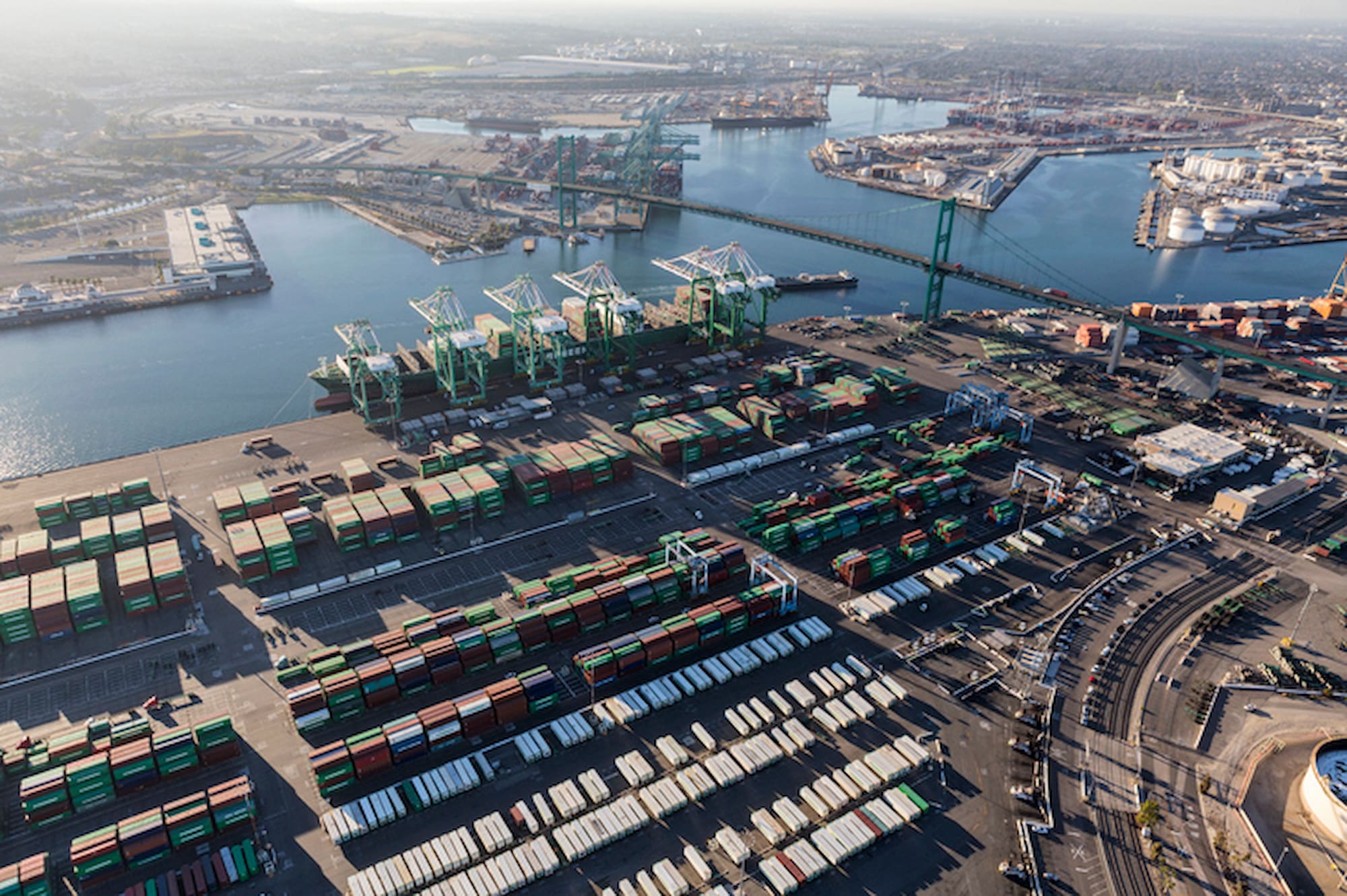
Last year, The California government had a report regarding California ports receiving $1.2 billion in federal grants. California Governor Gavin Newsom officially announced the grants on July 6, 2023. Capital will be put aside for multiple projects in Los Angeles, Long Beach, and Oakland ports. The purpose of the grants is for an overall improvement of port systems while creating zero-emission infrastructure to lower pollution. Newsom noted, “These investments will modernize our ports, reduce pollution, eliminate bottlenecks, and create a more dynamic distribution network.” Along with port upgrades, these investments will create over 20,000 jobs in the three ports.
Why are the California Ports Receiving $1.2 Billion in Grants?
During the coronavirus pandemic, the California ports’ cargo volumes grew to record levels. This resulted in congestion, delays, and equipment shortages and revealed several weak links in the ports. The state of California acted by issuing grants to fund development and modernization. While the goal is to build a more effective system for freight movement, various projects will help achieve this. One of the most significant projects is to enlarge the Maritime Support Facility. The Maritime Support facility is in charge of providing chassis and extra storage for all of the terminals in the Los Angeles and Long Beach ports. Bottlenecks in the past years led to overflowing containers and a limited amount of chassis to move the containers.
Along with growing infrastructure, the projects also include improving port roads. In the port of Los Angles, State Route 47 meets Navy Way and Seaside Avenue. These routes tend to get congested, leading to delays for shipments inside and out of the port. The California government will award $41.79 million in grant money to renovate the route to reduce collisions and lower traffic. A two-lane road by the port of Los Angeles is being made to cut traffic. Other grants include hundreds of millions to develop zero-emission cargo handling equipment in the Ports of Oakland and Long Beach. The plans mentioned are some of the 15 projects to improve and develop the ports’ capabilities.
How Will Shippers Benefit?
The Port of Los Angeles is known as the biggest seaport in the U.S., with the other ports following closely. With the amount of cargo moved through the ports yearly, renovations will significantly impact international shipping. In the past few years, the coronavirus pandemic grew the amount of goods bought online. This increased imports from countries like China. A side effect was a shipment surge resulting in port congestion and delays. The port improvement projects are a significant step towards fixing the challenges and keeping up with the demand. Shippers will benefit by decreasing the number of supply chain disruptions for them and their clients.
Port infrastructure upgrades not only benefit regular shippers but first-time shippers as well. However, it may not be enough to ensure the entire freight movement process runs smoothly. It is crucial to talk to a customs broker and freight forwarder to guarantee the moving of your cargo. Contact A1 Worldwide Logistics at 305-821-8995 for customs clearance and assistance in getting your goods to the final destination. Whether you are importing into or out of the U.S., we will guide you through the shipping process.

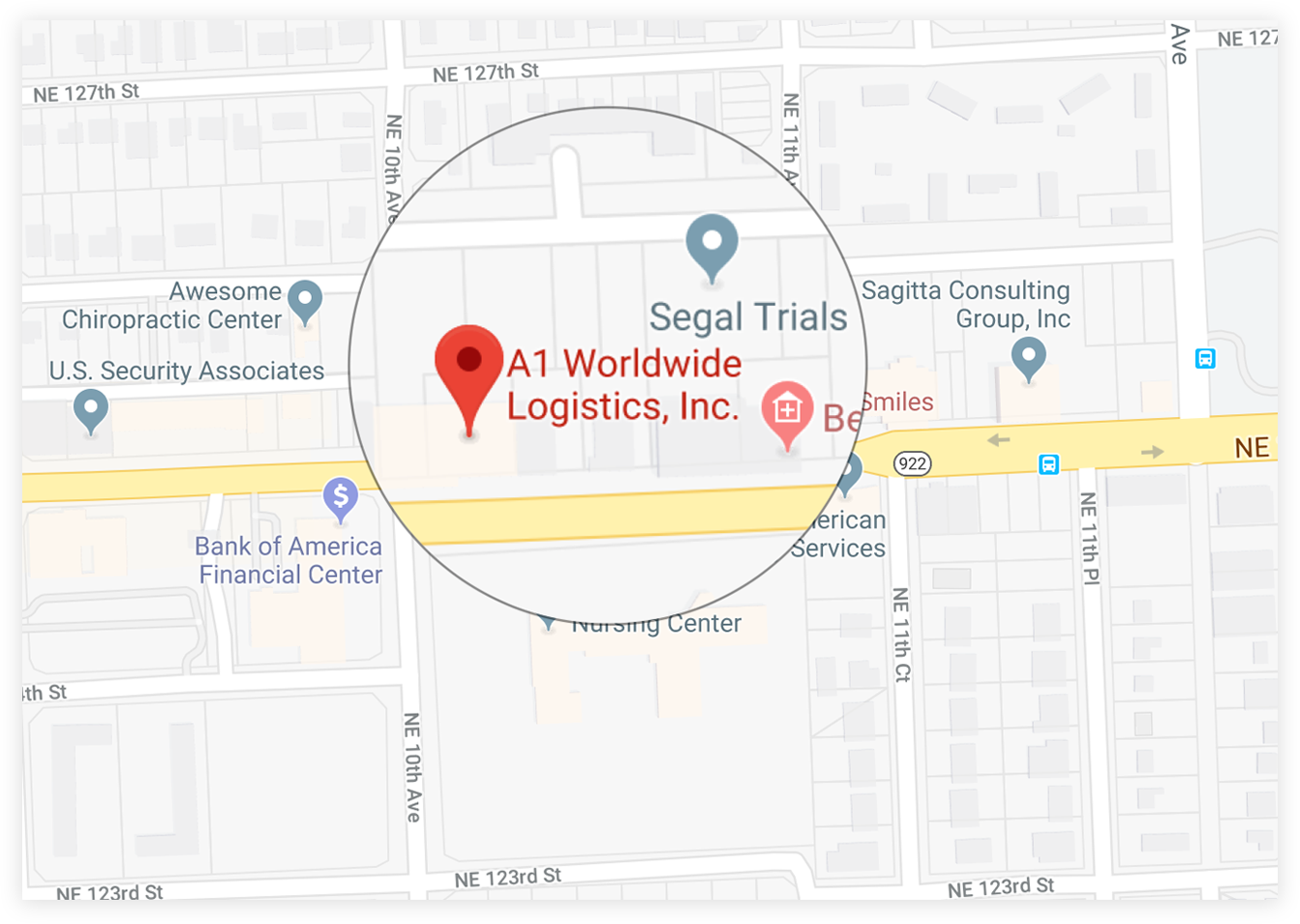
 1035 NE 125th St Suite #320, North Miami, FL 33161.
 a1worldwidelogistics.com
 (305) 821-8995
 Hours: 8AM - 5PM