by A1 WorldWide Logistics | Nov 28, 2022 | Customs Broker, Freight Forwarding, Supply Chain, Warehousing
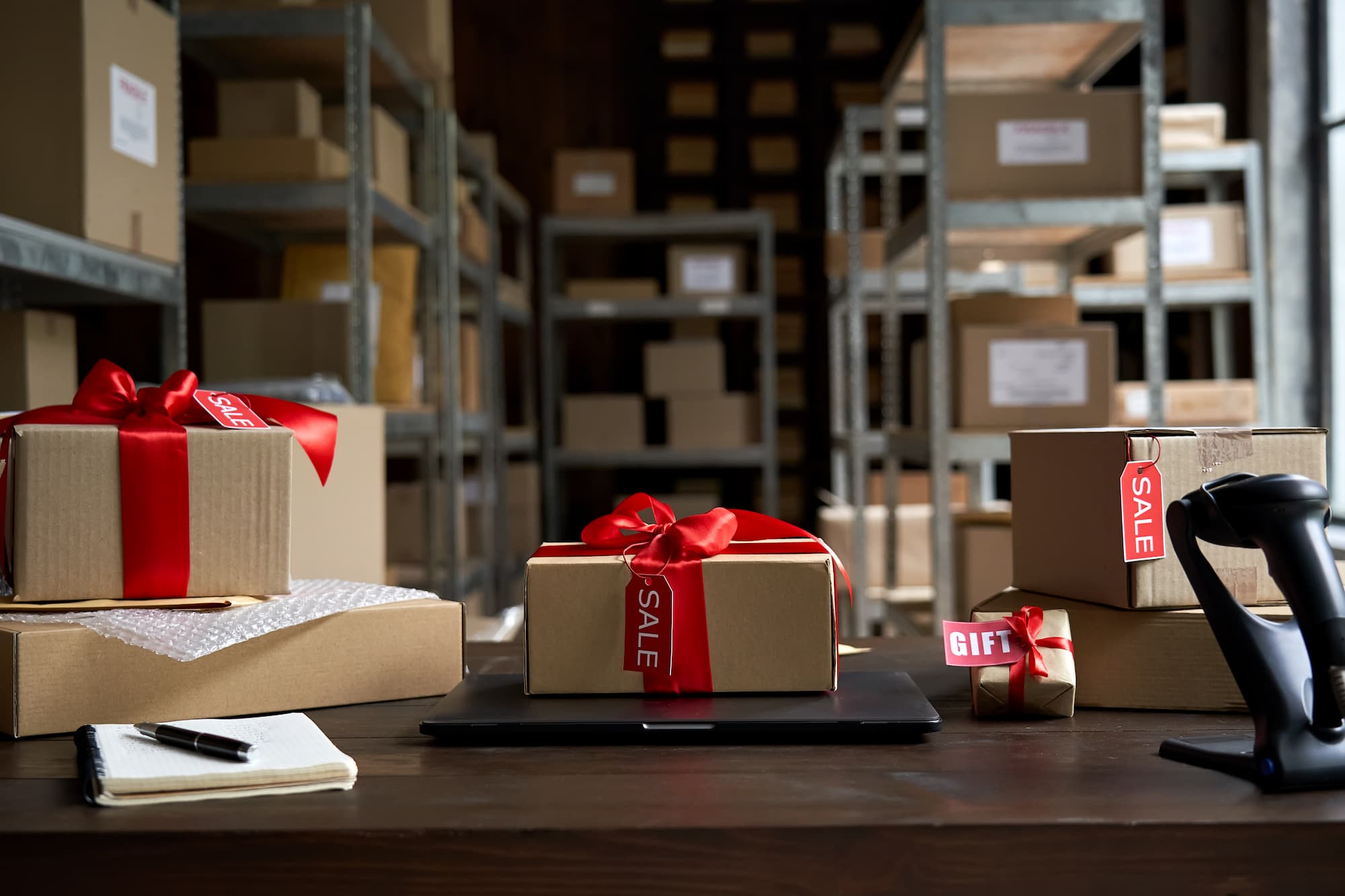
The holiday season may be a time for pressure on the logistics of large and small businesses. Constant news and reports of shipping delays have expedited this pressure globally. Smaller, more local companies are now carefully planning their logistics strategies to compete with larger companies. Although smaller businesses have a few logistics similarities to larger firms during the holiday season, many differences exist.
The Logistics of Larger Businesses During the Holiday Season
Large businesses tend to take a more tactical method when getting the goods to their customers. Since they have a broad reach, larger companies focus on getting their freight to their clients swiftly. Different approaches usually do this, and it’s possible due to the size of the companies. One-day and two-day shipping has raised customers’ confidence that they will receive their goods this holiday season.
Months before the holiday season began, certain companies started implementing a surcharge to combat the growing demand. As the number of shipments grew, the expenses to ship also rose. Since large companies are so widespread, they may be able to negotiate cooperation for the surcharge. Another logistics solution put into effect by bigger businesses was to increase capacity and inventory before the holiday season. An example is purchasing more freight aircraft to handle the load and adding more warehouse storage space.
How do Smaller Businesses Differ?
Many smaller businesses tend to have little capital to offer certain services compared to larger ones. Especially with the holiday season on the horizon, they have a different logistics approach. Supply chain issues, shipping costs, and delays can sometimes arise from the shipping logistics of larger businesses. Since smaller companies tend to be brick-and-mortar, their supply chains can be smaller and more streamlined.
Small-scale supply chains that smaller businesses have may make them more attractive to customers. The shipping delays that have been persistent over this year led shippers to switch to a local smaller business. Instead of dealing with possible delays from overseas shipments, a customer can drive somewhere close by for the same product. Larger companies have also noticed the benefits of brick-and-mortar stores and created more local stores. Instead of waiting for the goods to be delivered, customers can now drive to a local store to pick up the goods, just like brick-and-mortar stores.
A1 Worldwide Logistics
Regardless of your business size, there are different parts to shipping your goods to your customers. These crucial parts can affect the whole supply chain if one part goes wrong. This may be even more critical during this holiday season with increasing global demand to ship goods. The pressure to move freight has gone up over the last few years.
Contacting a logistics company can alleviate the pressure by handling the movement of your shipment for you. Give A1 Worldwide Logistics a call at 305-821-8995 to learn about the many logistics solutions we offer. From freight forwarding, customs clearance, warehousing, and more, we’re here to ensure the movement of your goods safely and promptly.
by A1 WorldWide Logistics | Nov 11, 2022 | Customs Broker, Customs Broker Miami, Customs Clearance, Freight Forwarding, Import and Export Experts, Shipping Logistics
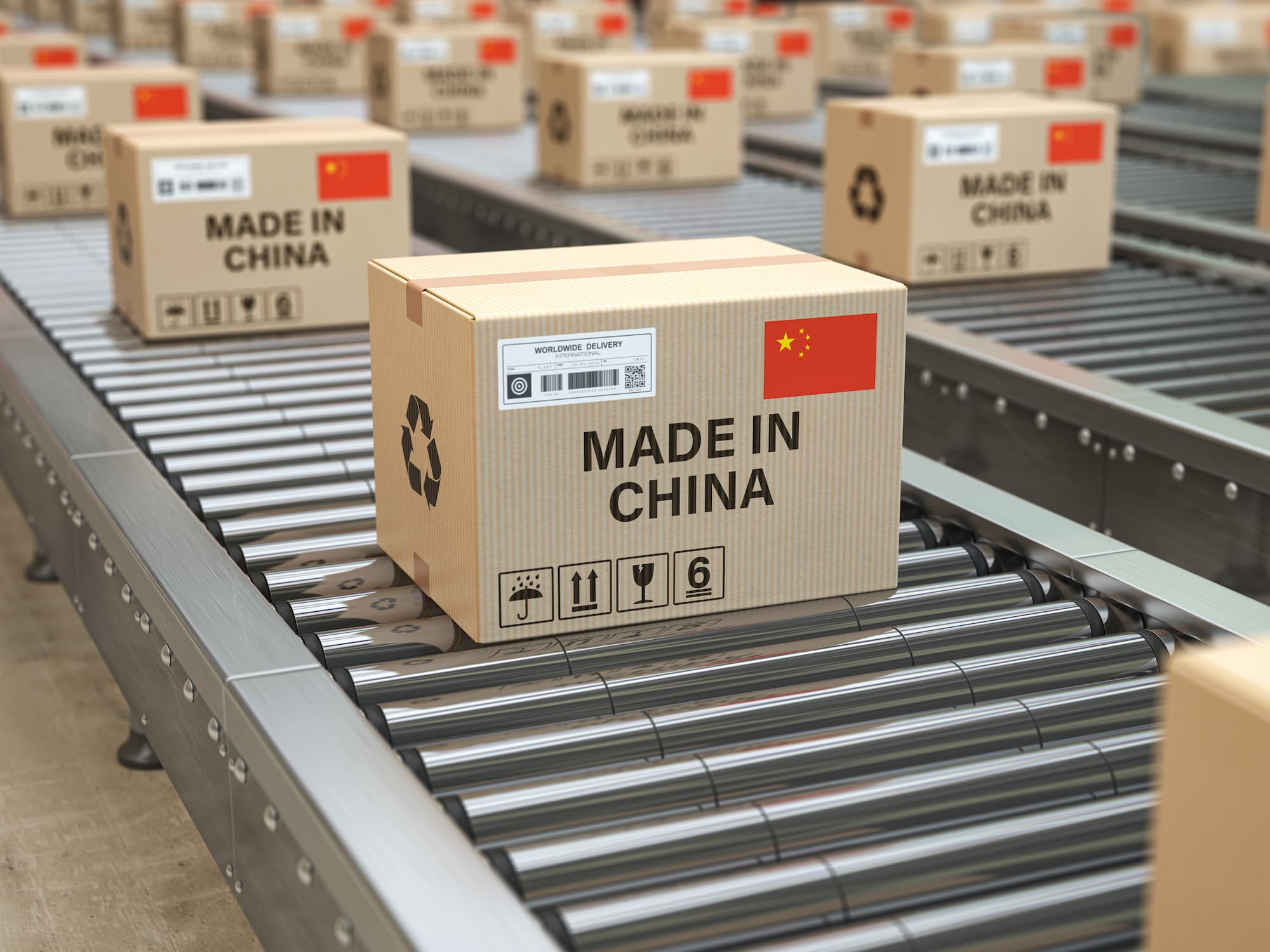
China is the U.S.’s biggest trading partner and the largest exporter of goods internationally. Because of China’s ability to manufacture products on a large scale, importing from the country can present many opportunities. Not only is growth possible for a business, but reduced costs, large quantities of imports, and other benefits are also possible. While importing may seem attractive to first-time shippers, understanding what’s necessary is essential for the shipment’s success. This article will explain how to prepare the required documents and what to expect during your cargo’s shipping journey.
Before deciding what to import, it is also essential to understand that certain goods may have restrictions and specific regulations. For example, any product from China’s “Xinjing” region cannot enter the U.S. The ban is due to human rights issues such as the forced labor of Uyghur Muslims. While you do not need a permit to import from China, certain commodities require an import license. Government agencies like the Food and Drug Administration (FDA) request that imports such as cheese have an import license. Speak to a customs broker if you are uncertain if your shipment needs a permit.
While you do not need a permit to import from China, certain commodities require an import license.
What Are the Necessary Documents
Documentation is a component of the shipping process that must be taken with care to prevent your shipment’s delay. While the documents depend on the imported commodity, specific papers are needed for every import. Certain imports require additional documents like inspection certificates for meat and egg products and energy-efficient labels like air conditioners. The documents may also vary by country, but we will mainly focus on bringing cargo into the U.S. from China. Some of the standard documents include:
- Importer Security Filing (ISF)
- Bill of Lading/Airway Bill
- Commercial Invoice
- Packing List
- Proof of Insurance
- Certificate of Origin (when Applicable)
- Arrival Notice
Shipments valued at $2,500 or above require a customs bond; an insurance policy to ensure the payment of taxes. A shipper can get a single-entry or continuous bond, depending on their shipment.
The Journey Begins
Once the freight is ready, it will be sent to a designated port in China for transportation to the U.S. Speak to a freight forwarder to arrange the transportation of the shipment. The main methods of conveyance for shipping internationally are by air or sea. Both ways have their benefits, like pricing and time. When your goods reach the U.S., they must pass through customs. Customs’ objective is the security of the people in the U.S. by preventing anything illegal or harmful into the country. While customs clearance usually takes less than 24 hours, it may take longer if the goods are “Held at Customs.” This happens when customs does not release your goods for various reasons, including unpaid duties and incomplete documents.
While the importation process is perplexing for first-time shippers, it is doable with the proper guidance. Contact A1 Worldwide Logistics at 305-821-8995 or info@a1wwl.com to begin your import journey. We guide you through each shipping process step to provide transparency with our services. Whether you need to speak to a customs broker or a freight forwarder, A1WWL has you covered.
Because of China’s ability to manufacture products on a large scale, importing from the country can present many opportunities.
by A1 WorldWide Logistics | Jul 20, 2022 | Customs Broker, Freight Forwarding, Import and Export Experts
Clear and Move your Merchandise with A1 Worldwide Logistics. We have a team of experts ready to guide you through the import process.
We can help with:
Custom Clearance – Prepare all the necessary documentation and have your merchandise released.
Freight Forwarding – Move your cargo. We offer air freight, ocean freight, and inland freight.
Warehousing – Warehouse your good if needed.
Call now and get the best rates and the most efficient service. Attention in English and Spanish.
Tel: 305-821-8995 email: info@a1wwl.com // paula@a1wwl.com

by A1 WorldWide Logistics | Jul 13, 2022 | Customs Broker, Customs Broker Miami, Customs Clearance, Freight Forwarding, Import and Export Experts, Shipping Logistics, Stories of Businesspeople
Meet Ali Musayev, an Azeri rug maker who sells carpets at a brick-and-mortar store in Baku, Azerbaijan. Ali was born in Baku and recently inherited the business from his dad, who inherited it from his dad. His grandad Osman originally started the company hoping to escape poverty and provide for his family. When it began, the business became one of Baku’s most significant family-owned rug shops. Shoppers from around Azerbaijan and nearby countries visited this small shop to purchase rugs. Ali’s granddad understood the centuries of importance rugs had in Azeri culture and tailored the carpets to history. Osman crafted every tile and textile with the highest quality material to represent the culture, and customers took note.
From Grandfather to Son
Osman gave all his knowledge in carpet crafting and the shop to his son Nasir before his passing. Nasir grew the company further and preserved Osman’s vision of keeping history and culture alive for decades. A dilemma soon arose that would alter the course of Nasir’s business. International shipping became so popular that Nasir’s customers began buying imported rugs from other stores. This lowered traffic and soon put Nasir’s family in the poverty that Osman had first faced. Nasir was also recently diagnosed with lung cancer. Doctors said that he had a few weeks to live. Nasir had no choice but to pass the company down to his son Ali.
Grandson in Charge
When Ali’s dad became terminally ill, one of his last wishes was for Ali to keep the store running. Burdened by the pressures of his family’s legacy and poverty, Ali has decided to do business in the United States. He understands that to keep the business alive, he has to keep up with international shipping trends. Ali also understands how the internet works and how to market a business virtually. Despite having limited money and resources, Ali decided to visit America in a desperate quest. This trip was to preserve his business, save his wife and children from poverty, and keep his family’s legacy alive.
When in the U.S., Ali not only looked for customers but for ways to export the carpets to them. Since this was Ali’s first time exporting globally, he was anxious and unsure what to expect. However, the pressure to succeed overrode the nervousness, and Ali researched dozens of transportation companies. After analyzing the benefits of each company, one stood out: A1 Worldwide Logistics. The first thing Ali noticed was our slogan, “Global Reach. Personal Touch.” Ali thought about the detail of the culture his dad and grandpa paid attention to when creating the carpets.
From Local to Global Reach
Each carpet was created with high-quality Azeri fabric and tailored to the customer’s needs. The personalized customer service that carried the business for decades could now be scaled globally. Still nervous, Ali decided to contact A1WWL to learn more about the shipping process. Words that Ali had never heard of, such as Customs Brokers, Logistics, and Freight Forwarders were explained to him with simplicity. Ali began to understand what set A1 apart from other companies.
He realized how much we were committed to helping him understand and navigate the complex world of shipping. Fast forward a few months, and his business now reaches several countries, including the U.S. Ali is no longer in debt, his tradition is alive and his family is out of poverty. Contact A1 Worldwide Logistics at 305-821-8995 if you are ready to begin your own shipping journey.
(This story is fictional, has commercial purposes, and is representative of A1WWL’s clients)

by A1 WorldWide Logistics | Jun 15, 2022 | Agricultural imports, Customs Broker, Customs Broker Miami, Customs Clearance, Freight Forwarding
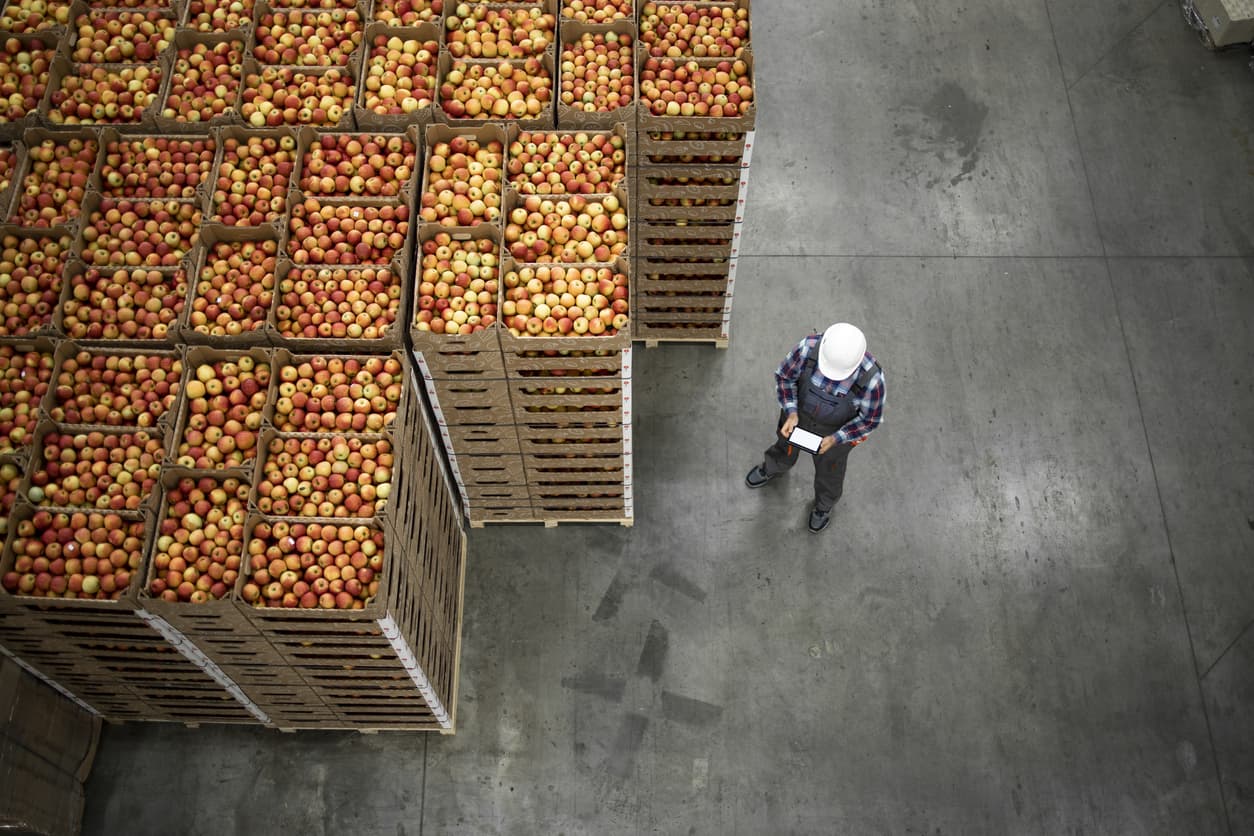
One of the first things that millions of Americans do when they wake up is have their morning coffee. 64% of Americans drink coffee daily. It is a routine and a necessity for many as they start their workday. Bringing in an estimated $6.9 billion of coffee in 2021, the United States is the world’s biggest importer of coffee. For reference, this is about 19.2% of the amount of coffee imported globally. Americans drink approximately 400 million cups of coffee daily and 146 billion cups a year. With over $1 billion in coffee exported to the U.S. each year, Colombia is the largest exporter.
Coffee rose to one of the most popular beverages after the Tea Act of 1773. The Tea Act imposed taxes on various imports, including tea, the most consumed drink at the time. The Americans protested against the tariffs by switching to coffee instead of tea; the rest is history. Only two states are legally allowed to grow coffee for commercial purposes, meaning that shippers import most coffee from elsewhere. If you plan to import coffee into the U.S., this article provides a summary of what to expect. Contact a customs broker for a detailed explanation and to be fully prepared.
Beginning the importation Process
To begin the import process, the shipper understands the requirements. It is vital to ensure that the import complies with the requirements of governing agencies such as the CBP, FDA, and USDA. Each agency has specific documents to be submitted and requirements, for example:
- US. Customs and Border Protection (CBP): The CBP requires any import valued at over $2500 to have a customs bond.
- Food and Drug Administration (FDA): The FDA requires import registration and a Prior Notice Filing with important information about the shipment. Contact a customs broker for a list of what is needed for the filing and assistance with completion.
- United States Department of Agriculture (USDA): The USDA requires an application for a permit to import plant products like coffee beans.
The FDA also requires you to appropriately label every bag imported into the U.S. This includes the ingredients, content, net weight, and more.
In the shipment arrangement, select the conveyance method that corresponds to the shipment type. For example, a load of 24 pallets of coffee beans would benefit from an FTL sea freight container. Shipments that aren’t too large and need to be moved quickly should go on an airfreight aircraft. It is also crucial to understand the different costs associated with your shipment. For example, the CBP requires a Harbor Maintenance Fee for any shipment entering the U.S. by ocean. A Merchandise Processing Fee is a processing payment required for most imports into the U.S.
Whether you’re a first-time importer of coffee beans or a business that continuously imports, it is essential to prepare. If you plan to import coffee or other goods, contact A1 Worldwide Logistics at 305-821-8995 to get started. Our freight forwarders will move your cargo anywhere inside or out of the U.S. Our licensed customs brokers will coordinate with U.S. customs to clear your shipment and simplify your shipping process.
by A1 WorldWide Logistics | Jun 6, 2022 | Customs Broker, Customs Broker Miami, Customs Clearance, Import and Export Experts
The importation of goods is complex and has shown the modern-day importance of customs brokers. International imports have gone up significantly, with various factors contributing to this, like the growth of e-commerce and globalization. A significant number of importations means that more protection against the movement of illegal and dangerous goods is essential. Customs brokers ensure that importers follow the government guidelines.
Imagine a person or company that wants to begin selling a product internationally. This person may well benefit from a customs broker. For example, what if the seller is in China and gets their first customer in the United States? Since international trade has many regulations and costs, bringing the product to the U.S. may seem intimidating to the seller. The customs broker will help simplify the process.
Customs brokers may also help avoid penalties for importing goods. Let’s say that you are importing an item into the U.S. for the first time. You receive a message from customs saying that your import was classified incorrectly and that you will be fined. Being a first-time shipper, you may not be familiar with how to classify a good and make a mistake. You may also not receive the item you imported. Contacting a customs broker would have saved you money and time since brokers understand how to classify imports.
Another common daily case is the importation of pets. A first-time importer recently fell in love with a dog and wanted her to be imported into Miami. At first, the importation process was tedious, with a tremendous amount of paperwork. Bringing the dog through U.S. customs was stressful until they hired a customs broker. Now, the dog is in a loving home in Miami.
What are Customs Brokers
When freight enters a country, it goes through customs clearance before reaching its final destination. This process is handled by a customs broker. A customs broker is a company or individual that clears goods entering a country for a shipper. They act as the middleman between the importer and the country that they are importing to. A customs broker’s duties are to make sure that the importers comply with the country’s regulations that they are importing into. Customs brokers also ensure that your imported goods are under the correct harmonized code, which are part of a system that customs authorities use to assign taxes to imported goods. In few words, customs brokers act as guides for the entire customs clearance process.
Why do We Need a Customs Broker?
 Most first-time importers are not familiar with the customs clearance process. If specific regulations regarding imports are not followed, it causes the importer trouble, and delays the entire supply chain. For example, in the United States, certain toys that are considered dangerous may be banned from importation. If you try to import an illegal toy, customs may fine you over $1000. Certain imports may also require a permit before entry.
Another example is soil, which is prohibited from entering the U.S unless the importer has a certified permit. There can be many CBP (Customs and Border Protection) regulations that an importer has to follow and memorize. To save time and speed up the import process, they can hire a customs broker. A customs broker also lets the shipper understand the taxes of importing. They may pay the importer’s duties to customs and then send the bill to the importer. This helps the shipper avert unnecessary expenses since customs brokers know the duties and taxes involved in your import.
Are You Looking for a Customs Broker?
Bringing goods into the United States can seem intimidating and stressful to importers. This can be whether you are bringing imports into the U.S. for the first time or a company that plans on continuously importing. One of the most prominent locations where shippers get goods into the U.S is Miami, Florida. Ranking in the top 10 ports in terms of volume of imports, Port Miami brought in 1,066,738 TEU (Twenty foot Equivalent Unit) in 2020. A1 Worldwide Logistics is a Miami based logistics company whose team is prepared to guide you through the customs clearance process. Our customs brokers help you clear dry cargo, perishable items, food products, automobiles, and much more through customs. Contact us at 305-821-8995 to clear your merchandise and start the importation process.


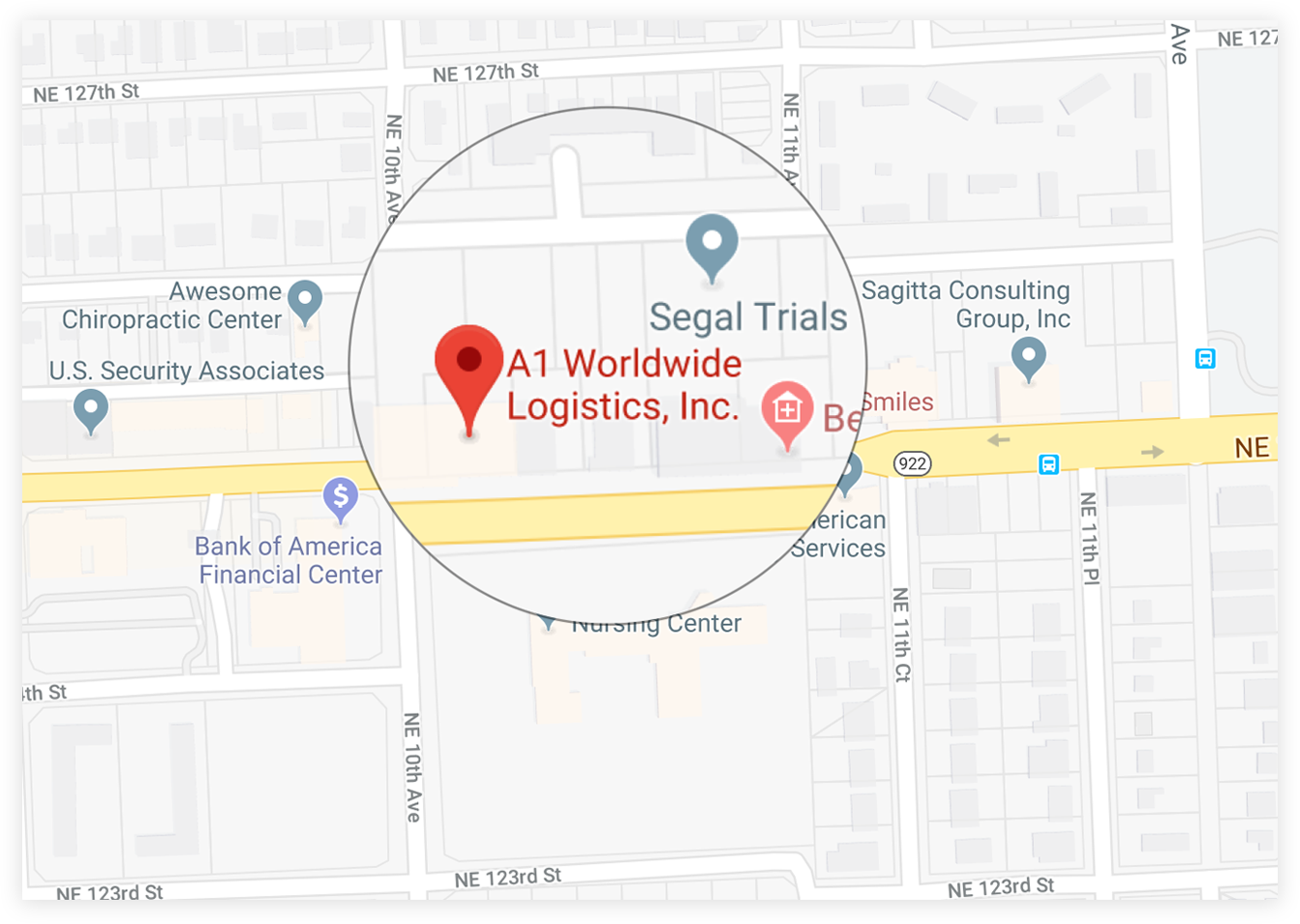
 1035 NE 125th St Suite #320, North Miami, FL 33161.
 a1worldwidelogistics.com
 (305) 821-8995
 Hours: 8AM - 5PM