
by A1 WorldWide Logistics | Sep 5, 2024 | Economic trends, Supply Chain, Warehousing
The logistics industry has seen growing sustainability in warehousing operations in recent years. As the e-commerce business grows, so does the number of warehouses across the U.S. As a result, warehousing activities now contribute to nearly 11% of greenhouse gas emissions in the logistics sector. On a larger scale, it also contributes to massive energy consumption, waste, and transportation emissions in the global supply chain. Warehouse sustainability is the process of decreasing the environmental impact that warehouses have while optimizing operating efficiency. Various trends in warehousing have allowed an increase in greener and more efficient practices. Technology and different strategies have further expanded the push towards sustainability.
The Importance of Sustainability In Warehousing
Sustainability has grown significantly in warehousing for various reasons. One of the primary reasons is to reduce the carbon footprint in the logistics industry. With the U.S. setting a goal to have net-zero emissions by 2050, this is a vital step in the process. Another reason is to create an efficient and more resilient supply chain. Sustainability can have other benefits than a greener future, like reducing energy costs. Better reuse and recycling strategies can reduce expenditures by up to 20%. It can also improve brand awareness by giving a clean image to its customers.
How Is Sustainability Being Adapted in Warehousing?
Some of the most common ways that sustainability is growing in warehousing include:
Recycling and Waste Reduction – Waste management has been a focal point in warehouse sustainability due to the amount of excess they produce. Warehouses manage waste by recycling, reusing resources, and reducing packing waste. Businesses have also optimized their packaging for eco-friendliness by using eco-friendly package materials and reducing the volume of packing material.
Energy Efficiency – Since warehouses are common consumers of energy in the logistics industry Energy-efficient strategies have gotten increasingly popular. Renewable energy sources like solar panels are growing in warehousing to generate clean energy on-site. Smart thermostats and energy-efficient HVAC systems are other strategies for energy efficiency. LED lighting and solar panels can also help save costs.
Technology – A trend that has been growing recently is the usage of advanced technologies like automation in warehousing. Artificial intelligence is being used by warehouses to improve workflows and operations. Sustainability comes from technology that monitors and optimizes energy use or that can reduce waste.
Transportation – Sustainable practices can also come from freight transportation to and from the warehouse. Efficient route planning can lessen the time on the road, decreasing the amount of CO2 the carrier releases into the atmosphere. Using alternative fuels like compressed natural gas and renewable energy is another green practice in warehousing. Another way has been an increase in the use of EVs (Electric Vehicles).
A1 Worldwide Logistics
When importing into the U.S., a shipper must pay specific taxes before releasing their cargo from customs. If the importer does not need their goods immediately, they can keep them in a customs-bonded warehouse. Customs-bonded warehouses allow the storage of imports for up to five years without paying duties and taxes. The goods can undergo manipulation and manufacturing operations during the storage period. This is beneficial if an importer has a product that they do not plan on selling immediately. Contact A1 Worldwide Logistics at 305-440-5156 or info@a1wwl.com to learn about our bonded warehousing solutions for your shipment.
by A1 WorldWide Logistics | Aug 30, 2024 | Economic trends, Shipping Logistics, Supply Chain
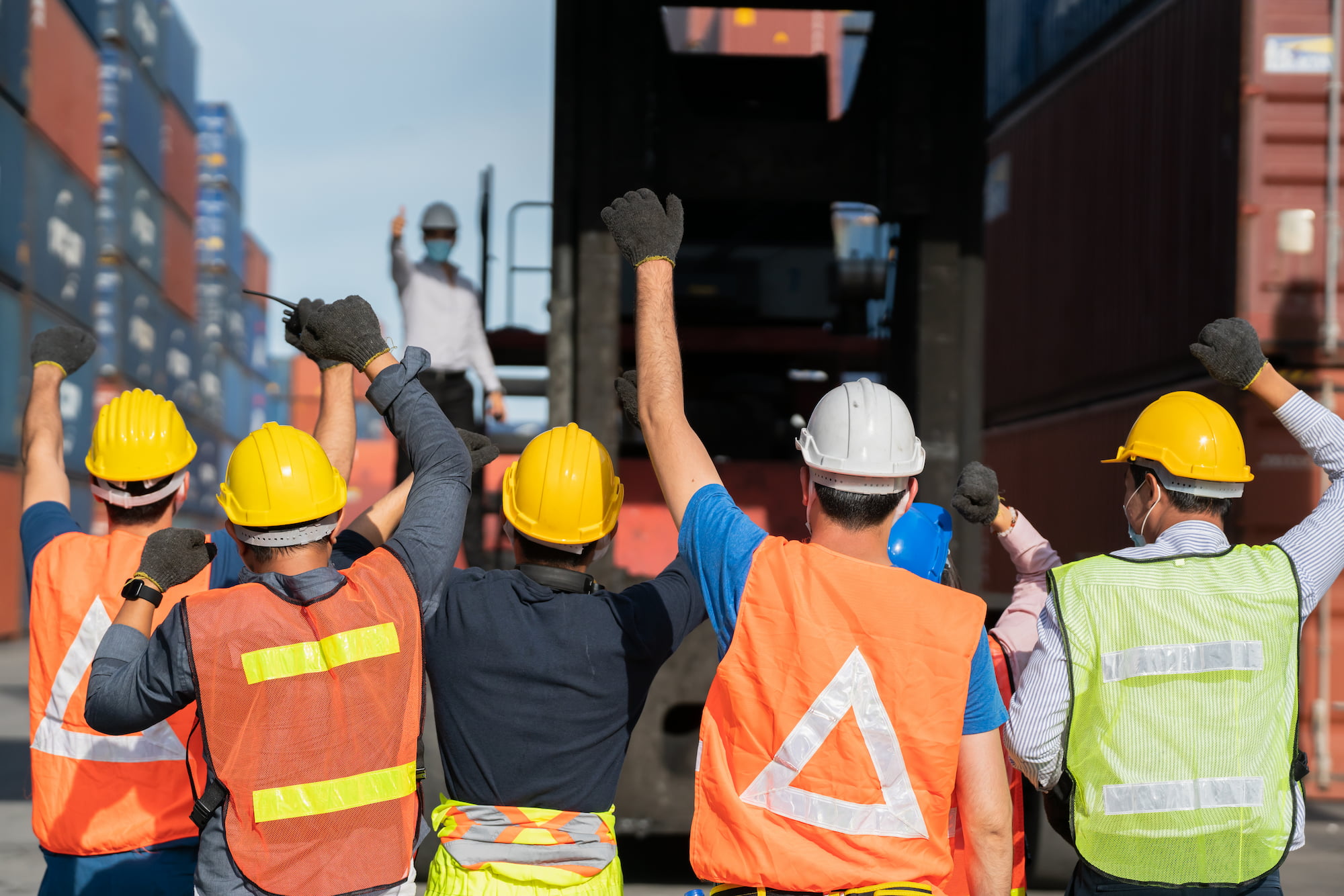
Union contracts for East and Gulf Coast port dockworkers are ending, potentially resulting in ILA workers going on strike. On September 30th, the current six-year contract between the International Longshoreman Association (ILA) and United States Maritime Alliance (USMX) expires. ILA is a union of 85,000 longshore workers spread out amongst 56 ports in the U.S., including Puerto Rico. The ILA president recently noted that its members are fully onboard with going on strike on October 1st if the USMX does not meet their demands. In the last strike that happened in 1977, workers walked off for almost seven weeks.
Over the last year, East and Gulf Coast port workers of the ILA have pushed for a new master contract when their current one finishes. In particular, one with a wage increase above the 32% hike West Coast ILWU dockworkers received in 2022. They are also pushing for higher pensions, with the ILWU having a higher single coast-wide pension. Negotiations paused in early June because of a dispute regarding automation at the Port of Mobile. Terminals at the port used an Auto Gate system that autonomously processes trucks, replacing ILA jobs. The ILA’s Wage Scale Committee will meet on September 4th and 5th to review contract demands when negotiations do return.
What Do ILA Workers Going On Strike Mean For International Shipping?
A strike by ILA dockworkers may significantly impact shippers who must move cargo internationally. Especially with more than half of the U.S. imports going through East and Gulf Coast ports. Market research company Sea-Intelligence reported that a strike lasting one day could take approximately three days to clear. They also note that a strike of two weeks could result in slowdowns to 2025. Despite the two largest ports by TEU being on the West Coast, the East Coast has the following five busiest. Companies are already diverting shipments from East Coast ports or shipping early to avoid potential delays. Along with congestion and delays, a strike can affect shippers in other ways.
For supply chains, this can lead to inventory disruptions, which can be unfavorable if the shipper has customers. Closed ports also may cause traffic for domestic shipping, with carriers having to reroute to other locations. Another concern is that supply chain issues from protests will contribute to the current inflation crisis. With rising prices already being an area of concern in the U.S., a strike will also grow shipping costs. Container rates have increased since the beginning of the year, which may add to the rise. Situations like the Panama Canal drought and the Red Sea crisis have already contributed to surging rates.
A1 Worldwide Logistics
Although situations like a potential port strike can be stressful, it should not stop you from shipping internationally. A shipper should, however, take steps to protect their supply chain. They must prepare for delays and disruptions in their shipping schedule and stay current with news reports and updates. You can also get help from a 3PL (third-party logistics) provider like A1 Worldwide Logistics. 3PLs offer various transportation services while determining your cargo’s best course of action. Reach A1 Worldwide Logistics at 305-425-9456 or info@a1wwl.com for assistance with your shipping journey. We help your global supply chain by providing transparency and solutions regardless of the situation.
by A1 WorldWide Logistics | Aug 15, 2024 | 3PL, Economic trends, Supply Chain
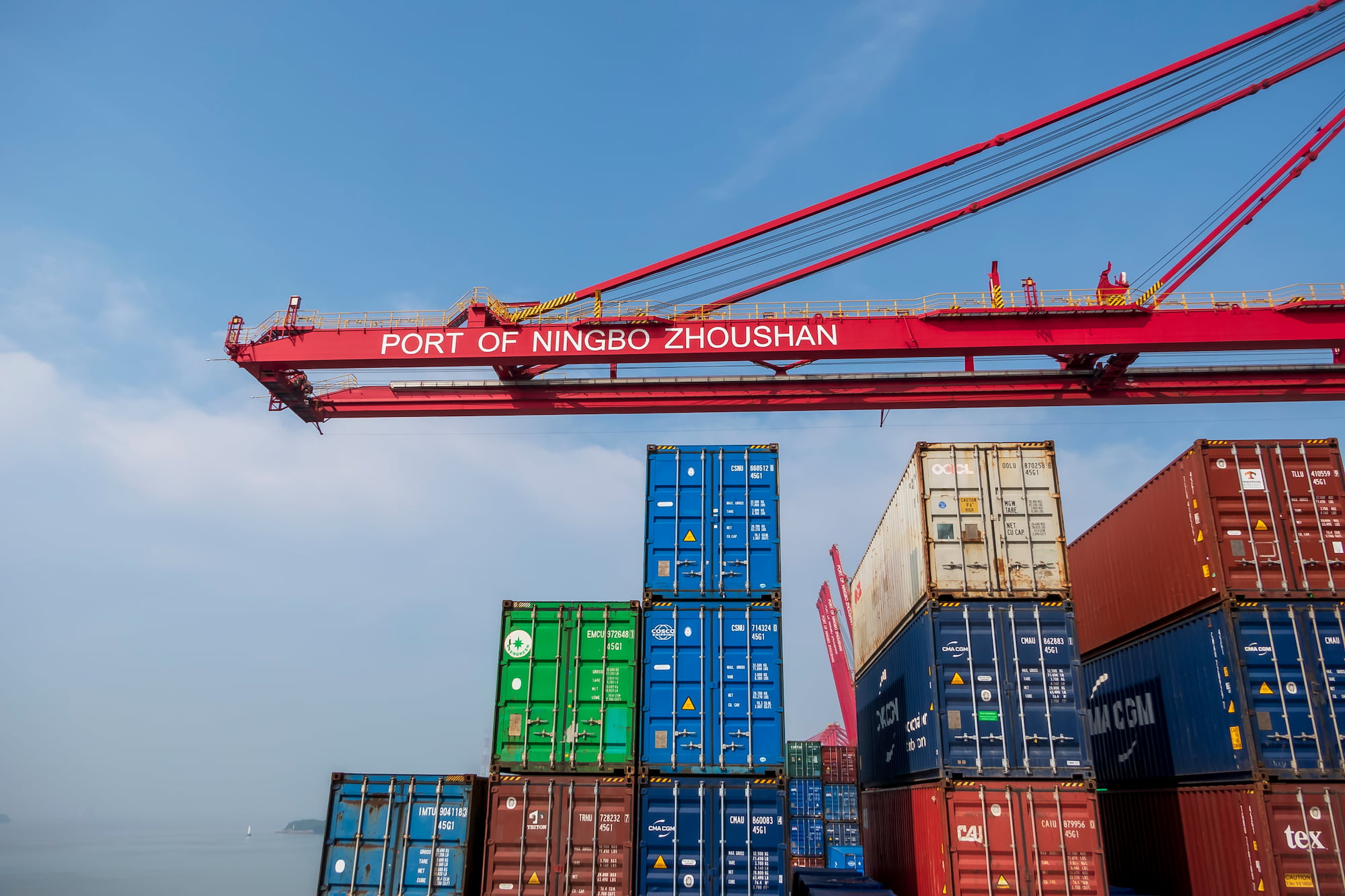
On August 9th, an explosion at Ningbo port halted traffic at the shipping terminal. While a vessel carrying hazardous organic peroxide materials was arriving at Beilun Phase III Terminal, it exploded. The vessel owner has recently reported that the fire is under control, and members on board are safely evacuated. Officials reported no injuries by the blast, but terminal operations are closed until further notice. Ningbo is China’s second largest container port, responsible for more than 100,000 TEUs (twenty-foot equivalents) yearly. In 2023, the port had a volume of 33.35 million TEUs. While the cause of the incident is still under investigation, it may have significant implications for international shipping.
What Does The Explosion At Ningbo Port Mean For Shipping?
Due to the Ningo port’s size, a terminal’s closure may impact many supply chains. The effects could grow with international shipping at the start of the peak season. Peak season is a time of the year when exporters move the most cargo domestically and internationally. A significant consequence of the closure is nearby port congestion resulting from the closed terminal. Port congestion has increased over the past year due to various situations. For example, scenarios like the Iseral-Hamas conflict, the Ukraine-Russia war, and the Baltimore Key bridge collapse grew congestion globally. A typhoon in east China in July 2024 also impacted nearby supply chains.
Another effect of the carrier explosion is that delays in shipments may rise. The delays may not only come from the rerouting of vessels but also from a scarcity of container availability. Trans-Pacific trade lanes moving freight out of Asia may feel most of the impact. Container rates have been rising since the start of 2024 and could continue to surge. Along with the terminal shutdown creating scarcity in available containers, the shipping industry has just entered the peak season. Despite the potential effects, freight analysts believe the situation will not significantly impact the market.
How Can Shippers Prepare?
With the explosion potentially impacting supply chains in international shipping, shippers must be ready. Before deciding to move cargo, exporters must be up to date with any situation that may affect their shipment. Shippers can do this by continuously monitoring news reports for updates. They must prepare for extended delays and deterioration of ocean schedules. Shippers can also prepare by looking for alternative routes or ports to move their cargo. During the Iseral-Hamas conflict, carriers responded to the situation by rerouting through the Cape of Good Hope in South Africa. Another solution is to look for other methods of conveyance, like land or air.
While shipping during disruptions may be daunting, It should not stop you from moving your freight. An ideal way to prepare against any scenario is by getting the assistance of a 3PL (Third Party Logistics) provider. 3PLs offer numerous services for transporting cargo while determining the best course of action for the shipper. They are also with you throughout the shipping process until the goods reach their final destination. Call A1 Worldwide Logistics at 305-440-5156 to speak to a 3PL provider regarding the transport of your cargo. Along with International shipping, we provide solutions like importing, freight forwarding, and more to ensure your supply chain’s success.

by A1 WorldWide Logistics | Jul 30, 2024 | Customs Broker, Economic trends, Supply Chain
Las recientes restricciones del Departamento de Comercio de los Estados Unidos han llevado a que China limite las exportaciones de grafito. El grafito es un mineral que los fabricantes utilizan para crear lápices, pinceles, lámparas de arco y baterías para vehículos eléctricos (EV). China es el mayor productor mundial de grafito, generando más del 65% del grafito natural a nivel global. Desde el 1 de diciembre del 2023, las empresas extranjeras requieren permisos más estrictos para exportar grafito crudo y sintético fuera de China. Este anuncio llega después de que los Estados Unidos bloquearan la importación de chips de computadora específicos desde China. Las restricciones estadounidenses tienen como objetivo evitar que China acceda a semiconductores que podrían impulsar avances en inteligencia artificial.
¿Qué significa la limitación de exportaciones de grafito por parte de China para el transporte?
Una disminución en las exportaciones de grafito desde China puede impactar negativamente las cadenas de suministro a nivel global. Los fabricantes de automóviles que dependen de este mineral para crear baterías de vehículos eléctricos podrían sentir el principal impacto de las restricciones. En los últimos años, la demanda de los clientes por los EV ha aumentado, y muchos están migrando hacia tecnologías de energía más limpia. El Banco Mundial predijo que la demanda de grafito aumentaría un 500% en las próximas tres décadas. Dado que China produce más del 65% del grafito mundial, los fabricantes de EV que importan desde este país pronto podrían tener que buscar otras alternativas. Esto podría significar importar el mineral desde otros países o internalizar la producción y compra de grafito en los Estados Unidos.
Muchos fabricantes de EV ya están importando grafito de países como Mozambique, que es el segundo mayor productor de grafito. Esta opción puede tener problemas separados debido a recientes huelgas laborales regionales. Otro motivo de preocupación para los remitentes es que el precio promedio del grafito podría dispararse en un futuro cercano, debido a que la demanda superará a la oferta. La situación entre Rusia y Ucrania también influye en el precio, ya que Rusia es un importante proveedor mundial de grafito. Los fabricantes también han utilizado sustancias como el silicio en lugar del grafito para crear baterías, pero esa tecnología aún no está disponible comercialmente.
¿Cómo ha respondido Estados Unidos?
La seguridad del suministro global de grafito era una preocupación para Estados Unidos años antes de que China anunciara la limitación de exportaciones. En el 2022, el gobierno estadounidense promulgó la Ley de Reducción de la Inflación, que otorga un crédito fiscal del 10% a los productores nacionales de grafito y minerales similares. En febrero de 2023, la administración Biden destinó 3.000 millones de dólares en financiamiento para las cadenas de suministro de baterías que utilizan grafito. El objetivo es aumentar la producción de grafito en Estados Unidos, comenzando con una planta de procesamiento en Alabama. En agosto del 2023, Estados Unidos, Corea del Sur y Japón se reunieron y lanzaron un sistema de alerta temprana para cadenas de suministro (EWS, por sus siglas en inglés). Este programa compartirá información sobre interrupciones en cadenas de suministro clave como las de grafito y baterías de EV.
Al enviar carga internacionalmente, es esencial estar al tanto de todas las leyes y regulaciones vigentes. No hacerlo puede provocar retrasos en el envío y afectar su cadena de suministro. La mejor manera de prepararse es consultar con un agente de carga o un agente aduanal sobre el movimiento de su carga. Los agentes de carga coordinan el transporte de sus bienes, y los agentes aduanales gestionan la importación una vez que la carga llega al país de destino. Contacte con A1 Worldwide Logistics al 305-425-9752 para recibir ayuda con sus necesidades de cadena de suministro. Nosotros le guiamos a través del mundo del envío internacional, proporcionando soluciones para alcanzar sus objetivos.
by A1 WorldWide Logistics | Jul 18, 2024 | Economic trends, Shipping Logistics, Transportation
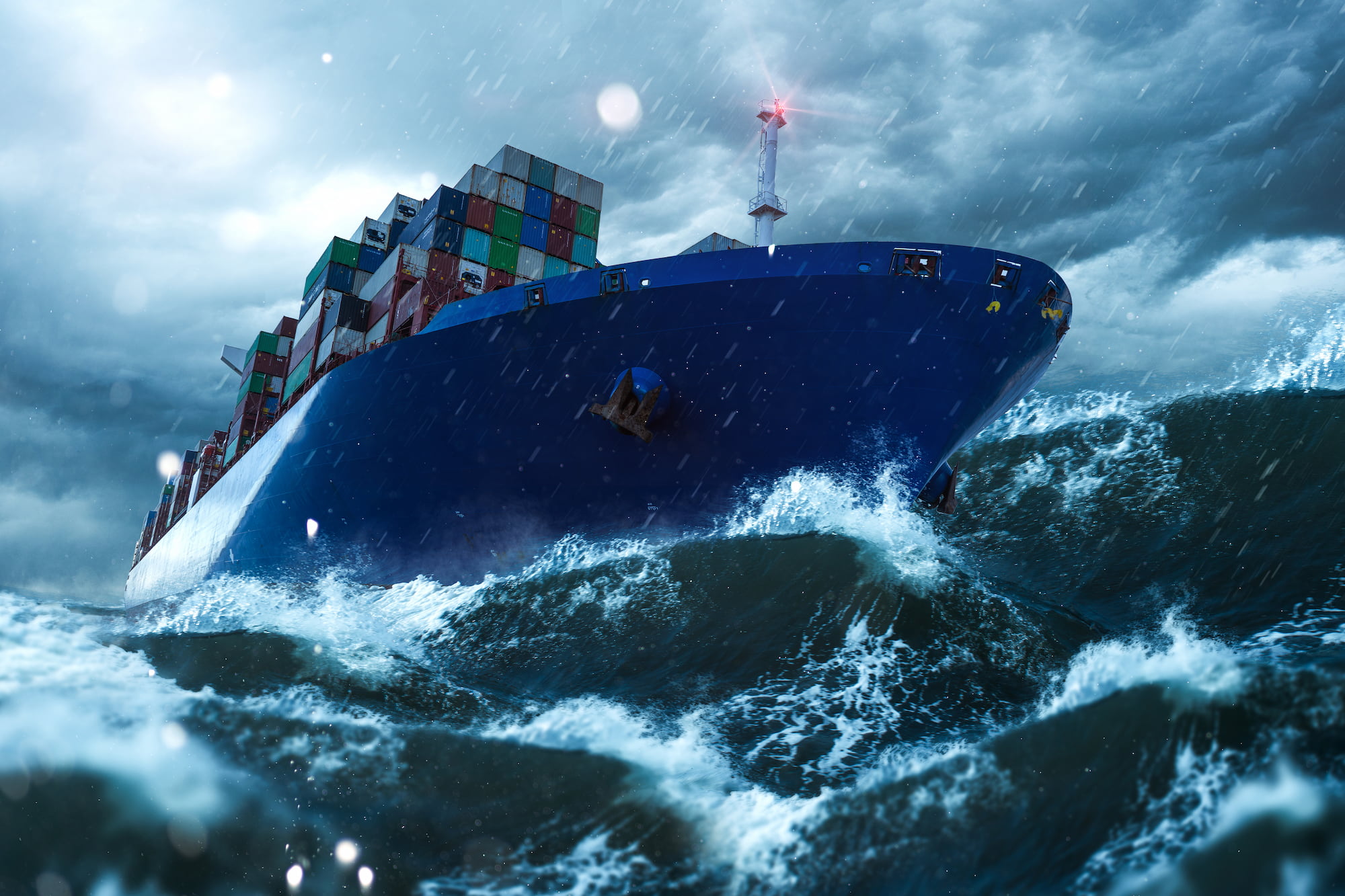
Severe weather over the last week has resulted in harsh shipping around Africa. Containerships are halting their journeys around the Cape of Good Hope due to the current conditions. Vessels are currently seeking shelter from more than 30-foot-high waves and high-speed winds. The storms are due to a cyclone that passed through the region over the last few days. Weather reports indicate another hurricane will pass through South Africa later this week. There are reportedly over 600 containerships currently routing around the location that may feel the impact. The amount of traffic, which is still growing, will directly impact international cargo movement.
Why Has The Cape Of Good Hope Increased Traffic?
Since the beginning of 2024, vessels that pass The Cape of Good Hope have been rising. Compared to the 1,800 ships that passed through the location in December of 2023, that number was 2,728 by February. By May 2024, maritime trade around the region increased by over 125%. The reason for the surge is due to the ongoing Israel-Hamas conflict that has been present over the last year. Nearby Houthi attacks around the Red Sea are causing ships to reroute their directions from the Suez Canal. Since approximately 30% of the world’s container volume passes through the Suez Canal, rerouting sends massive traffic to other locations.
One of the central locations that the ships rerouted to is the Cape of Good Hope. While longer and more costly, this route had more significant perceived safety advantages for shippers. Particularly for shipping between ports in Europe, Asia, and the U.S. East Coast. This was before the extreme weather, which had already taken its toll on vessels passing through. Along with ships having to halt, dozens of containers are falling overboard and damaged by the storms. Transits across the cape have returned on July 10th after a three-day pause from July 7th to July 9th.
What Can Harsh Shipping Around Africa Mean For Shippers?
The high volume of cargo vessels has switched to Africa, which can have significant implications for shippers. A primary concern is that shipping delays will persist. When carriers originating rerouted ships from the Suez Canal, they added an extra 14% days to the journey for some shipments. Having to halt due to a storm can add more delays to the cargo transport. Further congestion from vessel stoppage also adds to transportation time. Adding nearly 3,500 nautical miles on a trip also requires almost $1 million in extra fuel, which may lead to higher costs for the shipper. If the exporter is a business with customers, delays and price increases can look unfavorable to the company.
While the current conditions may seem daunting, they should not stop you from shipping your goods. A shipper should take the necessary steps, however, to prevent any issues like delays from arising. It is essential to be current with any situations that can affect your supply chain and act accordingly. An ideal way to ensure the success of your shipment is by using a freight forwarder. They coordinate the transportation process for the shipper while educating them on the best course of action to take. Reach A1 Worldwide Logistics at 305-440-5156 to speak with a freight forwarder and get assistance moving your cargo internationally.
by A1 WorldWide Logistics | Jun 20, 2024 | 3PL, Economic trends, Shipping Logistics
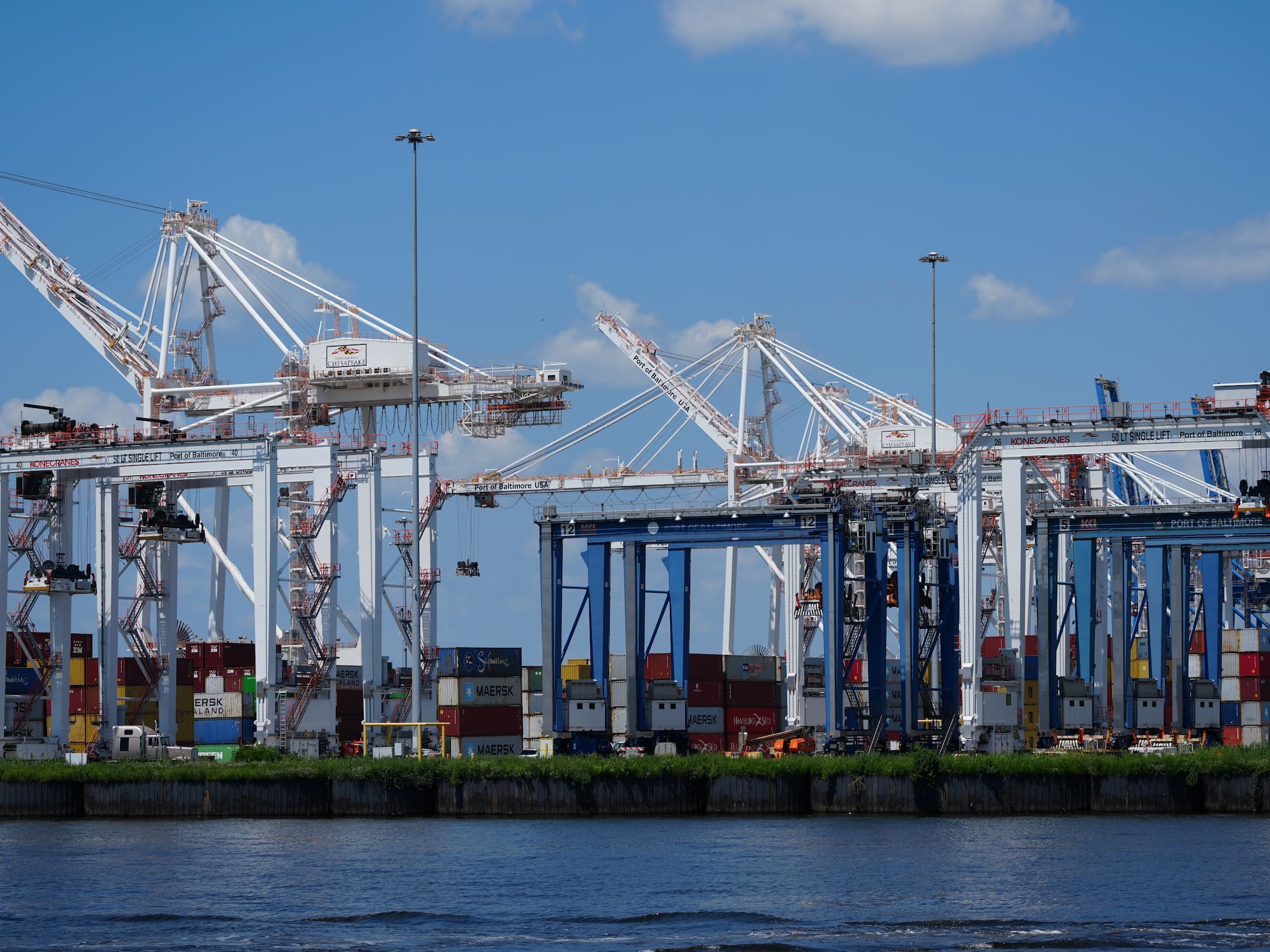
On Wednesday, June 12th, the Port of Baltimore reopened after nearly three months of working at limited capacity. A containership struck the Francis Scott Key Bridge on March 26th, collapsing into the Patapsco River. The bridge collapse resulted in the deaths of six workers and cut off vessel access to the port. Port officials responded by opening temporary alternative channels only for essential vessels and direct responders. Traffic in and out of the main channel was put on halt. The closure of the port led to logistics disruptions for many supply chains. Eleven weeks after the accident, the Fort McHenry channel is now back in regular operations.
How Did The Closing of The Port Affect Shipping?
The Port of Baltimore is known in international shipping as the busiest port in the U.S. in terms of vehicle imports. Along with automobiles, the port is famous for handling sugar, gypsum, construction machinery, and other commodities. Importers and exporters immediately began rerouting their cargo to nearby ports, causing bottlenecks in supply chains. Redirecting shipments also increased delivery time, which was unfavorable for shippers who had to move goods promptly. Congestion in the nearby ports like Savannah, Charleston, and Norfolk also increased due to the traffic moving their way. Some importers have also switched their shipments to West Coast ports, which has posed logistics challenges.
Domestic shipping was also affected by the collapse, with the port being a significant location for RoRo (Roll-On/Roll-Off) operations. Before the accident, approximately 3600 trucks crossed the Francis Scott Key Bridge daily, nearly 1.3 million yearly. Land congestion grew, with the area around the bridge being a significant trade region. This created delays for domestic shipping as well. Along with the cargo movement, the halting of operations also affected the regional economy. Thousands of longshoremen and small businesses have felt the impact of the port closure and bridge collapse. With the port opening up, longshore workers will return to their jobs as operations pick up.
Are Shippers Returning With The Port Of Baltimore Reopened?
When the Baltimore port closed, many regular shippers sought alternative seaports to import their cargo. The monthly general cargo went from almost one million tons in January 2024 to 1,822 tons in April. No importers have reported plans to modify their supply long-term from the closure. The rerouting was more of a short-term plan until operations returned to normal. Shippers that used the Port of Baltimore did so due to its many advantages. Along with its capability to handle numerous cargo types, it’s one of the closest East Coast seaports to Midwestern markets. Traffic has already started to pick up with vessels returning to the port.
Shippers should be aware of many considerations when beginning to move goods internationally. Situations like port closures and other scenarios can deter the shipping process and be unfavorable for the shipper. An ideal way to prepare against any scenario is by getting the assistance of a 3PL (Third Party Logistics) provider. 3PLs offer numerous services for transporting cargo while determining the best course of action for the shipper. Contact A1 Worldwide Logistics at 305-425-9456 or info@a1wwl.com to get started on your shipping journey. Whether it’s the Port of Baltimore or any other port, we help import and export your shipment anywhere globally.

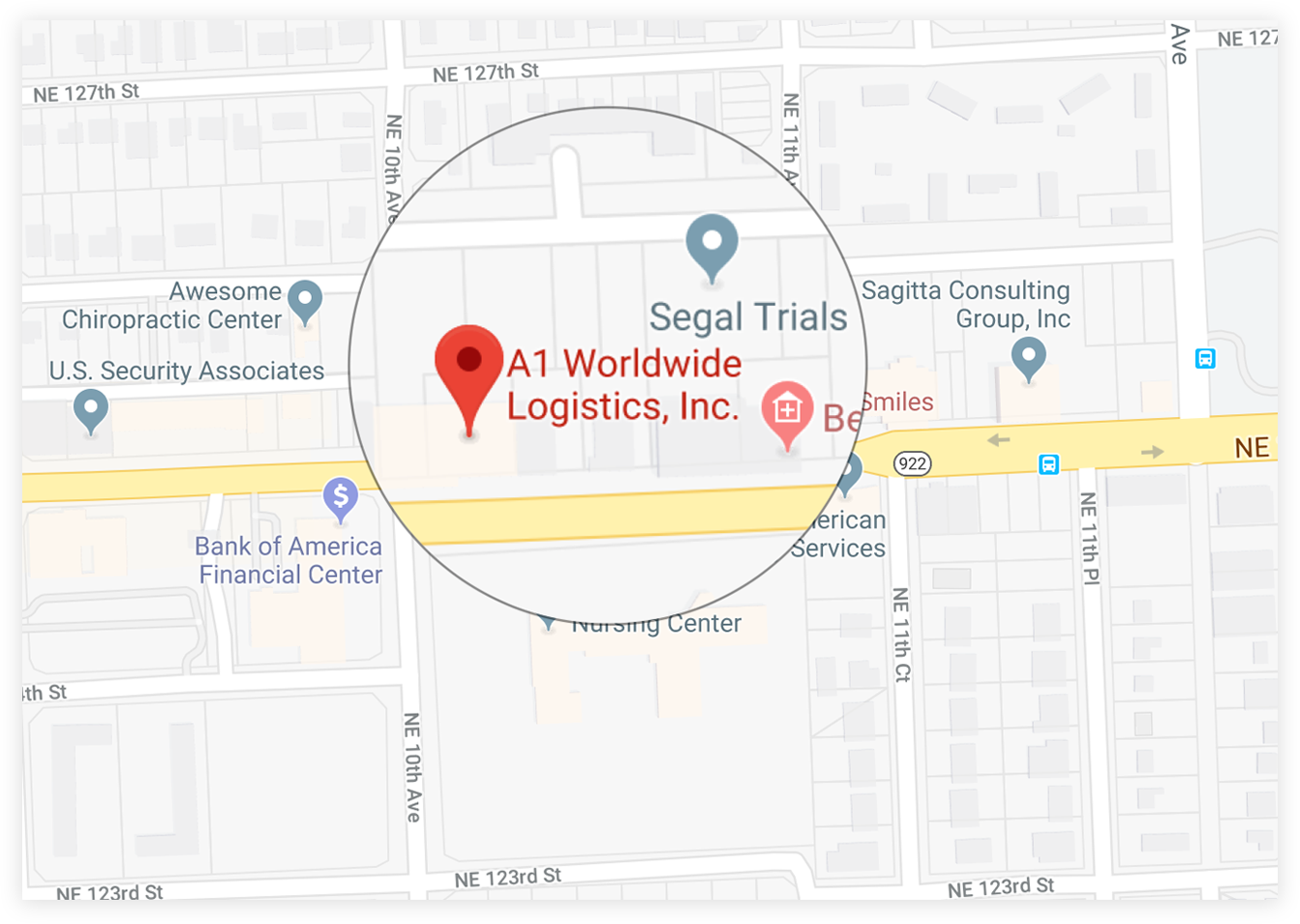
 1035 NE 125th St Suite #320, North Miami, FL 33161.
 a1worldwidelogistics.com
 (305) 821-8995
 Hours: 8AM - 5PM